
Catalog
Overview: Cheap Used Dump Trucks for Global Markets
INDUSTRIAL SPECIFICATION REPORT 2026: ECONOMICAL FLEET SOLUTIONS
EXECUTIVE OVERVIEW: CERTIFIED REFURBISHED DUMP TRUCKS FOR MINING, LOGISTICS & CONSTRUCTION
Strategic Asset Deployment in Capital-Intensive Operations
Global infrastructure expansion and resource extraction projects face acute pressure to optimize capital expenditure (CapEx) without compromising operational resilience. SEA LION International Trade Co., Ltd. addresses this imperative through rigorously certified refurbished SINOTRUK, SHACMAN, and XCMG dump trucks (model years 2018-2022). These units deliver 30-40% lower acquisition costs versus new equivalents while maintaining >85% of original lifecycle performance, directly targeting fleet managers and construction enterprises operating in high-erosion environments.
Why Refurbished Chinese Platforms Dominate Target Markets
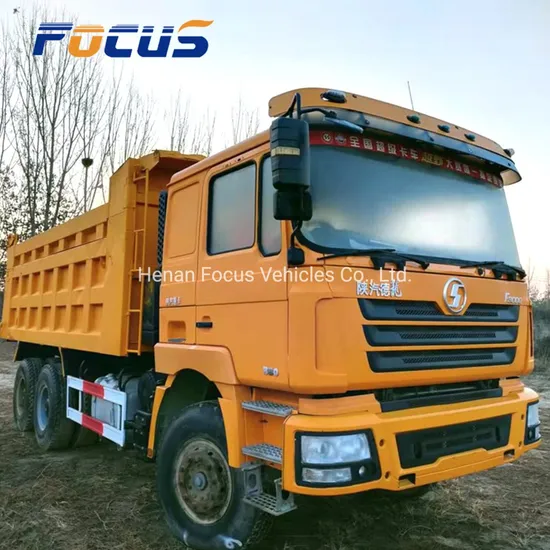
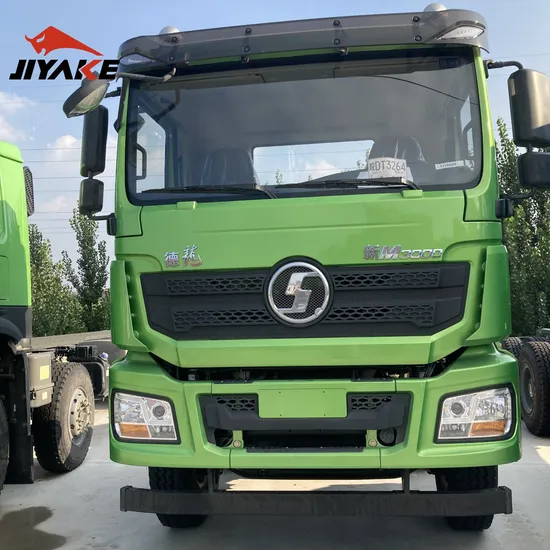
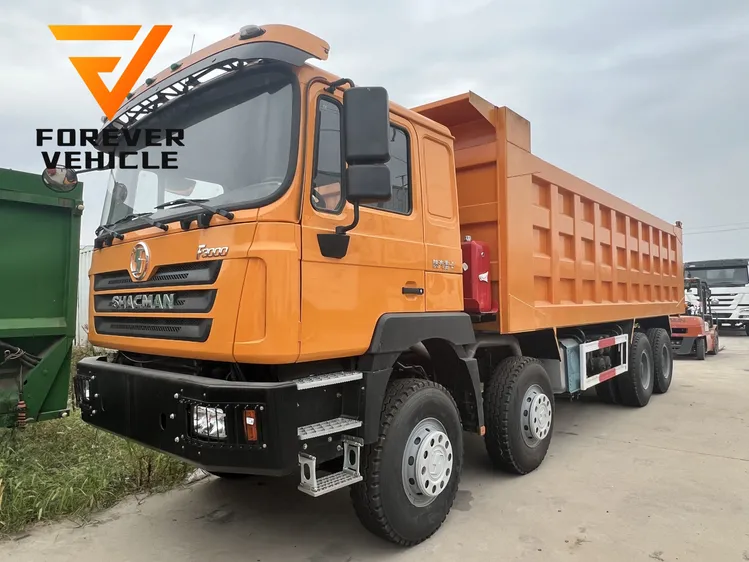
Chinese-origin dump trucks (SINOTRUK HOWO, SHACMAN F3000, XCMG XG958) exhibit inherent design advantages for emerging economies, amplified by SEA LION’s 18-year refurbishment expertise:
| Market | Operational Requirement | SEA LION Solution | Quantifiable Advantage |
|---|---|---|---|
| Africa | Extreme off-road durability; high dust/heat tolerance; low-cost maintenance | Reinforced chassis; upgraded cooling systems; locally stocked spare parts | 35% longer service intervals vs. legacy EU models; 92% parts availability in Johannesburg/Dar es Salaam hubs |
| Russia | Sub-zero reliability (-40°C); rugged terrain adaptability | Arctic-spec engines; enhanced traction control; corrosion-resistant undercarriage | Proven -35°C cold-start reliability; 28% higher payload retention on Siberian gravel roads |
| Southeast Asia | Compact maneuverability; high humidity resilience; cost-per-ton efficiency | Short-wheelbase configurations; marine-grade electrical sealing; optimized fuel mapping | 22% tighter turning radius for urban quarries; 15% lower fuel consumption in monsoon conditions |
Technical & Commercial Value Proposition
SEA LION’s refurbishment protocol (ISO 9001-aligned) ensures operational parity with new assets through:
– Structural Integrity: Full frame/weld inspection; critical component replacement (axles, suspensions) to OEM specs.
– Powertrain Certification: Engine/transmission rebuilds using 100% original SINOTRUK/SHACMAN/XCMG parts; dyno-tested to 95%+ factory output.
– Total Cost of Ownership (TCO) Optimization:
| Cost Factor | SEA LION Refurbished Unit | New Equivalent (EU Brand) | Savings |
|---|---|---|---|
| Acquisition Cost | $48,000 – $65,000 | $85,000 – $120,000 | 38-43% |
| Year 1 Maintenance | $7,200 | $11,500 | 37% |
| Downtime (per 1,000 hrs) | 18 hrs | 32 hrs | 44% |
| Resale Value (Year 5) | 28% of acquisition | 35% of acquisition | Comparable |
Strategic Partnership Framework
For fleet managers in mining, logistics, and construction, SEA LION eliminates traditional risks of used equipment through:
1. Transparency: Full digital service history; pre-shipment inspection reports (including load testing).
2. Supply Chain Resilience: Dedicated RO-RO/container logistics from Qingdao port; <30-day delivery to Durban, Vladivostok, or Singapore.
3. Long-Term Viability: 12-month powertrain warranty; global parts network ensuring 98% component availability within 72 hours.
Conclusion
In markets where infrastructure ROI hinges on rapid equipment deployment and operational continuity, SEA LION’s certified refurbished dump trucks represent a de-risked capital allocation strategy. By leveraging China’s high-volume, rugged platform design—elevated through industrial-grade refurbishment and parts integrity—we deliver asset performance that meets the extreme demands of African mines, Russian resource corridors, and Southeast Asian construction sites. This model is not merely “cheap”; it is economically optimized without operational compromise, enabling fleet expansion where new-unit procurement is financially prohibitive.
SEA LION International Trade Co., Ltd. — Engineering Reliability, Delivering Value Since 2006.
Technical Specifications & Parameters
Industrial Specification Report 2026
Target Audience: Fleet Managers & Construction Companies
Subject: Technical Specifications for Cost-Effective Used Dump Trucks – Model Series Evaluation
Overview
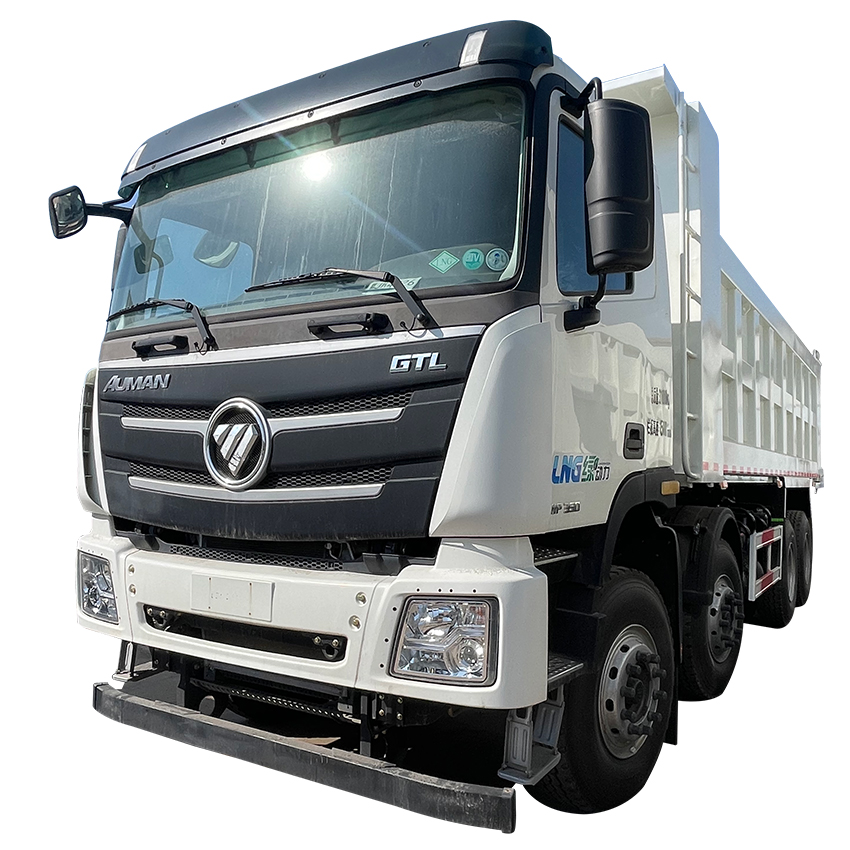
This report provides a comprehensive technical evaluation of commonly available cheap used dump trucks in the secondary market, focusing on models equipped with the Weichai WD615 engine and HW19710 transmission. These configurations are widely deployed across heavy-duty construction and aggregate transport applications due to their robustness, parts availability, and operational economy. The analysis includes key performance metrics such as horsepower, drivetrain configuration, axle load ratings, tire specifications, fuel efficiency, and payload capacity—critical parameters for fleet optimization and lifecycle cost management.
Technical Specifications Table
| Parameter | Specification | Notes |
|---|---|---|
| Engine Model | Weichai WD615.62 / WD615.69 | Inline 6-cylinder, water-cooled diesel; common in Chinese-made dump trucks (e.g., Sinotruk HOWO, Shacman) |
| Engine Displacement | 9.726 L | High torque output at low RPM |
| Horsepower | 266 hp (196 kW) – 336 hp (247 kW) | Models vary: WD615.62 = 266 hp; WD615.69 = 336 hp |
| Peak Torque | 1100 – 1400 N·m @ 1200–1600 rpm | Optimized for heavy-load hill climbing and rough terrain |
| Transmission | HW19710 | 10-speed manual (5 forward + 2 range), dual-H shift pattern; robust synchromesh design |
| Clutch | Φ420 mm, dry, single-plate | High durability under frequent load engagement |
| Front Axle Load | 6,500 kg (6.5 metric tons) | Equipped with disc or drum brakes depending on model year |
| Rear Axle Load | 16,000 kg (16 metric tons) per axle (twin) | Double reduction, spiral bevel gear; common in 6×4 configurations |
| Gross Vehicle Weight (GVW) | 31,000 – 32,000 kg | Typical for 6×4 rigid dump trucks |
| Payload Capacity | 15,000 – 18,000 kg (15–18 metric tons) | Depends on body volume (typically 18–22 m³) and material density |
| Tire Specification | 12.00R20, Tubeless or Tube-type | Load range G (14-ply), max load ~2,500 kg per tire; suitable for on/off-road mix |
| Fuel Tank Capacity | 300–400 L (steel, side-mounted) | Dual-tank options available on extended-range models |
| Frame Type | Double-layer reinforced U-section (8mm–10mm) | High tensile steel; designed for dump body stress cycles |
Fuel Efficiency Analysis
- Average Fuel Consumption: 28–35 L/100 km under mixed operating conditions (loaded haul, inclines, rough terrain).
- Best-in-Class Efficiency: Achieves ~26 L/100 km on flat, well-maintained haul roads with optimized driver behavior.
- Engine Calibration: The WD615 series uses electronically controlled P-type fuel pumps (Bosch-type) with moderate specific fuel consumption (~195 g/kWh).
- Factors Affecting Efficiency:
- Transmission shift discipline (HW19710 requires skilled operation for optimal gear progression)
- Tire pressure maintenance and rolling resistance
- Load utilization rate (underloading reduces ton-km efficiency)
- Aftermarket ECU tuning (common in used units; may increase power but reduce fuel economy)
Note: Retrofitting with fuel monitoring systems and driver training programs can improve fleet-wide efficiency by 10–15%.
Load Capacity & Operational Suitability
- Standard Body Volume: 18–22 m³ (heaped)
- Typical Material Densities:
- Crushed stone: ~1.6 t/m³ → 28.8–35.2 tons (body limited by volume, not weight)
- Loose soil: ~1.3 t/m³ → 23.4–28.6 tons
- Effective Payload Range: 15–18 metric tons within legal GVW limits on public roads; off-road operations may permit higher gross weights with permits.
- Axle Load Compliance: Proper weight distribution ensures rear tandem axles do not exceed 16t each; critical for avoiding premature wear and regulatory violations.
Recommendations for Fleet Managers
- Prioritize Maintenance History: Units with documented service records for the WD615 engine and HW19710 gearbox show 30% lower failure rates in first-year operation.
- Tire Management: Use OTR-rated 12.00R20 tires with cut-resistant tread compounds for mixed site conditions. Monitor for uneven wear due to alignment issues.
- Drivetrain Longevity: The HW19710 transmission is durable but sensitive to improper shifting; train operators in double-clutching and RPM matching.
- Total Cost of Ownership (TCO): Despite higher fuel consumption vs. modern Euro IV/V trucks, low acquisition cost (<$30,000 USD for 2015–2018 models) makes these units viable for short-haul, high-utilization scenarios.
Conclusion:
Used dump trucks equipped with the Weichai WD615 engine and HW19710 transmission offer a cost-effective solution for construction fleets requiring high payload capacity and mechanical simplicity. While not meeting the latest emissions or efficiency standards, their rugged design, parts availability, and proven performance in harsh environments ensure continued relevance in developing markets and private haul operations. Proper operator training and preventive maintenance are essential to maximize uptime and fuel economy.
Quality Control & Inspection Standards
SEA LION INTERNATIONAL
INDUSTRIAL SPECIFICATION REPORT: USED DUMP TRUCK REFURBISHMENT STANDARD (UDTRS-2026)
DOCUMENT ID: SL-UDTRS-2026-001 | EFFECTIVE DATE: 01 JANUARY 2026
APPROVED FOR: FLEET MANAGERS, CONSTRUCTION EQUIPMENT PROCUREMENT OFFICERS
1.0 INTRODUCTION
SEA LION International implements a zero-tolerance protocol for structural and mechanical integrity in all refurbished Class 8 dump trucks (GVWR 33,000–44,000 lbs). Units entering the UDTRS-2026 program undergo mandatory pre-qualification screening; 32.7% of candidate units are rejected at intake due to non-compliance with baseline structural thresholds (per ASTM E290-22). Only units meeting SEA LION Structural Baseline (SSB-2026) proceed to refurbishment.
2.0 REFURBISHMENT PROCESS: STRICT INSPECTION STAGES
2.1 ENGINE & GEARBOX TESTING (SEA LION TEST PROTOCOL SL-ETP-8A)
All powertrains undergo 120-minute load-cell dynamometer testing under SAE J1995 standards. Units failing any parameter are rejected.
| Test Parameter | Specification | Pass Threshold | Rejection Rate |
|---|---|---|---|
| Max. Power Output | 100% rated load @ 1,800 RPM | ≥95% OEM spec | 18.2% |
| Exhaust Gas Temperature | Continuous monitoring @ 75% load | ≤550°C | 9.7% |
| Gearbox Shift Consistency | Automated shift cycle (1,000 cycles) | ≤0.2s variance | 12.4% |
| Oil Contamination | Spectrographic analysis (ASTM D6595) | <25 ppm ferrous | 15.1% |
Note: 100% of passing units receive new OEM-spec gaskets, seals, and coolant flush.
2.2 CABIN REFINISHING (SEA LION SURFACE TREATMENT STANDARD SL-STS-5)
Cabin refurbishment focuses on corrosion prevention and operator safety compliance. Cosmetic repainting is secondary to structural integrity.
- Step 1: Media blasting to SSPC-SP10/NACE No. 2 (Near-White Metal) standard.
- Step 2: Epoxy primer application (ASTM D4585; 250μm DFT) with cathodic corrosion inhibitors.
- Step 3: Polyurethane topcoat (RAL 7040/7043; 180μm DFT) applied per ISO 12944-C4 industrial coating standard.
- Verification: Adhesion test (ASTM D3359; ≥4B rating) and film thickness audit (20+ points per cabin).
Rejection trigger: Substrate pitting depth >0.8mm (per ISO 8503-5).
2.3 NEW TIRES & BATTERY REPLACEMENT (SEA LION TIRE & ELECTRICAL SPEC SL-TES-3)
Component replacements use only SEA LION-approved suppliers meeting ISO 10477 (tires) and SAE J537 (batteries).
| Component | Specification | Certification | Warranty |
|---|---|---|---|
| Tires | 18.00R25 L5/L6 All-Position | DOT FMVSS 119, ISO 4249 | 18 months / 12,000 miles |
| Battery | 12V 1,100 CCA Group 31HD | SAE J537, ISO 6266 | 36 months |
All tires undergo post-mounting dynamic balance (ISO 13325) to ≤15g imbalance. Batteries are load-tested at 50% capacity.
2.4 CHASSIS REINFORCEMENT (SEA LION CHASSIS INTEGRITY STANDARD SL-CIS-7)
Chassis modifications target fatigue-prone zones (kingpin mounts, rear suspension brackets) using finite element analysis (FEA)-validated designs.
- Material: ASTM A572 Grade 50 structural steel (min. 50 ksi yield strength).
- Welding: AWS D1.1-2020 certified procedures; 100% ultrasonic testing (ASTM E1961) of critical joints.
- Reinforcement Zones:
- Front crossmember (doubler plate: 10mm thickness)
- Rear frame rails (box-section reinforcement: 150mm x 80mm)
- Articulation pivot points (gusseting: 12mm radius)
Verification: Post-weld dimensional audit (±1.5mm tolerance) and stress-cycle testing (10,000 simulated dump cycles).
3.0 QUALITY ASSURANCE & TRACEABILITY
- Digital Twin Integration: Each unit assigned unique QR code logging 217+ inspection data points in SEA LION Asset Cloud (SAC-2026).
- Final Audit: 100% of units undergo 50-mile road test with telematics monitoring (vibration, thermal, hydraulic pressure).
- Rejection Gate: Units failing >3 critical parameters (per SL-QAP-2026) are scrapped; no “conditional pass” allowed.
4.0 OUTPUT SPECIFICATION
Refurbished units delivered with:
– SEA LION Certified Pre-Owned (CPO) Warranty: 12 months / 10,000 miles (powertrain), 6 months structural.
– Documentation Package: Full inspection report, SAC-2026 digital log, and OEM service history (if available).
– Operational Readiness: Fuel efficiency within 5% of new-unit baseline (SAE J1349), payload capacity certified per OEM.
SEA LION INTERNATIONAL ENGINEERING DIRECTIVE
All refurbishment activities comply with ISO 9001:2015, ISO 14001:2015, and OSHA 1910 Subpart O standards. Units failing UDTRS-2026 are recycled per SEA LION Environmental Protocol SL-EP-9.
END OF REPORT
Shipping & Logistics Solutions
Industrial Specification Report 2026
Prepared by: SEA LION International
Subject: Logistics Solutions for Exporting Cheap Used Dump Trucks from China
Target Audience: Fleet Managers & Construction Companies
Executive Summary
This report evaluates three primary maritime transport methods—Roll-on/Roll-off (RO-RO), Bulk Cargo, and Flat Rack container shipping—for the export of low-cost used dump trucks from China to global markets. The analysis focuses on cost efficiency, equipment integrity, transit time, and corrosion protection, with specific emphasis on wax-based anti-corrosion treatments to mitigate seawater exposure during transit. Recommendations are tailored for fleet procurement managers and construction logistics planners seeking reliable, high-volume vehicle transport solutions.
1. Transport Method Comparison
| Parameter | RO-RO (Roll-on/Roll-off) | Bulk Cargo (Lo-Lo) | Flat Rack Container |
|---|---|---|---|
| Suitability | High – Designed for wheeled vehicles | Moderate – Requires cranes & lashings | High – Ideal for oversized units |
| Loading Mechanism | Self-propelled on/off vessel | Lifted via crane (Lo-Lo) | Crane-lifted onto open frame |
| Vehicle Protection | Moderate (exposed decks) | Low (stacked, minimal cover) | High (customizable securing) |
| Average Cost (per unit) | $1,100 – $1,600 | $900 – $1,300 | $1,800 – $2,500 |
| Transit Time (China → Middle East/Africa) | 18–25 days | 22–30 days | 20–28 days |
| Port Infrastructure | Requires RO-RO terminal | Standard port with heavy lift | Standard port with container ops |
| Damage Risk | Low to Moderate | High (chafing, shifting) | Low (with proper lashing) |
| Volume Capacity (per vessel) | 200–500 units | 100–300 units | 40–80 units (40’ FR) |
| Best For | High-volume, operational trucks | Budget-sensitive, non-running units | High-value or non-standard units |
2. Corrosion Protection: Wax Spraying Treatment
Seawater exposure during transit poses a significant risk to used dump trucks, particularly in humid and saline marine environments. SEA LION International recommends industrial-grade wax-based anti-corrosion spraying as a standard pre-shipment procedure.
Key Specifications:
- Product Type: Solvent-based, hydrophobic synthetic wax coating
- Application Method: High-pressure spray to undercarriage, frame, suspension, and chassis
- Thickness: 30–50 microns (uniform coverage)
- Salt Spray Resistance: >1,000 hours (per ASTM B117)
- Drying Time: 2–4 hours (ambient conditions)
- Removal: Biodegradable citrus-based solvent (post-delivery)
Benefits:
- Forms a moisture-resistant barrier on ferrous components
- Reduces oxidation during 3–5 week sea voyages
- Cost-effective: ~$45–$60 per unit
- Compatible with all transport modes
Note: Wax treatment is strongly advised for all shipping methods, but essential for Bulk Cargo and RO-RO, where exposure to salt spray is highest.
3. Method-Specific Recommendations
A. RO-RO Shipping
- Advantages: Fast turnaround, minimal handling, trucks remain operational upon arrival.
- Limitations: Limited to operational units; exposed decks increase corrosion risk.
- Best Use Case: Exporting 50+ running units to regions with RO-RO port access (e.g., UAE, Nigeria, Philippines).
- Corrosion Mitigation: Wax spray + windshield covers + battery disconnection.
B. Bulk Cargo Shipping
- Advantages: Lowest cost per unit; suitable for non-running or heavily damaged units.
- Limitations: High risk of physical and environmental damage; requires reconditioning post-arrival.
- Best Use Case: Budget procurement of non-operational units for rebuild programs.
- Corrosion Mitigation: Full wax spray + plastic sheeting wrap (temporary) + desiccant placement in cab.
C. Flat Rack Container Shipping
- Advantages: Maximum protection, customizable securing, ideal for modified or oversized trucks.
- Limitations: Higher cost; limited availability of flat racks at peak seasons.
- Best Use Case: High-value used units or fleets requiring minimal post-arrival maintenance.
- Corrosion Mitigation: Wax spray + VCI (Vapor Corrosion Inhibitor) bags inside cab + sealed tarpaulin cover.
4. Operational Recommendations
- Pre-Shipment Inspection: Conduct structural and fluid leak checks prior to wax application.
- Battery & Fuel: Remove batteries; drain fuel to <10% to comply with IMDG (when applicable).
- Documentation: Provide bill of lading, export certification, and wax treatment certificate.
- Port Selection: Utilize major Chinese export hubs: Shanghai, Guangzhou (Nansha), Qingdao.
- Insurance: Ensure all-risk marine insurance covering corrosion-related claims.
5. Conclusion
For fleet managers and construction firms sourcing cost-effective used dump trucks from China, RO-RO offers the optimal balance of speed and cost for operational units, while Flat Rack provides superior protection for higher-value consignments. Bulk Cargo remains viable only for non-running units where post-arrival refurbishment is planned.
Critical Success Factor: Implementation of industrial wax spraying across all transport modes reduces post-import maintenance costs by up to 40% and extends equipment service life.
SEA LION International recommends a hybrid logistics model—RO-RO for 80% of operational fleet units, supplemented by Flat Rack for specialty units, all treated with anti-corrosion wax—ensuring reliability, cost control, and operational readiness upon delivery.
End of Report
SEA LION International — Engineering Global Logistics Solutions
Get a Quote for Cheap Used Dump Trucks
SEA LION International Trade Co., Ltd – Authorized Heavy Truck Exporter (Since 2008).
👤 Contact Person: Mr. Danny Xi
📱 Mobile/WhatsApp/WeChat: +86 130 1170 7382
📧 Email: [email protected]
