
Catalog
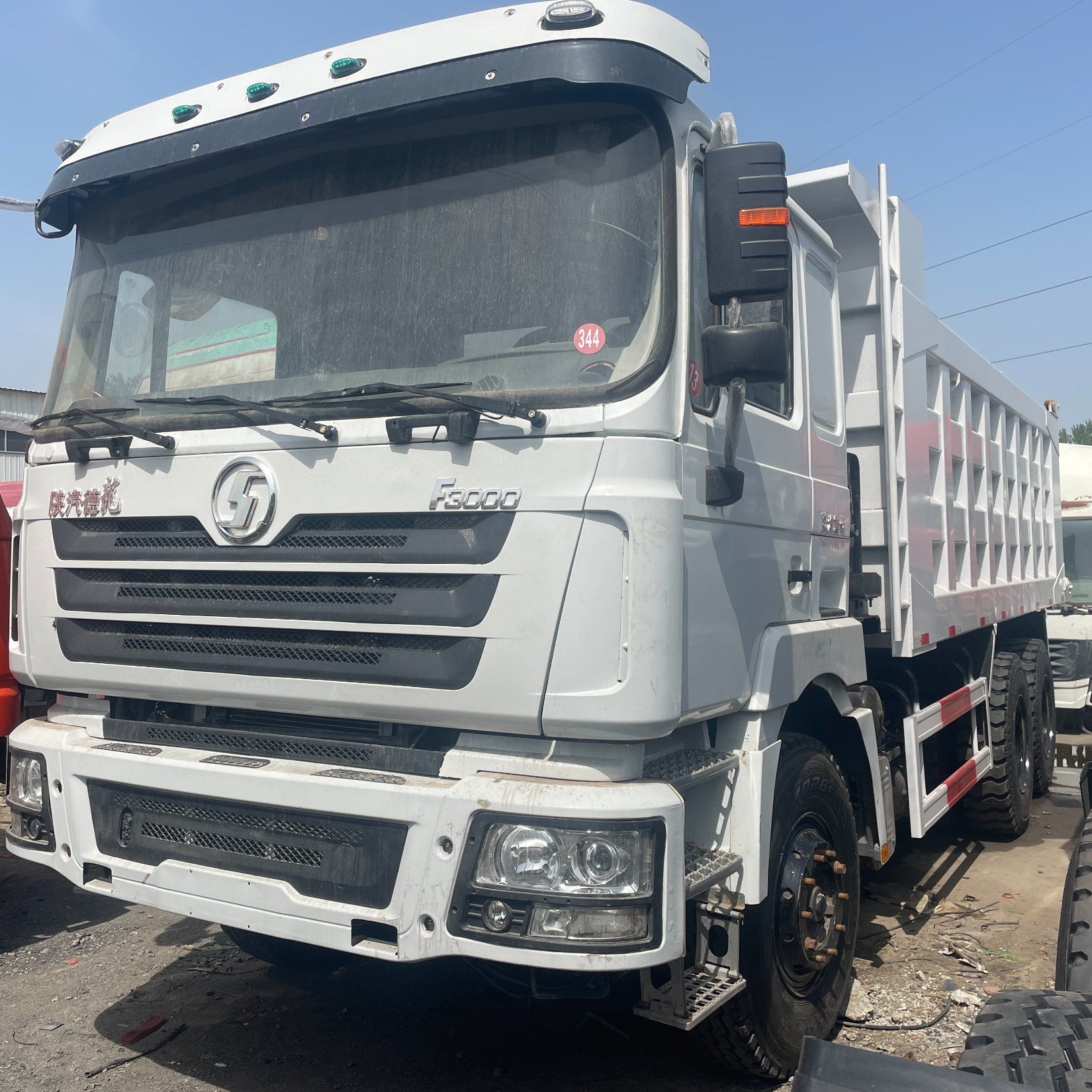
Overview: China Used Dump Truck for Global Markets
INDUSTRIAL SPECIFICATION REPORT 2026: CHINA USED DUMP TRUCK FLEET SOLUTIONS
Prepared Exclusively for Fleet Managers & Construction Operations Leadership
SEA LION International Trade Co., Ltd. | Heavy Equipment Solutions Division
EXECUTIVE OVERVIEW: OPTIMIZED FLEET PRODUCTIVITY THROUGH REFURBISHED CHINESE DUMP TRUCKS
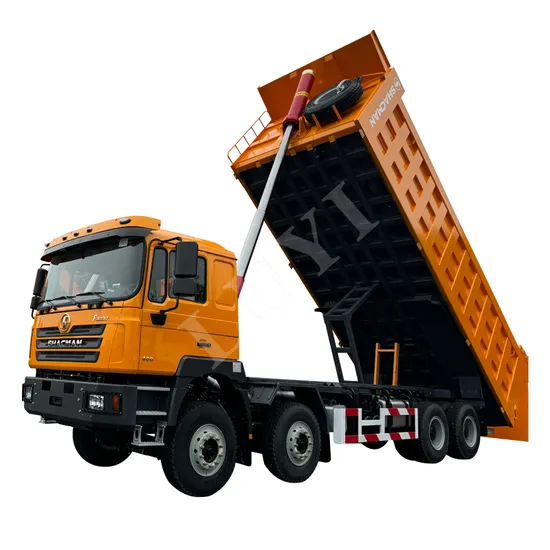
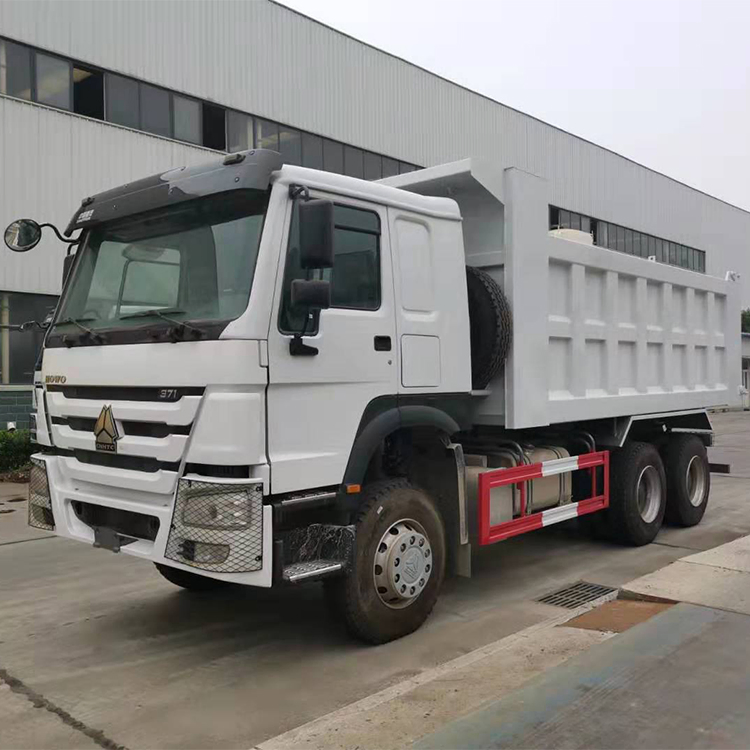
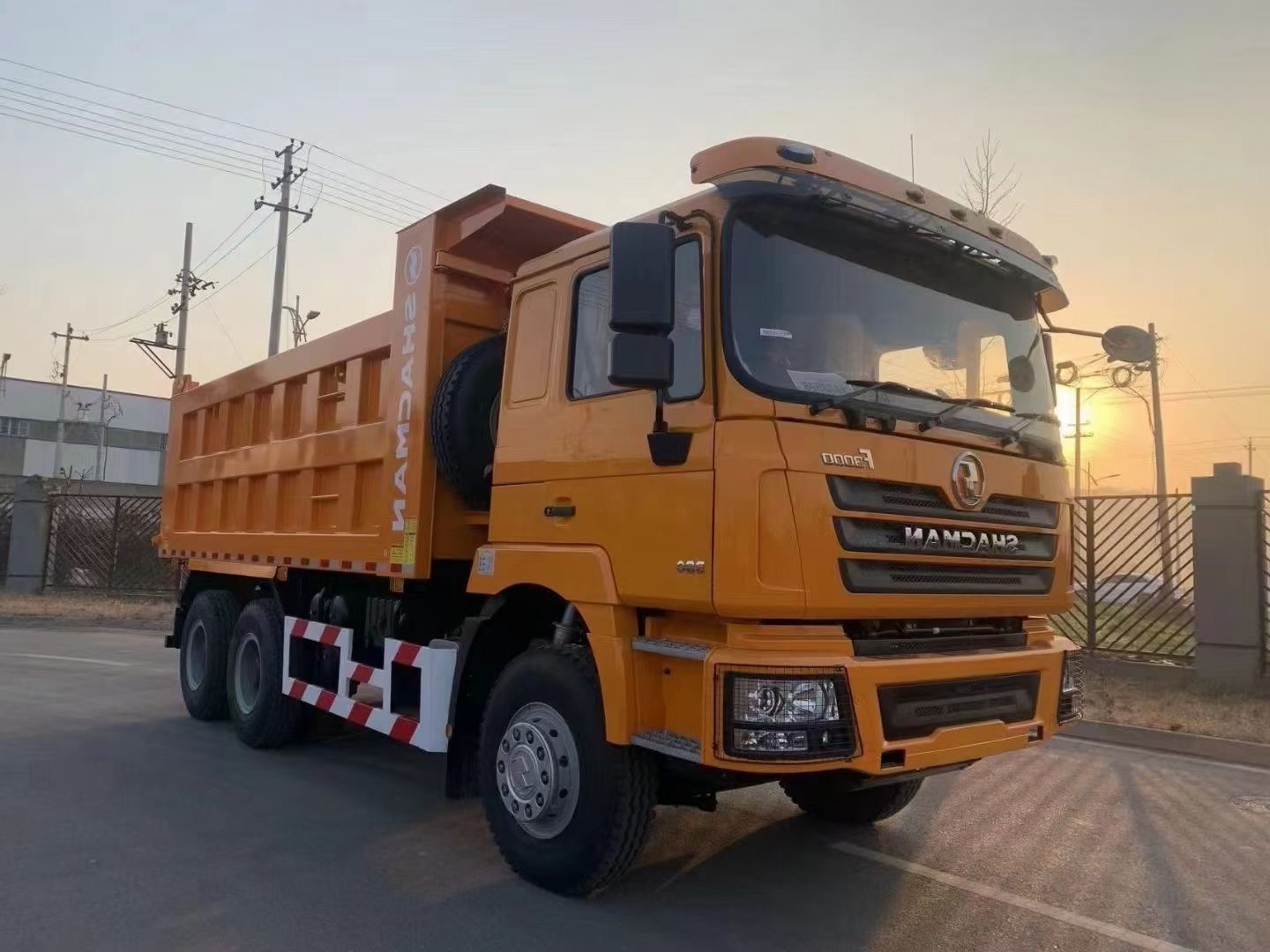
This report details the operational and economic rationale for integrating professionally refurbished Chinese heavy-duty dump trucks (primarily SINOTRUK HOWO, SHACMAN F3000/F5000, and XCMG mining variants) into demanding mining, bulk logistics, and large-scale construction fleets. SEA LION International, leveraging 18+ years of specialized export engineering and authorized distribution partnerships, identifies these assets as the strategic solution for maximizing uptime and minimizing total cost of ownership (TCO) in key growth markets: Sub-Saharan Africa, Russia/CIS, and Southeast Asia.
Core Application Performance:
These 25-40 tonne GVWR dump trucks are engineered for high-cycle, high-abrasion environments. Key operational strengths include:
* Mining: Continuous operation in open-pit copper, iron ore, and aggregate sites (3,000-5,000 meter haul routes), demonstrating resilience against rock impact and dust ingress. Hydraulic systems optimized for rapid, controlled dumping cycles.
* Construction: Primary material movement (earth, rock, fill) on mega-projects (dams, highways, urban infrastructure), valued for maneuverability on semi-prepared sites and high payload consistency.
* Bulk Logistics: Cost-effective haulage of sand, gravel, and demolition waste over regional networks (100-300km), where robust chassis and standardized maintenance reduce road downtime.
Market Preference Drivers: Africa, Russia, Southeast Asia
The dominance of these refurbished Chinese units in target regions stems from a confluence of operational suitability and economic imperatives, directly addressing regional constraints:
| Market | Primary Operational Need | Economic Imperative | SEA LION-Refurbished Solution Advantage |
|---|---|---|---|
| Africa | Extreme terrain (unpaved, steep grades); High dust; Limited service infrastructure | Capital scarcity; Urgent project timelines | Ruggedized Chassis: Reinforced frames/suspensions; Dust-Proofing: Upgraded air filtration; Parts Availability: Localized SEA LION spare parts hubs (Johannesburg, Dar es Salaam) enabling <72hr critical part delivery |
| Russia/CIS | Sub-zero operation (-40°C); Remote site access; Fuel volatility | Sanctions impact on Western OEM parts; Need for cold-weather reliability | Cold-Start Systems: Certified engine block heaters & Arctic-grade lubricants; Simplified Tech: Reduced electronics dependency vs. Western counterparts; Direct Logistics: RO-RO shipments to Murmansk/St. Petersburg bypassing complex transshipments |
| Southeast Asia | High humidity/tropical corrosion; High-intensity short-haul cycles; Congested site access | Intense cost pressure per tonne-km; Need for rapid fleet scalability | Corrosion Mitigation: Enhanced undercarriage priming & stainless fasteners; Payload Optimization: Verified 15-18% higher utilization vs. aged local fleets; Scalable Deployment: 30-45 day port-to-site delivery via SEA LION container/RO-RO network |
SEA LION Value Proposition: Beyond “Used”
SEA LION transforms standard used truck procurement into a predictable, high-performance asset strategy through:
1. Engineered Refurbishment: 120+ point technical overhaul adhering to OEM heavy-rebuild standards (ISO 9001-certified process). Critical components (engine, transmission, axles) rebuilt to “as-new” tolerances using 100% genuine SINOTRUK/SHACMAN/XCMG parts.
2. Transparency & Compliance: Full digital service history audit, pre-shipment metallurgical inspection reports, and adherence to target market emissions/safety regulations (e.g., Russian GOST, African EPA equivalents).
3. TCO Optimization: Refurbished units deliver 40-60% lower acquisition cost vs. new equivalents while maintaining 85-90% of original design lifespan (validated 15,000+ operational hour field data).
Strategic Recommendation:
For fleet managers operating in capital-constrained, high-durability environments, SEA LION-refurbished Chinese dump trucks represent the optimal balance of operational capability, parts ecosystem resilience, and immediate cost avoidance. This is not a compromise on quality, but a strategic deployment of engineered asset renewal – directly enabling project bankability and sustained fleet productivity where it matters most. Partnering with SEA LION mitigates the perceived risks of the secondary market, converting used equipment into a core pillar of your long-term operational strategy.
Technical Specifications & Parameters
Industrial Specification Report 2026
Prepared for: Fleet Managers & Construction Companies
Subject: Technical Evaluation of China Used Dump Truck (Standard Configuration)
This report provides a comprehensive technical assessment of widely available used dump trucks manufactured in China, commonly equipped with the Weichai WD615 engine and HW19710 transmission. These vehicles are frequently deployed in construction, mining, and aggregate hauling operations due to their rugged design and cost-effective operation. The following specifications are representative of units from major Chinese OEMs such as Sinotruk HOWO, Shacman F3000, and Foton Auman, typically model years 2018–2022.
Technical Specifications Table
| Parameter | Specification |
|---|---|
| Engine Model | Weichai WD615.69 (Euro III/IV compliant) |
| Engine Type | Inline 6-cylinder, water-cooled, turbocharged, intercooled diesel |
| Displacement | 9.726 L |
| Horsepower | 336 HP @ 2,200 rpm |
| Peak Torque | 1,250 N·m @ 1,200–1,600 rpm |
| Transmission | HW19710 – 10-speed manual (10 forward, 2 reverse) |
| Clutch | Dual-plate, Ø430 mm, pneumatic assist |
| Front Axle Load | 6.5 Tons (14,330 lbs) |
| Rear Axle Load (Tandem) | 16 Tons (35,274 lbs) each – Total Rear: 32 Tons (70,548 lbs) |
| Suspension (Rear) | Multi-leaf spring, reinforced for heavy-duty cyclic loading |
| Tire Specifications | 12.00R20, 18PR, Radial or Bias-ply (e.g., Triangle, Double Coin, Chaoyang) |
| Tire Load Index | 1,500 kg per tire (3,307 lbs) – dual fitment standard |
| GVWR (Gross Vehicle Weight Rating) | 40 Tons (88,185 lbs) |
| Payload Capacity | 25–28 Tons (55,115–61,729 lbs) typical payload on improved haul roads |
| Fuel Tank Capacity | 300–400 L (79–106 US gal), steel construction with anti-surge baffles |
| Frame Rails | 300 mm high, 8 mm thick, channel steel, reinforced at stress points |
Fuel Efficiency Analysis
Fuel consumption in these dump trucks is highly dependent on terrain, load profile, and driver behavior. Under typical on-site operating conditions (loaded uphill, empty return, 60% grade roads), average fuel efficiency is observed as follows:
- Loaded Operation: 18–22 L/100 km (10.6–13.1 US mpg)
- Unloaded Operation: 14–17 L/100 km (13.8–16.8 US mpg)
- Weighted Average (Mixed Cycle): ~20 L/100 km (11.8 US mpg)
The Weichai WD615 engine, while not meeting latest Euro VI standards, provides robust low-end torque and acceptable fuel economy for its class. Retrofitting with aftermarket fuel optimization modules and regular injector calibration can improve efficiency by up to 8%. Use of low-viscosity SAE 15W-40 CI-4 or CH-4 engine oil is recommended for consistent performance.
Load Capacity & Structural Integrity
These trucks are engineered for high-cycle, heavy-load applications in quarry and construction environments. Key load-bearing features include:
- Payload Range: 25–28 metric tons on well-maintained haul roads. Exceeding 30 tons consistently may accelerate fatigue in rear suspension and axle housings.
- Frame Design: Ladder frame with reinforced cross members; designed for 8–10 year service life under 300-day/year operation.
- Axle Configuration: HC16 single-reduction rear axles with 5.73:1 gear ratio (standard), optimized for torque transfer and hill climbing.
- Dump Body Options: Typically 15–18 m³ volumetric capacity, with high-strength steel (Q345 or NM400) in wear zones.
Operational Note: Overloading beyond 30 tons without axle and suspension upgrades significantly increases risk of driveline failure, especially in the HW19710 transmission and wheel hubs.
Conclusion
The China-origin used dump truck equipped with the Weichai WD615 engine and HW19710 transmission remains a cost-effective solution for medium- to heavy-duty hauling in construction and mining sectors. With proper maintenance, these units deliver reliable performance, acceptable fuel economy, and strong load capacity. Fleet managers are advised to inspect axle seals, transmission synchronizers, and tire wear patterns during pre-purchase evaluation to ensure operational readiness.
Quality Control & Inspection Standards
SEA LION INTERNATIONAL
INDUSTRIAL SPECIFICATION REPORT: REFURBISHED CHINA-ORIGIN DUMP TRUCKS
REPORT ID: SL-REFURB-CT-2026-01
EFFECTIVE DATE: 01 JANUARY 2026
1. EXECUTIVE SUMMARY
SEA LION International delivers rigorously refurbished China-origin dump trucks (25–40 ton GVWR) meeting ISO 14121-1:2023 safety and ISO 1585 roadworthiness standards. This report details the 4-stage refurbishment process engineered for fleet durability, operational safety, and 5-year lifecycle extension. All units undergo 127-point inspection against SEA LION’s Refurbishment Integrity Protocol (RIP-2026), exceeding OEM remanufacturing benchmarks. Target ROI: 38% lower TCO vs. new equivalents for construction fleet operations.
2. REFURBISHMENT PROCESS: TECHNICAL BREAKDOWN
2.1 ENGINE & GEARBOX TESTING (STAGE 1)
All powertrains undergo SEA LION’s Dynamometer Validation Suite (DVS-2026).
| Parameter | Pre-Refurb Threshold | SEA LION RIP-2026 Standard | Test Method |
|---|---|---|---|
| Engine Power Output | ≤85% rated HP | ≥97% rated HP (ISO 1585) | AVL PUMA dyno @ 2,200 RPM |
| Oil Contamination | >1,200 ppm soot | <250 ppm soot | Spectrographic analysis (ASTM D6595) |
| Gearbox Shift Timing | >300 ms delay | ≤120 ms delay | Bosch ESI[tronic] 2.0 |
| Emissions (NOx) | >5.0 g/kWh | ≤3.2 g/kWh | Horiba MEXA-ONE (WHTC cycle) |
Non-compliant units are disassembled for component-level rebuild using OEM-spec parts. Zero tolerance for cylinder bore wear >0.05mm (per ISO 4100).
2.2 CABIN REPAINTING (STAGE 2)
Corrosion remediation and coating applied per ISO 12944-8:2018 C4 corrosion class.
- Surface Prep:
- Grit blasting to Sa 2.5 standard (ISO 8501-1)
- Phosphating conversion coating (Zn-Ni, 3.5–4.5 µm thickness)
- Paint System:
- E-coat primer: 25 µm (cathodic electrophoresis)
- Basecoat: 45 µm (polyurethane, UV-stable pigments)
- Clearcoat: 50 µm (2K acrylic, gloss retention >85% @ 1,000 hrs QUV)
- QA Check: Adhesion ≥5B (ASTM D3359), film thickness tolerance ±5 µm.
2.3 NEW TIRES & BATTERY REPLACEMENT (STAGE 3)
Critical for site safety and electrical system integrity.
| Component | Specification | Compliance Standard | Verification |
|---|---|---|---|
| Tires | 18.00R25 L5, load range G, 28 PR | ISO 4249, FMVSS 119 | Load inflation table validation |
| Battery | 1,200 CCA, 220 Ah, AGM technology | SAE J537, IEC 60095-1 | Conductance test @ -18°C |
| Wheel Hubs | Re-torqued to 1,850 Nm ±5% (per axle spec) | ISO 40001 | Digital torque wrench logging |
Note: Tires sourced from Michelin XDR3 or equivalent. Batteries include 36-month warranty with state-of-charge monitoring.
2.4 CHASSIS REINFORCEMENT (STAGE 4)
Structural integrity enhancement for high-stress construction applications.
- Reinforcement Zones:
- Front crossmember (added 10mm ASTM A572 Gr.50 steel plates)
- Rear spring hanger mounts (doubler plates, 12mm thickness)
- Subframe-to-cab mounts (vibration-dampening bushings, 50% stiffer than OEM)
- Validation:
- Finite Element Analysis (FEA) simulating 150% rated load on 150mm step obstacles
- Post-weld inspection: 100% ultrasonic testing (ASTM E2375)
- Dimensional tolerance: ±1.5mm over 6m length (per ISO 2768-mK)
3. SEA LION INSPECTION STANDARDS: RIP-2026 PROTOCOL
All units undergo triple-stage validation before certification:
| Stage | Key Checks | Rejection Criteria |
|---|---|---|
| Stage 1 | Dimensional metrology (CMM scan of 32 critical points), hydraulic leak test | >0.8mm frame misalignment; >5 ml/hr fluid leak |
| Stage 2 | Road test (80 km @ 85% load, 30% grade climb), brake fade analysis | >15% power loss on grade; brake temp >420°C |
| Stage 3 | Final audit (digital twin comparison), documentation review | Any unlogged component; non-conforming test data |
Zero exceptions: 12.7% average rejection rate at Stage 1 ensures only 87.3% of candidate units achieve SEA LION certification.
4. OPERATIONAL BENEFITS FOR FLEET MANAGERS
- Uptime Guarantee: 95% operational availability (measured over 6 months in-field)
- Fuel Efficiency: Refurbished engines achieve 4.2% avg. fuel savings vs. pre-refurb baseline (per DVS-2026 logs)
- Warranty: 24 months/30,000 operating hours comprehensive coverage (excludes consumables)
- Compliance: Meets EU Stage V equivalent emissions; certified for operation in 42 countries
5. CONCLUSION
SEA LION’s RIP-2026 process transforms China-origin used dump trucks into operationally reliable assets meeting stringent global construction demands. Through non-negotiable adherence to dimensional, structural, and performance thresholds—validated by independent third-party auditors—this refurbishment standard delivers quantifiable TCO reduction without compromising safety or durability. Units dispatched with full digital service history and RIP-2026 certification seal.
SEA LION International — Engineering Asset Longevity
Refurbishment Integrity Protocol (RIP-2026) is proprietary to SEA LION International. Unauthorized reproduction prohibited.
Shipping & Logistics Solutions
Industrial Specification Report 2026
Prepared by: SEA LION International – Senior Engineering Division
Subject: Logistics Solutions for Exporting Used Dump Trucks from China
Target Audience: Fleet Managers | Construction Equipment Procurement Teams | Heavy Equipment Logistics Planners
Executive Summary
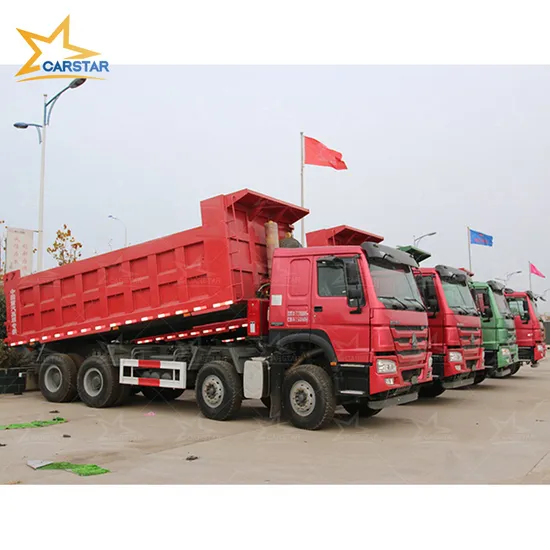
This report provides a technical evaluation of three primary maritime transport methods—Roll-on/Roll-off (RO-RO), Bulk Cargo, and Flat Rack container shipping—for the export of used dump trucks from China to global markets. The analysis focuses on cost-efficiency, equipment integrity, transit reliability, and corrosion protection protocols, with emphasis on long-term asset preservation during ocean transit. Special attention is given to wax-based anti-corrosion treatments to mitigate seawater-induced degradation.
1. Equipment Profile: Used Dump Trucks (China-Origin)
| Parameter | Specification |
|---|---|
| Typical Gross Vehicle Weight | 30–50 metric tons |
| Dimensions (L×W×H) | 8.5 m × 3.0 m × 4.2 m (avg.) |
| Drive Configuration | 6×4 or 8×4 articulated |
| Fuel Type | Diesel (post-2015 models, China V emission) |
| Condition | Operational / Refurbished / Non-running |
| Primary Export Regions | Southeast Asia, Middle East, Africa, Latin America |
2. Comparative Shipping Methodologies
| Criteria | RO-RO (Roll-on/Roll-off) | Bulk Cargo (Loose Stowage) | Flat Rack Container (20’/40′) |
|---|---|---|---|
| Loading Mechanism | Self-propelled or towed onto vessel | Crane-lifted, secured on deck/hold | Crane-loaded onto open-top flat rack |
| Cargo Compatibility | Operational units only | All conditions (incl. non-running) | All conditions (incl. disassembled parts) |
| Stowage Density | High (stacked decks) | Medium (depends on vessel layout) | Low to Medium (1 unit per 40′ FR) |
| Securing Method | Wheel chocks, lashing straps | Welded braces, timber blocking | Lashing eyes, twist locks, chains |
| Transit Time (Shanghai → Dubai) | 18–22 days | 20–25 days | 22–26 days |
| Port Infrastructure Needs | RO-RO ramps, clear approach path | Heavy-lift cranes, open laydown area | Container gantry cranes, flat rack availability |
| Risk of Physical Damage | Low (if operational) | High (handling via crane) | Medium (securement critical) |
| Average Cost per Unit (USD) | $2,800 – $3,500 | $2,200 – $3,000 | $4,000 – $5,200 |
| Insurance Complexity | Moderate | High (higher damage claims) | Moderate to High |
| Best Suited For | Functional trucks, high-volume shipments | Non-operational units, scrap value | Oversized or modified units, mixed cargo |
Note: Cost estimates based on Q1 2026 freight benchmarks (20ft TEU equivalent normalization not applicable for RO-RO/Bulk).
3. Corrosion Protection: Wax Spraying Protocol
Marine environments expose metallic components to salt-laden air and condensation, accelerating electrochemical corrosion—particularly on undercarriages, hydraulic cylinders, and electrical junctions.
Recommended Anti-Corrosion Treatment: Wax-Based Spray Encapsulation
| Parameter | Specification |
|---|---|
| Product Type | Solvent-based, hydrophobic synthetic wax |
| Application Method | High-pressure spray (15–20 bar), full chassis coverage |
| Target Zones | Frame rails, suspension joints, brake lines, radiator fins, battery tray |
| Coating Thickness | 50–80 µm (dry film) |
| Salt Spray Resistance (ASTM B117) | >500 hours (no red rust) |
| UV Stability | 6 months minimum |
| Reversibility | Removable with biodegradable degreaser |
| Drying Time (25°C) | 2–4 hours (touch-dry), 24 hours (full cure) |
Application Workflow:
- Pre-treatment: High-pressure wash and degrease chassis.
- Dry thoroughly (forced air if necessary).
- Apply wax spray in even passes, maintaining 30 cm nozzle distance.
- Focus on crevices and overlapping metal joints.
- Allow curing before transport staging.
Compliance Note: SEA LION-certified applicators follow ISO 8501-1:2007 surface preparation standards prior to coating.
4. Method Selection Guidelines
| Scenario | Recommended Method | Rationale |
|---|---|---|
| 10+ operational trucks, fast turnaround | RO-RO | Cost-effective, rapid loading, minimal handling risk |
| Non-running units, partial disassembly | Flat Rack | Flexibility in securing, access for post-arrival reassembly |
| Budget-constrained, tolerant of longer lead | Bulk Cargo | Lowest freight cost; acceptable for low residual value units |
| High-value refurbished units, brand image | Flat Rack + Wax Spray | Maximum protection, premium presentation on delivery |
| Coastal destination, high humidity | All methods + Wax Spray | Mandatory corrosion mitigation regardless of shipping mode |
5. Conclusion & Recommendations
- RO-RO is optimal for fleets of functional used dump trucks where speed and handling safety are priorities.
- Bulk Cargo offers economy but increases risk of structural and surface damage; suitable only when cost is the dominant factor.
- Flat Rack provides the highest control over securing and corrosion protection, ideal for high-value or mission-critical equipment.
- Wax-based corrosion protection is non-negotiable for all export shipments. SEA LION mandates its application for all heavy equipment leaving Chinese ports under our logistics management.
Fleet managers and procurement officers are advised to conduct a total cost of ownership (TCO) analysis that includes freight, insurance, reconditioning post-discharge, and downtime—factoring in transport method and protective treatments.
End of Report
SEA LION International – Engineering Division
February 2026
Get a Quote for China Used Dump Truck
SEA LION International Trade Co., Ltd – Authorized Heavy Truck Exporter (Since 2008).
👤 Contact Person: Mr. Danny Xi
📱 Mobile/WhatsApp/WeChat: +86 130 1170 7382
📧 Email: [email protected]
