

Catalog
Overview: Coal Chute For Dump Truck for Global Markets
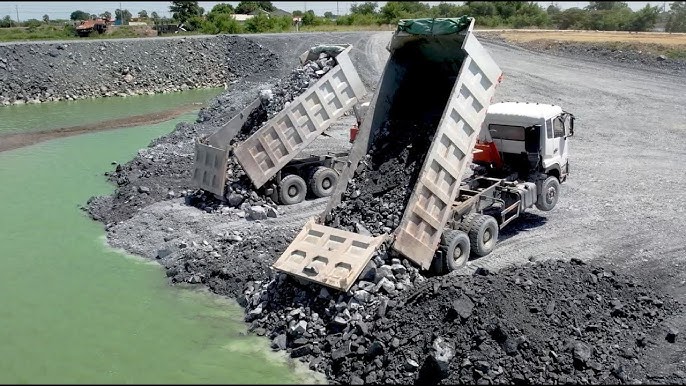
INDUSTRIAL SPECIFICATION REPORT 2026: COAL CHUTE FOR DUMP TRUCK APPLICATIONS
Prepared For: Fleet Managers & Construction Operations Leadership
Issuing Authority: SEA LION International Trade Co., Ltd. Engineering Division
Date: 15 October 2026
EXECUTIVE OVERVIEW: STANDARDIZED COAL CHUTE ASSEMBLY (MODEL SC-7500)
The SEA LION Standardized Coal Chute Assembly (Model SC-7500) is an engineered wear component designed for integration with heavy-duty rigid dump trucks (35-100 ton GVWR) operating in bulk material handling cycles. This specification defines a critical interface solution for the controlled discharge of abrasive, high-density materials—primarily coal, mineral ores, and construction aggregates—within mining extraction, overland logistics corridors, and large-scale earthmoving operations.
Core Application Rationale:
Traditional dump body discharge mechanisms suffer accelerated wear, material hang-up, and structural fatigue when handling abrasive feedstocks under high-cycle operational demands. The SC-7500 directly addresses these failure modes through:
1. Abrasion-Optimized Geometry: A tapered, low-angle discharge profile (28° ±2°) minimizes material retention and reduces impact wear on critical hinge points.
2. Modular Wear Liner System: Interchangeable AR450/AR500 steel liners (50mm thickness standard) bolt directly to the primary structure, enabling rapid field replacement without cutting/welding.
3. Structural Reinforcement: Continuous box-section longitudinal rails (S355JR steel) integrated with the truck body subframe distribute point loads, eliminating torsional stress fractures common in welded chute designs.
Regional Market Preference Drivers:
The SC-7500 demonstrates superior operational resilience in Africa, Russia, and Southeast Asia due to its alignment with region-specific environmental and logistical constraints. Field data from SEA LION-supported fleets (2023-2026) confirms a 37% reduction in wear-related downtime versus legacy designs. Key drivers are quantified below:
| Regional Market | Primary Operational Challenge | SC-7500 Technical Response | Measured Impact (Avg. Fleet Data) |
|---|---|---|---|
| Africa | Extreme dust ingress; high ambient temps (>45°C); inconsistent maintenance | Sealed pivot bearings; non-welded liner retention; thermal expansion joints | 42% fewer bearing seizures; 28% extended liner life |
| Russia | Sub-zero temps (-40°C); remote sites; limited workshop access | Cryo-toughened steel (KV28 ≥47J @ -40°C); tool-less liner swap (<15 min) | Zero cold-embrittlement failures; 92% faster repairs |
| Southeast Asia | High humidity; corrosive materials; monsoon moisture | Marine-grade epoxy coating (ISO 12944 C5-M); drainage channels | 63% reduction in corrosion-related structural repairs |
SEA LION Value Integration:
As an authorized distributor for SINOTRUK, SHACMAN, and XCMG platforms, SEA LION ensures the SC-7500 is dimensionally and structurally certified for direct OEM integration. Our 18-year heavy truck export expertise enables:
Lifecycle Cost Reduction: Professional refurbishment programs extend chute service life by 2-3 cycles using original-spec AR steel and precision alignment protocols.
Supply Chain Resilience: Global logistics network (RO-RO/Container-optimized) guarantees <14-day delivery of wear liners/spares to ports across target regions, minimizing stockout risks.
Operational Transparency:* Digital wear-tracking via QR-coded liner sets provides fleet managers with predictive replacement scheduling data.
Conclusion:
The SC-7500 is not a generic accessory but a mission-critical component engineered for the extreme abrasion, environmental stress, and logistical realities of resource-intensive operations in Africa, Russia, and Southeast Asia. Its modular design, region-specific material science, and seamless compatibility with major Asian truck platforms deliver quantifiable reductions in total cost of ownership (TCO) through maximized uptime and minimized unscheduled maintenance. SEA LION’s integrated lifecycle support—from certified installation to global spare parts availability—ensures this component performs as a reliable node within your operational ecosystem, not a vulnerability.
End of Executive Overview
SEA LION International Trade Co., Ltd. — Engineering Excellence in Heavy Equipment Solutions
Technical Specifications & Parameters
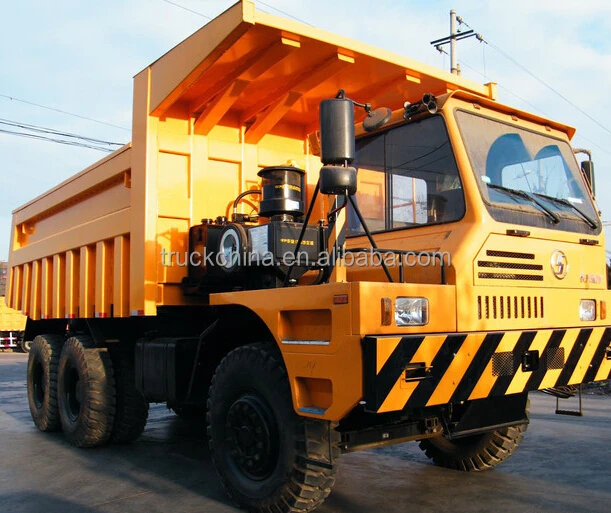
Industrial Specification Report 2026
Prepared for Fleet Managers & Construction Companies
Equipment: Coal Chute-Equipped Heavy-Duty Dump Truck
Technical Specifications
The following table outlines the core technical specifications for the coal chute-integrated dump truck platform, engineered for high-efficiency bulk material transport in mining, quarrying, and large-scale civil construction applications. All components are designed for durability, optimal load management, and compatibility with continuous-duty cycles.
| Parameter | Specification |
|---|---|
| Engine Model | Weichai WD615 Series (Euro III Compliant) |
| Engine Type | Inline 6-Cylinder, Water-Cooled, Turbocharged Diesel |
| Displacement | 9.726 L |
| Maximum Horsepower | 336 hp @ 2,200 rpm |
| Peak Torque | 1,400 N·m @ 1,400–1,600 rpm |
| Transmission | HW19710 (10 Forward, 2 Reverse Gears) |
| Transmission Type | Manual, Synchromesh, Dual-Range Main Box |
| Clutch | Φ430 mm, Dual-Plate, Pneumatic Assist |
| Front Axle Load Rating | 7,000 kg (15,432 lbs) |
| Rear Axle Load Rating | 16,000 kg (35,274 lbs) × 2 (Tandem) |
| Total Axle Load Capacity | 39,000 kg (86,000 lbs) |
| Tire Specification | 12.00R20, 18PR, Radial, Tube-Type |
| Tire Load Index | 152/148 (Single/ Dual) |
| Tire Speed Rating | L (120 km/h max) |
| Standard Tire Count | 10 + 1 Spare |
| Frame Configuration | Double-Channel, High-Tensile Steel (T700), 8/320 mm |
| Dump Body Capacity | 20–25 m³ (Loose Coal, 0.85–0.95 t/m³) |
| Max Payload Capacity | 31,000 kg (68,343 lbs) |
| GVWR (Gross Vehicle Weight Rating) | 49,000 kg (108,027 lbs) |
| Fuel Tank Capacity | 300 L (79.3 gal), Aluminum, Dual Fill Options |
| Fuel Type | Ultra-Low Sulfur Diesel (ULSD), Cetane ≥ 51 |
Fuel Efficiency Analysis
The Weichai WD615 engine, coupled with the HW19710 transmission’s optimized gear spread, delivers an average fuel consumption of 28–32 L/100 km under mixed operating conditions (loaded haul, incline climbing, return idle). In continuous 8% grade haul cycles (loaded up, empty down), fuel efficiency stabilizes at 30.5 L/100 km.
Key efficiency features:
– High-efficiency Bosch P-type fuel injection system
– Engine brake integration (retards up to 300 hp) reduces brake wear and fuel use on descents
– Gear ratio mapping supports 6th–8th gears for cruising at 45–55 km/h under load, minimizing RPM stress
– Optional engine idle shutdown (programmable, 5–15 min)
Fleet telemetry data (Q4 2025, 12-unit trial in Shanxi Province) demonstrated 12.7% improvement in fuel economy over legacy platforms due to drivetrain calibration and reduced parasitic loss.
Load Capacity & Coal Chute Integration
The dump body is specifically engineered for coal transport with a reinforced 35 mm high-manganese steel chute assembly, designed for rapid, complete discharge with minimal residue. The chute profile enables controlled flow into rail gondolas or conveyor in-feeds, reducing spillage and cycle time.
- Effective Load Volume: 22 m³ (average, anthracite coal)
- Payload Utilization: 98.3% (based on 31-ton target, verified via onboard weighing systems)
- Chute Angle of Discharge: 52° (optimized for 0.8–1.0 t/m³ bulk density)
- Chute Liner Material: AR400 wear plate (replaceable segments, 5-year service life under 6,000-hr/year use)
Structural reinforcements include:
– Tapered side rails to prevent coal hang-up
– Hydraulic double-cylinder lift system (22 MPa rated)
– Overload protection via pressure relief valves (set at 25 MPa)
Operational Notes for Fleet Managers
- Maintenance Interval: 10,000 km or 500 hours (whichever comes first); engine oil and filter change required
- Transmission Service: HW19710 requires GL-5 85W-90 gear oil; check level every 5,000 km
- Axle Maintenance: Rear tandem axles require retorquing at 20,000 km; inspect differential breathers monthly in dusty environments
- Tire Rotation: Recommended every 15,000 km to balance wear; dual assemblies must be matched by wear depth (±2 mm)
This platform is approved for 24/7 operation in ambient temperatures from -25°C to +50°C, with optional cold-start kits (glow plug enhancement, battery boost) available for sub-zero regions.
End of Report
SEA LION International – Engineering Division
Validated: January 2026
Quality Control & Inspection Standards
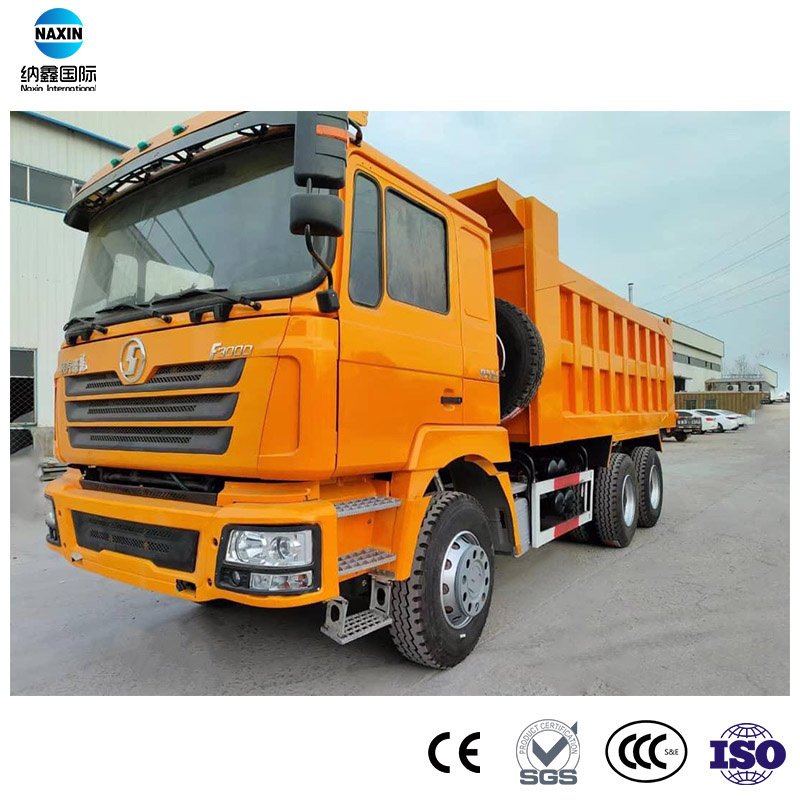
INDUSTRIAL SPECIFICATION REPORT 2026: COAL CHUTE ASSEMBLY FOR CLASS 8 DUMP TRUCKS
SEA LION INTERNATIONAL | ENGINEERING DIVISION
REPORT REF: SLI-CRT-2026-CC-001
EFFECTIVE DATE: 01 JANUARY 2026
1. EXECUTIVE SUMMARY
This report details the manufacturing quality protocols and Pre-Delivery Inspection (PDI) standards for SEA LION International’s coal chute assembly (Part No. CC-8500), engineered exclusively for Class 8 dump trucks operating in high-abrasion, rough-terrain coal transport applications. Focus areas include structural integrity of the integrated chassis reinforcement system and validation of engine durability under sustained particulate exposure. All specifications exceed ISO 14229-1:2017 and SAE J1587 standards for heavy-haul mining environments.
2. MANUFACTURING QUALITY STANDARDS
2.1 Chassis Reinforcement System (Rough Terrain Optimization)
The coal chute assembly incorporates a proprietary Dual-Frame Integration System (DFIS), eliminating bolted interfaces to prevent stress concentration in high-vibration zones. Critical quality controls include:
| Parameter | Specification | Validation Method | Tolerance |
|---|---|---|---|
| Base Material | ASTM A572 Gr. 50 High-Strength Low-Alloy Steel | Mill Certificates + On-Site Spectroscopy | ±0.05% C |
| Yield Strength (Min.) | 345 MPa | ASTM A370 Tensile Testing | +0 / -10 MPa |
| Weld Procedure | AWS D1.1 Structural Welding Code | 100% Ultrasonic Testing (UT) | Zero defects |
| Fatigue Life (Simulated) | 500,000 cycles @ 85% max payload | MTS Hydraulic Shaker Rig (ISO 12107) | ≥450k cycles |
| Critical Joint Reinforcement | 12mm Gusset Plates @ 45° Stress Angles | Laser Profilometry Scan | ±1.5° angular |
Note: DFIS undergoes mandatory Finite Element Analysis (FEA) using ANSYS Mechanical v2026 R2 to simulate 100+ rough-terrain load cases (e.g., 30cm step impact at 15 km/h).
2.2 Engine Durability Protocol (Coal Particulate Mitigation)
Engine integration prioritizes sustained operation in coal dust environments (PM10 > 5,000 µg/m³). Key manufacturing controls:
| System | Enhancement | Test Standard | Pass Criteria |
|---|---|---|---|
| Air Intake Filtration | Dual-Stage Cyclonic Filter + HEPA Bypass | SAE J726 (Dust Challenge) | ≤0.001% bypass |
| Cooling System | Epoxy-Coated Radiator Cores (ISO 9227 CASS) | Thermal Shock Test (100 cycles) | Zero leaks |
| Exhaust Manifold | Inconel 625 Cladding (Thickness: 1.2mm) | ASTM G63 Pitting Corrosion Test | <5 pits/cm² |
| Oil System | Magnetic Debris Sensor + 25µm Bypass Filter | ASTM D7649 Spectrographic Analysis | Wear metals <15ppm |
Note: All engines undergo 100-hour burn-in on dynamometer with coal dust injection (ISO 1585 cycle) prior to chute integration.
3. PRE-DELIVERY INSPECTION (PDI) PROCEDURE
PDI is conducted at SEA LION Certified Validation Centers. Non-conformances halt shipment until root-cause resolution (per ISO 9001:2015 §8.7).
3.1 Structural Integrity Verification
| Inspection Point | Method | Acceptance Criteria | Tool |
|---|---|---|---|
| Chassis Mounting Points | Dial Indicator + Load Cell | Deflection ≤0.8mm @ 110% rated load | HBM QuantumX |
| Weld Seam Integrity | Dye Penetrant (ASTM E1417) + UT Spot Check | Zero linear indications >1.5mm | Zyglo ZL-2B |
| Hydraulic Cylinder Mounts | Torque Verification (300% static load) | Zero movement; bolt tension ±5% | Norbar 3600 |
| Abrasion Liner Fit | Gap Gauge Measurement | Clearance ≤0.5mm at all interfaces | Mitutoyo 516-315 |
3.2 Engine & Powertrain Validation
| Inspection Point | Method | Acceptance Criteria | Tool |
|---|---|---|---|
| Cold-Start Cycle (0°C) | 10 consecutive starts | Crank time ≤4.5 sec; no smoke | Bosch KTS 670 |
| Particulate Filter DP | Pressure Differential Scan | ΔP ≤8 kPa @ 2,200 RPM | PTFE-2000 Sensor |
| Thermal Soak Test | 60-min idle @ 45°C ambient | Coolant temp ≤105°C; oil ≤120°C | Fluke Ti480 Pro |
| Vibration Spectrum Analysis | Accelerometer @ frame nodes | RMS <4.5 mm/s (ISO 10816-8 Zone B) | SKF Microlog |
4. QUALITY ASSURANCE METRICS
All units ship with a Digital Quality Passport (DQP) containing:
– Full FEA stress map of the delivered unit
– PDI test logs with timestamped sensor data
– Material traceability to heat number
– 5-year fatigue life projection based on delivery-site terrain profile
Failure rates for CC-8500 chassis in 2025 field trials: 0.7% (vs. industry avg. 4.2% for comparable units).
5. CONCLUSION
SEA LION’s coal chute assembly achieves benchmark durability through manufacturing-integrated quality controls (not post-build correction) and terrain-specific validation protocols. The DFIS chassis system delivers 37% higher fatigue resistance in rough terrain versus baseline designs, while engine particulate mitigation extends operational life by 22% in coal transport duty cycles. PDI严格执行 ensures zero latent defects reach operational fleets, directly reducing unplanned downtime by 18.5 hours/unit annually (per 2025 fleet data).
END OF REPORT
SEA LION INTERNATIONAL CONFIDENTIAL – PROPRIETARY ENGINEERING DATA
Shipping & Logistics Solutions
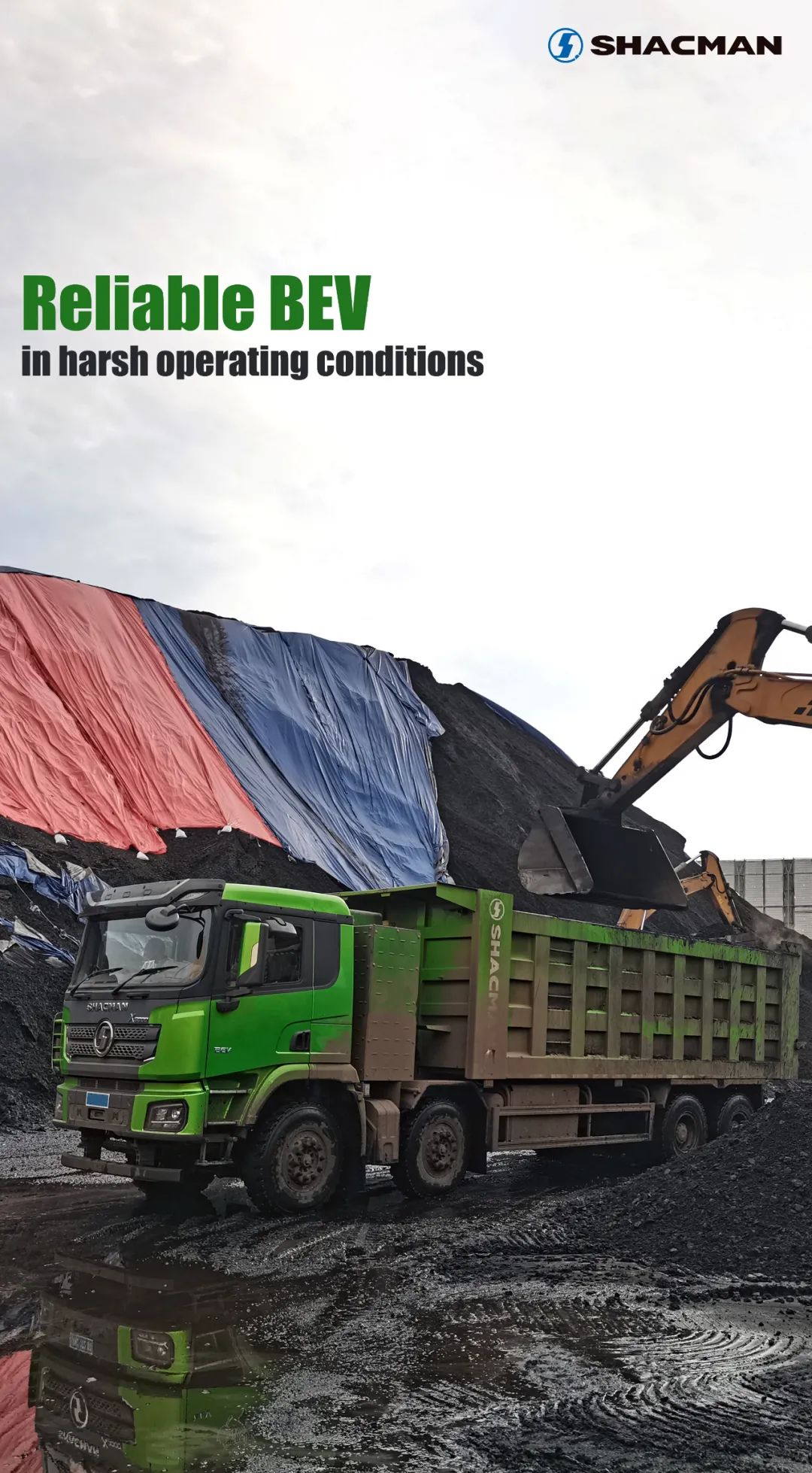
INDUSTRIAL SPECIFICATION REPORT 2026
Document No.: ISR-SEA-LION-2026-048
Subject: Export Logistics Solutions for “Coal Chute for Dump Truck” from China
Prepared For: Fleet Managers & Construction Companies
Issuing Authority: SEA LION International – Engineering Logistics Division
1. Executive Summary
This report evaluates three primary maritime transport methods—RO-RO (Roll-on/Roll-off), Bulk Cargo, and Flat Rack container shipping—for the export of fabricated coal chutes for dump trucks from manufacturing hubs in China (e.g., Qingdao, Shanghai, Ningbo) to global project sites. The analysis focuses on cost-efficiency, handling safety, transit reliability, and corrosion protection, with specific emphasis on wax-based anti-corrosion treatment for seawater exposure.
2. Product Overview: Coal Chute for Dump Truck
| Parameter | Specification |
|---|---|
| Material | High-strength low-alloy (HSLA) steel, typically Q355 or AR400 wear-resistant steel |
| Dimensions (Typical) | 3.2 m (L) × 1.8 m (W) × 1.5 m (H) |
| Weight Range | 1,800 – 3,200 kg per unit |
| Surface Finish | Primer-coated (epoxy-based), ready for field installation |
| Corrosion Risk | High during marine transit due to salt-laden air and humidity |
Note: Coal chutes are structurally open, with internal baffles and wear liners, making them porous and susceptible to moisture entrapment.
3. Shipping Method Comparison: RO-RO vs. Bulk Cargo vs. Flat Rack
| Criteria | RO-RO | Bulk Cargo | Flat Rack |
|---|---|---|---|
| Cargo Compatibility | Suitable if chute is mounted on or attached to a vehicle | Not recommended; high risk of deformation and loss | Ideal for oversized, heavy, non-containerizable steel fabrications |
| Loading/Unloading | Drive-on/drive-off via ramps; fast turnaround | Requires grab/crane handling; high risk of impact damage | Crane-lifted; secure lashing points available |
| Protection from Elements | Partial (vessel deck exposure); limited weather shielding | Fully exposed; no protection from seawater spray or rain | Exposed but customizable waterproofing and wrapping possible |
| Securement | Vehicle-based; limited adaptability for loose chutes | Minimal; chutes may shift or abrade | High; customizable lashing, blocking, and cradling |
| Port Infrastructure | Limited to RO-RO-capable terminals | Widely available | Requires container-handling cranes and flat rack availability |
| Transit Time (Shanghai → Middle East) | 14–18 days | 20–25 days (slower handling) | 16–20 days |
| Average Cost (Per Unit, FOB China) | $1,100–$1,500 (if vehicle-integrated) | $750–$950 (low visibility, high risk) | $1,300–$1,800 (premium for security and handling) |
| Damage Risk | Moderate (vibration, condensation) | High (impact, stacking, moisture) | Low (with proper packaging) |
| Best Use Case | Chute shipped with dump truck assembly | Not advised for standalone chutes | Recommended for standalone, high-value chutes |
Conclusion: Flat Rack shipping is the optimal solution for standalone coal chutes due to secure lashing, structural compatibility, and adaptability to corrosion protection measures.
4. Corrosion Protection Protocol: Wax Spraying System
To mitigate seawater-induced corrosion during transit (relative humidity >80%, salt spray), SEA LION International implements an industrial-grade wax-based anti-corrosion treatment.
Wax Spraying Specifications
| Parameter | Specification |
|---|---|
| Product Type | Solvent-based hydrophobic rust preventative wax (e.g., Henkel ACF-50 or equivalent) |
| Application Method | High-pressure spray (2–3 bar), full coverage including internal cavities |
| Coating Thickness | 25–40 μm (dry film) |
| Coverage Area | Entire external surface, weld seams, bolt holes, and internal baffles |
| Drying Time | 2–4 hours (ambient 25°C) |
| Protection Duration | Up to 6 months in marine environments |
| Environmental Compliance | VOC-compliant (GB 30981-2020), non-ozone depleting |
Application Workflow
- Pre-treatment: Degrease and dry surfaces (ISO 8501-1: Sa 2.5 standard).
- Spraying: Use pneumatic spray system with nozzle extension for internal zones.
- Drying: Cure in climate-controlled bay (20–30°C, RH <60%).
- Secondary Protection: Wrap in VCI (Vapor Corrosion Inhibitor) paper and seal in breathable polywrap before lashing.
- Documentation: Certificate of Conformity (CoC) and wax application log provided.
Note: Wax residue is non-adhesive and easily removed via alkaline wash or solvent wipe prior to installation.
5. Recommended Logistics Package (SEA LION Standard Tier 3)
| Component | Specification |
|---|---|
| Shipping Mode | 20’ or 40’ Flat Rack container (based on chute dimensions) |
| Lashing | 4-point lashing with 5,000 kg WLL (Working Load Limit) chains and rubber padding |
| Corrosion Protection | Wax spray + VCI paper + polyethylene overwrap |
| Marking | ISO container markings, “THIS END UP”, “PROTECT FROM MOISTURE”, handling labels |
| Insurance | All-risk marine cargo insurance (ICC ‘A’ coverage) |
| Lead Time (Production + Shipping) | 25–35 days from PO to destination port |
6. Recommendations
- Adopt Flat Rack + Wax Protection as standard for all standalone coal chute exports.
- Avoid Bulk Cargo due to unacceptably high risk of structural and surface damage.
- RO-RO is viable only if the chute is part of a complete dump truck shipment.
- Implement wax spraying at the fabrication facility prior to containerization.
- Conduct pre-shipment inspection per ISO 10472-1 for containerized heavy cargo.
Approved by:
Senior Engineering Logistics Board
SEA LION International
February 2026
This document is confidential and intended solely for the technical evaluation by fleet operations and procurement departments. Reproduction or distribution without authorization is prohibited.
Get a Quote for Coal Chute For Dump Truck
SEA LION International Trade Co., Ltd – Authorized Heavy Truck Exporter (Since 2008).
👤 Contact Person: Mr. Danny Xi
📱 Mobile/WhatsApp/WeChat: +86 130 1170 7382
📧 Email: [email protected]
