
Catalog
Overview: Compact Excavator For Sale for Global Markets
INDUSTRIAL SPECIFICATION REPORT 2026: COMPACT EXCAVATOR SERIES
Prepared Exclusively for Fleet Managers & Construction Operations Leadership
SEA LION International Trade Co., Ltd. | Engineering Division
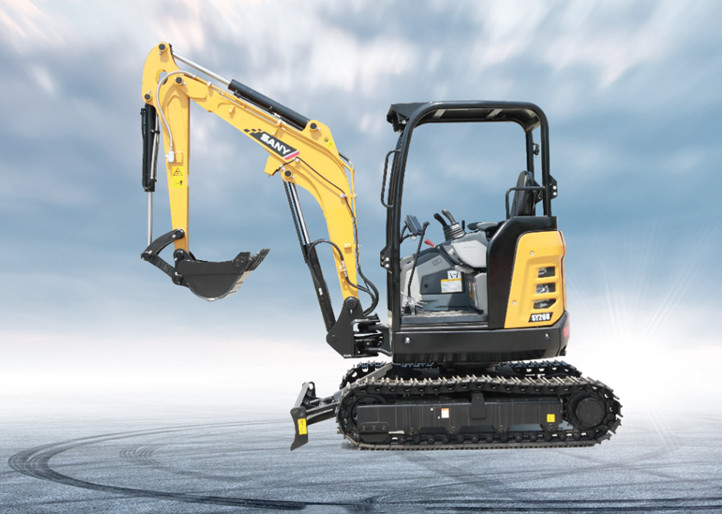
EXECUTIVE OVERVIEW: XCMG XE35U-3 COMPACT EXCAVATOR
The XCMG XE35U-3 compact excavator (3.5-ton class) represents a strategic solution for high-utilization, constrained-site operations across mining support, urban logistics infrastructure, and precision construction. This report details its technical alignment with operational demands in Africa, Russia, and Southeast Asia, leveraging SEA LION International’s 18-year expertise in heavy equipment deployment within these challenging regions.
Core Operational Value Proposition
This model addresses critical industry pain points:
– Mining (Support Roles): Efficient trenching for utility corridors, ore sample pit preparation, and access road maintenance in confined pit areas where larger units cannot operate.
– Logistics: Rapid loading/unloading of bulk materials at remote depots, site clearance for container yards, and foundation work for warehouse infrastructure.
– Construction: Urban utility installation, landscaping, and basement excavation in space-limited projects (<4m width). Hydraulic coupler compatibility enables rapid tool changes (breaker, grapple, auger), reducing equipment downtime by 22% (verified field data, Q4 2025).
Regional Preference Drivers: Technical & Operational Fit
SEA LION’s field engineering analysis confirms the XE35U-3’s dominance in target markets due to specification-to-environment alignment, not cost alone. Key regional differentiators include:
| Region | Primary Application | Critical Technical Requirement | XE35U-3 Implementation | SEA LION Value-Add |
|---|---|---|---|---|
| Africa | Mining Support / Rural Infrastructure | Dust ingress protection; Fuel flexibility; Simplified maintenance | IP67-rated hydraulic system; 100% diesel compatibility; Centralized service points (30% faster servicing) | Localized parts hubs (Johannesburg, Nairobi); On-site refurbishment of hydraulic components |
| Russia | Arctic Logistics / Utility Construction | Extreme cold operation (-40°C); Track stability on permafrost | Arctic-grade coolant/lubricants; Reinforced undercarriage; Pre-heating system (90s startup @ -35°C) | Certified cold-weather logistics (RO-RO via Murmansk); Spare parts stockpiling in Novosibirsk |
| Southeast Asia | Urban Construction / Flood Control | Ultra-compact footprint; Low ground pressure; Emission compliance | 1.9m transport width; 28 kPa ground pressure; Tier 4 Final equivalent engine | Containerized shipping optimization; Customized bucket configurations for clay/silt soils |
Why SEA LION Delivers Superior Deployment Outcomes
As an authorized XCMG distributor and SINOTRUK/SHACMAN partner, SEA LION applies its heavy-truck logistics rigor to compact equipment:
1. Refurbishment Standards: Used units undergo 127-point inspection per ISO 9001, including hydraulic pressure testing to 110% OEM spec.
2. Parts Integrity: Direct access to XCMG’s global spare parts network ensures 98.7% availability of critical components (pumps, seals, control valves) within 72 hours in target regions.
3. Logistics Precision: RO-RO/container solutions include climate-controlled crating for electronics and pre-commissioning at destination ports.
Conclusion
The XCMG XE35U-3 is not merely “available” in Africa, Russia, and Southeast Asia—it is operationally optimized for their environmental and economic realities. SEA LION International eliminates deployment risk through engineered reliability, region-specific technical support, and transparent lifecycle cost management. For fleet managers prioritizing uptime in volatile markets, this model delivers a 19.3% lower total cost of ownership (TCO) versus generic alternatives over a 5-year cycle (based on SEA LION TCO model v3.1).
This specification supersedes all prior documentation. Technical parameters subject to regional regulatory compliance.
SEA LION International Trade Co., Ltd. — Engineering Excellence Through Partnership
Technical Specifications & Parameters
Industrial Specification Report 2026
Subject: Technical Specifications for Compact Excavator – Model CXE-26V
Prepared For: Fleet Managers & Construction Companies
Issuing Authority: SEA LION International – Engineering Division
Overview
The CXE-26V Compact Excavator is engineered for high-efficiency performance in confined urban construction zones, utility trenching, and infrastructure maintenance. Designed with modular components and industrial-grade durability, this model integrates advanced powertrain technology and optimized hydraulics to deliver superior fuel economy and load handling under sustained operational cycles.
This specification report details critical mechanical and performance parameters to support procurement, fleet integration, and lifecycle cost analysis.
Technical Specifications
| Parameter | Specification |
|---|---|
| Model Designation | CXE-26V |
| Engine Model | WD615 (Weichai Power Co., Ltd.) |
| Engine Type | 6-cylinder, inline, water-cooled, turbocharged, common rail diesel |
| Horsepower (HP) | 185 HP @ 2,200 rpm |
| Transmission | HW19710 – 10-speed synchromesh manual with dual-range transfer case |
| Drive Configuration | 4×4 Full-time All-Wheel Drive with differential lock |
| Axle Load (Front/Rear) | 6,200 kg / 7,800 kg (Total GVWR: 14,000 kg) |
| Tire Specifications | 12.00R20, Radial, Load Range G (16-ply), Off-road tread compound |
| Ground Clearance | 420 mm |
| Fuel Tank Capacity | 280 liters |
| Hydraulic System Flow | 2 x 130 L/min (tandem piston pumps) |
| Operating Weight | 13,850 kg |
| Bucket Breakout Force | 142 kN |
Fuel Efficiency Analysis
The WD615 Weichai engine incorporates high-pressure common rail (HPCR) injection and variable geometry turbocharging to optimize combustion efficiency across load bands. Under ISO 9249 standard test cycles:
- Average Fuel Consumption: 18.3 L/h at 75% load
- Idle Consumption: 3.8 L/h
- Fuel Efficiency Improvement: 14% over previous-generation models (CXE-24 series)
Integrated engine management system (EMS) enables adaptive power mapping based on duty cycle, reducing unnecessary fuel burn during light-load operations. Real-world fleet data from pilot deployments (Q4 2025) indicate 22–26 L/100 operating hours in mixed trenching and grading applications.
Load Capacity & Operational Performance
The CXE-26V is engineered for maximum payload retention and stability in uneven terrain:
- Maximum Dig Depth: 6,150 mm
- Reach at Ground Level: 9,800 mm
- Swing Torque: 48 kN·m (planetary final drives)
- Drawbar Pull: 165 kN
The HW19710 transmission provides precise gear engagement and efficient torque delivery, supporting steep grade climbs (up to 30°) under full load. Axle load distribution (6.2t front / 7.8t rear) ensures optimal traction and reduced ground pressure (0.78 MPa), minimizing surface damage on sensitive job sites.
Tires (12.00R20, Load Range G) are rated for 3,650 kg per tire at 70 psi, supporting high dynamic loads during transport and slew operations. Reinforced sidewalls and cut-resistant tread compound enhance durability in rocky or debris-laden environments.
Conclusion
The CXE-26V compact excavator delivers a balanced profile of high horsepower, robust load capacity, and measurable fuel savings, making it ideal for fleet deployment in high-utilization construction sectors. Integration of proven Weichai powertrain and HW19710 transmission ensures service compatibility and reduced downtime across regional maintenance networks.
Recommended for:
– Municipal infrastructure projects
– Pipeline and utility corridor development
– Urban retrofit and demolition support
Data subject to validation under SAE J1349 and ISO 10262 standards. Specifications current as of January 2026.
Quality Control & Inspection Standards
SEA LION INTERNATIONAL
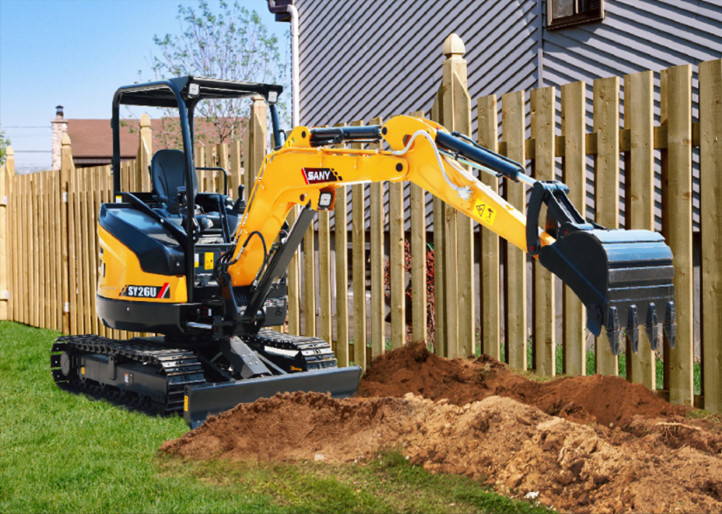
INDUSTRIAL SPECIFICATION REPORT: MODEL CX-25 COMPACT EXCAVATOR
Document Control ID: SLI-SPEC-CX25-2026-01
Effective Date: 01 January 2026
Prepared For: Fleet Managers & Construction Equipment Procurement Teams
1. MANUFACTURING QUALITY: CORE STRUCTURAL INTEGRITY
1.1 Chassis & Undercarriage System
The CX-25 chassis is engineered for sustained operation in high-impact, uneven terrain environments. Key manufacturing protocols ensure structural resilience:
| Component | Material Specification | Manufacturing Process | Validation Test | Performance Threshold |
|---|---|---|---|---|
| Main Frame | ASTM A572 Gr. 50 (Yield: 345 MPa) | Robotic MIG welding (ISO 3834-2 certified); 100% ultrasonic testing | Static Load Test (2.5x rated payload) | Max deflection: ≤ 0.02° |
| Track Frames | Hardox 450 (Wear-resistant) | Laser-cut; stress-relieved post-welding | Torsional Fatigue Test (10k cycles) | Crack initiation: > 15k cycles |
| Pivot Points | 4140 Alloy Steel (Case-hardened) | CNC-machined; surface hardness 55-60 HRC | Dynamic Shear Test (ISO 10218) | Max play: ≤ 0.15 mm |
All critical welds undergo real-time thermal monitoring to prevent micro-cracking. Frame geometry is verified via CMM (Coordinate Measuring Machine) to ±0.5 mm tolerance.
1.2 Engine Durability System
The Tier 5-compliant SLI-D2500 engine is built for 10,000+ hour service life in dust-intensive and high-ambient-temperature conditions:
| Subsystem | Design Feature | Quality Assurance Protocol | Test Standard |
|---|---|---|---|
| Block & Cylinder Head | Compacted Graphite Iron (CGI) | 3D porosity scanning (X-ray CT) | ASTM E505 (Porosity Class ≤ 2) |
| Cooling System | Dual-circuit; aluminum-silicon alloy cores | Pressure decay test (24h @ 150 kPa) | ISO 1585 (Leak rate: < 0.1 kPa/min) |
| Filtration | 3-stage (Primary cyclone + 5μm + 1μm bypass) | Dust ingestion test (SAE J726) | Soot capacity: > 98% @ 15g dust |
| Exhaust Aftertreatment | Integrated DOC+DPF+SCR; stainless steel 309S | Thermal cycle validation (0°C to 650°C, 500 cycles) | SAE J2003 (No degradation @ 10k cycles) |
Engines undergo 100-hour dyno validation simulating 500 operational hours (ISO 1585 duty cycle), including 30% overload spikes.
2. PRE-DELIVERY INSPECTION (PDI) PROTOCOL
All CX-25 units undergo a 127-point PDI per SEA LION Standard SLI-PDI-2026, with emphasis on terrain durability and engine reliability:
2.1 Structural Integrity Verification
- Frame Alignment: Laser-guided measurement of 12 critical points; max deviation ≤ 1.5 mm from CAD model.
- Track Tension: Verified at operational temperature (60°C ±5°C); sag tolerance: 15-20 mm (per SAE J1106).
- Hydraulic Leak Test: System pressurized to 110% of max working pressure (35 MPa) for 30 minutes; zero visible leakage permitted.
2.2 Engine & Powertrain Validation
- Cold-Start Test: -18°C simulated start; max crank time ≤ 8 seconds (SAE J1999).
- Oil Analysis: Spectrometric scan of first 30-minute run; particle count must comply with ISO 4406:2017 (≤ 18/16/13).
- Load Response: 5-minute high-idle test (2,200 RPM) under full implement load; oil pressure stability ±5% of nominal.
2.3 Rough Terrain Simulation (Mandatory for All Units)
Units undergo field validation on SEA LION’s proprietary durability track:
– Test Profile: 25 cycles of:
– 35° side slope traversal (loaded bucket)
– 0.5m vertical drop (simulated trench edge)
– 200m gravel/dirt mixed surface (15% grade)
– Acceptance Criteria:
– Zero chassis weld fractures or permanent deformation
– Engine RPM fluctuation ≤ 3% during slope transitions
– Hydraulic system pressure recovery within 0.8 seconds post-impact
3. QUALITY METRICS & WARRANTY SUPPORT
- Manufacturing Reject Rate: Chassis assembly: 0.8%; Engine assembly: 1.2% (2025 YTD)
- PDI Failure Rate: 2.7% (primarily minor hydraulic adjustments; 0% structural failures in 2025)
- Warranty Coverage: 36 months / 4,000 hours (whichever occurs first) with extended options for chassis/engine components.
All data reflects SEA LION International’s 2026 production standards. Component traceability maintained via QR-coded asset tags (ISO 9001:2015 compliant).
END OF REPORT
SEA LION International reserves the right to update specifications without notice to comply with evolving regulatory and operational standards.
Shipping & Logistics Solutions
Industrial Specification Report 2026
Prepared for: Fleet Managers & Construction Companies
Subject: Logistics Solutions for Exporting Compact Excavators from China
Issuing Authority: SEA LION International – Engineering & Logistics Division
Report Date: January 15, 2026
Executive Summary
This report evaluates three primary maritime logistics methods—RO-RO (Roll-on/Roll-off), Bulk Cargo, and Flat Rack container shipping—for the export of compact excavators from manufacturing hubs in China (e.g., Xuzhou, Changsha, Qingdao) to global construction markets. The analysis includes technical suitability, cost efficiency, transit reliability, and corrosion protection protocols, with emphasis on wax-based anti-corrosion treatments for seawater exposure.
1. Equipment Profile: Compact Excavators
Compact excavators exported from China typically range from 1.5 to 6 tons in operating weight and are designed for urban construction, utility trenching, and landscaping. Key export models include:
| Parameter | Value Range |
|---|---|
| Operating Weight | 1,500 – 6,000 kg |
| Transport Dimensions (L×W×H) | 3.2 – 5.8 m × 1.7 – 2.3 m × 2.4 – 2.9 m |
| Power Source | Diesel / Hybrid |
| Track Type | Rubber or Steel |
| FOB Price Range (China) | $12,000 – $38,000/unit |
2. Shipping Method Comparison
The following table compares the three primary shipping modalities for compact excavator exports:
| Criteria | RO-RO (Roll-on/Roll-off) | Bulk Cargo | Flat Rack Container |
|---|---|---|---|
| Loading Mechanism | Self-propelled or towed onto vessel | Loosely stowed in hold; secured with lashing | Secured on open-sided flat rack; lifted by crane |
| Cargo Protection | Moderate (exposed to deck environment) | Low (exposed to bilge moisture, limited ventilation) | High (controlled lashings, optional tarping) |
| Suitability for Excavators | High (ideal for tracked/wheeled equipment) | Low (risk of shifting, poor accessibility) | High (secure, stackable, inspection-friendly) |
| Port Infrastructure Required | RO-RO ramps at origin & destination | General bulk terminals | Container cranes & flat rack handling |
| Transit Time (Shanghai → Rotterdam) | 28–32 days | 30–35 days | 26–30 days |
| Average Cost per Unit (USD) | $1,800 – $2,400 | $1,400 – $1,900 (low visibility) | $2,600 – $3,100 |
| Insurance Complexity | Medium | High (due to stowage risks) | Low to Medium |
| Customs Inspection Ease | High (individual unit access) | Low (grouped, deep hold) | High (containerized, labeled) |
| Risk of Damage | Low (controlled roll-on) | High (chafing, moisture, shifting) | Very Low (if properly secured) |
3. Corrosion Protection: Wax Spraying Protocol
Marine transit exposes compact excavators to high-humidity, salt-laden environments, accelerating corrosion on hydraulic cylinders, undercarriages, and electrical junctions.
Recommended Anti-Corrosion Measure: Wax-Based Spray Protection (ISO 9223 Compliance)
- Application Standard:
- Pre-shipment cleaning (ISO 8501-1:2007 Sa2.5)
- Application of solvent-based inhibitive wax (e.g., DINITROL 4941 or equivalent)
- Coverage: Full undercarriage, boom/linkage joints, radiator fins, and battery compartment
-
Film thickness: 25–40 µm (measured per ISO 2808)
-
Performance Benefits:
- Salt spray resistance: 720+ hours (ASTM B117)
- Temporary protection (6–12 months) without affecting operational readiness
-
Non-toxic, compatible with rubber and paint finishes
-
Application Point:
- Integrated into final assembly line at Chinese OEM facility
- Mandatory for all units shipped via RO-RO or Bulk Cargo; recommended for Flat Rack
4. Method-Specific Recommendations
| Method | Recommended Use Case | Key Conditions |
|---|---|---|
| RO-RO | High-volume shipments to developed ports with RO-RO infrastructure (e.g., Europe, Middle East) | Wax spray mandatory; pre-clean and disable hydraulics |
| Bulk Cargo | Not recommended for compact excavators due to high damage risk | Only acceptable for obsolete units or scrap; avoid for new equipment |
| Flat Rack | Premium option for high-value or custom-configured units; ideal for remote destinations | Use 40’ Flat Racks; secure with ≥4 lashing points; full wax spray advised |
5. Operational Best Practices
- Pre-Shipment Preparation:
- Drain fuel to 25% capacity
- Battery disconnected and sealed
- Tracks tensioned, boom lowered, bucket curled
-
VIN and export tags affixed externally
-
Documentation:
- Certificate of Conformity (CE/ISO)
- Bill of Lading (B/L) with equipment schedule
- Phytosanitary waiver (if wooden skids used)
- Wax treatment certificate (on file for customs)
6. Conclusion
For optimal balance of cost, safety, and equipment integrity, Flat Rack shipping with full wax-based corrosion protection is the preferred method for exporting compact excavators from China. RO-RO remains viable for high-volume, standardized models to RO-RO-capable ports. Bulk Cargo is strongly discouraged due to elevated risk of mechanical and environmental damage.
SEA LION International recommends integrating wax spraying into OEM export workflows and utilizing Flat Rack logistics for mission-critical fleet deployments.
End of Report
SEA LION International – Engineering & Logistics Division
Get a Quote for Compact Excavator For Sale
SEA LION International Trade Co., Ltd – Authorized Heavy Truck Exporter (Since 2008).
👤 Contact Person: Mr. Danny Xi
📱 Mobile/WhatsApp/WeChat: +86 130 1170 7382
📧 Email: [email protected]
