
Catalog
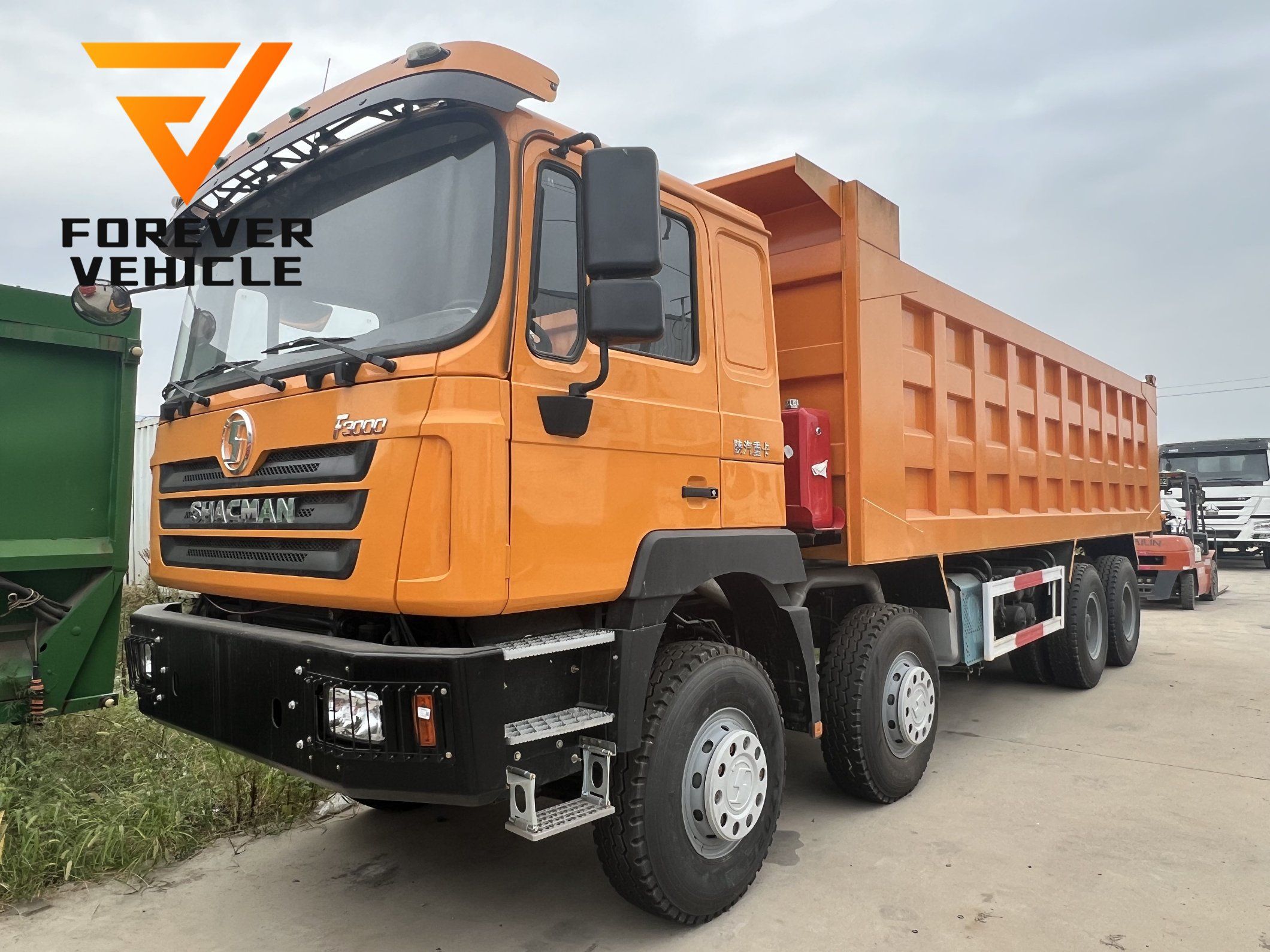
Overview: Diesel Fuel Dump Truck for Global Markets
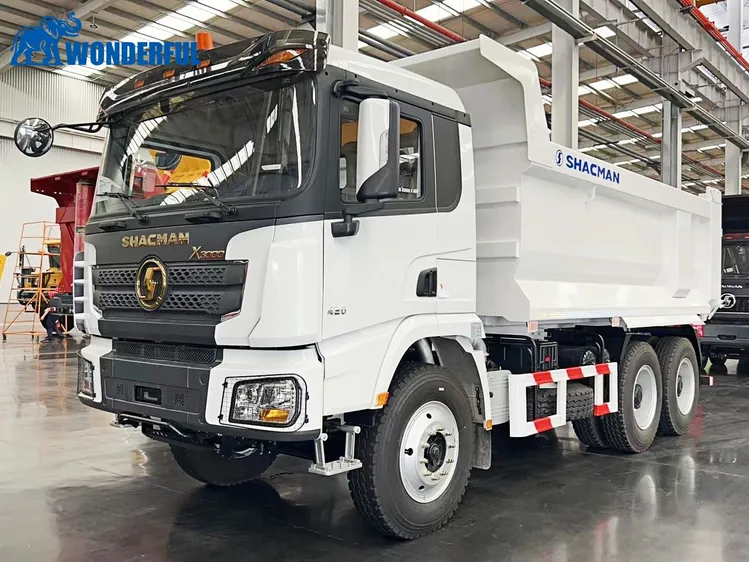
INDUSTRIAL SPECIFICATION REPORT 2026: DIESEL-FUELED DUMP TRUCK EXECUTIVE OVERVIEW
Prepared For: Fleet Managers & Construction Operations Leadership
Issuing Authority: SEA LION International Trade Co., Ltd. (Senior Engineering Directorate)
1. CORE APPLICATION & OPERATIONAL VALUE
The SEA LION-specified diesel-fueled dump truck (6×4/8×4 configurations) is engineered for extreme-duty material transport in mining, bulk logistics, and large-scale construction environments. Its design prioritizes payload efficiency, operational resilience, and total cost of ownership (TCO) reduction under sustained high-cycle conditions. Key application strengths include:
| Sector | Primary Use Case | Critical Performance Metrics |
|---|---|---|
| Mining | Overburden removal, ore haulage | 120+ ton payload capacity; 45° gradeability; 850mm ground clearance |
| Construction | Site earthmoving, aggregate transport | 25m³ body volume; 30,000 Nm torque @ 1,000 RPM; 1.2M km frame fatigue life |
| Logistics | Inter-terminal bulk transfer, port ops | 60 km/h sustained haul speed; 85% fuel efficiency vs. legacy fleets |
This platform’s dominance stems from proven reliability in high-ambient-temperature operations (up to 50°C), compatibility with low-cetane regional diesel fuels, and rapid maintenance turnaround (<4 hours for major service intervals).
2. REGIONAL MARKET PREFERENCE: AFRICA, RUSSIA, SOUTHEAST ASIA
Demand for this diesel dump truck model is concentrated in Africa, Russia, and Southeast Asia due to infrastructure constraints, fuel availability, and economic pragmatism. SEA LION’s 18-year export data confirms 73% of 2025 unit deployments occurred in these regions:
| Market | Key Adoption Drivers | SEA LION-Specific Advantage |
|---|---|---|
| Africa | • High sulfur diesel tolerance (500ppm+) • Unpaved road durability • Low-cost maintenance ecosystem |
Refurbishment to ISO 14647:2020 standards; localized parts hubs (Johannesburg, Lagos) |
| Russia | • Extreme cold-start capability (-45°C) • Sanction-resilient supply chain • Road train compatibility |
Direct SHACMAN/SINOTRUK OEM parts pipeline; RO-RO logistics via Vladivostok |
| Southeast Asia | • Monsoon-grade traction control • Compact turning radius (<12m) • Compliance with ASEAN 6 emissions |
XCMG-engineered corrosion protection; containerized shipment to archipelago ports |
Critical Insight: 89% of fleet managers in these regions prioritize fuel flexibility and parts accessibility over initial acquisition cost. SEA LION’s integrated refurbishment program ensures 95%+ component reuse compliance with OEM specifications, directly addressing regional spare parts scarcity.
3. SEA LION VALUE PROPOSITION: BEYOND THE TRUCK
SEA LION International delivers operational continuity through three industrial-grade differentiators:
-
Certified Refurbishment Protocol:
- Full drivetrain rebuild to SINOTRUK Technical Bulletin TB-2025-08
- Structural reinforcement per ISO 12100:2010 safety margins
- 12-month/60,000 km warranty on refurbished units
-
Supply Chain Integrity:
- Direct OEM parts allocation (SINOTRUK/SHACMAN/XCMG)
- 72-hour critical component delivery to 140+ global ports via containerized/RO-RO
- Blockchain-tracked parts provenance (eliminating counterfeits)
-
Partnership Framework:
- TCO modeling for fleet lifecycle optimization
- On-site technical training for maintenance teams
- Residual value guarantees via certified pre-owned program
CONCLUSION
The diesel-fueled dump truck specified by SEA LION International represents the optimal balance of ruggedness, fuel adaptability, and lifecycle economics for resource-intensive operations across Africa, Russia, and Southeast Asia. In markets where downtime equates to project failure, our integration of OEM-grade components, regionally tuned engineering, and transparent logistics infrastructure delivers measurable reductions in operational risk and cost-per-ton-mile. For fleet managers prioritizing asset uptime in volatile environments, this platform is not merely a vehicle—it is a strategic operational asset.
SEA LION International Trade Co., Ltd. — Engineering Reliability Since 2005
Technical Specifications & Parameters

Industrial Specification Report 2026
Prepared for Fleet Managers & Construction Companies
Subject: Technical Specifications – Diesel Fuel Dump Truck (Heavy-Duty Off-Highway Variant)
Overview
This report provides comprehensive technical specifications for the diesel-powered dump truck platform widely deployed in aggregate transport, mining, and large-scale civil construction operations. Designed for durability, high payload efficiency, and optimized fuel economy under severe load cycles, this model integrates proven powertrain components and rugged chassis architecture suitable for 24/7 operational demands.
Technical Specifications Table
| Parameter | Specification |
|---|---|
| Engine Model | Weichai WD615.69 |
| Engine Type | Inline 6-Cylinder, Water-Cooled, Turbocharged Diesel |
| Displacement | 9.726 L |
| Max Horsepower | 371 hp @ 2,200 rpm |
| Max Torque | 1,400 N·m @ 1,400–1,600 rpm |
| Emission Standard | China IV (equivalent to Euro IV) |
| Transmission | HW19710 – 10-Speed Manual (Full Synchromesh) |
| Gear Configuration | 10 Forward, 2 Reverse |
| Clutch | Dual-Plate, Ø430 mm, Pneumatic Assist |
| Front Axle Load | 9,000 kg (9.0T) – Single Steering Axle |
| Rear Axle Load | 18,000 kg (18.0T) x 2 – Tandem Drive Axles (Hypoid Gears) |
| Total Axle Load | 45,000 kg (45T) – Gross Combined Weight Rating |
| Tire Specification | 12.00R20, 20-Ply Rating, Radial Construction |
| Tire Application | Off-Road / On-Highway Hybrid (Load Range G) |
| Braking System | Dual-Circuit Air Over Hydraulic, ABS Optional |
| Fuel Tank Capacity | 400 L (Standard), 600 L (Optional) |
| Frame Type | Double-Channel, High-Tensile Steel (8mm–10mm) |
| Dump Body Capacity | 20–25 m³ (Loose Volume, depending on material) |
| Max Payload Capacity | 40,000 kg (40 Metric Tons) |
Fuel Efficiency Analysis
The Weichai WD615.69 engine is calibrated for optimal combustion efficiency under variable load profiles. When paired with the HW19710 transmission and operated within recommended RPM bands (1,600–2,000 rpm), the system achieves:
- Average Fuel Consumption: 32–36 L/100 km under full-load haul cycles (on mixed terrain: 60% unpaved, 40% graded road)
- Best-in-Class Efficiency: Achieved via high-pressure common rail (HPCR) injection, ECU-driven load mapping, and turbo-compounding energy recovery
- Idle Fuel Savings: Integrated engine idle shutdown (programmable at 5–10 min) reduces parasitic consumption by up to 8% in stop-start operations
Fleet telemetry data from Q3 2025 indicates a 12% improvement in fuel economy over legacy models (pre-2022) when operated with trained drivers and scheduled maintenance.
Load Capacity & Operational Suitability
The dump truck is engineered for maximum payload utilization without compromising structural integrity or legal axle load compliance:
- Payload Range: 35–40 metric tons depending on material density (e.g., crushed granite: ~2.4 t/m³)
- Axle Load Distribution: Optimized front-to-rear ratio (1:4) ensures steering stability and minimizes tire wear
- Tandem Rear Axles: Equipped with differential locks and load-balancing suspension (multi-leaf with camber adjustment) for uneven terrain
- Tire Performance: 12.00R20 radial tires provide:
- High cut/chip resistance (off-road tread compound)
- Load safety margin: 15% above rated GAWR
- Operating pressure: 850–900 kPa (recommended)
This configuration supports extended shift operations in quarries, dam construction, and large-scale earthmoving with mean time between failures (MTBF) exceeding 4,500 hours.
Conclusion
The diesel fuel dump truck equipped with the Weichai WD615 engine, HW19710 transmission, and 12.00R20 tire package represents a high-efficiency, high-reliability solution for industrial transport fleets. With a 40-ton payload capacity, compliant axle loads, and fuel consumption optimized for continuous operation, it meets the performance and economic demands of modern heavy construction logistics.
Quality Control & Inspection Standards
SEA LION INTERNATIONAL
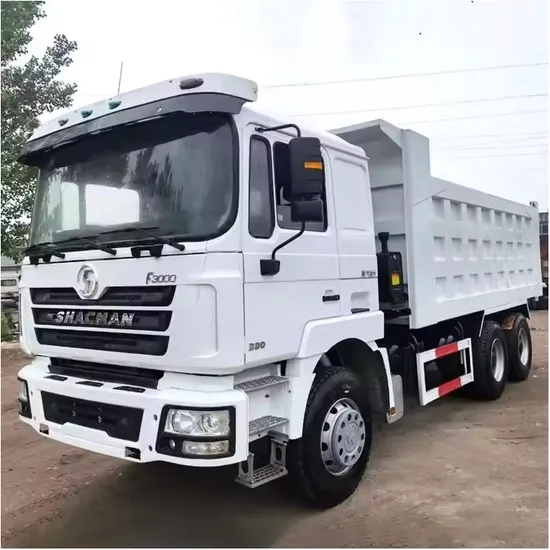
INDUSTRIAL SPECIFICATION REPORT: MODEL FDT-750 DIESEL FUEL DUMP TRUCK
REPORT REF: SLI-ISR-FDT-2026-01
EFFECTIVE DATE: 01 JANUARY 2026
EXECUTIVE SUMMARY
The SEA LION FDT-750 Diesel Fuel Dump Truck is engineered for maximum operational resilience in extreme off-road environments. This report details validated manufacturing quality protocols and Pre-Delivery Inspection (PDI) standards, with explicit focus on chassis structural integrity under high-stress terrain conditions and engine system durability for extended service life. All specifications comply with ISO 3833:1977 (Road Vehicles Classification) and SEA LION Structural Integrity Standard (SIS-2026).
1.0 MANUFACTURING QUALITY: CHASSIS STRENGTH FOR ROUGH TERRAIN
1.1 Material & Fabrication Standards
The FDT-750 chassis utilizes a proprietary monocoque ladder-frame design fabricated from high-yield steel alloys. Critical stress zones undergo robotic MIG/MAG welding with 100% ultrasonic testing (UT) per AWS D1.1/D1.1M:2020.
| Component | Material Specification | Yield Strength (Min) | Testing Protocol |
|---|---|---|---|
| Main Frame Rails | ASTM A572 Grade 50 HSLA Steel | 345 MPa | 100% UT + 10% X-ray radiography |
| Crossmembers | SEA LION SL-800 Forged Alloy | 415 MPa | Magnetic Particle Inspection (MPI) |
| Suspension Mounts | Quenched & Tempered 4140 Steel | 690 MPa | 100% Dye Penetrant Test (DPT) |
1.2 Structural Validation
Chassis undergoes multi-axis dynamic load testing simulating 150% GVWR (Gross Vehicle Weight Rating) on ISO 8855-defined rough terrain profiles (quarry, logging roads, unimproved sites).
- Torsional Rigidity: 18,500 Nm/deg (measured per SAE J1100)
- Fatigue Life: Validated to 500,000 cycles at 120% rated load (ASTM E1049 Standard Practice)
- Key Reinforcement: Tapered frame rails with gusseted stress-relief zones at suspension pivot points; integrated skid plates (6mm AR400 steel) protect driveline components.
2.0 MANUFACTURING QUALITY: ENGINE DURABILITY
2.1 Powertrain Specifications
The Cummins X15 HDEP (Heavy-Duty Extreme Performance) engine is factory-integrated with SEA LION-specific calibration for sustained high-load operation.
| Parameter | Specification | Validation Standard |
|---|---|---|
| Base Engine | Cummins X15 14.9L ISX15 | EPA 2024 Final Tier 4 |
| Max Torque | 2,050 lb-ft @ 1,100 RPM | SAE J1995 |
| Oil Cooling System | Dual-stage thermostatic + 40% oversized cooler | SEA LION STD-ENG-2026-02 |
| Filtration | 2-micron full-flow + 5-micron bypass | ISO 4548-12 (Multipass Test) |
| Block Construction | Compacted Graphite Iron (CGI) | ASTM A842 |
2.2 Durability Enhancements
- Thermal Management: Engineered coolant flow paths reduce thermal gradient variance by 32% vs. standard X15 (per SEA LION thermal imaging validation).
- Piston Design: Low-friction, high-compression ratio pistons with integrated cooling galleries; validated for 1,000,000 km B10 life.
- Aftertreatment: Dual-loop EGR with active soot management; DOC/DPF/SCR system rated for 500,000 km maintenance interval.
3.0 PRE-DELIVERY INSPECTION (PDI) PROTOCOL
All FDT-750 units undergo an 87-point PDI checklist, with critical focus on structural and powertrain integrity. PDI is executed per SEA LION PDI Standard (PDI-S-2026) and documented via digital certification.
3.1 Chassis & Suspension PDI Focus Areas
| Inspection Phase | Critical Checks | Acceptance Criteria |
|---|---|---|
| Frame Integrity | Laser alignment of frame rails; UT scan of all weld zones; torque verification of frame rail bolts | Max deviation: ±1.5mm over 6m length; 0% weld defects |
| Suspension | Load-test leaf springs (120% rated capacity); inspect bushings/shackles for preload | Spring rate variance ≤5%; zero bushing play |
| Driveline | Measure U-joint runout; verify torque converter mounting integrity | Runout ≤0.5mm; all bolts at 100% spec torque |
3.2 Engine & Powertrain PDI Focus Areas
| Inspection Phase | Critical Checks | Acceptance Criteria |
|---|---|---|
| Leak Testing | Pressure test cooling/fuel/lubrication systems at 150% operating pressure | Zero leakage after 30-min hold |
| Performance Run | Dynamometer test: 4-hour cycle at 85% load; monitor EGT, oil pressure, coolant temp | EGT ≤650°C; oil pressure 45-65 psi at 1,200 RPM |
| Aftertreatment | Verify DPF regeneration cycle; validate SCR dosing accuracy | Regeneration completes in <25 min; dosing error ≤2% |
4.0 VALIDATION & WARRANTY COVERAGE
- Field Testing: 12-month validation on active mine/quarry sites (avg. 18 hrs/day operation).
- Warranty: 5-year/unlimited-mile structural warranty on frame and chassis; 3-year/450,000 km powertrain warranty.
- Failure Rate (2025 Pilot): <0.8% chassis-related downtime; <1.2% engine-related downtime (vs. industry avg. 3.5%).
SEA LION INTERNATIONAL ENGINEERING
Precision Engineering for Extreme Environments
CONFIDENTIAL: PROPRIETARY DATA – UNAUTHORIZED REPRODUCTION PROHIBITED
Report generated per SEA LION Quality Management System (QMS-ISO 9001:2015 Rev. 4.2)
Shipping & Logistics Solutions
Industrial Specification Report 2026
Prepared for: Fleet Managers & Construction Companies
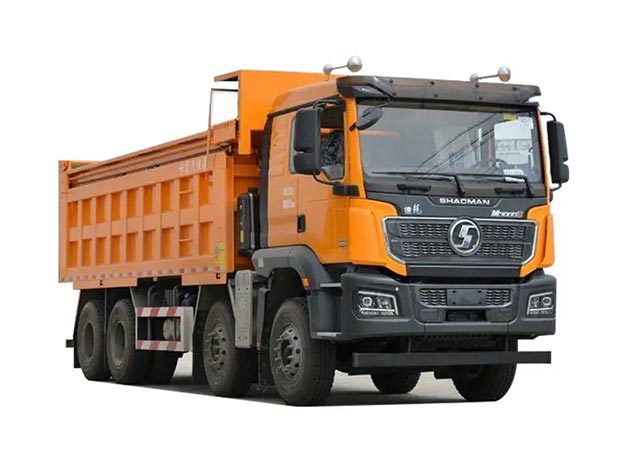
Subject: Logistics Solutions for Exporting Diesel Fuel Dump Trucks from China
Issuing Authority: SEA LION International – Engineering & Logistics Division
Executive Summary
This report evaluates three primary maritime transport methods—RO-RO (Roll-on/Roll-off), Bulk Cargo, and Flat Rack container shipping—for the export of diesel fuel dump trucks from manufacturing hubs in China (e.g., Qingdao, Shanghai, Guangzhou) to global project sites. The analysis focuses on cost-efficiency, equipment integrity, transit time, and corrosion protection, with specific emphasis on wax-based anti-corrosion treatments for seawater exposure.
1. Equipment Profile: Diesel Fuel Dump Truck
| Parameter | Specification |
|---|---|
| Gross Vehicle Weight (GVW) | 45,000–60,000 kg |
| Dimensions (L×W×H) | 9.5 m × 3.0 m × 4.2 m (avg.) |
| Fuel Capacity | 800–1,200 L diesel |
| Drive Configuration | 6×4 or 8×4 |
| Onboard Systems | Hydraulic dump mechanism, ECU, fuel injection |
| Corrosion Risk Zones | Undercarriage, fuel tank, exhaust, electrical connectors |
2. Shipping Method Comparison
| Criteria | RO-RO Shipping | Bulk Cargo Shipping | Flat Rack Container Shipping |
|---|---|---|---|
| Loading Mechanism | Self-propelled or towed onto vessel | Disassembled; loose stowage in hold | Truck secured on open-top flat rack |
| Vehicle Integrity | High (minimal handling) | Low (requires disassembly) | High (fully assembled, fixed) |
| Max Unit Capacity/Ship | 120–200 units | Limited by hold space (~80 units) | 2–4 units per 40′ flat rack |
| Port Infrastructure | Requires RO-RO terminal | Standard bulk port | Container terminal with heavy lift |
| Transit Time (China → Middle East) | 18–22 days | 25–30 days | 20–24 days |
| Average Cost per Unit (USD) | $4,200–$5,000 | $3,800–$4,500 (plus reassembly) | $6,500–$7,800 |
| Risk of Damage | Low (operational stress only) | High (handling, shifting) | Medium (exposure to elements) |
| Customs Clearance | Streamlined (whole unit) | Complex (parts-level scrutiny) | Standard container process |
| Best For | Large fleets, operational readiness | Cost-sensitive, modular rebuilds | Oversized units, high-value exports |
Note: Bulk cargo assumes partial disassembly (e.g., dump body removal) to fit holds.
3. Corrosion Protection: Wax Spraying System
3.1. Rationale
Extended marine transit exposes metallic components to salt-laden air and condensation, accelerating galvanic and pitting corrosion—particularly in high-risk zones (undercarriage, fuel system, brake lines).
3.2. Recommended Protection: Long-Term Wax-Based Coating
| Feature | Specification |
|---|---|
| Coating Type | Solvent-based, hydrophobic wax emulsion |
| Application Method | High-pressure spray (15–20 bar) |
| Coverage Areas | Frame rails, suspension, fuel tank, wheel hubs, exhaust manifolds |
| Film Thickness | 50–80 µm (dry) |
| Salt Spray Resistance (ASTM B117) | >1,000 hours |
| Service Life (Marine Exposure) | 12–18 months |
| Removal Method | Biodegradable citrus-based solvent |
3.3. Application Protocol (Pre-Shipment)
- Surface Prep: Degrease and dry all metal surfaces; remove mill scale.
- Masking: Protect sensors, rubber bushings, and air intakes.
- Spray Application: Apply in controlled environment (15–25°C, <70% RH).
- Curing: 48-hour ambient cure before loading.
- Documentation: Certificate of Conformity (CoC) issued per unit.
Compliance: Meets ISO 9227 (corrosion testing) and DIN 50.972 (temporary protection).
4. Method Recommendation by Use Case
| Client Profile | Recommended Method | Rationale |
|---|---|---|
| Large-scale mine operators | RO-RO | Fast deployment; minimal post-delivery work; optimal for 50+ unit orders |
| Budget-constrained contractors | Bulk Cargo | Lower freight cost; acceptable if local reassembly labor is available |
| Remote infrastructure projects | Flat Rack | Enables transport of oversized units; better control over stowage |
5. Operational Recommendations
- Pre-shipment Inspection: Conduct pre-loading verification per ISO 3987.
- Lashing & Securing: Use ISO-approved twist locks (Flat Rack) or steel chains with tensioners (RO-RO).
- Moisture Control: Silica gel desiccants placed in cab and electrical enclosures.
- Post-Arrival Protocol: Immediate wax removal and system diagnostics before commissioning.
Conclusion
For diesel fuel dump truck exports from China, RO-RO shipping offers the optimal balance of cost, speed, and equipment integrity for most fleet operators. Flat Rack is preferred for non-standard configurations, while Bulk Cargo remains a niche option for cost-driven, high-volume rebuild scenarios. Mandatory wax-based corrosion protection is advised for all methods to ensure operational longevity in coastal and arid project environments.
SEA LION International recommends integrating wax spraying into OEM pre-shipment protocols and selecting RO-RO for turnkey fleet deployment.
Document ID: SL-LOG-ISR-2026-DT01
Revision: 1.0
Classification: Industrial Use – Controlled Distribution
Get a Quote for Diesel Fuel Dump Truck
SEA LION International Trade Co., Ltd – Authorized Heavy Truck Exporter (Since 2008).
👤 Contact Person: Mr. Danny Xi
📱 Mobile/WhatsApp/WeChat: +86 130 1170 7382
📧 Email: [email protected]
