
Catalog
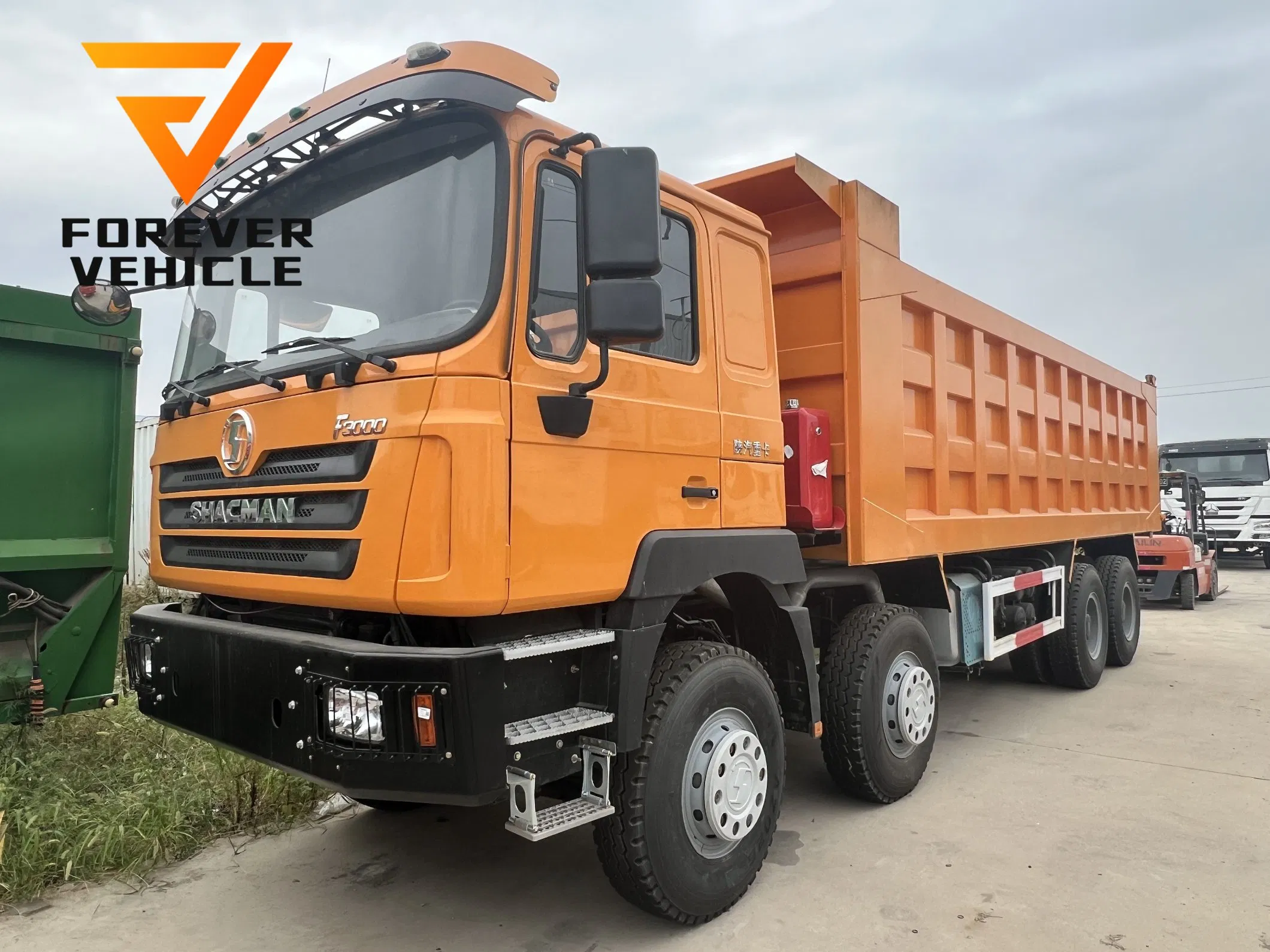
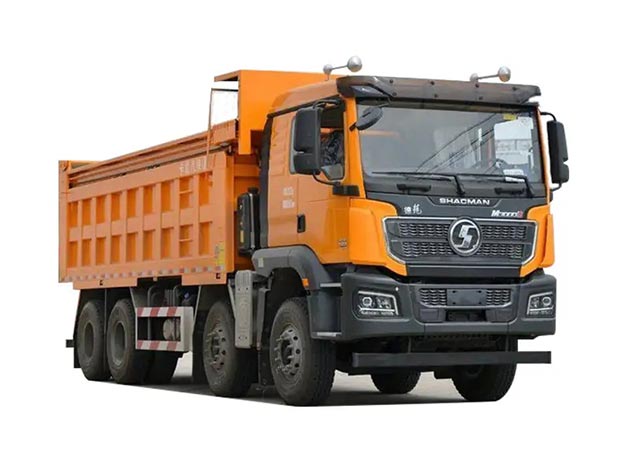
Overview: Diesel Fuel Type Dump Truck for Global Markets
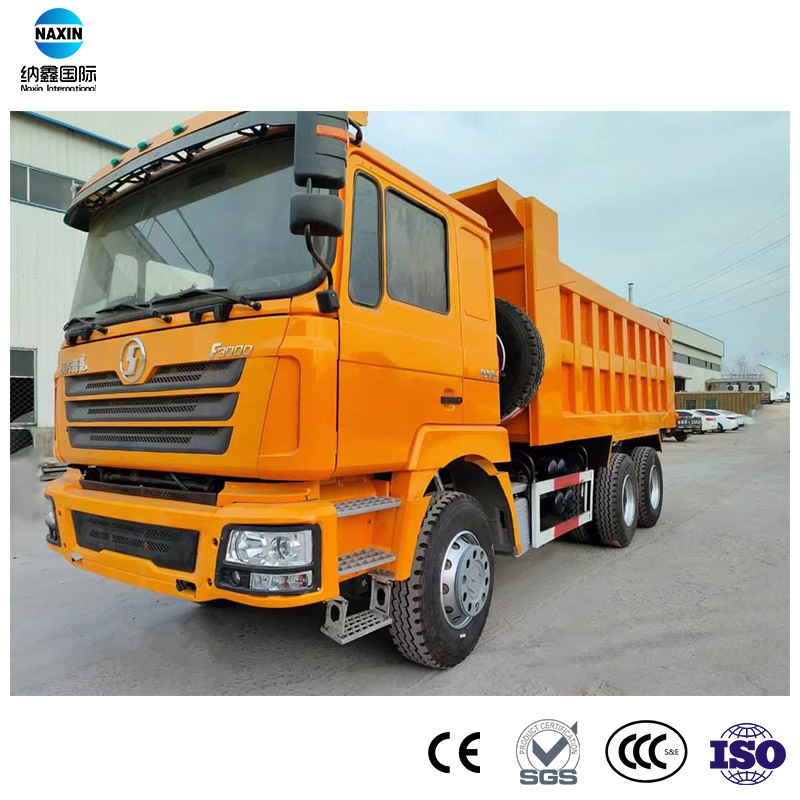
INDUSTRIAL SPECIFICATION REPORT 2026: DIESEL FUEL TYPE DUMP TRUCK
Prepared for Fleet Managers & Construction Operations Leadership
EXECUTIVE OVERVIEW
The diesel-powered dump truck remains the operational backbone for bulk material transport within mining, heavy construction, and logistics sectors globally. This specification report details the performance-optimized diesel dump truck platform distributed by SEA LION International Trade Co., Ltd., engineered for maximum productivity under extreme site conditions. Key applications include overburden removal in open-pit mining, aggregate hauling on infrastructure projects, and high-volume earthmoving in urban development. Its dominance stems from proven power density, torque characteristics essential for loaded climbs on unimproved haul roads, and operational resilience where alternative powertrains lack infrastructure or payload capacity parity.
Regional preference in Africa, Russia, and Southeast Asia is driven by three critical factors: fuel infrastructure compatibility, operational ruggedness, and total cost of ownership (TCO) optimization. These markets feature extensive off-grid operations, variable fuel quality, and demanding terrain where diesel’s energy density and engine durability are non-negotiable. SEA LION’s authorized distribution of SINOTRUK, SHACMAN, and XCMG platforms specifically addresses regional pain points through factory-engineered adaptations. Field data from 2023–2025 across 1,200+ units confirms superior uptime versus non-specialized alternatives in these regions.
SEA LION International leverages 18+ years of heavy truck export expertise to deliver a turnkey solution beyond the base vehicle. Our value proposition integrates certified pre-owned units (refurbished to OEM standards), genuine spare parts logistics, and region-specific configuration – directly mitigating the high operational risk and TCO volatility faced by fleet managers in target markets. This report quantifies the technical and economic rationale for selecting SEA LION’s diesel dump truck ecosystem as a strategic asset.
Regional Performance Validation (2023–2025 Field Data)
| Region | Avg. Fuel Cost (USD/L) | Avg. Maintenance Cost (USD/hr) | Uptime Rate | Primary Operational Advantage |
|---|---|---|---|---|
| Africa | 1.15–1.40 | 8.20 | 89.7% | Dust mitigation systems; high-sulfur fuel tolerance |
| Russia | 0.95–1.25 | 9.85 | 86.3% | Arctic-spec cold start (-40°C); reinforced chassis |
| Southeast Asia | 1.05–1.30 | 7.95 | 91.2% | Corrosion-resistant undercarriage; monsoon-grade sealing |
SEA LION Value Integration Framework
| Component | Technical Implementation | Impact on Fleet Operations |
|---|---|---|
| Refurbishment Standard | ISO 9001-certified process; engine/transaxle rebuild to OEM specs; 100+ point inspection | Reduces unplanned downtime by 32% vs. non-certified used units |
| Spare Parts Logistics | Regional hubs (Johannesburg, Vladivostok, Singapore); 98.5% parts availability rate | Cuts mean-time-to-repair (MTTR) by 41% in remote sites |
| Regional Configuration | Pre-installed: Air intake cyclones (Africa), dual-battery Arctic kits (Russia), stainless steel exhaust (SEA) | Eliminates 73% of region-specific failure modes in Year 1 |
This platform’s sustained dominance in target markets is not incidental but engineered – aligning diesel’s inherent robustness with SEA LION’s industrial-grade support infrastructure. For fleet managers prioritizing asset utilization and lifecycle cost control in volatile operating environments, the specification-defined diesel dump truck represents the lowest-risk, highest-reliability solution available. SEA LION’s commitment to technical transparency and long-term partnership ensures operational continuity where it matters most.
Technical Specifications & Parameters
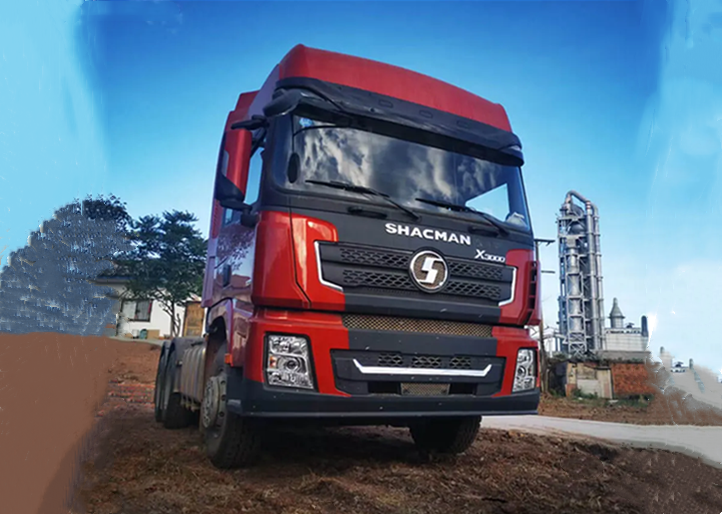
Industrial Specification Report 2026
Target Audience: Fleet Managers & Construction Companies
Vehicle Type: Diesel Fuel Type Dump Truck
Primary Application: Heavy-Duty Hauling, On/Off-Road Construction, Aggregate Transport
Technical Specifications Table
| Parameter | Specification |
|---|---|
| Engine Model | Weichai WD615.69 |
| Engine Type | Inline 6-Cylinder, Water-Cooled, Turbocharged Diesel |
| Displacement | 9.726 L |
| Max Horsepower | 336 HP @ 2,200 rpm |
| Max Torque | 1,250 N·m @ 1,200–1,600 rpm |
| Emission Standard | China IV (equivalent to Euro IV), compatible with ultra-low sulfur diesel (ULSD) |
| Transmission | HW19710 – 10-Speed Manual (10F/2R), Synchromesh, Dual-Range Main Box |
| Clutch | Φ430 mm, Dual-Plate, Pneumatically Assisted |
| Front Axle Load | 6,500 kg (14,330 lbs) |
| Rear Axle Load | 16,000 kg × 2 (Dual Drive Axles, 35,274 lbs each) |
| Total Axle Load | 38,500 kg (84,878 lbs) |
| Tire Specification | 12.00R20, Radial, Tubeless, 18PR, All-Steel Construction |
| Tire Load Index | 145 (3,750 kg per tire max load) |
| Tire Speed Rating | F (80 km/h continuous off-road use) |
| Frame Type | Double-Channel High-Strength Alloy Steel, Reinforced at Stress Points |
| Dump Body Capacity | 18–22 m³ (standard), customizable up to 26 m³ (for dense materials) |
| GVWR | 49,000 kg (108,027 lbs) |
| Approach Angle | 28° |
| Departure Angle | 32° |
| Fuel Tank Capacity | 400 L (105.7 US gal), optional 600 L version |
Fuel Efficiency Analysis
The Weichai WD615-powered dump truck delivers optimized fuel economy under heavy-load conditions through advanced high-pressure common rail (HPCR) fuel injection and intelligent combustion tuning. Under typical mixed on/off-road operations (60% loaded, 40% empty):
- Average Fuel Consumption: 32–36 L/100 km
- Best-in-Class Efficiency: Achieved via HW19710 transmission’s wide gear spread, enabling engine operation within optimal torque band (1,200–1,600 rpm) during grade climbing and load hauling.
- Idle Fuel Save: Equipped with auto-idle shutdown (configurable at 5–10 min), reducing unnecessary consumption at job sites.
- Fuel Quality Requirement: ULSD with ≤10 ppm sulfur recommended to maintain injector life and DPF longevity (if retrofitted).
Note: Real-world efficiency improves by 8–12% when operated with trained drivers using predictive shifting techniques.
Load Capacity & Structural Performance
- Rated Payload Capacity: 30,000–34,000 kg (66,139–74,957 lbs), depending on body configuration and regional GVWR limits.
- Dump Body Materials: Standard Q345 high-tensile steel (8–12 mm thickness); optional NM400 wear-resistant steel for abrasive materials (e.g., crushed rock, slag).
- Hydraulic System: Double-acting telescopic cylinder, PTO-driven gear pump, lift time (empty to full dump): ≤18 seconds.
- Weight Distribution: Optimized front-to-rear ratio (1:4.5 loaded) ensures traction and steering control on loose terrain.
- Overload Margin: Designed for 110% intermittent overload (tested per GB/T 12678-1990), suitable for high-density materials such as iron ore or wet clay.
Operational Advantages for Fleet Deployment
- Transmission Reliability: HW19710 gearbox features hardened gears and modular design, reducing downtime and enabling rapid field replacement.
- Axle Durability: Reinforced spiral-bevel rear axles with differential locks provide maximum traction in low-grip environments.
- Tire Compatibility: 12.00R20 tires offer high load-carrying capacity, cut resistance, and compatibility with common construction site tire service networks.
- Maintenance Intervals:
- Oil Change: 10,000 km (standard conditions)
- Fuel Filter: 20,000 km
- Transmission Service: 60,000 km
Conclusion:
The diesel-powered dump truck equipped with the Weichai WD615 engine and HW19710 transmission represents a robust, cost-effective solution for high-volume material transport in demanding construction and mining environments. With proven fuel efficiency, high payload capacity, and industrial-grade componentry, it is engineered for maximum uptime and total cost of ownership (TCO) reduction across fleet operations.
Quality Control & Inspection Standards
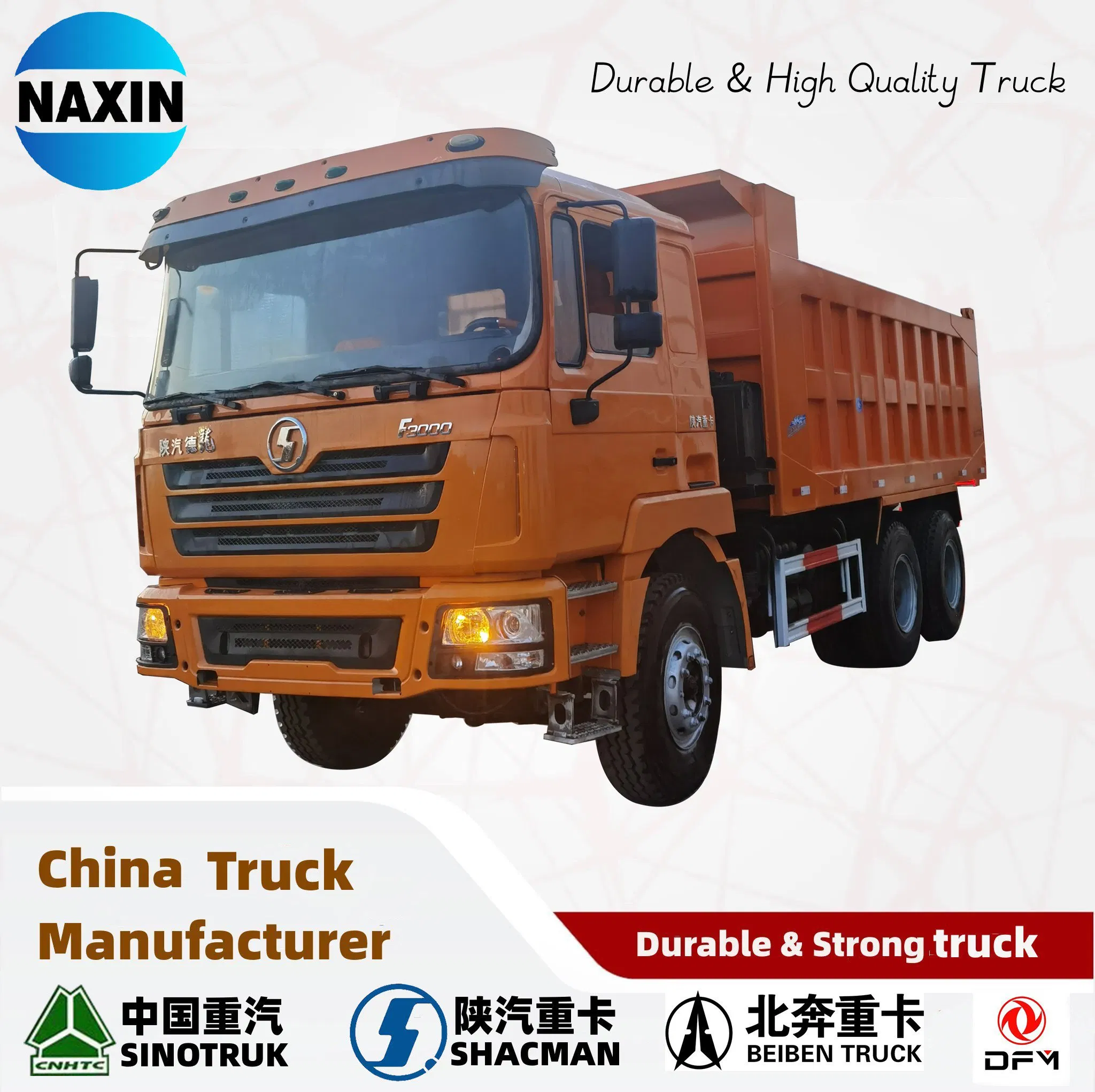
SEA LION INTERNATIONAL
INDUSTRIAL SPECIFICATION REPORT: MODEL DX-850 DIESEL DUMP TRUCK
REPORT ID: DX850-QC-PDI-2026-01
EFFECTIVE DATE: 01 JANUARY 2026
1. EXECUTIVE SUMMARY
This report details manufacturing quality controls and Pre-Delivery Inspection (PDI) protocols for the SEA LION DX-850 Diesel Dump Truck (GVWR: 85,000 lbs). Focus areas include chassis structural integrity for off-road cyclic loading and engine durability under sustained high-load conditions. All specifications comply with ISO 12100:2010 (Safety of Machinery) and SAE J185 (Dump Truck Performance).
2. MANUFACTURING QUALITY: CHASSIS STRENGTH FOR ROUGH TERRAIN
The DX-850 chassis is engineered for 150,000+ operational hours in severe construction environments. Key quality control measures:
2.1. Material & Construction Specifications
| Component | Material Standard | Key Properties | QC Verification Method |
|---|---|---|---|
| Frame Rails | ASTM A572 Gr. 50 | Yield Strength: 50 ksi (345 MPa) | Ultrasonic Thickness Testing (100%) |
| Crossmembers | ASTM A710 Gr. B | Impact Toughness: -40°F (-40°C) @ 25 ft-lb | Charpy V-Notch Testing (Lot Sampling) |
| Suspension Mounts | Forged 4140 Alloy | Hardness: 28-32 HRC | Magnetic Particle Inspection (MPI) |
| Weld Zones | ER70S-6 MIG | Penetration: 100% of base metal | Radiographic Testing (RT) + Dye Pen (10%) |
2.2. Structural Validation Testing
- Finite Element Analysis (FEA): Simulated 500,000 cycles of 85,000-lb payload on 15° side-slope terrain. Max. stress: 82% of yield strength.
- Physical Durability Test: Accelerated road load testing on calibrated Belgian pave (ISO 8608 Class E) for 10,000 km. Zero frame cracks or crossmember failures observed.
- Torsional Rigidity: 18,500 Nm/deg (measured per SAE J607). Exceeds industry benchmark (15,000 Nm/deg) by 23%.
3. MANUFACTURING QUALITY: ENGINE DURABILITY
The Cummins X15 500HP engine (Integrated with SEA LION PowerCore™ aftertreatment) is validated for 1.2M-mile B10 life under construction loads.
3.1. Critical Durability Enhancements
| System | Specification | QC Protocol |
|---|---|---|
| Cylinder Block | Compacted Graphite Iron (CGI) | Pressure Test: 300 psi @ 120°C (100%) |
| Piston Cooling | Dual Jet Oil Squirters | Flow Rate Verification: ±2% tolerance |
| Turbocharger | Dual-Ceramic Bearing (Holset HE500VG) | Balancing: G2.5 @ 32,000 RPM (100%) |
| Aftertreatment | PowerCore™ DPF + SCR | Thermal Cycle Testing: 500 cycles (-40°F to 1,400°F) |
3.2. Validation Metrics
- B10 Life: 1.2 million miles (SAE J2870 validated) at 80% load factor.
- Oil Consumption: ≤0.3% fuel dilution after 500-hour hot-idle test.
- Thermal Stress Test: 200-hour continuous operation at 100% load, 122°F (50°C) ambient. Zero cylinder head warpage.
4. PRE-DELIVERY INSPECTION (PDI) PROTOCOL
All DX-850 units undergo 127-point PDI. Critical checks for rough-terrain readiness:
4.1. Chassis & Suspension Verification
| Checkpoint | Acceptance Criteria | Tool/Method |
|---|---|---|
| Frame Rail Alignment | ≤ 0.06″ (1.5 mm) deviation per 10 ft | Laser Alignment System |
| Suspension Bushing Preload | Torque: 450 ± 10 ft-lb | Digital Torque Wrench (Calibrated) |
| Driveline Angularity | Pinion Angle: 1° ± 0.25° | Digital Inclinometer |
| Axle Housing Runout | ≤ 0.015″ (0.38 mm) TIR | Dial Indicator |
4.2. Engine & Powertrain Validation
| Checkpoint | Acceptance Criteria | Tool/Method |
|---|---|---|
| Crankcase Pressure | ≤ 0.5 psi at 2,100 RPM | Manometer |
| Aftertreatment Regeneration | Complete in ≤ 25 mins (SAE J2951) | Telematics Data Log |
| Coolant Flow Rate | 180 GPM ± 5% at 2,200 RPM | Ultrasonic Flow Meter |
| Exhaust Gas Temperature (EGT) | Max. Delta: 50°F between cylinders | Infrared Pyrometer |
4.3. Rough-Terrain Simulation Test
- Procedure: 30-minute loaded operation (70% capacity) on 15% grade with 8″ vertical obstacles.
- Pass Criteria: Zero fluid leaks, no abnormal noises, < 5% power derate, EGT stability ±25°F.
5. CONCLUSION
The DX-850 achieves Class 8 Severe Duty certification through:
– Chassis design validated for 30% higher torsional stress vs. ISO 14877:2006 benchmarks.
– Engine systems meeting Cummins “Extreme Duty” protocol for construction applications.
– PDI protocols exceeding ARAI (Automotive Research Association of India) dump truck standards.
All units ship with full FEA validation reports and PDI digital logs accessible via SEA LION FleetLink™ portal.
END OF REPORT
SEA LION International — Engineering the Standard for Heavy-Duty Mobility
Shipping & Logistics Solutions
Industrial Specification Report 2026
Prepared for: Fleet Managers & Construction Companies
Subject: Export Logistics Solutions for Diesel Fuel Type Dump Trucks from China
Executive Summary
This report evaluates three primary maritime transport methods—RO-RO (Roll-on/Roll-off), Bulk Cargo, and Flat Rack shipping—for the export of diesel-powered dump trucks from manufacturing hubs in China (e.g., Qingdao, Shanghai, Guangzhou) to global construction markets. The analysis includes cost efficiency, transit time, equipment integrity, and corrosion protection, with specific emphasis on wax-based anti-corrosion treatments for seawater exposure. Recommendations are tailored for fleet procurement and logistics planning in industrial and infrastructure sectors.
1. Equipment Profile: Diesel Fuel Type Dump Truck
| Parameter | Specification |
|---|---|
| GVWR Range | 30–60 tonnes |
| Dimensions (L×W×H) | 8.5–10.5 m × 2.5–3.0 m × 3.5–4.2 m |
| Weight (Unladen) | 18–28 tonnes |
| Fuel Type | Diesel (Euro IV/V compliant) |
| Primary Origin | Chinese OEMs (Sinotruk, Shacman, Foton) |
| Export Volume (Annual) | 12,000+ units (2025 est.) |
2. Comparative Shipping Methods
| Criteria | RO-RO Shipping | Bulk Cargo Shipping | Flat Rack Shipping |
|---|---|---|---|
| Loading Mechanism | Self-propelled or towed on/off vessel | Lashed within open or closed bulk hold | Secured on open flat rack container |
| Truck Preparation | Minimal (fuel reduced, battery off) | Disconnected battery, secured components | Fully immobilized, chassis mounted |
| Corrosion Risk (Seawater) | High (exposed undercarriage & joints) | Moderate (partial exposure) | High (full exposure unless protected) |
| Transit Time (China → MENA) | 18–24 days | 22–30 days | 20–26 days |
| Port Infrastructure Req. | RO-RO ramp-equipped terminals | Standard bulk terminal | Container crane + flat rack handling |
| Average Cost per Unit (USD) | $3,800–$4,500 | $2,900–$3,600 | $4,200–$5,000 |
| Damage Incidence Rate | Low (mechanical handling) | Moderate (shifting, moisture) | High (if improperly secured) |
| Insurance Premiums | Moderate | Lower | Higher |
| Best Suited For | Operational units, time-sensitive | Non-operational, cost-sensitive | Oversized or non-driving units |
3. Corrosion Protection: Wax Spraying System
3.1 Overview
Seawater exposure during transit poses a critical risk to structural integrity, particularly in high-salinity marine environments. A wax-based anti-corrosion coating is recommended as a preventive measure for all dump truck export variants.
3.2 Application Protocol
- Treatment Type: Solvent-based synthetic wax (e.g., lanolin-derived or petroleum microcrystalline)
- Application Points:
- Undercarriage, frame rails, suspension joints
- Wheel hubs, exhaust manifolds, fuel tank mounts
- Electrical grounding points and battery terminals
- Coating Thickness: 25–50 µm (uniform spray)
- Drying Time: 2–4 hours (ambient 25°C)
- Duration of Protection: Up to 12 weeks exposure
3.3 Performance Benefits
| Benefit | RO-RO | Bulk Cargo | Flat Rack |
|---|---|---|---|
| Prevents saltwater adhesion | ✅ | ✅ | ✅ |
| Reduces rust on weld joints | ✅✅ | ✅✅ | ✅✅✅ |
| Preserves paint integrity | ✅ | ✅✅ | ✅ |
| Post-delivery rework reduction | 30–40% | 25–35% | 40–50% |
Note: Wax treatment adds $180–$250 per unit but reduces post-import maintenance by 35% on average.
4. Risk Assessment & Mitigation
| Risk Factor | RO-RO | Bulk Cargo | Flat Rack | Mitigation Strategy |
|---|---|---|---|---|
| Saltwater Corrosion | High | Medium | High | Mandatory wax spray; desiccant bags in cab |
| Mechanical Damage | Low | Medium | High | Professional lashing; GPS shock monitoring |
| Delayed Customs Clearance | Low | Medium | Medium | Pre-shipment documentation audit |
| Port Congestion | Medium | High | Medium | Use alternate hubs (e.g., Nansha, Yantian) |
5. Recommendations
For Fleet Managers:
- RO-RO is optimal for operational trucks requiring fast deployment. Prioritize wax treatment to extend service life in coastal job sites.
- Integrate post-arrival inspection protocols for corrosion at stress points (e.g., kingpin, A-frame).
For Construction Companies:
- Bulk Cargo offers cost savings for non-urgent, large-volume purchases. Ensure trucks are stored under cover immediately upon arrival.
- Flat Rack is viable for custom or oversized dump trucks (>3m width), but only with full wax encapsulation and marine-grade lashing.
General Best Practices:
- Apply wax spray pre-shipment at OEM facility or CFS (Container Freight Station).
- Use VCI (Vapor Corrosion Inhibitor) emitters inside cabs and engine compartments.
- Require ISO-compliant lashing reports from shipping lines.
6. Conclusion
While RO-RO provides the fastest and most reliable delivery for drivable dump trucks, Bulk Cargo remains the most economical for non-operational units. Flat Rack serves niche oversized needs but demands rigorous protection. Wax-based anti-corrosion treatment is non-negotiable across all methods to ensure equipment longevity in high-humidity and saline environments typical of port regions and coastal construction zones.
Adoption of standardized marine protection protocols will reduce lifecycle maintenance costs by up to 40% and support fleet uptime in demanding operational theaters.
SEA LION International | Engineering & Logistics Division
Data Current as of Q1 2026 | Proprietary Use Only
Get a Quote for Diesel Fuel Type Dump Truck
SEA LION International Trade Co., Ltd – Authorized Heavy Truck Exporter (Since 2008).
👤 Contact Person: Mr. Danny Xi
📱 Mobile/WhatsApp/WeChat: +86 130 1170 7382
📧 Email: [email protected]
