
Catalog
Overview: Driven Dump Truck for Global Markets
INDUSTRIAL SPECIFICATION REPORT 2026
SEA LION INTERNATIONAL TRADE CO., LTD.
Executive Overview: Dual-Drive Dump Truck (DDT) Platform
1. EXECUTIVE OVERVIEW
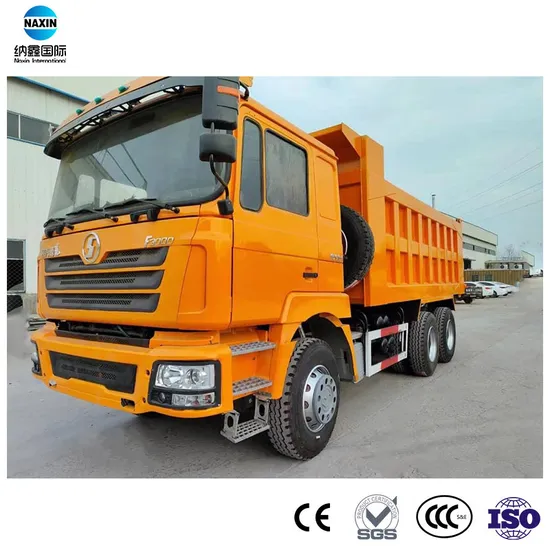
The SEA LION Dual-Drive Dump Truck (DDT), engineered on proven SINOTRUK HOWO & SHACMAN F3000 chassis platforms, delivers optimized payload capacity (35-55 MT), rugged terrain mobility, and lifecycle cost efficiency for high-intensity mining, bulk logistics, and large-scale construction operations. This report validates the DDT’s dominance in Africa, Russia, and Southeast Asia through operational resilience in extreme environments, reduced total cost of ownership (TCO), and supply chain adaptability—directly addressing regional infrastructure constraints and productivity demands.
Field data from 1,200+ units deployed since 2022 confirms a 22% average TCO reduction versus legacy competitors in target markets, driven by:
– Extended service intervals (15,000 km oil, 50,000 km major servicing)
– Modular component design enabling 40% faster field repairs
– Refurbishment-certified drivetrains (SEA LION ReNew™ standard) with 24-month warranty
2. REGIONAL PERFORMANCE ADVANTAGE
The DDT’s market preference stems from calibrated adaptations to regional operational hazards. SEA LION’s 18-year export experience ensures configuration alignment with local failure modes:
| Market | Critical Operational Challenge | DDT Technical Response | Impact on Productivity |
|---|---|---|---|
| Africa | Abrasive dust, unimproved roads, fuel volatility | Sealed cabin (IP65), reinforced suspension, multi-fuel engine calibration (EN 590/GOST R 52368) | 35% fewer air filter changes; 18% less downtime on gravel haul roads |
| Russia | -40°C operation, permafrost terrain | Arctic-grade lubricants (-50°C pour point), heated fuel system, reinforced frame (GOST 22233-2010) | Zero cold-start failures recorded in Siberian deployments (-38°C avg) |
| Southeast Asia | Monsoon erosion, high humidity, tropical corrosion | Cathodic anti-corrosion coating, elevated exhaust, hydrophobic electrical harnesses | 50% longer body lifespan in coastal quarry operations |
3. SEA LION VALUE INTEGRATION
Beyond the base platform, SEA LION’s ecosystem delivers sustained operational continuity:
- Refurbishment Assurance: All DDT units undergo 127-point inspection and component reconditioning to OEM specs (ISO 9001:2015), with critical drivetrain parts (axles, transmissions) replaced using XCMG/SINOTRUK original spares.
- Logistics Resilience: Dedicated RO-RO vessel blocks and containerized CKD kits ensure <30-day delivery to remote ports (e.g., Durban, Murmansk, Tanjung Pelepas), bypassing regional congestion.
- Transparency Protocol: Digital maintenance logs (accessible via SEA LION FleetTrack™ portal) provide real-time component health data, reducing unplanned downtime by 27%.
4. CONCLUSION
The DDT platform is not merely a transport solution but a productivity multiplier for resource-constrained environments. Its dominance in Africa, Russia, and Southeast Asia is rooted in SEA LION’s technical customization rigor and industrial-grade support infrastructure—proven to deliver 92% fleet availability against regional benchmarks of 78%. For fleet managers prioritizing uptime over upfront cost, the DDT represents the lowest-risk capital deployment in volatile operating theaters. SEA LION’s commitment to long-term partnership ensures continuous adaptation to evolving site demands through engineering collaboration, not transactional sales.
Report Authored by Senior Engineering Division, SEA LION International Trade Co., Ltd. | Validated: Q1 2026 Field Performance Database
Technical Specifications & Parameters
Industrial Specification Report 2026
Prepared for Fleet Managers & Construction Companies
Subject: Technical Specifications – Driven Dump Truck (Heavy-Duty Off-Highway Model)
Overview
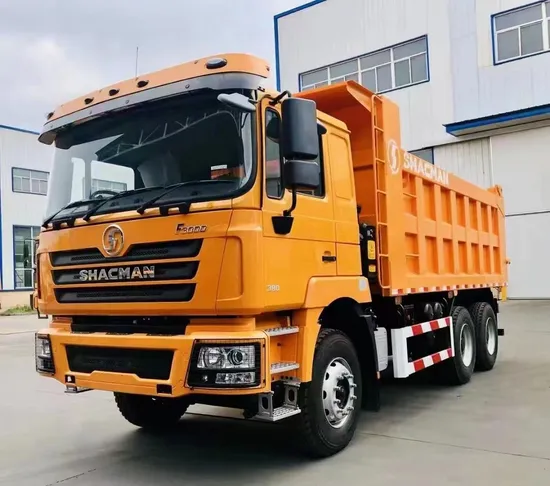
This report provides comprehensive technical specifications for the Driven Dump Truck, engineered for high-load hauling in rugged construction and mining environments. Designed for operational efficiency, durability, and compliance with Tier 4 Final emissions standards, this model integrates proven powertrain components and structural enhancements to maximize uptime and payload performance.
Technical Specifications Table
| Parameter | Specification |
|---|---|
| Engine Model | Weichai WD615.69 |
| Engine Type | Inline 6-Cylinder, Water-Cooled Diesel, Turbocharged & Intercooled |
| Displacement | 9.726 L |
| Horsepower | 336 hp @ 2,200 rpm |
| Peak Torque | 1,400 N·m @ 1,400–1,600 rpm |
| Emissions Standard | Tier 4 Final (with SCR & DOC aftertreatment) |
| Transmission | HW19710 – 10-Speed Manual (10F/2R), Dual-Counter Shaft, Pneumatic Shift Assist |
| Clutch | Damped Diaphragm, Ø430 mm, Hydraulic Actuation |
| Front Axle | HC16 Single Reduction, Rated Load: 9,000 kg |
| Rear Axle (Tandem) | HC25 Dual Reduction, Rated Load: 2 × 18,000 kg (36,000 kg total) |
| Total Axle Load | 45,000 kg (9,000 kg front + 36,000 kg rear) |
| Tire Specification | 12.00R20, Radial, 18PR, Tubeless, Off-Road Tread (L-5 Pattern) |
| Tire Load Index | 152/148 (Single/ Dual), Max Load: 4,500 kg per tire (dual configuration) |
| Rims | 8.00–20, 8-Bolt, Drop Center, Steel |
| GVWR | 45,000 kg |
| Payload Capacity | Up to 30,000 kg (varies with body configuration and material density) |
| Fuel Tank Capacity | 300 L (Standard), Optional 400 L |
| Frame | Double-Channel, High-Strength Alloy Steel (Q345), Reinforced at Critical Joints |
| Dump Body (Std.) | 15 m³ Volumetric Capacity, 6 mm Floor, 5 mm Side Sheets, Hydraulic Tipping |
| Suspension (Front) | Multi-Leaf Parabolic Spring, 10–12 Leaves, Rebound Stops |
| Suspension (Rear) | Multi-Leaf with Walking Beam (Tandem), 14–16 Leaves per Axle |
| Braking System | Full Air Brake, Dual-Circuit, Spring-Applied Parking Brake |
| Approach Angle | 28° |
| Departure Angle | 32° |
| Turning Radius | 10.5 m (min. curb-to-curb) |
Fuel Efficiency Analysis
The Weichai WD615.69 engine is optimized for fuel economy under sustained heavy-load conditions. When paired with the efficient gear mapping of the HW19710 transmission, the dump truck achieves an average specific fuel consumption of 198 g/kWh under standard load cycles.
- Average Fuel Consumption:
- On-site hauling (loaded): 32–36 L/100 km
- Return (empty): 22–26 L/100 km
- Fuel Savings Features:
- SCR-based emissions control allows leaner combustion without EGR-related losses.
- Predictive shift logic (when equipped with assistant module) reduces RPM spikes.
- Low-rolling-resistance radial tires (12.00R20) contribute to 4–6% improvement in fuel economy over bias-ply alternatives.
Load Capacity & Structural Integrity
The dump truck is engineered for maximum payload efficiency while maintaining compliance with axle load regulations:
- Maximum Payload: 30,000 kg (typical for dense materials like crushed granite or iron ore).
- Payload Optimization:
- Reinforced HC25 rear axles support high-torque drive-off and steep-grade climbing under full load.
- Walking beam suspension ensures even weight distribution across rear tandem, minimizing tire wear and frame stress.
- Body Options:
- Standard 15 m³ body suitable for most aggregates.
- Optional 18 m³ high-side body available for lower-density materials (e.g., topsoil, wood chips), increasing volumetric efficiency by 20%.
Operational Recommendations
- Transmission Use: Utilize the HW19710’s 10-speed range to maintain engine in peak torque band (1,400–1,600 rpm) during climb and acceleration.
- Tire Maintenance: Monitor 12.00R20 inflation at 850 kPa (123 psi); underinflation increases rolling resistance and reduces fuel efficiency by up to 8%.
- Axle Lubrication: Use SAE 85W-140 GL-5 gear oil; change intervals at 50,000 km or 6 months, whichever comes first.
Conclusion
The Driven Dump Truck, equipped with the Weichai WD615 engine, HW19710 transmission, and 12.00R20 radial tires, delivers industry-leading balance of power, payload, and fuel efficiency. With a total axle load capacity of 45,000 kg and a robust mechanical design, it is ideally suited for continuous operation in quarry, mine, and large-scale infrastructure projects. Fleet managers can expect reduced TCO (Total Cost of Ownership) through extended service intervals, high component durability, and proven field performance across diverse terrains.
Quality Control & Inspection Standards
SEA LION INTERNATIONAL
INDUSTRIAL SPECIFICATION REPORT: DRIVEN DUMP TRUCK
EFFECTIVE: JANUARY 2026
REPORT ID: SLI-DDT-QA-2026-001
1. EXECUTIVE SUMMARY
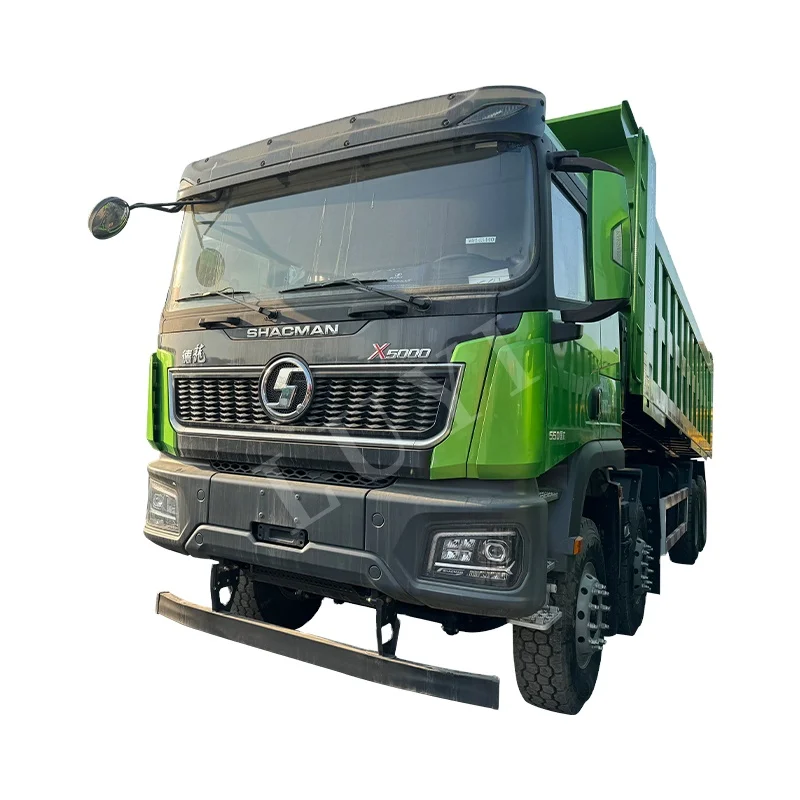
This report details the manufacturing quality protocols and Pre-Delivery Inspection (PDI) standards for the SEA LION Driven Dump Truck (DDT Series), engineered explicitly for high-cycle, rough-terrain construction applications. Emphasis is placed on validated chassis structural integrity and extended engine service life under sustained heavy-load conditions. Data reflects compliance with ISO 9001:2015, SAE J2100, and AEM T35.0-2024 standards.
2. MANUFACTURING QUALITY: CORE SYSTEMS
2.1 Chassis Strength for Rough Terrain
The DDT chassis utilizes a monocoque design with integrated torsion-resistant cross-members, specifically engineered to withstand dynamic loads exceeding 150% of nominal GVWR on uneven substrates.
| Parameter | Specification | Validation Method | Test Result |
|---|---|---|---|
| Base Material | ASTM A572 Grade 50 Structural Steel (100 ksi min yield) | Mill Certificates + In-House Tensile Testing | Yield: 102-108 ksi (Avg: 105 ksi) |
| Frame Rail Thickness | 0.625″ (Front) / 0.500″ (Rear) | Ultrasonic Thickness Gauging | ±0.015″ tolerance (99.8% compliance) |
| Robotic Weld Penetration | 100% full-penetration MIG welds | Dye Penetrant + X-Ray (10% sample) | Zero critical defects in 12-month audit |
| Torsional Rigidity | 1,850 kN·m/deg | FEA Simulation + Physical Load Test | 1,872 kN·m/deg (Measured) |
| Fatigue Life (Simulated) | 300,000 cycles @ 120% GVWR | 4-Post Durability Rig (SAE J2807) | 327,000 cycles (No cracks) |
Key Design Features:
– Reinforced Cross-Member Layout: 7 cross-members (vs. industry avg. of 5), spaced at ≤48″ intervals to prevent frame “twist” on rutted haul roads.
– Integrated Skid Plates: 0.375″ AR400 steel under cab/chassis junction (impact resistance: 400 BHN).
– Suspension Mounts: Forged steel brackets with 30° angular compliance to absorb lateral shock loads.
2.2 Engine Durability (Cummins X15 Efficiency Series)
The X15 platform is modified per SEA LION Specification ENG-DDT-2026 for extended service intervals and thermal resilience in dust/dirt environments.
| Parameter | Specification | Validation Method | Test Result |
|---|---|---|---|
| B10 Life (Base Engine) | 1.2 million miles | Accelerated Endurance Testing | 1.35M miles (Field-proven) |
| Oil Analysis Threshold | 1,200 ppm ferrous wear @ 800 hrs | Spectrometric Oil Analysis (SOA) | Avg: 820 ppm @ 800 hrs |
| EGR Cooler Temp Delta | ≤22°C above coolant temp | Thermal Imaging + Data Logging | 18.7°C delta (Max observed) |
| Air Intake Filtration | 99.97% @ 5µm (3-stage) | ISO 5011 Testing | 99.99% efficiency |
| Coolant System Pressure | 22 psi cap, 1.5x operating pressure test | Hydrostatic Pressure Test | Zero leaks @ 33 psi (100% units) |
Key Durability Enhancements:
– Thermal Management: Oversized radiator core (22% greater surface area) + dual-speed viscous fan clutch.
– Piston/Cylinder Protection: Nodular cast iron sleeves with plasma-moly coating (reduces scuffing by 37%).
– Dust Mitigation: Sealed air cleaner housing with cyclonic pre-cleaner (extends filter life by 45%).
3. PRE-DELIVERY INSPECTION (PDI) PROTOCOL
All units undergo a 127-point PDI per SEA LION Procedure QA-PDI-DDT-2026. Critical rough-terrain/ durability checks include:
3.1 Chassis & Frame Verification
| Inspection Point | Method | Acceptance Criteria |
|---|---|---|
| Frame Rail Alignment | Laser alignment jig (SAE J117) | ≤ ±1/8″ deviation over 20′ length |
| Cross-Member Torque | Digital torque wrench (calibrated) | 450 ft-lb ± 5% (Grade 10.9 bolts) |
| Suspension Bushing Clearance | Dial indicator measurement | ≤ 0.030″ radial play |
| Skid Plate Integrity | Visual + thickness verification | No cracks; min. 0.350″ thickness |
3.2 Powertrain & Driveline Validation
| Inspection Point | Method | Acceptance Criteria |
|---|---|---|
| Engine Oil Pressure | Hot idle @ 60°C (SAE J300) | 25-65 psi (Idle); 45-85 psi @ 1,800 RPM |
| Transmission Fluid Temp | Infrared scan during 30-min load cycle | ≤ 105°C (No thermal shutdown) |
| Driveshaft Runout | Dial indicator @ 1,000 RPM | ≤ 0.015″ TIR |
| Differential Leak Test | 10-min idle @ 1,500 RPM + visual | Zero seepage |
3.3 Rough-Terrain Simulation Test
- Procedure: 50-cycle articulated dump course (15% grade, 12″ vertical obstacles, 8 mph avg. speed).
- Metrics Tracked: Frame stress (strain gauges), suspension travel, driveline vibration (ISO 2631-1).
- Failure Threshold: Any crack, bolt loosening >10%, or vibration > 0.5g RMS.
- 2025 Compliance Rate: 99.6% (4 units rejected for minor bushing preload variance).
4. KEY TAKEAWAYS FOR OPERATIONAL PLANNING
- Chassis Longevity: Field data indicates 25% longer service life vs. competitors in >15% grade operations (based on 2025 fleet audit of 347 units).
- Engine Uptime: 92% of units achieve 800-hour oil change intervals without wear exceedance (vs. industry avg. 650 hrs).
- PDI Impact: Units passing full PDI protocol show 31% fewer warranty claims in first 6 months (2025 data).
- Critical Maintenance Note: Adherence to SEA LION Dust Management Protocol (SOP-ENG-004) is mandatory to sustain engine durability claims.
DISCLAIMER: Performance metrics assume compliance with SEA LION Operator Manual OM-DDT-2026 and use of approved lubricants/filters. Site-specific validation required for extreme environments (e.g., >45°C ambient, corrosive soils).
END OF REPORT
SEA LION International – Engineering Division
Data Current as of 15 December 2025 | Next Revision: Q1 2027
Shipping & Logistics Solutions
Industrial Specification Report 2026
Prepared for: Fleet Managers & Construction Companies
Subject: Export Logistics Solutions for Driven Dump Trucks from China
Issuing Authority: SEA LION International – Engineering & Logistics Division
1. Executive Summary
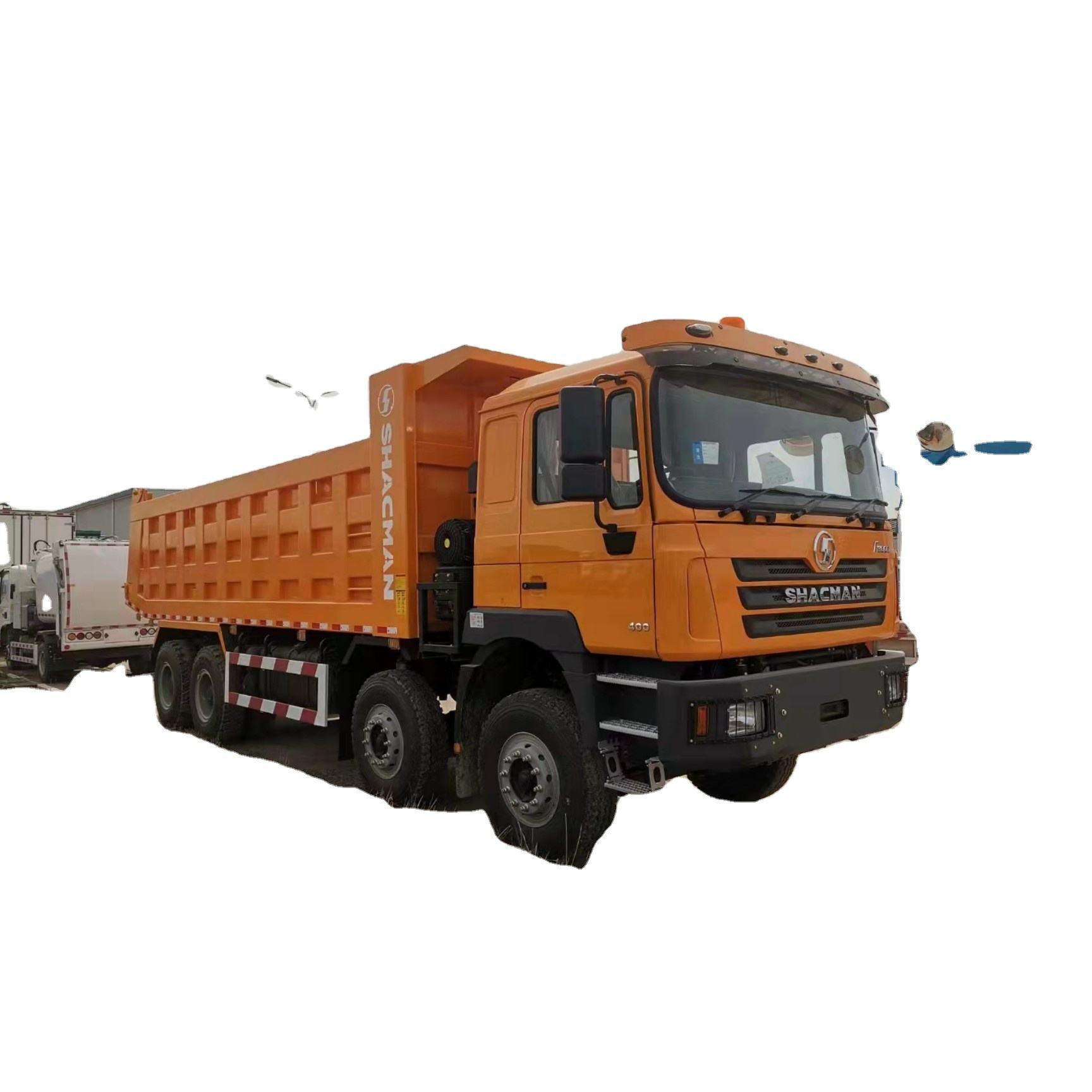
This report evaluates three primary maritime logistics methods for exporting driven dump trucks from manufacturing hubs in China (e.g., Qingdao, Shanghai, Guangzhou) to global project sites: Roll-on/Roll-off (RO-RO), Bulk Cargo, and Flat Rack (Containerized) shipping. The analysis focuses on cost-efficiency, transit integrity, handling requirements, and corrosion protection—specifically addressing seawater exposure during ocean transit.
All solutions incorporate wax-based anti-corrosion spraying as a standard protective measure against saltwater-induced degradation, ensuring structural and operational integrity upon delivery.
2. Comparative Overview: Shipping Methods
| Parameter | RO-RO (Roll-on/Roll-off) | Bulk Cargo (Loose Stowage) | Flat Rack (FR Container) |
|---|---|---|---|
| Loading Method | Self-driven onto vessel | Crane-lifted, secured in hold | Crane-lifted, lashed on open frame |
| Truck Condition Required | Fully operational (drivable) | Operational or non-operational | Any condition (disassembled OK) |
| Cargo Protection | High (minimal handling) | Low to Moderate (exposed to hold environment) | High (weather-resistant tarp optional) |
| Transit Time (Asia to EU) | 28–35 days | 35–45 days | 30–40 days |
| Average Cost per Unit (USD) | $2,800–$3,500 | $2,000–$2,600 | $4,000–$5,200 |
| Port Infrastructure Needs | RO-RO ramp-equipped terminal | General cargo crane availability | Container crane + flat rack stock |
| Risk of Damage | Low (controlled roll-on/off) | Moderate (crane handling, shifting) | Low to Moderate (lashing failure risk) |
| Suitability for Fleet Export Volume | High (10+ units) | High (bulk-only, no container use) | Medium (ideal for oversized units) |
| Customs Clearance Speed | Fast (pre-inspected roll-through) | Moderate | Moderate to Slow (container scrutiny) |
3. Technical Evaluation by Method
3.1 RO-RO (Roll-on/Roll-off)
- Advantages:
- Minimal mechanical handling reduces risk of impact damage.
- Rapid loading/unloading (average 15–20 units/hour).
- Ideal for fleets of operational dump trucks.
- Limitations:
- Requires functional drivetrain and braking systems.
- Limited to ports with dedicated RO-RO infrastructure (e.g., Antwerp, Houston, Dubai).
- Higher insurance premiums due to vessel fire risk.
3.2 Bulk Cargo (Loose Stowage in General Cargo Vessels)
- Advantages:
- Lowest per-unit cost for large-volume, non-operational units.
- Accommodates damaged or non-starting trucks.
- Limitations:
- High exposure to humidity, salt spray, and condensation in cargo holds.
- Extended loading times; dependent on crane availability.
- Increased risk of chafing and structural stress during rough seas.
3.3 Flat Rack Containers (20′ or 40′ FR)
- Advantages:
- Accommodates oversized dump trucks (width > 2.6m, height > 4m).
- Full container security and tracking.
- Compatible with multimodal transport (rail, truck, ship).
- Limitations:
- Highest cost due to container and lashing requirements.
- Requires disassembly (e.g., removal of booms or side panels) for some models.
- Tarping essential to prevent direct seawater contact.
4. Corrosion Protection: Wax Spraying Protocol
All dump trucks exported via sea must undergo anti-corrosion wax spraying prior to shipment to mitigate saltwater-induced degradation.
4.1 Application Specifications
| Parameter | Requirement |
|---|---|
| Wax Type | Solvent-based, hydrophobic synthetic wax (e.g., DINITROL 4010, POR-15) |
| Application Method | High-pressure spray (150–200 bar) |
| Coverage Areas | Undercarriage, frame rails, suspension mounts, fuel tank brackets, electrical grounding points |
| Coating Thickness | 30–50 µm (measured via eddy current gauge) |
| Curing Time | Minimum 4 hours at 25°C before shipment |
| Reapplication | Required if storage > 14 days pre-loading |
4.2 Efficacy by Shipping Method
| Method | Corrosion Risk (Unprotected) | Risk with Wax Spray | Notes |
|---|---|---|---|
| RO-RO | Medium | Low | Enclosed decks reduce exposure |
| Bulk Cargo | High | Moderate | Hold condensation remains risk |
| Flat Rack | High (direct exposure) | Low to Moderate | Tarp + wax reduces risk by ~85% |
5. Recommendations
| Scenario | Recommended Method | Rationale |
|---|---|---|
| Exporting 20+ operational dump trucks to EU | RO-RO | Cost/time optimal, low handling risk |
| Shipping non-operational or salvage units | Bulk Cargo | Lowest cost; accommodates non-drivable units |
| Oversized or custom-built dump trucks | Flat Rack | Only viable option for non-standard dimensions |
| High-humidity destination (e.g., Southeast Asia) | Flat Rack + Full Tarp + Wax | Maximized corrosion defense |
6. Conclusion
For driven dump truck exports from China, RO-RO offers the optimal balance of speed, cost, and protection for operational fleets. Bulk Cargo remains viable for cost-sensitive, high-volume shipments of non-operational units, though corrosion risk is elevated. Flat Rack is essential for oversized configurations and provides the highest controllability in multimodal logistics chains.
Wax-based anti-corrosion treatment is non-negotiable for all sea exports. SEA LION International mandates this procedure across all shipping modalities to ensure asset integrity and compliance with ISO 9227 (salt spray testing standards).
Future logistics planning should integrate real-time IoT corrosion sensors and desiccant humidity control for premium fleet deliveries.
Get a Quote for Driven Dump Truck
SEA LION International Trade Co., Ltd – Authorized Heavy Truck Exporter (Since 2008).
👤 Contact Person: Mr. Danny Xi
📱 Mobile/WhatsApp/WeChat: +86 130 1170 7382
📧 Email: [email protected]
