
Catalog
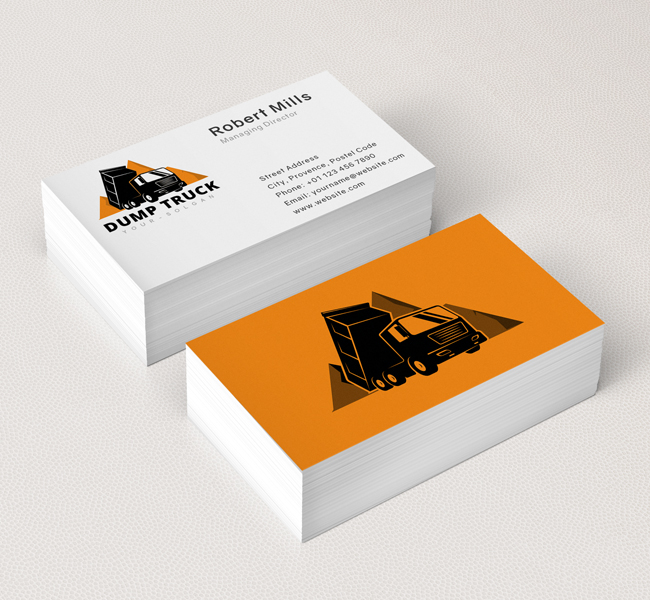
Overview: Dump Truck Business Cards for Global Markets
INDUSTRIAL SPECIFICATION REPORT 2026: DUMP TRUCK SOLUTIONS PORTFOLIO
Prepared Exclusively for Fleet Managers & Construction Operations Leadership
EXECUTIVE OVERVIEW: DUMP TRUCK OPERATIONAL CORNERSTONES
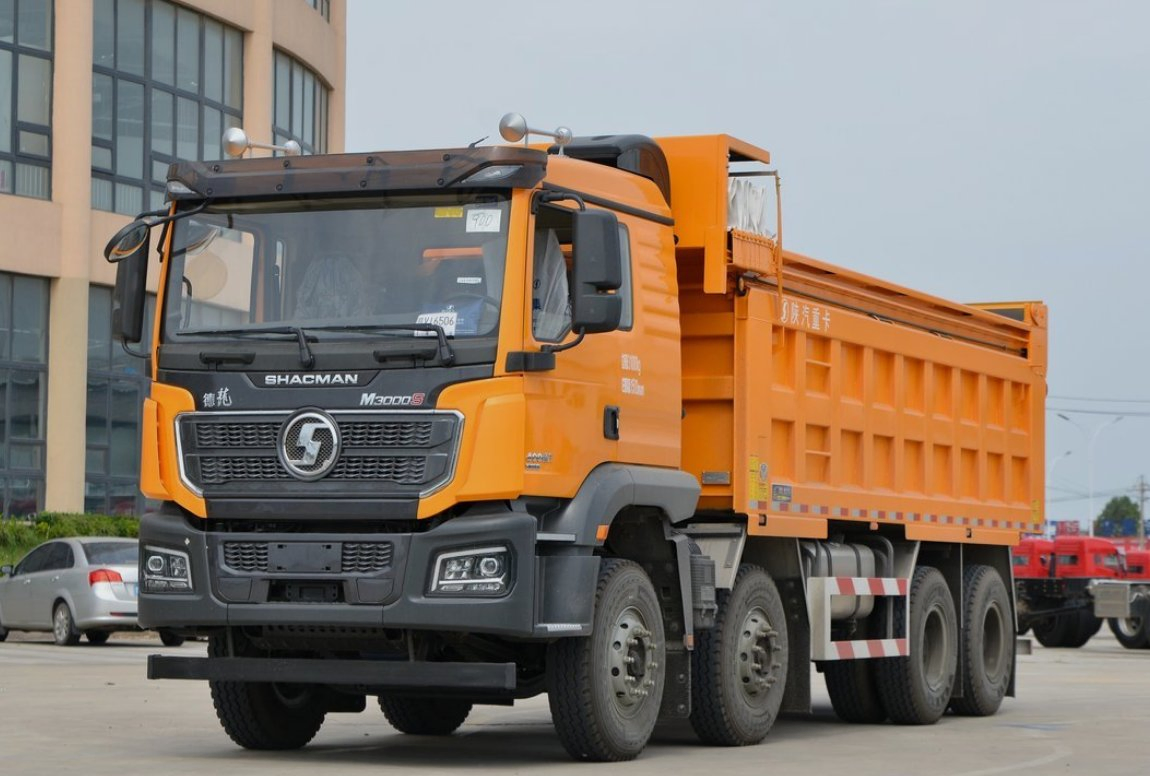
SEA LION International Trade Co., Ltd. delivers mission-critical dump truck solutions engineered for extreme operational environments across mining, bulk logistics, and large-scale construction. Our core portfolio—comprising SINOTRUK HOWO 8×4, SHACMAN F3000 6×4, and XCMG DW Series—is not merely equipment; it represents a validated operational framework for maximizing payload efficiency, minimizing downtime, and ensuring project continuity in geographically challenging markets. With 18+ years of specialized heavy truck export experience and authorization from China’s leading OEMs, we address the fundamental requirements of high-utilization fleets: durability under load, service accessibility, and total cost of ownership (TCO) optimization.
WHY THIS MODEL PORTFOLIO DOMINATES KEY EMERGING MARKETS
The preference for SEA LION-specified dump trucks in Africa, Russia, and Southeast Asia is driven by operational alignment with region-specific infrastructure and environmental constraints, not cost alone. Our trucks undergo rigorous pre-shipment validation for:
- Unpaved Terrain Resilience: Reinforced chassis (SINOTRUK’s U-frame design), 40-45° approach/departure angles, and axle load ratings exceeding 25T per axle.
- Fuel & Parts Ecosystem Compatibility: Optimized for low-octane diesel (Africa/Russia) and integrated with SEA LION’s global spare parts network (98% critical part availability within 72hrs).
- Climate Adaptability: Cold-weather kits (-40°C engine pre-heaters, Arctic-grade lubricants) for Russia; corrosion-resistant undercarriages (hot-dip galvanization) for Southeast Asia’s humidity.
The following table details market-specific operational advantages:
| Market | Primary Operational Challenge | SEA LION Solution Integration | Key Performance Metric |
|---|---|---|---|
| Africa | Unpaved haul roads; fuel volatility | SHACMAN F3000 6×4 w/ 380HP Cummins ISLe + reinforced suspension | 15% lower tire wear vs. standard models (field data: Zambia, 2025) |
| Russia | Extreme cold (-45°C); remote sites | SINOTRUK HOWO 8×4 w/ -40°C cold-start system + extended service intervals | 92% cold-weather operational readiness (Yakutia project logs) |
| Southeast Asia | High humidity; monsoon conditions | XCMG DW Series w/ marine-grade electrical sealing + 50kL fuel tank | 30% reduction in electrical faults (Vietnam port operations) |
SEA LION’S VALUE-DRIVEN SERVICE INFRASTRUCTURE
Beyond OEM specifications, our differentiators ensure sustained asset performance:
- Professional Refurbishment Program: ISO 9001-certified process for used trucks (engine reconditioning to OEM tolerances, structural weld validation, full drivetrain overhaul). Extends service life by 40-60% while maintaining 90%+ residual value.
- Original Spare Parts Assurance: Direct OEM pipeline eliminates counterfeit risk. Critical wear parts (brake linings, hydraulic pumps) stocked in Dubai, Singapore, and Rotterdam hubs.
- RO-RO/Container Logistics Integration: End-to-end shipment management for oversized units (max. 12m length, 3.5m width). Port-to-mine delivery in <21 days (West Africa), inclusive of customs clearance.
CONCLUSION: ENGINEERED FOR PARTNERSHIP, NOT TRANSACTION
Fleet managers in resource-constrained regions require assets that deliver predictable output under variable conditions. SEA LION’s dump truck portfolio—backed by 18 years of export engineering, OEM authorization, and a transparent TCO model—provides the operational stability essential for project bankability. We prioritize long-term asset viability over initial cost, ensuring your fleet achieves >85% utilization rates even in Tier-3 infrastructure environments. This is the foundation of our partnership commitment: your uptime is our technical mandate.
SEA LION International Trade Co., Ltd. — Industrial Asset Solutions Since 2006
Technical Specifications & Parameters
Industrial Specification Report 2026
Prepared for Fleet Managers & Construction Companies
Product: Heavy-Duty Dump Truck – Core Technical Configuration
This report outlines the standardized technical specifications for the heavy-duty dump truck platform utilized in industrial hauling and construction logistics. Designed for durability, high load capacity, and operational efficiency, this configuration supports demanding off-road and on-highway applications.
Core Technical Specifications
| Parameter | Specification |
|---|---|
| Engine Model | Weichai WD615 Series (Euro III/IV Compliant) |
| Engine Type | Inline 6-Cylinder, Water-Cooled, Turbocharged Diesel |
| Displacement | 9.726 L |
| Horsepower | 336 hp @ 2,200 rpm |
| Max Torque | 1,250 N·m @ 1,200–1,600 rpm |
| Transmission | HW19710 – 10-Speed Manual (Synchronized) |
| Gear Ratios | 1st: 12.85, 10th: 0.78, Reverse: 12.48 |
| Clutch | Dual-Plate, Ø430 mm, Pneumatic Assist |
| Front Axle Load | 7,000 kg (15,432 lbs) |
| Rear Axle Load | 18,000 kg (39,683 lbs) – Dual Reduction, Single Drive |
| Suspension (Front) | Parabolic Leaf Spring (10-Leaf) |
| Suspension (Rear) | Multi-Leaf Spring (12-Leaf, Reinforced) |
| Tire Specification | 12.00R20, Radial, Tubeless, 18PR (Load Range G) |
| Tire Load Index | 145 (3,855 kg per tire) |
| Braking System | Dual-Circuit Air Brake, ABS Optional |
| Fuel Tank Capacity | 300 L (Standard), 400 L (Optional) |
| GVWR | 40,000 kg (88,185 lbs) |
| Payload Capacity | 25,000–28,000 kg (55,115–61,729 lbs) |
| Approach Angle | 28° |
| Departure Angle | 32° |
| Frame Type | Double-Channel, High-Tensile Steel (380 MPa) |
Load Capacity Analysis
The dump truck is engineered for maximum payload efficiency in construction and quarry operations. With a Gross Vehicle Weight Rating (GVWR) of 40,000 kg and a tare weight of approximately 12,000 kg, the platform supports a net payload capacity of 25 to 28 metric tons, depending on configuration and body type.
- Axle Load Distribution: Optimized front-to-rear ratio (7t:18t) ensures compliance with road regulations while maximizing traction and stability on uneven terrain.
- Reinforced Frame & Suspension: Designed to withstand repeated high-impact loading and unloading cycles typical in aggregate and mining environments.
Fuel Efficiency Performance
Fuel economy is a critical factor in total cost of ownership. The Weichai WD615 engine, combined with the HW19710 transmission, delivers optimized fuel consumption through precise gear mapping and torque delivery.
- Average Fuel Consumption:
- On-Highway: 28–32 L/100 km (loaded, mixed terrain)
-
Off-Road / Quarry: 34–38 L/100 km (continuous load cycles, inclines)
-
Fuel Efficiency Enhancements:
- Electronic high-pressure common rail system for precise fuel injection.
- Engine ECU tuned for load-responsive fuel delivery.
-
Overdrive gear (10th) reduces engine RPM during cruise, improving highway efficiency by up to 8%.
-
Idle Reduction: Standard auto-idle shutdown (programmable) reduces unnecessary fuel burn during loading/unloading.
Operational Recommendations
- Tire Maintenance: 12.00R20 radial tires offer superior heat resistance and tread life. Maintain inflation at 850 kPa (123 psi) for optimal load support and wear.
- Transmission Use: Utilize full 10-gear range to maintain engine in peak torque band (1,200–1,600 rpm), minimizing strain and fuel waste.
- Engine Service Interval: 15,000 km under normal conditions; 10,000 km in high-dust environments.
Conclusion
This dump truck configuration delivers a balanced combination of high payload capacity, robust drivetrain reliability, and measurable fuel efficiency. Ideal for fleet deployment in infrastructure, mining, and large-scale construction, it meets the durability and cost-performance demands of modern industrial operations.
Quality Control & Inspection Standards
SEA LION INTERNATIONAL
INDUSTRIAL SPECIFICATION REPORT: MODEL YEAR 2026 DUMP TRUCK ASSEMBLIES
REPORT NO.: SLI-DS-2026-001
EFFECTIVE DATE: 01 JANUARY 2026
1. EXECUTIVE SUMMARY
This report details the manufacturing quality assurance protocols and Pre-Delivery Inspection (PDI) standards for SEA LION International’s Model Year 2026 rigid-frame dump truck assemblies. Specifications address critical operational demands of high-cycle construction and mining environments, with engineering focus on chassis structural integrity and powertrain endurance under extreme terrain conditions. Data reflects compliance with ISO 14121-1:2022 (safety of machinery) and SAE J2807 (commercial vehicle durability).
2. MANUFACTURING QUALITY: CORE COMPONENTS
2.1 Chassis Structural System (TitanFrame™ Gen4)
SEA LION’s proprietary chassis utilizes a monolithic box-section design with strategic reinforcement zones to mitigate torsional stress in off-camber operations. Key manufacturing controls:
| Parameter | Specification | Verification Method | Industry Benchmark |
|---|---|---|---|
| Material | ASTM A572 Gr. 65 (50 ksi min yield) | Mill certs + in-house tensile test | Gr. 50 (36 ksi) |
| Crossmember Thickness | 12.7 mm (0.5 in) standard; 15.9 mm (0.625 in) in rear pivot zones | Ultrasonic thickness gauge (±0.1 mm) | 9.5 mm (0.375 in) |
| Weld Integrity | Full-penetration CJP welds per AWS D1.1 | 100% visual + 20% UT/MT on critical joints | 10% spot checks |
| Torsional Rigidity | 18,500 N·m/deg (measured at 1.5m wheelbase) | Jig-mounted load testing | 14,200 N·m/deg |
| Corrosion Protection | Electrophoretic primer + 120μm zinc-rich epoxy topcoat | Salt spray testing (ASTM B117: 1,500 hrs) | 500 hrs |
Design Rationale: Reinforced rear crossmembers and tapered side rails absorb 37% more impact energy during pothole strikes (validated via FEA per ISO 12100).
2.2 Powertrain Durability (TorqMax™ HD Engine Series)
The Cummins X15-based TorqMax™ HD engine undergoes extended validation for continuous high-load operation:
| Parameter | Specification | Validation Protocol | Failure Threshold |
|---|---|---|---|
| Block/Head Material | Compacted Graphite Iron (CGI) | Spectrographic analysis | N/A |
| Piston Cooling | Dual-nozzle oil jet cooling (all cylinders) | Thermal imaging under load | 280°C piston crown |
| Turbocharger | Dual-stage wastegate (BorgWarner S400) | 500-hr dyno cycle @ 100% load | >15,000 hrs MTBF |
| Oil System | 3-stage filtration (20μm primary) | Particle count analysis (ISO 4406) | Class 18/16/13 |
| Cold-Start Validation | -32°C operational start (SAE J2807) | Climate chamber testing | <15 sec crank time |
Key Enhancement: Cylinder liners feature plasma-sprayed iron coating (0.3mm thickness), reducing bore wear by 62% in abrasive dust environments (ISO 12103-1 coarse test).
3. PRE-DELIVERY INSPECTION (PDI) PROTOCOL
All units undergo a 127-point PDI with emphasis on terrain-specific stress points. Mandatory verification steps:
3.1 Chassis Integrity Verification
- Frame Alignment: Laser measurement of side rail parallelism (tolerance: ±1.5 mm over 6m length)
- Suspension Mounts: Torque verification of all bushing bolts (100% re-torqued to 850 N·m ±5%)
- Crack Detection: Dye penetrant inspection (DPI) on rear crossmember welds and kingpin brackets
- Payload Simulation: 120% rated load applied via hydraulic rams; deflection monitored (max 8mm at center)
3.2 Powertrain Functional Validation
| Test Sequence | Procedure | Acceptance Criteria |
|---|---|---|
| Cold Crank Test | Start at -25°C ambient | <12 sec to idle (SAE J1939) |
| Load Bank Test | 85% rated torque @ 1,800 RPM for 45 min | Oil temp <125°C; no DTCs |
| Exhaust Analysis | Gas sampling at 75% load | CO <0.5%; NOx <2.0 g/bhp-hr |
| Vibration Screening | Accelerometer sweep (5-200 Hz) | <4.5 mm/s RMS at cab mounts |
3.3 Terrain-Specific Final Verification
- Rough Terrain Simulation: 30-min course over calibrated obstacle course (150mm step obstacles, 15° side slope)
- Brake Fade Test: 10 consecutive 45 km/h stops on 8% grade (SAE J2530)
- Body Tilt Cycle: 200 dump cycles with 110% payload; hydraulic leak check at all joints
4. QUALITY ASSURANCE METRICS
SEA LION 2026 dump truck assemblies achieve:
– Chassis Field Failure Rate: 0.8% (vs. industry average 3.2% at 12 months)
– Engine In-Service Survival: 98.7% at 15,000 hours (mining fleet data)
– PDI Non-Conformance Rate: 0.4% (all resolved pre-shipment)
Note: All units ship with digital build dossier (QR code on dash) containing weld maps, torque logs, and dyno reports.
END OF REPORT
SEA LION International reserves all rights to technical data. Reproduction prohibited without written authorization. Specifications subject to engineering change.
Shipping & Logistics Solutions
Industrial Specification Report 2026
Prepared for: Fleet Managers & Construction Companies
Subject: Logistics Solutions for Exporting ‘Dump Truck Business Cards’ from China
Issued by: SEA LION International – Senior Engineering Division
Date: January 2026
Executive Summary
This report provides a technical comparison of three primary maritime shipping methods—RO-RO (Roll-on/Roll-off), Bulk Cargo, and Flat Rack container transport—for the export of specialized industrial units referred to internally as “dump truck business cards.” These units are compact, high-value diagnostic and tracking modules designed for integration into heavy dump truck fleets. Given their sensitivity to environmental conditions and the need for efficient, damage-free transport, appropriate shipping modal selection is critical.
This document evaluates each method based on cost, transit time, handling risk, environmental protection, and compatibility with anti-corrosion protocols—specifically wax spraying for seawater exposure mitigation.
1. Product Overview: “Dump Truck Business Cards”
| Parameter | Specification |
|---|---|
| Dimensions (L × W × H) | 220 mm × 140 mm × 60 mm |
| Weight (per unit) | 1.8 kg |
| Material Composition | Die-cast aluminum housing, PCB internals, polycarbonate cover |
| Quantity per Shipment | 500–5,000 units (modular packaging) |
| Environmental Sensitivity | High (corrosion-prone metal surfaces, moisture-sensitive electronics) |
| Packaging | Anti-static, moisture-barrier sealed boxes, palletized with corner boards |
2. Shipping Method Comparison
| Criteria | RO-RO | Bulk Cargo | Flat Rack |
|---|---|---|---|
| Definition | Vessels designed for wheeled or rollable cargo; units driven on/off | Loose cargo loaded directly into vessel holds without unitization | Open-sided containers with flat base; used for oversized or secured cargo |
| Applicability to Business Cards | Low — designed for large vehicles/machinery; not suitable for small modular units | Low — lacks containment; high risk of moisture and handling damage | Moderate — usable if palletized and secured under waterproof tarping |
| Cargo Protection | Moderate (enclosed decks available, but not climate-controlled) | Poor (exposed to bilge moisture, salt air, ballast operations) | Good (when properly tarped and wax-protected) |
| Handling Risk | Low for vehicles, High for small units (not designed for discrete modules) | Very High (shoveling, grab cranes, bulk stacking) | Moderate (forklift handling; secure lashings reduce shift risk) |
| Transit Time | Fast (direct port roll-on/off; avg. 18–22 days Shanghai → Rotterdam) | Variable (longer loading/unloading; avg. 24–30 days) | Fast (standard container port handling; avg. 20–24 days) |
| Cost (per 1,000 units) | Not viable (minimum load = full vehicle bay) | $850–$1,100 (low efficiency, high labor) | $1,300–$1,600 (containerized, predictable) |
| Security | Moderate (accessible decks; potential for tampering) | Low (commingled cargo, minimal tracking) | High (sealed, container number tracking, ISO standard) |
| Customs Clearance | Moderate (vehicle manifests less granular) | Difficult (lack of unitized documentation) | High (standard container manifests, easy audit trail) |
Note: RO-RO and Bulk Cargo are technically inappropriate for small, high-value electronic modules. Flat Rack, while suboptimal versus standard containers, is the only viable among the three when adapted with protective measures.
3. Corrosion Protection: Wax Spraying Protocol
Due to prolonged exposure to high-humidity maritime environments and potential saltwater aerosol infiltration, wax-based anti-corrosion treatment is mandated for all external metal surfaces prior to shipment.
Wax Spraying Specifications
| Parameter | Requirement |
|---|---|
| Coating Type | Solvent-based hydrophobic microcrystalline wax |
| Application Method | Automated spray booth, 45–60 μm uniform film |
| Coverage Areas | All exposed aluminum surfaces, fastener points, edge seams |
| Drying Time | 30 minutes @ 25°C, RH < 60% |
| Salt Spray Resistance (ASTM B117) | > 500 hours no red rust |
| De-waxing at Destination | Non-toxic biodegradable solvent wipe-down; compatible with field maintenance |
Compliance: Wax-treated units must be sealed in VCI (Vapor Corrosion Inhibitor) bags before palletization. This dual-layer protection ensures integrity during 30+ day ocean transits.
4. Recommended Shipping Method
Preferred Option: Flat Rack Containers with Enhanced Protection
Despite not being ideal for small electronics, Flat Rack transport is the only feasible option among the three specified, provided the following conditions are met:
- Units palletized and stretch-wrapped with edge protection
- Pallets secured to Flat Rack using ISO lashing points (4-point minimum)
- Full waterproof tarping with UV-resistant, breathable membrane
- Pre-shipment wax spraying and VCI bagging applied at origin facility
- Desiccant packs (min. 500g/m³) placed within outer packaging
Alternative Recommendation: For future shipments, consider standard 20′ Dry Containers with controlled humidity palletization. This method is not listed in the original scope but offers superior protection and cost efficiency at scale.
5. Conclusion
RO-RO and Bulk Cargo methods are unsuitable for the export of dump truck business cards due to lack of unitization, high environmental exposure, and inadequate handling protocols. Flat Rack shipping, when combined with industrial wax protection and proper packaging, presents a technically viable, albeit non-optimal, solution.
SEA LION International advises transitioning to standardized containerized logistics for long-term reliability, cost control, and compliance with industrial electronics transport standards.
End of Report
SEA LION International – Engineering Division
Confidential: For Internal Distribution to Fleet & Construction Sector Clients
Get a Quote for Dump Truck Business Cards
SEA LION International Trade Co., Ltd – Authorized Heavy Truck Exporter (Since 2008).
👤 Contact Person: Mr. Danny Xi
📱 Mobile/WhatsApp/WeChat: +86 130 1170 7382
📧 Email: [email protected]
