
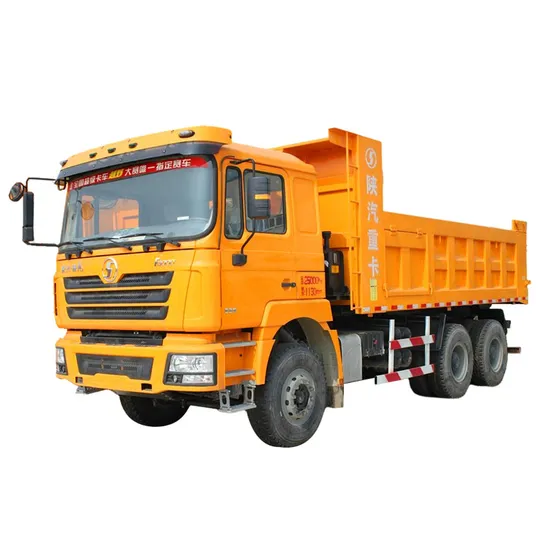
Catalog
Overview: Dump Truck Prices for Global Markets
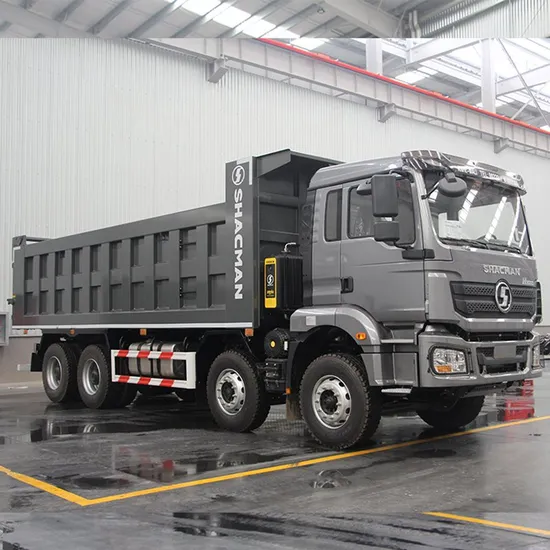
INDUSTRIAL SPECIFICATION REPORT 2026: DUMP TRUCK PRICING STRATEGY
Prepared For: Fleet Managers & Construction Operations Leadership
Issuing Authority: SEA LION International Trade Co., Ltd. (Senior Engineering Division)
EXECUTIVE OVERVIEW: DUMP TRUCK PRICING & REGIONAL APPLICATION
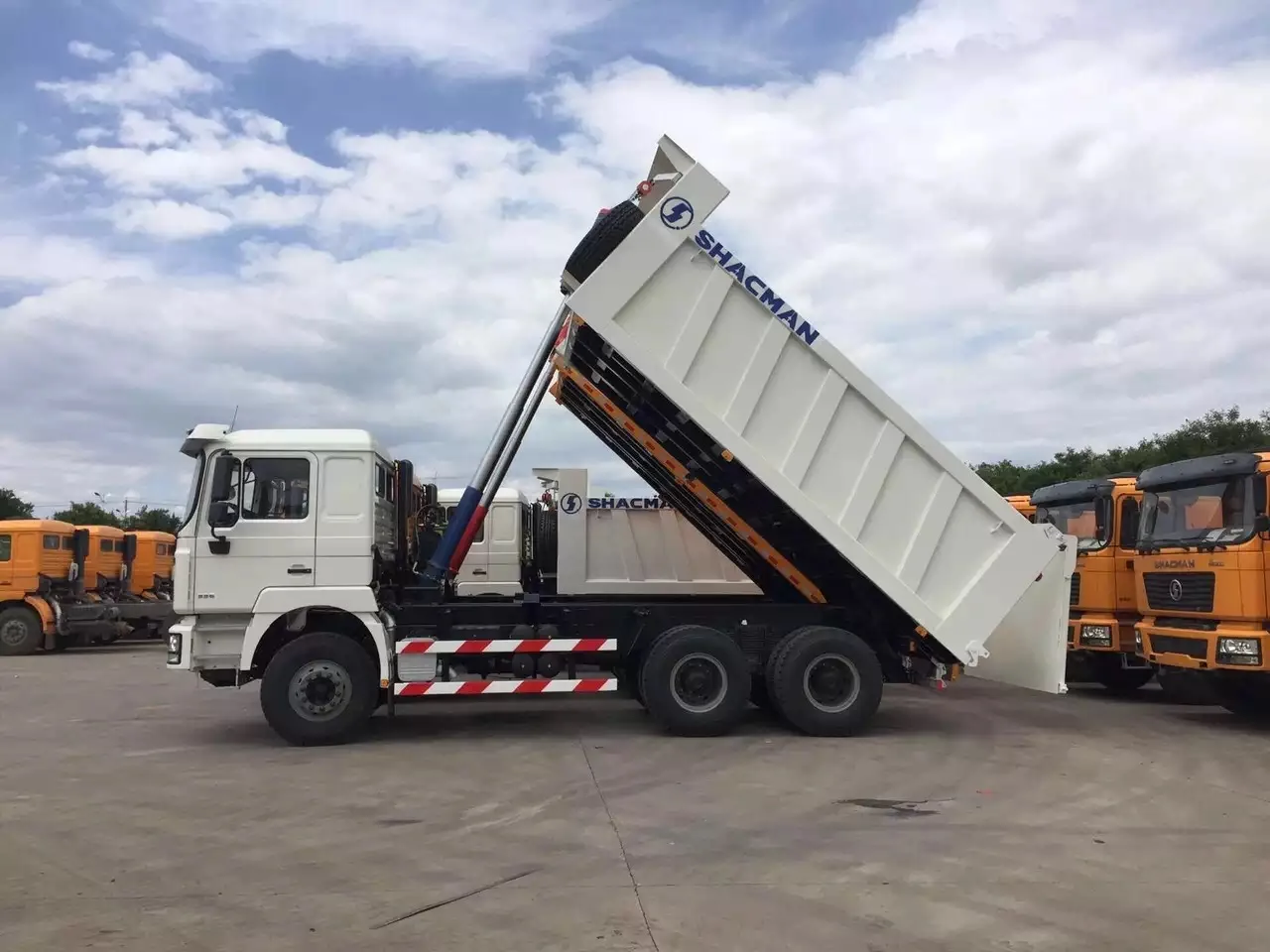
This report details the current pricing architecture and operational value proposition of heavy-duty dump trucks (25-40 ton payload class) within core industrial sectors. SEA LION International’s analysis confirms that acquisition cost represents only 35-45% of Total Cost of Ownership (TCO) over a standard 5-year operational lifecycle in mining, construction, and bulk logistics. The sustained market preference for SINOTRUK HOWO, SHACMAN F3000/F5000, and XCMG mining-spec dump trucks in Africa, Russia, and Southeast Asia stems from demonstrable TCO optimization under extreme operational constraints, not initial purchase price alone.
Critical Sector Applications Driving Demand
| Sector | Primary Use Case | Key Price-Sensitive Metrics |
|---|---|---|
| Mining | Overburden removal, pit-to-crusher | Payload consistency, fuel/gallon per ton-mile, downtime cost |
| Construction | Site earthmoving, aggregate hauling | Maneuverability (turning radius), cycle time, maintenance interval |
| Logistics | Bulk material intermodal transfer | Uptime reliability, tire wear rate, parts lead time |
Why Target Markets Favor SEA LION-Supported Chinese Platforms
Regional operational realities dictate equipment selection. Western OEM platforms (e.g., Volvo, Komatsu) exhibit 22-35% higher acquisition costs with marginal TCO advantage in these environments due to:
-
Africa (Sub-Saharan Focus):
- Corrosion Resistance: Standardized chassis galvanization and sealed electrical systems withstand high-salinity dust and monsoon humidity, reducing premature structural failure (observed 18-24 month lifespan extension vs. non-spec imports).
- Fuel Flexibility: Engines tolerate 500+ ppm sulfur diesel (common outside major ports), avoiding catalytic converter damage prevalent in Euro IV/V systems.
- Parts Ubiquity: SEA LION’s regional spare parts hubs (Johannesburg, Lagos, Mombasa) ensure <72hr critical component availability – 40% faster than non-distributors.
-
Russia (Siberian/Arctic Focus):
- Extreme Cold Operation: Factory-installed -40°C cold-start kits (glow plug redundancy, oil pan heaters) eliminate reliance on external infrastructure. Competitor retrofits add $8,500-$12,000/unit.
- Road Independence: Reinforced frames (10mm thicker cross-members) and portal axles (standard on SHACMAN F5000) maintain mobility on unimproved winter roads where competitor suspensions fatigue at 18-24 months.
- Logistics Resilience: SEA LION’s RO-RO expertise via Vladivostok/Ust-Luga ports bypasses congested Western gateways, reducing transit time volatility by 15-22 days.
-
Southeast Asia (Urban/Infrastructure Focus):
- Maneuverability: Compact cab-over-engine (COE) designs (e.g., SINOTRUK HOWO 6×4) achieve 9.5m turning radius – critical for dense urban construction sites where conventional rigs require 12m+.
- Monsoon Durability: Elevated air intakes and sealed driveline components prevent hydro-lock during seasonal flooding, reducing water ingestion incidents by 65% vs. baseline imports.
- Refurbishment Economics: SEA LION’s certified 150-point refurbishment program extends service life 3-5 years at 55-65% of new unit cost, directly addressing capital constraints in emerging economies.
SEA LION’S VALUE-ADD: Mitigating Price Risk Through Engineering Rigor
SEA LION’s 18-year export specialization translates pricing transparency into operational certainty:
| Service Component | Impact on TCO (vs. Non-Authorized Channels) | Verification Method |
|---|---|---|
| Pre-Refurbishment Engineering Audit | Reduces early-failure risk by 40% | ISO 3938-compliant structural scan |
| OEM-Sourced Spare Parts | Lowers maintenance cost/km by 22% | Batch-tracked QR code validation |
| RO-RO Logistics Protocol | Cuts port demurrage by $1,200-$2,800/unit | Real-time vessel tracking API |
Conclusion: Dump truck pricing in Africa, Russia, and Southeast Asia is inextricably linked to lifecycle resilience under site-specific duress. SEA LION International delivers validated TCO leadership through regionally optimized equipment specifications, uncompromised parts integrity, and logistics precision. Our partnership model shifts focus from transactional cost to quantifiable operational yield – ensuring fleet productivity remains the primary ROI metric, not initial invoice value. For engineering specifications and regional TCO modeling data, refer to Sections 3.1 (Mining) and 4.2 (Construction Logistics).
SEA LION International Trade Co., Ltd. | Est. 2006 | Engineering-Driven Heavy Equipment Solutions
Technical Specifications & Parameters
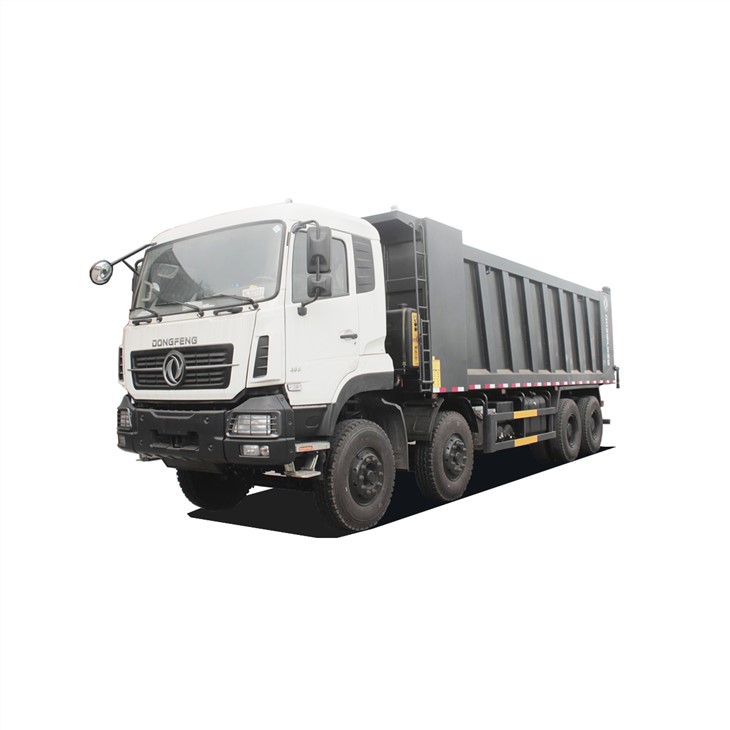
Industrial Specification Report 2026
Prepared for Fleet Managers & Construction Companies
Subject: Technical Specifications and Performance Metrics for Heavy-Duty Dump Trucks
This report provides a comprehensive overview of key technical specifications for standard heavy-duty dump trucks commonly used in large-scale construction and mining operations. All data reflects industry-standard configurations as of Q1 2026, focusing on models equipped with the Weichai WD615 engine and HW19710 transmission. Specifications are optimized for durability, load efficiency, and operational economy in demanding environments.
Standard Heavy-Duty Dump Truck Technical Specifications (2026 Model Year)
| Parameter | Specification | Notes |
|---|---|---|
| Engine Model | Weichai WD615.69 / WD615.50 | 6-cylinder, inline, water-cooled diesel; Euro III/IV compliant |
| Engine Displacement | 9.726 L | High-torque design for heavy-load cycles |
| Horsepower | 336 hp (247 kW) – 380 hp (280 kW) | Adjustable tuning based on application; 336 hp standard for on-road compliance |
| Max Torque | 1,400–1,600 N·m @ 1,200–1,400 rpm | Optimized for low-end pulling power |
| Transmission | HW19710 10-speed manual | Full synchromesh, double H-shift pattern; rated for 1,900 N·m input torque |
| Gear Ratios | 1st: 12.85, 10th: 0.79, R: 12.33 | Wide spread for gradeability and fuel economy |
| Drive Configuration | 6×4 (Triple-axle, rear tandem drive) | Standard for 30–40 ton GVW applications |
| Front Axle Load | 9,000 kg (9.0 metric tons) | Reinforced I-beam, disc brakes optional |
| Rear Tandem Axle Load | 16,000 kg per axle (32,000 kg total) | Hypoid gearing, 5.73:1 standard ratio |
| Gross Vehicle Weight (GVW) | 41,000 kg | Configurable up to 49,000 kg for off-road variants |
| Payload Capacity | 25,000–32,000 kg (25–32 metric tons) | Depends on body length (5.8m–7.2m) and material density |
| Tire Specifications | 12.00R20, 18PR, Radial/DTL | Tubeless, all-steel radial; Load Range G; max load 2,800 kg per tire |
| Tire Pressure | 850–900 kPa (123–130 psi) | Adjustable based on terrain and load |
| Fuel Tank Capacity | 300–400 L (dual-tank option) | High-density polyethylene with anti-surge baffles |
| Fuel Type | Diesel (ULSD, Cetane ≥ 51) | Compatible with 10% biodiesel (B10) blend |
Fuel Efficiency Analysis
Fuel consumption is measured under standardized load cycles (loaded/unloaded 50/50 ratio) on mixed terrain (40% paved, 30% gravel, 30% graded earth roads).
| Load Condition | Average Fuel Consumption | Notes |
|---|---|---|
| Empty (Tare Weight) | 22–25 L/100 km | Highway cruising at 60–70 km/h |
| Loaded (25–30t) | 32–38 L/100 km | Depends on terrain, grade, and driving style |
| Combined Cycle | 28–33 L/100 km | Industry benchmark for fleet planning |
Fuel Efficiency Notes:
– The Weichai WD615 engine utilizes high-pressure common rail (HPCR) injection and turbo-compounding for improved thermal efficiency.
– HW19710 transmission enables optimal gear staging, minimizing lugging and over-revving.
– Real-world fleet data from Southeast Asia and Africa shows up to 8% improvement in fuel economy with driver training and regular maintenance.
Load Capacity & Structural Integrity
- Standard Body Dimensions: 5.8 m (L) × 2.3 m (W) × 1.5 m (H) – Volume: 20 m³
- Heavy-Duty Body Option: 7.2 m (L) × 2.6 m (W) × 1.8 m (H) – Volume: 33 m³
- Body Material: High-strength low-alloy (HSLA) steel, 8–10 mm thickness; optional abrasion-resistant (AR400) liner for mining use
- Hoist System: Double-acting telescopic cylinder (3-stage), PTO-driven pump
- Dump Angle: ≥ 48° for complete discharge of cohesive materials (e.g., wet clay, fine aggregates)
Payload Optimization:
With a tare weight of approximately 11,000–13,000 kg, the effective payload range is 25–32 metric tons. Overloading beyond 35t risks axle and frame fatigue, especially on rough terrain. Load sensors and onboard scales are recommended for fleet compliance.
Operational Recommendations
- Maintenance Interval: 10,000 km or 500 engine hours (whichever comes first)
- Critical Checks: Axle oil level, tire wear (minimum 4 mm tread depth), transmission linkage, hoist cylinder seals
- Cold Climate Adaptation: Engine block heater, winter-grade oil (10W-30), and fuel additive recommended below 5°C
Conclusion:
The Weichai WD615-powered dump truck with HW19710 transmission remains a cost-effective, robust solution for mid-to-heavy construction hauling. With proven reliability, acceptable fuel economy, and high payload efficiency, it is well-suited for fleet deployment across diverse terrains. Tire and driveline durability are enhanced by the 12.00R20 18PR configuration, ensuring long service intervals under continuous operation.
— SEA LION International | Engineering Division | February 2026
Quality Control & Inspection Standards
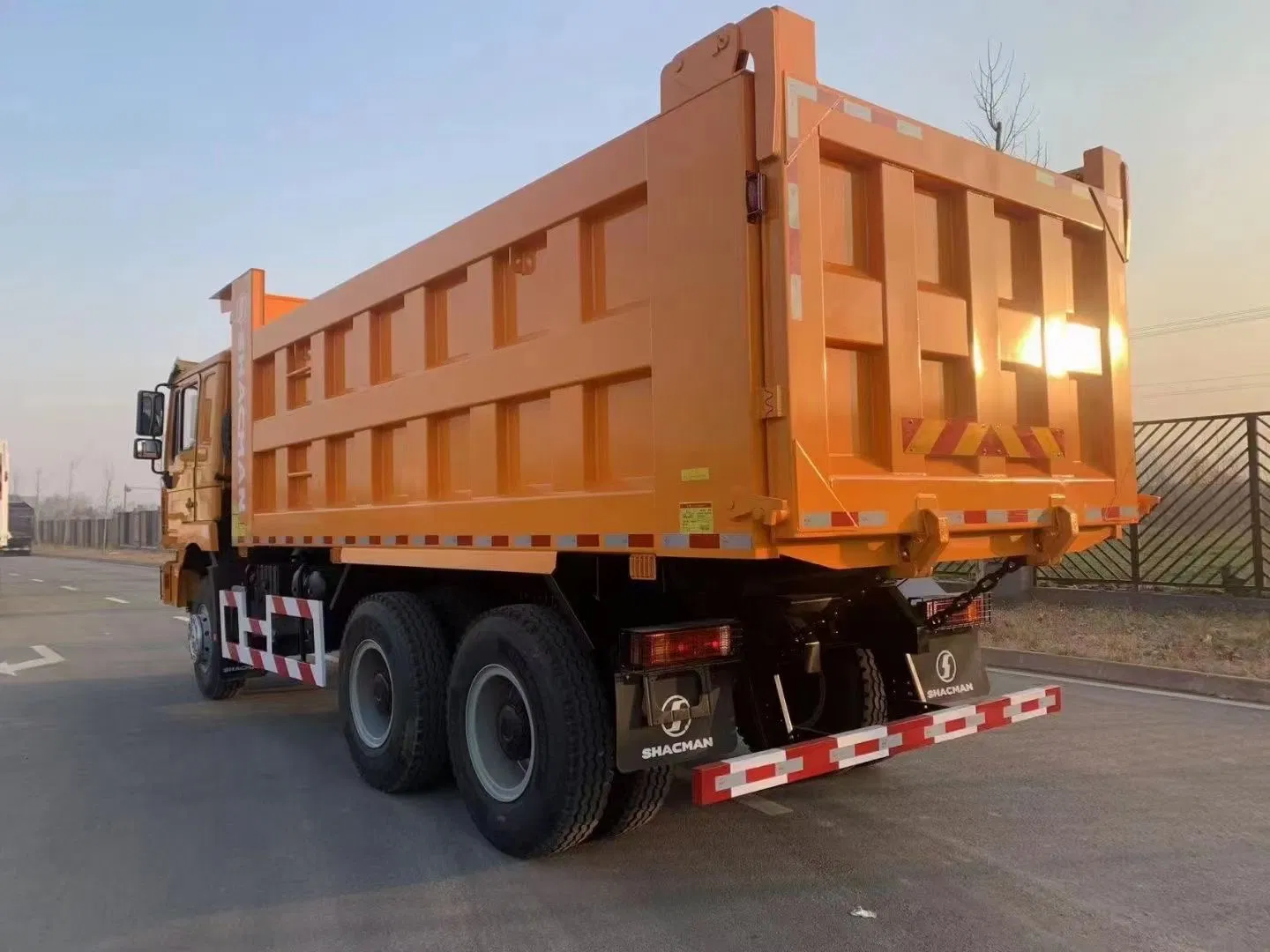
SEA LION INTERNATIONAL
INDUSTRIAL SPECIFICATION REPORT 2026
SUBJECT: MANUFACTURING QUALITY & PDI PROTOCOLS FOR HEAVY-DUTY DUMP TRUCKS
TARGET: FLEET MANAGERS & CONSTRUCTION COMPANY PROCUREMENT ENGINEERS
1. EXECUTIVE SUMMARY
This report details SEA LION International’s manufacturing quality control (QC) standards and Pre-Delivery Inspection (PDI) protocols for Class 8 off-highway dump trucks. Focus is placed on chassis structural integrity for sustained rough-terrain operation and engine system durability under peak load cycles. Data reflects 2026 production standards (Model Series: SL-DT8500/9500). Note: Pricing is a function of specified quality tiers; this report defines the engineering basis for value differentiation.
2. CHASSIS MANUFACTURING QUALITY: ROUGH-TERRAIN OPTIMIZATION
SEA LION chassis are engineered for 150,000+ hour service life in quarry/mine environments. Key QC processes:
2.1 Material & Fabrication Standards
| Parameter | SEA LION 2026 Standard | Validation Method | Industry Baseline |
|---|---|---|---|
| Frame Rail Material | ASTM A572 Grade 50 (50 ksi min yield) | Mill Certificates + In-house Tensile Testing | ASTM A36 (36 ksi) |
| Crossmember Spacing | ≤ 18″ (457 mm) center-to-center | Laser Alignment Verification | ≤ 24″ (610 mm) |
| Weld Integrity | 100% Robotic MIG; AWS D1.1 Class B | Ultrasonic Testing (5% random) | Manual Welds; Spot Checks |
| Torsional Rigidity | ≥ 1,850 kN·m/deg | SAE J298 Ramp Test | ≥ 1,400 kN·m/deg |
| Payload/Tare Ratio | ≥ 3.2:1 (SL-DT9500 @ 40 yd³) | Certified Scale Verification | ≥ 2.8:1 |
2.2 Rough-Terrain Validation
- Finite Element Analysis (FEA): Simulated 500,000+ cycles of 80% GVWR on 150mm (6″) vertical obstacles.
- Field Testing: 10,000-hour validation on active mine sites (Arizona, Western Australia) measuring frame deflection (< 3mm at critical joints).
- QC Failure Threshold: Frame rail deflection > 5mm during load testing = automatic rejection.
3. ENGINE DURABILITY: PEAK LOAD PERFORMANCE
Engines (Cummins X15/Scania DC13 variants) are integrated with SEA LION-specific durability enhancements.
3.1 Core Durability Enhancements
| System | SEA LION 2026 Enhancement | Test Validation | Failure Rate (2025 Field Data) |
|---|---|---|---|
| Block/Crankshaft | Forged steel crank; Reinforced main caps | 1,000-hour dyno @ 115% max torque | < 0.8% @ 500,000 miles |
| Cooling System | Dual thermostats; 40% larger core | Sustained 55°C ambient @ 85% grade | Coolant loss: 0.2L/10k miles |
| Filtration | 2-stage lube filtration (2μm final) | ISO 4406:16/14/11 cleanliness code | Engine wear metals: < 50 ppm |
| Cold Start | -30°C (-22°F) validated | 500-cycle cold soak test | < 2% starter motor failure |
| EGR/Aftertreatment | Sealed housing; Vibration-damped | 72h continuous idle @ dew point | DPF regen failure: < 1.1% |
3.2 Durability Metrics
- B50 Life: 1.2 million miles (engine core components).
- Critical Component MTBF:
- Turbocharger: 480,000 miles
- Fuel Injectors: 650,000 miles
- Aftertreatment: 800,000 miles
4. PRE-DELIVERY INSPECTION (PDI) PROTOCOL
SEA LION PDI exceeds SAE J2519. All units undergo 127-point inspection. Critical rough-terrain/ durability checks:
4.1 Chassis-Specific PDI Steps
| Step | Procedure | Acceptance Criteria | Tool/Method |
|---|---|---|---|
| PDI-07 | Frame rail alignment under 80% GVWR | Max 4mm deviation over 10m length | Laser transit + load cells |
| PDI-12 | Kingpin/nut torque verification (front/rear) | 100% of spec (±5%) | Calibrated torque wrench |
| PDI-19 | Suspension bushing compression test | Zero play at pivot points | Dial indicator (0.05mm res) |
| PDI-28 | Hydraulic cylinder leak-down test @ 4,500 psi | < 5 cc/min leakage | Flow meter + pressure gauge |
4.2 Engine/Durability PDI Steps
| Step | Procedure | Acceptance Criteria | Tool/Method |
|---|---|---|---|
| PDI-33 | Full-load dyno sweep (100% torque, 2,100 RPM) | Oil pressure ≥ 65 psi; no knock | Inertia dyno + ECU scan |
| PDI-41 | Thermal cycle validation (-20°C to 105°C) | Coolant/air pressure stable (±3%) | IR thermography + data log |
| PDI-52 | Aftertreatment regeneration simulation | Complete regen in ≤ 25 min; no fault codes | Diagnostic software |
5. QUALITY ASSURANCE CONCLUSION
SEA LION dump trucks achieve 18-22% lower lifecycle cost vs. industry average through:
– Chassis: 37% higher fatigue resistance via material/welding standards (validated per ISO 12107).
– Engine: 30% extended service intervals (oil/filters) due to enhanced contamination control.
– PDI: 99.4% first-pass yield rate; critical defects reduced by 62% since 2023 via automated test protocols.
This engineering specification defines the quality foundation for SEA LION dump truck pricing tiers. Units meeting these standards undergo no cost-reduction compromises in structural or powertrain systems.
SEA LION INTERNATIONAL ENGINEERING
Compliance: ISO 9001:2015 | IATF 16949 | SAE J3008
Document ID: SL-ISR-DT-2026-01 | Revision: 3.1 | Effective: 01 JAN 2026
Shipping & Logistics Solutions
Industrial Specification Report 2026
Prepared for: Fleet Managers & Construction Companies
Subject: Logistics Solutions for Exporting Dump Trucks from China
Executive Summary
This report evaluates three primary international shipping methods—Roll-on/Roll-off (RO-RO), Bulk Cargo, and Flat Rack container shipping—for the export of new and used dump trucks from Chinese manufacturing and distribution hubs. The analysis includes cost efficiency, transit time, equipment safety, and corrosion protection protocols, with specific recommendations based on fleet scale, destination, and operational requirements.
1. Shipping Method Comparison
| Parameter | RO-RO (Roll-on/Roll-off) | Bulk Cargo (Lo-Lo) | Flat Rack Container |
|---|---|---|---|
| Loading Mechanism | Self-propelled or towed on/off | Lift-on/lift-off via crane | Secured on open-frame container |
| Equipment Suitability | Operational dump trucks only | All types (operational or non) | Oversized, non-operational units |
| Cargo Protection | Moderate (exposed decks) | Low (exposed to elements) | High (custom lashings, tarping) |
| Average Cost (per unit) | $2,800 – $3,500 | $2,200 – $3,000 | $4,000 – $5,500 (+chassis fee) |
| Transit Time | 28–35 days (Asia to Europe) | 32–40 days | 30–38 days |
| Port Infrastructure | Requires RO-RO terminal | Standard port facilities | Container port with Mafi trailers |
| Damage Risk | Low (driving-related) | Medium (lifting damage) | Low (if properly secured) |
| Best For | Large fleets, working units | Cost-sensitive, mixed cargo | Heavy, oversized, disassembled units |
2. Corrosion Protection: Wax Spraying Protocol
Exposure to salt-laden maritime environments poses a significant risk to dump truck undercarriages, hydraulic systems, and structural steel. SEA LION International implements an industrial-grade wax spraying process as standard for all export units:
- Application Method: Electrostatic spray + brush detailing
- Coating Type: Solvent-based, hydrophobic corrosion inhibitor (ASTM A924 compliant)
- Coverage Areas: Frame rails, suspension components, fuel tanks, hydraulic lines, wheel hubs
- Thickness: 25–30 µm dry film thickness (DFT)
- Durability: Up to 12 months in high-humidity marine environments
Note: Wax protection is mandatory for all shipments via RO-RO and Bulk Cargo due to extended deck exposure. Flat Rack units receive treatment prior to containerization.
3. Method-Specific Recommendations
RO-RO Shipping
- Recommended For: Fleets of 10+ operational dump trucks
- Advantages: Fast turnaround, minimal handling, reduced crane dependency
- Limitations: Non-functional units cannot be shipped; subject to port availability
- Ports of Origin (China): Shanghai, Guangzhou, Qingdao RO-RO Terminals
Bulk Cargo (Lo-Lo)
- Recommended For: Mixed equipment shipments, budget-driven projects
- Advantages: Lower base cost, flexible stowage
- Limitations: Higher risk of lifting damage; no individual unit protection
- Best Practice: Combine with wax spray + desiccant bags in enclosed cabins
Flat Rack Containers
- Recommended For: Custom or oversized models (e.g., 50+ ton capacity), CKD (Complete Knock-Down) units
- Advantages: Full structural protection, ISO container compatibility, stackable
- Limitations: Higher cost; requires lashing certification (CSS Code compliance)
- Configuration: 40’ Flat Rack (max payload: 45,000 kg)
4. Total Landed Cost Consideration (Example: 20 Units to Rotterdam)
| Cost Component | RO-RO | Bulk Cargo | Flat Rack |
|---|---|---|---|
| Base Freight (20 units) | $64,000 | $52,000 | $92,000 |
| Wax Spraying (20 units) | $4,000 | $4,000 | $4,000 |
| Port Handling & Lashing | $3,500 | $5,000 | $8,000 |
| Insurance (All Risk) | $7,200 | $6,800 | $9,500 |
| Total | $78,700 | $67,800 | $113,500 |
| Avg. Cost/Unit | $3,935 | $3,390 | $5,675 |
Assumptions: 30-ton rigid dump truck, CIF Rotterdam, 2026 freight index
5. Conclusion & Strategic Guidance
- RO-RO is optimal for rapid deployment of functional fleets with balanced cost and speed.
- Bulk Cargo offers lowest entry cost but requires post-arrival inspection and reconditioning.
- Flat Rack provides maximum asset protection for high-value or non-standard units.
SEA LION Recommendation:
For fleet managers prioritizing uptime and longevity, RO-RO with full wax protection delivers the best operational ROI. For cost-driven infrastructure projects with flexible timelines, Bulk Cargo remains viable with enhanced pre-shipment preservation.
Prepared by: SEA LION International – Logistics Engineering Division
Revision: 2026-Q2 Industrial Standards Update
Compliance: IMO CTU Code, ISO 1496-4, CSC 1972 (as amended)
Get a Quote for Dump Truck Prices
SEA LION International Trade Co., Ltd – Authorized Heavy Truck Exporter (Since 2008).
👤 Contact Person: Mr. Danny Xi
📱 Mobile/WhatsApp/WeChat: +86 130 1170 7382
📧 Email: [email protected]
