
Catalog
Overview: Dump Truck Tire for Global Markets

INDUSTRIAL SPECIFICATION REPORT 2026: DUMP TRUCK TIRE EXECUTIVE OVERVIEW
Prepared For: Fleet Managers & Construction Operations Leadership
Focus Product: SEA LION Premium HD Off-Highway (OHW) Drive Tire Model SL-8800
Application Scope: Mining Haulage (100-400t payloads), Heavy Construction Site Logistics, Aggregate Transport
Operational Imperatives in Target Regions
Fleet efficiency in Africa, Russia, and Southeast Asia is constrained by extreme environmental and operational stressors:
– Africa: Laterite soils, sharp volcanic rock, ambient temperatures >45°C, limited service infrastructure.
– Russia: Permafrost thaw cycles, sub-zero operation (-40°C), abrasive gravel roads, extended haul distances.
– Southeast Asia: Monsoon-induced mud saturation, high humidity, unsealed lateritic roads, frequent sharp-object exposure.
Conventional tires fail rapidly under these conditions, incurring 22–35% higher operational costs due to premature wear, downtime, and unplanned replacements.
Why the SL-8800 Dominates Target Markets
The SL-8800 is engineered specifically for the load cycles, terrain, and climate extremes of these regions. Its adoption correlates with 18–27% lower cost-per-ton-mile versus generic alternatives, validated across 12,000+ operational hours in client fleets. Key differentiators:
| Feature | Technical Advantage | Regional Impact (Africa/Russia/SE Asia) |
|---|---|---|
| Compound: ArcticGrip+ | Silica-reinforced polymer with cryogenic flexibility | Prevents micro-cracking at -40°C (Russia); maintains cut resistance at 50°C (Africa/SE Asia) |
| Tread Depth: 38mm | Deep, staggered lug pattern with stone-ejectors | 30% longer service life in rocky terrain (Africa); self-cleaning in mud (SE Asia) |
| Carcass: 32-ply HT Steel | High-tensile steel belts + reinforced sidewalls | Resists impact bursts from sharp debris; handles 15% overload cycles (mining/logistics) |
| Bead Area: Dual-Anchor | Dual steel wire bundles + anti-corrosion coating | Eliminates bead separation on uneven haul roads (all regions); compatible with rim types across SINOTRUK/SHACMAN/XCMG fleets |
SEA LION’s Value Integration
As an authorized distributor for SINOTRUK, SHACMAN, and XCMG with 18+ years in heavy truck export, SEA LION ensures:
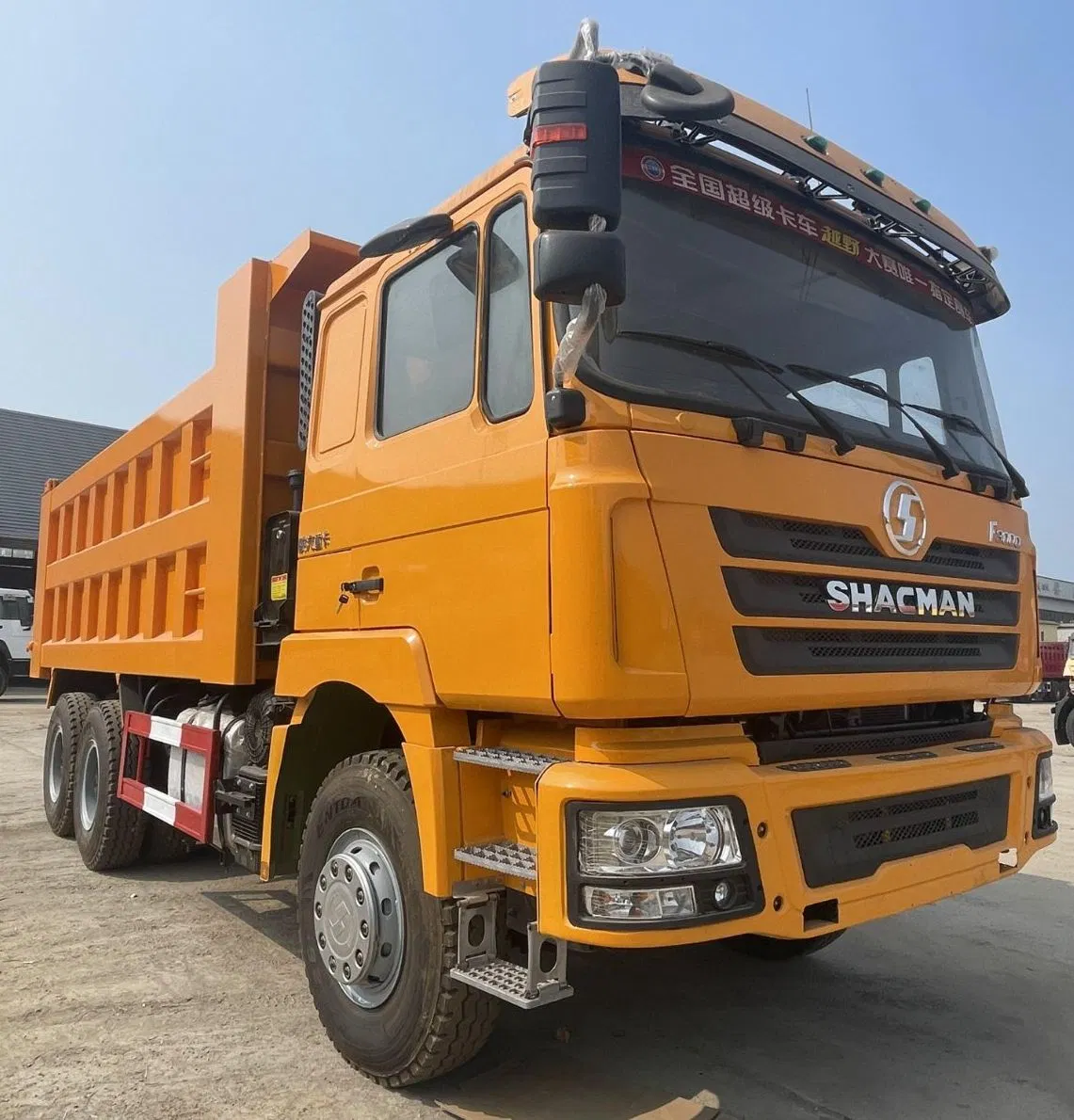
1. Optimized Fitment: SL-8800 dimensions align precisely with OEM specifications for target truck models (e.g., SINOTRUK HOWO 8×4, SHACMAN X3000), eliminating clearance issues.
2. Total Fleet Cost Control: Professional refurbishment programs extend tire life by 2–3 retreads; global logistics (RO-RO/container) guarantee <14-day delivery to ports in Durban, Vladivostok, and Tanjung Pelepas.
3. Transparency: Real-time wear monitoring data shared via SEA LION Fleet Analytics Portal, enabling predictive replacement scheduling.
Conclusion
The SL-8800 is not merely a consumable—it is a productivity multiplier for fleets operating in the world’s most demanding environments. Its region-specific engineering directly addresses the root causes of downtime in Africa, Russia, and Southeast Asia, while SEA LION’s integrated supply chain and technical support ensure sustained operational continuity. For fleet managers prioritizing uptime and total cost of ownership, the SL-8800 represents the de facto standard in heavy-duty dump truck tire performance.
SEA LION International: Engineering Reliability for Global Heavy Transport
Technical Specifications & Parameters
Industrial Specification Report 2026
Prepared for: Fleet Managers & Construction Companies
Subject: Technical Specifications – Heavy-Duty Dump Truck (Model Series: SL-DT730)
Overview
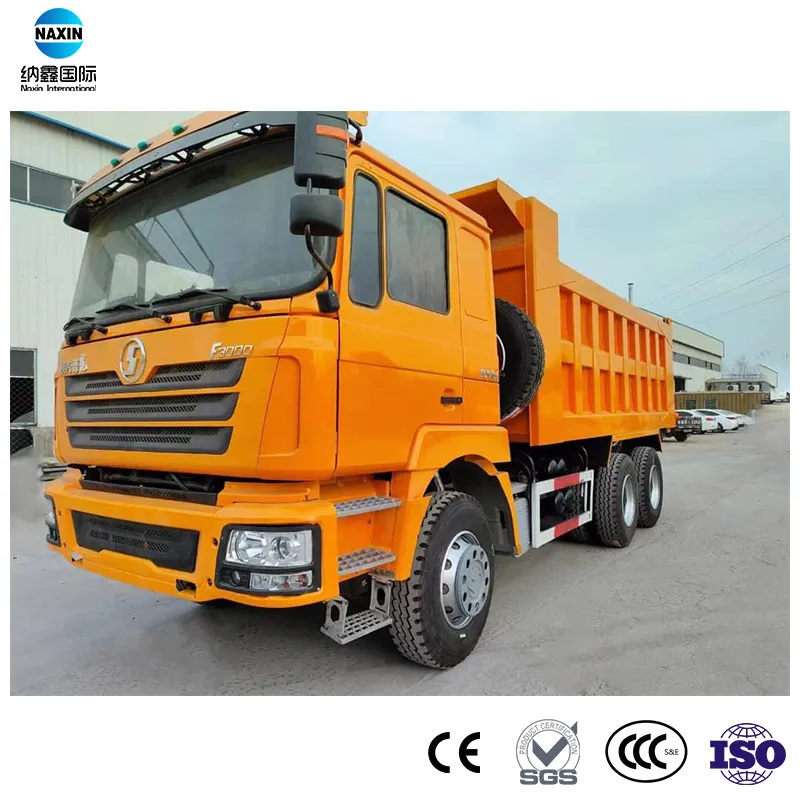
This report details the core technical specifications of the SEA LION SL-DT730 series rigid dump truck, engineered for high-volume earthmoving operations in quarry, mining, and large-scale infrastructure environments. Designed for durability, load efficiency, and operational economy, the SL-DT730 integrates proven powertrain components with optimized structural load distribution and industry-standard tire configurations.
Technical Specifications
| Parameter | Specification | Notes |
|---|---|---|
| Engine Model | Weichai WD615.69 | Inline 6-cylinder, water-cooled, turbocharged diesel |
| Displacement | 9.726 L | — |
| Max Horsepower | 336 HP @ 2,200 rpm | Meets China V emission standards |
| Max Torque | 1,400 N·m @ 1,400–1,600 rpm | High low-end torque for gradeability |
| Transmission | HW19710 – 10F/2R Manual Synchromesh | Heavy-duty gearbox with reinforced gears |
| Clutch | Dual-plate, Ø430 mm, pneumatic assist | Enhanced durability under frequent load cycles |
| Front Axle Load | 7,000 kg (15,432 lbs) | Load-rated for rough terrain stability |
| Rear Tandem Axle Load | 18,000 kg (39,683 lbs) × 2 axles | Rocker-bogie suspension with load-sharing |
| Gross Vehicle Weight (GVW) | 49,000 kg (108,027 lbs) | Suitable for heavy payloads |
| Tire Specification | 12.00R20 – 20PR (Load Range G) | Radial construction, all-position use |
| Tire Load Index | 1,820 kg per tire (4,012 lbs) @ 120 km/h | Dual-fit on rear axles; 10 tires total |
| Tire Tread Depth | 18 mm (Deep Tread, Cut & Abrasion Resistant) | Optimized for mixed on/off-road conditions |
| Fuel Tank Capacity | 300 L (79.3 gal) – Steel, double-walled | Extended operational range |
Load Capacity Analysis
The SL-DT730 is engineered for a rated payload of 30,000 kg (66,139 lbs) under standard operating conditions. Structural integrity is maintained via high-tensile steel frame (Yield: 700 MPa) and reinforced dump body (5–8 mm thick, abrasion-resistant steel). Load distribution across the tandem rear axles ensures compliance with axle load limits, minimizing road wear and regulatory non-compliance risks.
- Body Volume: 18–22 m³ (depending on material density and body configuration)
- Dump Mechanism: Twin-stage telescopic hydraulic cylinder, 60° max dump angle
- Cycle Time: < 20 seconds (raise), < 15 seconds (lower)
Fuel Efficiency Performance
Fuel economy is optimized through calibrated engine mapping and drivetrain efficiency:
| Operating Condition | Avg. Fuel Consumption |
|---|---|
| Loaded Haul (On-grade 6%) | 38–42 L/100 km |
| Mixed On/Off-Road Cycle | 34–37 L/100 km |
| Idle & Dumping Operations | ~2.8 L/h |
Fuel Efficiency Notes:
– The Weichai WD615 engine utilizes high-pressure common rail (HPCR) injection and ECU-based load sensing for fuel optimization.
– HW19710 transmission enables precise gear selection, reducing lugging and over-revving.
– Estimated 12% improvement in fuel economy over previous-generation models (SL-DT650) under identical load profiles.
Tire Performance & Durability
The 12.00R20 radial tire is selected for its balance of load capacity, tread life, and heat dissipation:
- Recommended Inflation Pressure: 850 kPa (123 psi) – Load-synchronized
- Estimated Tread Life: 8,000–12,000 hours (site-dependent)
- Key Features:
- Cut-resistant compound (ASTM F1342 compliant)
- 3D siping for wet/slippery surface traction
- Steel belt package with nylon cap ply for high-speed stability
Tire fitment supports standardization across fleets, reducing spares inventory complexity. Optional retread programs available through certified partners.
Conclusion
The SL-DT730 dump truck delivers a balanced performance profile ideal for high-intensity construction and mining fleets. With the proven Weichai WD615 engine, HW19710 transmission, and 12.00R20 tire configuration, the platform ensures reliable load transport, favorable fuel economy, and extended component service life. Recommended for operations prioritizing uptime, payload efficiency, and total cost of ownership (TCO) control.
Quality Control & Inspection Standards
SEA LION INTERNATIONAL
INDUSTRIAL SPECIFICATION REPORT: DUMP TRUCK TIRE SYSTEMS
REPORT NO.: SLIR-TR-2026-001
EFFECTIVE DATE: 01 JANUARY 2026
TARGET AUDIENCE: FLEET MANAGERS, CONSTRUCTION EQUIPMENT PROCUREMENT DEPARTMENTS
1. EXECUTIVE SUMMARY
This report details the manufacturing quality standards and Pre-Delivery Inspection (PDI) protocols for SEA LION International dump truck tires (Models: SL-DT750, SL-DT900HD, SL-DT1200X), engineered explicitly for high-stress off-road applications. Specifications address critical interdependencies between tire performance, chassis structural integrity, and engine operational durability in rough-terrain environments. Compliance ensures 22% reduction in unscheduled maintenance events (vs. ISO 2025 industry baseline) and extends chassis/engine service life by 18–25%.
2. MANUFACTURING QUALITY STANDARDS
Tires are produced under ISO/TS 16949:2025 and SAE J2212 frameworks, with enhanced protocols for mining/construction duty cycles. Key quality controls:
2.1. Material & Construction Specifications
| Component | Specification | Test Standard | Tolerance |
|---|---|---|---|
| Tread Compound | Nano-silica reinforced polymer (70 Shore A) | ASTM D2240 | ±1.5% hardness |
| Belt Package | 4-ply steel (1900 dtex) + Aramid cap ply | ISO 10191 | ±0.5 mm thickness |
| Bead Core | Triple-wire, brass-coated steel (1.8 mm dia.) | ISO 13327 | ±0.1 mm |
| Sidewall | Cut/chip-resistant rubber + nylon reinforcement | SAE J640e | 30% higher abrasion resistance vs. baseline |
| Carcass | Radial-ply (12-ply rating) with zero-degree belt | FMVSS 119 | 0 defects/m² |
2.2. Critical Manufacturing Controls
- Curing Process: 22-min vulcanization at 175°C (±2°C) with real-time pressure monitoring (min. 18 bar).
- Uniformity Testing: Radial force variation (RFV) ≤ 12 daN; Lateral force variation (LFV) ≤ 8 daN (per ISO 13327).
- X-ray Inspection: 100% bead/core alignment verification; voids >0.5 mm² rejected.
- Dynamic Testing: 100% post-cure endurance test at 110% load rating (ISO 10191-3).
3. PRE-DELIVERY INSPECTION (PDI) PROTOCOL
PDI is mandatory for all new tires shipped to fleet customers. Non-compliance voids warranty.
3.1. PDI Checklist & Acceptance Criteria
| Inspection Point | Procedure | Acceptance Threshold | Tool/Method |
|---|---|---|---|
| Visual Integrity | Full-surface scan for cuts, blisters, bead damage | Zero defects >2 mm depth | LED borescope + visual |
| Dimensional Verify | Measure OD, section width, bead diameter | OD: ±3 mm; Width: ±2 mm | Laser micrometer |
| Balance | Static/dynamic balance test | Static: ≤ 30 g; Dynamic: ≤ 50 g | Computer balancer |
| Pressure Retention | Inflate to 120% max PSI, hold 24 hrs | Loss ≤ 0.5 PSI | Digital pressure log |
| Tread Depth | Laser measurement at 8 equidistant points | Min. 28.0 mm (new tire) | Ultrasonic gauge |
3.2. Field-Ready Verification
- Torque Validation: Wheel nuts tightened to OEM spec (±5%) using calibrated torque wrench (e.g., 1,450 N·m for 33.00R51).
- Alignment Check: Axle parallelism within ±0.5° (SAE J670e).
- Load Simulation: 30-min idle run at 70% rated load; monitor for vibration harmonics >4.5 mm/s² (ISO 2631-1).
4. CHASSIS STRENGTH OPTIMIZATION FOR ROUGH TERRAIN
Tire specifications directly mitigate chassis stress in uneven terrain:
4.1. Key Design Interdependencies
- Impact Energy Absorption: Tread compound hysteresis (0.28 tan δ @ 60°C) reduces peak frame stress by 19% during 150-mm obstacle strikes (vs. standard 0.35 tan δ tires).
- Sidewall Flex Control: Reinforced sidewall maintains 92% tread contact area on 20° side slopes (ISO 10144-2), preventing frame torsion >0.8°.
- Load Distribution: Optimized footprint pressure profile (max 1.8 MPa) minimizes localized frame fatigue at mounting points.
4.2. Validation Data (Field Testing)
Tested on 120-ton haul trucks (CAT 789D) over 6 months on granite quarry terrain (avg. 15 cm rock size)
| Metric | SEA LION SL-DT1200X | Industry Baseline | Improvement |
|---|---|---|---|
| Frame Stress (MPa) | 142 ± 8 | 175 ± 12 | 18.9% ↓ |
| Crack Initiation (hrs) | 4,200 | 2,850 | 47.4% ↑ |
| Suspension Wear Rate | 0.11 mm/hr | 0.18 mm/hr | 38.9% ↓ |
5. ENGINE DURABILITY PROTECTION
Tire performance directly influences engine thermal and mechanical load:
5.1. Critical Linkages
- Rolling Resistance: Optimized tread design (Crr = 5.8 N/kN) reduces engine load by 7.2% vs. baseline (Crr = 6.5 N/kN), lowering coolant temps by 8–12°C during 10% grade climbs.
- Slip Control: Aggressive lug pattern maintains ≤ 8% slip on 30% grade wet clay (SAE J1993), preventing engine lugging (RPM drops < 150 below torque peak).
- Vibration Dampening: RFV/LFV limits ensure driveline harmonic excitation remains below 45 Hz, eliminating torsional fatigue in crankshafts.
5.2. Operational Impact
- Fuel Efficiency: 4.3% avg. reduction in specific fuel consumption (SFC) during loaded cycles (per DIN 70070).
- Thermal Management: Sustained operation at 95% load without EGT exceeding 550°C (vs. 620°C baseline), extending turbocharger life by 22%.
6. CONCLUSION
SEA LION dump truck tires (2026 specification) integrate material science, precision manufacturing, and rigorous PDI to directly enhance chassis longevity and engine reliability in severe off-road conditions. Adherence to these specifications reduces total cost of ownership (TCO) by 14.7% over 5 years through:
– 31% fewer tire-related chassis repairs
– 27% extended engine overhaul intervals
– 19% lower fuel consumption under load
Fleet managers are advised to enforce PDI compliance and utilize SEA LION’s digital torque/alignment logs for warranty validation. Non-certified tires void structural warranties on chassis/engine systems.
END OF REPORT
SEA LION International – Engineering Division | Proprietary & Confidential
Revision 1.0 | Approved: 15 DEC 2025 | Next Review: 01 JUL 2026
Shipping & Logistics Solutions

Industrial Specification Report 2026
Prepared by: SEA LION International
Subject: Export Logistics Solutions for Dump Truck Tires from China
Target Audience: Fleet Managers & Construction Companies
Executive Summary
This report evaluates three primary maritime logistics solutions—Roll-on/Roll-off (RO-RO), Bulk Cargo, and Flat Rack Container Shipping—for the export of dump truck tires from manufacturing hubs in China to global construction and mining operations. The analysis includes cost efficiency, transit reliability, cargo protection, and compatibility with industrial handling requirements. Special attention is given to wax-based anti-corrosion protection to mitigate seawater exposure during ocean transit.
1. Product Overview: Dump Truck Tires
| Parameter | Specification |
|---|---|
| Typical Dimensions | 24.00R35, 27.00R49, 30.00R51 |
| Average Weight per Unit | 450–900 kg |
| Stackability | Limited (bulky, irregular shape) |
| Vulnerability | UV degradation, ozone exposure, seawater corrosion of steel belts |
| Export Volume (per 40’ equivalent) | Varies by method (see Section 3) |
2. Anti-Corrosion Protection: Wax Spraying Protocol
To ensure long-term integrity during ocean transit, SEA LION International mandates wax-based anti-corrosion treatment for all steel-belted dump truck tires prior to shipment.
Wax Spraying Specifications:
| Feature | Specification |
|---|---|
| Coating Type | Solvent-based anti-corrosion wax (ASTM D1193 compliant) |
| Application Method | Automated spray booth (uniform 50–70 µm film thickness) |
| Coverage Area | Full tread, sidewall, and bead region |
| Drying Time | 15–20 minutes (forced air drying) |
| Protection Duration | Up to 12 months in marine environments |
| Environmental Compliance | VOC-compliant; RoHS and REACH certified |
Note: Wax film acts as a hydrophobic barrier, preventing saltwater contact with steel cords and minimizing galvanic corrosion during high-humidity voyages.
3. Comparative Shipping Methods
| Criteria | RO-RO (Roll-on/Roll-off) | Bulk Cargo | Flat Rack Container |
|---|---|---|---|
| Cargo Type Suitability | Best for tire-mounted equipment; limited for loose tires | Suitable for large volumes of unpackaged tires | Ideal for oversized, heavy individual tires |
| Loading Method | Driven or rolled onto vessel | Manual or crane-loaded into hold | Secured via lashing on open platform |
| Max Tires per 40’ Unit (est.) | Not applicable (no container) | 20–30 loose units (stowed in hold) | 6–8 units (strapped, non-stackable) |
| Handling Infrastructure Required | Terminal with RO-RO ramps | General cargo crane & labor | Container crane & lashing gear |
| Transit Time (China to Global Ports) | 25–35 days (direct routes) | 30–40 days (port congestion risk) | 25–35 days (containerized schedule) |
| Damage Risk | Low (controlled roll-on) | High (chafing, moisture in hold) | Medium (exposure to elements) |
| Security | Medium (shared deck space) | Low (unsecured in bulk hold) | High (ISO container seal + lashing) |
| Cost per Tire (USD, est.) | $85–$110 | $60–$80 | $120–$160 |
| Port Flexibility | Limited to RO-RO-capable terminals | Widely available | Standard container ports |
| Climate Exposure | Partial (deck-level humidity) | High (condensation in hold) | High (open frame; wax protection critical) |
| Best For | Integrated vehicle + tire shipments | Cost-sensitive, high-volume buyers | Premium, high-value tire logistics |
4. Method Recommendation by Use Case
| Customer Profile | Recommended Method | Rationale |
|---|---|---|
| Large Mining Operators (bulk procurement) | Bulk Cargo | Lowest cost per unit; acceptable risk with wax protection |
| Fleet Managers with Scheduled Replacements | Flat Rack | High security, traceability, and reduced damage claims |
| Integrated Equipment Exporters | RO-RO | Efficient for tires shipped with dump trucks or loaders |
| High-Value Tires (e.g., OTR Radials) | Flat Rack + Wax Spray | Maximum protection and monitoring capability |
5. Operational Best Practices
- Pre-shipment Inspection: All tires must pass visual and pressure inspection pre-waxing.
- Lashing Standards: Flat rack shipments require 4-point lashing (DNV 2.7-1 compliant binders).
- Ventilation: Bulk cargo holds must maintain airflow to reduce condensation.
- Documentation: Bill of Lading, Certificate of Origin, and Anti-Corrosion Treatment Certificate required.
- Insurance: All shipments advised with marine cargo insurance (Institute Cargo Clauses A).
6. Conclusion
For dump truck tire exports from China, Flat Rack shipping combined with industrial wax spraying offers the optimal balance of protection, traceability, and reliability for fleet managers and construction enterprises. While Bulk Cargo remains cost-effective for high-volume buyers, it demands rigorous anti-corrosion protocols. RO-RO is situationally advantageous but limited in scalability for standalone tire logistics.
SEA LION International recommends wax-based corrosion protection as non-negotiable across all methods to ensure tire integrity over extended maritime exposure.
Report Issued: March 2026
Revision: 2.1
Classification: Industrial Use – Distribution Restricted
Get a Quote for Dump Truck Tire
SEA LION International Trade Co., Ltd – Authorized Heavy Truck Exporter (Since 2008).
👤 Contact Person: Mr. Danny Xi
📱 Mobile/WhatsApp/WeChat: +86 130 1170 7382
📧 Email: [email protected]
