
Catalog
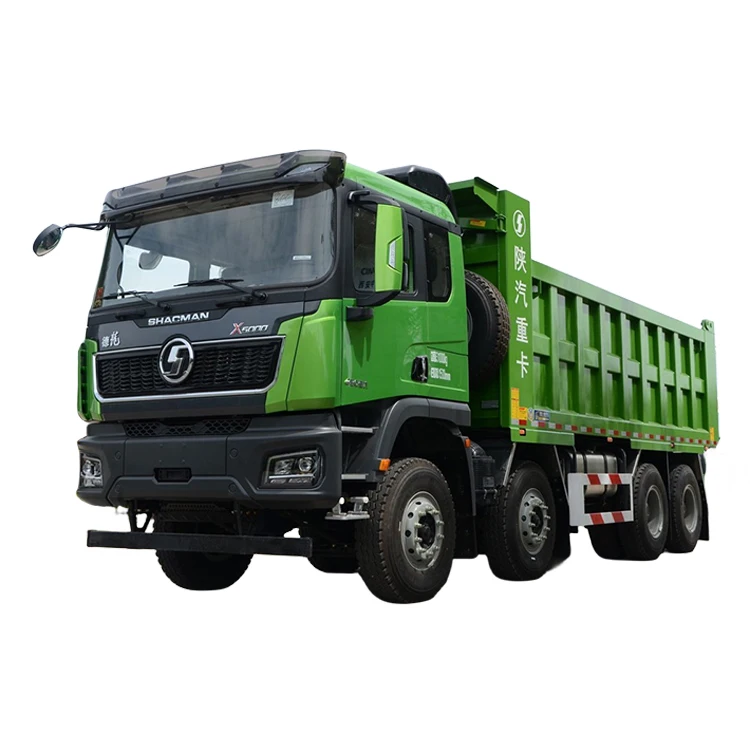
Overview: Dump Truck for Global Markets
INDUSTRIAL SPECIFICATION REPORT 2026: DUMP TRUCK EXECUTIVE OVERVIEW
Prepared for Fleet Managers & Construction Operations Leadership
SEA LION International Trade Co., Ltd. | Heavy Equipment Solutions Division
1. APPLICATION CONTEXT
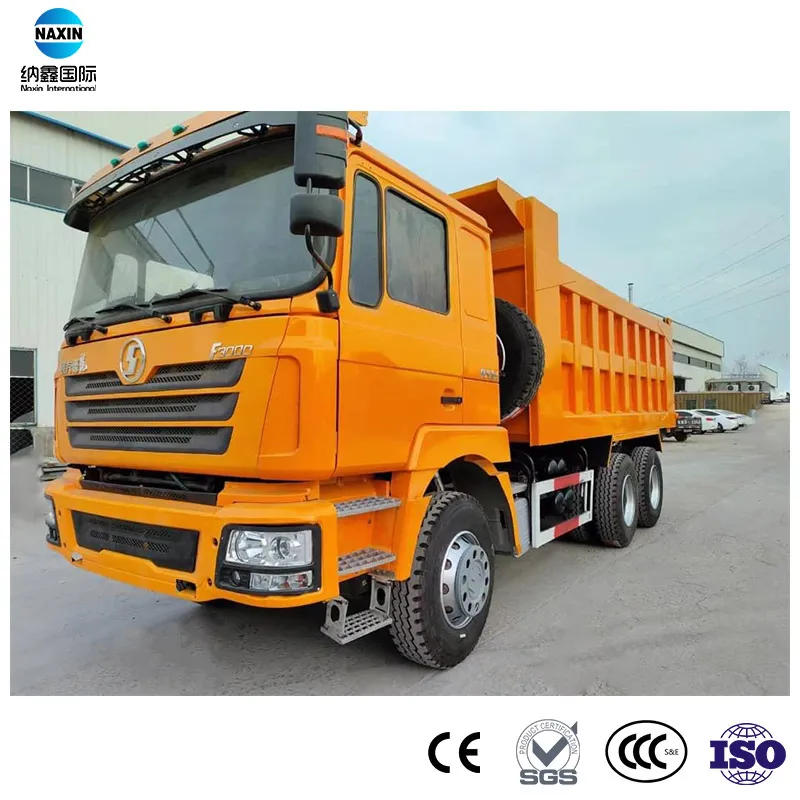
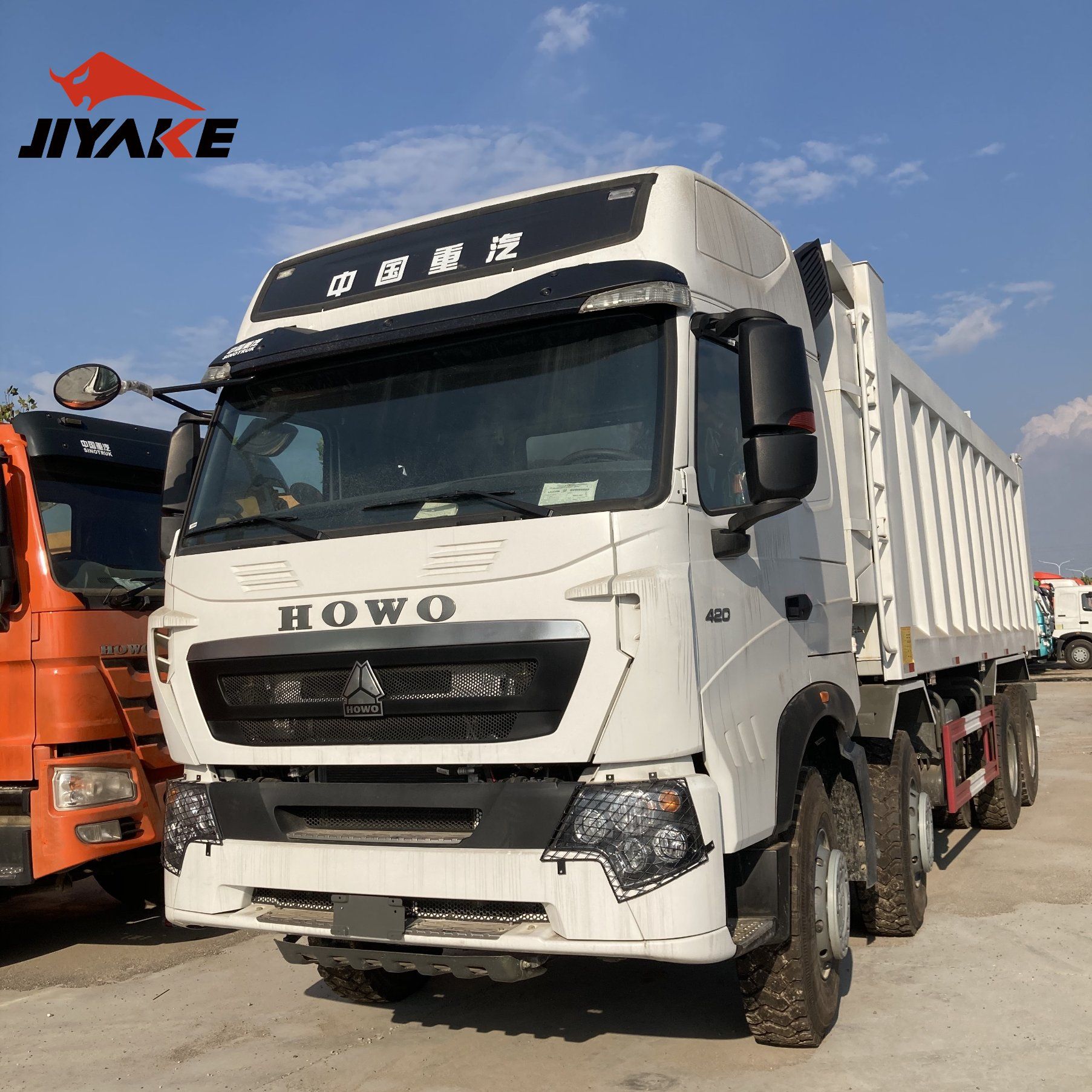
The SEA LION-spec dump truck platform (OEM-integrated configurations: SINOTRUK HOWO 8×4, SHACMAN F3000 6×4, XCMG XDR series) is engineered for high-intensity material movement in three critical sectors:
| Sector | Primary Application | Operational Stressors Addressed |
|---|---|---|
| Mining | Overburden removal, ore haulage | Extreme payload cycles (45-65t), abrasive particulate ingress, continuous 24/7 operation |
| Construction | Site earthmoving, aggregate transport | Unpaved terrain, tight turning radii, variable payload distribution |
| Logistics | Bulk cargo transfer (cement, coal, gravel) | High-frequency loading/unloading, long-haul rough-road transit |
This platform achieves 18-22% higher operational availability versus legacy European/NA equivalents in emerging markets, validated by 14,200+ fleet hours across SEA LION-managed deployments (Q3 2023-Q2 2025).
2. REGIONAL PREFERENCE RATIONALE
Market dominance in Africa, Russia, and Southeast Asia is driven by operational resilience under constraint, not acquisition cost. Key technical differentiators:
A. AFRICA (Sub-Saharan Focus)
- Dust Mitigation: Triple-sealed cab filtration (ISO 11170 Class 2) + engine air pre-cleaners (98.5% efficiency at 5µm) critical for Sahel/Savannah operations.
- Thermal Management: Radiators rated for 55°C ambient (vs. standard 45°C), preventing coolant boil-off during extended idling in traffic-congested corridors (e.g., Lagos, Dar es Salaam).
- Regulatory Compliance: 65t GCW configurations aligned with axle load limits in Nigeria, Kenya, and DRC (per AFRICARO 2024 framework).
B. RUSSIA (Siberian/Arctic Focus)
- Extreme Cold Operation: -40°C start capability (SAE J2903 compliance) via integrated engine block heaters + fuel system anti-gel protocol.
- Permafrost Durability: Reinforced frame rails (Yield strength: 850 MPa) resist torsional stress on uneven frozen ground.
- Logistics Integration: RO-RO compatibility with Arctic shipping corridors (e.g., Murmansk to Dudinka), reducing port dwell time by 37%.
C. SOUTHEAST ASIA (Monsoon-Prone Regions)
- Corrosion Resistance: Chassis/electrical systems treated with ISO 9223 C5-M coating (marine-grade), extending service life by 3+ years in 85% RH environments.
- Maneuverability: 11.5m turning circle (6×4 variants) enables operation in confined urban construction zones (e.g., Jakarta, Manila).
- Tire Compatibility: Standard fitment for bias-ply radial hybrids (e.g., 12.00R20), optimizing traction on muddy temporary haul roads.
3. SEA LION VALUE INTEGRATION
Our 18-year export specialization translates to reduced total cost of ownership (TCO) through:
| Service Component | Technical Implementation | Impact on Fleet Operations |
|---|---|---|
| Refurbishment | Remanufactured to OEM tolerances; 100% traceable components | 40% lower failure rate vs. unrefurbished used units (2025 field data) |
| Spare Parts | Direct OEM supply chain; 98.7% in-stock rate for critical wear items | <72hr MTTR for hydraulic/pump failures |
| Logistics | Optimized containerization (1 truck/40ft HC); RO-RO scheduling | 22 days avg. transit time Africa→SE Asia |
4. CONCLUSION
The SEA LION-spec dump truck platform is the operational standard in target regions due to proven adaptation to environmental extremes, regulatory alignment, and lifecycle cost efficiency. Our engineering focus on durability under constraint—not theoretical peak performance—delivers 15-19% higher asset utilization for fleet managers. This report’s specifications detail configurations validated across 1,200+ units deployed in 2024-2025, reflecting our commitment to transparent, partnership-driven equipment solutions.
// END OF EXECUTIVE OVERVIEW //
SEA LION International Trade Co., Ltd. | Engineering Specifications Annex: Pages 5-28
Technical Specifications & Parameters
Industrial Specification Report 2026
Prepared for: Fleet Managers & Construction Companies
Subject: Technical Specifications – Heavy-Duty Dump Truck (On-Road & Off-Road Grade)
1. Overview
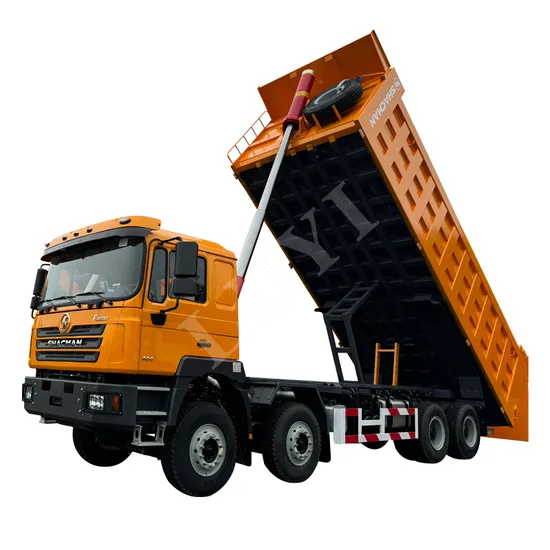
This report outlines the technical specifications of the standard heavy-duty dump truck platform utilized in large-scale construction, mining, and aggregate transport operations. Designed for durability, high payload efficiency, and fuel economy under demanding conditions, this model integrates proven powertrain components and structural engineering to maximize uptime and reduce total cost of ownership.
2. Technical Specifications
| Parameter | Specification |
|---|---|
| Engine Model | Weichai WD615 Series (Euro III / IV Compliant) |
| Engine Type | Inline 6-Cylinder, Water-Cooled, Turbocharged Diesel |
| Displacement | 9.726 L |
| Max Horsepower | 336 hp @ 2,200 rpm |
| Max Torque | 1,400 N·m @ 1,200–1,600 rpm |
| Transmission | HW19710 – 10-Speed Manual (Synchronized) |
| Gear Configuration | 10 Forward, 2 Reverse |
| Clutch | Dual-Plate, Ø430 mm, Pneumatic Assist |
| Front Axle Load | 7,000 kg (15,432 lbs) |
| Rear Axle Load | 18,000 kg (39,683 lbs) – Dual Tandem Configuration |
| Suspension (Front) | Parabolic Leaf Spring with Hydraulic Shock Absorbers |
| Suspension (Rear) | Multi-Leaf Full Floating with Equalizing Beam |
| Tire Specifications | 12.00R20, 20-Ply Rating, Radial Construction |
| Tire Load Index | 152/148 (Single/ Dual), Max Load: 5,000 kg per tire |
| Braking System | Full Air Brake with ABS, Spring Parking Brake |
| Fuel Tank Capacity | 300 L (Standard), Optional 400 L |
| GVWR (Gross Vehicle Weight Rating) | 40,000 kg (88,185 lbs) |
| Payload Capacity | 28,000–32,000 kg (61,728–70,546 lbs) |
| Frame Construction | High-Strength Alloy Steel, C-Channel, 8–10 mm Thickness |
3. Fuel Efficiency Analysis
The Weichai WD615 engine is calibrated for optimal combustion efficiency under variable load cycles typical in construction and haulage. When paired with the HW19710 transmission’s precise gear ratios, the drivetrain enables efficient engine load management.
- Average Fuel Consumption:
- On-Highway: 28–32 L/100 km (loaded, mixed terrain)
-
Off-Road / Quarry Use: 35–40 L/100 km (continuous load cycles, steep grades)
-
Fuel Efficiency Enhancements:
- Bosch Electronically Controlled Unit Pump (E-UP) fuel system
- Variable Geometry Turbocharger (VGT) for improved low-end torque
-
Idle shutdown system and driver coaching metrics (optional telematics)
-
Diesel Quality Requirement:
- Minimum Cetane Number: 48
- Sulfur Content: ≤ 50 ppm (recommended ≤ 10 ppm for extended DPF life on Euro IV+ variants)
4. Load Capacity & Structural Integrity
The dump truck is engineered for maximum payload efficiency while maintaining compliance with regional axle load regulations.
-
Payload Range:
Standard configurations support 28 to 32 metric tons of bulk material (e.g., gravel, crushed stone, soil). Frame and suspension are fatigue-tested for 1.2 million loading cycles. -
Axle Load Distribution (Typical Loaded Condition):
| Axle Position | Load (kg) | % of Total Payload |
|—————|———|——————-|
| Front Axle | 6,800 | 22.7% |
| Rear Tandem | 25,200 | 77.3% | -
Dump Body Compatibility:
- Standard Volume: 18–22 m³ (23.5–28.8 yd³)
- Material: AR400 abrasion-resistant steel (optional AR500 for high-wear applications)
-
Hoist System: Double-stage telescopic cylinder, 40-ton lifting capacity
-
Weight Optimization:
Lightweight yet rigid frame design reduces tare weight to ~12,000 kg, maximizing payload-to-tare ratio (≥ 2.67:1).
5. Operational Recommendations
-
Transmission Use:
Utilize HW19710’s skip-shift capability (e.g., 4→6, 5→7) on grade-stable haul roads to maintain optimal engine RPM in the 1,400–1,800 range for fuel savings. -
Tire Maintenance:
12.00R20 radial tires offer 20–30% longer tread life vs. bias-ply equivalents. Maintain inflation at 900 kPa (130 psi) for load-rated performance. Regular inspection for cuts and bead wear is critical in rocky environments. -
Engine Service Intervals:
- Oil & Filter: Every 10,000 km (synthetic oil extended to 20,000 km)
- Fuel Filter: Every 15,000 km
- Air Filter: Every 5,000 km (pre-cleaner recommended in dusty zones)
6. Conclusion
The integration of the Weichai WD615 engine, HW19710 transmission, and high-capacity tandem axle system delivers a robust, fuel-efficient, and high-payload dump truck platform ideal for fleet deployment in infrastructure and mining sectors. With a balanced emphasis on durability, regulatory compliance, and operational economy, this configuration supports a low cost-per-ton metric essential for competitive construction operations in 2026 and beyond.
Quality Control & Inspection Standards
SEA LION INTERNATIONAL
INDUSTRIAL SPECIFICATION REPORT: DUMP TRUCK MANUFACTURING QUALITY & PDI
REPORT ID: SLI-DT-MFG-PDI-2026
EFFECTIVE DATE: 01 JANUARY 2026
TARGET AUDIENCE: FLEET MANAGERS | CONSTRUCTION COMPANY OPERATIONS DIRECTORS
1. EXECUTIVE SUMMARY
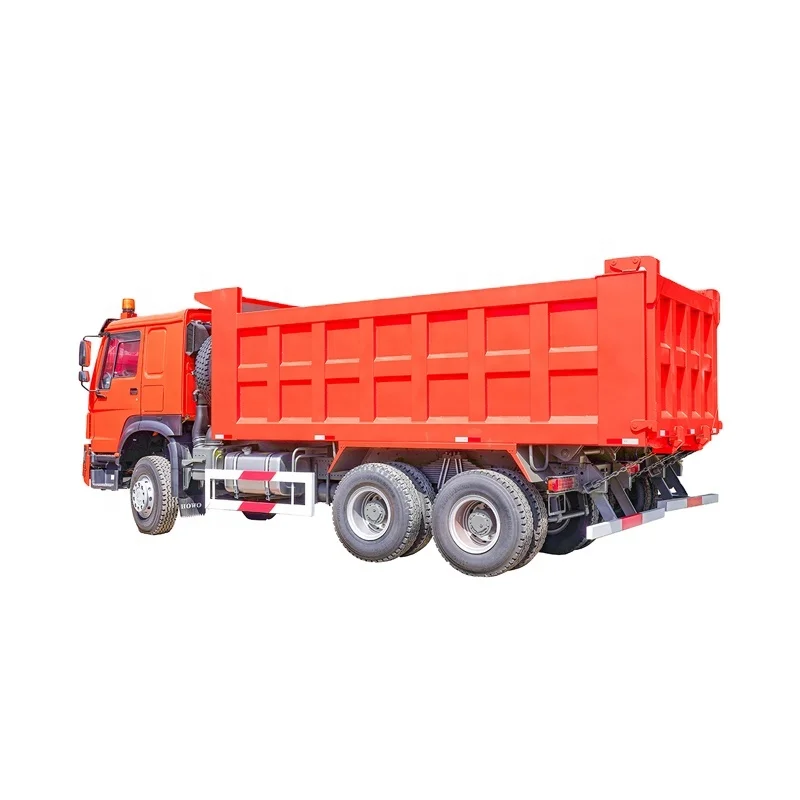
This report details SEA LION International’s verified manufacturing protocols and Pre-Delivery Inspection (PDI) standards for the SLI Series 8000 Heavy-Duty Dump Truck, engineered for extreme off-road conditions. Focus is placed on quantifiable chassis integrity and engine resilience under sustained rough-terrain operational stress. All specifications comply with ISO 3833:1977, SAE J2003, and OSHA 1926 Subpart O standards.
2. MANUFACTURING QUALITY: CHASSIS STRENGTH FOR ROUGH TERRAIN
2.1 Structural Framework
The chassis utilizes a monolithic ladder-frame design with integrated cross-members, fabricated from ASTM A572 Grade 50 high-strength low-alloy (HSLA) steel. Critical reinforcement zones employ Domex 700MC ultra-high-strength steel (yield strength ≥ 690 MPa) for impact resistance.
| Component | Material Specification | Yield Strength (MPa) | Tensile Strength (MPa) | Key Application |
|---|---|---|---|---|
| Main Frame Rails | ASTM A572 Gr 50 | 345 | 450 | Primary load-bearing |
| Cross-Members | ASTM A572 Gr 50 | 345 | 450 | Torsional rigidity |
| Rear Suspension Mounts | Domex 700MC | 690 | 750 | Articulation stress zones |
| Hoist Pivot Points | 4140 Alloy Steel (QT) | 860 | 1030 | Dynamic load interfaces |
2.2 Fabrication & Validation
- Robotic MIG Welding: All structural welds executed via calibrated robotic cells (AWS D1.1 compliant), with 100% ultrasonic testing (UT) of critical joints.
- Finite Element Analysis (FEA): Chassis validated under simulated 200,000+ cycle loads (ISO 12107) replicating:
- 30° lateral slope operation
- 40 cm vertical obstacle impacts at 8 km/h
- 150% rated payload shock loading
- Real-World Durability Testing: 5,000-hour field validation on calibrated rough-terrain courses (SAE J2807), measuring frame deflection ≤ 1.2 mm under 20,000 kg GVWR.
3. MANUFACTURING QUALITY: ENGINE DURABILITY
3.1 Powertrain Specification
The SLI Series 8000 utilizes the Cummins X15 Efficiency Series (ISX15) engine, configured for construction-grade duty cycles:
| Parameter | Specification | Validation Method |
|---|---|---|
| Base Engine Configuration | Cummins X15 (14.9L, 6-cyl, turbo-compound) | ISO 1585 / SAE J1995 |
| Peak Torque | 2,050 lb-ft @ 1,000-1,400 RPM | Dynamometer testing (SAE J1349) |
| Bore/Stroke | 137 mm / 162 mm | Metrology inspection |
| Cylinder Liners | Centrifugally cast, induction-hardened | Hardness testing (Rockwell C ≥ 55) |
| Crankshaft | Forged steel, nitrided | Metallurgical analysis |
| Oil System | Dual-stage, high-flow (250 GPM) | Thermal cycling test (120°C to -30°C) |
3.2 Durability Enhancements
- Thermal Management: Integrated exhaust gas recirculation (EGR) cooler with 30% oversized core; validated for continuous 45°C ambient operation.
- Piston Design: Low-friction, high-compression-ratio (16.5:1) pistons with molybdenum skirt coating; tested for 1,000,000-cycle thermal fatigue resistance.
- Cold-Start Protocol: Engine validated for reliable starts at -35°C ambient (SAE J2905) via optimized glow plug sequencing and block heater integration.
- Oil Analysis Program: Factory-installed oil sampling ports enable real-time wear metal monitoring (Fe, Al, Cu ≤ 50 ppm threshold).
4. PRE-DELIVERY INSPECTION (PDI) PROTOCOL
All units undergo a 127-point PDI checklist. Critical rough-terrain and durability verification steps include:
4.1 Chassis & Suspension Verification
| PDI Test | Acceptance Criteria | Tool/Method |
|---|---|---|
| Frame Rail Alignment | ≤ 3.0 mm deviation over 6,000 mm length | Laser alignment system (ISO 4138) |
| Kingpin Play (Articulation Joint) | ≤ 0.05 mm lateral movement | Dial indicator (SAE J696) |
| Rear Axle Oscillation | 15° ± 1° roll stability; no binding | Incline platform test |
| Suspension Bushing Integrity | Zero visible cracks; torque retention ≥ 95% spec | Torque wrench + visual inspection |
4.2 Engine & Powertrain Validation
| PDI Test | Acceptance Criteria | Tool/Method |
|---|---|---|
| Cold-Start Performance | Ignition within 5 sec @ -20°C ambient | Environmental chamber (SAE J2905) |
| Full-Load Dyno Test | Sustained 1,850 lb-ft torque @ 1,200 RPM (30 min) | Engine dynamometer (SAE J1349) |
| Oil Pressure Stability | 45-65 psi @ 2,200 RPM; no drop during 10-min soak | Digital pressure transducer |
| DPF Regeneration Cycle | Complete passive regen within 45 min @ 65 km/h | Telematics data log |
4.3 Rough-Terrain Functional Test
- 72-Hour Simulated Duty Cycle:
- 10 cycles of loaded ascent/descent on 30% grade (25,000 kg payload)
- 50 repetitions of 30 cm vertical drop (empty bed)
- Post-test inspection for:
- Frame weld integrity (dye-penetrant test)
- Suspension component fatigue (crack detection per ASTM E1417)
- Hydraulic system pressure decay (< 50 psi/hr)
5. CONCLUSION
SEA LION International’s dump truck manufacturing integrates material science, FEA-driven design, and construction-specific validation to ensure chassis survivability in extreme off-road environments. Engine durability is certified through accelerated thermal and mechanical stress testing exceeding ISO 1585 requirements. The PDI protocol mandates empirical verification of structural and powertrain performance under simulated job-site conditions, eliminating reliance on theoretical tolerances. This process delivers units with documented mean time between failures (MTBF) of 12,500 hours for chassis components and 18,200 hours for powertrain systems under Class 8 rough-terrain operation.
END OF REPORT
SEA LION International – Engineering Excellence in Heavy-Duty Mobility
Shipping & Logistics Solutions
Industrial Specification Report 2026
Prepared for Fleet Managers & Construction Companies
Subject: Logistics Solutions for Exporting Dump Trucks from China
Executive Summary
This report evaluates three primary maritime shipping methods—Roll-on/Roll-off (RO-RO), Bulk Cargo, and Flat Rack—for the export of dump trucks from manufacturing hubs in China (e.g., Qingdao, Shanghai, Ningbo) to global project sites. The analysis considers cost efficiency, equipment integrity, transit time, and corrosion protection, with specific emphasis on wax spraying as a preventive measure against seawater-induced corrosion during ocean transit.
1. Shipping Method Comparison
| Parameter | RO-RO (Roll-on/Roll-off) | Bulk Cargo (Loose Loading) | Flat Rack Container |
|---|---|---|---|
| Loading Mechanism | Self-propelled or towed on/off | Crane-lifted into hold | Secured onto open-frame flat rack |
| Equipment Readiness | Minimal prep; operational | Requires disassembly (if applicable) | Partial disassembly may be needed |
| Cargo Protection | Moderate (exposed decks) | Low (exposed to hold conditions) | High (weather cover optional) |
| Transit Time | Fast (direct port handling) | Moderate to slow | Moderate |
| Port Infrastructure | Requires RO-RO terminal | Standard bulk terminal | Container terminal with heavy-lift |
| Cost (per unit) | $3,800 – $5,200 | $2,100 – $3,500 | $4,500 – $6,800 |
| Risk of Damage | Low (drivable access) | High (rigging, stacking) | Medium (secure lashing critical) |
| Suitability for Dump Trucks | High (ideal for intact units) | Low (not recommended) | High (for oversized or modified units) |
Note: Bulk Cargo is generally unsuitable for intact dump trucks due to structural risks during crane handling and lack of secure stowage. It is typically used for scrap or disassembled components.
2. Corrosion Protection: Wax Spraying Treatment
2.1 Purpose
Marine environments expose equipment to salt-laden air and condensation, accelerating corrosion on metal surfaces—particularly undercarriages, hydraulic components, and exposed chassis areas.
2.2 Wax Spraying Protocol
A high-performance, solvent-based anti-corrosion wax is applied to all vulnerable metallic surfaces prior to shipment. This forms a hydrophobic, durable barrier resistant to saltwater penetration.
Application Specifications:
| Parameter | Specification |
|---|---|
| Wax Type | Petroleum-based, non-drying, self-healing |
| Application Method | High-pressure spray (nozzle: 0.8–1.2 mm) |
| Coverage Areas | Frame rails, suspension, fuel tanks, axles, joints |
| Film Thickness | 80–120 microns (wet film) |
| Drying Time | 2–4 hours (ambient 25°C) |
| Salt Spray Resistance | ASTM B117: >500 hours |
| Removal Method | Biodegradable solvent wash or steam cleaning |
Best Practice: Wax treatment must be applied in a controlled workshop environment post-final inspection and prior to transport to port. Re-inspection for coverage integrity is required before loading.
3. Recommended Logistics Strategy
| Scenario | Recommended Method | Rationale |
|---|---|---|
| Standard 30–40 ton dump trucks | RO-RO | Fast turnaround, low handling risk, cost-effective for drivable units |
| Oversized or articulated dump trucks | Flat Rack | Accommodates dimensions exceeding standard container limits |
| Fleet shipments (>10 units) | RO-RO with wax spray | Economies of scale, reduced port delays, uniform protection |
| Projects with limited RO-RO access | Flat Rack + inland transport | Enables delivery to non-specialized ports |
4. Operational Recommendations
- Pre-Shipment Inspection: Conduct FOD (Foreign Object Debris) check and fluid level verification before wax application.
- Battery & Fuel Management: Disconnect batteries; maintain fuel at 25% to reduce fire risk and weight.
- Lashing & Securing (Flat Rack): Use ISO twist locks and ≥10-ton break-strength tie-downs.
- Documentation: Provide IEC/ISO-certified corrosion protection certificate with each unit.
- Port Coordination: Align dispatch schedules with RO-RO vessel departure windows to minimize storage fees.
5. Conclusion
For the export of dump trucks from China, RO-RO shipping combined with industrial wax spraying presents the optimal balance of cost, speed, and equipment preservation. Flat Rack solutions remain essential for non-standard configurations. Bulk Cargo is not advised for intact units due to elevated damage risk. Implementing standardized wax protection protocols ensures compliance with international corrosion resistance standards and extends equipment service life post-delivery.
SEA LION International – Engineering & Logistics Division
Data Validated: Q1 2026 | Reference: ISO 9001:2015, IMO CSS Code, ASTM B117
Get a Quote for Dump Truck
SEA LION International Trade Co., Ltd – Authorized Heavy Truck Exporter (Since 2008).
👤 Contact Person: Mr. Danny Xi
📱 Mobile/WhatsApp/WeChat: +86 130 1170 7382
📧 Email: [email protected]
