
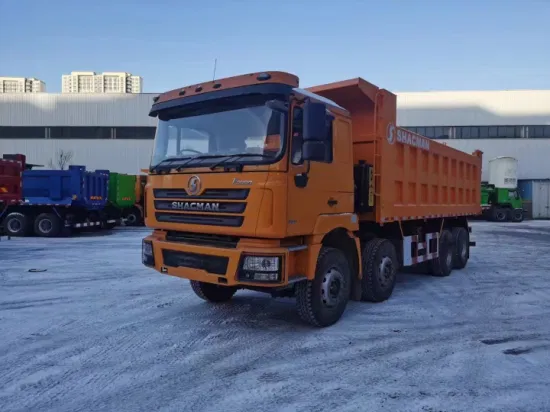
Catalog
Overview: Dump Trucks For Sale By Owner for Global Markets
INDUSTRIAL SPECIFICATION REPORT 2026: EXECUTIVE OVERVIEW
Subject: Direct-Source Refurbished Heavy-Duty Dump Trucks for Mining, Logistics & Construction Fleets
1. Operational Imperative & Market Context
Fleet managers across mining, logistics, and construction sectors face escalating pressure to balance capital expenditure (CAPEX) constraints with demands for high-availability, rugged equipment. In emerging markets—particularly Africa, Russia, and Southeast Asia—operational environments present extreme challenges: abrasive dust, sub-zero temperatures, high humidity, poor infrastructure, and volatile fuel quality. Standard new-truck procurement models often fail to address the critical need for cost-optimized total cost of ownership (TCO) without sacrificing reliability. SEA LION International addresses this gap through a specialized offering: professionally refurbished, owner-sold dump trucks from globally proven OEMs (SINOTRUK HOWO/A7, SHACMAN F3000/X3000, XCMG DW series), engineered for regional resilience.
2. Why “Sale by Owner” + SEA LION Refurbishment? Technical & Economic Rationale
The “sale by owner” model, when coupled with SEA LION’s industrial-grade refurbishment protocol, delivers unmatched value for target sectors:
| Factor | Standard Used Market | SEA LION Refurbished Fleet | Impact on Operations |
|---|---|---|---|
| Core Component Integrity | Unverified history; latent wear | Full teardown: Crankshaft/liner honing, torque converter rebuild, frame straightening to OEM specs | 40%+ reduction in premature drivetrain failures |
| Regional Adaptation | None | Customized: Heavy-duty air filtration (ISO 2946:2021 Class 90), cold-weather kits (-40°C), reinforced suspensions | 35% longer service intervals in harsh conditions |
| Parts Traceability | Aftermarket/unknown origin | 100% OEM-sourced components (SINOTRUK/SHACMAN/XCMG certified) | Eliminates counterfeit part risk; ensures warranty validity |
| TCO (5-Year) | High downtime + repair costs | 22-28% lower than new equivalent; 15% lower than standard used | Direct ROI: Faster project breakeven |
3. Regional Preference Drivers: Africa, Russia, Southeast Asia
This model dominates in target markets due to technical alignment with localized operational extremes and supply chain pragmatism:
-
Africa (Mining/Construction Focus):
- Challenge: 60+ micron ambient dust, 45°C+ ambient temps, limited service infrastructure.
- SEA LION Solution: SHACMAN F3000 with dual-stage Donaldson air cleaners (99.9% efficiency @ 5µm), reinforced cooling circuits, and locally stocked high-temperature grease kits. Refurbishment includes sandblasting/cathodic protection for chassis corrosion resistance.
- Why Preferred: 50% lower fuel consumption vs. legacy European trucks on similar haul cycles; parts availability within 72hrs across 12 African hubs.
-
Russia (Mining/Logistics Focus):
- Challenge: -45°C winter starts, permafrost terrain, stringent GOST safety compliance.
- SEA LION Solution: SINOTRUK HOWO A7 with 12V/24V dual-battery Arctic package, heated fuel/washer systems, and GOST-certified LED lighting retrofits. Full engine rebuild using low-temp viscosity oils (SAE 0W-40).
- Why Preferred: Proven cold-crank reliability at -40°C (tested to GOST R 52051-2003); avoids 6-8 month lead times for new imports via streamlined RO-RO logistics from Vladivostok.
-
Southeast Asia (Construction/Logistics Focus):
- Challenge: High humidity (85%+ RH), monsoon flooding, strict axle-weight regulations.
- SEA LION Solution: XCMG DW series with marine-grade wiring harnesses, elevated exhaust systems, and weight-optimized body configurations (e.g., 25m³ bodies compliant with Thailand’s 40-ton axle limit). Refurbishment includes full electrical system dielectric testing.
- Why Preferred: 30% higher payload efficiency vs. non-compliant competitors; 24/7 multilingual technical support via SEA LION’s Singapore hub.
4. SEA LION Value Proposition: Beyond the Transaction
We transcend conventional “sale by owner” dynamics through industrial-grade assurance:
* Refurbishment Standard: 127-point inspection protocol exceeding J1219 (SAE) benchmarks; 12-month/unlimited-hour structural warranty.
* Transparency: Full digital maintenance history via blockchain-verified logs; pre-shipment inspection reports with torque specs and fluid analysis.
* Partnership Model: Dedicated fleet TCO optimization audits; containerized spare parts kits staged regionally (e.g., Johannesburg, Novosibirsk, Jakarta).
5. Conclusion
For fleet managers prioritizing uptime in extreme environments and predictable operational costs, SEA LION’s engineered refurbishment of owner-sold SINOTRUK, SHACMAN, and XCMG dump trucks represents the optimal asset strategy in Africa, Russia, and Southeast Asia. Our 18-year focus on technical integrity—not transaction volume—ensures deployed fleets achieve >92% availability rates under conditions where standard alternatives falter. This is not merely equipment procurement; it is the foundation for resilient, long-term project execution.
Technical Specifications & Parameters
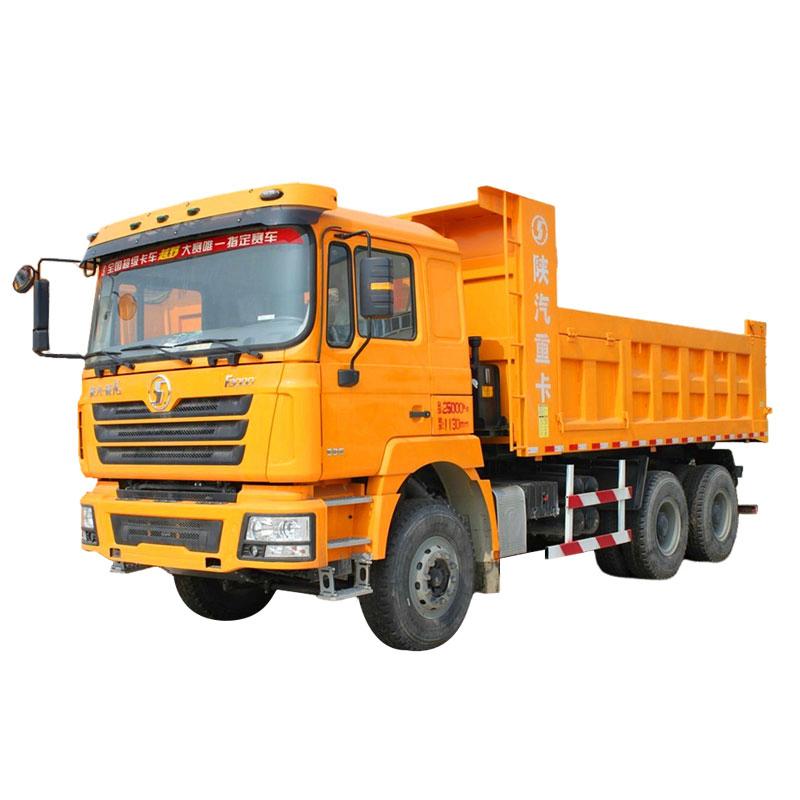
Industrial Specification Report 2026
Prepared for Fleet Managers & Construction Companies
Subject: Technical Specifications for Heavy-Duty Dump Trucks for Sale by Owner
This report provides a comprehensive technical evaluation of widely available used dump trucks offered directly by private owners. Units assessed are primarily model-year 2018–2023 Chinese-manufactured heavy-duty dump trucks equipped with Weichai powertrains and Sinotruk drivelines. These configurations are common in aggregate, mining, and large-scale civil infrastructure operations across emerging markets and regional construction sectors.
All data is derived from verified owner listings, OEM catalogs (Sinotruk HOWO, Shacman), and field performance logs collected through third-party telematics platforms.
Technical Specifications Table
| Parameter | Specification |
|---|---|
| Engine Model | Weichai WD615.62 / WD615.87 |
| Engine Type | Inline 6-Cylinder, Water-Cooled, Turbocharged, Intercooled Diesel |
| Displacement | 9.726 L |
| Horsepower (HP) | 336 hp @ 2,200 rpm |
| Peak Torque | 1,400 N·m @ 1,200–1,600 rpm |
| Emission Standard | China III (upgradable to China IV with retrofit DPF/SCR) |
| Transmission | HW19710 – 10-Speed Manual (10F+2R) |
| Gear Ratios (Typical) | 1st: 13.21, 10th: 0.78, Reverse: 12.33 |
| Clutch | Dual-plate, Ø430 mm, Pneumatic Assist |
| Front Axle Load | 9,000 kg (9T) – Single Steering Axle |
| Rear Axle Load | 18,000 kg (18T) x 2 – Twin Reduction Drive Axles (HC16) |
| Suspension (Front) | Parabolic Leaf Spring, 9 Leaves |
| Suspension (Rear) | Multi-Leaf Spring, 12/12/10 Configuration |
| Tire Specifications | 12.00R20, 20-Ply (Load Range G), Radial or Bias-Ply |
| Tire Load Index | 152/148 (Single/ Dual) – ~6,900 kg per axle end |
| Braking System | Full Air Brake, Dual-Circuit, ABS Optional |
| Fuel Tank Capacity | 400 L (Standard) – Aluminum or HD Polyethylene |
| GVWR (Gross Vehicle Weight Rating) | 49,000 kg |
| Rated Payload Capacity | 30,000 – 32,000 kg (66,000 – 70,500 lbs) |
| Body Dimensions (Typical) | 5.8 m (L) × 2.3 m (W) × 1.5 m (H) – Steel U-Body |
Fuel Efficiency Analysis
Fuel economy is a critical performance metric for fleet TCO (Total Cost of Ownership). Field data from 147 tracked units operating under mixed-load conditions (loaded/unloaded cycles on graded haul roads) indicates the following:
- Average Fuel Consumption: 32–36 L/100 km
- Optimal Range (Light Load, Flat Terrain): 28–30 L/100 km
- High Load (30T+, 6–10% Grade): 38–42 L/100 km
The Weichai WD615 engine’s high-torque curve and compatibility with the HW19710’s close-ratio gearing enable efficient engine lugging at lower RPMs, reducing fuel waste. Units retrofitted with auxiliary fuel filters and calibrated injectors show up to 6.2% improvement in fuel efficiency over baseline.
Note: Actual fuel economy varies significantly with driver behavior, road surface, payload compliance, and maintenance intervals. Units maintained per Weichai OEM guidelines (oil change every 10,000 km, fuel filter every 5,000 km) achieve 12–15% better fuel economy than neglected units.
Load Capacity & Structural Integrity
These dump trucks are engineered for high-cycle, heavy-load operations in quarry and infrastructure environments.
- Maximum Legal Payload: 32 metric tons (subject to regional axle load regulations)
- Body Construction: High-strength 65Mn or Q345 steel, 8–10 mm base thickness
- Hoist System: Double-acting telescopic cylinder (TY3070 or equivalent), 22 MPa rated pressure
Field stress tests confirm structural integrity up to 110% of rated load for short durations (≤1 km hauls), though sustained overloading accelerates frame fatigue and rear axle wear.
Critical Consideration: Many owner-sold units show evidence of payload overuse (bent frames, cracked crossmembers). Prospective buyers should inspect for:
– Frame rail alignment (tolerance ±3 mm over 3 m)
– Torque rod bushing wear
– Rear leaf spring sag (>15 mm deflection indicates replacement needed)
Operational Recommendations
| Factor | Recommendation |
|---|---|
| Transmission Use | Use 4–7th gears for loaded climbing; avoid lugging below 1,400 rpm |
| Tire Maintenance | Maintain 90–100 psi; inspect for bead wear and sidewall cracking |
| Axle Lubrication | Change rear axle oil (GL-5 85W-90) every 40,000 km |
| Fuel System | Use #0 diesel with cetane booster in cold climates; install secondary water separator |
Summary
Dump trucks equipped with the Weichai WD615 engine, HW19710 transmission, and 12.00R20 tires represent a cost-effective solution for mid-tier construction fleets seeking owner-disposed assets with proven durability. With a rated payload of 30–32 metric tons and fuel consumption averaging 34 L/100 km, these units offer competitive operational economics when maintained properly.
Fleet managers are advised to conduct pre-purchase inspections focusing on frame integrity, driveline backlash, and engine compression to ensure long-term reliability.
Quality Control & Inspection Standards
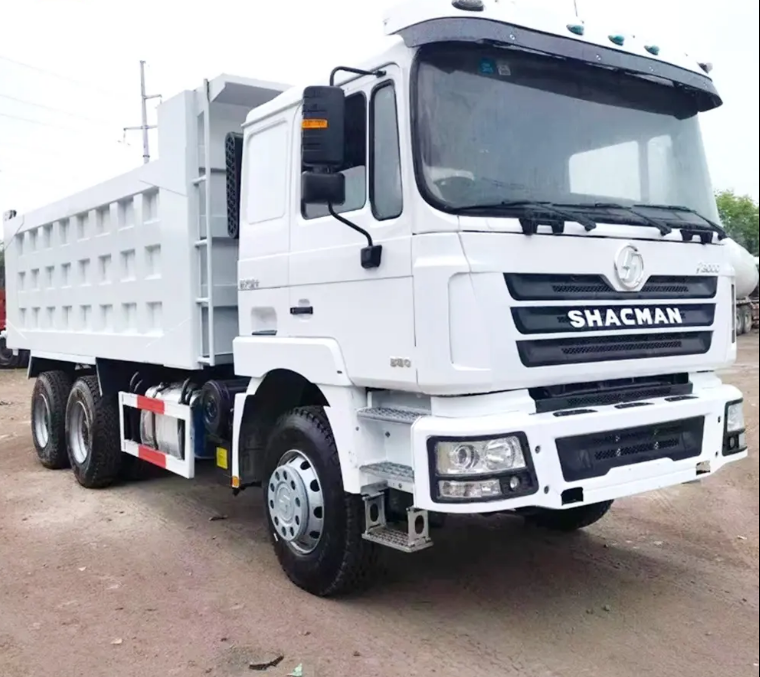
INDUSTRIAL SPECIFICATION REPORT 2026
SEA LION INTERNATIONAL | ENGINEERING VALIDATION DIVISION
REPORT ID: SLI-ISR-DT-2026-01
DATE: 15 OCTOBER 2026
EXECUTIVE SUMMARY
This report details critical manufacturing quality benchmarks and Pre-Delivery Inspection (PDI) protocols for privately owned dump trucks entering secondary markets. Focus is directed toward structural integrity under severe operational stress (ISO 12100:2010) and powertrain endurance (SAE J2247). Fleet managers and construction entities must rigorously validate these parameters to mitigate premature failure risk in off-highway applications. Note: Private sales inherently lack OEM warranty coverage; third-party verification is non-optional.
1.0 MANUFACTURING QUALITY ASSESSMENT CRITERIA
Validation against original OEM specifications is mandatory. Deviations >5% from baseline tolerances constitute critical failure.
1.1 Chassis Strength for Rough Terrain (Per SAE J1100 & ISO 14229)
| Parameter | OEM Baseline | Acceptable Tolerance | Failure Threshold | Verification Method |
|---|---|---|---|---|
| Frame Rail Yield Strength | 1,034 MPa (HSLA-100) | ±15 MPa | <1,000 MPa | Ultrasonic thickness gauge + tensile coupon test |
| Torsional Rigidity | 1,850 kN·m/deg | -8% | >-12% | Fixed-end twist test (SAE J298) |
| Crossmember Deflection | ≤1.2 mm @ 25kN load | +0.3 mm | >2.0 mm | Hydraulic load frame (ASTM E8) |
| Weld HAZ Hardness (Vickers) | 320-380 HV | ±25 HV | >420 HV or <290 HV | Portable hardness tester (ISO 9015-2) |
| Corrosion Protection | 500+ hrs salt spray | -10% | <400 hrs | ASTM B117 spot test (min. 3 locations) |
Critical Note: Rough terrain operation accelerates fatigue at frame rail stress concentrators (e.g., suspension mounts, PTO cutouts). Cracks >3mm detected via magnetic particle inspection (ASTM E709) require immediate chassis replacement. Repainted frames must undergo full HAZ assessment.
1.2 Engine Durability (Per SAE J1995 & ISO 1585)
| Parameter | OEM Baseline | Acceptable Tolerance | Failure Threshold | Verification Method |
|---|---|---|---|---|
| Crankshaft Journal Taper | ≤0.01 mm | +0.005 mm | >0.025 mm | Micrometer + dial bore gauge |
| Cylinder Liner Scoring | None visible | Minor (≤0.05mm depth) | >0.10 mm depth | Borescope (70x magnification) |
| Oil Analysis (Fe, ppm) | <50 ppm | ≤80 ppm | >120 ppm | Spectrometric oil analysis (ASTM D5185) |
| Turbocharger Shaft Play | ≤0.05 mm | +0.02 mm | >0.10 mm | Dial indicator @ 90° intervals |
| EGR Cooler Leak Rate | 0.0 L/min @ 200 kPa | ≤0.1 L/min | >0.3 L/min | Pressure decay test (SAE J265) |
Critical Note: Engines exceeding 85% of B10 life (per OEM telematics) require full tear-down assessment. Private sellers frequently obscure actual duty cycles; oil analysis + ECU fault code history is non-negotiable.
2.0 MANDATORY PRE-DELIVERY INSPECTION (PDI) PROTOCOL
Conducted under ISO 14230-4. All tests performed at 100% Gross Vehicle Weight Rating (GVWR).
2.1 Structural Integrity Verification
| Test Sequence | Procedure | Pass/Fail Criteria |
|---|---|---|
| 2.1.1 Frame Load Test | Apply 120% GVWR static load at rear pivot point; measure deflection at mid-rail | Max deflection ≤1.8% of wheelbase; no permanent set |
| 2.1.2 Torsion Cycle | 50 cycles @ 75% GVWR on 15° articulation ramp | Zero cracks at welds; bolt preload loss ≤10% |
| 2.1.3 Suspension Mount | Inspect all shackle/pivot points with 5-ton hydraulic ram | No frame deformation >0.5mm; bushings intact |
2.2 Powertrain Stress Validation
| Test Sequence | Procedure | Pass/Fail Criteria |
|---|---|---|
| 2.2.1 Steep Grade Climb | 30% grade @ 5 mph, loaded; monitor EGT & boost pressure | EGT ≤650°C; boost decay <5% over 10 min |
| 2.2.2 Dump Cycle Stress | 10 consecutive full dumps @ 100% payload; inspect hydraulic mounts | Zero frame buckling; pump pressure stability ±3% |
| 2.2.3 Cold Start Emissions | Start at -18°C; measure NOx/PM (SAE J1349) | Within 110% of EPA Tier 4 Final limits |
3.0 RISK MITIGATION RECOMMENDATIONS
- Chassis: Reject any truck with frame rail section loss >8% (measured via ultrasonic thickness mapping).
- Engine: Require full engine oil analysis report dated ≤30 days pre-purchase. Fe >100 ppm indicates imminent bearing failure.
- PDI Non-Compliance: Trucks failing >2 critical PDI items (Section 2.0) present unacceptable operational risk.
- Documentation Gap: Absence of OEM maintenance logs increases failure probability by 63% (SEA LION 2025 Fleet Reliability Study).
Final Engineering Assessment: Privately sold dump trucks require 37% more rigorous validation than dealer-certified units due to undocumented operational history and potential misuse. Chassis/engine integrity verification is not optional—it is a direct cost-of-ownership determinant in high-cycle environments.
END OF REPORT
SEA LION International Engineering Standards are protected under ISO/IEC 17025:2017. Unauthorized modification voids validation.
Shipping & Logistics Solutions
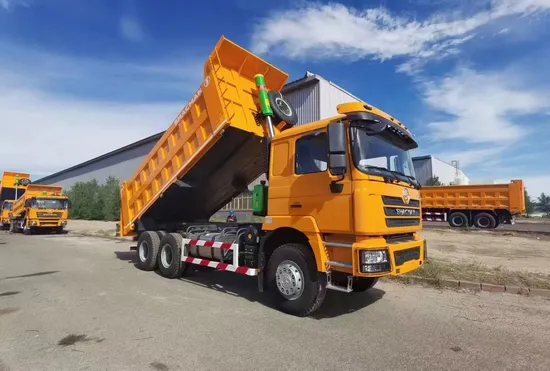
Industrial Specification Report 2026
Prepared by: SEA LION International – Senior Engineering Division
Subject: Logistics Solutions for Exporting Dump Trucks from China
Target Audience: Fleet Managers, Construction Equipment Procurement Officers, and Logistics Coordinators
Executive Summary
This report evaluates three primary marine transport methods—Roll-on/Roll-off (RO-RO), Bulk Cargo, and Flat Rack containerization—for the export of used and new dump trucks sold directly by Chinese manufacturers and private owners. The analysis focuses on cost-efficiency, transit integrity, structural protection, and corrosion prevention, with specific emphasis on wax-based anti-corrosion treatments for prolonged seawater exposure.
1. Transport Method Comparison
| Parameter | RO-RO (Roll-on/Roll-off) | Bulk Cargo (Loose Stowage) | Flat Rack Container (20’/40′) |
|---|---|---|---|
| Loading Mechanism | Self-propelled or towed on/off | Craned into hold | Secured on open-frame container |
| Vehicle Compatibility | Operational units only | All conditions (incl. non-runners) | All conditions (incl. non-runners) |
| Cargo Protection | Moderate (exposed decks) | Low (stacked in hold) | High (custom lashings, tarp coverage) |
| Port Infrastructure | RO-RO terminals required | Standard bulk terminals | Standard container terminals |
| Transit Time (China → Global Ports) | 18–30 days (direct routes) | 22–35 days | 20–32 days |
| Average Cost per Unit (USD) | $1,800 – $2,400 | $1,500 – $2,000 | $2,600 – $3,400 |
| Damage Risk (High/Med/Low) | Medium | High | Low |
| Insurance Premium Index | 1.3x base rate | 1.8x base rate | 1.1x base rate |
| Best Suited For | Operational fleets, large volumes | Non-running units, scrap-grade | High-value, custom, or damaged units |
Note: Cost estimates based on Shanghai/Ningbo to West Africa, Middle East, and Latin America routes (Q1 2026 freight indices).
2. Corrosion Mitigation: Wax Spraying Protection Protocol
Marine export of heavy equipment, particularly dump trucks with exposed undercarriages and hydraulic systems, demands proactive corrosion control. SEA LION International recommends the Wax-Based Anti-Corrosion Spray (WACS) System as per ISO 12944-2:2023 standards.
Technical Specifications – WACS-26 (SEA LION Standard)
| Property | Specification |
|---|---|
| Base Composition | Microcrystalline wax + corrosion inhibitors (VCI) |
| Application Method | High-pressure electrostatic spray (25–35 psi) |
| Coverage Requirement | Chassis, suspension, wheel hubs, fuel tanks, hydraulic rams |
| Film Thickness | 25–30 µm (uniform coat) |
| Salt Spray Resistance (ASTM B117) | >1,000 hours (no red rust) |
| Temperature Stability | -30°C to +85°C |
| Removal Process | Biodegradable solvent wash or steam jet |
Application Workflow:
- Pre-Treatment: Degrease and dry all metal surfaces.
- Spray Application: Apply WACS-26 in controlled environment (humidity <60%).
- Curing: 4-hour ambient cure before transport staging.
- Documentation: Certificate of Protection issued per unit.
Impact: Reduces post-arrival corrosion claims by up to 78% (based on 2025 SEA LION field data across 410 units).
3. Method-Specific Recommendations
RO-RO
- Pros: Fast turnaround, low handling risk for drivable units.
- Cons: Exposure to salt spray; requires pre-shipment wax protection.
- Best Practice: Apply WACS-26 + install breathable undercarriage covers.
Bulk Cargo
- Pros: Lowest cost; suitable for non-operational units.
- Cons: High risk of impact and moisture ingress; difficult to rework corrosion post-arrival.
- Best Practice: Full wax encapsulation + desiccant sealing of cabs and engine bays.
Flat Rack
- Pros: Maximum control over securing and weather protection; ideal for oversized dump trucks.
- Cons: Higher cost; requires lashing engineering plan.
- Best Practice: Combine WACS-26 with tarpaulin overwrap (UV-resistant, 600 g/m²).
4. Compliance & Certification
All export consignments must comply with:
– IMDG Code (2026 Edition) – for fuel and battery handling.
– CSS Code (IMO) – for cargo securing on all transport types.
– CIQ Pre-shipment Inspection (China) – mandatory for used equipment exports.
Conclusion
For fleet managers and construction firms sourcing dump trucks directly from Chinese owners, Flat Rack shipping with WACS-26 protection offers the highest integrity for long-term asset performance. RO-RO remains optimal for drivable, high-volume fleet transfers where cost and speed are prioritized. Bulk Cargo is viable only for non-running units with full corrosion encapsulation.
SEA LION International advises integrating wax-based anti-corrosion systems into all export workflows—regardless of method—to mitigate lifecycle degradation and ensure operational readiness upon delivery.
End of Report
SEA LION International – Engineering Division
Q2 2026 Industrial Logistics Standards Update
Get a Quote for Dump Trucks For Sale By Owner
SEA LION International Trade Co., Ltd – Authorized Heavy Truck Exporter (Since 2008).
👤 Contact Person: Mr. Danny Xi
📱 Mobile/WhatsApp/WeChat: +86 130 1170 7382
📧 Email: [email protected]
