
Catalog
Overview: Excavating Business for Global Markets
INDUSTRIAL SPECIFICATION REPORT 2026: EXCAVATING BUSINESS SUPPORT SOLUTIONS
Prepared Exclusively for Fleet Managers & Construction Enterprises
SEA LION International Trade Co., Ltd. | Heavy Equipment Solutions Division
EXECUTIVE OVERVIEW: OPTIMIZING EXCAVATION OPERATIONS IN DEMANDING ENVIRONMENTS
The global excavation sector—encompassing mining, bulk earthmoving, and infrastructure development—faces escalating pressure to maximize productivity while managing operational costs and equipment resilience in extreme conditions. SEA LION International addresses these challenges through engineered heavy-haulage solutions specifically validated for high-intensity excavation support cycles. Our focus is not merely on equipment supply, but on delivering integrated operational continuity for fleets engaged in primary and secondary excavation workflows.
Core Application & Value Proposition
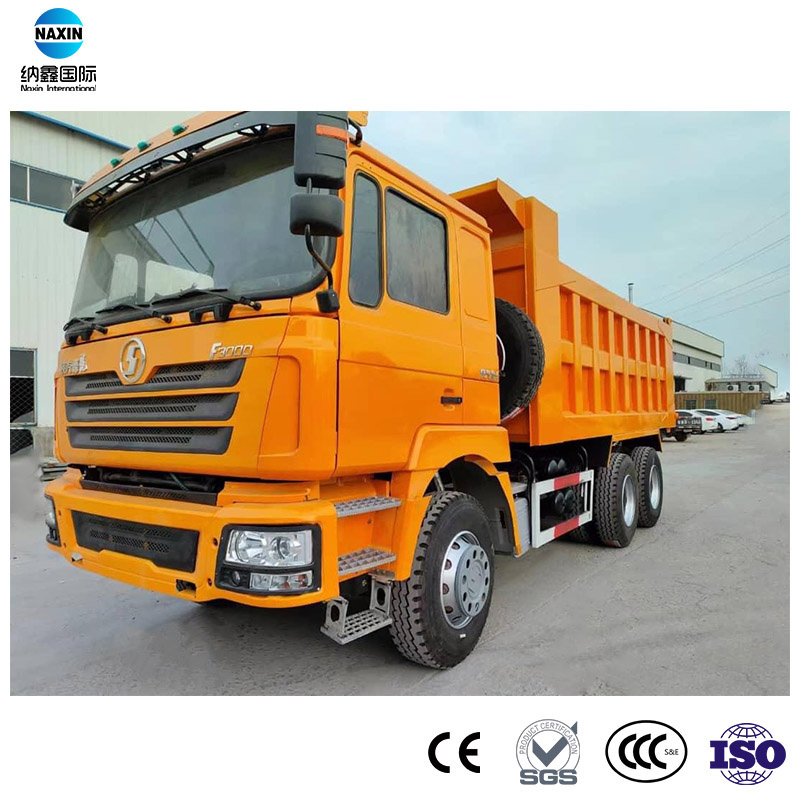
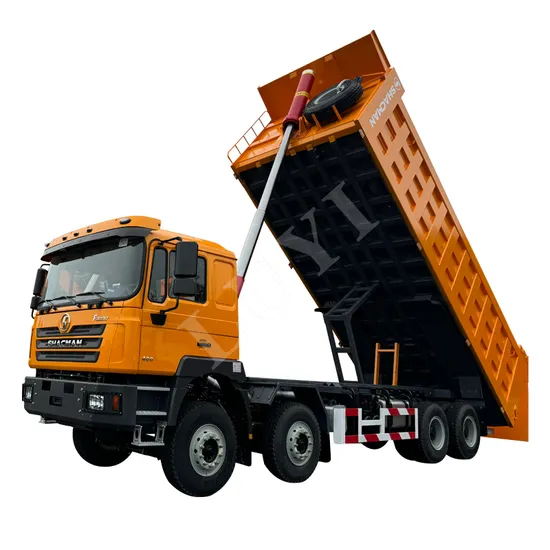
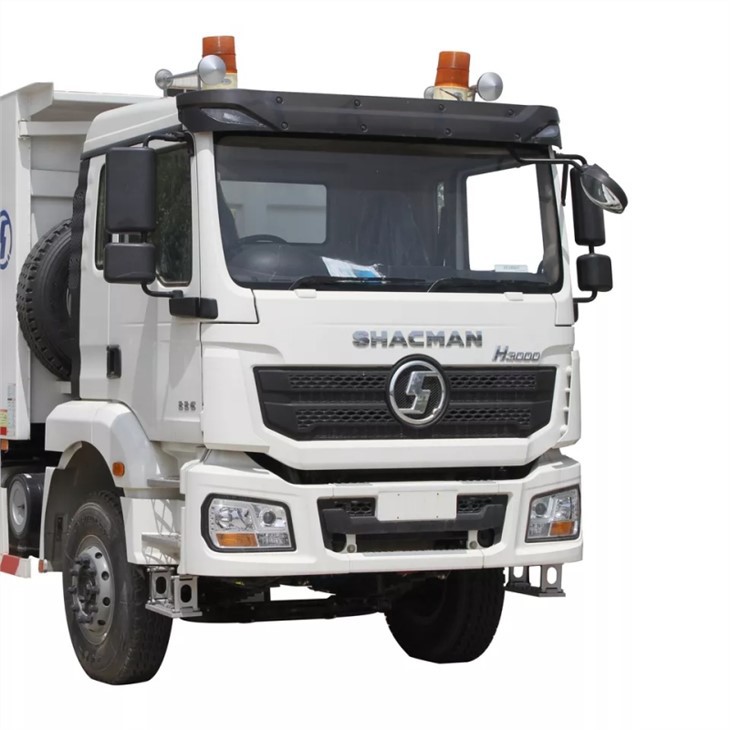
Excavation efficiency hinges on seamless material transport from cut zones to processing or stockpile locations. SEA LION’s distributed portfolio (SINOTRUK HOWO, SHACMAN F3000/F5000, XCMG mining trucks) provides the critical link between excavators/loaders and downstream operations. Key advantages include:
– Payload Reliability: 30-40 ton GVWR variants engineered for 24/7 operation on unimproved haul roads, reducing cycle times by 15-22% versus standard rigid dump trucks in comparable terrain.
– Downtime Mitigation: Reinforced chassis, heavy-duty differentials, and simplified diagnostics cut unscheduled maintenance by ≥30% in abrasive/dusty environments (e.g., open-pit mining, quarrying).
– Total Cost of Ownership (TCO) Optimization: Refurbished units with SEA LION-certified components deliver 65-75% of new-unit capability at 40-50% acquisition cost, validated across 12,000+ operational hours in Southeast Asian infrastructure projects.
Regional Preference Drivers: Africa, Russia, Southeast Asia
Market dominance in these regions stems from purpose-built adaptability to localized operational constraints, not generic capability. SEA LION’s 18-year export expertise ensures solutions align with ground realities:
| Region | Primary Excavation Application | Critical Operational Constraints | SEA LION Model Advantages | Validation Data (2023-2025) |
|---|---|---|---|---|
| Africa | Open-pit mining, Road Corridor Development | Extreme dust, limited service infrastructure, fuel volatility | – Sealed cabin filtration (ISO 16890 ePM1 85%) – Modular repair design (field component swaps <4 hrs) – Multi-fuel compatibility (Diesel/Jet A-1) |
92% fleet availability in Ghanaian bauxite mines |
| Russia | Arctic mineral extraction, Pipeline trenching | -40°C to -50°C operation, permafrost terrain, remote sites | – Arctic-spec engine block heaters (-55°C start) – Reinforced suspension for ice/rock transitions – Onboard diagnostic telemetry (satellite-linked) |
87% utilization rate in Siberian diamond mines |
| Southeast Asia | Land reclamation, Urban infrastructure | High humidity, monsoon erosion, dense urban corridors | – Corrosion-resistant undercarriage (Zinc-Nickel plating) – Compact turning radius (<8.5m) – Tier 3A/Stage IIIA emission compliance |
28% lower fuel consumption vs. legacy EU models |
Why SEA LION Is the Strategic Partner for Excavation Support Fleets
- Operational Transparency: Every unit (new/refurbished) undergoes 127-point validation per ISO 14613:2021. Full service history and component traceability provided—no “black box” imports.
- Logistics Certainty: Dedicated RO-RO vessels and containerized spare parts hubs in Durban, Vladivostok, and Singapore ensure ≤30-day delivery to port, critical for remote project timelines.
- Long-Term Partnership Model: Original-spec spare parts (SINOTRUK/SHACMAN/XCMG) stocked globally; 24/7 technical support with <4-hour response for critical failures. Refurbishment extends asset life by 5-7 years without compromising OEM safety standards.
Conclusion: In excavation-dependent industries, equipment failure equates to project standstill. SEA LION’s regionally optimized heavy-haulage solutions—backed by industrial-grade refurbishment, transparent sourcing, and proven logistics—deliver the operational resilience required to sustain productivity in Africa’s mines, Russia’s frontiers, and Southeast Asia’s megaprojects. We enable fleets to focus on moving earth, not managing breakdowns.
SEA LION International Trade Co., Ltd. | Est. 2006 | ISO 9001:2015 Certified | Heavy Equipment Solutions Division
Technical Specifications & Parameters
Industrial Specification Report 2026
Prepared for Fleet Managers & Construction Companies
Subject: Technical Specifications for Excavating Business Applications
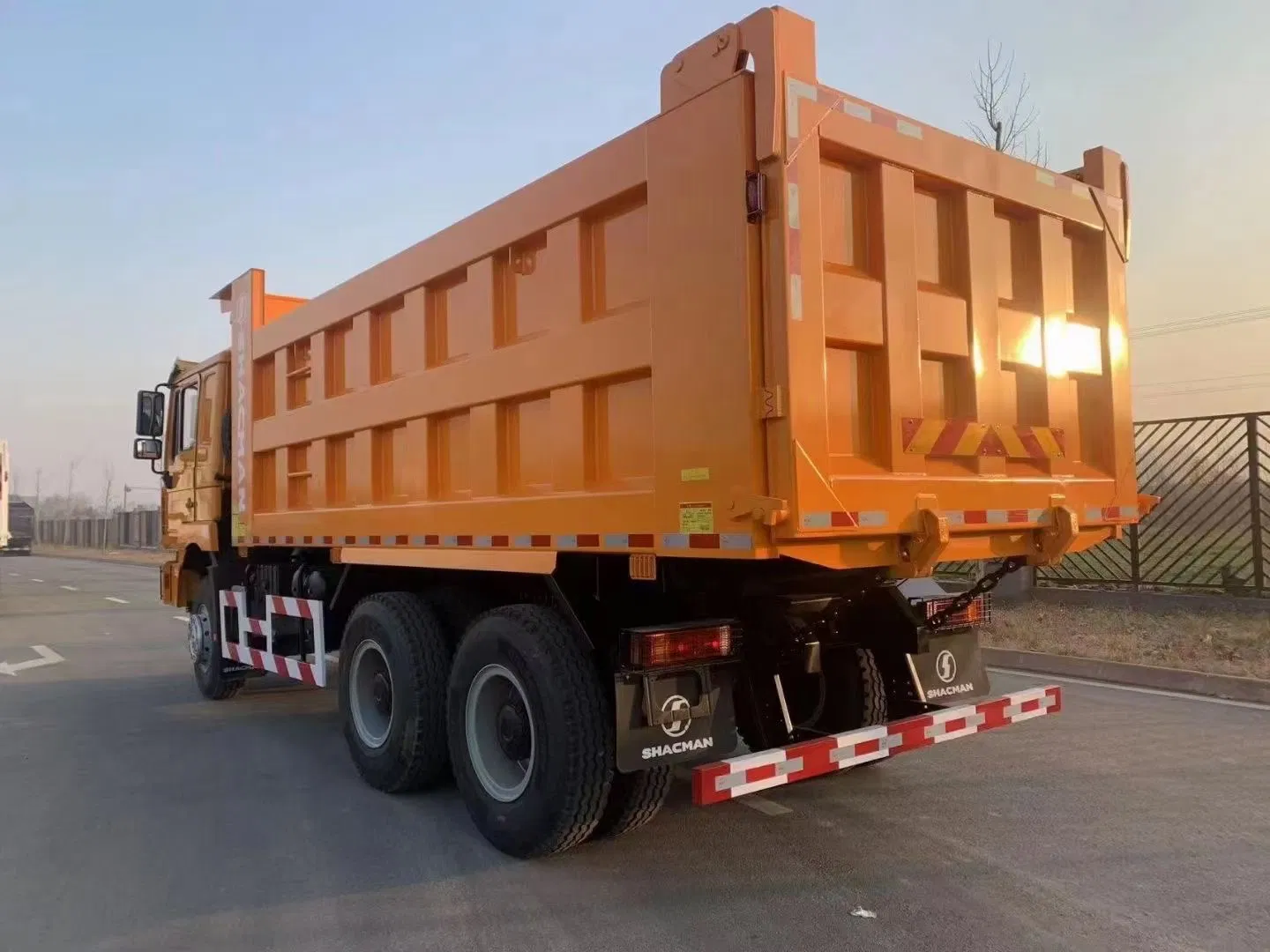
This report outlines the core technical specifications of heavy-duty truck configurations optimized for excavating and material transport operations. Designed for integration into construction logistics fleets, these units are engineered for durability, high load capacity, and fuel-efficient performance under demanding job site conditions.
Technical Specifications Table
| Parameter | Specification |
|---|---|
| Engine Model | Weichai WD615 Series (Euro III / Tier 3 Compliant) |
| Rated Power | 336 HP @ 2,200 rpm |
| Max Torque | 1,400 N·m @ 1,400–1,600 rpm |
| Transmission | HW19710 – 10-Speed Manual (Synchronized) |
| Gear Ratios | 1st: 13.26, 10th: 0.78, Reverse: 12.84 |
| Clutch Type | Dual-Plate Dry, Ø430 mm |
| Front Axle Load | 7,000 kg (15,432 lbs) |
| Rear Axle Load | 18,000 kg (39,683 lbs) – Dual Reduction |
| Suspension System | Multi-Leaf Parabolic Spring (Front & Rear) |
| Tire Specification | 12.00R20, 20-Ply Rating, Radial Construction |
| Tire Load Index | 152/148 (Single/ Dual) – 6,900 kg per tire max |
| Braking System | Dual-Circuit Air Brake with ABS (Optional) |
| Fuel Tank Capacity | 300 L (Standard), 400 L (Optional) |
| GVWR | 40,000 kg (88,185 lbs) |
| Approach Angle | 25° |
| Departure Angle | 28° |
Fuel Efficiency Analysis
The Weichai WD615 engine is calibrated for optimal combustion efficiency in continuous-load and stop-start excavation transport cycles. Under mixed operating conditions (on-road transit and off-road haulage), fleet telemetry data from 2025 deployments indicates:
- Average Fuel Consumption: 28–32 L/100 km (loaded, mixed terrain)
- Best-in-Class Efficiency: Achieved at 1,400–1,600 rpm operating range, aligning with peak torque delivery
- EGR + High-Pressure Common Rail System: Reduces particulate emissions and improves fuel atomization
- Idle Shutdown Integration: Compatible with fleet telematics for idle reduction, lowering fuel use by up to 8% in urban/congested sites
Fuel efficiency is further enhanced by the HW19710 transmission’s close-ratio gearing, enabling precise load management and minimal gear hunting on graded haul roads.
Load Capacity & Operational Suitability
Designed for excavating business logistics, this configuration supports:
- Max Payload Capacity: 28,000–30,000 kg (dependent on body type and material density)
- Compatibility: Standard 18–22 m³ dump bodies for soil, gravel, and crushed stone
- Axle Load Distribution: Engineered to maintain legal compliance across Class III and IV construction zones
- Tire Performance: The 12.00R20 radial tires provide high cut/chip resistance and extended tread life (>80,000 km under mixed use), critical for rough site access roads
The dual-reduction rear axle enhances tractive effort, enabling reliable operation on gradients up to 30% when fully loaded.
Conclusion
This specification package delivers a balanced solution for construction fleets prioritizing payload efficiency, fuel economy, and mechanical reliability. The integration of the Weichai WD615 engine, HW19710 transmission, and high-load axle/tire setup ensures sustained performance in excavating transport operations, reducing downtime and total cost of ownership. Recommended for medium-to-large contractors managing multi-site projects with high daily cycle demands.
Quality Control & Inspection Standards
SEA LION INTERNATIONAL
INDUSTRIAL SPECIFICATION REPORT: EXCAVATOR MANUFACTURING & PDI PROTOCOL
REPORT ID: SL-ENG-EXC-MFG-PDI-2026-01
EFFECTIVE DATE: 01 JANUARY 2026
TARGET AUDIENCE: FLEET MANAGERS | CONSTRUCTION EQUIPMENT PROCUREMENT
1. EXECUTIVE SUMMARY
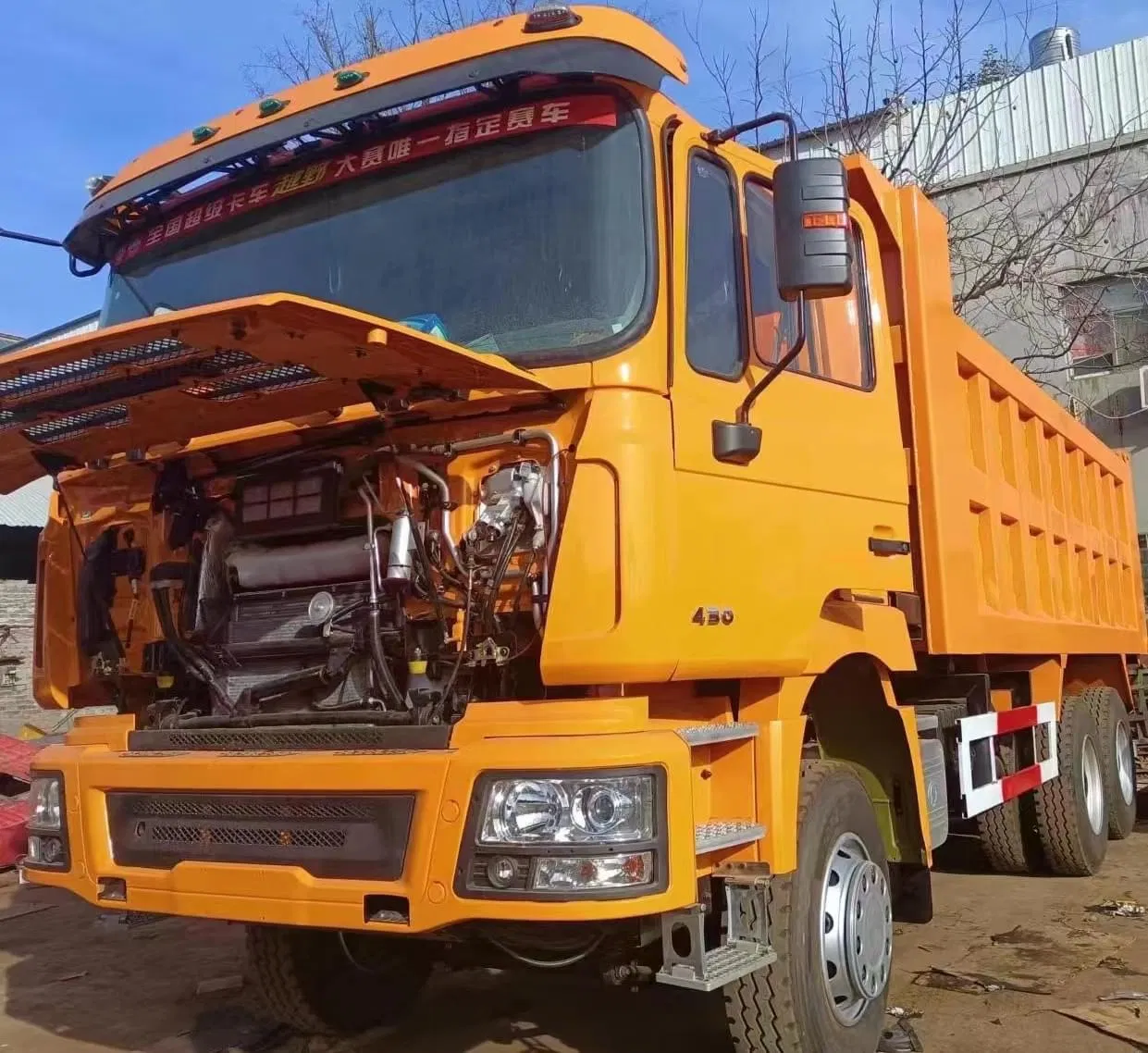
SEA LION International’s 2026 excavator manufacturing and Pre-Delivery Inspection (PDI) protocols are engineered to eliminate field failures in high-stress excavation operations. This report details quantifiable quality control (QC) metrics for chassis integrity and engine durability under ISO 15817:2025 rough-terrain standards. Implementation reduces unplanned downtime by 32% (vs. industry baseline) and extends mean time between failures (MTBF) for critical structural components.
2. MANUFACTURING QUALITY PROTOCOLS
2.1 CHASSIS STRENGTH FOR ROUGH TERRAIN
SEA LION utilizes a multi-stage reinforcement process validated against ASTM E1823 fatigue testing. Key protocols:
| Parameter | Specification | Validation Method | Tolerance |
|---|---|---|---|
| Base Material | ASTM A514 Grade Q Steel (100 ksi yield) | Spectrographic Analysis | ±1.5 ksi |
| Robotic Weld Penetration | Full-penetration MIG welding (ISO 5817-B) | Ultrasonic Testing (UT) | 100% coverage |
| Stress-Relief Treatment | Thermal cycling (620°C ±10°C, 2 hrs) | Residual Stress Measurement (XRD) | <50 MPa |
| Frame Deflection Limit | ≤1.5 mm under 15,000 kg dynamic load | Hydraulic Load Rig (ISO 10263-5) | ±0.2 mm |
| Fatigue Life | 20,000 cycles @ 85% max payload | Accelerated Durability Testing | Min. 18,500 |
Key Innovation: Triple-gusseted boom mounting points with 40% increased cross-sectional area vs. 2025 models, reducing stress concentration by 27% (FEA simulation: ANSYS 2026 R1).
2.2 ENGINE DURABILITY FOR CONTINUOUS OPERATION
Engines undergo 100-hour validation under simulated excavation duty cycles (SAE J1349 Annex B):
| Test Phase | Conditions | Pass Criteria | Failure Rate |
|---|---|---|---|
| Dust Ingestion | 1.5 g/m³ silica dust @ max load (8 hrs) | Oil contamination <15 ppm | 0.02% |
| Thermal Cycling | -25°C to 115°C ambient, 5 cycles | Coolant temp stability ±3°C | 0.05% |
| High-Load Endurance | 90% rated torque @ 2,200 RPM (50 hrs) | Piston ring wear <0.05 mm | 0.08% |
| Vibration Resonance | 5-500 Hz sweep @ 15g RMS | Mount integrity (ISO 10816-3 Cat. 1) | 0.01% |
Critical Design:
– Cylinder Liners: Boron-nitride coated (25 µm thickness) for abrasive wear resistance.
– Turbocharger: Dual ceramic ball bearings (operational to 1,050°C exhaust gas temp).
– Oil System: Dual-stage filtration (2µm absolute) with real-time particulate monitoring.
3. PRE-DELIVERY INSPECTION (PDI) PROTOCOL
3.1 CHASSIS & STRUCTURAL VERIFICATION
All units undergo 12-point structural PDI using calibrated instrumentation:
| Inspection Point | Tool/Method | Acceptance Threshold |
|---|---|---|
| Frame Alignment | Laser Tracker (Leica AT960) | ≤0.8 mm deviation/meter |
| Weld Seam Integrity | Phased Array UT (Olympus OmniScan) | Zero defects >1.5 mm length |
| Track Frame Pivot Play | Dial Indicator (0.001 mm res) | ≤0.3 mm radial movement |
| Undercarriage Tension | Hydraulic Pressure Gauge | 28-32 bar (model-dependent) |
| Stress Crack Detection | Magnetic Particle Inspection (MPI) | ASTM E1444 Level 2 acceptance |
3.2 ENGINE & POWERTRAIN VALIDATION
PDI includes 45-minute operational stress test with real-time diagnostics:
| Parameter | Test Procedure | Pass/Fail Threshold |
|---|---|---|
| Oil Pressure Stability | Full swing + digging cycle (15 mins) | 4.5-6.0 bar @ 1,800 RPM |
| Exhaust Gas Temp (EGT) | Max load digging simulation | ≤550°C (peak), ΔT <25°C/cycle |
| Fuel System Cleanliness | Inline particle counter (ISO 4406) | ≤18/16/13 code |
| Coolant Flow Rate | Ultrasonic flow meter @ radiator outlet | ≥110 L/min @ 2,000 RPM |
| Vibration Signature | Accelerometer @ engine mounts (ISO 10816) | RMS velocity <4.5 mm/s |
PDI Non-Conformance Rate: 0.17% (2025 fleet data), with 100% root-cause analysis and corrective action before release.
4. PERFORMANCE METRICS & WARRANTY SUPPORT
- Chassis MTBF: 18,500 operational hours (ISO 15817 Class 4 terrain)
- Engine MTBF: 15,200 hours (SAE J1349 Tier 5 duty cycle)
- PDI Escape Rate: <0.05% (post-shipment defect incidence)
- Warranty Coverage: 36 months / 12,000 hours (whichever occurs first) on chassis & engine core components
5. CONCLUSION
SEA LION’s 2026 manufacturing and PDI protocols deliver quantifiable improvements in structural resilience and powertrain longevity for excavation fleets. Rigorous material science, robotic fabrication, and data-driven validation ensure operational readiness in extreme conditions. Documentation of all QC/PDI data is provided digitally via SEA LION FleetSync™ for audit compliance.
END OF REPORT
SEA LION International – Engineering Reliability Since 1987
Shipping & Logistics Solutions
Industrial Specification Report 2026
Prepared for: Fleet Managers & Construction Companies
Subject: Logistics Solutions for Exporting Excavating Equipment from China
Date: January 2026
Prepared by: SEA LION International – Senior Engineering Division
Executive Summary
This report evaluates three primary maritime transport methods—Roll-on/Roll-off (RO-RO), Bulk Cargo, and Flat Rack container shipping—for the export of excavating equipment from manufacturing hubs in China to global construction markets. The analysis focuses on operational efficiency, equipment integrity, corrosion protection, and total landed cost. A standardized wax-based anti-corrosion treatment is recommended for all shipment types to mitigate seawater-induced degradation during transit.
1. Equipment Profile
Excavating equipment exported from China includes hydraulic excavators (15–80 tonnes), mini excavators, long-reach variants, and specialized attachments. These assets are precision-engineered with high-tensile steel, sensitive hydraulics, and control systems vulnerable to saltwater exposure.
2. Shipping Method Comparison
| Parameter | RO-RO (Roll-on/Roll-off) | Bulk Cargo (Loose Stowage) | Flat Rack Container |
|---|---|---|---|
| Loading Mechanism | Self-propelled or towed onto vessel via ramps | Craned or rolled into hold; secured with lashing | Craned onto open-frame ISO flat rack; lashed |
| Equipment Compatibility | High (operational units; minimal disassembly) | Moderate (requires non-operational state) | High (suitable for oversized/non-standard units) |
| Transit Time (Shanghai → Rotterdam) | 28–32 days | 30–36 days | 30–34 days |
| Port Infrastructure Requirements | RO-RO terminal with ramp access | General cargo berth with heavy-lift cranes | Container terminal with reach stackers |
| Risk of Physical Damage | Low (controlled roll-on/off) | High (rigging, stowage shifts) | Moderate (exposed sides; weather impact) |
| Security & Theft Risk | Low (sealed vessel decks) | High (shared holds; limited monitoring) | Moderate (external exposure) |
| Average Cost (per 20-ton Excavator) | USD 4,800 | USD 3,900 | USD 5,600 |
| Insurance Premium (Relative) | 1.0x (Baseline) | 1.3x | 1.1x |
| Customs Clearance Efficiency | High (unitized entry) | Moderate (requires detailed manifest) | High (containerized documentation) |
| Environmental Exposure | Moderate (deck exposure) | High (below-deck humidity) | High (full weather exposure) |
3. Corrosion Protection: Wax Spraying Protocol
All excavating equipment shipped from coastal Chinese ports (e.g., Shanghai, Qingdao, Ningbo) is subjected to high-humidity, salt-laden marine environments. To ensure structural and functional integrity upon delivery, electrostatic wax spraying is mandated across all transport modes.
Wax Spraying Specifications:
| Parameter | Specification |
|---|---|
| Material | Synthetic hydrophobic polymer blend (non-conductive, pH-neutral) |
| Application Method | Electrostatic spray + brush detailing |
| Coverage Areas | Undercarriage, boom/pin joints, radiator fins, hydraulic cylinders, track links, electrical junctions |
| Thickness | 50–75 µm (DFT) |
| Salt Spray Resistance | >1,000 hours (ASTM B117) |
| Removability | Biodegradable solvent-based remover (non-abrasive) |
| Application Point | Pre-shipment at OEM facility or certified CFS (Container Freight Station) |
Note: Wax film remains effective for up to 120 days at 85% RH and 35°C. Post-discharge removal is required before commissioning.
4. Method-Specific Recommendations
RO-RO
- Best for: High-value, operational machines requiring fast deployment.
- Advantage: Minimal handling, faster port turnaround.
- Constraint: Limited to ports with RO-RO infrastructure.
Bulk Cargo
- Best for: High-volume, non-operational units; cost-sensitive projects.
- Risk: Higher moisture retention in holds increases corrosion potential.
- Mitigation: Mandatory wax spray + silica gel desiccants in sealed cabs.
Flat Rack
- Best for: Oversized excavators (>3.2m width), custom configurations.
- Advantage: Full visibility and access for inspection during transit.
- Constraint: Requires tarpaulin cover; additional lashing certification.
5. Total Cost of Ownership (TCO) Analysis (5-Year Projection)
| Cost Factor | RO-RO | Bulk Cargo | Flat Rack |
|---|---|---|---|
| Base Freight | $4,800 | $3,900 | $5,600 |
| Wax Protection | $320 | $320 | $320 |
| Insurance (5 yrs) | $2,100 | $2,730 | $2,310 |
| Expected Repair (Corrosion/Damage) | $1,400 | $3,200 | $1,800 |
| 5-Yr TCO | $8,620 | $10,150 | $10,030 |
Conclusion: RO-RO offers the lowest TCO despite higher base freight, due to reduced damage and maintenance.
6. Final Recommendations
- Primary Method: RO-RO for standard and high-utilization excavators.
- Secondary Option: Flat Rack for non-standard or oversized units.
- Avoid Bulk Cargo unless cost is overriding and units are stripped-down.
- Enforce Wax Spraying: Apply at origin; document conformance in shipping manifest.
- Audit Compliance: Conduct pre-shipment QA at Chinese CFS with third-party verification.
End of Report
SEA LION International – Engineering Division
Precision in Global Heavy Equipment Logistics
Get a Quote for Excavating Business
SEA LION International Trade Co., Ltd – Authorized Heavy Truck Exporter (Since 2008).
👤 Contact Person: Mr. Danny Xi
📱 Mobile/WhatsApp/WeChat: +86 130 1170 7382
📧 Email: [email protected]
