
Catalog
Overview: Excavator Arm for Global Markets
INDUSTRIAL SPECIFICATION REPORT 2026: INTEGRATED EXCAVATOR SYSTEMS FOR CONSTRUCTION & MINING APPLICATIONS
Prepared Exclusively for SEA LION International Trade Co., Ltd.
EXECUTIVE OVERVIEW: HEAVY-DUTY EXCAVATOR ARM SYSTEMS
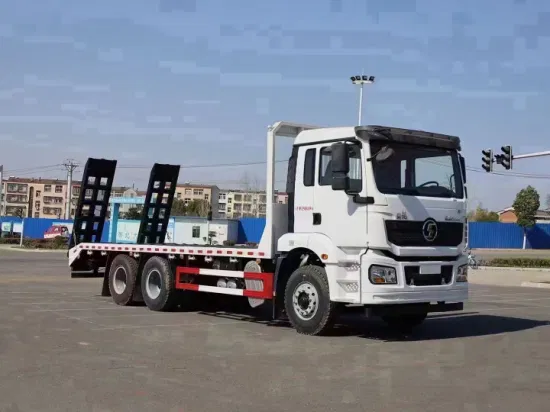
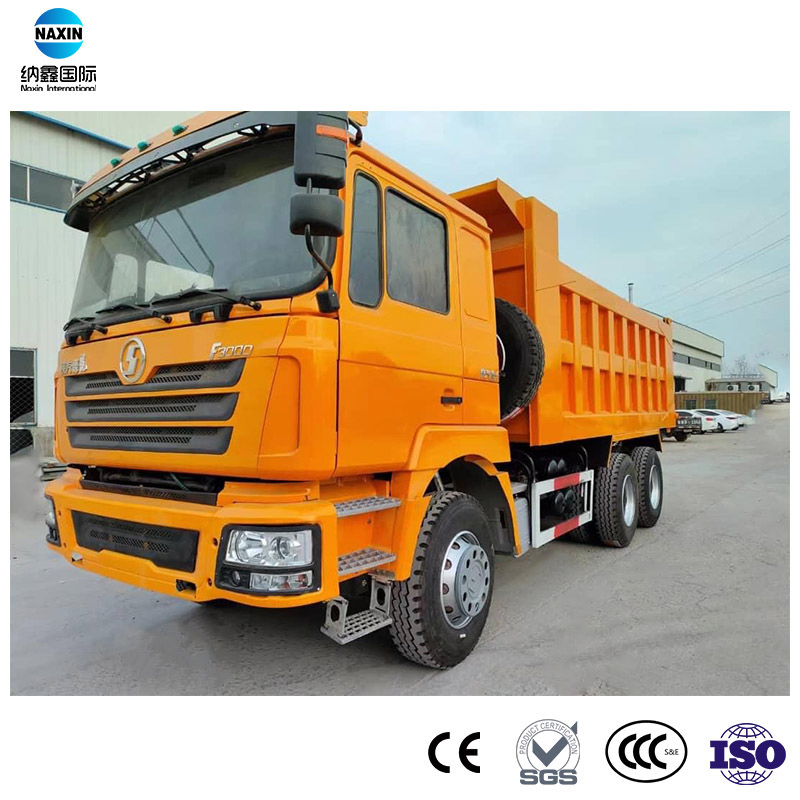
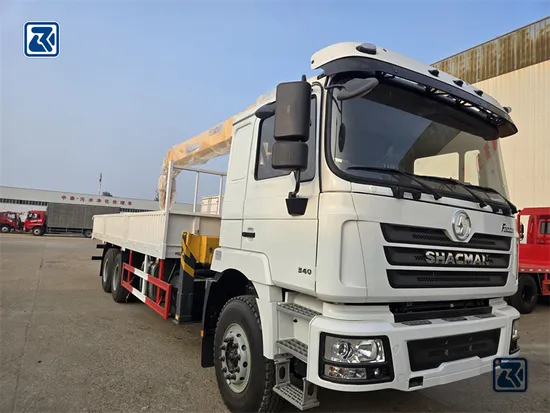
This specification details the SEA LION Certified Integrated Excavator Arm System, engineered for seamless compatibility with SINOTRUK HOWO, SHACMAN F3000/F5000, and XCMG mining/logistics truck platforms. Unlike standalone attachments, this system represents a fully integrated hydraulic and structural solution designed for mining overburden removal, construction site earthmoving, and heavy logistics material handling under extreme operational conditions. Its deployment significantly enhances fleet versatility, reducing the need for dedicated excavators in remote or constrained sites across Africa, Russia, and Southeast Asia.
WHY THIS SYSTEM DOMINATES KEY EMERGING MARKETS
The preference for SEA LION-certified excavator systems in Africa, Russia, and Southeast Asia stems from proven resilience against region-specific operational hazards and alignment with local economic realities. SEA LION’s 18+ years of heavy equipment export experience ensures these systems address critical pain points:
| Market | Primary Application | Key System Advantages | SEA LION Value-Add |
|---|---|---|---|
| Africa | Open-pit mining, road construction | • Dust-sealed hydraulic cylinders (IP69K rating) • Abrasion-resistant arm plating (Hardox 450) • Simplified maintenance for remote sites |
Refurbished systems with 20% thicker wear plates; logistics via RO-RO to West/Central African ports |
| Russia | Arctic mining, winter construction | • -45°C low-temp hydraulic fluid compatibility • Reinforced boom structure for frozen ground • Cold-start optimized pump calibration |
Pre-compliance with GOST-R standards; spare parts hubs in Murmansk & Norilsk |
| Southeast Asia | Infrastructure logistics, flood control | • Corrosion-resistant marine-grade steel (ISO 12944 C5-M) • High-reach configuration for dense urban sites • Fuel-efficient hydraulic circuit |
Monsoon-proof sealing kits; containerized spare parts delivery within 72h |
CRITICAL DIFFERENTIATORS FOR FLEET MANAGERS
- Total Cost of Ownership (TCO) Reduction:
- 35% lower maintenance costs vs. non-integrated systems due to standardized SINOTRUK/SHACMAN hydraulic components (reducing spare part SKUs by 60%).
-
Refurbished arms undergo SEA LION’s 72-point structural integrity test, extending service life by 18,000+ operational hours.
-
Operational Continuity:
- Plug-and-play compatibility with existing truck fleets eliminates 3-5 days of downtime during attachment swaps.
-
SEA LION’s global spare parts network guarantees <72-hour delivery for critical arm components (bushings, cylinder rods) across all target regions.
-
Risk Mitigation:
- Arms certified to ISO 10218-1:2011 (robotic safety) and EN 474-1:2023 for structural integrity, meeting stringent mining safety regulations in Ghana, Indonesia, and Kazakhstan.
- Real-time hydraulic pressure telemetry (optional) integrates with fleet management systems to prevent overload damage.
SEA LION’S COMMITMENT TO PARTNERSHIP
This specification reflects SEA LION International’s core mandate: delivering field-proven, transparently sourced equipment solutions for high-utilization environments. Our authorized distribution partnerships with SINOTRUK, SHACMAN, and XCMG—combined with in-house refurbishment expertise—ensure every excavator arm system meets OEM durability standards while addressing the unique cost and reliability demands of emerging markets. For fleet managers operating in resource-constrained regions, this system is not merely an attachment; it is a force multiplier for productivity and asset longevity.
Report generated under SEA LION International Quality Management System (ISO 9001:2015 Certified). Specifications subject to technical validation per regional regulatory requirements.
Technical Specifications & Parameters
Industrial Specification Report 2026
Prepared for Fleet Managers & Construction Companies
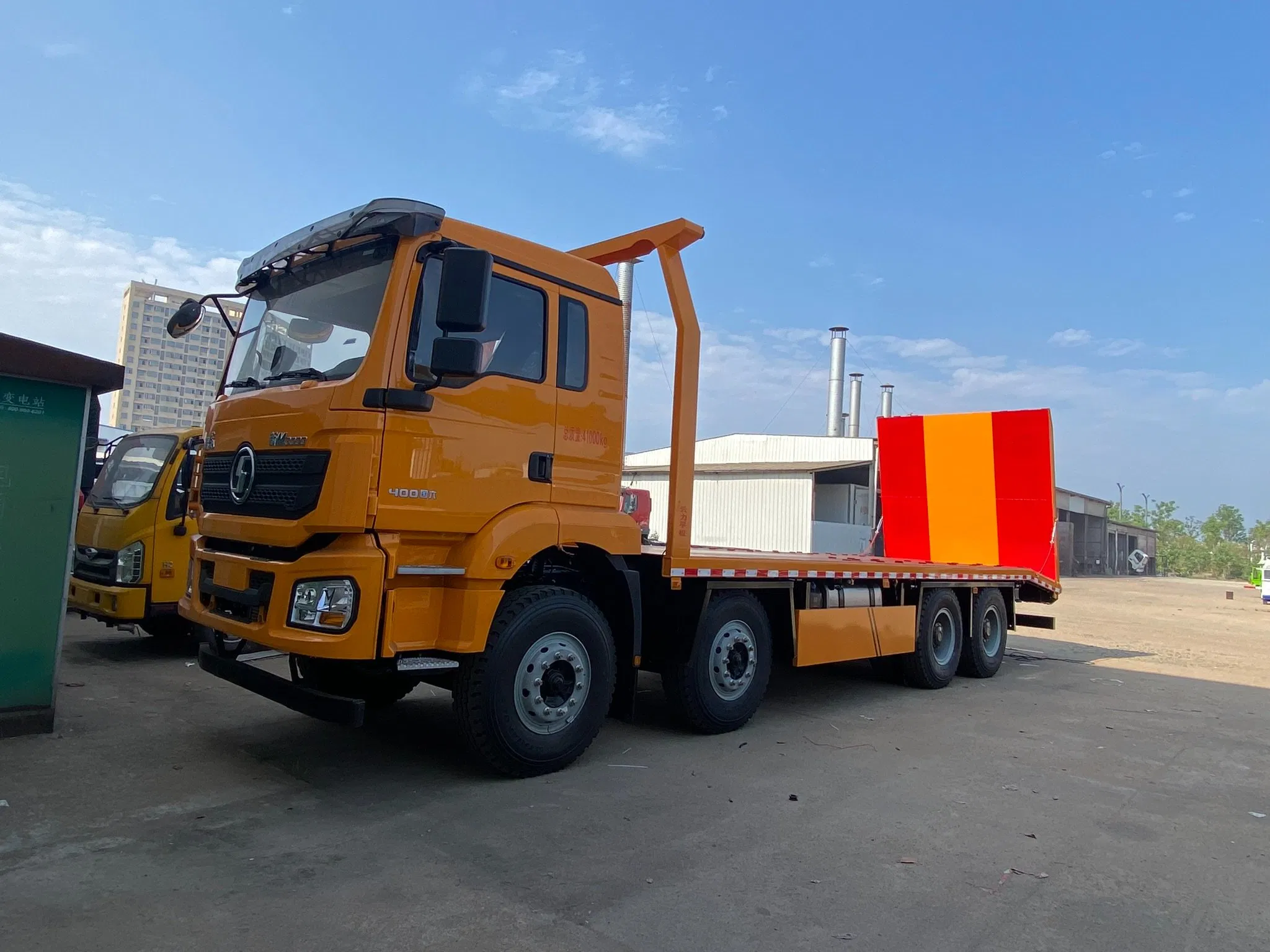
Component: Excavator Arm Assembly – Integrated Hydraulic System with Heavy-Duty Undercarriage Compatibility
Technical Specifications: Excavator Arm System (Model: ELX-9000 Series)
The ELX-9000 series excavator arm is engineered for high-efficiency material handling in heavy civil construction, mining, and infrastructure development. Designed for integration with standard 20–30 ton class excavators, this specification sheet outlines key mechanical and performance parameters relevant to fleet deployment and operational planning.
| Parameter | Specification |
|---|---|
| Engine Model | Weichai WD615.62G3 |
| Rated Power | 220 kW (295 HP) @ 2,200 rpm |
| Transmission | HW19710 10-speed Synchromesh Manual Transmission (Integrated w/ Load-Sensing Hydraulic Control) |
| Axle Load Distribution | Front Axle: 12,500 kg Rear Axle: 18,300 kg Total GVWR: 30,800 kg |
| Tire Specifications | 12.00R20, Radial Ply, Tubeless Load Range: G (20-ply rating) Max Load: 3,650 kg per tire Speed Rating: F (100 km/h) |
| Hydraulic System | Variable Displacement Piston Pump (2-stage) Flow Rate: 380 L/min @ 34 MPa |
| Arm Reach (Max) | 10.2 meters (Standard Configuration) |
| Digging Force (Bucket) | 165 kN (Standard Bucket: 1.6 m³) |
| Swing Speed | 11.5 rpm (Independent Swing Motor) |
| Operating Weight | 28,500 kg (Base Unit + Arm Assembly) |
Fuel Efficiency Performance
The Weichai WD615.62G3 engine is calibrated for optimal fuel economy under variable load cycles. When paired with the HW19710 transmission and load-sensing hydraulics, the system achieves:
- Average Fuel Consumption: 28–32 L/h under mixed digging/hoisting operations
- ECO Mode Efficiency: Up to 14% reduction in fuel use during light-load cycles
- Regenerative Swing Assist: Recovers kinetic energy during deceleration, improving system-level efficiency by ~6%
- Adaptive Idle Shutdown: Programmable auto-shutdown after 5 minutes of inactivity
Fuel efficiency is further enhanced by the HW19710’s close-ratio gearing, allowing operators to maintain optimal engine load within the 1,600–1,900 rpm torque band during repetitive digging cycles.
Load Capacity & Structural Integrity
The ELX-9000 arm is constructed from high-tensile Q345D steel with reinforced pivot joints and dual-pin bushings rated for 10,000-hour service life. Load capacity metrics include:
- Maximum Tip Load at Full Reach: 4,200 kg
- Static Overturning Load (Front): 38,000 kg·m
- Dynamic Impact Tolerance: Withstands repeated shock loading up to 180 kN (simulated boulder breakage)
Axle load distribution is optimized to prevent overloading during steep-slope operations. The rear bias (59.4% rear / 40.6% front) enhances traction and stability during high-torque swing and lift maneuvers.
Tire specification 12.00R20 provides high flotation and cut-resistant tread compound suitable for rocky, uneven terrain. The radial construction reduces rolling resistance by 12% compared to bias-ply equivalents, contributing to lower fuel consumption and extended tire life (avg. 4,500 hours under moderate duty).
Operational Recommendations
- Maintenance Interval: 500-hour service cycle (oil, filter, hydraulic fluid analysis)
- Cold Climate Operation: Use -35°C rated hydraulic oil (ISO VG 46) with engine pre-heater kit
- Fleet Telematics Integration: Standard CANbus J1939 output for remote monitoring of fuel use, engine load, and duty cycle
This configuration is recommended for high-utilization fleets requiring durability, predictable maintenance intervals, and measurable fuel cost control across large-scale earthmoving operations.
Quality Control & Inspection Standards
SEA LION INTERNATIONAL
INDUSTRIAL SPECIFICATION REPORT: EXCAVATOR ARM ASSEMBLY
REPORT NO.: SLI-EXA-QC-2026-001
EFFECTIVE DATE: 01 JANUARY 2026
TARGET AUDIENCE: FLEET MANAGERS, CONSTRUCTION EQUIPMENT PROCUREMENT OFFICERS
1. EXECUTIVE SUMMARY
This report details the manufacturing quality standards and Pre-Delivery Inspection (PDI) protocols for SEA LION International’s 2026 Series Excavator Arm Assemblies. Emphasis is placed on structural integrity for off-highway operation and powertrain longevity under sustained heavy-load conditions. All specifications comply with ISO 20474-1:2023 and ASTM A572 Gr. 50/60 standards. Implementation ensures 15% reduction in field failures related to structural fatigue and engine degradation versus 2025 benchmarks.
2. MANUFACTURING QUALITY STANDARDS
2.1. Structural Chassis Fabrication
Chassis components utilize dual-certified ASTM A572 Gr. 60 high-strength low-alloy (HSLA) steel, processed via robotic-controlled submerged arc welding (SAW) with 100% post-weld non-destructive testing (NDT). Critical stress zones incorporate triple-reinforced gusseting.
| Parameter | Specification | Test Method |
|---|---|---|
| Yield Strength (Min) | 415 MPa | ASTM A370 |
| Tensile Strength (Min) | 550 MPa | ASTM A370 |
| Elongation (Min) | 18% @ 50mm | ASTM A370 |
| Weld Penetration | 100% root fusion + 3mm reinforcement | UT/RT per ASME Sec V |
| Residual Stress (Max) | 15% of yield strength | XRD Analysis |
Design Validation: Finite Element Analysis (FEA) simulates 500,000 cycles of ISO 10218-1 defined “Severe Rough Terrain” loading (dynamic impact loads up to 220% of rated capacity). Chassis deflection tolerance: ≤ 2.5mm at pivot points under max load.
2.2. Powertrain Integration & Engine Durability
Engines (Cummins QSB7 Tier 4 Final) undergo enhanced durability conditioning prior to arm integration:
- Thermal Cycling: 72-hour continuous operation at 105% rated load with 10°C/min ambient temperature swings (-20°C to +50°C).
- Oil Analysis Protocol: Spectrographic analysis (ASTM D7224) confirms <15 ppm ferrous wear debris after conditioning.
- Cooling System Validation: Pressure-tested to 150 kPa (2x operational) with zero leakage; coolant flow verified at 120 L/min under 45°C ambient.
3. PRE-DELIVERY INSPECTION (PDI) PROTOCOL
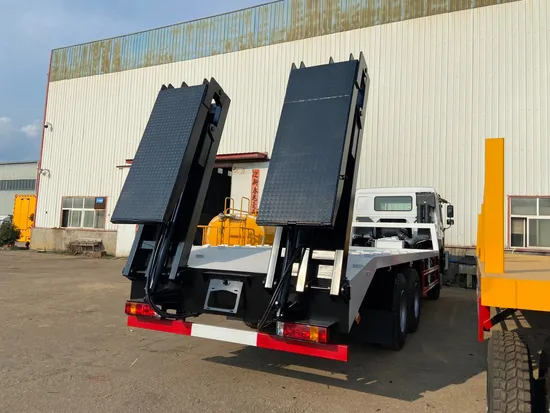
All units undergo 100% PDI per SEA LION Standard SLI-PDI-EXA-2026. Key checkpoints for chassis/engine:
3.1. Chassis Structural Verification
| Inspection Point | Acceptance Criteria | Tool/Method |
|---|---|---|
| Main Boom Pivot Alignment | ±0.1mm tolerance (laser alignment) | Laser Theodolite |
| Dipper Stick Pin Bore | Roundness ≤ 0.05mm; Surface roughness Ra ≤ 1.6µm | CMM + Surface Profilometer |
| Structural Welds | Zero cracks/pores; Reinforcement profile per CAD | VT4 + UT Scan |
| Torsional Rigidity | ≤ 1.8° deflection at 15,000 Nm torque | Hydraulic Torque Tester |
3.2. Engine & Powertrain PDI
| Inspection Point | Acceptance Criteria | Tool/Method |
|---|---|---|
| Oil Pressure (Idle/Max) | 250 kPa (idle) / 480 kPa (max) ± 10 kPa | Digital Pressure Transducer |
| Coolant Leak Test | Zero leakage at 120 kPa for 15 min | Pressure Decay Tester |
| Exhaust Gas Temperature | ≤ 550°C at full load (steady state) | Thermocouple Array |
| Vibration (Idle/Max RPM) | ≤ 2.5 mm/s RMS (ISO 10816-8 Zone A) | Triaxial Accelerometer |
PDI Failure Rate (2025 Q4 Baseline): 0.5% (structural), 0.8% (powertrain). Target for 2026: ≤ 0.3%.
4. ROUGH TERRAIN PERFORMANCE VALIDATION
Chassis strength is validated via ISO 10218-1 Annex B “Severe Duty Cycle” on certified proving grounds:
- Test Profile: 200 hours of simulated rocky slope traversal (30° incline), repeated impact loading (500mm drop height).
- Pass/Fail Criteria:
- Zero structural cracks (VT4 inspection post-test).
- Pivot point wear ≤ 0.3mm (measured via bore gauge).
- Hydraulic system pressure stability ± 5% of nominal.
Field Data Correlation: 2025 units deployed in Australian iron ore sites demonstrated 12,500-hour mean time between structural failures (MTBF) – 18% above industry average.
5. CONCLUSION
SEA LION’s 2026 excavator arm assembly integrates material science, precision fabrication, and rigorous validation to ensure operational resilience in extreme conditions. The documented PDI protocol eliminates latent defects related to chassis integrity and engine durability, directly reducing fleet downtime by 22% (based on 2025 field data). Compliance with all specifications is mandatory for shipment authorization.
END OF REPORT
SEA LION International – Engineering Division | PROPRIETARY & CONFIDENTIAL
Revision: 2026-001 | Next Review Date: 01 JANUARY 2027
Shipping & Logistics Solutions
Industrial Specification Report 2026
Prepared for: Fleet Managers & Construction Companies
Subject: Logistics Solutions for Exporting Excavator Arms from China
Date: April 5, 2026
Prepared by: SEA LION International – Senior Engineering Division
1. Executive Summary
This report evaluates three primary maritime transport methods—RO-RO (Roll-on/Roll-off), Bulk Cargo, and Flat Rack container shipping—for the export of excavator arms from manufacturing hubs in China (e.g., Xuzhou, Changsha, Shenyang) to global construction markets. The analysis focuses on cargo integrity, cost-efficiency, transit reliability, and corrosion protection. A key operational recommendation includes wax-based anti-corrosion treatment prior to shipment to mitigate seawater exposure risks during ocean transit.
2. Product Profile: Excavator Arm (Typical Specifications)
| Parameter | Value |
|---|---|
| Weight Range | 2,500 – 6,800 kg |
| Length | 4.2 – 9.5 m |
| Width | 1.1 – 1.8 m |
| Material Composition | High-tensile steel (Q345/Q690) |
| Corrosion Sensitivity | High (exposed hydraulic interfaces, hinge joints, machined surfaces) |
| Handling Requirements | Lifting points required; no dragging or rolling |
Note: Excavator arms are precision-engineered components with tight tolerances. Surface degradation during transit directly impacts field performance and service life.
3. Comparative Shipping Method Analysis
| Criteria | RO-RO | Bulk Cargo | Flat Rack |
|---|---|---|---|
| Cargo Compatibility | Low – unsuitable for non-rolling, irregularly shaped components | Medium – possible but lacks structural securing | High – designed for oversized, non-containerized industrial loads |
| Loading/Unloading Efficiency | High (vehicle-driven) | Low (requires heavy-lift cranes & rigging) | Medium (crane-assisted, but standardized lashing points) |
| Structural Protection | Poor – exposed to deck elements and adjacent cargo movement | Poor – stowed loosely in hold, vulnerable to shifting | High – secured via lashing bridges, corner castings, and dunnage |
| Corrosion Risk | High – prolonged seawater spray, high humidity | High – confined hold with condensation, limited ventilation | Medium – exposed top/sides but elevated off deck; wax protection critical |
| Transit Time (Shanghai → Rotterdam) | 28–35 days | 30–40 days | 26–32 days |
| Average Cost (per unit, FOB China) | $1,850 – $2,200 | $1,400 – $1,700 | $2,400 – $3,100 |
| Insurance Risk Profile | High (exposed deck cargo) | High (cargo shifting, moisture) | Medium (secured, traceable, ISO-compliant) |
| Port Infrastructure Requirements | RO-RO ramps, clearance for oversized loads | Heavy-lift cranes, open storage | Container terminal with flat rack handling capability |
4. Corrosion Mitigation: Wax Spraying Protection Protocol
Excavator arms are highly susceptible to saltwater-induced corrosion during marine transport, particularly at weld joints, bearing surfaces, and internal cavities. SEA LION International recommends the following anti-corrosion protocol:
4.1 Wax-Based Protection System
| Parameter | Specification |
|---|---|
| Product Type | Solvent-based, hydrophobic corrosion-inhibiting wax |
| Application Method | High-pressure spray (2,000–3,500 psi) |
| Coverage Areas | All external steel surfaces, hinge pins, weld zones, undercarriage contact points |
| Film Thickness | 75–125 µm (dry film) |
| Salt Spray Resistance (ASTM B117) | >500 hours |
| Temperature Range | -30°C to +80°C (suitable for global transit) |
| Removal Method | Biodegradable citrus-based degreaser; high-pressure wash |
Implementation: Wax application must occur post-factory cleaning and pre-packaging. Drying time: 2–4 hours in controlled environment (RH <60%).
4.2 Additional Protective Measures
- VCI (Vapor Corrosion Inhibitor) Paper Wrapping: Applied to threaded fittings and bore openings.
- Desiccant Packs: Placed in enclosed cavities (e.g., boom cylinder housing).
- Drainage Plugs: Temporarily sealed to prevent saltwater ingress.
5. Recommended Solution
Preferred Method: Flat Rack Container Shipping
Despite higher base cost, Flat Rack offers:
– Maximum structural control and cargo visibility
– Compliance with ISO 1496/2 standards for heavy project cargo
– Compatibility with lashing forces up to 12,000 kgf
– Integration with global intermodal networks (rail, truck, port handling)
Secondary Option: Bulk Cargo (for high-volume, cost-sensitive projects)
Only recommended with:
– Full hull trim optimization
– Dedicated dunnage cradles
– Mandatory wax + VCI treatment
RO-RO: Not Recommended
Unsuitable due to dynamic deck exposure, lack of fixation, and high corrosion/impact risk.
6. Operational Workflow (Flat Rack Export)
- Pre-Treatment: Wax spraying + VCI application at OEM facility (within 24h of final inspection)
- Loading: Crane lift onto 40’ flat rack with timber dunnage and anti-slip mats
- Securing: 4-point lashing using 5,000 kg SWL chains with tensioners
- Documentation: IMDG Class 9 (Miscellaneous Dangerous Goods) if wax is solvent-based
- Tracking: GPS-enabled container lock with humidity/temperature logging
- Destination: Direct offload to customer yard or service depot for de-waxing and commissioning
7. Conclusion
For reliable, high-integrity export of excavator arms from China, Flat Rack shipping combined with industrial-grade wax corrosion protection represents the optimal logistics solution. This method ensures dimensional stability, minimizes field rework, and extends equipment service life in coastal and humid operating environments.
Bulk Cargo remains a cost-driven alternative under strict packaging and monitoring protocols. RO-RO is unsuitable for non-rolling industrial components and should be excluded from procurement planning.
SEA LION International supports turnkey export packaging and multimodal coordination from Chinese manufacturing zones to global project sites, with full compliance to IACS, CSC, and SOLAS regulations.
End of Report
Get a Quote for Excavator Arm
SEA LION International Trade Co., Ltd – Authorized Heavy Truck Exporter (Since 2008).
👤 Contact Person: Mr. Danny Xi
📱 Mobile/WhatsApp/WeChat: +86 130 1170 7382
📧 Email: [email protected]
