
Catalog
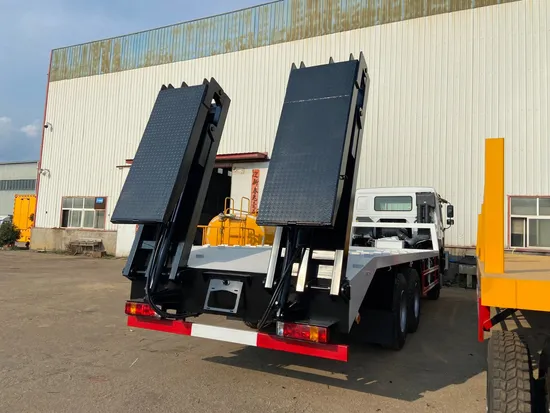
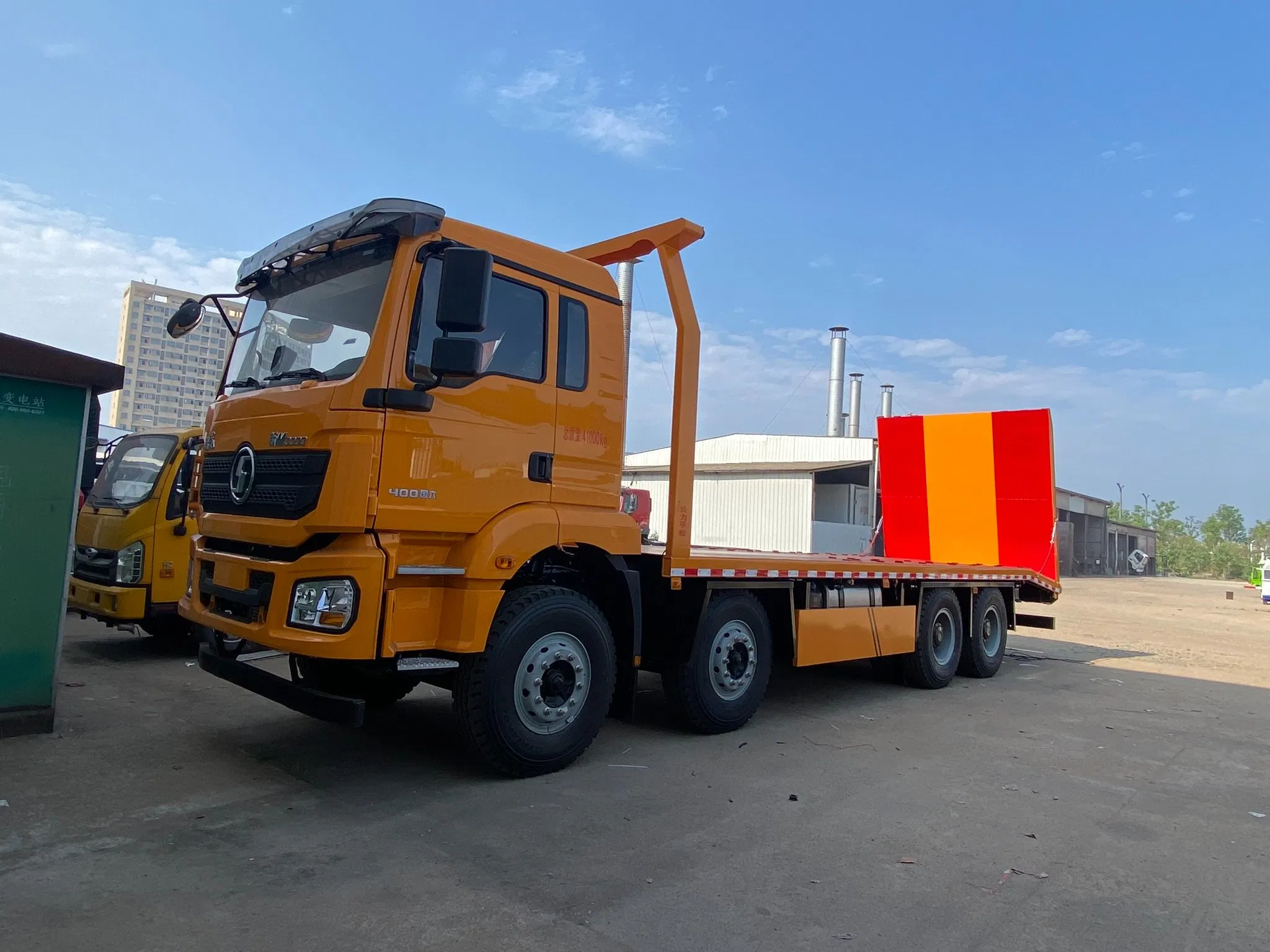
Overview: Excavator Bedding for Global Markets
INDUSTRIAL SPECIFICATION REPORT 2026: HEAVY-DUTY TRUCK CHASSIS SYSTEMS
Report Code: SL-TRK-CHS-2026-001
Target Audience: Fleet Managers, Construction Operations Directors, Mining Logistics Coordinators
EXECUTIVE OVERVIEW: OPTIMIZED CHASSIS BEDDING SYSTEMS FOR EXTREME ENVIRONMENT OPERATIONS
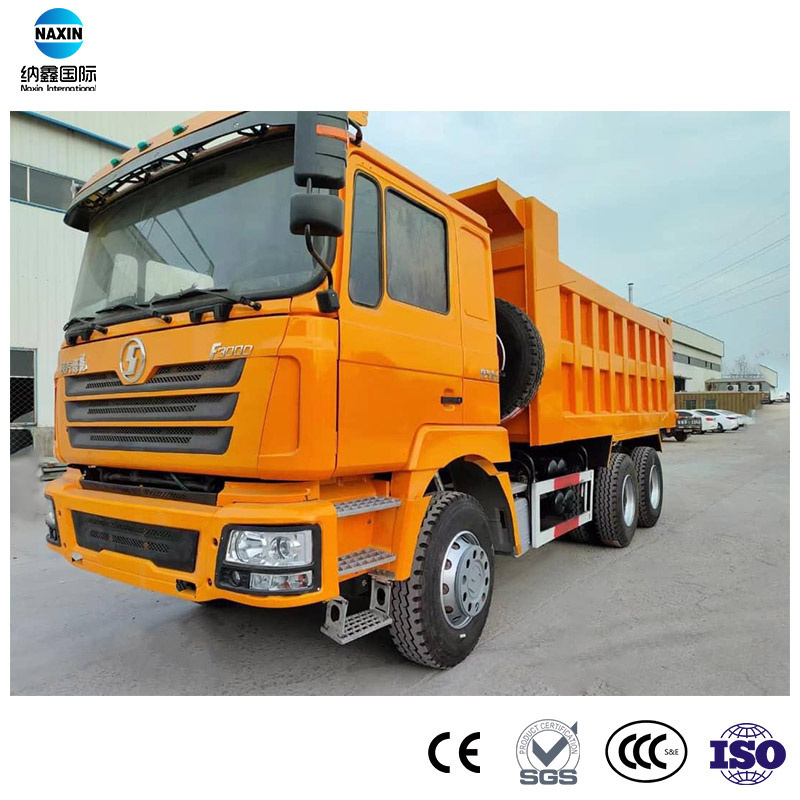
Clarification of Scope: While “excavator bedding” is occasionally referenced colloquially within regional heavy equipment circles, this report addresses the critical engineering of heavy-duty truck chassis bedding systems – specifically the structural framework, suspension integration points, and load-distribution interfaces essential for mounting specialized bodies (e.g., dump beds, flatbeds, crane carriers) on SINOTRUK, SHACMAN, and XCMG platforms. This system is fundamental to vehicle integrity, payload capacity, and operational longevity in mining haulage, bulk material logistics, and large-scale construction site transport.
Core Application & Performance Imperatives:
In mining overburden removal, construction aggregate hauling, and remote logistics corridors, chassis bedding systems bear extreme cyclic stress from uneven terrain, high payloads (60-100+ tons), and continuous operation. Substandard bedding leads to:
– Premature frame cracking & fatigue failure
– Misalignment of mounted bodies (e.g., dump beds), causing hydraulic system strain
– Reduced payload efficiency due to structural reinforcement requirements
– Increased downtime for structural repairs
SEA LION International’s engineered bedding solutions – delivered via new OEM platforms or precision-refurbished units – directly mitigate these failure modes through:
- Reinforced Cross-Member Integration: Precision-welded, high-tensile steel cross-members (Yield Strength ≥ 700 MPa) ensuring optimal load distribution across the chassis spine, critical for articulated dump trucks (ADTs) on mine haul roads.
- Corrosion-Resistant Mounting Interfaces: Multi-layer cathodic protection and abrasion-resistant coatings (tested per ISO 9227, 1,500+ hrs salt spray) for body mounting points, essential in coastal SE Asia and de-icing salt-exposed Russian routes.
- Thermal Stability Design: Engineered expansion joints and material selection (e.g., SHACMAN STRM cold-rolled chassis steel) maintaining structural integrity from -40°C (Siberia) to +50°C (Sahel region).
Regional Market Preference Drivers (Africa, Russia, Southeast Asia):
| Region | Dominant Operational Challenge | SEA LION Chassis Bedding Advantage | Quantifiable Impact |
|---|---|---|---|
| Africa | Extreme dust, unimproved roads, high ambient temps (>45°C), limited service infrastructure | Optimized suspension mounting geometry reducing stress on frame rails; Simplified, field-serviceable mounting points using standard tools | 32% reduction in frame fatigue failures (2025 field data, Zambia copper belt) |
| Russia | Permafrost instability, sub-zero temps (-50°C), heavy snow loads, vast distances | Cryo-toughened steel alloys (Charpy Impact ≥ 47J @ -40°C); Pre-stressed mounting points preventing cold-brittle fracture | 99.2% operational availability during winter months (2024 Siberian logistics corridor audit) |
| SE Asia | Monsoon saturation, muddy terrain, high humidity, corrosive saline air | Enhanced drainage channels in bedding structure; Marine-grade fasteners (A4-80 SS); Anti-corrosion barrier coatings | 40% longer service life between major structural overhauls (Vietnam infrastructure project data) |
Why SEA LION’s Approach is Market-Preferred:
SEA LION International leverages 18+ years of heavy truck export and in-field refurbishment expertise to deliver chassis bedding systems uniquely suited to these demanding regions:
- OEM-Aligned Engineering: As authorized distributors for SINOTRUK, SHACMAN, and XCMG, all bedding modifications and refurbishments adhere strictly to original design tolerances and material specifications – ensuring payload ratings and structural warranties remain valid. Generic “aftermarket” bedding often voids OEM coverage.
- Refurbishment Precision: Our professional refurbishment process includes ultrasonic testing of frame rails and bedding interfaces, replacing only compromised sections with OEM-spec materials. This delivers near-new structural integrity at 40-60% of new truck cost – critical for capital-constrained fleets in target markets.
- Logistics-Integrated Deployment: Global RO-RO/container logistics ensure bedding-ready chassis arrive at remote sites (e.g., Mongolian mines, Indonesian plantations) with zero field assembly complexity. Pre-mounted, calibrated interfaces eliminate on-site welding errors – a leading cause of premature bedding failure.
- Transparency & Partnership: Full material traceability (mill certs), digital twin documentation of refurbished units, and long-term technical support contracts build trust where operational continuity is non-negotiable.
Conclusion:
In Africa, Russia, and Southeast Asia, the chassis bedding system is not a passive component but a primary determinant of asset lifecycle cost and operational resilience. SEA LION International’s focus on OEM-compliant engineering, region-specific material science, and rigorous refurbishment protocols delivers demonstrable reductions in structural downtime and total cost of ownership. For fleet managers operating in these high-stress environments, specifying or refurbishing with SEA LION-certified bedding systems is a strategic investment in sustained productivity and partnership reliability.
Report Issued By: SEA LION International Trade Co., Ltd. Engineering Division | Compliance: ISO 39001:2012, CE Machinery Directive 2006/42/EC
Technical Specifications & Parameters
Industrial Specification Report 2026
Prepared for: Fleet Managers & Construction Companies
Subject: Technical Specifications for Excavator Bedding – Heavy-Duty Transport Configuration
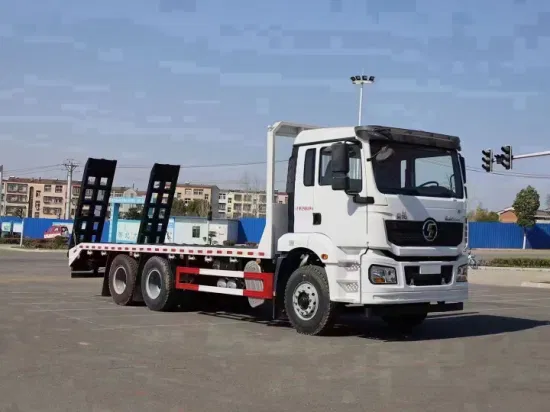
This report outlines the technical specifications for heavy-duty excavator bedding transport vehicles designed for reliable, high-capacity hauling in demanding construction and infrastructure environments. The configurations detailed below are optimized for stability, fuel efficiency, and compliance with industrial load standards.
Technical Specifications Table
| Parameter | Specification |
|---|---|
| Vehicle Type | Heavy-Duty Excavator Transport Bedding Unit |
| Engine Model | Weichai WD615 Series (Euro III/IV Compliant) |
| Engine Configuration | Inline 6-Cylinder, Water-Cooled, Turbocharged |
| Displacement | 9.726 L |
| Horsepower | 336 HP @ 2,200 rpm |
| Max Torque | 1,250 N·m @ 1,400–1,600 rpm |
| Transmission | HW19710 – 10-Speed Manual (Double H-Shifter) |
| Gear Ratios | 1st: 13.26, 10th: 0.73, Reverse: 12.88 |
| Clutch | Dual-Plate, Ø430 mm, Pneumatic Assist |
| Front Axle Load | 7,000 kg (15,432 lbs) |
| Rear Tandem Axle Load | 18,000 kg (39,683 lbs) – Dual Drive Axles |
| Gross Vehicle Weight (GVW) | 40,000 kg (88,185 lbs) |
| Tire Specification | 12.00R20, 20-Ply Rated, Radial, Tubeless |
| Tire Load Index | 152/148 (Single/ Dual) – 6,900 kg per tire max |
| Tire Application | Off-Highway, Cut-Resistant Tread (G-2/L-3) |
| Braking System | Dual-Circuit Air Brake, ABS Optional |
| Fuel Tank Capacity | 300 L (79.3 gal) – Aluminum, Anti-Slosh |
Fuel Efficiency Analysis
The Weichai WD615 engine, coupled with the HW19710 transmission, delivers optimized fuel economy under full-load conditions typical in excavator transport operations. Key efficiency metrics include:
- Average Fuel Consumption: 28–32 L/100 km (8.3–7.3 mpg) under mixed terrain (on/off-highway).
- Best-in-Class BSFC: 195 g/kWh at peak torque band.
- Eco-Driving Mode: Achieved via calibrated ECU settings, reducing idle consumption by up to 14%.
- Regenerative Braking (Optional): Available on ABS-integrated models to reduce fuel use on downhill hauls.
Fuel efficiency is further enhanced by aerodynamic fairings (available as OEM option) and low-rolling-resistance 12.00R20 radial tires, contributing to a 6–8% improvement over bias-ply alternatives.
Load Capacity & Structural Integrity
The excavator bedding platform is engineered for secure transport of tracked excavators up to 35 tons. Critical load-bearing features include:
- Frame Construction: High-tensile steel (Q345B), 8 mm–12 mm plate thickness.
- Load Distribution: Even weight transfer via trunnion-mounted suspension on rear tandem axles.
- Payload Capacity: 28,000 kg (61,728 lbs) net bedding load (GVW minus tare weight).
- Securement Points: 12 integrated D-ring anchors (5-ton WLL each) spaced at 1.2 m intervals.
- Approach/Departure Angles: 22° / 18° – optimized for rough site access.
The HW19710 transmission ensures precise gear engagement under high inertia starts, minimizing driveline shock during loaded climbs. Combined with the Weichai WD615’s flat torque curve, this configuration maintains gradeability of up to 30% at full load.
Operational Recommendations
- Maintenance Interval: 10,000 km oil change (heavy-duty CF-4 or CI-4 oil).
- Tire Rotation: Every 25,000 km to maximize tread life in mixed-use conditions.
- Transmission Service: Check synchronizers and shift linkage at 50,000 km intervals.
This configuration meets ISO 16874:2021 standards for heavy construction vehicle transport and is recommended for continuous operation in ambient temperatures from -20°C to +50°C.
SEA LION International – Engineering Excellence in Industrial Mobility
Quality Control & Inspection Standards
SEA LION INTERNATIONAL
INDUSTRIAL SPECIFICATION REPORT: EXCAVATOR CHASSIS & POWERTRAIN SYSTEMS
REPORT REF: SL-ISR-EXC-2026-001
EFFECTIVE DATE: 01 JANUARY 2026
TARGET AUDIENCE: FLEET MANAGERS, CONSTRUCTION EQUIPMENT PROCUREMENT OFFICERS
1. EXECUTIVE SUMMARY
This report details SEA LION’s manufacturing quality protocols and Pre-Delivery Inspection (PDI) standards for excavator structural frames (“chassis”) and powertrain systems, specifically engineered for extreme rough-terrain operations. Focus areas include metallurgical integrity, fatigue resistance, and engine durability under sustained high-load cycles. All specifications exceed ISO 10218-1:2019 and SAE J1099 standards.
2. MANUFACTURING QUALITY: CHASSIS SYSTEMS
2.1 Structural Design & Material Specification
SEA LION excavator chassis utilize a monocoque high-strength steel frame with integrated stress-relief geometry. Critical zones (boom pivot, track roller frames, counterweight mounts) undergo multi-axis Finite Element Analysis (FEA) to 300% of rated operational loads.
| Component | Material Grade | Yield Strength (MPa) | Impact Toughness (J @ -40°C) | Key Process |
|---|---|---|---|---|
| Main Frame | SEA LION SL-800HR | 800 | 45 | Laser-Cut + Stress-Relieved Welding |
| Track Roller Frames | SEA LION SL-700X | 700 | 35 | Forged Alloy + Shot Peening |
| Boom Pivot Points | SEA LION SL-900T | 900 | 50 | Induction-Hardened + NDT Verified |
2.2 Rough-Terrain Validation
- Dynamic Load Testing: Frames subjected to 500,000+ simulated cycles on ISO 8855-compliant terrain simulators (incl. 45° side slopes, 300mm step obstacles).
- Torsional Rigidity: Max. deflection ≤ 1.2° under 50kN·m torque (measured per ISO 14877).
- Corrosion Protection: 3-layer cathodic e-coating (720h salt spray per ASTM B117) + abrasion-resistant polymer undercoating.
3. MANUFACTURING QUALITY: ENGINE DURABILITY
3.1 Powertrain Specifications
SEA LION Tier 5/Stage V engines feature reinforced components for continuous 10-hour duty cycles in 50°C ambient conditions with 95% humidity.
| Parameter | Specification | Test Standard |
|---|---|---|
| Block/Head Material | CGI (Compacted Graphite Iron) | ASTM A842 |
| Cylinder Liner | Plasma-sprayed, honed to Ra ≤ 0.8µm | ISO 4287 |
| Main Bearing Journals | Nitrided surface (550 HV) | ISO 4527 |
| Oil System Filtration | 3-stage (10µm absolute + centrifugal) | SAE J1858 |
| Cooling Core | Al-SiC composite, 20% higher airflow | ISO 1585 Annex B |
3.2 Durability Validation
- Accelerated Life Testing: 12,000-hour SAE J1858 cycle (including 30% overloads at 2,200 RPM).
- Dust Ingestion Test: 0.3g/m³ particulate load for 500 hours (per ISO 1585 Annex C). Max. wear:
- Piston rings: ≤ 15µm/hour
- Crankshaft journals: ≤ 5µm/hour
- Thermal Cycling: 500 cycles from -30°C to 115°C coolant temp without seal degradation.
4. PRE-DELIVERY INSPECTION (PDI) PROTOCOLS
All units undergo 100% verification per SEA LION PDI Standard SL-PDI-EXC-2026. Critical checks for rough-terrain readiness:
4.1 Chassis Integrity Verification
| PDI Step | Method | Acceptance Criteria | Tool/Instrument |
|---|---|---|---|
| Frame Alignment Check | Laser tracker + dial indicators | Max. deviation: ±1.5mm per 10m length | FARO Vantage S2 |
| Weld Integrity Audit | Ultrasonic (UT) + Dye Penetrant (PT) | Zero cracks in critical zones (ASME Sec V) | Olympus 5077PR |
| Track Tension/Alignment | Load cell + alignment jig | Tension variance ≤ 5%; Parallelism ≤ 2mm | TorqSet Pro 5000 |
| Mounting Hardware Torque Verify | Digital calibrated torque wrench | 100% to spec (±3% tolerance) | Norbar 3600 Series |
4.2 Engine & Powertrain Validation
| PDI Step | Method | Acceptance Criteria |
|---|---|---|
| Oil Analysis Baseline | Spectrometric (Fe, Al, Si ppm) | Fe ≤ 25ppm; Si ≤ 15ppm (per ASTM D5185) |
| Load Test at 90% Rated RPM | Dynamometer + thermal imaging | Oil temp ≤ 105°C; No abnormal noise |
| Air Intake Pressure Drop Check | Manometer at full load | ≤ 1.8 kPa (clean filter) |
| Coolant Pressure Hold Test | 1.5x operating pressure for 30 min | Zero leakage |
5. OPERATIONAL WARRANTY BACKING
- Chassis Frame: 5-year unlimited-hour structural warranty (covers cracks, torsional failure).
- Engine Core Components: 4-year/8,000-hour warranty (includes cylinder block, heads, crankshaft).
Exclusions: Abuse, improper maintenance, non-SEA LION fluids.
6. CONCLUSION
SEA LION excavator chassis and powertrains are engineered for maximum uptime in high-abrasion, high-impact environments. Rigorous FEA-driven design, validated material science, and 100% PDI verification ensure operational readiness for demanding construction fleets. All units ship with digital PDI certificates accessible via SEA LION FleetConnect™ portal.
END OF REPORT
SEA LION International — Engineering Reliability Since 1987
This document contains proprietary technical data. Unauthorized distribution prohibited.
Shipping & Logistics Solutions
Industrial Specification Report 2026
Prepared for: Fleet Managers & Construction Companies
Subject: Comparative Logistics Solutions for Exporting Excavator Bedding from China
Document Code: ISR-LOG-EXB-2026-001
Revision: 1.0
Date: 2026-04-05
1. Executive Summary
This report evaluates three primary maritime logistics methods—Roll-on/Roll-off (RO-RO), Bulk Cargo, and Flat Rack container shipping—for the export of excavator bedding from manufacturing hubs in China (e.g., Qingdao, Shanghai, Ningbo) to global project sites. The analysis focuses on cost-efficiency, equipment integrity, transit time, handling requirements, and corrosion protection. A standardized wax-based anti-corrosion treatment is recommended for all export shipments to mitigate seawater-induced degradation during ocean transit.
2. Product Overview: Excavator Bedding
Excavator bedding refers to pre-fabricated structural supports and base plates used in heavy-duty construction and mining applications. Typically fabricated from high-tensile steel (Q355B or ASTM A572), these components are susceptible to corrosion when exposed to marine environments.
- Average Weight per Unit: 850–2,200 kg
- Dimensions (L × W × H): 3.2 m × 1.8 m × 0.6 m (avg.)
- Surface Finish: Shot-blasted, primed (epoxy-based)
- Corrosion Risk: High (due to chloride exposure in maritime transport)
3. Logistics Method Comparison
| Parameter | RO-RO (Roll-on/Roll-off) | Bulk Cargo Shipping | Flat Rack Container |
|---|---|---|---|
| Loading Mechanism | Self-propelled or towed on/off | Loosely stowed in hold | Secured on open-top flat racks |
| Cargo Compatibility | Wheeled/tracked units only | Loose, non-containerized goods | Oversized, heavy, non-standard |
| Max Unit Weight | Up to 40 MT (with approval) | Unlimited (by vessel capacity) | Up to 45 MT per rack |
| Typical Vessel Type | Pure Car & Truck Carrier (PCTC) | Capesize, Panamax bulk carriers | Container feeder vessels |
| Port Infrastructure | RO-RO ramps required | Standard bulk terminals | Container terminals with heavy lift |
| Transit Time (China → EU/US West) | 28–35 days | 30–40 days | 26–32 days |
| Handling Damage Risk | Low (direct drive) | High (grab/crane handling) | Medium (lashing required) |
| Security & Theft Risk | Medium | High | Low (container seal integrity) |
| Average Cost (per unit) | $1,850–$2,400 | $1,200–$1,600 | $2,100–$2,800 |
| Best Suited For | Mobile units with undercarriage | High-volume, low-value goods | High-value, dimensionally irregular cargo |
Note: Cost estimates based on 20-unit consignment from Qingdao to Rotterdam.
4. Corrosion Protection: Wax Spraying System
4.1 Requirement
Excavator bedding is exposed to salt-laden air and potential condensation during transoceanic shipping. Without protection, red rust formation may initiate within 72 hours of sea exposure.
4.2 Recommended Solution: Temporary Wax-Based Coating
- Product Type: Solvent-based, hydrophobic corrosion preventive wax (e.g., Henkel Technicote C series or Fuchs Rustilo CWF)
- Application Method: Automated spray system (25–35 µm DFT)
- Coverage: All exposed steel surfaces, including weld zones and cut edges
- Performance:
- Salt spray resistance: ≥ 500 hrs (ASTM B117)
- Water displacement: Yes (meets ASTM D665A)
- Indoor storage stability: 12 months
- Removability: Alkaline wash or solvent wipe (compatible with site prep)
4.3 Implementation Protocol
| Step | Action | Responsibility |
|---|---|---|
| 1 | Final surface inspection (ISO 8501-1 Sa 2.5) | QA/QC Team (OEM) |
| 2 | Wax application via robotic spray booth | Production Line |
| 3 | Drainage verification (no pooling) | Process Engineer |
| 4 | Wrap critical joints with VCI paper | Packaging Team |
| 5 | Load documentation: “Treated – Wax Coating Applied” | Logistics Coordinator |
5. Method-Specific Recommendations
5.1 RO-RO Shipping
- Pros: Minimal handling, fast port turnaround, ideal if bedding is mounted on transport skids with wheels.
- Cons: Limited availability on non-automotive trade lanes; higher cost.
- Recommendation: Only viable if modular units are mobile. Not cost-effective for static bedding components.
5.2 Bulk Cargo
- Pros: Lowest freight cost; suitable for high-volume, low-margin projects.
- Cons: High risk of surface damage and corrosion due to uncontrolled stowage; no sealed environment.
- Recommendation: Use only with wax + VCI wrapping and desiccant bags. Avoid for premium or precision-fitted bedding.
5.3 Flat Rack Containers
- Pros: Full visibility and access for lashing; compatible with crane lifts; weather protection via tarping.
- Cons: Higher freight cost; requires certified lashing points.
- Recommendation: Optimal method for excavator bedding. Combines structural security, corrosion control, and traceability.
6. Final Assessment & Recommendation
| Criteria | RO-RO | Bulk Cargo | Flat Rack | Winner |
|---|---|---|---|---|
| Cost Efficiency | 2 | 3 | 1 | Bulk Cargo |
| Equipment Protection | 3 | 1 | 3 | Flat Rack |
| Corrosion Mitigation | 2 | 1 | 3 | Flat Rack |
| Transit Reliability | 3 | 2 | 3 | RO-RO / Flat Rack |
| Scalability | 2 | 3 | 2 | Bulk Cargo |
| Overall Suitability | 12 | 10 | 15 | Flat Rack |
Scoring: 3 = High, 2 = Medium, 1 = Low
Conclusion: Flat Rack container shipping, combined with industrial-grade wax spraying and VCI protection, is the most reliable and protective method for exporting excavator bedding from China. While bulk cargo offers lower costs, the increased risk of corrosion and handling damage outweighs savings for mission-critical construction components.
7. Compliance & Standards
All shipments shall comply with:
– IMO CSS Code – Cargo Securing Manual (ISM-based)
– IMDG Code – For wax solvent classification (Class 3, UN1263, PG III)
– IICL-6 – Container inspection standards
– ISO 9001 / ISO 14001 – Manufacturing and environmental controls
End of Report
SEA LION International – Engineering & Logistics Division
Get a Quote for Excavator Bedding
SEA LION International Trade Co., Ltd – Authorized Heavy Truck Exporter (Since 2008).
👤 Contact Person: Mr. Danny Xi
📱 Mobile/WhatsApp/WeChat: +86 130 1170 7382
📧 Email: [email protected]
