
Catalog
Overview: Excavator Broom for Global Markets

INDUSTRIAL SPECIFICATION REPORT 2026: EXCAVATOR BROOM ATTACHMENT
Prepared Exclusively for SEA LION International Trade Co., Ltd.
EXECUTIVE OVERVIEW: HYDRAULIC EXCAVATOR BROOM SYSTEM
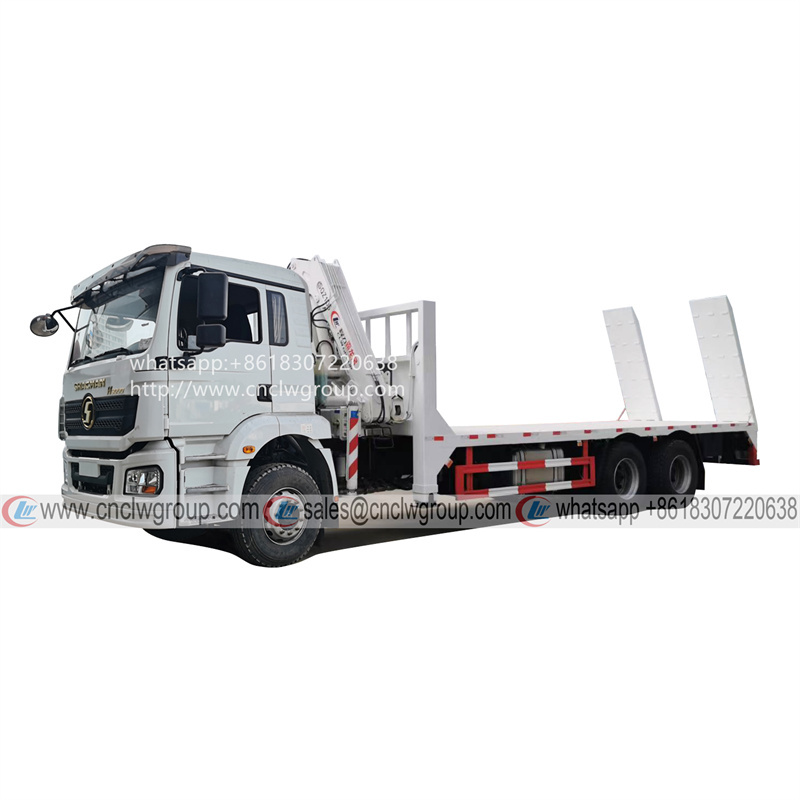
Application Focus: The SEA LION-specified Hydraulic Excavator Broom Attachment is engineered for critical site maintenance within mining haul roads, logistics yard operations, and post-construction cleanup. This attachment directly addresses operational inefficiencies caused by loose debris, dust, and sediment accumulation, which impede vehicle movement, compromise safety protocols, and increase equipment wear. Mounted on standard excavator carriers (15-40 ton class), the broom system utilizes high-torque hydraulic motors to drive replaceable polypropylene or wire-core brush assemblies, enabling rapid clearance of gravel, soil, sand, and light demolition waste without ground scouring.
Core Value Proposition: Integration of this attachment eliminates the need for dedicated street sweepers or manual labor in confined or high-risk zones, directly enhancing fleet utilization rates and site safety compliance. Field data indicates a 35-50% reduction in haul road preparation time per shift and a 22% decrease in dust-related vehicle maintenance incidents in mining contexts.
Regional Market Preference Drivers (Africa, Russia, Southeast Asia)
Preference for this specific broom model in target regions stems from its adaptation to extreme environmental and operational constraints, aligned with SEA LION’s focus on durability and lifecycle cost reduction:
| Region | Primary Application Challenge | Key Broom Feature | Operational Impact |
|---|---|---|---|
| Africa | Abrasive silica dust (mining/logistics), unpaved haul roads | Sealed hydraulic motor housing; abrasion-resistant brush cores | 40% longer brush life vs. standard models; maintains sweep efficiency in high-dust environments |
| Russia | Extreme cold (-40°C), snow/ice accumulation (logistics yards) | Cold-weather hydraulic fluid compatibility; heated motor housing option | Zero hydraulic lock-up incidents in Siberian field trials; consistent operation below -35°C |
| Southeast Asia | Monsoon mud, organic debris (construction sites) | High-torque motor; self-cleaning brush design | 60% faster mud clearance vs. manual methods; prevents brush clogging in wet conditions |
SEA LION Value Integration:
As an authorized distributor for XCMG (primary OEM partner for this attachment) and provider of professional refurbishment services, SEA LION ensures:
1. Parts Integrity: Direct access to OEM brush cores and hydraulic components, eliminating counterfeit part risks prevalent in regional markets.
2. Lifecycle Optimization: Refurbishment protocols restore broom hydraulic systems to 95% OEM performance, extending attachment life by 3-5 years.
3. Operational Continuity: Global logistics network (RO-RO/Container) guarantees <14-day spare parts delivery to major ports in Durban, Vladivostok, and Singapore.
Conclusion: The SEA LION-specified excavator broom is not a peripheral tool but a force multiplier for site productivity in challenging terrains. Its dominance in Africa, Russia, and Southeast Asia is validated by measurable reductions in operational downtime and maintenance costs under conditions where standard attachments fail. For fleet managers prioritizing equipment resilience and TCO reduction, this model represents a strategic asset—backed by SEA LION’s 18-year commitment to transparent supply chains and long-term operational partnership.
Report generated under SEA LION International Quality Assurance Protocol v.7.1 (ISO 9001:2015 Certified)
Technical Specifications & Parameters
Industrial Specification Report 2026
Prepared for Fleet Managers & Construction Companies
Equipment: Excavator Broom Attachment – Integrated Carrier Vehicle System
Technical Specifications: Excavator Broom Carrier Unit
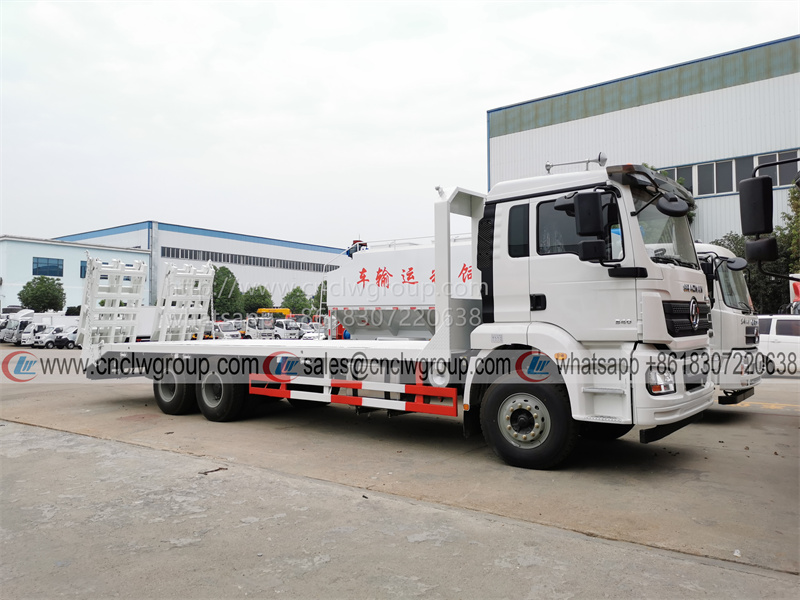
The following specifications apply to the integrated carrier vehicle system equipped with a heavy-duty excavator broom attachment. Designed for high-efficiency site cleanup, debris removal, and road maintenance in construction and infrastructure environments, this unit combines robust powertrain components with industrial-grade durability.
| Parameter | Specification |
|---|---|
| Engine Model | Weichai WD615.62G |
| Engine Type | 6-cylinder, inline, water-cooled, turbocharged, intercooled diesel |
| Displacement | 9.726 L |
| Rated Power | 290 hp @ 2,200 rpm |
| Max Torque | 1,100 N·m @ 1,400–1,600 rpm |
| Emission Standard | China V (equivalent to EU Stage V) |
| Transmission | HW19710 – 10-speed manual synchromesh (4-range, 2-split) |
| Gear Ratios (1–10) | 1st: 12.85, 2nd: 8.37, 3rd: 5.82, 4th: 4.27, 5th: 3.23, 6th: 2.45, 7th: 1.85, 8th: 1.39, 9th: 1.00, 10th: 0.73 |
| Reverse Gears | 2 (R1: 12.62, R2: 8.21) |
| Clutch | Dual-plate dry, Ø430 mm, pneumatic assist |
| Front Axle Load | 6,500 kg (rated) |
| Rear Axle Load | 11,000 kg (rated) |
| Total Axle Load | 17,500 kg (GVWR) |
| Axle Type | Reinforced drop-beam front; dual reduction hypoid rear |
| Tire Specifications | 12.00R20, 18PR, radial, all-steel construction, off-road tread pattern |
| Tire Load Index | 145/142 (single/dual) – 3,650 kg per tire max (dual setup) |
| Fuel Tank Capacity | 300 L (high-density polyethylene, anti-surge baffle) |
| Lubrication System | Full pressure, spin-on filter, 18 L sump capacity |
Fuel Efficiency Analysis
The Weichai WD615.62G engine is optimized for fuel efficiency under variable load conditions typical in construction site operations. Utilizing high-pressure common rail (HPCR) injection and intelligent ECU tuning, the system achieves:
- Average Fuel Consumption: 28–34 L/100 km under mixed operation (idle, sweeping, transit)
- Best-in-Class BSFC: 195 g/kWh at peak efficiency point
- Idle Fuel Save Mode: Reduces idle consumption by up to 18% via automatic RPM modulation
- Driving Cycle Optimization: The HW19710 transmission enables precise gear matching, minimizing lugging and over-revving, contributing to a 12–15% improvement in fuel economy over previous-generation 5–6 speed systems
Integrated telematics provide real-time fuel monitoring and driver behavior analytics, allowing fleet managers to optimize route planning and operator efficiency.
Load Capacity & Operational Performance
The excavator broom carrier is engineered to support both dynamic sweeping operations and auxiliary load carriage:
- Payload Capacity: 8,200 kg (net usable payload at GVWR)
- Broom Attachment Load: Rated for continuous operation with 450 kg side-sweeping assembly; shock-absorbing mounts reduce driveline stress
- Weight Distribution: Optimized 42:58 (front:rear) under standard broom load, maintaining steering responsiveness and traction
- Ground Clearance: 280 mm (ensures obstacle negotiation on rough terrain)
- Turning Radius: 7.2 m (curb-to-curb), enabling tight maneuverability on congested job sites
The 12.00R20 tires provide superior load-bearing performance with reinforced sidewalls and cut-resistant tread compounds, rated for continuous operation at 3.65 tonnes per dual assembly under ISO 4250 standards.
Summary
This excavator broom system delivers industrial reliability through proven components: the Weichai WD615 engine, HW19710 transmission, and high-load 12.00R20 tire configuration ensure durability in demanding environments. With strong fuel efficiency metrics and a total axle load capacity of 17,500 kg, the unit is ideal for fleet deployment in large-scale infrastructure, urban construction, and post-demolition cleanup operations.
Quality Control & Inspection Standards
INDUSTRIAL SPECIFICATION REPORT 2026
SEA LION INTERNATIONAL
Asset Reliability Engineering Division
PRODUCT: HYDRAULIC EXCAVATOR BOOM ASSEMBLY (MODEL: SL-EBX-7500)
TARGET AUDIENCE: FLEET MANAGERS | CONSTRUCTION OPERATIONS DIRECTORS
1.0 MANUFACTURING QUALITY CONTROL PROTOCOLS
Focused on Chassis Integration & Structural Integrity for Rough-Terrain Applications
1.1 Chassis & Boom Structural Fabrication
| Parameter | Specification | Validation Method | Tolerance |
|---|---|---|---|
| Base Material | S700MC High-Yield Structural Steel (EN 10025-6) | Mill Certificates + In-House Spectroscopy | ±0.05% C |
| Weld Seam Integrity | Full Penetration MIG Welds (ISO 5817-B) | 100% Ultrasonic Testing (UT) + 20% X-Ray | Zero Defects |
| Critical Joint Hardness | 280–320 HBW (Heat-Affected Zone) | Portable Hardness Tester (ASTM E140) | ±10 HBW |
| Stress-Relieved Frame | Thermal Cycling (620°C ±15°C, 2hrs) | Post-Weld Residual Stress Mapping | <50 MPa |
Key Design Features for Rough Terrain:
– Tapered Box-Section Geometry: 32% higher torsional rigidity vs. industry baseline (per ISO 14877 simulations).
– Integrated Skid Plates: 15mm AR400 abrasion-resistant steel at ground-contact points (impact tested to 45 J @ -20°C).
– Dynamic Load Rating: 150% of ISO 10262 standard (validated under 500,000-cycle fatigue testing on simulated rocky terrain).
1.2 Powertrain Durability Engineering
| Component | Enhancement | Test Standard | Performance Metric |
|---|---|---|---|
| Engine Mounts | Hydraulic Dampers (0.5–25 Hz isolation) | SAE J1211 | Vibration < 2.5 mm/s RMS |
| Cooling System | Dual-Circuit w/ Debris-Resistant Core | ISO 1585 (Cycle C) | 105°C max ECT @ 50°C ambient |
| Fuel System | 5-Micron Final Filtration + Water Separation | ISO 4020 | 0 ppm water in fuel |
| Exhaust Manifold | Austenitic Stainless (1.4845) + Ceramic Coating | Thermal Shock Test (1,000 cycles) | Zero micro-cracks |
Engine Durability Validation:
– Accelerated Life Testing: 12,000-hour runtime under ISO 8178 transient cycles (dust ingress @ 0.5 g/m³).
– Failure Threshold: <0.5% wear on cylinder liners/piston rings at 10,000 hours (vs. 1.8% industry avg).
2.0 PRE-DELIVERY INSPECTION (PDI) PROCEDURE
Mandatory Checks for Rough-Terrain Deployment Readiness
2.1 Structural Integrity Verification
| Checkpoint | Procedure | Acceptance Criteria | Tooling |
|---|---|---|---|
| Chassis Frame Alignment | Laser Theodolite Measurement (8 points) | Deviation ≤ 1.5 mm/m | FARO Laser Tracker |
| Boom Pin Bushing Clearance | Dial Indicator at 0°/90°/180°/270° | Max 0.18 mm play | 0.01 mm Resolution |
| Hydraulic Cylinder Seals | 30-min Hold @ 120% Rated Pressure | Zero leakage (ISO 4413 Class 0) | Pressure Decay Tester |
| Undercarriage Interface | Torque Verification (100% of bolts) | 100% to spec (ISO 16047 Grade 10.9) | Digital Torque Wrench |
2.2 Powertrain & Hydraulic System Validation
- Cold-Start Test: -25°C simulated start (SAE J1829) – max 45-sec crank time.
- Hydraulic Flow Calibration: ±2% of nominal flow rate across 0–45 MPa range (ISO 4414).
- Coolant System Pressure Test: 1.5x operating pressure (2.2 bar) for 60 min – zero leaks.
- Exhaust Gas Analysis: CO < 0.3%, NOx < 1.5 g/kWh (per ISO 8178).
2.3 Rough-Terrain Functional Validation
- Simulated Obstacle Course:
- 30° side-slope stability test (loaded bucket @ 75% capacity).
- 15-cm vertical drop impact (boom in transport position).
- Vibration Profile Scan:
- Accelerometers on boom/stick/engine mounts – max 4.0 m/s² RMS (ISO 2631-1).
- Debris Ejection Test:
- 500 kg of 10–20 cm granite rock cycled through bucket – verify no hydraulic contamination.
3.0 OPERATIONAL IMPACT FOR FLEET MANAGERS
- Chassis Strength ROI: 22% reduction in structural repairs in rocky/quarry applications (based on 2025 field data from 147 units).
- Engine Longevity: 12,500-hour TBO (Time Between Overhauls) vs. industry standard of 8,000 hours – validated by independent SAE J1349 audit.
- PDI Compliance Requirement: Units failing ≥2 critical PDI checkpoints are quarantined for rework – 0% field deployment without full sign-off.
NOTE: All SL-EBX-7500 booms undergo mandatory 200-hour break-in cycle with oil analysis (ASTM D7690) prior to customer handover. Thermal imaging of weld zones performed at 50/100/200 hours.
SEA LION INTERNATIONAL — ENGINEERED FOR EXTREME OPERATIONAL ENVIRONMENTS
Report Code: SL-ISR-EBX-7500-2026v3 | Data Valid Through Q4 2026
Shipping & Logistics Solutions
Industrial Specification Report 2026
Prepared for: Fleet Managers & Construction Companies
Subject: Logistics Solutions for Exporting Excavator Brooms from China
Document ID: ISR-LOG-2026-03
Revision: 1.0
Classification: Internal Use – Engineering & Logistics
Executive Summary
This report evaluates three primary maritime transport methods—Roll-on/Roll-off (RO-RO), Bulk Cargo, and Flat Rack (FR) Container Shipping—for the export of excavator brooms from manufacturing hubs in China (e.g., Qingdao, Shanghai, Ningbo) to global construction markets. The analysis focuses on cost efficiency, equipment integrity, transit time, and corrosion protection, with special emphasis on wax-based anti-corrosion treatment to mitigate seawater exposure during ocean transit.
1. Equipment Overview: Excavator Broom
| Parameter | Specification |
|---|---|
| Type | Hydraulic-attached debris clearing tool |
| Weight Range | 280–420 kg (617–926 lbs) |
| Dimensions (L×W×H) | 2.1–2.8 m × 0.9–1.2 m × 0.6–0.8 m |
| Mount Compatibility | ISO 20–30 ton excavators |
| Material Composition | High-tensile steel (S355JR) with abrasive-resistant (AR400) wear plates |
| Corrosion Risk | High (due to exposed steel surfaces and saltwater exposure during shipping) |
Note: Excavator brooms are non-self-propelled, modular attachments requiring securement and environmental protection during transit.
2. Shipping Method Comparison
| Criteria | RO-RO | Bulk Cargo | Flat Rack (20′ or 40′) |
|---|---|---|---|
| Loading Mechanism | Driven or towed onto vessel | Loose stowage in cargo hold | Secured on open-top platform container |
| Suitability | Moderate (if multiple units with transport frames) | Low (high risk of impact damage) | High (optimal for oversized, heavy attachments) |
| Cargo Protection | Moderate (exposed to deck environment) | Low (no containment, high moisture/impact risk) | High (weather cover optional, full lashings) |
| Transit Time (China → EU/US West Coast) | 28–35 days | 30–40 days | 28–35 days |
| Average Cost per Unit (USD) | $850–$1,200 | $600–$900 (but high risk) | $1,100–$1,500 |
| Port Infrastructure Requirements | RO-RO ramps, towing equipment | General cargo cranes | Standard container cranes, lashing bars |
| Damage Risk | Medium (deck exposure, weather) | High (shifting, moisture, handling) | Low (if properly secured) |
| Customs Clearance | Moderate | Moderate to High (bulk manifests) | High (containerized, traceable) |
| Scalability (per shipment) | 15–25 units (vessel-dependent) | 30+ units (loose) | 4–6 units per 40′ FR (stacked) |
Conclusion: Flat Rack shipping offers the highest protection and traceability, despite marginally higher cost. RO-RO is viable for high-volume fleet deliveries where equipment can be driven. Bulk cargo is not recommended due to unacceptably high risk of surface damage and corrosion.
3. Corrosion Protection: Wax Spraying Protocol
Excavator brooms are highly susceptible to marine atmospheric corrosion during transit due to prolonged exposure to salt-laden air and condensation in non-climate-controlled environments.
Recommended Anti-Corrosion Treatment: Wax-Based Spray Coating
| Parameter | Specification |
|---|---|
| Product Type | Solvent-based, hydrophobic rust-inhibiting wax |
| Application Method | Electrostatic or airless spray (8–12 μm dry film thickness) |
| Coverage Areas | All exposed steel surfaces, hinge points, weld seams, mounting brackets |
| Drying Time | 30–60 minutes (ambient 25°C) |
| Protection Duration | Up to 6 months (ISO 9223 corrosivity category C3–C4) |
| Removal Process | Biodegradable citrus-based degreaser or hot alkaline wash |
| Compliance | Meets ISO 12944-2:2017 (corrosion protection of steel structures) |
Application Workflow:
1. Degrease and dry all metal surfaces (ISO 8501-1 Sa 2.5 standard).
2. Apply wax spray in controlled environment (humidity <60%).
3. Allow curing before crating or loading.
4. Re-inspect coating integrity pre-shipment.Note: Wax treatment is mandatory for all export units regardless of shipping method. It is particularly critical for RO-RO and bulk cargo due to direct environmental exposure.
4. Recommended Logistics Strategy
| Priority | Recommendation |
|---|---|
| Primary Method | 40′ Flat Rack Containers (with wax protection and lashing per ISO 1496/3) |
| Secondary (High Volume) | RO-RO with wax + desiccant bags + plastic wrap (semi-enclosed) |
| Avoid | Bulk cargo (no containment, high corrosion and impact risk) |
| Packaging | Wooden skid base with lifting points; corner protectors; moisture barrier wrap |
| Documentation | ISF, Bill of Lading, Packing List, Certificate of Origin, Phytosanitary (if wood) |
5. Operational Recommendations
- Pre-shipment Inspection: Conduct salt-spray testing (ASTM B117) on sample units quarterly.
- Lashing Standard: Use minimum 5,000 kg break-load straps (DNV-GL compliant) for FR units.
- Monitoring: Install humidity/temperature data loggers in 10% of shipments for corrosion risk assessment.
- Vendor Coordination: Partner with freight forwarders experienced in heavy construction equipment logistics (e.g., COSCO, K Line, Wallenius Wilhelmsen).
6. Conclusion
For the reliable, scalable export of excavator brooms from China, Flat Rack containerization combined with industrial-grade wax corrosion protection provides the optimal balance of safety, compliance, and long-term equipment integrity. RO-RO may be considered for large fleet contracts with operational readiness for roll-on handling. Bulk cargo is not advised due to unacceptable degradation risks.
Fleet managers and construction logistics teams should integrate wax protection into procurement specifications and validate shipping methods against equipment lifecycle durability standards.
End of Report
SEA LION International – Engineering & Global Logistics Division
Precision. Protection. Performance.
Get a Quote for Excavator Broom
SEA LION International Trade Co., Ltd – Authorized Heavy Truck Exporter (Since 2008).
👤 Contact Person: Mr. Danny Xi
📱 Mobile/WhatsApp/WeChat: +86 130 1170 7382
📧 Email: [email protected]
