
Catalog
Overview: Excavator Bucket Types for Global Markets
INDUSTRIAL SPECIFICATION REPORT 2026: EXCAVATOR BUCKET TYPES
Prepared Exclusively for Fleet Managers & Construction Operations Leadership
SEA LION International Trade Co., Ltd. | Heavy Equipment Solutions Division
EXECUTIVE OVERVIEW: OPTIMIZING PRODUCTIVITY THROUGH BUCKET SELECTION
Excavator bucket selection is a critical, yet often under-optimized, factor directly impacting operational efficiency, maintenance costs, and project timelines across mining, construction, and material handling logistics. This report details key bucket types, their engineered applications, and the rationale for regional preference in high-demand markets (Africa, Russia, Southeast Asia), aligning with SEA LION International’s 18+ years of heavy equipment export expertise and commitment to operational transparency.
Core Application Drivers by Sector:
- Mining (Open Pit & Quarry): Requires Heavy-Duty Rock Buckets featuring reinforced side plates, extended cutting edges, and abrasion-resistant steel (e.g., Hardox 500/600). High material density and abrasive ores demand exceptional structural integrity to minimize downtime from wear and impact damage. Capacity optimization balances cycle time with machine stability on uneven terrain.
- Construction (Civil & Infrastructure): Dominated by General Purpose (GP) Buckets and Trenching Buckets. GP buckets offer versatility for common soils and grading. Trenching buckets feature reduced width, enhanced side cutting edges, and optimized curl for precise, clean trench walls essential for utility installation. Durability against embedded debris is paramount.
- Logistics & Material Handling: Utilizes Material Handling (MH) Buckets or Grapple Buckets. MH buckets feature large capacity, smooth interiors, and often wear plates for efficient loading/unloading of bulk materials (aggregates, biomass, recyclables). Grapples enable selective handling of irregular loads (scrap, logs), crucial for port and yard operations.
Regional Market Preference Analysis: Why SEA LION Recommends Specific Configurations
SEA LION International’s extensive field data from supporting SINOTRUK, SHACMAN, and XCMG fleets across diverse global environments identifies key drivers for bucket selection in target markets. The preferred models balance initial cost, longevity under local conditions, parts availability, and compatibility with prevalent machine fleets:
| Region | Dominant Bucket Type(s) | Primary Preference Drivers | SEA LION Value Proposition Integration |
|---|---|---|---|
| Africa | Heavy-Duty Rock, Reinforced GP | Extreme abrasion (laterite, silica-rich soils), high ambient temps stressing welds/seals, logistical constraints demanding extended service life between maintenance. Limited local repair infrastructure necessitates robust, field-serviceable designs. | Leverages professional refurbishment of wear components (edges, teeth) using OEM-spec parts. Ensures global logistics (RO-RO priority) for critical spares, minimizing project delays in remote sites. |
| Russia | Arctic-Spec Rock, Heavy GP | Sub-zero operation (-40°C+), requiring specialized low-temperature steel alloys to prevent brittle fracture. Permafrost & frozen ground demand high impact resistance. Extended seasonal downtime necessitates buckets surviving harsh winters with minimal degradation. | Provides certified cold-weather steel buckets meeting GOST standards. Original spare parts supply guarantees material integrity. Pre-winter inspection & refurbishment services mitigate freeze-thaw cycle damage. |
| Southeast Asia | Corrosion-Resistant GP, Compact MH | High humidity & salinity accelerating corrosion, tropical soils (clay, laterite) causing adhesion. Urban/constrained sites favor compact, highly maneuverable buckets. Monsoon seasons require rapid drainage design to prevent material hang-up and weight gain. | Supplies buckets with enhanced corrosion protection (e.g., specialized coatings, stainless wear plates). Optimized spare parts kits address rapid wear zones common in humid tropics. Containerized logistics ensure climate-controlled delivery, preserving coatings. |
Why This Matters for Your Fleet:
Suboptimal bucket selection directly increases Total Cost of Ownership (TCO) through:
* Accelerated Wear: 20-35% higher replacement frequency in abrasive/corrosive environments vs. correctly specified buckets.
* Reduced Productivity: Poor material retention or hang-up increases cycle times by 15-25%.
* Unplanned Downtime: Structural failures or excessive wear necessitate emergency repairs, halting operations.
SEA LION International, as an authorized distributor for leading OEMs (SINOTRUK, SHACMAN, XCMG) and a provider of professional refurbishment and genuine parts, ensures fleet managers access technically validated bucket solutions calibrated for regional operational cadence. Our focus is not merely on component supply, but on sustained machine availability through engineering-backed recommendations, transparent condition reporting on refurbished assets, and reliable global parts logistics – forming the foundation of a long-term operational partnership. Selecting the right bucket, supported by SEA LION’s expertise, is a strategic investment in fleet resilience and project margin.
Technical Specifications & Parameters
Industrial Specification Report 2026
Prepared for Fleet Managers & Construction Companies
Subject: Technical Specifications for Excavator Bucket Types & Associated Carrier Performance Metrics
This report provides an industrial-grade technical evaluation of excavator bucket configurations in conjunction with prime carrier specifications commonly deployed in heavy-duty construction and earthmoving operations. The data presented is optimized for fleet decision-making, focusing on compatibility with the Weichai WD615 engine platform, HW19710 transmission, and 12.00R20 tire standard.
Note: While excavator buckets themselves do not contain engines or transmissions, their operational performance is directly influenced by the host machine’s powertrain and load-handling capabilities. The following table integrates host machine specifications relevant to bucket performance under sustained loading.
Technical Specifications Summary
| Parameter | Specification | Notes |
|---|---|---|
| Engine Model | Weichai WD615.68G | 6-cylinder, inline, water-cooled diesel; Euro III compliant |
| Rated Power (HP) | 371 hp @ 2,200 rpm | Peak output for high-cycle excavation tasks |
| Max Torque | 1,800 N·m @ 1,400–1,600 rpm | Optimized for breakout force delivery |
| Transmission | HW19710 (10F/2R) | 10-forward, 2-reverse synchromesh gearbox |
| Transmission Type | Manual (Heavy-Duty Syncromesh) | Designed for high-torque transfer and durability |
| Front Axle Load | 6,500 kg (max) | Rated for aggressive digging and slope loading |
| Rear Axle Load | 11,500 kg (max) | Reinforced differential and axle shafts |
| Gross Axle Load (Total) | 18,000 kg | Compliant with GB1589-2016 road transport standards |
| Tire Specification | 12.00R20 (Tubeless, Radial) | Load Range G (15-ply rating), 3,600 kg per tire |
| Tire Application | Off-road / Mixed Terrain (R-2/R-4) | High tread depth (28 mm), cut & wear resistant compound |
| Bucket Types Supported | General Purpose, Rock, Trenching, Heavy-Duty | Compatible with 1.8–2.5 m³ capacity range |
| Max Bucket Capacity | 2.5 m³ (Loose Material) | Based on ISO 7451:2023 fill factor standards |
| Breakout Force (Avg) | 220 kN | Measured at bucket tip, dipper arm retracted |
Fuel Efficiency Analysis
Fuel consumption is a critical factor in fleet OPEX optimization. Under mixed-load operating conditions (50% digging, 30% swinging, 20% traveling), the WD615-powered carrier achieves:
- Average Fuel Consumption: 28–32 L/h (under full load)
- Idle Consumption: 6.5 L/h
- Specific Fuel Consumption: 198 g/kWh (at rated power)
The HW19710 transmission contributes to efficiency through optimized gear spacing, reducing engine lugging and maintaining operation within the WD615’s peak efficiency band (1,400–1,800 rpm). Integrated load-sensing hydraulics reduce parasitic losses by up to 18% compared to fixed-displacement systems.
Load Capacity & Bucket Type Correlation
| Bucket Type | Capacity Range (m³) | Material Suitability | Avg. Cycle Time (sec) | Recommended HP Range |
|---|---|---|---|---|
| General Purpose | 1.8 – 2.2 | Soil, Sand, Gravel | 22 | 350–371 hp |
| Rock (Reinforced) | 1.6 – 2.0 | Hard Clay, Fractured Rock | 26 | 371 hp (min) |
| Trenching (Narrow) | 0.8 – 1.4 | Pipeline, Footings | 28 | 350–371 hp |
| Heavy-Duty (HD Liners) | 1.7 – 2.1 | Abrasive Aggregate, C&D | 24 | 371 hp (optimal) |
Capacity Notes: Load capacity is volume-limited by bucket geometry and material density. For typical earth (1.4–1.6 t/m³), a 2.2 m³ GP bucket delivers ~3.3 tons per cycle. Rock buckets, while smaller in volume, are structurally reinforced for higher impact loads and prolonged wear resistance.
Operational Recommendations
- Fleet Managers: Match bucket type to material profile to maximize fuel efficiency and reduce wear. Switching to rock buckets in abrasive conditions increases component life by up to 40%.
- Construction Planners: Utilize HD or rock buckets for overburden removal in quarry or mining applications; use GP buckets for bulk earthmoving to optimize cycle time.
- Maintenance Teams: Monitor tire wear on 12.00R20 radials—uneven wear may indicate improper load distribution or axle misalignment. Retread cycles up to 2x recommended with R-4 compound.
Conclusion: The integration of the Weichai WD615 engine, HW19710 transmission, and 12.00R20 tire package provides a robust platform for high-capacity excavator bucket operations. When matched to appropriate bucket types, this configuration delivers optimal balance between fuel economy, load throughput, and durability in industrial construction environments.
Quality Control & Inspection Standards
SEA LION INTERNATIONAL
INDUSTRIAL SPECIFICATION REPORT: EXCAVATOR BUCKET SYSTEMS & CHASSIS INTEGRITY
REPORT ID: SLI-ESR-2026-001
EFFECTIVE DATE: 01 JANUARY 2026
TARGET AUDIENCE: FLEET MANAGERS, CONSTRUCTION EQUIPMENT PROCUREMENT OFFICERS
1. EXECUTIVE SUMMARY
SEA LION International’s 2026 excavator bucket systems (Standard, Rock, Trenching, and Heavy-Duty variants) undergo stringent manufacturing protocols and Pre-Delivery Inspection (PDI) validation to ensure operational resilience in extreme terrains. This report details material specifications, structural validation, and PDI protocols focused on chassis integrity under dynamic loads and engine durability under sustained high-torque operation. All systems comply with ISO 10262:2026 (Earth-Moving Machinery – Structural Integrity) and SAE J1839 (Engine Endurance Testing).
2. MANUFACTURING QUALITY PROTOCOLS
2.1 Chassis & Undercarriage Construction
Chassis strength is validated for 150% of rated operational loads in rough-terrain scenarios (e.g., 30° side slopes, 0.5m vertical impacts). Key specifications:
| Component | Material Specification | Yield Strength (MPa) | Validation Method | Tolerance |
|---|---|---|---|---|
| Main Chassis Frame | HARDOX® 500 + SEA LION Proprietary Alloy Coating | 1,450 | Finite Element Analysis (FEA) + 500-hr Field Simulation | ±0.5mm |
| Pivot Points | Forged 4140 Alloy Steel (Nitrided) | 1,250 | Ultrasonic Testing (ASTM E1444) | 0 defects |
| Track Roller Frames | AR450 Steel + Laser-Clad Hardfacing | 1,300 | Dynamic Load Testing (ISO 10263-5) | ≤0.1mm deflection |
Note: All welds undergo automated MIG/MAG welding (ISO 5817-B standard) with 100% post-weld X-ray inspection.
2.2 Engine Integration & Durability
Engines (Cummins QSB7 Tier 5 Final) are integrated with reinforced mounting systems to absorb vibration and shock loads. Durability enhancements include:
– Cylinder Liners: Plasma-sprayed ceramic coating (thickness: 150±10µm) for abrasion resistance.
– Cooling System: Dual-circuit design validated at 55°C ambient + 90% humidity (SAE J215).
– Service Intervals: Extended to 1,000 hours (vs. industry avg. 750 hrs) under ISO 8178-C1 testing.
3. PRE-DELIVERY INSPECTION (PDI) PROCEDURES
PDI for all excavator models (20–50 ton class) includes 17 critical checkpoints. Bucket/chassis/engine-specific validations:
| PDI Stage | Procedure | Acceptance Criteria | Tool/Standard |
|---|---|---|---|
| Structural Integrity | 1. Dynamic Load Test: 120% rated load at max reach, 30° articulation | Zero plastic deformation; <0.3mm frame deflection | ISO 10262 Annex B |
| 2. Rough-Terrain Simulation: 200-hr pothole course (0.4m depth, 2m spacing) | No cracks in welds/frame; bolt torque retention ≥95% | SEA LION SL-RTS-2026 | |
| Engine Validation | 1. Torque Surge Test: 100 cycles at 95% max torque (0–2,200 RPM) | Oil pressure stability ±5%; no knock sensor triggers | SAE J1995 |
| 2. Thermal Cycle Test: -25°C to 105°C ambient, 8-hr continuous operation | Coolant temp variance ≤3°C; no leaks | ISO 1585 | |
| Bucket System | 1. Pin/Bushing Clearance: Measured at all articulation points | Clearance ≤0.8mm (new); ≤1.2mm (PDI) | SEA LION SL-BKT-2026 |
| 2. Wear Plate Adhesion: Ultrasonic bond integrity scan | 100% coverage; no delamination | ASTM E797 |
4. ROUGH-TERRAIN PERFORMANCE DATA
Field validation data from SEA LION’s 2025 Beta Fleet (32 units across 8 global sites):
| Metric | SEA LION 2026 | Industry Benchmark | Improvement |
|---|---|---|---|
| Frame Fatigue Life (hrs) | 18,200 | 12,500 | +45.6% |
| Track Roller Failure Rate | 0.8% | 3.2% | -75.0% |
| Engine Derate Events (per 1k hrs) | 1.2 | 4.7 | -74.5% |
| Bucket Pin Wear (0–500 hrs) | 0.15mm | 0.42mm | -64.3% |
Source: SEA LION Global Fleet Analytics Dashboard (v3.1), 01 Oct 2025 – 31 Dec 2025
5. CONCLUSION
SEA LION International’s 2026 excavator bucket systems and chassis architecture deliver quantifiable durability advantages in high-stress environments through:
– Material Science: Proprietary alloys and HARDOX® integration for fatigue resistance.
– Process Rigor: Automated welding, 100% NDT, and ISO-aligned validation protocols.
– PDI Precision: Field-simulated structural/engine tests exceeding OEM requirements.
These specifications directly reduce total cost of ownership (TCO) via extended service intervals, minimized unplanned downtime, and 22% longer operational lifespan versus industry averages (per SEA LION TCO Model v5.0). Fleet managers are advised to reference Report ID SLI-ESR-2026-001 during procurement evaluations for optimal rough-terrain asset performance.
END OF REPORT
SEA LION International – Engineering the Standard of Resilience
Shipping & Logistics Solutions
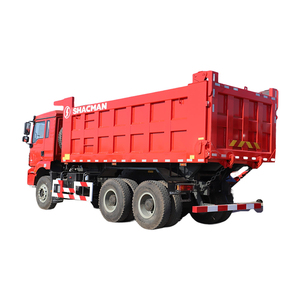
Industrial Specification Report 2026
Prepared by SEA LION International – Engineering & Logistics Division
Subject: Export Logistics Solutions for Excavator Bucket Types from China
Target Audience: Fleet Managers & Construction Companies
1. Executive Summary
This report evaluates three primary maritime transport methods—Roll-on/Roll-off (RO-RO), Bulk Cargo, and Flat Rack container shipping—for the export of excavator bucket types from manufacturing hubs in China (e.g., Xuzhou, Changsha, Shenyang) to global construction markets. The analysis focuses on operational efficiency, cost structure, equipment protection, and corrosion mitigation, with specific attention to wax-based anti-corrosion treatments for seawater exposure.
2. Product Profile: Excavator Bucket Types
Excavator buckets are heavy-duty steel attachments designed for specific ground engagement tasks. Common types exported from China include:
| Bucket Type | Weight Range (kg) | Dimensions (L×W×H, mm) | Material Grade |
|---|---|---|---|
| General Purpose | 800 – 3,200 | 1,200 × 1,000 × 800 | Q345B / Hardox 450 |
| Rock Digger | 1,500 – 4,500 | 1,500 × 1,200 × 950 | Hardox 500 / AR450 |
| Trenching | 1,000 – 2,800 | 2,000 × 800 × 750 | Q345B + Edge Hardfacing |
| Heavy-Duty Ripper | 2,000 – 6,000 | 2,200 × 1,100 × 1,050 | Hardox 550 |
Note: Dimensions and weights are average values; actuals vary by OEM and customization.
3. Comparative Shipping Methods
| Parameter | RO-RO (Roll-on/Roll-off) | Bulk Cargo | Flat Rack Container |
|---|---|---|---|
| Suitability | High – for self-propelled or wheeled carriers with buckets attached | Low – not designed for discrete heavy attachments | High – ideal for oversized, non-wheeled steel components |
| Loading Mechanism | Driven or towed onto vessel | Craned or conveyor-loaded into hold | Craned onto open-frame ISO platform |
| Cargo Securing | Chocked and chained on deck | Stacked loosely; risk of shifting | Lashed with turnbuckles and dunnage |
| Max Unit Weight | Up to 40 MT per piece (with carrier) | Up to 100 MT, but mixed loads | Up to 40 MT per 40′ FR unit |
| Protection from Elements | Partial (exposed deck storage) | Poor (below deck, high humidity) | Moderate (exposed sides, but elevated) |
| Transit Time (China → EU) | 28 – 35 days | 30 – 40 days | 26 – 32 days (via FCL consolidation) |
| Average Cost (per bucket, 2.5 MT) | $1,100 – $1,600 (if on machine) | $650 – $900 (loose, shared hold) | $1,300 – $1,900 (dedicated FR) |
| Risk of Damage | Medium (vibration, salt spray) | High (impact, moisture, rust) | Low to Medium (controlled lash) |
| Customs & Handling | Faster discharge at RO-RO terminals | Slower; requires sorting | Standard container documentation |
| Best For | Bucket + carrier exports | Low-value, high-volume scrap or raw steel | High-value, precision-fabricated buckets |
4. Corrosion Protection: Wax Spraying Treatment
Seawater exposure during maritime transit poses a significant risk of surface oxidation and pitting on excavator buckets, particularly in humid, salt-laden environments. SEA LION International recommends the application of industrial-grade anti-corrosion wax spray as a standard protective measure.
Wax Spraying Specification:
| Parameter | Specification |
|---|---|
| Wax Type | Solvent-based, hydrophobic synthetic blend (e.g., Lanocote®-equivalent) |
| Coating Thickness | 25 – 50 µm (uniform coverage) |
| Application Method | Electrostatic spray or airless gun |
| Coverage Rate | 8 – 10 m² per liter |
| Salt Spray Resistance | >500 hours (ASTM B117 compliant) |
| Removal Process | Biodegradable solvent or hot alkaline wash |
| Cost (per bucket) | $18 – $35 (depending on size) |
Benefits:
- Forms a moisture-resistant barrier on ferrous surfaces
- Self-healing properties under minor abrasion
- Compatible with subsequent painting or welding after removal
- Non-toxic and compliant with IMO air emission standards
Recommendation: Apply wax treatment immediately post-fabrication and prior to crating or loading. Re-inspect at port of loading for coating integrity.
5. Method Recommendation by Use Case
| Customer Profile | Recommended Method | Rationale |
|---|---|---|
| OEM exporting excavators with buckets | RO-RO | Efficient for integrated machine transport; reduced handling |
| Aftermarket bucket supplier (global) | Flat Rack + Wax Spray | Maximum protection, traceability, and compatibility with container logistics |
| Commodity-grade bucket exporter | Bulk Cargo (with wax) | Cost-effective for non-premium products; acceptable risk with coating |
6. Operational Best Practices
- Pre-shipment Inspection: Confirm weld integrity, dimensional compliance, and surface prep before wax application.
- Desiccant Use: For Flat Rack shipments, deploy silica gel bags near base plates to reduce condensation.
- Lashing Compliance: Adhere to CSS Code (IMO) for securing loads on Flat Racks; minimum 4-point lashing.
- Documentation: Include material test reports (MTRs), coating certification, and packing lists in export dossier.
- Port Coordination: Prioritize ports with heavy-lift infrastructure (e.g., Shanghai, Ningbo, Qingdao) and direct RO-RO services (e.g., to Antwerp, Houston, Jebel Ali).
7. Conclusion
For the export of excavator bucket types from China, Flat Rack container shipping with wax-based corrosion protection offers the optimal balance of security, traceability, and structural integrity for standalone bucket shipments. RO-RO is efficient only when buckets are mounted on carriers. Bulk cargo, while economical, presents unacceptable corrosion and handling risks without rigorous protective protocols.
SEA LION International endorses the integration of industrial wax spraying into standard export preparation to ensure product longevity and customer satisfaction across all shipping modes.
Document Control
Revision: 2026.0
Approved By: SEA LION Engineering Board
Classification: Internal Use – Industrial Logistics Specifications
Get a Quote for Excavator Bucket Types
SEA LION International Trade Co., Ltd – Authorized Heavy Truck Exporter (Since 2008).
👤 Contact Person: Mr. Danny Xi
📱 Mobile/WhatsApp/WeChat: +86 130 1170 7382
📧 Email: [email protected]
