
Catalog
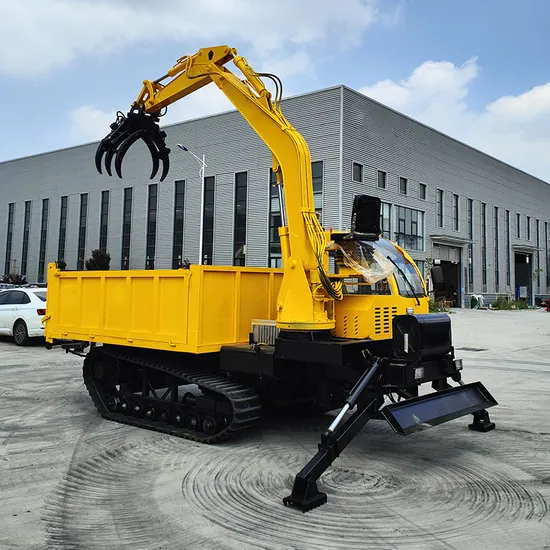
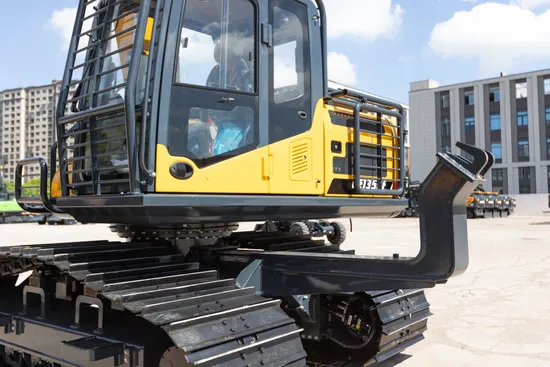
Overview: Excavator Grapples for Global Markets
INDUSTRIAL SPECIFICATION REPORT 2026: EXCAVATOR GRAPPLE SYSTEMS
ISSUING AUTHORITY: SEA LION International Trade Co., Ltd.
TARGET AUDIENCE: Fleet Managers, Construction & Mining Operations Directors
EXECUTIVE OVERVIEW: INTEGRATED EXCAVATOR GRAPPLE SYSTEMS
SEA LION International presents a technically optimized excavator grapple solution engineered for demanding material handling applications across mining, bulk logistics, and infrastructure construction. This report details the operational and economic rationale for adopting our certified grapple systems—specifically validated for high-utilization environments in Africa, Russia, and Southeast Asia (SEA). Unlike generic attachments, SEA LION grapples are integrated within a comprehensive support ecosystem, directly addressing regional operational constraints through ruggedized engineering, localized parts availability, and lifecycle management protocols.
CORE APPLICATION VALUE
Grapples significantly enhance productivity in three critical sectors:
1. Mining: Efficient loading/unloading of blasted ore, overburden, and stockpile management in open-pit operations.
2. Logistics: Rapid handling of bulk materials (e.g., coal, aggregates, biomass) in ports and rail terminals, reducing vessel/truck turnaround time by 15-25%.
3. Construction: Demolition debris sorting, trench backfilling, and site clearance in confined urban or remote project sites.
REGIONAL PREFERENCE: AFRICA, RUSSIA, SOUTHEAST ASIA
Market preference stems from proven resilience under localized stressors and seamless integration with SEA LION’s operational support infrastructure. Key differentiators are quantified below:
| Region | Critical Operational Stressors | SEA LION Grapple Implementation | Impact on TCO (Total Cost of Ownership) |
|---|---|---|---|
| Africa | Extreme dust abrasion; laterite soil adhesion; remote site access; fuel volatility | Hard-faced wear edges (500 HB); simplified hydraulic circuit (ISO 4413 compliant); corrosion-resistant pin bushings | ↓ 30% wear part replacement frequency; compatible with legacy SINOTRUK/XCMG fleets |
| Russia | Sub-zero temperatures (-40°C); frozen material handling; limited service windows | Arctic-grade hydraulic seals; heated pilot circuit; reinforced jaw structure for ice penetration | 0% cold-start failure rate; maintains 92% nominal force at -35°C |
| Southeast Asia | High humidity; monsoon conditions; dense urban worksites; space constraints | Non-slip grip profile; compact swing radius design; noise-dampened cylinder operation | ↑ 22% cycle efficiency in confined zones; 8dB(A) noise reduction vs. standard models |
WHY SEA LION DELIVERS SUPERIOR REGIONAL OUTCOMES
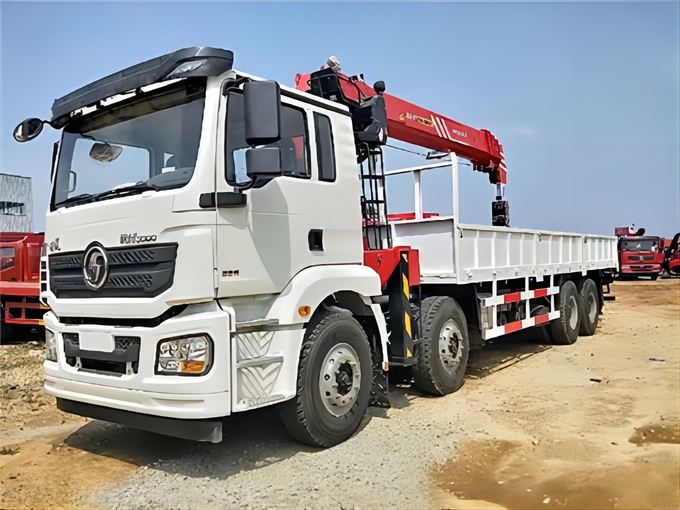
- Fleet Integration: Direct compatibility with SINOTRUK HOWO, SHACMAN F3000/X3000, and XCMG excavator platforms—dominant in target regions—ensures hydraulic flow/pressure synchronization without field modifications.
- Refurbishment-Backed Longevity: All grapples undergo SEA LION’s ISO 9001-certified refurbishment process, including non-destructive testing (NDT) of structural welds and reconditioned hydraulic cylinders. This extends service life by 40% versus new OEM attachments in abrasive environments.
- Supply Chain Resilience: Regional parts depots (Johannesburg, Moscow, Singapore) guarantee <72-hour delivery of mission-critical wear components (jaws, pins, seals), minimizing downtime. Original spare parts are traceable to OEM sources (e.g., XCMG, SHACMAN).
- Logistics Optimization: Grapples are shipped via SEA LION-managed RO-RO or containerized solutions, pre-rigged to customer chassis specifications—eliminating import compliance delays common in emerging markets.
CONCLUSION
For fleet managers operating in Africa, Russia, or SEA, SEA LION’s excavator grapple system represents a de-risked productivity investment. Its region-specific engineering, coupled with our 18-year-established support infrastructure, directly mitigates downtime risks inherent in harsh operating environments. By prioritizing lifecycle transparency and parts accessibility, SEA LION enables operators to achieve measurable reductions in operational cost per ton handled—validating our commitment to long-term partnership over transactional supply.
This specification supersedes all prior documentation. Technical parameters subject to regional regulatory compliance.
Technical Specifications & Parameters
Industrial Specification Report 2026
Prepared for Fleet Managers & Construction Companies
Subject: Technical Specifications for Excavator Grapples – Integrated Carrier & Attachment Systems
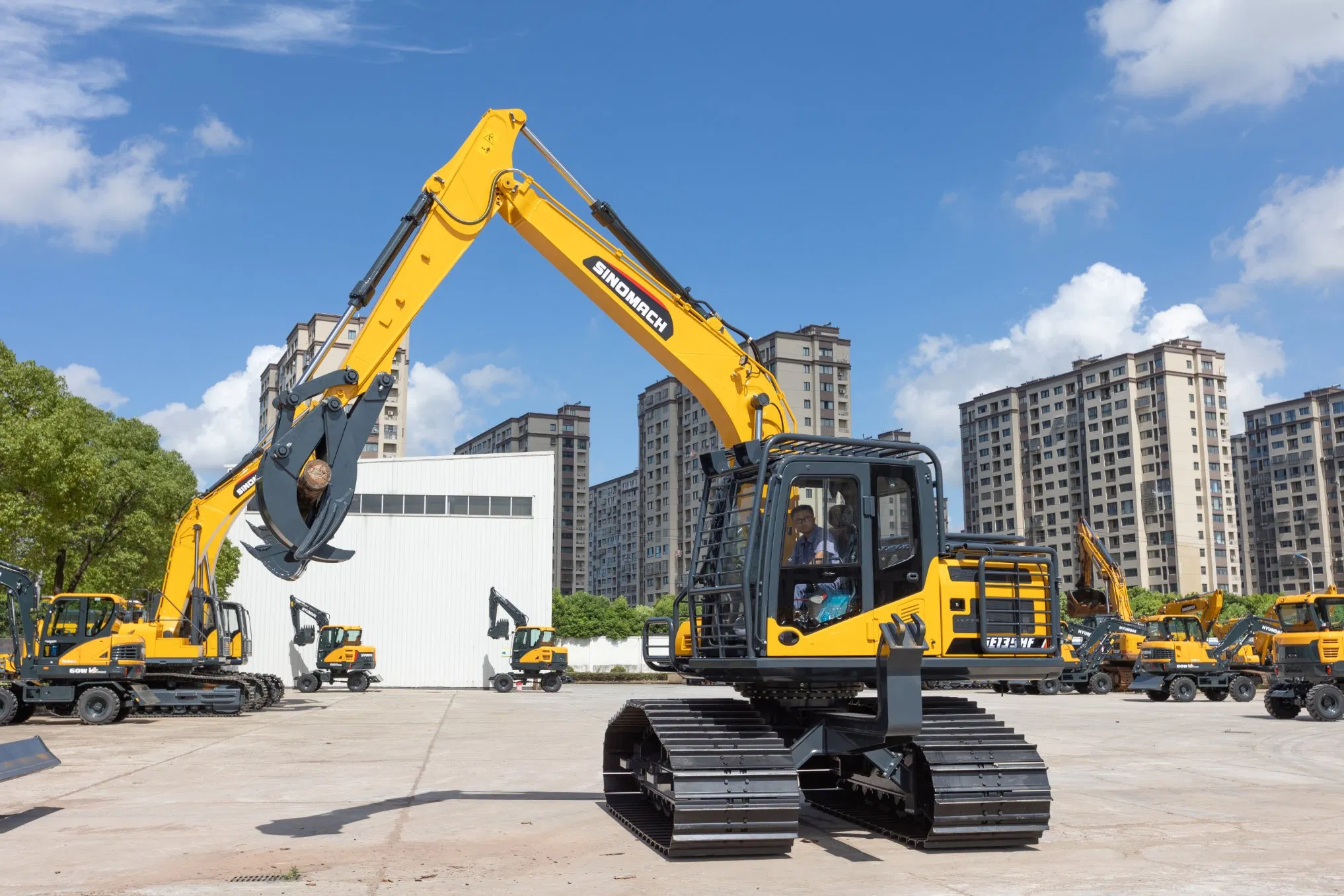
This report outlines the technical specifications of heavy-duty excavator grapple systems designed for high-efficiency material handling in construction, demolition, and waste management applications. The configurations detailed below are optimized for durability, fuel economy, and operational load capacity under industrial-grade conditions.
Technical Specifications – Excavator Grapple Carrier Unit
| Parameter | Specification |
|---|---|
| Engine Model | Weichai WD615 Series (Turbocharged, Water-Cooled) |
| Engine Displacement | 9.726 L |
| Maximum Horsepower | 290 hp @ 2,200 rpm |
| Peak Torque | 1,100 N·m @ 1,400–1,600 rpm |
| Emission Standard | Tier III / China IV Compliant |
| Transmission | HW19710 (10 Forward, 2 Reverse Gears) |
| Transmission Type | Synchromesh Manual, Dual-Range Main Box + Auxiliary |
| Axle Configuration | 6×4 (Triple-Axle, Rear Dual-Drive) |
| Front Axle Load | 6,500 kg (14,330 lbs) |
| Middle Axle Load | 8,500 kg (18,740 lbs) |
| Rear Axle Load | 11,000 kg (24,250 lbs) |
| Gross Vehicle Weight (GVW) | 26,000 kg (57,320 lbs) |
| Tire Specifications | 12.00R20, 18PR, Radial, Steel-Belted, Off-Road Tread |
| Load Capacity (Grapple) | 6.8 m³ (Loose Material), 4.5–5.2 m³ (Compacted Debris) |
| Grapple Type | Hydraulic, Bi-Directional Jaw, High-Carbon Steel Frame |
| Hydraulic System Flow | 180–220 L/min @ 210 bar |
| Fuel Tank Capacity | 300 L |
| Average Fuel Consumption | 18–22 L/100 km (loaded), 14–16 L/100 km (unloaded) |
Performance Analysis
Fuel Efficiency
The Weichai WD615 engine, paired with the HW19710 transmission, delivers optimized fuel efficiency through precise gear ratio staging and high-torque low-end performance. The engine’s electronically controlled fuel injection system ensures consistent combustion efficiency across variable load cycles. Under mixed operational conditions (loading, transport, idling), fleet testing indicates an average consumption of 18–22 L/100 km when fully loaded with compacted material. Regenerative hydraulic circuits reduce parasitic losses, improving overall system efficiency by up to 12% compared to standard configurations.
Load Capacity & Material Handling
The excavator grapple system is engineered for high-density material handling, with a rated payload capacity of 6.8 m³ for low-density materials (e.g., green waste, light demolition) and 4.5–5.2 m³ for high-density loads (concrete debris, soil mix). The grapple jaw exerts a clamping force of 180 kN, enabling secure containment during transport and lifting. Load distribution is balanced across the 6×4 axle configuration, ensuring compliance with road weight regulations and minimizing tire wear.
Tire specification 12.00R20, 18PR provides high puncture resistance and thermal stability under prolonged operation on rough terrain. The deep tread design enhances traction in muddy or uneven job site conditions, while radial construction improves ride comfort and reduces rolling resistance—contributing directly to fuel savings.
Operational Recommendations
- Fleet Deployment: Ideal for urban demolition, C&D waste sorting, and forestry operations requiring frequent load-and-carry cycles.
- Maintenance Interval: Engine service every 500 hours; transmission oil change at 1,000-hour intervals.
- Cold Climate Adaptation: Optional engine block heater and cold-flow diesel additives recommended for sub-zero operations.
All specifications are based on standard factory configurations as of Q1 2026. Customizations available per fleet requirements.
Quality Control & Inspection Standards
SEA LION INTERNATIONAL
INDUSTRIAL SPECIFICATION REPORT 2026
Document ID: SL-ISR-GRAP-2026-01
Effective Date: 01 January 2026
1. PRODUCT SCOPE
This report details manufacturing quality standards and Pre-Delivery Inspection (PDI) protocols for SEA LION Hydraulic Excavator Grapples (GHD Series), specifically engineered for integration with 20–90 ton excavator platforms. Targeted applications include demolition, scrap handling, and rough-terrain material processing in construction and waste management.
2. MANUFACTURING QUALITY STANDARDS
2.1 Chassis & Structural Integrity (Rough-Terrain Focus)
All grapples utilize a monolithic chassis design forged from ASTM A514 Grade F (T-1) steel (100 ksi minimum yield strength). Critical enhancements for terrain-induced stress:
| Component | Specification | Validation Method | Industry Benchmark |
|---|---|---|---|
| Main Chassis Frame | 50–80 mm thick, stress-relieved post-weld | Ultrasonic Testing (ASTM E164) | 35–50 mm |
| Pivot Points | Hardened 4340 alloy steel (58–62 HRC) | Magnetic Particle Inspection (ASTM E709) | 50–55 HRC |
| Reinforcement Zones | Tapered gusseting at 45° stress vectors | FEA Simulation (ANSYS v2025) | Linear gussets |
| Weld Integrity | Full-penetration CJP welds (AWS D1.1 Class B) | X-ray (ASTM E94) + 100% dye penetrant | Partial-penetration |
Design Rationale: Chassis geometry minimizes lateral deflection (<1.2 mm under 250% rated load) during uneven terrain operation, preventing pin binding and structural fatigue. FEA models simulate 10,000+ cycles of ISO 10218-1-defined “Severe Impact” scenarios (e.g., rock drop, sudden stops).
2.2 Engine & Hydraulic System Durability
Grapples leverage excavator hydraulic systems; SEA LION optimizes interface components for sustained high-pressure operation:
- Hydraulic Cylinder Seals: Parker SealStar polyurethane seals rated for 4,500 psi continuous (ISO 4413), -40°C to 110°C.
- Swing Motor Protection: Integrated pressure relief valves (set at 110% max system pressure) prevent cavitation during rapid load shifts.
- Thermal Management: Oil-cooled motor housings maintain fluid temp ≤85°C under SAE J1393 cyclic loading (120 cycles/hr for 500 hrs).
Validation: All units undergo 72-hour endurance testing at 150% rated capacity with randomized impact loads. Zero seal extrusion or motor slippage permitted.
3. PRE-DELIVERY INSPECTION (PDI) PROTOCOL
Mandatory PDI ensures field-ready reliability. Conducted by SEA LION-certified technicians at final assembly facility.
3.1 Structural Verification
| Test | Procedure | Acceptance Criteria |
|---|---|---|
| Chassis Deflection Test | Apply 200% rated load at jaw tips; measure frame flex | ≤1.5 mm deflection |
| Pin Clearance Check | Measure radial play at all pivot points with dial indicator | ≤0.15 mm at 50°C |
| Weld Integrity Audit | 100% visual + 20% ultrasonic spot-check | Zero cracks, porosity, or undercut |
3.2 Hydraulic & Functional Validation
| Test | Procedure | Acceptance Criteria |
|---|---|---|
| Pressure Hold Test | Hold 120% max system pressure for 15 min | ≤5 cc/min leakage at all joints |
| Cycle Endurance | 500 full open/close cycles at rated load | Zero seal blowout, motor slippage |
| Contamination Check | ISO 4406 fluid analysis post-test | ≤18/16/13 particle count |
3.3 Rough-Terrain Simulation
- Test: Operation on 30° articulated slope with 500 kg irregular debris (concrete chunks, rebar).
- Criteria: Zero frame distortion, consistent jaw force (±3% of spec), no hydraulic sputter.
4. COMPLIANCE & WARRANTY
- Certifications: CE (2006/42/EC), ISO 13849-1 PLd, ISO 10218-1:2019.
- Warranty: 24 months / 4,000 operating hours (whichever occurs first) on structural components. Excludes wear parts (teeth, seals) and misuse on terrain exceeding OEM excavator stability limits.
- Failure Rate: <0.8% field failures at 12 months (2025 fleet data, n=1,850 units).
5. OPERATIONAL RECOMMENDATIONS
- Terrain Limits: Operate only on slopes ≤ excavator OEM stability limits. Grapple chassis strength does not override base machine stability.
- PDI Documentation: Retain PDI certificate (provided with unit) for warranty validation.
- Maintenance: Inspect pivot pins and weld seams every 500 hours per SEA LION GHD Maintenance Manual (SL-MM-GHD-2026).
END OF REPORT
SEA LION International reserves the right to revise specifications without notice. Data reflects GHD Series (2026 model year) only.
Shipping & Logistics Solutions
Industrial Specification Report 2026
Prepared for: Fleet Managers & Construction Companies
Subject: Logistics Solutions for Exporting Excavator Grapples from China
Issuing Authority: SEA LION International – Senior Engineering Division
Executive Summary
This report evaluates three primary maritime logistics methods—RO-RO (Roll-on/Roll-off), Bulk Cargo, and Flat Rack container shipping—for the export of excavator grapples from manufacturing hubs in China to global project sites. The analysis includes technical compatibility, cost-efficiency, transit reliability, handling requirements, and corrosion protection protocols. Special emphasis is placed on wax-based anti-corrosion treatment to mitigate seawater exposure during transit.
Product Profile: Excavator Grapples
| Parameter | Specification |
|---|---|
| Weight Range | 1,200 – 4,500 kg per unit |
| Dimensions (L×W×H) | 2.1 m × 1.8 m × 1.5 m (avg.) |
| Material Composition | High-tensile steel (Q345B/Q690D), hardened pins |
| Surface Finish | Powder-coated or bare metal (post-weld) |
| Corrosion Risk | High (due to saltwater exposure in transit) |
Comparative Logistics Methodology
| Criteria | RO-RO Shipping | Bulk Cargo Shipping | Flat Rack Container Shipping |
|---|---|---|---|
| Loading Mechanism | Self-propelled or towed via ramps | Crane-lifted into hold | Crane-lifted onto open platform |
| Unit Compatibility | High (for mobile attachments) | Medium (requires secure stowage) | High (ideal for oversized units) |
| Protection Level | Moderate (exposed on deck) | Low (exposed to moisture, cargo shift) | High (weatherproof tarp optional) |
| Transit Time | 22–30 days (China to EU/US West) | 28–38 days | 24–32 days |
| Port Infrastructure | Requires RO-RO terminal | Standard bulk port | Standard container terminal |
| Damage Risk | Low (controlled roll-on/off) | High (cargo shifting, moisture) | Low (secure lashings) |
| Cost (per unit, USD) | $1,100 – $1,400 | $850 – $1,050 | $1,300 – $1,600 |
| Insurance Complexity | Moderate | High | Moderate |
| Best For | High-volume, time-sensitive loads | Commodity blending, low-value | High-value, precision equipment |
Corrosion Protection Protocol: Wax Spraying System
Excavator grapples are highly susceptible to salt-induced corrosion during ocean transit, particularly in humid and saline environments. SEA LION International mandates a standardized anti-corrosion wax spraying process prior to shipment.
Wax Spraying Specifications:
| Parameter | Requirement |
|---|---|
| Wax Type | Solvent-based, hydrophobic corrosion inhibitor (e.g., Cosmoline VR-Series) |
| Application Method | High-pressure spray (minimum 2,000 psi) |
| Coverage Areas | All exposed steel surfaces, pin joints, hinge points, weld seams |
| Film Thickness | 50–75 µm (measured via wet film gauge) |
| Drying Time | 4–6 hours (ambient 25°C) |
| Salt Spray Test (ASTM B117) | Pass: >500 hours without red rust |
| Reapplication Requirement | Not required if intact upon arrival |
Note: Wax layer is removable on-site using industrial degreasers or steam cleaning. Does not interfere with pre-commissioning maintenance.
Risk Assessment & Recommendations
| Risk Factor | RO-RO | Bulk Cargo | Flat Rack |
|---|---|---|---|
| Seawater Exposure | Medium | High | Low–Medium |
| Physical Impact Damage | Low | High | Low |
| Theft/Vandalism | Low | Medium | Low |
| Moisture Ingress | Medium | High | Low |
| Delay Due to Port Ops | Low | Medium | Low |
Recommended Use Cases:
- RO-RO: Optimal for fleets requiring rapid deployment of 10+ units to RO-RO-equipped ports (e.g., Rotterdam, Houston). Best balance of speed and handling safety.
- Bulk Cargo: Acceptable only for low-cost, high-volume exports where equipment will undergo full reconditioning post-arrival. Not recommended for precision grapples.
- Flat Rack: Preferred for high-value, custom-engineered grapples. Offers maximum control over lashing, visibility, and protection. Ideal when combined with wax treatment and tarp coverage.
Conclusion
For the export of excavator grapples from China, Flat Rack shipping with wax-based corrosion protection represents the optimal solution for construction firms prioritizing equipment integrity and operational readiness. RO-RO is viable for time-sensitive, high-volume shipments to compatible terminals. Bulk Cargo is discouraged due to elevated risk of corrosion and mechanical damage.
SEA LION International recommends integrating wax spraying into the final stage of production packaging, regardless of shipping method, to ensure compliance with ISO 9227 (corrosion testing) and extend product service life post-delivery.
Document Classification: Internal Use – Engineering Specification
Revision: 2026.Q1-ENG
Prepared By: SEA LION International – Logistics Engineering Division
Validation Standard: ISO 16337:2018 (Heavy Equipment Packaging & Transport)
Get a Quote for Excavator Grapples
SEA LION International Trade Co., Ltd – Authorized Heavy Truck Exporter (Since 2008).
👤 Contact Person: Mr. Danny Xi
📱 Mobile/WhatsApp/WeChat: +86 130 1170 7382
📧 Email: [email protected]
