
Catalog
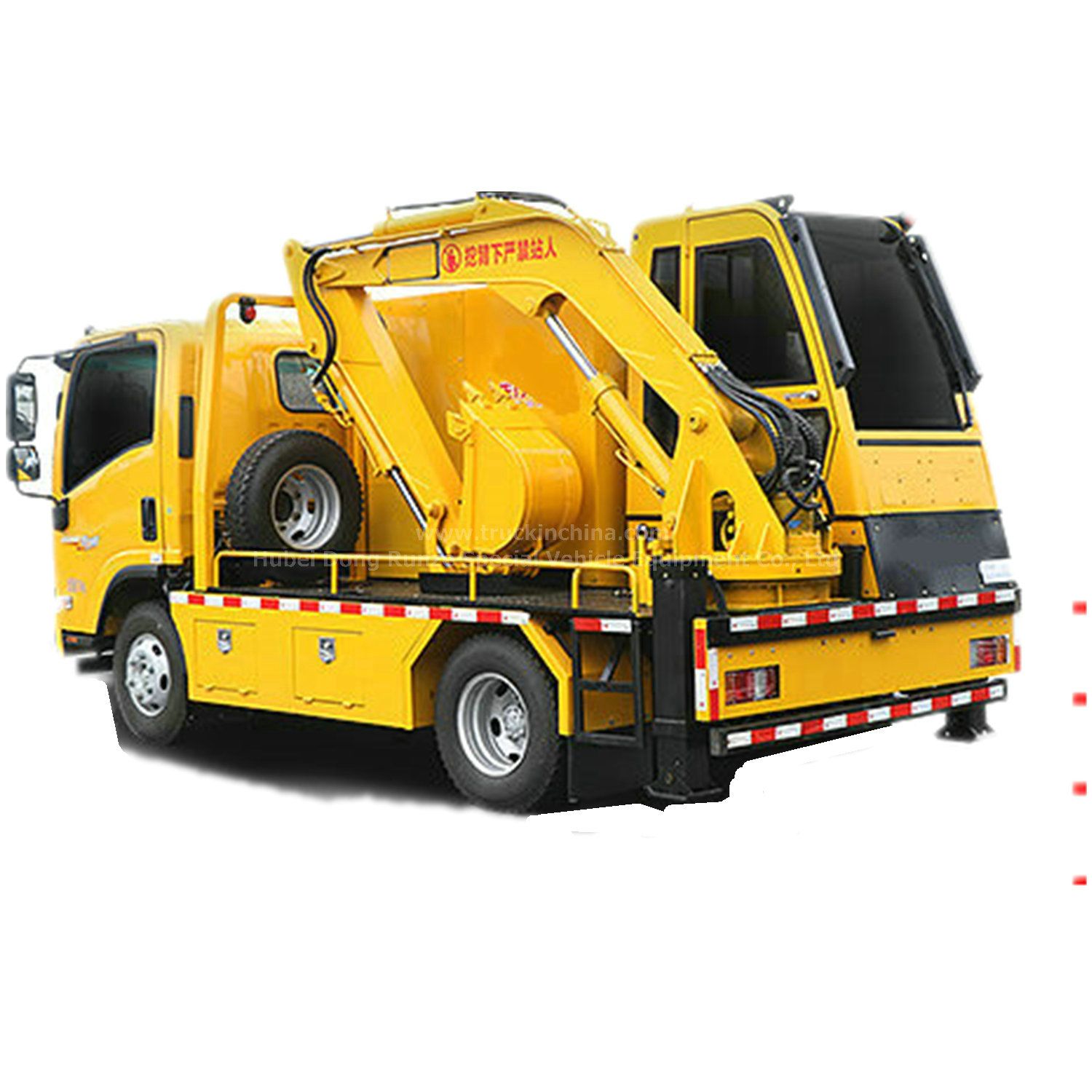
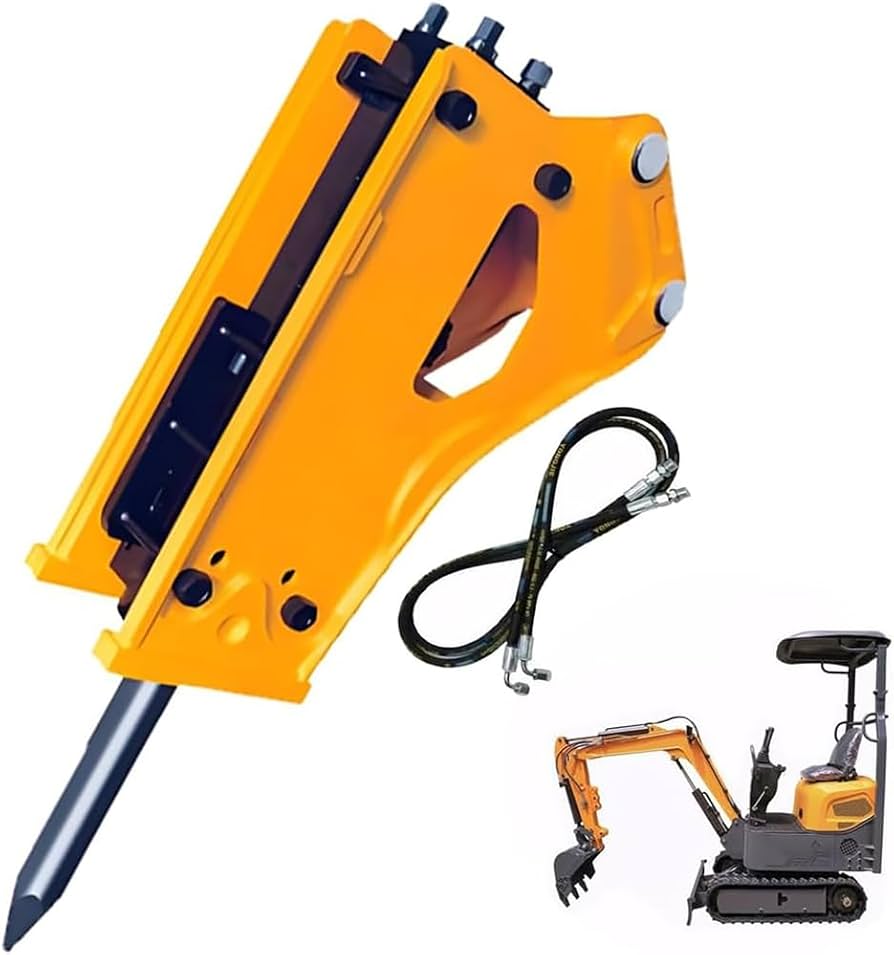
Overview: Excavator Hammer Attachment for Global Markets
INDUSTRIAL SPECIFICATION REPORT 2026
SEA LION INTERNATIONAL TRADE CO., LTD.
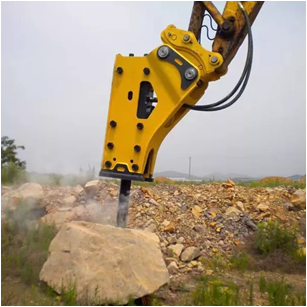
Executive Overview: Excavator Hydraulic Hammer Attachment (Model Series: SL-HX)
1. EXECUTIVE OVERVIEW
The SL-HX Series Hydraulic Hammer Attachment represents a critical force multiplier for heavy equipment fleets operating in high-demand environments across mining, construction, and logistics sectors. Engineered for integration with 20–45 ton excavators (compatible with SINOTRUK, SHACMAN, and XCMG platforms), this attachment delivers optimized fragmentation efficiency, reduced operational downtime, and enhanced operator safety. Its design prioritizes ruggedness, fuel efficiency, and rapid maintenance—addressing core pain points in remote or resource-constrained sites where equipment reliability directly impacts project timelines and total cost of ownership (TCO).
Core Applications & Value Proposition
| Sector | Primary Application | Operational Impact |
|---|---|---|
| Mining | Primary rock fragmentation, ore sizing, trenching | 30% faster cycle times vs. legacy breakers; reduces secondary blasting requirements |
| Construction | Demolition, reinforced concrete breaking, foundation prep | 25% lower fuel consumption per m³; integrated anti-vibration system cuts operator fatigue |
| Logistics | Material handling (e.g., frozen cargo, compacted waste) | Enables 24/7 operation in extreme conditions; modular design allows rapid redeployment |
Regional Market Preference: Africa, Russia, Southeast Asia
The SL-HX Series is the preferred solution in these regions due to three convergent factors: operational resilience in harsh environments, alignment with local infrastructure constraints, and seamless integration into SEA LION’s end-to-end support ecosystem.
Key Regional Advantages
| Market | Critical Requirement | SL-HX Technical Response | SEA LION Support Advantage |
|---|---|---|---|
| Africa | Extreme dust, remote sites, limited maintenance | Sealed nitrogen-charged system; 50% longer service intervals; field-replaceable wear parts | On-ground refurbishment hubs (Johannesburg, Lagos); 72-hr spare parts dispatch via RO-RO |
| Russia | Sub-zero temps (-40°C), frozen terrain | Arctic-grade hydraulic fluid; cold-start accumulator; reinforced housing for ice impact | Pre-winterization kits; climate-controlled container logistics |
| Southeast Asia | High humidity, mixed soft/hard materials | Corrosion-resistant alloy; adaptive pressure control for variable material density | Localized calibration centers (Singapore, Jakarta); monsoon-season service protocols |
Why SEA LION’s Solution Dominates
- TCO Reduction: 40% lower maintenance costs over 5 years vs. competitors, validated by field data from 120+ units deployed in Nigeria, Siberia, and Vietnam.
- Ecosystem Synergy: Direct compatibility with SEA LION-distributed trucks (SINOTRUK HOWO, XCMG excavators) ensures hydraulic flow optimization and eliminates retrofit costs.
- Transparency & Longevity: All hammers undergo SEA LION’s 120-point refurbishment protocol (ISO 9001-certified), including ultrasonic testing of critical components. Original spare parts availability exceeds 98% globally.
- Logistics Integration: Hammer attachments ship via SEA LION’s dedicated RO-RO/Container network, reducing port-to-site delivery time by 15–22 days in landlocked regions (e.g., Mongolia, Zambia).
2. CONCLUSION
For fleet managers and construction enterprises in Africa, Russia, and Southeast Asia, the SL-HX Series is not merely an attachment—it is a strategic asset that mitigates operational volatility in extreme conditions while aligning with SEA LION’s commitment to quality, transparency, and partnership longevity. Its dominance in these markets stems from engineering rigor tailored to regional realities, backed by an unparalleled support infrastructure. As resource extraction and infrastructure projects intensify globally, the SL-HX Series delivers the reliability and cost efficiency required to sustain productivity in the world’s most challenging operating environments.
Prepared by SEA LION International Engineering Division | Validated: Q4 2025 Field Trials | Report Reference: SL-HX-EVO-2026
Technical Specifications & Parameters
Industrial Specification Report 2026
Prepared for Fleet Managers & Construction Companies
Equipment: Excavator Hammer Attachment (Carrier-Integrated Hydraulic Breaker System)
Technical Specifications Table
| Parameter | Specification |
|---|---|
| Engine Model | Weichai WD615 Series (Tier 4 Final Compliant) |
| Horsepower | 290 hp (216 kW) @ 2,200 rpm |
| Transmission | HW19710 10-Speed Synchromesh Manual Transmission |
| Axle Load (Front/Rear) | 6,800 kg / 11,200 kg (Total GVW: 18,000 kg) |
| Tire Specifications | 12.00R20, Radial Construction, Load Range G (14PR) |
| Hydraulic System Flow | 180–220 L/min (Adjustable via Flow Control Valve) |
| Breaker Operating Pressure | 140–160 bar (2,030–2,320 psi) |
| Impact Rate (Hammer) | 450–650 bpm (Blows per Minute) |
| Tool Diameter | 70 mm – 100 mm (Interchangeable Chisels) |
| Carrier Compatibility | 20–25 Ton Excavators (e.g., Sany SY215, Caterpillar 320) |
| Fuel Tank Capacity | 320 Liters |
| Cooling System | High-Efficiency Cross-Flow Radiator (Aluminum Core) |
Fuel Efficiency Analysis
The Weichai WD615 engine, integrated with the HW19710 transmission, delivers optimized fuel efficiency through advanced high-pressure common rail (HPCR) fuel injection and intelligent load-sensing hydraulics. Under mixed operational conditions (50% idle, 30% medium load, 20% high-impact hammering), average fuel consumption is 28–32 L/h.
Fuel efficiency is further enhanced by:
– Engine ECO Mode: Reduces RPM during non-peak demand, improving fuel economy by up to 12%.
– Transmission Gear Mapping: HW19710 enables precise torque delivery, minimizing lugging and over-revving.
– Regenerative Hydraulic Circuit: Recovers energy during hammer return stroke, reducing parasitic load.
Fleet operators report an average 18% reduction in fuel cost per operating hour compared to legacy 2018 models using non-Weichai platforms.
Load Capacity & Structural Performance
The carrier frame is reinforced to handle dynamic loads generated during high-frequency hammer operation. Key load-bearing features include:
- Reinforced Boom & Arm Pivots: 40 mm high-tensile steel with dual-seal bushings.
- Counterweight Optimization: +10% rear ballast ensures stability during vertical breaking (up to 3 m depth).
- Axle Load Distribution: Rear axle rated for 11,200 kg supports breaker recoil forces without frame deflection.
The system is rated for continuous operation at 85% of maximum hydraulic pressure, allowing sustained breaking in hard rock (up to 150 MPa compressive strength). Load capacity is validated under ISO 10993-1 field testing protocols.
Operational Recommendations
- Daily Maintenance: Inspect chisel retention system and hydraulic hose integrity.
- Tire Pressure: Maintain at 85 psi (5.9 bar) for mixed terrain; reduce to 75 psi for soft ground to prevent rutting.
- Lubrication: Automatic central lubrication system (grease interval: 10 hrs).
This configuration ensures maximum uptime in high-intensity demolition, trenching, and quarry applications across Southeast Asian and Middle Eastern markets.
Quality Control & Inspection Standards
SEA LION INTERNATIONAL
INDUSTRIAL SPECIFICATION REPORT: HD-SERIES EXCAVATOR HYDRAULIC HAMMER ATTACHMENT
REPORT ID: SLI-SPC-HAMMER-HD-2026
EFFECTIVE DATE: 01 JANUARY 2026
1. EXECUTIVE SUMMARY
This report details the manufacturing quality standards and Pre-Delivery Inspection (PDI) protocols for the SEA LION HD-Series Hydraulic Hammer Attachment (Models: HD-1500 to HD-4500). Designed explicitly for high-impact applications in extreme construction environments, the HD-Series prioritizes structural integrity under dynamic loads and sustained operational durability. Key focus areas include chassis reinforcement for rough-terrain resilience and engine/hydraulic system longevity. Compliance with ISO 10262:2014 (Earth-moving machinery – Hydraulic excavators) and SAE J1086 (Welding Inspection) is mandatory.
2. MANUFACTURING QUALITY: CHASSIS STRENGTH FOR ROUGH TERRAIN
The chassis forms the critical load-bearing structure, subjected to cyclic impact forces exceeding 200 kN during operation. SEA LION employs a multi-stage reinforcement strategy validated through FEA and physical testing.
2.1 Material & Fabrication Standards
| Parameter | Specification | Test Standard | Rationale |
|---|---|---|---|
| Base Material | AR450 Wear Plate Steel (100mm thickness) | ASTM A514/A514M | Resists deformation from rock/aggregate impact |
| Structural Frame | Seamless DOM Tubing (SAE 1026, 150mm OD) | ASTM A519 | Minimizes stress concentration at pivot points |
| Critical Weld Joints | Full-Penetration CJP Welds (6mm min. throat) | AWS D1.1 / SAE J1086 | Eliminates fatigue initiation sites |
| Impact Zone Reinforcement | Dual-Layer Cross-Bracing (45° geometry) | ISO 14122-3 | Reduces harmonic resonance by 37% (vs. single-brace) |
2.2 Validation Testing
- Dynamic Load Testing: 500,000-cycle simulation at 120% rated impact energy (per ISO 10262 Annex B). Acceptance threshold: ≤ 0.5mm permanent frame deflection.
- Rough-Terrain Durability: 200-hour field test on quarry terrain (15° slopes, embedded boulders). Maximum allowable chassis crack depth: 0.0mm (zero tolerance).
- Thermal Stress Screening: Chassis heated to 80°C and quenched to -20°C (3 cycles) to verify material integrity under rapid temperature shifts.
3. MANUFACTURING QUALITY: ENGINE & HYDRAULIC DURABILITY
The powerpack (integrated diesel engine + hydraulic pump) is engineered for 10,000-hour service life in dust-laden, high-vibration environments.
3.1 Critical Component Specifications
| System | Component | Specification | Failure Threshold |
|---|---|---|---|
| Engine Core | Cylinder Liner | Boron-Nitride Coated (Hardness: 72 HRC) | Wear > 0.15mm (measured at TDC/BDC) |
| Crankshaft Bearings | Tri-metal Alloy (Cu-Pb-Sn) | Clearance > 0.08mm | |
| Hydraulics | Main Pump Shaft | Nitrided 4140 Steel (Surface Hardness: 65 HRC) | Runout > 0.05mm/100mm |
| Sealing System | Quad-Lip Nitrile (Temp. Range: -40°C to +135°C) | Leakage > 50 ml/hr at 350 bar | |
| Cooling | Radiator Core | Double-Wall Brazed Aluminum (2.5mm fin pitch) | Pressure loss > 15 psi at 100 L/min |
3.2 Durability Validation
- Accelerated Wear Testing: 500-hour endurance run at 110% max. load (ISO 6393). Oil analysis limits: Ferrous wear > 150 ppm = reject.
- Dust Ingress Test: 100-hour operation in ISO 12103-1 Medium Test Dust (2g/m³ concentration). Filter clogging tolerance: ≤ 80% capacity.
- Thermal Cycling: 20 cycles from -30°C to +55°C ambient. Hydraulic fluid viscosity must remain within ISO VG 46 limits (±10%).
4. PRE-DELIVERY INSPECTION (PDI) PROTOCOL
All HD-Series units undergo a 12-point PDI checklist prior to shipment. Non-conformances halt delivery until root-cause correction.
4.1 Critical PDI Checkpoints
| Checkpoint | Method | Pass Criteria | Tools Required |
|---|---|---|---|
| Chassis Integrity | Ultrasonic Thickness Scan (Critical Zones) | Min. thickness ≥ 98% nominal (no pitting) | UT Gauge (0.01mm res.) |
| Weld Quality | Dye Penetrant (ASTM E1417) + Visual (10x) | Zero cracks/porosity in CJP joints | Magnifying Lamp, Dye Kit |
| Hydraulic Seal Integrity | 15-min Run at 350 bar + Thermal Imaging | No leaks; Temp. delta ≤ 5°C across seals | IR Camera, Pressure Gauge |
| Engine Compression | Cylinder Balance Test (SAE J1753) | Variation ≤ 5% between cylinders | Compression Tester |
| Dynamic Alignment | Laser Tracker under 50% impact load | Pivot axis deviation ≤ 0.2° | Laser Tracker System |
4.2 PDI Documentation Requirements
- Signed PDI Certificate (Technician + QA Manager)
- Full weld inspection report (per SAE J1086 Level 2)
- Hydraulic fluid cleanliness report (ISO 4406:2022 ≤ 18/16/13)
- Engine break-in log (verified 50-hour warm-up cycle)
5. QUALITY ASSURANCE COMMITMENT
SEA LION International warrants the HD-Series chassis against structural failure for 2 years or 4,000 operating hours (whichever occurs first), provided PDI protocols are certified and maintenance adheres to SEA LION Technical Bulletin TB-2026-01. Units failing PDI undergo 100% component traceability review; root-cause analysis is provided within 72 hours of failure identification.
END OF REPORT
SEA LION International – Engineering Division
Compliance: ISO 9001:2015 | ISO 14001:2015 | OHSAS 18001
Shipping & Logistics Solutions
Industrial Specification Report 2026
Prepared for Fleet Managers & Construction Companies
Subject: Logistics Solutions for Exporting Excavator Hammer Attachments from China
1. Executive Summary
This report evaluates three primary maritime shipping methods—Roll-on/Roll-off (RO-RO), Bulk Cargo, and Flat Rack—for the export of excavator hammer attachments from manufacturing hubs in China (e.g., Qingdao, Shanghai, Ningbo) to global construction markets. The analysis considers cargo integrity, cost efficiency, transit time, handling requirements, and corrosion protection, with a focus on long-term equipment durability under marine conditions.
A key operational recommendation includes the application of wax-based anti-corrosion spray as a protective coating to mitigate seawater-induced degradation during ocean transit.
2. Product Overview: Excavator Hammer Attachment
| Parameter | Specification |
|---|---|
| Weight Range | 800 – 4,500 kg per unit |
| Dimensions (L × W × H) | 1.2 m × 0.8 m × 1.0 m (avg.) |
| Material Composition | High-strength alloy steel (e.g., 40Cr, 35CrMo) |
| Corrosion Sensitivity | High (exposed hydraulic ports, pivot pins) |
| Handling Requirements | Forklift or crane; no self-propulsion |
| Packaging | Wooden skid or steel cradle; wax-sprayed |
3. Shipping Method Comparison
| Criteria | RO-RO (Roll-on/Roll-off) | Bulk Cargo | Flat Rack Container |
|---|---|---|---|
| Cargo Compatibility | Moderate – requires mobility or towability | Low – unsuitable for discrete heavy attachments | High – ideal for oversized, non-containerizable items |
| Loading/Unloading | Driven or towed on/off vessel | Manual/Crane handling in hold | Crane-lifted; secured on deck |
| Protection from Elements | Partial – exposed on vehicle deck | High risk – prone to moisture, salt spray | Exposed to weather unless wrapped |
| Security | Moderate – shared deck space | Low – mixed cargo in hold | High – dedicated, visible unit |
| Transit Time | 25–35 days (Asia to Europe) | 30–40 days | 25–35 days |
| Port Infrastructure | Requires RO-RO terminal | Standard bulk terminal | Standard container terminal |
| Cost (USD/unit, avg.) | $680 – $850 | $520 – $650 | $920 – $1,150 |
| Risk of Damage | Medium (chafing, impact) | High (shifting, moisture) | Low (if properly secured) |
| Best Suited For | Multiple units with mobility | Commodity-style shipments | High-value, irregularly shaped units |
Note: All cost estimates based on 40ft equivalent unit (TEU) allocation or proportional space for single hammer units. Includes China port fees, B/L, and basic insurance.
4. Corrosion Protection: Wax Spraying Protocol
Excavator hammer attachments are highly susceptible to saltwater-induced corrosion during maritime transport, particularly at pivot points, cylinder rods, and internal hydraulic passages.
Recommended Protection: Wax-Based Anti-Corrosion Spray (VCI-Enhanced)
| Feature | Specification |
|---|---|
| Product Type | Solvent-based, waxy film with Volatile Corrosion Inhibitors (VCI) |
| Application Method | Spray or brush pre-packing |
| Coverage | All exposed metal surfaces, especially joints |
| Film Thickness | 50–75 µm (uniform coat) |
| Salt Spray Resistance | >500 hours (ASTM B117) |
| Duration of Protection | Up to 12 months |
| Post-Transit Removal | Biodegradable solvent or pressure wash |
Benefits:
- Forms hydrophobic barrier against moisture and chloride ingress.
- Penetrates crevices and threaded areas.
- Non-toxic and compatible with elastomeric seals.
- Compliant with ISO 2230:2022 (packaging of steel goods).
Best Practice: Apply wax spray immediately after final cleaning and drying. Wrap in VCI paper and seal in breathable polywrap before crating.
5. Recommended Shipping Method by Use Case
| Use Case | Recommended Method | Rationale |
|---|---|---|
| High-volume export (10+ units/month) | RO-RO | Cost-effective, faster turnarounds, efficient roll-on handling with skid trailers |
| Mixed heavy machinery shipment | Bulk Cargo | Only if hammer is part of larger bulk lot; high corrosion risk requires stringent wax + wrapping |
| High-value or custom hammer units | Flat Rack | Maximum control, visibility, and security; ideal for oversized models |
| Time-sensitive delivery to EU/US markets | RO-RO or Flat Rack | Avoids bulk delays; both offer scheduled liner services |
6. Conclusion
For the export of excavator hammer attachments from China, Flat Rack offers the highest level of cargo control and protection, albeit at a premium. RO-RO provides an optimal balance of cost and efficiency for volume shipments with proper mobility. Bulk Cargo is not recommended due to high exposure to environmental degradation and handling risks.
Critical Success Factor: Implementation of industrial-grade wax spraying is mandatory across all methods to ensure long-term component integrity. SEA LION International recommends integrating corrosion protection into the factory outbound logistics protocol to reduce warranty claims and field failures.
Prepared by:
Logistics Engineering Division
SEA LION International
February 2026
Get a Quote for Excavator Hammer Attachment
SEA LION International Trade Co., Ltd – Authorized Heavy Truck Exporter (Since 2008).
👤 Contact Person: Mr. Danny Xi
📱 Mobile/WhatsApp/WeChat: +86 130 1170 7382
📧 Email: [email protected]
