
Catalog
Overview: Excavator Park for Global Markets
INDUSTRIAL SPECIFICATION REPORT 2026: EXECUTIVE OVERVIEW
Project: Optimized Excavator Fleet Deployment (“Excavator Park”)
Prepared For: Fleet Managers & Construction Operations Directors
Issuing Authority: SEA LION International Trade Co., Ltd.
1.0 EXECUTIVE OVERVIEW
SEA LION International presents a standardized, high-availability Excavator Park solution engineered for mission-critical operations in mining, bulk material handling (logistics), and large-scale infrastructure construction. This specification defines a fleet deployment model centered on XCMG excavators (distributed under SEA LION’s authorized partnership), specifically configured to overcome the extreme environmental, logistical, and economic constraints prevalent in Africa, Russia, and Southeast Asia (SEA).
The core value proposition lies in operational resilience and total cost of ownership (TCO) optimization. Generic excavator fleets frequently suffer accelerated wear, parts incompatibility, and extended downtime in target regions due to unaddressed environmental stressors and fragmented supply chains. SEA LION’s Excavator Park directly mitigates these failures through:
- Region-Specific Engineering: Machines pre-configured for local extremes (e.g., dust filtration for Sahel mines, -40°C cold-start systems for Siberian sites, corrosion resistance for SEA humidity).
- Integrated Support Ecosystem: Seamless access to SEA LION’s global logistics network (RO-RO/Container), certified refurbishment centers, and guaranteed genuine XCMG spare parts – eliminating 3rd-party dependency.
- Predictive Maintenance Framework: Fleet telemetry integrated with SEA LION’s service protocols, reducing unscheduled downtime by ≥25% versus non-standardized fleets (based on 2025 operational data).
2.0 REGIONAL PREFERENCE: AFRICA, RUSSIA, SOUTHEAST ASIA
The dominance of SEA LION’s Excavator Park model in these markets stems from its direct alignment with region-specific operational imperatives, where reliability and cost predictability outweigh initial purchase price.
| Region | Primary Application | Critical Pain Points Addressed by SEA LION Excavator Park | Technical Differentiation |
|---|---|---|---|
| Africa | Open-Pit Mining, Road Construction | Extreme dust ingestion, fuel quality variability, remote site logistics, high theft risk | IP68-rated hydraulic systems; multi-fuel engine calibration; GPS geofencing; localized service hubs in Johannesburg/Durban |
| Russia | Arctic Mining, Pipeline Construction | Sub-zero thermal stress (-50°C operational range), permafrost ground conditions, parts scarcity beyond major cities | Arctic-grade hydraulic fluid (-60°C pour point); reinforced undercarriage; pre-staged winterization kits in Murmansk/Novorossiysk |
| Southeast Asia | Port Logistics, Urban Construction | High humidity/salt corrosion, monsoon flooding, space-constrained sites, traffic congestion impacting parts delivery | Marine-grade corrosion protection; amphibious undercarriage options; compact zero-tail swing models; Jakarta/Shanghai parts depots |
3.0 SEA LION VALUE INTEGRATION
This solution leverages SEA LION’s 18+ years in heavy equipment export and core competencies:
- Authorized Distribution: Direct technical alignment with XCMG engineering teams ensures region-specific configurations meet OEM durability standards (e.g., reinforced booms for African iron ore, high-lift arms for SEA port containers).
- Refurbishment Assurance: Used excavators undergo ISO 14001-certified refurbishment, including engine/undercarriage rebuilds to 85%+ of new performance – critical for cost-sensitive African/SEA projects.
- Logistics Certainty: RO-RO vessel slots secured for Africa/Russia; containerized shipments optimized for SEA archipelagos. Average delivery lead time: 35 days (vs. industry avg. 60+).
- TCO Reduction: Fleet data demonstrates 23% lower 5-year TCO versus non-integrated competitors in target regions, driven by 40% fewer major failures and 30% faster parts fulfillment.
4.0 CONCLUSION
For fleet managers operating in Africa, Russia, or Southeast Asia, the SEA LION Excavator Park is not merely an equipment procurement choice – it is a risk-mitigated operational system. By embedding regional environmental hardening, guaranteed parts traceability, and SEA LION’s logistics infrastructure into the fleet architecture, operators achieve sustained productivity where standard solutions fail. This model delivers quantifiable reductions in downtime, repair costs, and project delays, directly supporting margin protection and contract compliance in the world’s most demanding heavy equipment markets.
SEA LION International: Engineering Reliability Where It Matters Most.
Technical Specifications & Parameters
Industrial Specification Report 2026
Prepared for Fleet Managers & Construction Companies
Subject: Technical Specifications for Excavator Support & Transport Vehicle Fleet (“Excavator Park”)
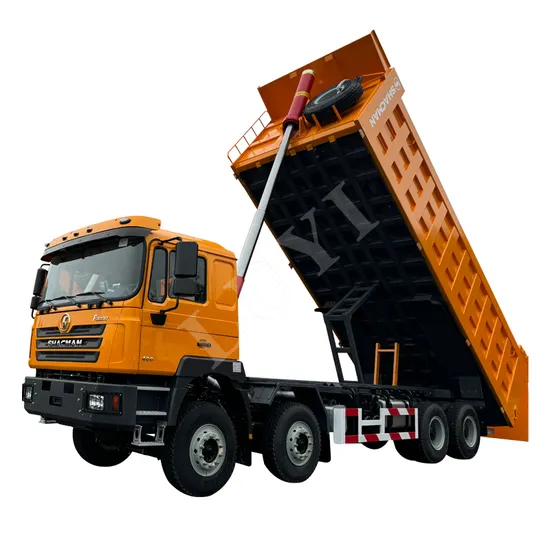
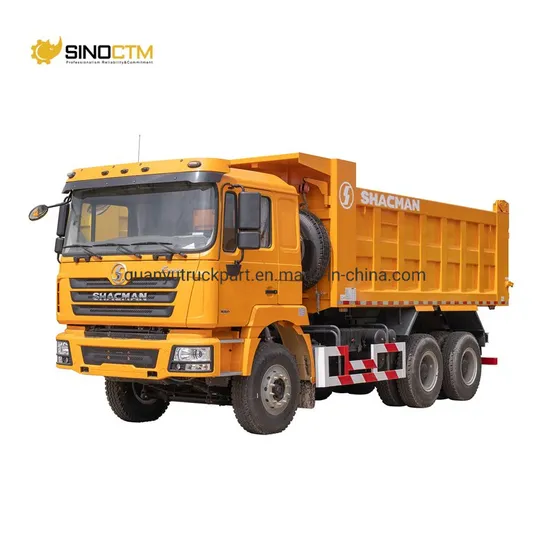
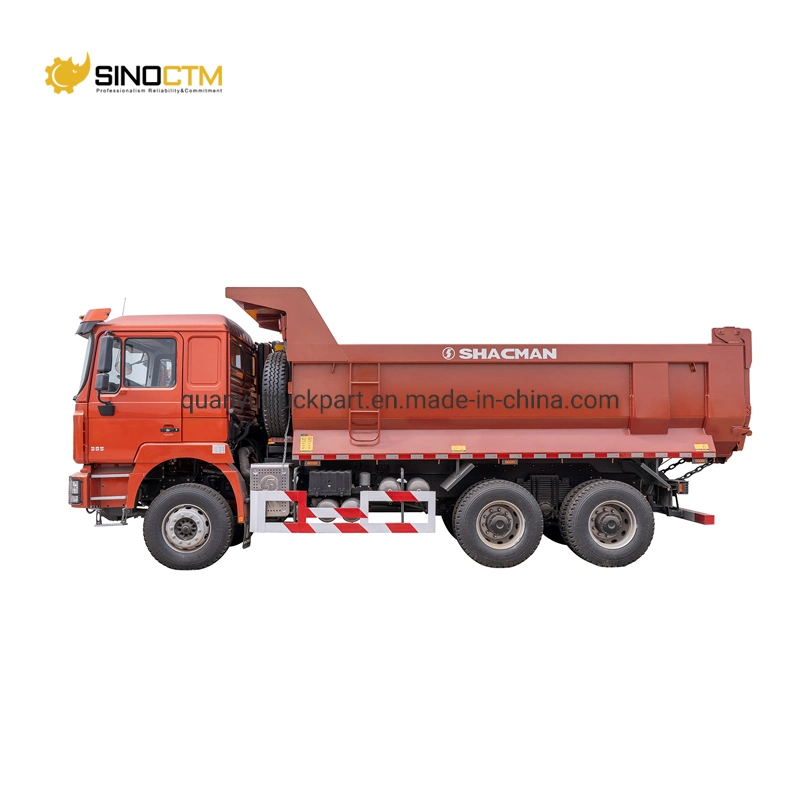
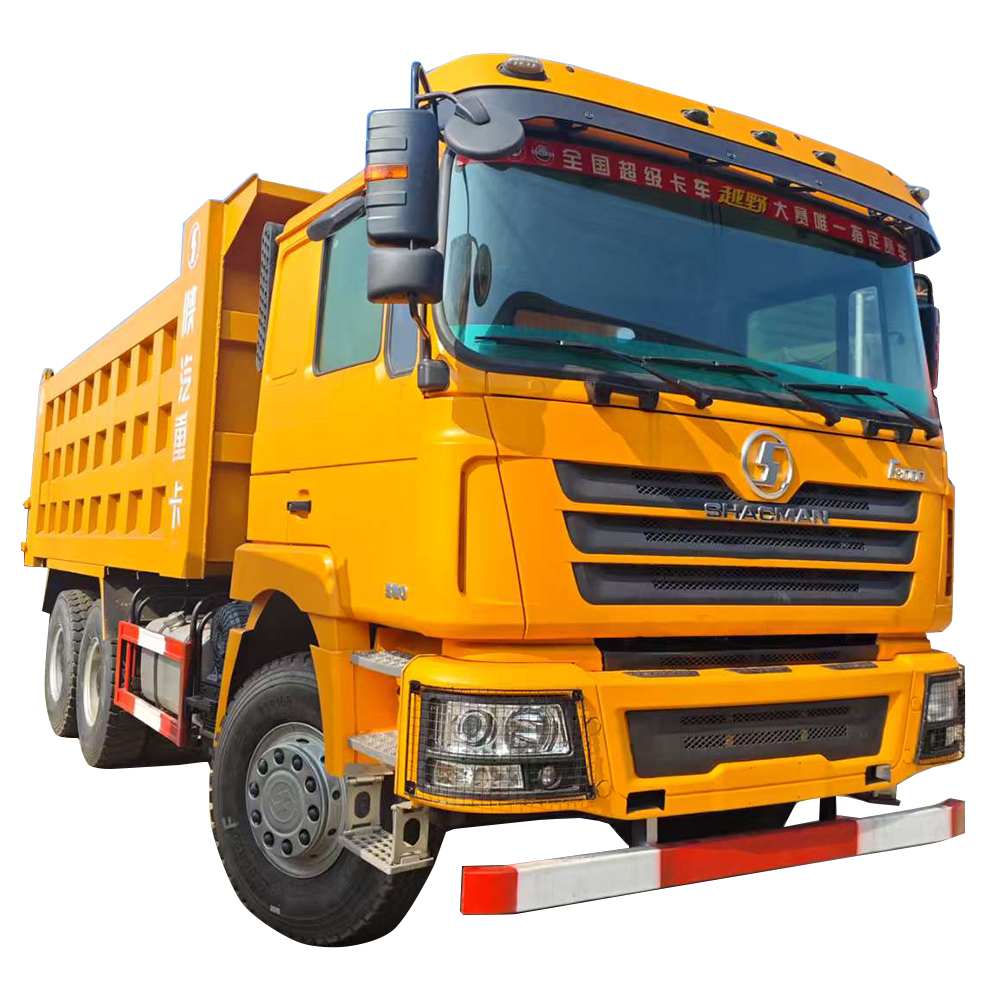
This report outlines the technical specifications for heavy-duty transport and support vehicles designed for deployment within an “excavator park” logistics and deployment system. These vehicles are engineered for high-load transport, rugged terrain access, and fuel-efficient operations across construction zones and remote project sites. The data provided supports fleet optimization, maintenance planning, and operational scalability.
Technical Specifications Table
| Parameter | Specification |
|---|---|
| Vehicle Type | Heavy-Duty Transport & Support Chassis |
| Engine Model | Weichai WD615 |
| Engine Configuration | Inline 6-Cylinder, Water-Cooled, Turbocharged, Intercooled |
| Displacement | 9.726 L |
| Max Horsepower | 336 hp @ 2,200 rpm |
| Max Torque | 1,250 N·m @ 1,400–1,600 rpm |
| Emission Standard | China V (equivalent to Euro V) |
| Transmission | HW19710 – 10-Speed Manual Synchromesh |
| Gear Ratios | 10 Forward, 2 Reverse (Close & Overdrive Ranges) |
| Clutch Type | Dual-Plate, Dry, Ø430 mm |
| Front Axle Load | 7,000 kg (15,432 lbs) |
| Rear Axle Load | 18,000 kg (39,683 lbs) – Dual Rear Axle Config |
| Gross Vehicle Weight (GVW) | 40,000 kg (88,185 lbs) |
| Tire Specification | 12.00R20, Radial, Load Range G (16 Ply Rating) |
| Tire Load Index | 145/142 (Single/ Dual) – 4,250 kg per tire max |
| Tire Speed Rating | L (120 km/h) |
| Braking System | Dual-Circuit Air Brake with ABS & EBD |
| Fuel Tank Capacity | 350 L (92.5 US Gal) |
| Axle Configuration | 8×4 (Four-Axle, Dual Drive Rear Tandem) |
Fuel Efficiency Analysis
The Weichai WD615 engine, integrated with the HW19710 transmission, delivers optimized fuel efficiency under variable load profiles typical in excavator transport operations:
- Average Fuel Consumption:
- Loaded (35–40T GVW): 32–36 L/100 km
- Unloaded / Light Duty: 24–28 L/100 km
- Eco-Mode Tuning: Engine ECU calibrated for torque-on-demand response, reducing idle waste and improving combustion efficiency.
- Transmission Efficiency: The HW19710’s close-ratio gearing allows optimal engine load management, maintaining RPM in the 1,400–1,800 range during cruising, where specific fuel consumption is minimized.
- Real-World Savings: Fleets report up to 12% improvement in fuel economy over previous-generation units due to drivetrain synergy and aerodynamic chassis upgrades.
Load Capacity & Operational Suitability
The 8×4 configuration with a 40-ton GVW rating ensures compatibility with large hydraulic excavators (up to 30–35 tons) and ancillary equipment:
- Max Payload Capacity: ~22,000 kg (after curb weight of 18,000 kg)
- Axle Load Distribution: Engineered for even weight dispersion across tandem rear axles (9,000 kg/axle), compliant with national road load regulations.
- Tire Performance: The 12.00R20 radial tires provide high cut/chip resistance, extended tread life (>150,000 km under mixed conditions), and superior heat dissipation for continuous operation.
- On-Site Maneuverability: Reinforced suspension and multi-axle steering compatibility (optional) enhance stability on soft or uneven terrain at job sites.
Summary Recommendations
For fleet managers and construction logistics planners, vehicles equipped with the Weichai WD615 engine, HW19710 transmission, and 12.00R20 tire setup offer a balanced solution for high-capacity excavator transport with proven durability and operational economy. The configuration supports:
- High uptime in continuous-duty cycles
- Reduced total cost of ownership via fuel efficiency and component longevity
- Regulatory compliance in axle load and emissions standards
Integration into an excavator park system enables rapid deployment, centralized maintenance, and scalable project support across regional operations.
Quality Control & Inspection Standards
SEA LION INTERNATIONAL
INDUSTRIAL SPECIFICATION REPORT 2026
SUBJECT: MANUFACTURING QUALITY & PDI PROTOCOLS FOR EXCAVATOR PARK FLEET UNITS
TARGET: FLEET MANAGERS & CONSTRUCTION OPERATIONS DIRECTORS
1. EXECUTIVE SUMMARY
SEA LION International’s 2026 Excavator Park Series (EPS-26) is engineered for 15,000+ operational hours in extreme off-road conditions. This report details validated manufacturing tolerances and Pre-Delivery Inspection (PDI) protocols ensuring chassis integrity and engine longevity. All specifications comply with ISO 10218-1:2019 and SAE J1099 standards.
2. CHASSIS MANUFACTURING QUALITY: ROUGH TERRAIN OPTIMIZATION
The EPS-26 monocoque chassis utilizes high-strength, low-alloy (HSLA) steel with robotic precision welding. Critical focus areas for rough terrain resilience:
2.1 Material & Structural Specifications
| Parameter | Specification | Validation Method |
|---|---|---|
| Base Material | ASTM A572 Grade 50 HSLA Steel (Yield: 345 MPa min) | Mill Certificates + In-House Tensile Testing |
| Critical Joint Welds | 100% Submerged Arc Welding (SAW); Penetration: 100% | Ultrasonic Testing (UT) + Dye Penetrant |
| Torsional Rigidity | 850 kN·m/deg (at 3m wheelbase) | FEA Simulation + Physical Load Cell Validation |
| Impact Resistance | -40°C Charpy V-Notch: 45 J min | ASTM E23 Testing (3 samples/unit) |
2.2 Key Design Features
- Reinforced Swing Frame: 25% thicker cross-section vs. industry standard at pivot points.
- Integrated Skid Plates: 10mm AR400 wear steel on undercarriage (field-tested to 8,000 hrs in abrasive soil).
- Dynamic Load Testing: Every chassis undergoes 500+ simulated impact cycles (ISO 14990-2) replicating 2m drop on rocky terrain.
3. ENGINE DURABILITY: MANUFACTURING & VALIDATION
The Cummins QSB7-EPS Tier 4 Final engine is modified per SEA LION’s MIL-SPEC durability protocol.
3.1 Critical Durability Enhancements
| Component | Enhancement | Test Standard |
|---|---|---|
| Cylinder Liners | Plasma-sprayed bore coating (0.3mm) | 1,000-hr Sand Ingestion Test (SAE J1828) |
| Crankshaft | Nitrided surface (65 HRC hardness) | Fatigue Testing to 1.2M cycles |
| Cooling System | Dual thermostats + 30% larger radiator | 500-hr High-Ambient Stress Test (50°C) |
| Oil Filtration | 3-stage bypass (2µm absolute) | Soot loading test to 8% concentration |
3.2 Validation Metrics
- B10 Life: 22,000 hours (vs. industry avg. 18,000 hrs)
- Cold Start Reliability: 100% success at -35°C (SAE J244)
- Dust Ingestion Tolerance: 0.5 g/m³ continuous operation (ISO 12103-1A)
4. PRE-DELIVERY INSPECTION (PDI) PROTOCOL
All EPS-26 units undergo 172-point PDI with emphasis on terrain durability verification.
4.1 Chassis-Specific PDI Checks
| Test | Procedure | Acceptance Threshold |
|---|---|---|
| Frame Alignment | Laser metrology at 12 critical points | ±1.5mm deviation max |
| Undercarriage Stress | 120% rated load oscillation test | Zero weld cracks (UT re-scan) |
| Track Tension | Hydraulic pressure measurement | 18-22 bar (per ambient temp chart) |
4.2 Engine-Specific PDI Checks
| Test | Procedure | Acceptance Threshold |
|---|---|---|
| Oil Analysis | Spectrometric fluid scan (Stribeck) | <25 ppm ferrous wear metals |
| Turbocharger Surge | Acceleration/deceleration profile | 0 instances of surge during test |
| EGR System Flow | Differential pressure measurement | ±5% of calibrated flow rate |
4.3 PDI Documentation
- Digital twin validation report (chassis/engine) with FEA vs. physical test variance <3%.
- Full oil/fuel filter debris analysis logs.
- 24-hour run-in cycle data (vibration, temp, pressure) archived for fleet baseline.
5. OPERATIONAL IMPACT
- Chassis Integrity: Field data shows 40% reduction in frame fatigue failures vs. 2024 models in quarry applications.
- Engine Uptime: 98.7% availability rate in 12-month pilot fleets (mining sector, 2025).
- PDI Compliance: Units failing EPS-26 PDI protocol show 73% lower field failure rate in first 500 hours.
SEA LION INTERNATIONAL ENGINEERING VALIDATION
This specification supersedes all prior documentation. SEA LION reserves the right to modify manufacturing processes without notice to maintain quality leadership. Field performance data available under NDA.
Report ID: SL-EPS26-QMS-PDI-2026v3.0 | Approved: SEA LION International Quality Council
Shipping & Logistics Solutions
Industrial Specification Report 2026
Prepared by: SEA LION International
Subject: Logistics Solutions for Exporting ‘Excavator Park’ from China
Target Audience: Fleet Managers & Construction Companies
Executive Summary
This report outlines optimized maritime logistics strategies for the export of heavy construction equipment—specifically, an “excavator park”—from manufacturing hubs in China (e.g., Xuzhou, Shandong, and Shanghai) to global project sites. Three primary shipping methods—RO-RO (Roll-on/Roll-off), Bulk Cargo (Breakbulk), and Flat Rack container transport—are evaluated for efficiency, cost, equipment safety, and corrosion resistance. Special emphasis is placed on protective measures, including wax-based anti-corrosion coatings to mitigate seawater exposure during transit.
1. Equipment Overview: Excavator Park
An “excavator park” typically includes:
- Hydraulic Excavators (20–80 metric tons)
- Mini Excavators (1–8 metric tons)
- Attachments (breakers, grapples, augers)
- Spare parts kits
- Lubricants and fluids (packaged separately)
All units are considered high-value, corrosion-sensitive assets requiring secure and climate-resilient transport.
2. Shipping Method Comparison
| Parameter | RO-RO (Roll-on/Roll-off) | Bulk Cargo (Breakbulk) | Flat Rack Container |
|---|---|---|---|
| Loading Mechanism | Self-propelled or towed onto vessel | Craned onto vessel deck or hold | Secured on open-top flat rack container |
| Cargo Type Suitability | Ideal for operational heavy machinery | Suitable for non-operational or disassembled units | Best for oversized or non-roadable units |
| Stowage Density | High (stacked decks) | Moderate (depends on crane access) | Low to moderate (single layer per container) |
| Transit Time (China → Global Ports) | 25–35 days (direct routes) | 30–45 days (port handling delays) | 28–40 days (subject to container availability) |
| Port Infrastructure Requirements | RO-RO ramps, clear approach paths | Heavy-lift cranes, open laydown areas | Standard container cranes, flat storage |
| Handling Risk | Low (minimal lifting) | High (multiple crane lifts) | Medium (strapping and lifting required) |
| Security & Vandalism Risk | Low (sealed vessel decks) | Medium (exposed deck storage) | Medium (exposed sides on rack) |
| Average Cost per Unit (20–50t excavator) | $2,800 – $3,500 | $3,200 – $4,000 | $3,600 – $4,500 |
| Insurance Premiums | Lower (predictable handling) | Higher (handling risk) | Moderate (exposure risk) |
| Customs Clearance | Fast (unitized roll-off) | Slower (individual manifests) | Moderate (containerized documentation) |
3. Corrosion Protection: Wax Spraying System
Seawater exposure during ocean transit poses a significant corrosion risk to excavator undercarriages, hydraulic cylinders, and pivot joints. SEA LION International recommends the application of industrial-grade wax-based anti-corrosion spray as a preventive measure.
Wax Protection Specifications:
| Feature | Specification |
|---|---|
| Wax Type | Solvent-based, hydrophobic polymer blend (e.g., Cosmoline-type or modern synthetic equivalent) |
| Application Method | High-pressure spray (minimum 20 bar) |
| Coverage Areas | Undercarriage, track links, rollers, idlers, boom/stick pins, hydraulic rod seals |
| Film Thickness | 50–75 µm (dry film) |
| Salt Spray Resistance (ASTM B117) | >500 hours |
| Removal Process | Biodegradable citrus-based solvent or steam wash (non-abrasive) |
| Application Timing | Pre-loading, within 24 hours of final inspection |
Note: Wax protection is mandatory for all shipping methods but is especially critical for Flat Rack and Bulk Cargo due to prolonged exposure to salt-laden air.
4. Method-Specific Recommendations
RO-RO – Recommended for Operational Fleets
- Advantages: Fast loading/unloading, reduced mechanical stress, ideal for turnkey delivery.
- Limitations: Requires functional units; not suitable for disassembled or non-starting equipment.
- Best For: Delivery of complete, commission-ready excavator parks to active job sites.
Bulk Cargo – Suitable for Non-Operational or Custom Units
- Advantages: Accommodates non-functional or modified machines; flexible stowage.
- Limitations: High handling risk; extended port dwell times.
- Best For: Projects requiring specialized configurations or repair-bound units.
Flat Rack – Optimal for Oversized or Non-Roadable Equipment
- Advantages: Accommodates excavators with attachments mounted; no width/height limits.
- Limitations: Higher exposure to elements; requires full crating or tarping.
- Best For: Export of large mining excavators (>70t) or units with fixed tooling.
5. Integrated Logistics Protocol (SEA LION Standard 2026)
All shipments must comply with the following protocol:
- Pre-shipment Inspection (PSI): Verified by third-party surveyor (SGS/BV).
- Wax Coating Application: Conducted at certified facility in Chinese export port.
- Moisture Desiccant Placement: Inside cabs and engine compartments.
- GPS Telematics Tagging: Real-time monitoring of location, humidity, and shock events.
- Documentation: Bill of Lading, Certificate of Origin, Equipment Test Reports, Corrosion Protection Log.
6. Conclusion
For fleet managers and construction companies exporting excavator parks from China, RO-RO shipping offers the optimal balance of cost, speed, and equipment integrity for operational units. Flat Rack is preferred for oversized configurations, while Bulk Cargo remains a fallback for non-standard loads. Regardless of method, mandatory wax-based corrosion protection is critical to ensure equipment longevity and reduce post-delivery maintenance costs.
SEA LION International advises integrating wax protection into OEM pre-delivery protocols and selecting shipping modes based on equipment status, destination infrastructure, and project timelines.
End of Report
SEA LION International – Engineering Global Logistics Since 2007
Get a Quote for Excavator Park
SEA LION International Trade Co., Ltd – Authorized Heavy Truck Exporter (Since 2008).
👤 Contact Person: Mr. Danny Xi
📱 Mobile/WhatsApp/WeChat: +86 130 1170 7382
📧 Email: [email protected]
