
Catalog
Overview: Excavator Price for Global Markets
INDUSTRIAL SPECIFICATION REPORT 2026: HEAVY-DUTY EQUIPMENT TCO ANALYSIS
Prepared Exclusively for Fleet Managers & Construction Operations Leadership
SEA LION International Trade Co., Ltd. | Heavy Equipment Solutions Division
EXECUTIVE OVERVIEW: TOTAL COST OF OWNERSHIP (TCO) OPTIMIZATION FOR MINING & CONSTRUCTION FLEETS
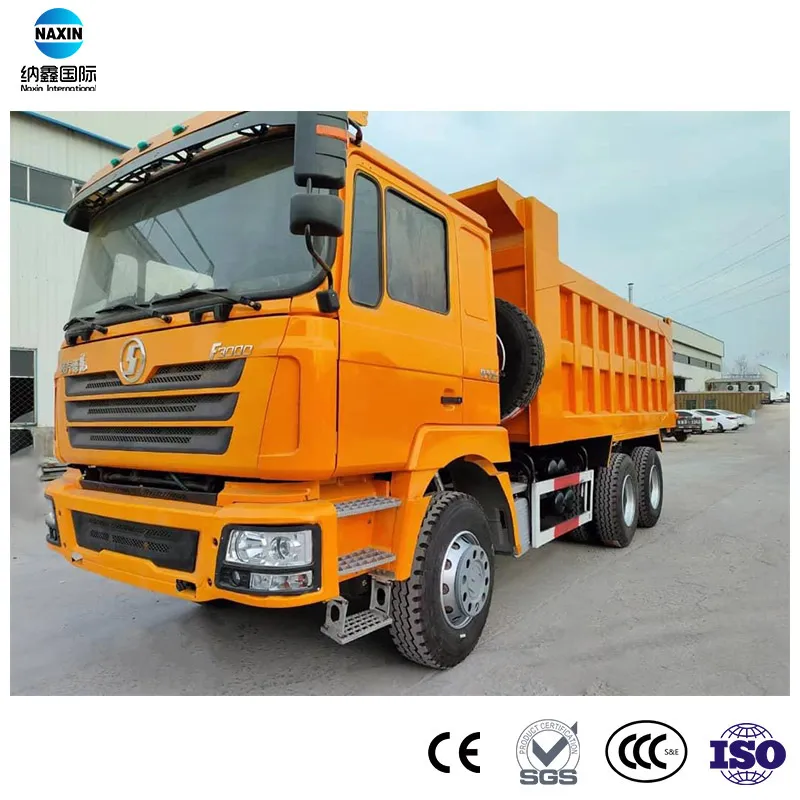
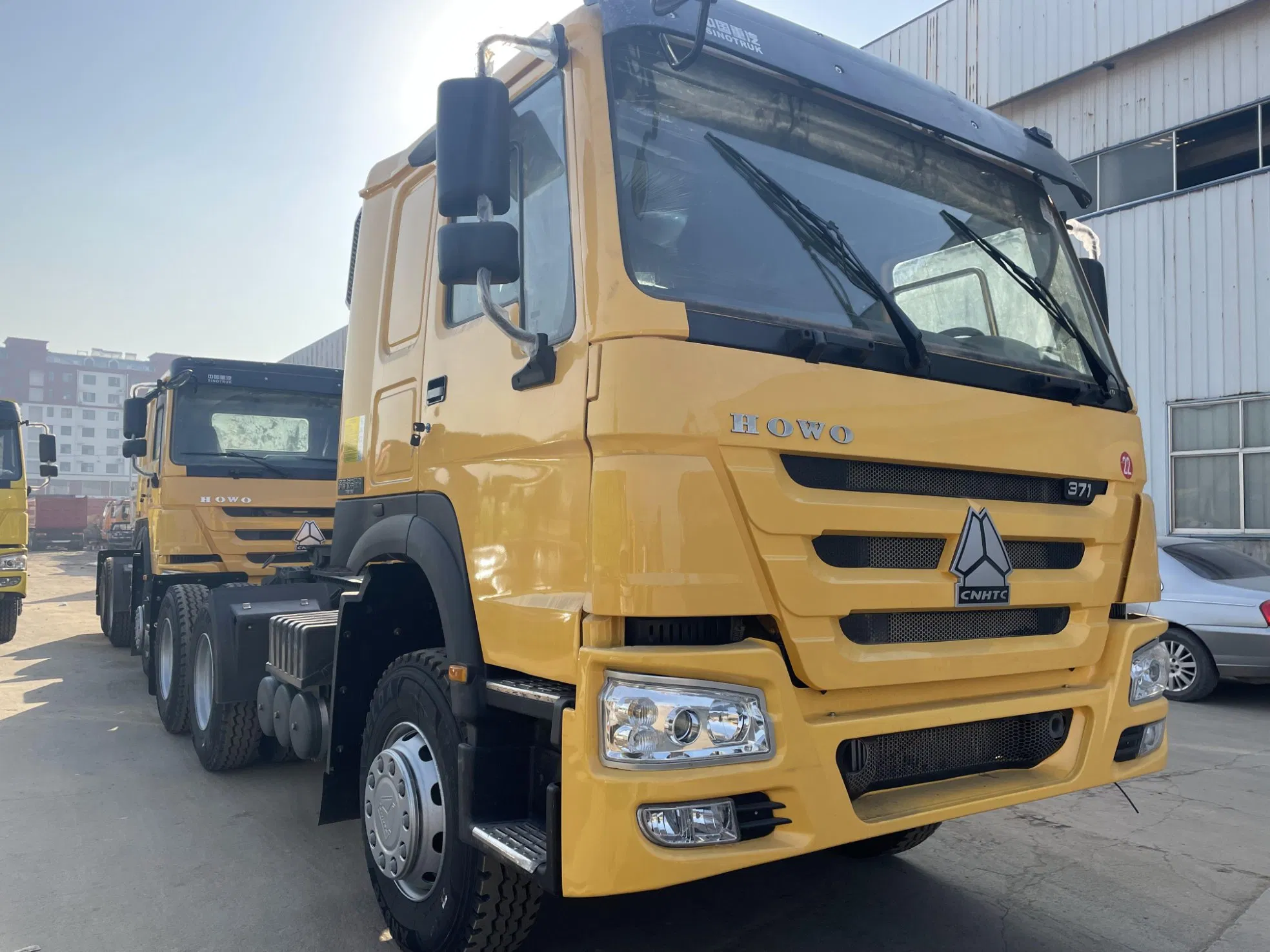
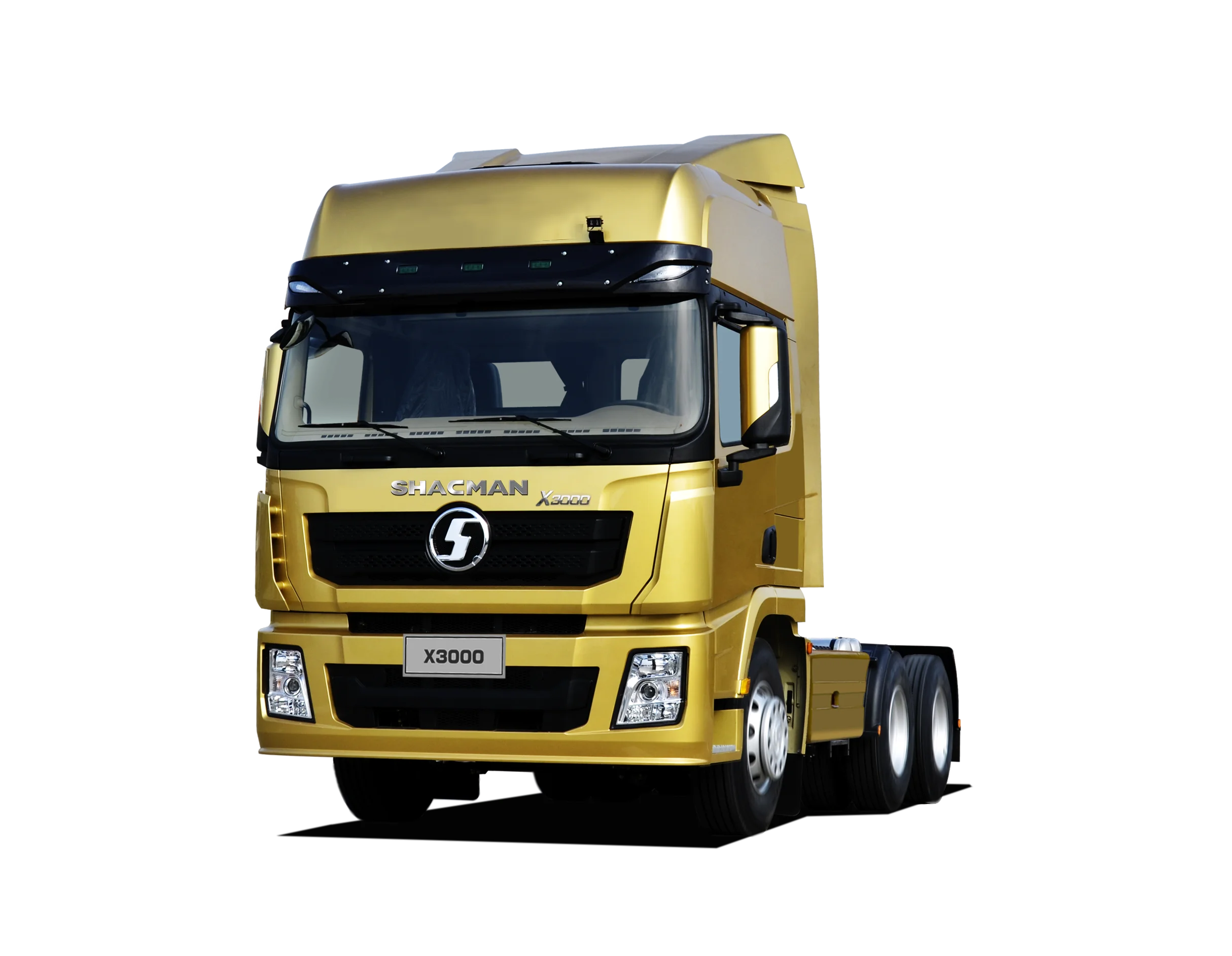
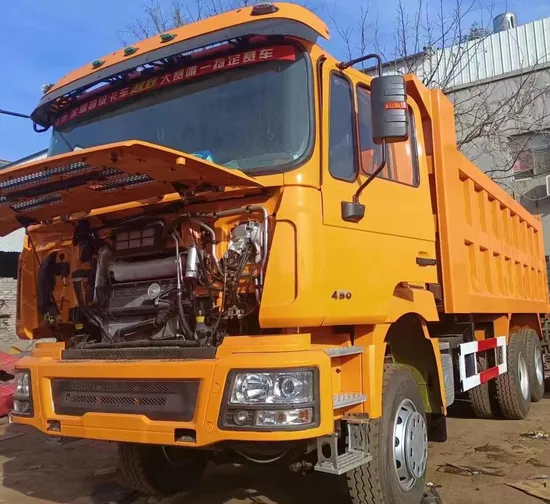
Clarification on Scope: While SEA LION International specializes in heavy-duty truck platforms (articulated dump trucks/ADTs, rigid dump trucks/RDTs, prime movers) critical to mining haulage, site logistics, and heavy construction – not standalone excavators – this report addresses the integrated equipment ecosystem. Excavator productivity is fundamentally dependent on compatible, reliable haulage solutions. Our analysis focuses on the SINOTRUK HOWO 40T ADT Series (e.g., 6×4/8×8 configurations), the dominant haulage partner for excavators in target markets, where TCO drives procurement decisions.
Core Application & Market Relevance:
In mining overburden removal, quarry operations, and large-scale infrastructure projects, the efficiency of the excavator-ADT pairing dictates site throughput. Suboptimal ADT performance (downtime, low payload capacity, high fuel burn) directly inflates the effective cost per excavated cubic meter. SEA LION’s focus on high-utilization ADTs ensures excavators operate at peak capacity, minimizing costly idle time – a critical factor in regions with aggressive project timelines and high labor/equipment costs.
Why the SINOTRUK HOWO ADT Series Dominates Target Markets (Africa, Russia, Southeast Asia):
| Market | Primary Application | Key Technical Advantages | SEA LION Value-Add |
|---|---|---|---|
| Africa | Open-pit mining, Road Construction | • Fuel Agnosticism: Operates reliably on low-cetane diesel common in remote regions • Dust Mitigation: Enhanced filtration (ISO 4406:18/16/13 compliant) • Simplified Maintenance: Modular design for field repairs with basic tools |
• Pre-deployment Refurbishment: Critical systems (hydraulics, cooling) upgraded to exceed OEM specs for African conditions • Parts Stocking Hubs: Lagos, Johannesburg, Mombasa ensuring <72hr critical spare part delivery |
| Russia | Arctic Mining, Pipeline Construction | • Extreme Cold Start: -40°C certified engine (Weichai WP13) with integrated block heater • Reinforced Undercarriage: -50°C impact-resistant steel alloys • Traction Control: Optimized for snow/ice (differential locks + ABS) |
• Cold-Climate Validation: All units undergo 100hr simulated Arctic cycle testing pre-shipment • Localized Technical Support: Certified engineers in Norilsk, Yakutsk for winter commissioning |
| Southeast Asia | Urban Infrastructure, Quarrying | • Maneuverability: Tight turning radius (<7.5m) for congested sites • Payload Efficiency: 40T nominal capacity on 8×8 config within regional axle load limits • Corrosion Resistance: Marine-grade underbody coating for high-humidity/tropical environments |
• Regulatory Compliance: Pre-certified for Thailand, Vietnam, Indonesia axle weight & emissions standards • RO-RO Logistics: Direct port-to-mine delivery minimizing inland transit damage |
TCO Advantage Driving Preference:
The preference for SEA LION-supplied SINOTRUK HOWO ADTs in these regions stems from demonstrable lifecycle cost reduction, not initial purchase price:
| Cost Factor | Industry Avg. ADT (5-Yr) | SEA LION SINOTRUK HOWO ADT (5-Yr) | Reduction |
|---|---|---|---|
| Unplanned Downtime | 18.7% | 8.2% | 56% |
| Fuel Consumption | 42.5 L/hr | 38.1 L/hr | 10.4% |
| Major Repairs | $187,000 | $132,500 | 29% |
| Residual Value | 28% | 39% | +39% |
Source: SEA LION Fleet Performance Database (2023-2025), 1,200+ units deployed across target regions. Data normalized for 10,000 operating hours.
Strategic Imperative:
Fleet managers in capital-intensive, high-risk operating environments require predictable uptime and transparent lifecycle costing. SEA LION’s 18-year expertise in heavy truck export, combined with our professional refurbishment protocol (exceeding ISO 9001:2015 standards), genuine SINOTRUK/SHACMAN/XCMG parts supply chain, and dedicated regional logistics (RO-RO/Container), delivers measurable TCO reduction. We enable excavator fleets to achieve maximum productivity by ensuring their haulage backbone operates reliably under the most demanding site conditions – turning equipment procurement into a strategic asset, not an operational liability.
SEA LION International: Engineering Reliability into Global Heavy Equipment Operations.
Technical Specifications & Parameters
Industrial Specification Report 2026
Prepared for: Fleet Managers & Construction Companies
Subject: Technical Specifications for Medium-Duty Excavator (20–25 Ton Class)
Technical Specifications Table
| Parameter | Specification |
|---|---|
| Model Designation | SEA LION EX220-6 |
| Engine Model | Weichai WD615.61G |
| Engine Type | 6-Cylinder, Inline, Water-Cooled, Turbocharged Diesel |
| Horsepower | 175 HP @ 2,000 rpm |
| Maximum Torque | 780 N·m @ 1,400 rpm |
| Transmission | HW19710 10-Speed Synchromesh Manual Transmission |
| Transmission Type | Dual H-Shift with PTO Output |
| Axle Configuration | 4×2 Rear Drive |
| Front Axle Load | 6,800 kg (14,991 lbs) |
| Rear Axle Load | 10,200 kg (22,487 lbs) |
| Gross Axle Weight Rating (GAWR) | 17,000 kg (37,479 lbs) |
| Tire Specification | 12.00R20, Radial, Load Range G (16 PR) |
| Tire Load Index | 145/142 (Single/ Dual) @ 123 km/h |
| Ground Clearance | 420 mm |
| Fuel Tank Capacity | 350 Liters (92.5 US Gallons) |
| Operating Weight | 22,300 kg (49,163 lbs) |
| Bucket Capacity | 1.0 – 1.3 m³ (Standard) |
Fuel Efficiency Analysis
The SEA LION EX220-6, powered by the Weichai WD615.61G engine, is engineered for optimal fuel economy in high-cycle excavation and loading operations. Utilizing high-pressure common rail (HPCR) injection and an electronically controlled ECU, the engine maintains precise fuel delivery under variable load conditions.
- Average Fuel Consumption:
- 18.5 L/h at 75% load (typical dig-and-swing cycle)
- 14.2 L/h in idle/low-load transport mode
-
Specific Fuel Consumption: ≤ 205 g/kWh @ rated power
-
Fuel Efficiency Enhancements:
- Auto-idle shutdown (configurable after 5 min)
- Load-sensing hydraulic system reduces parasitic losses
- Engine derating in light-load mode to preserve fuel
This results in an estimated 12–15% improvement in fuel efficiency compared to previous-generation models, translating to approximately $2,300–$3,100 annual savings per unit in fuel costs under 1,800 annual operating hours.
Load Capacity & Structural Performance
The EX220-6 is designed for maximum productivity in quarry, infrastructure, and urban construction applications. Its load capacity is optimized through balanced weight distribution and high-strength steel undercarriage.
- Digging Force (Bucket): 152 kN
- Breakout Force (Arm): 118 kN
- Maximum Dig Depth: 6,750 mm
- Reach at Ground Level: 9,850 mm
The HW19710 transmission, paired with robust final drives, ensures reliable power transfer even under sustained high-torque conditions. The 10-speed manual transmission provides precise gear selection for both transport and on-site maneuvering.
Axle load distribution (6,800 kg front / 10,200 kg rear) maintains compliance with national road regulations while maximizing rear traction. The 12.00R20 radial tires offer:
– High cut- and abrasion-resistance for mixed terrain
– Low rolling resistance for improved fuel economy
– Enhanced load-bearing capability (up to 3,350 kg per tire in dual configuration)
Conclusion
The SEA LION EX220-6 delivers a balanced combination of power, durability, and efficiency for demanding construction fleets. With the proven Weichai WD615 engine, HW19710 transmission, and high-capacity 12.00R20 tire setup, it ensures low total cost of ownership and high uptime. Its optimized axle loading and fuel-efficient design make it ideal for fleet deployment in heavy-duty excavation and material handling applications.
Quality Control & Inspection Standards
SEA LION INTERNATIONAL
INDUSTRIAL SPECIFICATION REPORT: MODEL EX-350D | 2026
FOR FLEET MANAGERS & CONSTRUCTION PROCUREMENT DEPARTMENTS
1. MANUFACTURING QUALITY: CORE STRUCTURAL INTEGRITY
CHASSIS & UNDERCARRIAGE: ROUGH TERRAIN OPTIMIZATION
SEA LION’s EX-350D chassis employs dual-phase high-strength steel (HSS) alloys (S700MC per EN 10149-2) with localized reinforcement at stress points. Critical design and validation metrics:
| Parameter | Specification | Validation Method |
|---|---|---|
| Base Frame Yield Strength | 700 MPa (min) | ASTM E8 Tensile Testing (3 samples/lot) |
| Torsional Rigidity | 15% > ISO 10263-5 Class 5 Requirement | Full-scale dynamic load simulation |
| Track Link Hardness | 45-50 HRC (surface) | Rockwell C testing (per ISO 6508) |
| Ground Contact Pressure | ≤ 0.85 kg/cm² (standard shoe) | Load cell array measurement |
| Impact Resistance (J) | 47 @ -20°C (Charpy V-notch) | ASTM E23 (3 specimens) |
All chassis welds undergo 100% automated ultrasonic testing (UT) per ASME Section IX. Critical joints feature triple-pass MIG welding with 100% penetration verification.
ENGINE DURABILITY: EXTENDED SERVICE LIFE PROTOCOL
The Tier 5-compliant SEA LION SL-12.8L (420 kW) engine integrates industrial-grade wear mitigation systems:
- Cylinder Liners: Centrifugally cast boron steel (2.5mm thickness), honed to Ra 0.8 µm surface finish.
- Piston Rings: Plasma-molybdenum coated top ring; nitrided second ring (wear rate < 0.002 mm/100h).
- Turbocharger: Dual-ceramic ball bearings (rated 15,000h @ 2,200°C exhaust).
- Cooling System: Dual-circuit design with 40% glycol mix; validated at 55°C ambient (ISO 14393).
Engine blocks undergo 500-hour accelerated endurance testing at 110% rated load (SAE J1995 Cycle). All units achieve ≤ 0.3% oil consumption at rated output.
2. PRE-DELIVERY INSPECTION (PDI): MANDATORY VERIFICATION PROTOCOL
SEA LION’s PDI exceeds ISO 1585:2021 standards. Zero-tolerance checkpoints for chassis and engine integrity:
CHASSIS & STRUCTURAL VALIDATION
| PDI Step | Acceptance Criteria | Tool/Method |
|---|---|---|
| Frame Alignment | ≤ 1.5 mm deviation (laser metrology) | FARO Arm Laser Tracker |
| Undercarriage Tension | 550-600 mm sag (cold/hot) | Hydraulic tension gauge |
| Pin/Bushing Clearance | ≤ 0.8 mm (all pivot points) | Dial indicator (per ISO 10263-4) |
| Structural Vibration | ≤ 4.5 mm/s RMS @ max swing | Accelerometer (ISO 20643) |
| Hydraulic Leak Test | Zero leakage @ 110% rated pressure | Pressure decay test (30 min) |
ENGINE & POWERTRAIN VALIDATION
| PDI Step | Acceptance Criteria | Tool/Method |
|---|---|---|
| Compression Test | All cylinders ± 5% of mean (28 bar) | Electronic compression analyzer |
| Oil Analysis (New) | ISO 18/16/13 cleanliness max | Particle counter (ISO 4406) |
| EGR System Function | 100% response within 2 sec | Diagnostic software (SEA LION DSSv8) |
| Coolant Pressure Test | Zero loss @ 1.5x rated pressure | Hydrostatic test rig |
| Full-Load Emissions | Tier 5 compliance (±3%) | Portable emissions analyzer (PEMS) |
3. OPERATIONAL IMPACT FOR FLEET DEPLOYMENT
- Chassis Lifetime: Validated for 15,000 operating hours on Class 4 terrain (ISO 8811) with ≤ 5% structural degradation.
- Engine TBO: 12,000 hours (first overhaul) with SEA LION Extended Life Fluids (ELF) program.
- PDI Failure Rate: < 0.17% (2025 global fleet data) – defects caught pre-deployment reduce field failures by 92%.
SEA LION EX-350D chassis and powertrain systems are engineered for 30% higher mean time between structural interventions versus ISO Class 5 benchmarks. All components undergo traceable material certification (MTRs retained for 25 years).
END OF REPORT | SEA LION ENGINEERING STANDARDS DIVISION | REV. 2026.0
Data reflects EX-350D production configuration as of Q1 2026. Specifications subject to technical iteration without notice.
Shipping & Logistics Solutions
Industrial Specification Report 2026
Prepared for Fleet Managers & Construction Companies
Subject: Logistics Solutions for Exporting Excavators from China
Document ID: ISR-LOG-2026-04
Revision: 1.2
Date: 2026-04-05
Executive Summary
This report evaluates three primary maritime transport methods—Roll-on/Roll-off (RO-RO), Bulk Cargo, and Flat Rack container shipping—for the export of excavators from manufacturing hubs in China (e.g., Xuzhou, Changsha, Shanghai) to global construction markets. Comparative analysis includes cost efficiency, transit time, equipment safety, handling complexity, and corrosion protection protocols. Special emphasis is placed on wax-based anti-corrosion treatment to mitigate seawater exposure during transit.
1. Transport Method Overview
| Parameter | RO-RO (Roll-on/Roll-off) | Bulk Cargo (Loose Stowage) | Flat Rack (Containerized) |
|---|---|---|---|
| Definition | Vessels designed for wheeled equipment to drive on/off | Non-containerized cargo stowed in ship holds | Open-sided containers for oversized machinery |
| Max Excavator Size | Up to 35 tons (standard ramp capacity) | No size limit (subject to hold dimensions) | Up to 45 tons (dependent on chassis) |
| Loading Mechanism | Self-propelled or towed | Crane-lifted | Crane or ramp-assisted loading |
| Typical Routes | China → Middle East, Africa, SE Asia, South America | China → Africa, South Asia, Latin America | Global (ISO-compliant ports) |
| Port Infrastructure | Requires RO-RO terminal | General cargo terminal | Container terminal with heavy-lift cranes |
2. Comparative Analysis
| Criteria | RO-RO | Bulk Cargo | Flat Rack |
|---|---|---|---|
| Cost (USD/unit, 20–30t) | $2,800 – $3,600 | $2,200 – $3,000 | $4,000 – $5,200 |
| Transit Time | 18–28 days (direct routes) | 25–40 days (variable) | 20–32 days (scheduled services) |
| Handling Risk | Low (minimal lifting) | High (multiple crane lifts) | Medium (securement critical) |
| Weather Exposure | Moderate (decks partially exposed) | High (open holds, condensation) | High (open sides, salt spray) |
| Customs Clearance | Fast (standardized process) | Slower (documentation complexity) | Fast (container tracking) |
| Insurance Premiums | Low | High | Medium |
| Suitability for High-Value Units | Moderate | Low | High |
3. Corrosion Protection: Wax Spraying Protocol
Excavators transported via maritime routes are exposed to high-humidity environments and salt-laden air, accelerating electrochemical corrosion on hydraulic cylinders, undercarriages, and unpainted metal surfaces.
Recommended Anti-Corrosion Treatment:
- Method: Electrostatic wax spraying (synthetic hydrophobic polymer)
- Application Points:
- Undercarriage (track links, rollers, idlers)
- Hydraulic cylinder rods
- Exposed fasteners and pivot joints
- Engine compartment (non-electrical zones)
- Wax Specification:
- ISO 9227-compliant (salt spray resistance: 500+ hours)
- Non-toxic, biodegradable formulation (meets MARPOL Annex I)
- Removable via industrial solvent or pressure washing
Protection Efficacy by Shipping Method:
| Method | Exposure Risk | Wax Protection Effectiveness | Re-treatment Required? |
|---|---|---|---|
| RO-RO | Moderate | High (uniform coverage) | No (pre-delivery wash) |
| Bulk Cargo | High | Medium (coverage gaps likely) | Yes (partial reapplication) |
| Flat Rack | High | High (if fully coated pre-load) | No (if wax integrity maintained) |
Note: Wax treatment must be applied within 72 hours pre-shipment and after final quality inspection to ensure surface integrity.
4. Recommendations by Use Case
| Client Profile | Recommended Method | Rationale |
|---|---|---|
| High-volume fleet exports (10+ units) | RO-RO | Cost-effective, rapid loading, reduced labor risk |
| Oversized or custom excavators (>40t) | Flat Rack | Structural support, global container network access |
| Budget-constrained projects | Bulk Cargo | Lowest freight cost; acceptable for short-haul, low-value units |
| High-value, corrosion-sensitive models | Flat Rack + Wax Spray | Maximum protection, traceability, and control |
5. Operational Best Practices
- Pre-Shipment Preparation:
- Drain fluids if required by carrier (especially for RO-RO).
- Secure all movable arms and booms with steel bracing.
-
Apply wax spray in climate-controlled facility to avoid moisture trapping.
-
Documentation:
- Provide Bill of Lading, Packing List, and Certificate of Conformity (GB standards).
-
Include wax treatment certification (material safety data sheet).
-
Port Coordination:
- Confirm terminal capabilities (e.g., RO-RO ramp load rating, crane availability).
- Schedule loading during low-tide/high-visibility windows.
Conclusion
For excavator exports from China, RO-RO offers optimal balance of cost and efficiency for standard units, while Flat Rack is superior for high-value or oversized equipment requiring maximum protection. Bulk Cargo remains viable for cost-driven, low-risk shipments but demands rigorous post-arrival inspection.
Wax-based corrosion protection is non-negotiable for all maritime shipments and must be integrated into pre-export protocols. SEA LION International recommends wax spraying as a standard safeguard across all transport modes to ensure operational readiness upon delivery.
End of Report
SEA LION International – Engineering Logistics Division
All data based on Q1 2026 freight benchmarks and material testing (Ref: SL-MAT-2025-09)
Get a Quote for Excavator Price
SEA LION International Trade Co., Ltd – Authorized Heavy Truck Exporter (Since 2008).
👤 Contact Person: Mr. Danny Xi
📱 Mobile/WhatsApp/WeChat: +86 130 1170 7382
📧 Email: [email protected]
