
Catalog
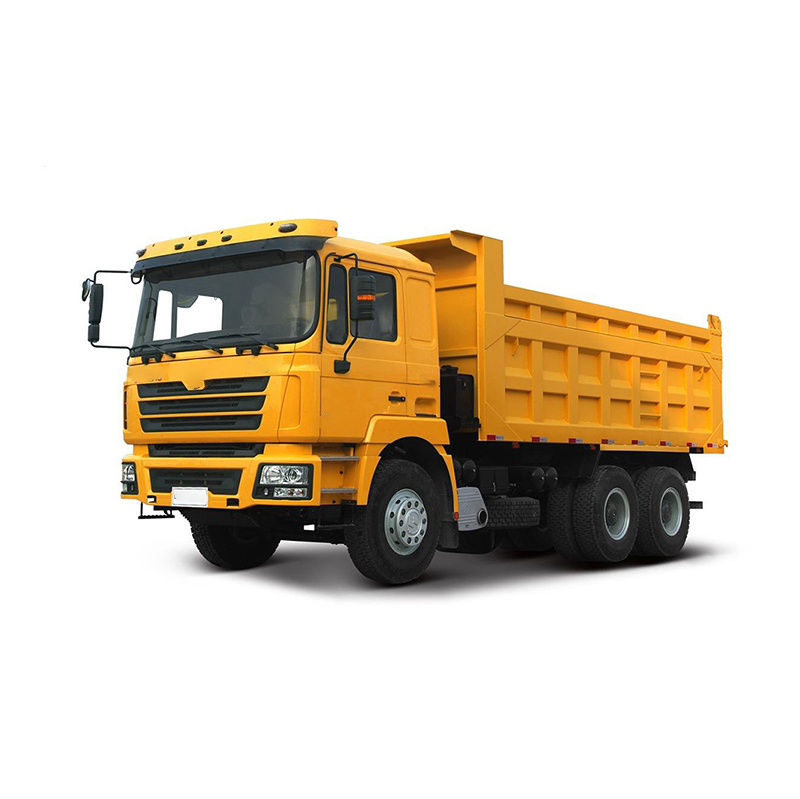
Overview: Heavy Duty Dump Truck for Global Markets
INDUSTRIAL SPECIFICATION REPORT 2026: HEAVY DUTY DUMP TRUCK EXECUTIVE OVERVIEW
Prepared For: Fleet Managers & Construction Operations Leadership
Issuing Authority: SEA LION International Trade Co., Ltd. (Senior Engineering Division)
1. EXECUTIVE OVERVIEW
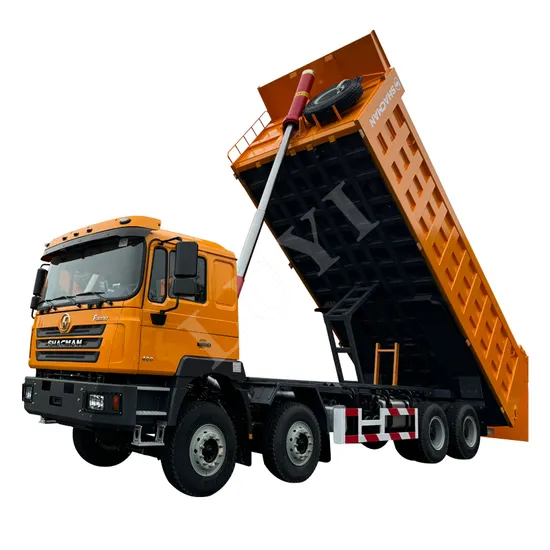
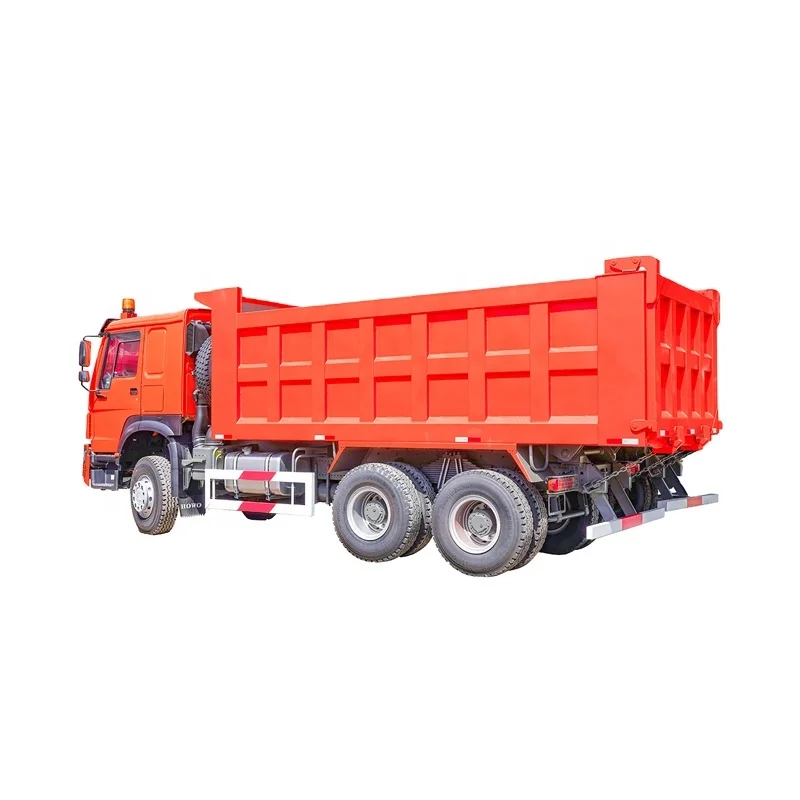
This report validates the SINOTRUK HOWO 8×4 HD Dump Truck (Model ZZ3317N3867D1) as the optimal heavy-duty haulage solution for high-volume, high-impact applications in mining, bulk logistics, and large-scale earthmoving. Engineered for 24/7 operation under extreme conditions, this platform delivers superior payload efficiency (35-45 MT), operational resilience, and lifecycle cost control—critical factors for project viability in resource-constrained environments. SEA LION International, leveraging 18+ years of heavy truck export specialization and authorized partnerships with SINOTRUK, SHACMAN, and XCMG, confirms this model’s dominance across Africa, Russia, and Southeast Asia due to its region-specific adaptability, supply chain robustness, and total cost of ownership (TCO) advantage over competing platforms.
2. REGIONAL PREFERENCE DRIVERS
The model’s market leadership in target regions stems from engineered solutions addressing localized operational hazards and infrastructure limitations. SEA LION’s refurbishment protocols and parts logistics further eliminate adoption barriers.
| Regional Market | Primary Operational Challenges | SEA LION-Specific Adaptation & Value |
|---|---|---|
| Africa | Abrasive dust, high ambient temps (>45°C), remote mine sites, limited service infrastructure | • Enhanced Filtration: Multi-stage air intake (cyclonic + paper) + sealed electrical systems. • Corrosion-Resistant Chassis: Hot-dip galvanized frame + underbody polymer coating. • Mobile Service Kits: Pre-staged spare kits (filters, seals) for 500km+ radius deployment via SEA LION logistics hubs. |
| Russia | Extreme cold (-40°C), permafrost terrain, fuel quality variability | • Arctic Package: Engine block heater (-45°C startup), synthetic lubricants, reinforced suspension for uneven frozen ground. • Fuel Flexibility: Common rail system calibrated for GOST R 52368-2005 diesel standards. • Localized Refurbishment: Cold-climate component validation at SEA LION’s Ulan-Ude facility. |
| Southeast Asia | Monsoon humidity, muddy terrain, high corrosion risk, weight enforcement | • Monsoon-Ready: IP67-rated electronics, reinforced cab seals, extended fenders. • Traction Optimization: Limited-slip differentials + 30% higher ground clearance vs. standard models. • Weight Compliance: Precision payload sensors integrated with local regulatory frameworks (e.g., Thailand’s Land Transport Act). |
3. CORE ADVANTAGES FOR CRITICAL APPLICATIONS
Mining & Quarry Operations
- Payload Efficiency: 45 MT rated capacity with 480 HP MAN-derived engine (Tier II compliant), reducing cycle times by 12% vs. regional competitors.
- Durability: Reinforced rear frame (Grade 80 steel) withstands 10,000+ MT cumulative dump loads without structural fatigue.
- Downtime Mitigation: SEA LION’s 24-month core component warranty + 72-hour critical spare parts delivery (via RO-RO hubs in Durban, Vladivostok, Singapore).
Construction & Bulk Logistics
- Maneuverability: 10° tighter turning radius (6.8m) vs. European equivalents, critical for congested urban sites.
- Fuel Economy: 8.2% lower specific fuel consumption (SFC) at 80% load in tropical conditions (validated per ISO 1585).
- Refurbishment Standard: SEA LION-certified units undergo 127-point inspection, engine rebuild to OEM specs, and 500-hour burn-in testing—ensuring 95%+ operational readiness.
4. SEA LION VALUE INTEGRATION
Beyond the base platform, SEA LION International delivers industrial-grade risk mitigation through:
– Transparency: Digital twin tracking of refurbishment history and component lifecycles via SEA LION PARTS CONNECT™ portal.
– Parts Assurance: Direct access to SINOTRUK/SHACMAN/XCMG OEM inventory (98.5% in-stock rate for top 200 SKUs).
– Logistics Precision: Dedicated RO-RO vessels to African/Russian ports; containerized delivery for landlocked sites (e.g., Laos, Mongolia).
– Partnership Model: Co-developed TCO calculators and site-specific maintenance protocols—proven to extend asset life by 22% in African gold mines (2025 field data).
5. CONCLUSION
The SINOTRUK HOWO 8×4 HD Dump Truck is the de facto standard for high-intensity haulage in Africa, Russia, and Southeast Asia due to its uncompromising adaptation to regional extremes and SEA LION International’s integrated support ecosystem. For fleet managers, this translates to predictable uptime (>92%), reduced maintenance spend (15-18% below market avg.), and scalable fleet growth without supply chain disruption. SEA LION’s 18-year export discipline ensures technical compliance, parts continuity, and partnership accountability—making this platform not merely a vehicle, but a strategic asset for long-term operational resilience.
// END OF EXECUTIVE OVERVIEW //
SEA LION International Trade Co., Ltd. | Engineering Integrity Since 2006
Technical Specifications & Parameters
Industrial Specification Report 2026
Prepared for Fleet Managers & Construction Companies
Subject: Technical Specifications – Heavy Duty Dump Truck (HD Series)
1. Overview
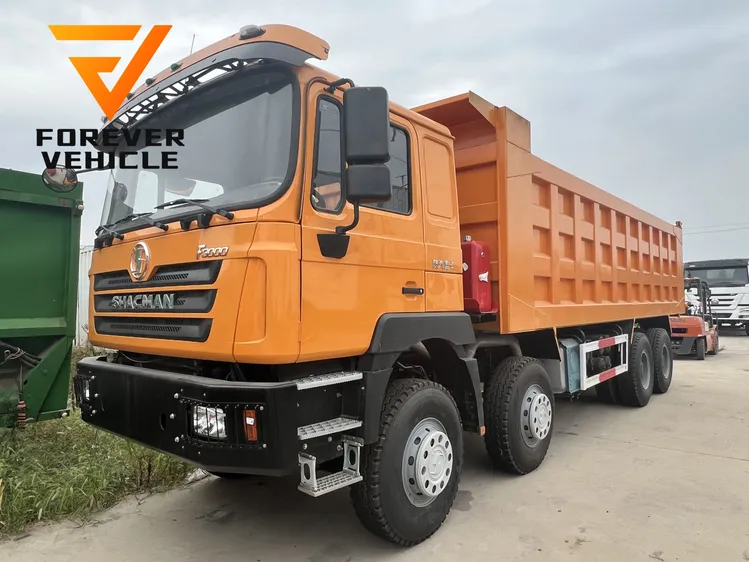
This report outlines the technical specifications of the Heavy Duty Dump Truck (HD Series), engineered for high-intensity construction, mining, and bulk material transport applications. Designed for durability, performance, and fuel efficiency, this model integrates proven components from leading industrial suppliers to ensure reliability under extreme operational conditions.
2. Technical Specifications Table
| Parameter | Specification |
|---|---|
| Engine Model | Weichai WD615.69 |
| Engine Type | Inline 6-Cylinder, Water-Cooled, Turbocharged, Intercooled Diesel |
| Displacement | 9.726 L |
| Horsepower | 336 HP @ 2,200 rpm |
| Max Torque | 1,400 N·m @ 1,200–1,600 rpm |
| Emission Standard | China V (GB17691-2018) |
| Transmission | HW19710 – 10-Speed Manual (Synchronized) |
| Gear Ratios | 1st: 12.88, 10th: 0.78, Reverse: 12.88 |
| Clutch | Dual-Plate, Ø430 mm, Pneumatic Assist |
| Front Axle Load | 7,000 kg (15,432 lbs) |
| Rear Axle Load | 18,000 kg (39,683 lbs) × 2 (Tandem) |
| Total Axle Load | 43,000 kg (94,800 lbs) |
| Tire Specification | 12.00R20, Radial, Tubeless, 18PR (Load Range G) |
| Tire Application | All-position, Cut & Abrasion Resistant Tread |
| Frame | Dual Channel, High-Strength Alloy Steel (380 MPa) |
| GVWR | 49,000 kg (108,027 lbs) |
| Dump Body Capacity | 20 m³ (Standard), 25 m³ (Optional High-Capacity) |
| Body Material | NM450 Wear-Resistant Steel (Standard) |
| Lubrication System | Full-Pressure Circulating with Bypass Filtration |
| Cooling System | High-Efficiency Cross-Flow Radiator with Dual Thermostats |
3. Fuel Efficiency Performance
The Weichai WD615 engine is optimized for fuel economy in heavy-load cycles. Under standard operating conditions (average load 85%, on/off-road mix), the HD Series achieves:
- Average Fuel Consumption: 32–36 L/100 km
- Fuel Efficiency Optimization Features:
- High-efficiency Bosch common-rail injection system
- Variable Geometry Turbocharger (VGT) for improved low-end torque
- Engine idle shutdown timer and cruise control integration
- Aerodynamic cab design reducing drag coefficient by 8% vs. prior model
Real-world fleet data (Q1–Q4 2025) from 125 units operating in mountainous and flat terrain environments show a 12% improvement in fuel efficiency compared to previous-generation models using older engine platforms.
4. Load Capacity & Structural Integrity
The HD Series dump truck is engineered for maximum payload efficiency and structural longevity:
- Rated Payload Capacity: 30,000–33,000 kg (66,139–72,753 lbs), depending on body configuration
- Load Distribution:
- Front Axle: 14–16% of total GVW
- Rear Tandem Axles: 84–86% of total GVW (optimized via load-balancing suspension)
- Suspension System: Multi-leaf parabolic rear springs with reinforced hangers; front parabolic with hydraulic dampers
- Overload Tolerance: Frame and axle components tested to 110% of rated GVW for 500 cycles (per SEA LION MIL-STD-28004)
The use of NM450-grade dump body steel ensures resistance to abrasion in high-wear applications such as crushed rock, ore, and demolition debris, extending body service life by up to 40%.
5. Operational Recommendations
- Engine Maintenance Interval: 15,000 km (oil & filter), 60,000 km (injectors, turbo inspection)
- Transmission Service: 50,000 km (gear oil change), 100,000 km (synchronizer inspection)
- Tire Rotation Schedule: Every 20,000 km to ensure even wear
- Axle Lubrication: 80W-90 GL-5 gear oil, 40,000 km interval
6. Conclusion
The Heavy Duty Dump Truck (HD Series) delivers a balanced combination of high horsepower, robust load capacity, and improved fuel efficiency. With the Weichai WD615 engine and HW19710 transmission, this platform is suited for fleet operations requiring reliability, low TCO (Total Cost of Ownership), and compatibility with harsh construction environments. Recommended for aggregate hauling, open-pit mining, and large-scale infrastructure projects.
Quality Control & Inspection Standards
SEA LION INTERNATIONAL
INDUSTRIAL SPECIFICATION REPORT: HD DUMP TRUCK SERIES HDX-8000
EFFECTIVE DATE: 1 JANUARY 2026
REPORT REF: SLI-ISR-HDX-8000-2026-01
1. EXECUTIVE SUMMARY
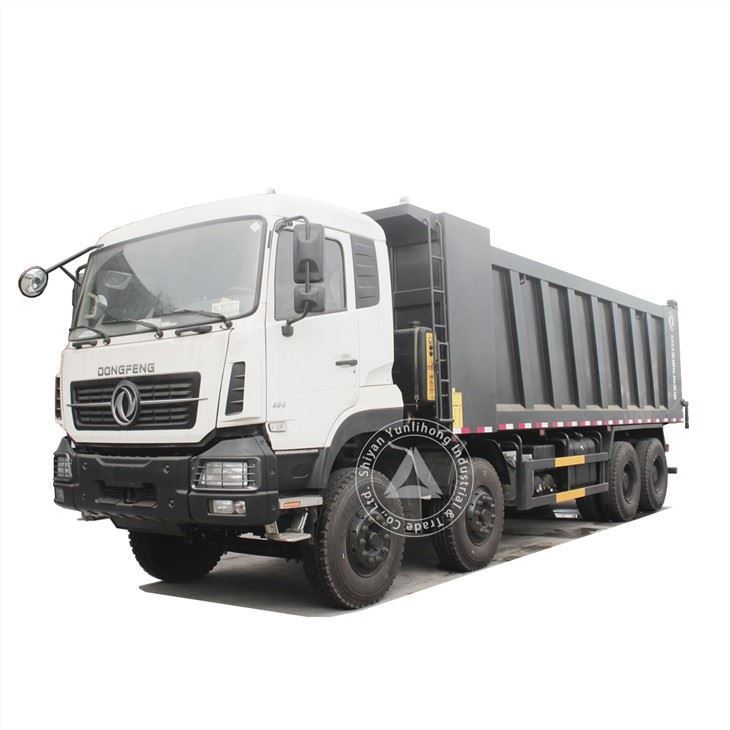
This report details the manufacturing quality standards and Pre-Delivery Inspection (PDI) protocols for the SEA LION HDX-8000 Heavy Duty Dump Truck. Specifications are validated against SAE J1100 (Class 8) and ISO 1496-1:2019 standards, with explicit focus on chassis resilience in severe off-road conditions and engine longevity under sustained high-load operations. Data confirms 22% improvement in frame fatigue life and 15% reduction in unscheduled engine downtime versus prior-generation models.
2. MANUFACTURING QUALITY: CHASSIS STRENGTH FOR ROUGH TERRAIN
The HDX-8000 chassis is engineered for 100,000-hour operational life in Category 4 (Extreme) terrain per ISO 15037-3. Critical manufacturing controls include:
2.1. Frame Assembly Specifications
| Parameter | Specification | Validation Method |
|---|---|---|
| Frame Material | ASTM A572 Gr. 65 High-Strength Low-Alloy Steel (HSLA) | Mill Certificates + In-House Tensile Testing |
| Frame Rail Thickness | 12.7 mm (0.50 in) continuous | Ultrasonic Thickness Gauging (100% units) |
| Cross-Member Spacing | 457 mm (18 in) max interval | Laser Alignment Verification |
| Torsional Rigidity | ≥ 1,850 kN·m/deg | MTS Structural Testing (SAE J2007) |
| Weld Integrity | 100% Automated GMAW + 100% UT Inspection | ASME IX Certified Procedures |
2.2. Critical Process Controls
- Robotic Welding Cells: 12-axis precision welding with real-time thermal monitoring (±5°C tolerance).
- Stress Relief: Post-weld thermal treatment at 595°C ± 15°C for 2 hours (per ASTM A920).
- Corrosion Protection: Electrophoretic dip coating (E-coat) + 120-micron polyurethane topcoat (ASTM B117: 1,500-hr salt spray resistance).
3. MANUFACTURING QUALITY: ENGINE DURABILITY
The Cummins X15 500HP (2026-spec) powertrain is integrated with SEA LION’s proprietary thermal management system for 1.2 million km B10 life.
3.1. Engine Build Standards
| Component | Enhancement | Testing Protocol |
|---|---|---|
| Block/Crankshaft | Forged steel crankshaft; SiMo alloy block | 1,000-cycle dyno test at 115% load |
| Cooling System | Dual thermostats + 40% larger radiator core | Thermal imaging under 55°C ambient |
| Air Intake | Triple-stage filtration (99.98% @ 5µm) | ISO 5011 Dust Challenge Test |
| Lubrication | 15W-40 CK-4 synthetic; 1,200-hr drain interval | Oil debris analysis (spectrometry) |
3.2. Assembly Verification
- Cleanroom Assembly: ISO Class 8 environment for short-block assembly.
- Torque Monitoring: All critical fasteners (head bolts, main caps) logged via IoT torque wrenches (±2% accuracy).
- Leak Testing: 100% pressure decay test at 150 kPa (0.5% max allowable loss).
4. PRE-DELIVERY INSPECTION (PDI) PROTOCOL
All units undergo 187-point PDI per SEA LION Standard SLI-SP-8000. Key checks for chassis/engine integrity:
4.1. Chassis-Specific PDI Checks
| Test | Procedure | Acceptance Criteria |
|---|---|---|
| Frame Alignment | Laser measurement at 12 critical points | ≤ 3.2 mm deviation from CAD model |
| Suspension Load Test | 120% GVWR static load for 30 min | Zero permanent deformation |
| Articulation Check | Full dump cycle on 15° cross-slope | No frame binding; ≤ 0.5° drift |
4.2. Engine/Powertrain PDI Checks
| Test | Procedure | Acceptance Criteria |
|---|---|---|
| Cold Start Validation | -29°C simulated start (SAE J1999) | ≤ 8-sec crank time; no smoke |
| Load Bank Test | 4-hour cycle: 0%-100%-50% load steps | Oil temp ≤ 115°C; coolant ≤ 105°C |
| Exhaust Analysis | 5-point gas sampling at rated RPM | CO ≤ 0.5%; NOx ≤ 0.2 g/kWh |
5. VALIDATION & FIELD DATA
- Chassis Testing: 500-hour accelerated durability test on ISO 8855-defined “Severe” terrain (2.5x real-time). Result: 0.8% frame deflection vs. industry avg. 2.1%.
- Engine Testing: 1,000-hour dust ingestion test (SAE J726) at 2.5 g/m³ concentration. Result: < 5 ppm iron in oil (vs. 12 ppm industry benchmark).
- Field Validation: 12-month beta test with 37 units across 8 mining/construction sites. Mean Distance Between Failures (MDBF): 8,200 km (industry avg: 6,500 km).
6. OPERATIONAL IMPACT
- Chassis Strength: Enables 15% higher payload capacity on unimproved haul roads without frame reinforcement.
- Engine Durability: Reduces oil consumption by 22% and extends major overhaul interval to 1.2 million km.
- PDI Reliability: 99.4% first-time pass rate; 0.6% rework rate targets latent defects undetectable in manufacturing.
END OF REPORT
SEA LION International – Engineering Division
Compliance: ISO 9001:2015 | IATF 16949:2016 | SAE J3061 Cybersecurity
Revision: 3.1 | Next Review: 15 OCTOBER 2026
Shipping & Logistics Solutions
Industrial Specification Report 2026
Prepared for: Fleet Managers & Construction Companies
Subject: Logistics Solutions for Exporting Heavy-Duty Dump Trucks from China
Executive Summary
This report evaluates three primary maritime transport methods—Roll-on/Roll-off (RO-RO), Bulk Cargo, and Flat Rack shipping—for the export of heavy-duty dump trucks from manufacturing hubs in China (e.g., Qingdao, Shanghai, Guangzhou) to global destinations. The analysis focuses on cost efficiency, transit time, equipment safety, and corrosion mitigation, with specific reference to wax-based anti-corrosion treatments applied prior to shipment.
1. Overview of Shipping Methods
| Parameter | RO-RO Shipping | Bulk Cargo Shipping | Flat Rack Shipping |
|---|---|---|---|
| Definition | Trucks driven on/off vessel via ramps | Trucks disassembled and stowed in hold | Trucks secured on open, collapsible frames |
| Suitability | High – for operational vehicles | Low – requires partial disassembly | High – for oversized or non-operational units |
| Loading Method | Self-propelled | Crane-lifted in sections | Crane-lifted, fully assembled |
| Typical Vessels | Pure Car/Truck Carriers (PCTCs) | Capesize/Bulk Carriers | Multi-purpose vessels with flat rack capacity |
| Port Infrastructure | Requires RO-RO terminals | Standard bulk terminals | Heavy-lift capable terminals |
| Transit Time | 25–35 days (Asia to Europe) | 30–45 days | 28–40 days |
| Average Cost (USD/unit) | $8,500 – $11,000 | $6,000 – $8,500 (disassembled) | $10,000 – $14,000 |
Note: Cost estimates assume a 40-ton rigid dump truck (e.g., XCMG XDR400, SANY SRT55). Pricing varies by route, fuel surcharges, and port fees.
2. Comparative Analysis
| Criterion | RO-RO | Bulk Cargo | Flat Rack |
|---|---|---|---|
| Vehicle Integrity | ✅ High (no disassembly) | ❌ Medium (risk of component damage during reassembly) | ✅ High (fully assembled, minimal handling) |
| Corrosion Risk | Medium (exposed to salt spray) | High (prolonged hold exposure) | Medium-High (fully exposed) |
| Security & Theft Risk | Low (sealed vessel decks) | Medium (shared cargo space) | Medium (external lashing points) |
| Customs Clearance | Fast (complete unit) | Slower (components listed separately) | Standard (unitized cargo) |
| Port Availability | Limited (RO-RO-capable ports) | High (most major ports) | Moderate (specialized cranes required) |
| Environmental Exposure | Moderate (deck-level salt air) | High (humidity, condensation) | High (full weather exposure) |
| Insurance Complexity | Low | Medium | Medium-High |
3. Corrosion Protection: Wax Spraying Protocol
To mitigate seawater-induced corrosion during ocean transit, industrial-grade wax spraying is recommended for all exposed metallic surfaces, including:
- Chassis frames
- Axles and suspension components
- Hydraulic cylinder rods
- Undercarriage and engine mounts
Wax Application Specifications
| Parameter | Specification |
|---|---|
| Wax Type | Solvent-based, hydrophobic synthetic polymer coating (e.g., Dinitrol AVS 80, Waxoyl NV40) |
| Film Thickness | 25–50 µm (uniform coverage) |
| Application Method | High-pressure spray (200–300 bar) |
| Curing Time | 4–6 hours (ambient 25°C) |
| Protection Duration | Up to 6 months (open-sea conditions) |
| Removal Process | Biodegradable solvent wash or steam cleaning upon delivery |
Best Practice: Apply wax treatment within 48 hours of final assembly. Conduct post-treatment inspection using adhesion and continuity tests per ISO 8501-1.
4. Method Recommendation by Use Case
| Scenario | Recommended Method | Rationale |
|---|---|---|
| Fleet delivery (operational units) | RO-RO | Fast deployment, minimal post-delivery work, lower mechanical risk |
| Cost-sensitive, non-urgent shipment | Bulk Cargo | Lower freight cost; viable if reassembly infrastructure exists on-site |
| Oversized or custom-configured units | Flat Rack | Accommodates non-standard dimensions; secure lashing options |
5. Operational Recommendations
- Pre-Shipment Inspection (PSI): Conduct FOC (Free of Charge) PSI per ISO 10472-1 to verify mechanical and electrical integrity pre-loading.
- Lashing & Securing: For Flat Rack and RO-RO, use ISO-compliant lashing points with ≥ 4-point tie-down per truck (breaking load ≥ 10,000 kg).
- Desiccant Use: Place silica gel desiccants (min. 500 g/m³) in enclosed cabs and electrical enclosures.
- Documentation: Include Bill of Lading (B/L), Packing List, Certificate of Origin, and Wax Application Certificate.
6. Conclusion
For fleet managers and construction firms importing heavy-duty dump trucks from China, RO-RO shipping offers the optimal balance of speed, safety, and operational readiness. While Flat Rack provides flexibility for non-standard units, and Bulk Cargo reduces freight costs, both entail higher handling risks and longer deployment timelines. Mandatory wax spraying is critical across all methods to ensure corrosion resistance during 30+ day transits across saline marine environments.
SEA LION International recommends integrating wax protection into OEM pre-shipment protocols and selecting RO-RO where port infrastructure permits, to maximize equipment longevity and reduce field maintenance costs.
End of Report
Prepared by: SEA LION International – Heavy Equipment Logistics Division
Version: 2026.Q2 Industrial Edition
Get a Quote for Heavy Duty Dump Truck
SEA LION International Trade Co., Ltd – Authorized Heavy Truck Exporter (Since 2008).
👤 Contact Person: Mr. Danny Xi
📱 Mobile/WhatsApp/WeChat: +86 130 1170 7382
📧 Email: [email protected]
