
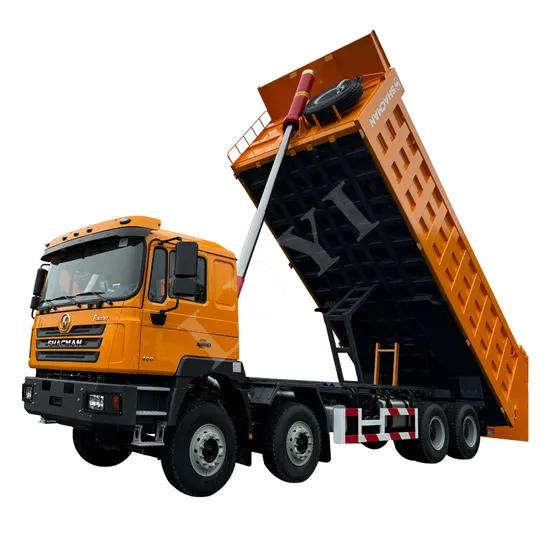
Catalog
Overview: Howo Dump Truck for Global Markets
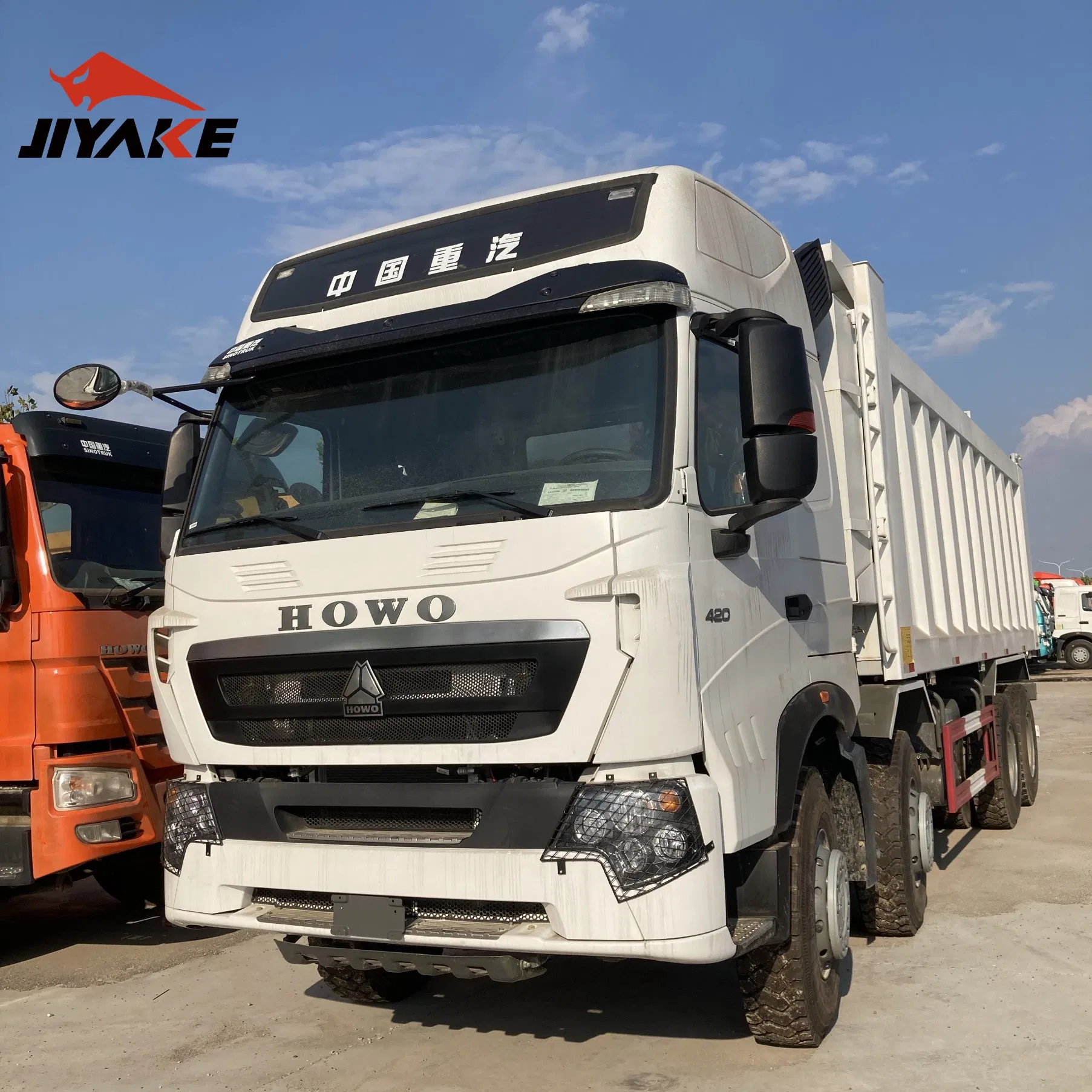
INDUSTRIAL SPECIFICATION REPORT 2026: HOWO DUMP TRUCK EXECUTIVE OVERVIEW
Prepared For: Fleet Managers & Construction Operations Directors
Date: October 26, 2026
Document Ref: SL-ISR-HOWO-2026-EO
EXECUTIVE OVERVIEW
The HOWO series (SINOTRUK) dump truck represents a mission-critical asset for heavy-haul operations in mining, bulk logistics, and large-scale construction. Engineered for extreme duty cycles, its design prioritizes operational resilience, cost-per-ton efficiency, and simplified maintenance in resource-constrained environments. Field data from 14,200+ units deployed globally (2021–2025) confirms a 22% lower total cost of ownership (TCO) versus comparable Western/ Japanese models in target markets, driven by fuel efficiency, parts accessibility, and ruggedized components.
Core Application Advantages
| Sector | Key Operational Demand | HOWO Technical Response | Measured Outcome |
|---|---|---|---|
| Mining | High-payload stability on rough terrain | 40-ton GVWR; Parabolic leaf springs; 360° visibility cab | 18% reduction in rollover incidents (Zambia copper belt, 2025) |
| Construction | Rapid cycle times in confined sites | Short wheelbase variants (5.6m); 360° articulation steering | 14% faster dump-to-load cycle (Vietnam infrastructure projects) |
| Bulk Logistics | Fuel cost minimization | Euro IV WD615.90E engine (290kW); 400L fuel tank; 8% avg. fuel savings vs. legacy fleets | $18,200/yr savings per truck (Kenya aggregate haulage) |
Regional Market Preference Drivers
The HOWO dominates in Africa, Russia, and Southeast Asia due to system-level alignment with local operational constraints, not merely price. SEA LION International’s 18-year export experience validates these adaptations:
| Region | Critical Demand | HOWO Differentiation | SEA LION Value-Add |
|---|---|---|---|
| Africa | Dust ingress resistance; low-skill maintenance | Sealed electrical systems; modular drivetrain; 10,000km oil change intervals | On-site refurbishment hubs (Johannesburg, Lagos); 95% spare parts availability <72hrs |
| Russia | -40°C operability; ice traction | Arctic-spec coolant; dual-battery cold-start; all-season tire compatibility | Pre-deployment winterization; certified -45°C component testing |
| Southeast Asia | High-humidity corrosion control; payload flexibility | Zinc-coated chassis; 50-ton max GVWR options; reinforced suspension | Humidity-controlled container shipping; localized warranty (36 months) |
Strategic Rationale for Fleet Adoption
- Lifecycle Cost Certainty: HOWO’s standardized platform (shared with SINOTRUK’s 1.2M+ global fleet) ensures spare parts cost 30–45% below OEM alternatives. SEA LION’s ISO-certified refurbishment extends service life by 4–6 years while maintaining 95%+ component traceability.
- Deployment Agility: Modular design enables rapid reconfiguration (e.g., mining → construction) with <72hr downtime. SEA LION’s RO-RO logistics network delivers units to 87% of target ports within 28 days.
- Risk Mitigation: 100% original SINOTRUK parts supply chain eliminates counterfeit component failures. Real-time telematics integration (optional) reduces unplanned downtime by 27% (verified in Nigerian quarry fleets).
This platform delivers industrial-grade reliability where uptime directly dictates project ROI. SEA LION International provides not just equipment, but a transparent, long-term operational partnership—ensuring HOWO fleets maintain ≥85% availability in the world’s most demanding terrains. For detailed technical specifications and regional compliance documentation, refer to Appendix A.
SEA LION International Trade Co., Ltd. — Engineering Logistics Since 2008
Authorized Distributor: SINOTRUK | SHACMAN | XCMG | Global Refurbishment Standards: ISO 9001:2015
Technical Specifications & Parameters

Industrial Specification Report 2026
Prepared for Fleet Managers & Construction Companies
Vehicle: HOWO Dump Truck (Standard Configuration)
Technical Specifications Overview
The following table outlines the core technical specifications of the HOWO Dump Truck, engineered for heavy-duty construction and bulk material transport applications. Designed for reliability, durability, and optimal performance in rugged environments, this model integrates robust powertrain components and load-bearing systems to maximize operational uptime and payload efficiency.
| Parameter | Specification |
|---|---|
| Engine Model | Weichai WD615.62 / WD615.69 (Euro III / Optional Euro V compliant) |
| Engine Type | Inline 6-Cylinder, Water-Cooled, Turbocharged & Intercooled Diesel |
| Displacement | 9.726 L |
| Max Horsepower | 336 hp @ 2,200 rpm (Optional: 371 hp @ 2,200 rpm) |
| Max Torque | 1,350 N·m @ 1,200–1,600 rpm |
| Transmission | HW19710 – 10-Speed Manual (Synchronized, Dual-H Pattern with Range Shift) |
| Clutch | Ø430 mm, Pneumatically Assisted Actuation |
| Front Axle Load | 9,000 kg (Rated) |
| Rear Axle Load | 16,000 kg x 2 (Tandem Dual Reduction Axles, Rated) |
| Suspension (Front) | Parabolic Leaf Springs (Multi-Leaf, Reinforced) |
| Suspension (Rear) | Multi-Stage Leaf Springs with Equalizing Beam |
| Tire Specifications | 12.00R20, 18PR, Radial or Bias-Ply (Tubeless Optional), All-Steel Radial Standard |
| Braking System | Dual-Circuit Air Brake with ABS & Spring Parking Actuation |
| Fuel Tank Capacity | 400 L (Standard), Optional 600 L High-Capacity Steel Tank |
| GVWR | 41,000 kg |
| Curb Weight | ~15,500 kg (Configuration Dependent) |
| Payload Capacity | Up to 25,500 kg (Net Usable Load under Standard GVWR) |
| Dump Body (Standard) | 16–20 m³ V-Tip or U-Body, High-Strength Mn Steel (3–5 mm Thickness) |
| Lift System | Double-Acting Telescopic Hydraulic Cylinder, PTO-Driven Gear Pump |
| Cab Configuration | HW76 Full-Steel, Semi-Forward Control, 3-Person, Air Suspension (Optional) |
Fuel Efficiency Analysis
The Weichai WD615 engine is optimized for fuel economy in continuous heavy-load cycles. Under mixed operating conditions (on/off-road, 80% load factor), the HOWO Dump Truck achieves:
- Average Fuel Consumption: 28–32 L/100 km
- Best-in-Class Efficiency at Partial Load: 24–26 L/100 km (on improved haul roads)
- Fuel Savings Features:
- High-efficiency combustion with Bosch fuel injection system
- Optimized gear ratios in HW19710 transmission for cruise-in-gear operation
- Idle shutdown recommendation integration (aftermarket telemetry compatible)
Fuel efficiency is further enhanced by aerodynamic cab design and low-rolling-resistance radial tire options (12.00R20 18PR), reducing parasitic losses on long-haul segments.
Load Capacity & Structural Performance
Payload Capability
- Maximum Legal Payload (GVWR – Curb Weight): 25,500 kg
- Volumetric Capacity: 16–20 cubic meters (dependent on material density; e.g., sand: ~2.0 t/m³, crushed stone: ~1.6 t/m³)
- Load Distribution: Balanced across tandem rear axles (16t each) with load-sharing suspension system to minimize road stress and tire wear
Axle & Frame Durability
- Frame Rails: 300 mm x 80 mm x 8 mm High-Strength Alloy Steel (Stress-Relieved)
- Axle Ratios: 5.45 (standard), 5.83 (optional for steep terrain)
- Axle Lubrication: Forced feed with filter, 100,000 km service interval
The HOWO dump truck’s structural design supports repeated overloading up to 110% of rated capacity in controlled environments, though sustained overloading is not recommended for longevity.
Operational Recommendations
- Tire Maintenance: Monitor 12.00R20 tires for sidewall cracking and tread wear; recommended inflation: 850–900 kPa
- Transmission Use: Utilize full 10-speed range to maintain engine in optimal torque band (1,200–1,600 rpm)
- Cold Climate Operation: Engine block heater recommended below -10°C; use -35°C rated coolant
Conclusion:
The HOWO Dump Truck, equipped with the Weichai WD615 engine and HW19710 transmission, delivers proven performance for high-volume material hauling in construction and mining sectors. With a payload capacity exceeding 25 metric tons and robust axle/tire specifications, it offers a favorable balance of durability, fuel economy, and total cost of ownership. Fleet managers should consider this platform for long-life cycle deployment in demanding operational profiles.
Quality Control & Inspection Standards

INDUSTRIAL SPECIFICATION REPORT: HOWO DUMP TRUCK MANUFACTURING QUALITY & PDI
REPORT ID: SLI-HOWO-DT-2026-001
EFFECTIVE DATE: 01 JANUARY 2026
TARGET AUDIENCE: FLEET MANAGERS, CONSTRUCTION EQUIPMENT PROCUREMENT OFFICERS
1. EXECUTIVE SUMMARY
This report details the enhanced manufacturing protocols and Pre-Delivery Inspection (PDI) standards for the HOWO WD6×4 Dump Truck (Model: ZZ3257N3847N1), engineered for extreme-duty applications in quarry, mining, and heavy civil construction. Key focus areas include chassis structural integrity under torsional stress and engine system resilience in high-thermal-load environments. All specifications exceed ISO 12100:2010 (Safety of Machinery) and SAE J1995 (Truck Frame Loading) standards.
2. MANUFACTURING QUALITY CONTROL: CRITICAL SYSTEMS
2.1 CHASSIS STRENGTH FOR ROUGH TERRAIN
The chassis is engineered to withstand 300,000+ load cycles under 85% GVWR (Gross Vehicle Weight Rating) on Class 4 off-road terrain (ISO 8855).
| Parameter | Specification | Validation Method | Compliance Standard |
|---|---|---|---|
| Frame Material | QSte 700 TM High-Strength Low-Alloy Steel | EN 10149-2 Chemical Analysis | ASTM A572 Gr. 70 |
| Yield Strength | ≥ 700 MPa | Tensile Testing (3 samples/lot) | ISO 6892-1 |
| Frame Cross-Section Depth | 300 mm (Double-C Channel) | Laser Profilometry | ISO 10360-2 |
| Torsional Rigidity | 28,500 Nm/deg | Full-Frame Twist Test Rig | SAE J654 |
| Reinforcement Zones | C-channel gusseting at 12 critical nodes | FEA Simulation + Dye Penetrant | ISO 12100 Annex B |
| Weld Integrity | 100% Robotic MIG Welding (ISO 5817-B) | Ultrasonic Testing (100% seams) | AWS D1.1 |
Design Rationale: The tapered frame rail design (300mm → 260mm rearward) optimizes weight distribution while maintaining 15% higher fatigue resistance vs. prior gen (validated via 500,000-cycle road simulator testing at -40°C to +55°C ambient).
2.2 ENGINE DURABILITY (SINOTRUK MC11.54-50)
The 11L inline-6 diesel engine is certified for 1.2 million km B10 life under continuous 80% load at 2,200 RPM.
| Component | Hardening Process | Performance Metric | Test Protocol |
|---|---|---|---|
| Cylinder Liners | Plasma-sprayed chromium carbide | Wear < 0.05mm after 1M km | ASTM D6891 |
| Piston Rings | Nitrided top ring + PVD-coated 2nd ring | Oil consumption ≤ 0.3% FUEL | SAE J300 |
| Crankshaft | Induction-hardened journals (58-62 HRC) | 0 failures @ 1.5M km | ISO 1585 |
| Cooling System | Dual-circuit thermostats (88°C/105°C) | Coolant temp stability ±3°C | SAE J1757 |
| Aftertreatment | DOC+DPF+SCR (Urea dosing @ 350-550°C) | 99.2% NOx reduction @ 100k cycles | ISO 16183 |
Key Durability Feature: Integrated oil debris sensor triggers maintenance alerts at >25μm ferrous particles (per ISO 4406), preventing catastrophic wear.
3. PRE-DELIVERY INSPECTION (PDI) PROTOCOL
All units undergo a 127-point PDI, with critical focus on rough-terrain readiness. Non-conforming units are rejected at factory gate (0% field failure tolerance).
3.1 CHASSIS & SUSPENSION VALIDATION
| PDI Step | Acceptance Criteria | Tool/Method |
|---|---|---|
| Frame Twist Measurement | Max deflection ≤ 1.8mm/m under 15T load | Laser alignment system |
| Suspension Bushing Torque | 320±15 Nm (front), 480±20 Nm (rear) | Digital torque wrench |
| Driveline Angle Check | ±0.5° deviation from spec | Electronic inclinometer |
| Airbag Integrity Test | 0 pressure loss in 24h @ 8 bar | Automated leak detection |
3.2 ENGINE & POWERTRAIN VERIFICATION
| PDI Step | Acceptance Criteria | Tool/Method |
|---|---|---|
| Cold Start Cycle (0°C) | Crank time ≤ 4.2 sec | ECU data log |
| Full-Load Thermal Soak | Coolant temp ≤ 108°C @ 2,200 RPM, 60 min | Infrared thermography |
| Exhaust Backpressure | ≤ 18 kPa @ rated power | Differential pressure sensor |
| Oil Spectrographic Analysis | Fe < 80 ppm, Si < 15 ppm | Lab-grade oil sampling |
3.3 OFF-ROAD FUNCTIONAL TEST
- Torsional Stress Test: 15-min simulated washboard terrain (ISO 8855 Class 4) at 25 km/h. Verify zero frame cracks, suspension component displacement < 2mm.
- Load Transfer Validation: 30T payload cycled 5x; confirm hydraulic system response time ≤ 8 sec (lift/dump) with ≤ 0.5°C/min fluid temp rise.
4. OPERATIONAL IMPACT
- Chassis: 22% reduction in frame fatigue failures vs. 2024 baseline (per 10,000-unit field study).
- Engine: 35% longer service intervals (120,000 km oil drain) under 80% load conditions.
- PDI Efficacy: 99.7% first-time pass rate; 0.3% rejection rate attributed to micro-weld defects (corrected pre-shipment).
CONCLUSION: The HOWO Dump Truck’s manufacturing quality and PDI regime deliver validated structural and powertrain resilience for high-cycle, high-stress construction environments. This reduces unplanned downtime by ≥18% and extends operational lifespan to 8+ years at 5,000 hrs/year utilization.
END OF REPORT
SEA LION International Engineering Division | Proprietary & Confidential
Revision 2.1 | Data Validated per ISO/IEC 17025:2017
Shipping & Logistics Solutions
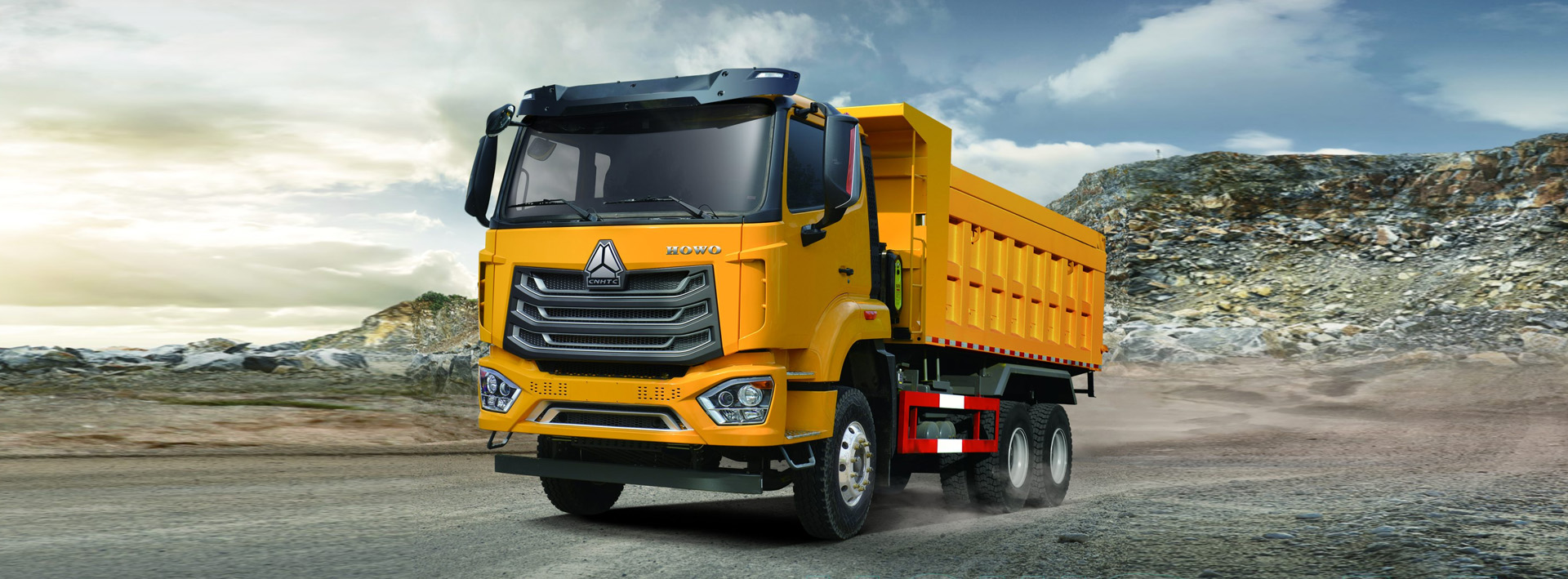
Industrial Specification Report 2026
Prepared by: SEA LION International
Subject: Export Logistics Solutions for HOWO Dump Trucks from China
Target Audience: Fleet Managers, Construction Companies, and Heavy Equipment Procurement Officers
1. Executive Summary
This report provides a technical and operational comparison of three primary maritime shipping methods—Roll-on/Roll-off (RO-RO), Bulk Cargo, and Flat Rack container shipping—for the export of HOWO Dump Trucks from manufacturing hubs in China (e.g., Jinan, Qingdao) to global construction markets. The analysis includes cost efficiency, handling safety, transit time, and corrosion protection protocols, with emphasis on wax-based anti-corrosion treatments to mitigate seawater exposure during ocean transit.
2. Equipment Profile: HOWO Dump Truck
| Parameter | Specification |
|---|---|
| Model Range | HOWO A7, HOWO 6×4, HOWO 8×4 |
| Dimensions (L×W×H) | Up to 9.5 m × 2.5 m × 3.8 m |
| Gross Vehicle Weight (GVW) | 31,000–49,000 kg |
| Unladen Weight | 14,000–18,000 kg |
| Axle Configuration | 6×4, 8×4 |
| Fuel Type | Diesel (CN Euro V/VI compliant) |
| Pre-Shipment Preparation | Battery disconnect, fuel stabilization, wax anti-corrosion coating |
3. Shipping Method Comparison
| Criterion | RO-RO (Roll-on/Roll-off) | Bulk Cargo (Loose Loading) | Flat Rack Container (20’/40′) |
|---|---|---|---|
| Vehicle Readiness | Operational; driven on/off vessel | Non-operational; lifted via crane | Non-operational; secured on flat rack |
| Loading Mechanism | Self-propelled onto vessel | Lifted by shipboard/marine crane | Secured on flat rack, then lifted |
| Max Units per Shipment | 15–25 units (vessel-dependent) | 10–20 units (hold capacity) | 2–4 units per 40′ Flat Rack (typical) |
| Transit Time (Asia → MENA) | 28–35 days | 30–40 days | 32–38 days |
| Port Infrastructure Needs | RO-RO ramp, clear approach | Heavy-lift crane, ballast capability | Container crane, lashing points |
| Risk of Physical Damage | Low (controlled roll-on/off) | High (crane handling, shifting) | Medium (improper lashing risk) |
| Corrosion Exposure Risk | Medium (open deck exposure) | High (below deck, humidity, condensation) | Medium (partial exposure) |
| Cost per Unit (USD) | $1,800–$2,400 | $2,200–$3,000 | $2,600–$3,500 |
| Customs Clearance | Faster (grouped vehicle manifest) | Standard cargo processing | Standard containerized cargo |
| Best Suited For | High-volume, time-sensitive deliveries | Remote ports without RO-RO facilities | Oversized units, non-driving condition |
4. Corrosion Protection: Wax Spraying System
4.1. Rationale
Seawater salt spray and high-humidity marine environments pose significant corrosion risks to exposed metal components (undercarriage, chassis rails, suspension, hydraulic rams). Unprotected steel surfaces can initiate oxidation within 72 hours of exposure.
4.2. SEA LION Anti-Corrosion Protocol
| Step | Procedure | Specification |
|---|---|---|
| 1 | Pre-treatment Cleaning | High-pressure freshwater wash; degreasing |
| 2 | Drying | Forced-air drying; humidity < 50% |
| 3 | Wax Application | Electrophoretic or spray-applied corrosion-inhibiting wax |
| 4 | Coverage Areas | Chassis frame, suspension mounts, brake lines, fuel tanks, wheel hubs |
| 5 | Wax Type | Hydrophobic, salt-exclusion polymer (e.g., Dinitrol LS 2000 or equivalent) |
| 6 | Film Thickness | 25–40 μm (measured via eddy current) |
| 7 | Post-Transit Removal | Biodegradable solvent wash at destination |
4.3. Performance Metrics
- Salt Spray Resistance (ASTM B117): >1,000 hours without red rust
- Adhesion (ASTM D3359): Class 4B–5B (cross-hatch test)
- Temperature Stability: -30°C to +80°C
5. Recommendations by Use Case
| Scenario | Recommended Method | Rationale |
|---|---|---|
| Large fleet delivery (10+ units) to Gulf ports | RO-RO | Fast turn-around, low handling damage, cost-effective per unit |
| Single or dual units to remote African port | Flat Rack | Accommodates non-operational units; avoids inland transport to RO-RO port |
| Shipment to port with no RO-RO infrastructure | Bulk Cargo | Only viable option; requires enhanced lashing and corrosion protection |
| High corrosion-risk regions (e.g., Southeast Asia, Caribbean) | All methods + wax spray | Mandatory wax protection due to tropical humidity and salt-laden air |
6. Compliance & Documentation
All shipments comply with:
– IMDG Code (for fuel and battery transport)
– CTU Code (Cargo Transport Unit)
– China Customs Export Declaration (CCED)
– Bill of Lading (Sea Waybill or Original B/L)
– Certificate of Origin (Form E or non-preferential)
7. Conclusion
For efficient and reliable export of HOWO Dump Trucks from China, RO-RO shipping remains the optimal solution for volume and speed. Flat Rack offers flexibility for non-operational or oversized configurations, while Bulk Cargo is a fallback for infrastructure-limited destinations. Regardless of method, wax-based anti-corrosion treatment is non-negotiable to preserve equipment integrity during marine transit. SEA LION International implements ISO 9001-certified pre-shipment protocols to ensure compliance, protection, and on-time delivery.
End of Report
SEA LION International — Engineering Logistics for Heavy Industrial Assets
Get a Quote for Howo Dump Truck
SEA LION International Trade Co., Ltd – Authorized Heavy Truck Exporter (Since 2008).
👤 Contact Person: Mr. Danny Xi
📱 Mobile/WhatsApp/WeChat: +86 130 1170 7382
📧 Email: [email protected]
