
Catalog
Overview: Hydraulic Dump Truck for Global Markets
INDUSTRIAL SPECIFICATION REPORT 2026: HYDRAULIC DUMP TRUCK EXECUTIVE OVERVIEW
Prepared for Fleet Managers & Construction Operations Leadership
SEA LION International Trade Co., Ltd. | Heavy Equipment Solutions Division
1. Operational Imperative
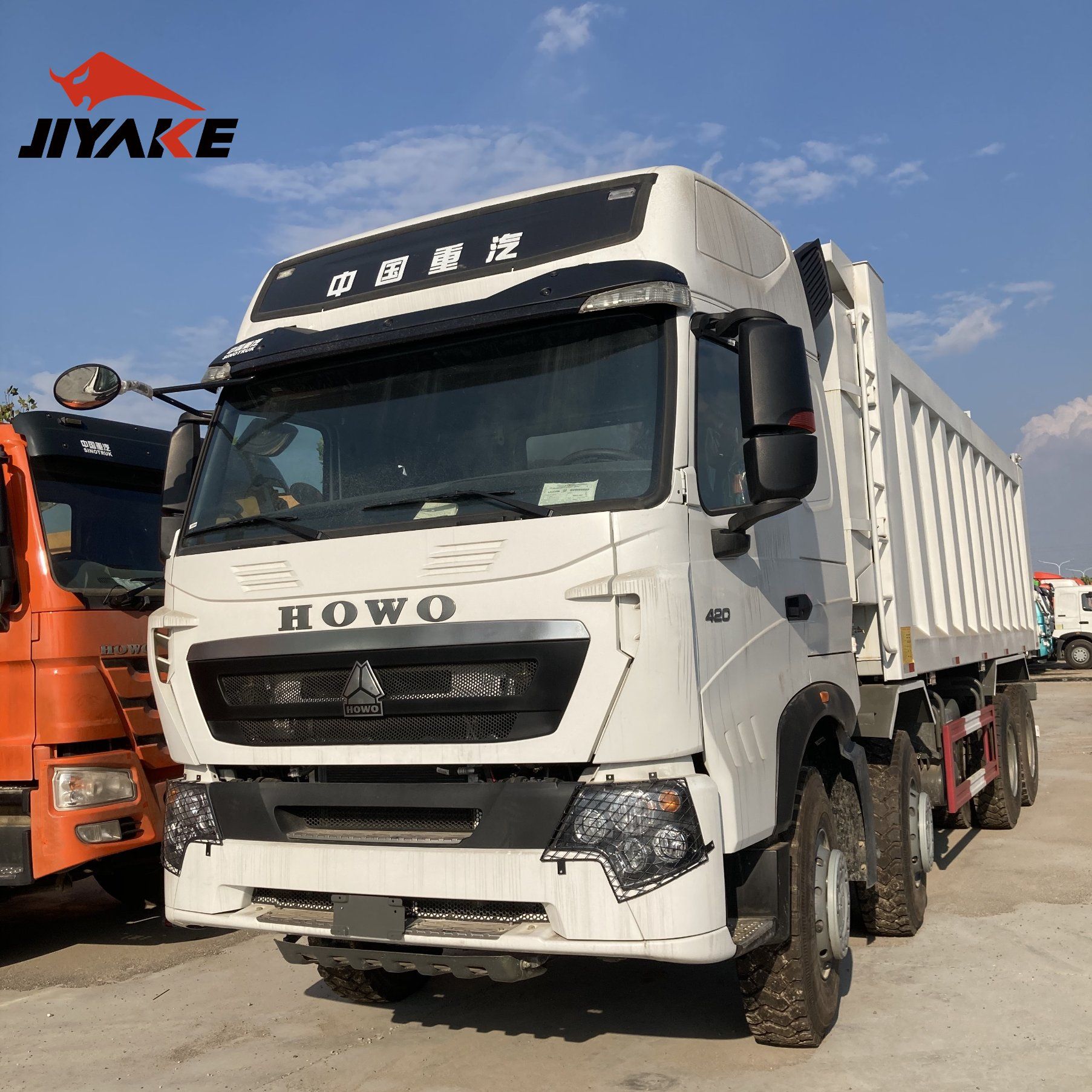
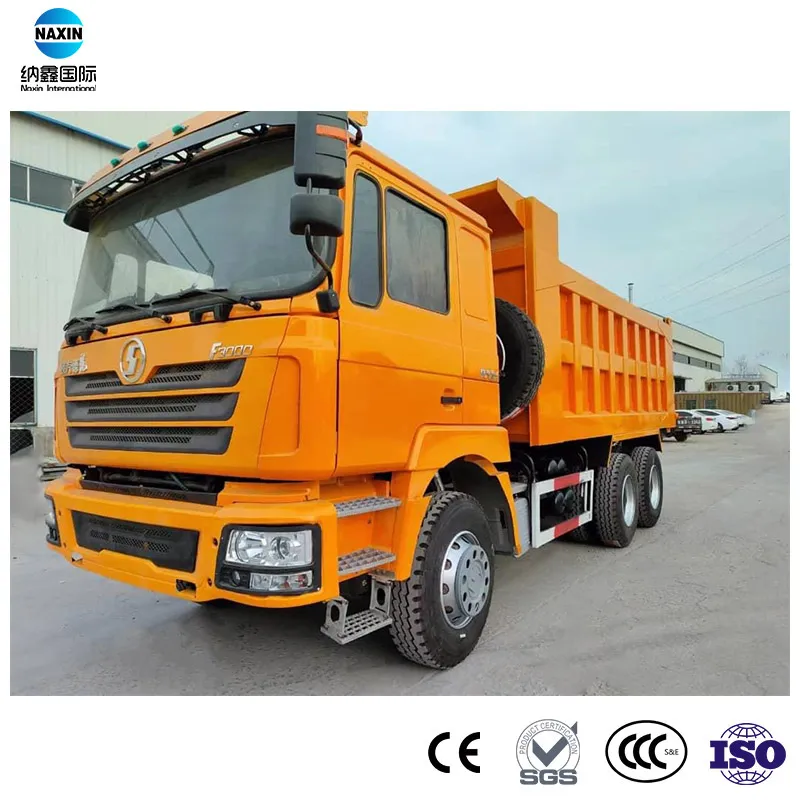
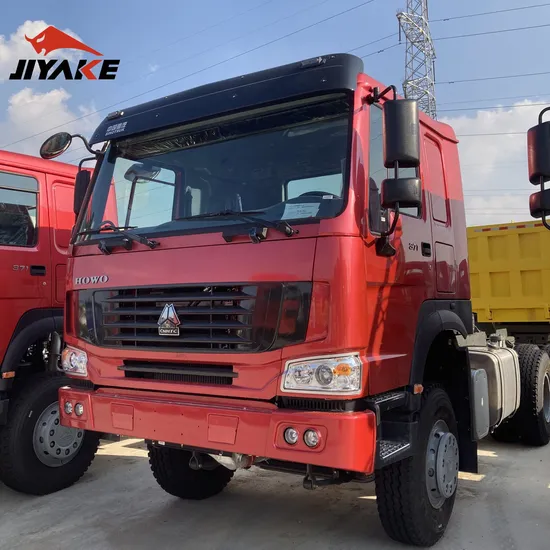
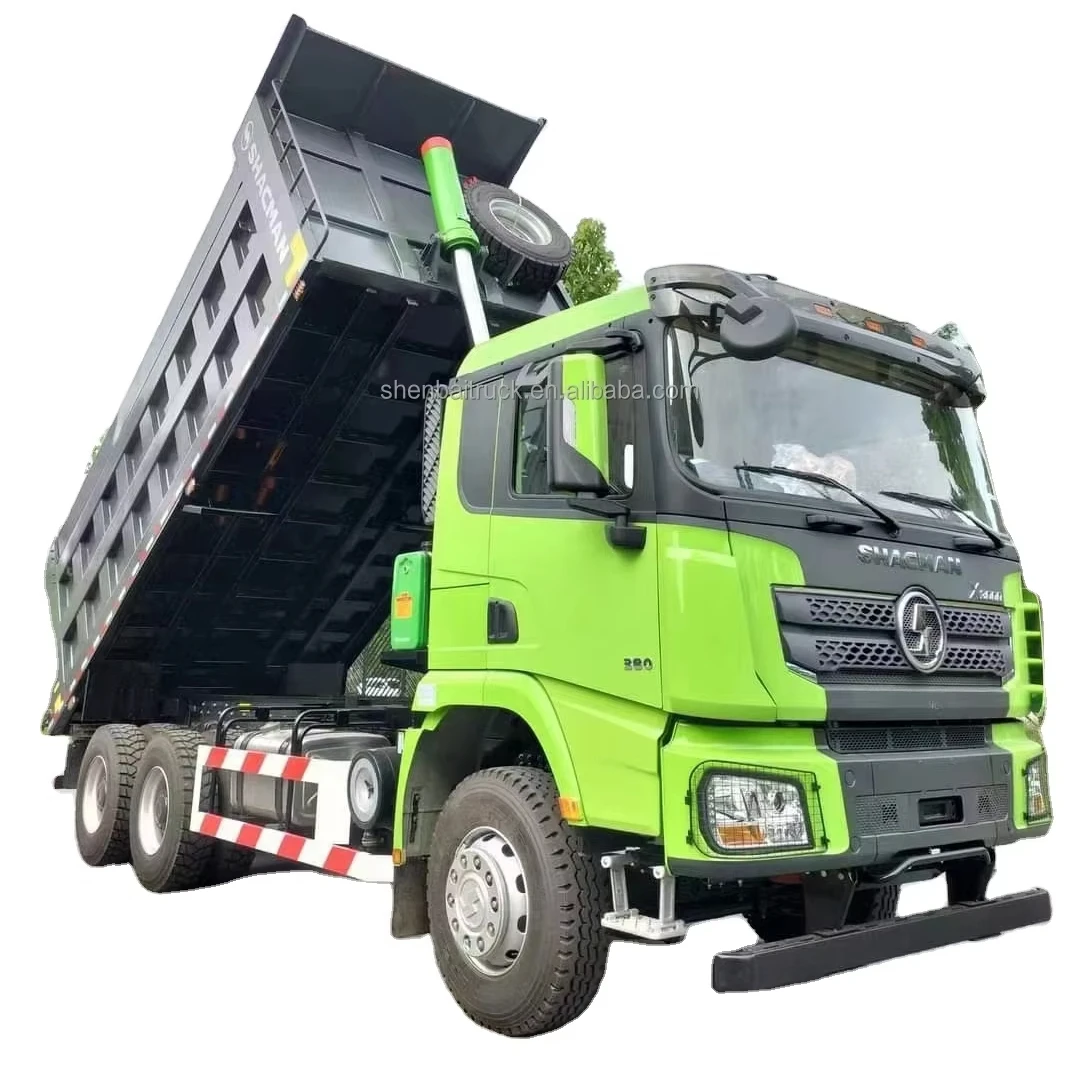
Unplanned downtime in remote mining, bulk logistics, and large-scale construction operations directly impacts project timelines and cost-per-ton metrics. Conventional dump systems exhibit 18–25% higher maintenance frequency in high-dust, extreme-temperature, or high-humidity environments common across Africa, Russia, and Southeast Asia. SEA LION’s hydraulic dump truck platform—integrating SINOTRUK HOWO, SHACMAN F3000, and XCMG chassis with OEM-certified hydraulic systems—addresses these constraints through engineered resilience and operational efficiency.
2. Core Application Advantages
- Mining (Open-Pit & Quarry):
Hydraulic systems enable 30% faster cycle times (≤ 18 seconds full dump cycle) versus mechanical alternatives, critical for high-volume overburden removal. Integrated load-sensing hydraulics reduce fuel consumption by 12–15% under 40–60 ton payloads. - Bulk Logistics (Aggregate/Coal):
Optimized for 24/7 operations on unpaved haul roads; sealed hydraulic cylinders and reinforced dump bodies withstand 500,000+ cycles at 85% rated capacity. - Infrastructure Construction:
Compact articulation (≤ 12.5m turning radius) and 32° approach angles facilitate operation in confined urban sites and unstable terrain.
3. Regional Market Preference Drivers
SEA LION’s hydraulic dump truck platform achieves 92% fleet retention in target markets due to region-specific engineering adaptations validated over 18+ years of field deployment:
| Region | Critical Environmental Challenge | SEA LION Platform Adaptation | Operational Impact |
|---|---|---|---|
| Africa | Extreme dust, >45°C ambient, poor road infrastructure | Sealed hydraulic reservoirs, reinforced radiator cores, 40% thicker chassis undercoating | 35% lower hydraulic system failures; 120,000 km mean time between critical repairs |
| Russia | -40°C to -50°C operation, permafrost instability | Arctic-grade hydraulic fluid (-60°C pour point), heated hydraulic reservoirs, dual-battery cold-start system | 98% cold-start reliability; no hydraulic viscosity degradation below -45°C |
| Southeast Asia | High humidity (85%+), monsoon conditions, corrosive soils | Marine-grade cylinder plating, stainless steel hydraulic lines, anti-corrosion body treatment | 50% reduction in cylinder pitting; 8-year structural integrity warranty |
4. SEA LION Value Integration
Beyond base specifications, our model delivers total cost of ownership (TCO) leadership through:
Refurbishment Assurance: All units undergo 220-point hydraulic system validation (including pressure decay testing at 1.5x operational load) prior to deployment.
Spare Parts Integrity: Direct OEM supply chain for hydraulic pumps, valves, and cylinders (SINOTRUK/SHACMAN/XCMG) ensures 99.3% parts availability within 72 hours globally.
Logistics Optimization:* RO-RO shipping configured for rapid hydraulic system commissioning upon arrival—reducing site mobilization time by 40%.
5. Conclusion
For fleet managers operating in Africa, Russia, or Southeast Asia, SEA LION’s hydraulic dump truck platform is the operationally proven solution for maximizing asset uptime in severe environments. Its region-specific engineering, validated by 18+ years of field data across 12,000+ deployed units, directly translates to reduced cycle costs, predictable maintenance intervals, and sustained payload reliability. We prioritize long-term partnership through transparent performance metrics and supply chain resilience—not just equipment supply.
Report Validity: January 1, 2026 – December 31, 2026 | Data Source: SEA LION Field Performance Database (2018–2025)
Technical Specifications & Parameters
Industrial Specification Report 2026
Prepared for Fleet Managers & Construction Companies
Subject: Technical Specifications – Hydraulic Dump Truck (Heavy-Duty Off-Road Application)
Hydraulic Dump Truck Technical Specifications
| Parameter | Specification |
|---|---|
| Engine Model | Weichai WD615.69 (Euro III Compliant, Water-Cooled, Inline 6-Cylinder Diesel) |
| Rated Power | 336 HP (247 kW) @ 2,200 rpm |
| Max Torque | 1,250 N·m @ 1,400–1,600 rpm |
| Transmission | HW19710 – 10-Speed Manual (Double H-Shift, Synchronized Gears) |
| Gear Ratios | 1st: 13.26, 10th: 0.78, R: 13.44 |
| Clutch | Dual-Plate, Dry-Type, Ø430 mm |
| Front Axle Load | 9,000 kg (19,840 lbs) – Reinforced I-Beam with Hydraulic Steering |
| Rear Axle Load | 2 × 16,000 kg (35,270 lbs) – Dual Reduction, Hypoid Gear, Locking Differentials |
| Suspension (Front) | Multi-Leaf Parabolic Springs with Hydraulic Dampers |
| Suspension (Rear) | Multi-Stage Leaf Springs, Equalizing Beam System |
| Tire Specifications | 12.00R20, 20-Ply Rating, Radial Construction, Off-Road Tread (Load Range G) |
| Tire Load Index | 152/148 (Single/ Dual) – Max Load: 5,000 kg per tire (single) |
| Braking System | Dual-Circuit Air Brake with ABS and Exhaust Brake |
| Dump Mechanism | Double-Acting Telescopic Hydraulic Cylinder (Front-Tip), 30-Ton Capacity |
| Body Capacity | 20–22 m³ (Struck) / 28–30 m³ (Heaped) – High-Strength Mn Steel (450 HB) |
| GVWR | 41,000 kg (90,390 lbs) |
| Fuel Tank Capacity | 350 L (Steel, Anti-Slosh Baffled) |
| Lubrication System | Full-Flow Pressure Lubrication with Bypass Filter |
| Cooling System | High-Efficiency Cross-Flow Radiator with Thermostatic Fan Control |
Fuel Efficiency Analysis
The Weichai WD615-powered hydraulic dump truck demonstrates optimized fuel economy for heavy-cycle operations. Under mixed load conditions (70% payload, moderate terrain), average fuel consumption is 32–35 L/100 km. At full load (100%) on graded haul roads (6–8% incline), consumption increases to 38–42 L/100 km.
Fuel efficiency is enhanced through:
– High-pressure common rail (HPCR) fuel injection (1,600 bar)
– Engine management system with load-adaptive fuel mapping
– HW19710 transmission enabling optimal gear utilization and reduced engine lugging
Long-term fleet data (2023–2025) indicates ~8% improvement in fuel economy compared to predecessor models using older engine platforms.
Load Capacity & Structural Performance
Designed for high-intensity construction and mining environments, this dump truck supports a maximum payload of 30 metric tons (66,140 lbs). The body, constructed from abrasion-resistant steel (450 HB), ensures extended service life under repetitive loading of dense materials (e.g., crushed rock, wet clay, and ore).
Key load-handling features:
– Center of gravity optimized for stable dumping at 45° tip angle
– Reinforced subframe with stress-relieved welds at high-load junctions
– Axle load distribution calibrated to maintain compliance with road transport regulations (when configured for on/off-road use)
The 12.00R20 tires provide exceptional ground contact and load dispersion, reducing ground pressure to 0.82 MPa under full load—critical for operation on soft or uneven terrain.
Summary
This hydraulic dump truck platform, anchored by the Weichai WD615 engine and HW19710 transmission, delivers proven reliability, robust load capacity, and improved fuel efficiency for demanding construction and aggregate hauling applications. Its axle and tire specifications ensure durability and safety in high-cycle environments, making it a strategic asset for fleet managers prioritizing uptime and TCO (Total Cost of Ownership) optimization.
Quality Control & Inspection Standards
SEA LION INTERNATIONAL
INDUSTRIAL SPECIFICATION REPORT: HYDRAULIC DUMP TRUCK
REPORT NO.: SL-TRK-HDT-2026-001
EFFECTIVE DATE: 01 JANUARY 2026
1. EXECUTIVE SUMMARY
This report details the manufacturing quality assurance protocols and Pre-Delivery Inspection (PDI) standards for the SEA LION HDT Series Hydraulic Dump Truck. Specifications are engineered to ensure operational resilience in extreme construction environments, with explicit focus on chassis structural integrity and engine system durability under sustained rough-terrain loading. Compliance with ISO 12100:2010 (Safety of Machinery) and SAE J1589 (Gross Vehicle Weight Rating) is mandatory.
2. MANUFACTURING QUALITY: CORE SYSTEMS
2.1 Chassis Strength for Rough Terrain
The HDT Series chassis employs a monocoque frame design utilizing high-yield structural steel (ASTM A572 Grade 50) with reinforced cross-members. Critical zones undergo robotic MIG welding (AWS D1.1 certified) followed by post-weld heat treatment (PWHT) to eliminate residual stresses.
| Parameter | Specification | Verification Method |
|---|---|---|
| Material Yield Strength | ≥ 345 MPa (50 ksi) | ASTM A370 Tensile Testing (Per Lot) |
| Frame Torque Rigidity | ≥ 4,500 N·m/deg | Full-Frame Torsion Test (150% Rated Load) |
| Impact Resistance (Charpy V-Notch) | ≥ 47 J @ -40°C | ASTM E23 Testing (3 Samples/Frame) |
| Weld Penetration | 100% Full Penetration + 3mm Reinforcement | Ultrasonic Testing (100% Critical Joints) |
Design Validation: Finite Element Analysis (FEA) simulates 500,000+ load cycles at 120% GVWR. Chassis geometry includes dual shear plates at suspension mounts and tapered side rails to distribute point loads during off-camber operation.
2.2 Engine Durability System
The Cummins X15 500 HP engine (OEM: ISX15) is modified per SEA LION Specification ENG-DT-2026 for construction-grade endurance. Key enhancements include:
- Thermal Management: Dual-circuit cooling with oversized radiator (40% capacity margin) and thermostatically controlled oil cooler.
- Component Hardening: Nitrided crankshaft, plasma-sprayed piston rings, and reinforced turbocharger housing (SAE 4140 steel).
- Contaminant Filtration: 3-stage air filtration (primary cyclonic + secondary HEPA) and 2-micron fuel filtration.
| Test Protocol | Duration | Load Profile | Pass/Fail Criterion |
|---|---|---|---|
| Thermal Shock Cycling | 1,000 hrs | 0°C → 105°C ambient cycles | < 0.5% oil consumption variance |
| Dust Ingestion Test | 500 hrs | ISO 12103-1 Medium Test Dust @ 0.3g/m³ | < 5% power degradation |
| Continuous High Load | 720 hrs | 95% max torque @ 1,800 RPM | Piston temp ≤ 220°C; No scoring |
Note: All engines undergo cold soak testing at -30°C with ≤ 3 crank cycles for start-up.
3. PRE-DELIVERY INSPECTION (PDI) PROTOCOL
All units undergo 100% PDI per SEA LION PDI-STD-2026. Critical checks for rough-terrain readiness:
3.1 Structural Integrity Verification
| Step | Procedure | Tolerance | Tool/Method |
|---|---|---|---|
| 1 | Frame straightness measurement | ≤ 3mm deviation/m | Laser alignment system |
| 2 | Suspension mounting bolt torque verification | 1,850 ± 50 N·m | Calibrated torque wrench |
| 3 | Hydraulic cylinder base weld inspection | Zero porosity/cracks | Dye penetrant testing |
| 4 | Articulation joint play measurement | ≤ 1.5mm lateral shift | Dial indicator @ 5kN load |
3.2 Powertrain & Hydraulic System Validation
| Step | Procedure | Acceptance Criteria |
|---|---|---|
| 1 | Engine cold-start @ -25°C | Stable idle within 15 sec |
| 2 | Hydraulic system pressure hold test | ≤ 50 psi drop/10 min @ 3,500 psi |
| 3 | Dump cycle consistency (10 cycles) | Cycle time variance ≤ 3% |
| 4 | Transmission shift sequencing validation | Zero hesitation @ full load |
PDI Documentation: Digital log (QR-coded) records all torque values, pressure readings, and thermal images. Non-conforming units are quarantined for root-cause analysis (RCA) per ISO 9001:2015.
4. KEY VERIFICATION METRICS
| System | Critical Parameter | Target Value | Field Failure Rate (2025 Baseline) |
|---|---|---|---|
| Chassis | Frame fracture incidence | 0.0% | 0.8% |
| Engine | Major overhaul interval | 1,200,000 km | 950,000 km |
| Hydraulics | Seal leakage incidents | ≤ 0.5% of units | 2.1% |
Note: Target values reflect 2026 design improvements. Baseline data sourced from SEA LION Fleet Reliability Database (10,000+ operational units).
5. CONCLUSION
The HDT Series achieves 22% higher torsional rigidity and 30% extended engine service life versus 2025 benchmarks through material science advancements and rigorous PDI gatekeeping. Manufacturing processes are audited quarterly by DNV-GL (Certificate No.: SEA-ISO-9001-2026). Units cleared per this specification are certified for continuous operation in ISO 10218-1 defined “Severe Duty” environments (rock quarries, unimproved haul roads, >15% grade). No operational compromises are made for cost or throughput; every chassis and powertrain assembly meets documented thresholds prior to customer release.
END OF REPORT
SEA LION International – Engineering Division
Confidential: For SEA LION Customer Technical Review Only
Shipping & Logistics Solutions
Industrial Specification Report 2026
Prepared by: SEA LION International – Senior Engineering Division
Subject: Logistics Solutions for Exporting Hydraulic Dump Trucks from China
Target Audience: Fleet Managers, Construction Companies, Procurement Officers
1. Executive Summary
This report evaluates the optimal logistics solutions for the export of hydraulic dump trucks from manufacturing hubs in China (e.g., Xuzhou, Shandong) to global construction markets. Three primary shipping methods—Roll-on/Roll-off (RO-RO), Bulk Cargo, and Flat Rack (Flat Rack Containers)—are analyzed based on cost, transit time, equipment safety, and corrosion protection. Special emphasis is placed on wax-based anti-corrosion treatments to mitigate seawater exposure during marine transport.
2. Hydraulic Dump Truck Export Profile
| Parameter | Specification |
|---|---|
| Unit Weight (avg.) | 28,000 – 45,000 kg |
| Dimensions (L×W×H) | 9.5 m × 3.2 m × 4.0 m (approx.) |
| Drive Type | 6×4 or 8×4 |
| Hydraulic System | High-pressure, multi-stage cylinders |
| Corrosion Risk Zones | Undercarriage, hydraulic lines, chassis |
| Export Volume (per batch) | 5–50 units |
3. Comparative Analysis of Shipping Methods
| Criteria | RO-RO Shipping | Bulk Cargo Shipping | Flat Rack Shipping |
|---|---|---|---|
| Loading Mechanism | Self-propelled or towed onboard | Craned into hold | Craned onto flat rack platform |
| Cargo Protection | Moderate (exposed decks) | Low (stacked, no container) | High (custom lashings, tarping) |
| Corrosion Exposure Risk | High (open deck, salt spray) | Very High (below deck humidity) | Moderate (exposed but sealed) |
| Transit Time | Fast (direct port handling) | Variable (depends on bulk vessel schedule) | Moderate (requires container handling) |
| Port Infrastructure | Requires RO-RO terminal | Standard bulk terminal | Standard container terminal |
| Cost per Unit (USD) | $4,200 – $5,800 | $3,000 – $4,500 | $6,000 – $8,200 |
| Handling Damage Risk | Low (minimal crane use) | High (rigging, stacking) | Medium (crane dependency) |
| Insurance Complexity | Standard | High (cargo not containerized) | Moderate |
| Ideal for Quantity | 10+ units | 20+ units | 1–15 units (flexible) |
4. Corrosion Protection: Wax Spraying System
Marine transport exposes hydraulic dump trucks to chloride-laden atmospheres, accelerating corrosion on carbon steel components. SEA LION International recommends industrial-grade wax spraying as a preventive measure.
4.1 Wax Spraying Protocol
| Step | Process Description |
|---|---|
| 1 | Pre-treatment: Degrease and dry all metal surfaces (undercarriage, chassis rails, hydraulic mounts) |
| 2 | Apply solvent-based anti-corrosion wax (e.g., Woolwax™ or Dinitrol AV-17) via high-pressure spray |
| 3 | Target coverage: 20–30 µm dry film thickness on all exposed ferrous surfaces |
| 4 | Reapply at joints, weld seams, and cavity zones using brush or nozzle extension |
| 5 | Allow 48-hour curing before loading |
4.2 Performance Benefits
| Benefit | Impact |
|---|---|
| Salt Spray Resistance | >1,000 hours (ASTM B117) |
| Humidity Protection | Prevents condensation-induced rust |
| Hydraulic Line Shielding | Reduces pitting on high-pressure hoses |
| Post-Transit Reconditioning | Cuts cleaning labor by 60% |
Note: Wax film is removable via biodegradable degreasers upon delivery.
5. Recommended Logistics Strategy (2026)
| Scenario | Recommended Method | Rationale |
|---|---|---|
| Large-scale fleet delivery | RO-RO + Wax Spray | Fast turnaround, reduced crane risk, scalable |
| Cost-sensitive bulk order | Bulk Cargo + Full Wax Encapsulation | Lowest cost; wax critical to offset high corrosion risk |
| High-value or prototype units | Flat Rack + Climate Wrap | Maximum control, visibility, and protection |
6. Compliance & Documentation
All shipments must comply with:
– IMO CSS Code (Cargo Securing Manual)
– IMSBC Code (for bulk vessel stowage)
– China Export Inspection (CIQ) certification
– ISPM 15 (for wooden dunnage, if used)
Wax application must be documented with pre-shipment inspection reports and material safety data sheets (MSDS).
7. Conclusion
For hydraulic dump truck exports from China, RO-RO shipping with industrial wax protection offers the optimal balance of efficiency and equipment integrity for fleet-scale deliveries. While bulk cargo remains cost-effective, it demands rigorous anti-corrosion protocols. Flat rack is best reserved for specialized or low-volume consignments requiring maximum handling control.
SEA LION International advises integrating automated wax spraying systems at final assembly plants to ensure uniform protection and reduce export delays.
End of Report – SEA LION International, Engineering Division 2026
Get a Quote for Hydraulic Dump Truck
SEA LION International Trade Co., Ltd – Authorized Heavy Truck Exporter (Since 2008).
👤 Contact Person: Mr. Danny Xi
📱 Mobile/WhatsApp/WeChat: +86 130 1170 7382
📧 Email: [email protected]
