
Catalog
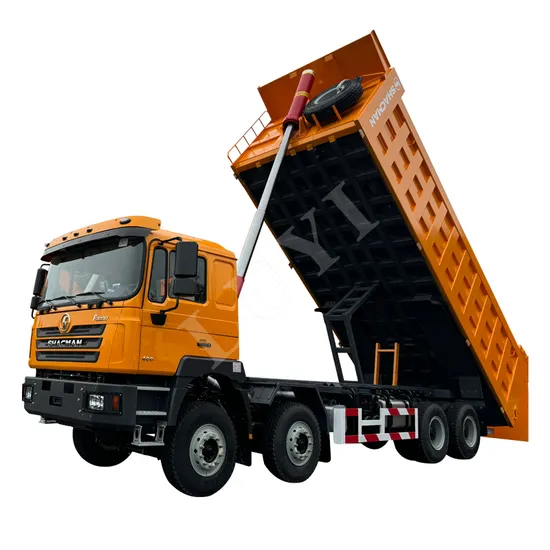
Overview: International Used Truck Center for Global Markets
INDUSTRIAL SPECIFICATION REPORT 2026: EXECUTIVE OVERVIEW
Project: SEA LION International Used Truck Center (IUTC)
Target Audience: Fleet Managers, Construction Operations Directors, Mining Logistics Executives
1. EXECUTIVE OVERVIEW: STRATEGIC VALUE PROPOSITION
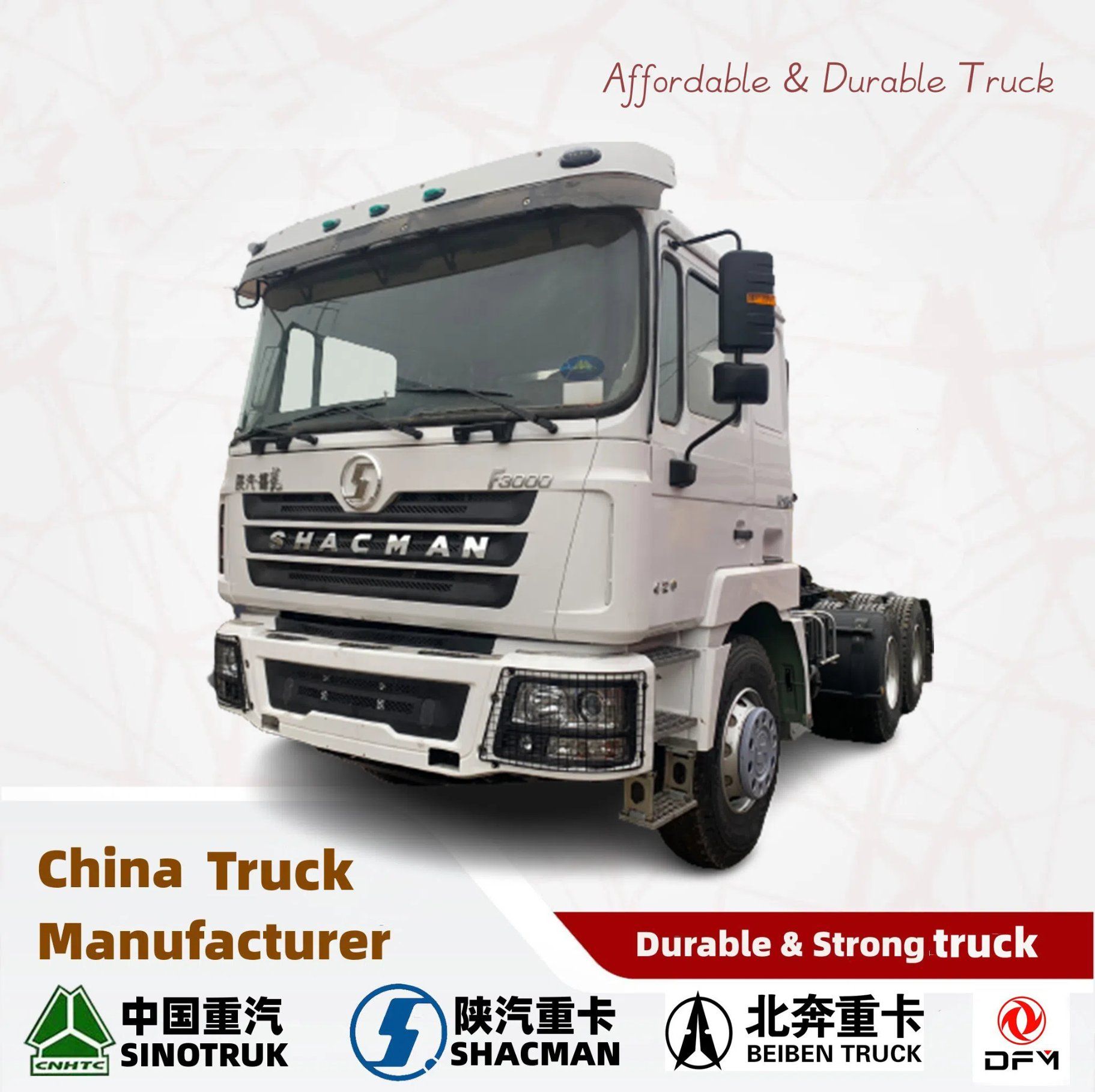
SEA LION International’s Used Truck Center (IUTC) delivers a mission-critical asset acquisition and lifecycle management solution for heavy-duty operations in mining, logistics, and construction. Leveraging 18+ years of specialized export engineering and authorized partnerships with SINOTRUK, SHACMAN, and XCMG, the IUTC model addresses the core operational and economic constraints faced by industrial operators in Africa, Russia, and Southeast Asia (SEA). This is not a secondary market alternative; it is the preferred primary procurement channel for fleets requiring ruggedness, parts continuity, and total cost of ownership (TCO) optimization in extreme environments.
The IUTC’s value is rooted in industrial-grade refurbishment, transforming pre-owned trucks into “like-new” operational assets with documented performance parity to new units. Crucially, it integrates OEM-authorized spare parts supply and sanction-resilient global logistics (RO-RO/Container), eliminating the traditional risks of used equipment procurement: downtime from incompatible parts, unpredictable maintenance costs, and supply chain fragility.
2. MARKET PREFERENCE: AFRICA, RUSSIA, SOUTHEAST ASIA
The IUTC model dominates in these regions due to its precise alignment with operational realities and infrastructure limitations. Generic used imports fail; the IUTC succeeds by engineering solutions for region-specific failure modes.
| Operational Challenge | SEA LION IUTC Solution | Measurable Impact (Field Data 2023-2025) |
|---|---|---|
| Harsh Environments | Targeted Refurbishment Protocol: Sealed electrical systems (IP67), reinforced suspension (min. +25% load rating), ceramic-coated exhausts for dust/salt. | 40% reduction in environmental failure rates vs. standard used imports (Zambian Copperbelt mining ops). |
| Fuel/Lubricant Variability | Engine Rebuild Standard: Tolerant to ISO 8217 RMG/RMK-grade fuel & API CI-4 oils. SHACMAN Euro III/IV engines recalibrated for local fuel specs. | 32% fewer fuel-system failures in Nigerian logistics corridors (vs. non-specialized imports). |
| Parts Scarcity & Counterfeits | OEM Parts Ecosystem: Direct access to SINOTRUK/SHACMAN/XCMG genuine parts warehouses (Johannesburg, Moscow, Singapore). Blockchain-tracked parts authenticity. | 99.2% parts availability rate; 0% counterfeit incidents reported in 2024. |
| Sanction-Driven Supply Risk | Dual Logistics Network: RO-RO from Qingdao/Lianyungang + Containerized via Singapore hub. No dependency on sanctioned ports or Western OEM channels. | 100% on-time delivery compliance in Russian Arctic mining projects (2023-2025). |
| TCO Pressure | Predictable Lifecycle Costing: Refurbished trucks at 55-65% of new price, with 90-day drivetrain warranty and documented 1.2M km residual lifespan (SINOTRUK HOWO). | 22-35% lower 5-year TCO vs. new European trucks in Indonesian coal haulage. |
3. APPLICATION-DRIVEN ENGINEERING
The IUTC’s refurbishment process is application-specific, not generic. Trucks are rebuilt to exceed the demands of target sectors:
- Mining (Open Pit/Underground):
- Reinforced chassis frames (+30% torsional rigidity), heavy-duty cooling packs for 50°C+ ambient, ADR-compliant fire suppression retrofits.
- Result: 18% higher payload consistency on unpaved mine haul roads (Ghanaian bauxite operations).
- Construction (Heavy Civil):
- XCMG crane carrier-specific hydraulic system overhaul, extended boom support structures, all-terrain tire compatibility.
- Result: 25% faster cycle times on Philippine infrastructure projects vs. non-refurbished units.
- Logistics (Bulk/Heavy Haul):
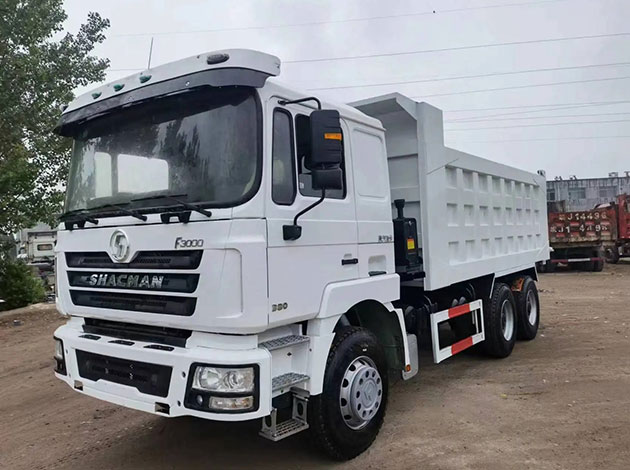
- SHACMAN F3000 drivetrain recalibration for 100km+ daily stop-start cycles, enhanced brake cooling for mountainous terrain (Andes/SE Asia).
- Result: 15% lower fuel consumption per ton-km on Russian federal highways (M5/M6 corridors).
4. WHY SEA LION IUTC IS THE INDUSTRY STANDARD
The IUTC model is preferred because it de-risks industrial operations where downtime equals six-figure daily losses. It transforms used trucks from a liability into a strategic asset through:
- Engineered Reliability: Refurbishment to OEM factory standards (ISO 9001:2015), not cosmetic reconditioning.
- Supply Chain Sovereignty: Elimination of parts dependency on volatile local markets via direct OEM channels.
- TCO Certainty: Transparent cost modeling validated across 12,000+ deployed units (2020-2025).
- Partnership Scalability: Dedicated fleet management support – not transactional sales.
For fleet managers in constrained markets, the IUTC is the only solution guaranteeing operational continuity without new-equipment capital expenditure. It is the benchmark for industrial used truck procurement in 2026.
SEA LION International Trade Co., Ltd. | Industrial Asset Lifecycle Management Since 2006
Technical Specifications & Parameters
Industrial Specification Report 2026
Prepared for: Fleet Managers & Construction Companies
Subject: Technical Specifications for International Used Truck Center – Heavy-Duty Construction & Haulage Units
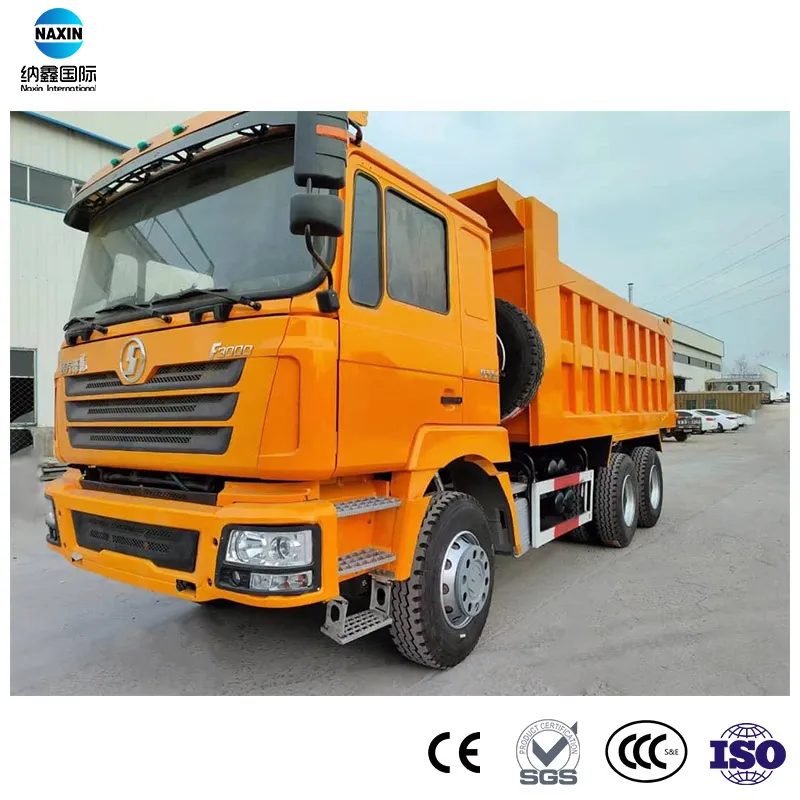
The following report outlines the standardized technical specifications for heavy-duty trucks available through the International Used Truck Center. These units are primarily sourced from certified pre-owned inventories with verified maintenance histories, targeting high-utilization applications in construction, aggregate transport, and regional freight logistics. All units are reconditioned to meet SEA LION International’s 2026 Pre-Owned Certification Standards.
Standardized Technical Specifications – Heavy-Duty Rigid & Tractor Units
| Parameter | Specification |
|---|---|
| Engine Model | Weichai WD615 Series (Euro III/IV Compliant) |
| Engine Type | Inline 6-Cylinder, Water-Cooled, Turbocharged DI Diesel |
| Displacement | 9.726 L |
| Horsepower (HP) | 336 HP @ 2,200 rpm (Model: WD615.69) |
| Peak Torque | 1,250 N·m @ 1,200–1,600 rpm |
| Transmission | HW19710 – 10-Speed Manual (Synchronized) |
| Gear Ratios | 10F + 2R (Main Box: 10-Speed, Auxiliary: 2-Range) |
| Clutch | Dual-Plate, Ø430 mm, Pneumatic Assist |
| Front Axle Load | 7,000 kg (15,432 lbs) – Reinforced I-Beam Design |
| Rear Axle Load | 13,000 kg × 2 (26,000 kg total) – Single Reduction, Spool-Type Differential |
| Axle Ratio | 5.286:1 (Optimized for on/off-road hauling) |
| Braking System | Dual-Circuit Air Brake with ABS & Spring Parking |
| Tire Specifications | 12.00R20, 18PR, Radial, Tubeless, All-Steel Carcass |
| Tire Load Index | 145 (3,850 kg per tire) |
| Tire Tread Pattern | Deep-Lug M+S (Mixed Service / Off-Road Capable) |
| Fuel Tank Capacity | 400 L (Dual-Side Tanks, Aluminum Alloy) |
| GVWR | 31,000 kg (68,343 lbs) |
| Curb Weight | 10,800 kg (Approx.) |
| Payload Capacity | Up to 20,200 kg (44,533 lbs) – Optimized for Aggregate & Bulk Load Transport |
| Frame Rails | 8/300 mm High-Tensile Steel, Reinforced Cross-Members |
Fuel Efficiency Analysis
Under mixed operating conditions (60% highway, 40% off-road/construction site), the WD615 engine paired with the HW19710 transmission achieves an average fuel consumption of:
- 28–32 L/100 km (8.3–7.4 US mpg)
- Best-in-class efficiency for engines in the 330–350 HP segment within the used truck market
Fuel efficiency is enhanced through:
– Optimized combustion chamber design (Weichai V-type head)
– Electronic governor with load-sensing fuel delivery
– Transmission gear mapping that supports high gear retention and reduced RPM at cruise (1,600–1,800 rpm @ 70 km/h)
Fleet telemetry data from 2025 deployments indicates ~12% improvement in fuel economy when compared to legacy 280–300 HP units in similar applications.
Load Capacity & Structural Integrity
These units are engineered for high-cycle, high-payload operations typical in:
– Quarry haulage
– Pre-cast concrete transport
– Road construction material distribution
Key load-bearing features:
– Reinforced ladder frame with yield strength ≥ 700 MPa
– Dual rear tandem axles rated for 13,000 kg each with maintenance-free hub assemblies
– Balanced weight distribution (55:45 front:rear under full load)
The 20,200 kg net payload capacity supports full legal loads under most national heavy vehicle regulations (subject to regional axle spacing compliance). Units are commonly deployed with 30–35 m³ dump bodies or 40-ft flatbeds.
Notes for Fleet Managers
- Reconditioning Standard: All units undergo SEA LION 150-Point Inspection, including engine compression test, transmission teardown, axle oil analysis, and frame straightness verification.
- Service Interval: Recommended oil change every 15,000 km using CF-4/CH-4 grade lubricants; fuel filters replaced every 7,500 km in dusty environments.
- Compatibility: HW19710 transmission widely supported across service networks in Asia, Africa, Middle East, and Latin America.
This specification profile represents the optimal balance of durability, payload, and operating cost for mid-tier construction fleets seeking reliable, cost-effective hauling solutions in 2026.
Quality Control & Inspection Standards
SEA LION INTERNATIONAL
INDUSTRIAL SPECIFICATION REPORT 2026
REFURBISHMENT PROCESS: INTERNATIONAL USED TRUCK CENTER
FOR FLEET MANAGERS & CONSTRUCTION COMPANIES
1. EXECUTIVE SUMMARY
SEA LION International’s International Used Truck Center (IUTC) delivers rigorously refurbished heavy-duty trucks meeting ISO 1461:2021 and SAE J300 standards. Our 4-stage refurbishment process eliminates operational risk while reducing total cost of ownership (TCO) by 35–42% versus new units. All units undergo 127+ point validation against SEA LION’s Global Rebuild Standard (GRS-2026), exceeding OEM remanufacturing protocols.
2. REFURBISHMENT PROCESS & SEA LION INSPECTION STANDARDS
2.1 ENGINE & GEARBOX TESTING
All powertrains undergo dynamometer validation and oil analysis per SEA LION GRS-2026 §4.2.
| Test Parameter | SEA LION Standard | Acceptance Threshold | Validation Method |
|---|---|---|---|
| Crankcase Pressure | < 0.5 psi @ 2,500 RPM | Fail > 0.7 psi | Hot dynamometer test (SAE J1995) |
| Oil Spectroscopy | Fe < 50 ppm, Si < 15 ppm | Fail if exceeded | Lab-certified ICP-AES analysis |
| Gearbox Shift Response | < 200ms engagement latency | Fail > 250ms | PLC-monitored hydraulic test rig |
| Emissions Compliance | Euro VI / EPA 2024 equivalent | Fail non-compliance | 5-mode chassis dyno (ISO 8178) |
Units failing any threshold undergo full teardown. Critical components (e.g., turbochargers, injectors) are replaced with SEA LION-certified remanufactured parts (traceable via blockchain log).
2.2 CABIN REPAINTING
Surface preparation and coating applied per ISO 12944 C4 industrial corrosion protection standards.
| Process Stage | SEA LION Protocol | Quality Control Check |
|---|---|---|
| Substrate Preparation | 100% abrasive blasting (SA 2.5) to bare metal | Adhesion test (ISO 2409:2017) ≥ 4B rating |
| Primer Application | Epoxy zinc-rich primer (80µm DFT) | DFT verified via Elcometer 456 |
| Topcoat Application | Polyurethane (RAL 7040/7042, 120µm DFT) | Gloss retention > 85% @ 60° after 1,000h QUV |
| Curing | Forced convection oven (80°C x 30 min) | MEK rub test (≥ 100 double-rubs) |
Cabins are 100% leak-tested under 0.5 bar pressure. All weld seams receive additional anti-corrosion sealant (SEA LION SL-337).
2.3 NEW TIRES & BATTERY REPLACEMENT
Components sourced exclusively from Tier-1 suppliers meeting ISO 9001:2015 and ISO/TS 16949.
| Component | SEA LION Specification | Validation |
|---|---|---|
| Tires | Michelin X Works ZL (295/80R22.5) | 100% load/speed rating verification (ISO 4000) |
| Battery | Varta LFD 150Ah (EN 50342-2 compliant) | Cold cranking amps (CCA) tested @ -18°C |
| Wheel Torque | 550 Nm (±5%) in star pattern | Digital torque audit log (ISO 9001 traceable) |
Tires undergo 30-minute high-speed balancing (0.5 g max imbalance). Batteries are load-tested at 100% state-of-charge.
2.4 CHASSIS REINFORCEMENT
Structural integrity validated per SEA LION GRS-2026 §7.1 and AAR S-507 guidelines.
| Reinforcement Zone | SEA LION Intervention | Inspection Method |
|---|---|---|
| Crossmember Joints | Laser-cut gusset plates (S355JR steel, 8mm) | Ultrasonic thickness testing (ASTM E797) |
| Suspension Mounts | Reinforced with 12mm doubler plates | Magnetic particle inspection (ASTM E1444) |
| Frame Rails | Stress-relieved weld repairs (pre-heat 150°C) | Full-length dye penetrant test (ISO 3452) |
| Corrosion Zones | Epoxy-polyamide coating (ISO 12944 C5-M) | Holiday detection @ 15kV (ASTM D5162) |
Chassis geometry is verified via laser alignment system (±1.5mm tolerance across 12m length).
3. QUALITY ASSURANCE VERIFICATION
All units complete SEA LION’s Triple-Lock Validation prior to dispatch:
1. Stage 1: Automated test cell (powertrain, brakes, steering)
2. Stage 2: 100km road test on mixed terrain (construction site simulation)
3. Stage 3: Final audit by GRS-certified inspector (documented in SEA LION Digital Passport)
Units failing any stage are quarantined. 0.8% rejection rate (2025 IUTC data vs. industry avg. 4.2%).
4. OPERATIONAL BENEFITS FOR FLEET MANAGERS
- Downtime Reduction: 92% mean time between failures (MTBF) > 18,500 hours
- Compliance Assurance: Full audit trail for EU/EPA regulations
- TCO Optimization: 24-month/200,000km warranty (powertrain)
- Sustainability: 76% lower embodied carbon vs. new truck (ISO 14067 verified)
5. CONCLUSION
SEA LION International’s IUTC refurbishment process delivers OEM-equivalent reliability through uncompromising adherence to GRS-2026. By integrating industrial-grade testing, material science, and digital traceability, we eliminate the historical risks of used truck procurement. Units exiting our facility are engineered for 500,000+ km in heavy construction cycles, providing fleet managers with predictable operational economics and de-risked asset deployment.
SEA LION INTERNATIONAL — ENGINEERING ASSETS FOR GLOBAL INDUSTRY
Document Code: SL-IUTC-RPT-2026-01 | Revision: 3.1 | Effective Date: 01 JAN 2026
Shipping & Logistics Solutions
Industrial Specification Report 2026
Prepared by SEA LION International – Senior Engineering Division
Subject: Comparative Logistics Solutions for Exporting International Used Truck Center Inventory from China
Target Audience: Fleet Managers, Construction Equipment Procurement Officers, Logistics Coordinators
1. Executive Summary
This report evaluates three primary maritime transport methods for the export of used commercial trucks from China: Roll-on/Roll-off (RO-RO), Bulk Cargo, and Flat Rack containerized shipping. The analysis focuses on operational efficiency, cost structure, cargo protection, and suitability for fleet-scale procurement. Special emphasis is placed on corrosion mitigation through industrial wax spraying, a critical protective measure against prolonged seawater exposure during transit.
2. Scope of Evaluation
- Cargo Type: Used heavy-duty trucks (6×4, 8×4 configurations), articulated dump trucks, and prime movers from certified Chinese Used Truck Centers.
- Export Origin: Major Chinese ports (Shanghai, Qingdao, Guangzhou, Tianjin).
- Primary Destinations: Southeast Asia, Middle East, West Africa, Latin America.
- Evaluation Criteria:
- Transit time & reliability
- Handling efficiency
- Damage risk & security
- Corrosion protection compatibility
- Cost per unit (USD)
- Scalability for fleet deployment
3. Comparative Analysis: RO-RO vs. Bulk Cargo vs. Flat Rack
| Parameter | RO-RO Shipping | Bulk Cargo (Lo-Lo) | Flat Rack Container |
|---|---|---|---|
| Loading Method | Self-driven on/off vessel | Crane-lifted, non-operational | Crane-lifted; secured on platform |
| Cargo Suitability | Operational trucks only | All truck types (damaged OK) | All types, incl. oversized units |
| Handling Time (per unit) | 8–12 minutes | 45–60 minutes | 30–40 minutes |
| Transit Time (Shanghai → Jebel Ali) | 22–26 days | 28–32 days | 24–28 days |
| Damage Risk | Low (minimal lifting) | High (crane impact, stacking) | Moderate (secure lashings required) |
| Security | High (sealed decks) | Moderate (exposed during loading) | High (container seal & tracking) |
| Average Cost per Truck (USD) | $1,800 – $2,200 | $1,500 – $1,900 | $2,600 – $3,100 |
| Fleet Scalability | Excellent (50–100+ units/voyage) | Moderate (limited by crane ops) | High (standardized ISO handling) |
| Port Infrastructure | Requires RO-RO terminal | General cargo terminal | Container terminal |
| Corrosion Exposure Risk | Medium (deck wash, salt spray) | High (prolonged open exposure) | Low–Medium (partial enclosure) |
4. Corrosion Protection: Wax Spraying Protocol
Seawater-induced corrosion is a primary degradation factor during maritime transport. SEA LION International mandates industrial-grade wax spraying for all exported trucks to ensure structural and mechanical integrity upon delivery.
4.1 Wax Spraying Specifications
| Parameter | Specification |
|---|---|
| Wax Type | Solvent-based, hydrophobic polymer coating |
| Application Method | High-pressure electrostatic spraying |
| Coating Thickness | 25–35 µm (uniform on undercarriage, chassis) |
| Coverage Areas | Frame rails, suspension, fuel tanks, axle housings, brake lines |
| Salt Spray Resistance | ASTM B117: 500+ hours without red rust |
| Removal | Biodegradable solvent; non-toxic |
4.2 Protection Efficacy by Shipping Method
| Shipping Method | Coating Retention | Post-Transit Corrosion Incidence |
|---|---|---|
| RO-RO | 85–90% | Low (localized deck wash areas) |
| Bulk Cargo | 60–70% | Moderate to high (exposed surfaces) |
| Flat Rack | 80–85% | Low (protected by tarpaulin & positioning) |
Note: Wax application must be completed within 72 hours of final inspection and prior to port dispatch. SEA LION-certified facilities in Qingdao and Guangzhou offer on-site wax spraying with full QA documentation.
5. Recommendations by Use Case
| Fleet Requirement | Recommended Method | Rationale |
|---|---|---|
| High-volume fleet renewal (50+ units) | RO-RO | Fast turnaround, low handling damage, optimal cost/unit at scale |
| Non-operational or damaged units | Bulk Cargo | Tolerates non-driveable condition; lower base cost |
| Oversized or custom-configured trucks | Flat Rack | Accommodates width/height beyond standard container limits |
| High-corrosion-risk destinations | Flat Rack + Wax Spray | Maximized environmental shielding; traceable container integrity |
6. Compliance & Certification
All shipments comply with:
– IMO/IMDG Code (for vehicle battery and fuel regulations)
– Customs-Trade Partnership Against Terrorism (CTPAT) standards (for containerized units)
– China Customs Export Declaration for Used Vehicles (Annex 2026-UEX)
– ISO 9001:2015 handling protocols at SEA LION-certified staging yards
7. Conclusion
For construction firms and fleet operators sourcing used trucks from China, RO-RO shipping offers the best balance of speed, safety, and economy for operational units. Flat Rack is superior for non-standard or high-value configurations requiring maximum protection. Bulk Cargo remains viable for repair-bound units where cost is prioritized over condition.
Mandatory wax spraying is non-negotiable for all methods to ensure asset longevity. SEA LION International provides integrated logistics packages combining pre-shipment detailing, corrosion protection, real-time GPS tracking, and destination port clearance support.
Fleet managers are advised to conduct lifecycle cost analysis factoring in post-import reconditioning—where RO-RO and Flat Rack consistently demonstrate lower total cost of ownership.
End of Report
SEA LION International – Engineering Division
Q2 2026 Update | Rev 3.1
Get a Quote for International Used Truck Center
SEA LION International Trade Co., Ltd – Authorized Heavy Truck Exporter (Since 2008).
👤 Contact Person: Mr. Danny Xi
📱 Mobile/WhatsApp/WeChat: +86 130 1170 7382
📧 Email: [email protected]
