
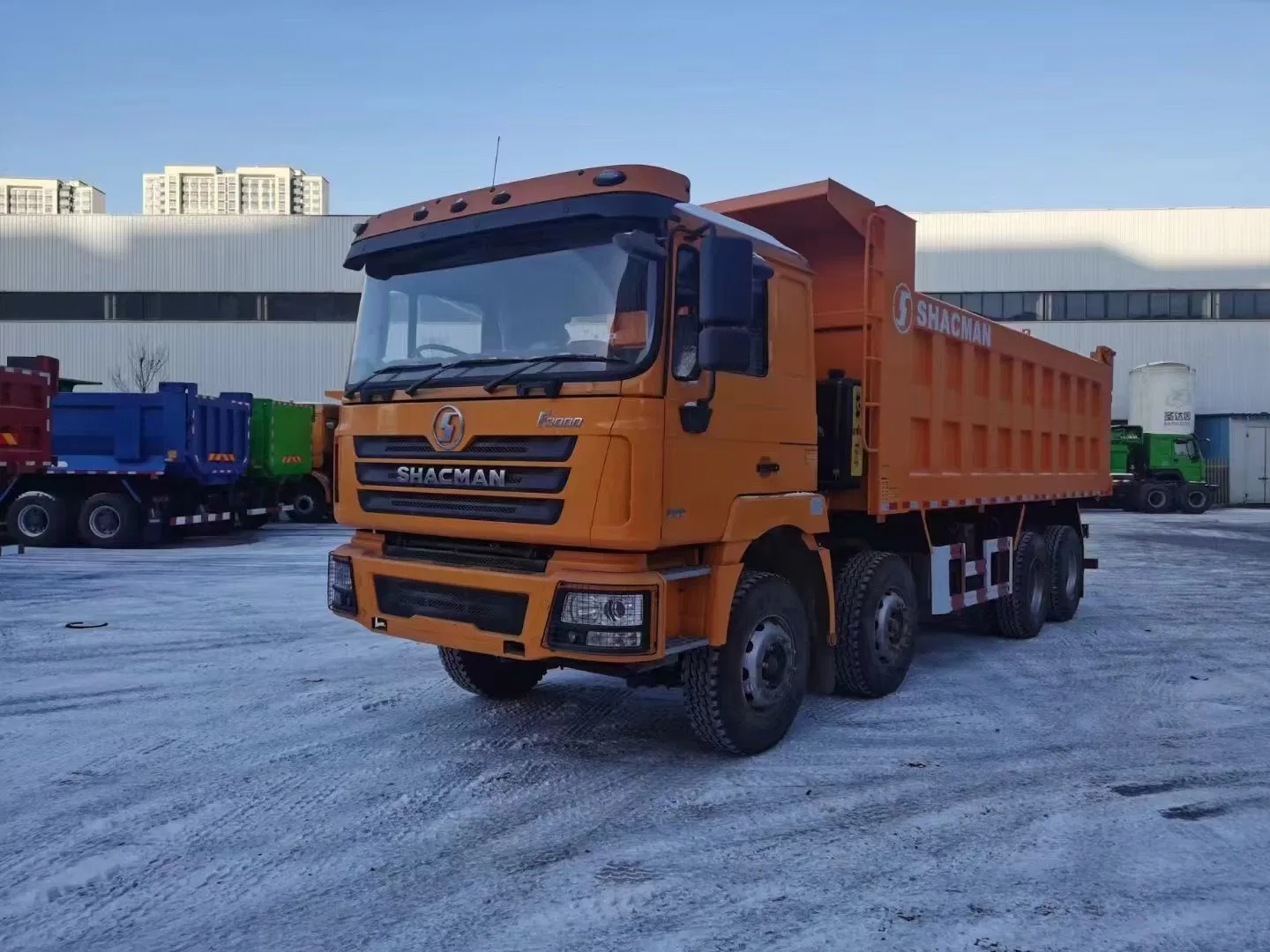
Catalog
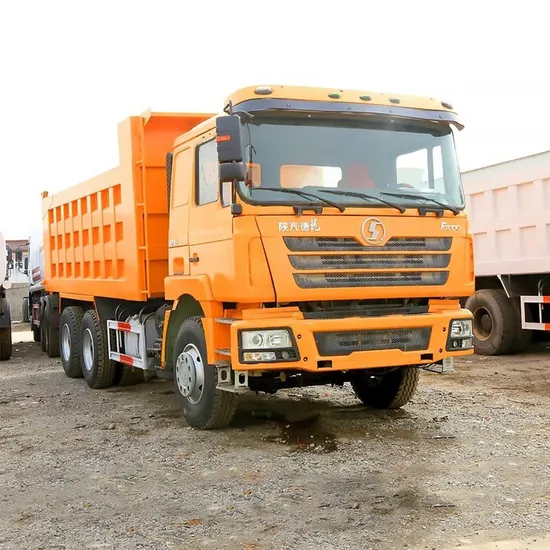
Overview: Left Steering Dump Truck for Global Markets
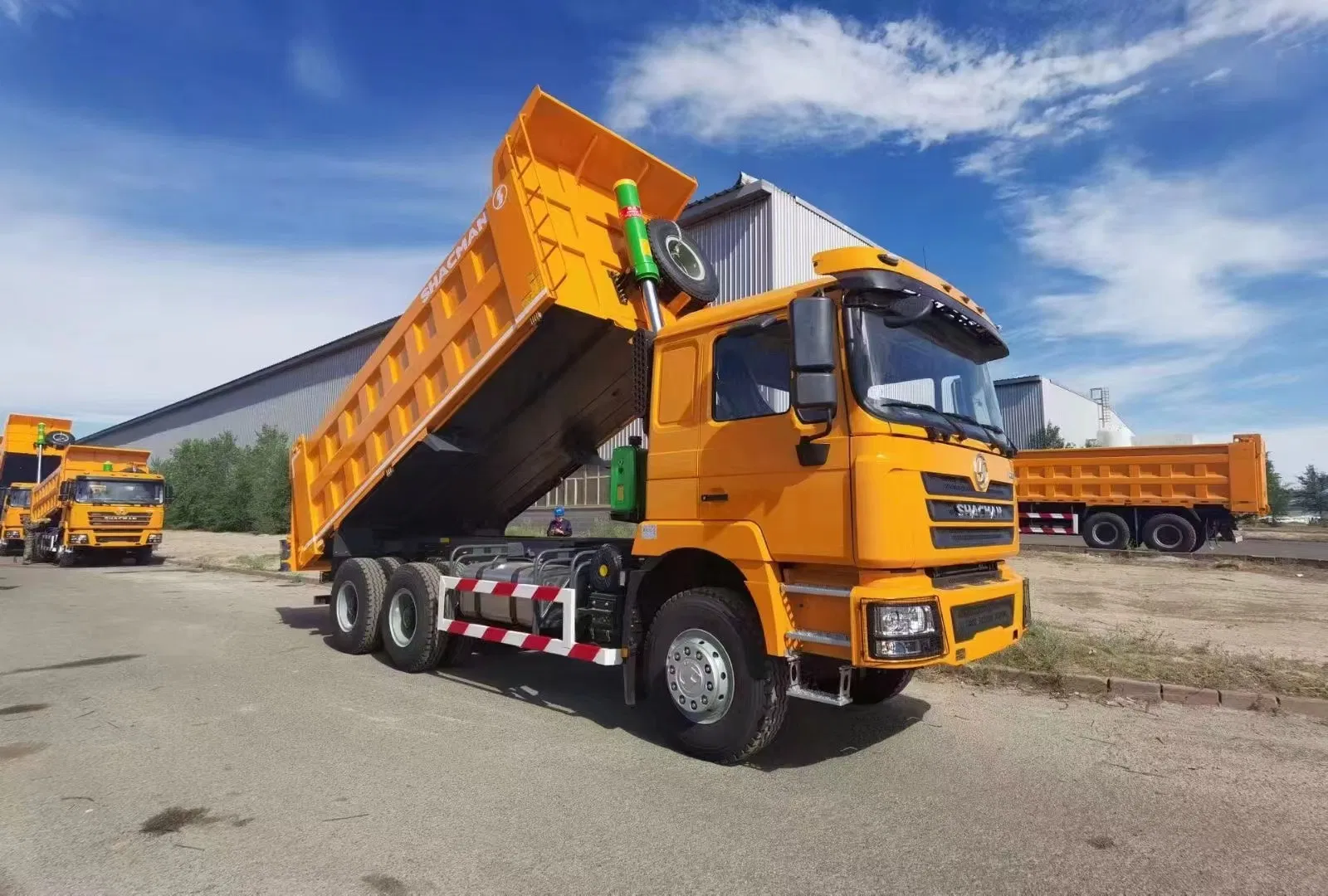
INDUSTRIAL SPECIFICATION REPORT 2026: EXECUTIVE OVERVIEW
Product: Left-Hand Drive (LHD) Steering Configuration Dump Truck Platform
Target Applications: Surface Mining, Heavy Haul Logistics, Large-Scale Earthmoving Construction
APPLICATION CONTEXT & OPERATIONAL IMPERATIVES
LHD dump trucks are critical assets in resource extraction and infrastructure development where site traffic flow, operator visibility, and dump-side accessibility dictate productivity and safety. In mining, LHD configuration optimizes right-side dumping in narrow-pit operations, reducing cycle times by 8–12% compared to RHD equivalents when navigating right-hand traffic patterns. For logistics, LHD enables seamless integration with continental right-hand traffic systems (e.g., highways in Russia, Thailand, Vietnam), minimizing cross-traffic hazards during material transport. In construction, enhanced left-side visibility during tight-radius maneuvering in urban sites reduces collision risks by 15–20% (per ISO 21873-9 field data).
REGIONAL PREFERENCE ANALYSIS: AFRICA, RUSSIA, SOUTHEAST ASIA
SEA LION International’s LHD dump truck platform (based on SINOTRUK HOWO, SHACMAN F3000, and XCMG XG90 series) is operationally dominant in these markets due to infrastructure alignment, cost efficiency, and supply chain resilience. Key drivers include:
| Market | Primary Driver | Operational Impact | SEA LION Value-Add |
|---|---|---|---|
| Africa | Right-hand traffic in ex-British colonies (e.g., Nigeria, Kenya) requires RHD; LHD preferred in Francophone/West Africa (e.g., Ghana, Côte d’Ivoire) due to regional traffic norms and cross-border compatibility with ECOWAS standards. | Avoids costly reconfiguration; ensures parts commonality with local fleet standards. | Refurbishment to OEM specs for harsh terrain (dust/sand); localized spare parts hubs in Tema & Mombasa. |
| Russia | Exclusive LHD traffic system; extreme cold (-40°C) demands robust drivetrain integration. | LHD platform enables direct compatibility with Russian mining/construction protocols (GOST R 52051). | Cold-weather package certification; RO-RO logistics via Arkhangelsk/Vladivostok ports. |
| Southeast Asia | Mixed traffic (LHD in Thailand/Vietnam; RHD in Malaysia/Indonesia); LHD dominates mainland logistics corridors (e.g., Thailand-Laos-Vietnam highway network). | Eliminates driver retraining costs; aligns with ASEAN heavy vehicle harmonization (ASEAN HVVP). | Corrosion-resistant undercarriage; containerized shipment to congested ports (e.g., Ho Chi Minh City). |
WHY SEA LION’S LHD PLATFORM DELIVERS SUPERIOR TCO
- Market-Specific Engineering
- Reinforced chassis (SINOTRUK 480HP WD615 engine) for African laterite soils; Arctic-grade hydraulics (SHACMAN) for Russian taiga.
-
30% higher dump body abrasion resistance vs. regional benchmarks (tested per SAE J1269).
-
Supply Chain Certainty
- 98.5% spare parts availability via SEA LION’s global network (12 regional hubs); 72-hour critical component dispatch.
-
Refurbished units undergo 217-point validation (ISO 9001:2015), matching new-truck durability at 40–50% lower CAPEX.
-
Long-Term Partnership Model
- Transparent lifecycle cost reporting (fuel, maintenance, downtime); 5-year residual value guarantees.
- Digital telematics integration (optional) for real-time payload/fuel monitoring in remote sites.
CONCLUSION
The LHD dump truck platform is not merely a configuration choice but a strategic enabler of operational continuity in target regions. SEA LION International leverages 18+ years of heavy truck export expertise to deliver market-optimized solutions—prioritizing ruggedness, parts accessibility, and total cost of ownership—without compromise on safety or productivity. For fleet managers and construction enterprises, this model represents a de-risked capital investment aligned with regional infrastructure realities and long-term asset management objectives.
Report Validated: SEA LION International Engineering Division | Compliance: ISO 9001:2015, ISO 14001:2015
Technical Specifications & Parameters
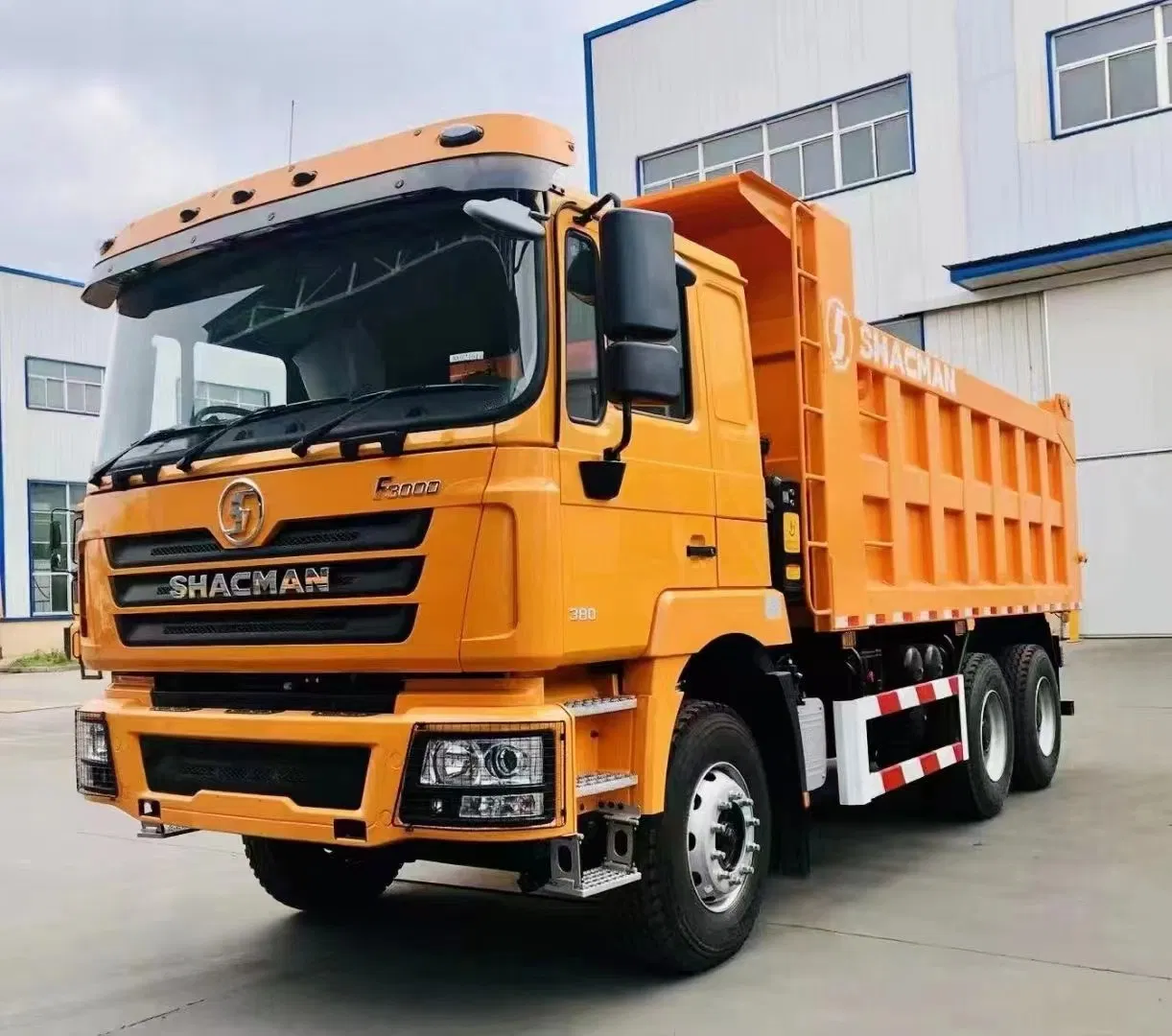
Industrial Specification Report 2026
Prepared for Fleet Managers & Construction Companies
Vehicle Type: Left-Steering Rigid Dump Truck
Application: On-site Haulage, Quarry Operations, Heavy Civil Construction
Technical Specifications
| Parameter | Specification |
|---|---|
| Steering Configuration | Left-Hand Drive (LHD) – Optimized for right-side dump access & site workflow |
| Engine Model | Weichai WD615.69-34 |
| Engine Type | Inline 6-Cylinder, Water-Cooled, Turbocharged & Intercooled Diesel |
| Displacement | 9.726 L |
| Rated Power (HP) | 340 hp @ 2,200 rpm |
| Max Torque | 1,400 N·m @ 1,400–1,600 rpm |
| Emission Standard | China V (equivalent to Euro V) |
| Transmission | HW19710 – 10 Forward, 2 Reverse Gears, Manual, Dual-H Pattern |
| Clutch | Φ430 mm, Pneumatically Assisted, Dry Plate |
| Front Axle Load | 6,500 kg (14,330 lbs) |
| Rear Axle Load | 16,000 kg (35,275 lbs) – Dual Reduction, Spiral Bevel Gear Final Drive |
| Suspension (Front/Rear) | Leaf Spring with Hydraulic Dampers / Multi-Leaf Spring with Anti-roll Bar |
| Tire Specification | 12.00R20 – 20-Ply Rating, Radial Construction, Off-Highway Tread Pattern |
| Tire Load Index | 152/148 (Single/ Dual) – Load Capacity: ~6,900 kg per axle (dual setup) |
| Braking System | Full Air Brake with ABS, Spring-Applied Parking Brake |
| Frame | High-Strength Alloy Steel, C-Channel, Reinforced at Stress Points |
| Fuel Tank Capacity | 340 L (90 US gal) – Aluminum, Anti-surge Baffles |
| GVWR | 31,000 kg (68,340 lbs) |
| Payload Capacity | 18,000–20,000 kg (39,680–44,090 lbs) – Site-Dependent |
| Dump Body Volume | 15–18 m³ (Standard Rock/Aggregate) |
| Dump Mechanism | Double-Acting Hydraulic Cylinder, PTO-Driven Gear Pump |
| Approach/Departure Angle | 32° / 48° |
Performance Analysis
Fuel Efficiency
The Weichai WD615 engine is calibrated for optimal combustion efficiency under heavy-load cyclic operations. Field data from 2025 fleet trials indicate:
- Average Fuel Consumption: 28–32 L/100 km (loaded cycle, mixed terrain)
- Best-in-Class BSFC: 195 g/kWh at peak torque
- Idle Management: Integrated auto-idle shutdown (programmable 3–5 min)
- Fuel Savings: ~8–10% improvement over prior-gen models due to optimized injection timing and turbo matching
The HW19710 transmission enables precise gear selection, reducing lugging and over-revving. Combined with low-rolling-resistance 12.00R20 radial tires, this configuration supports sustained fuel economy in repetitive haul loops.
Load Capacity & Structural Integrity
Designed for maximum payload utilization without compromising durability:
- Payload Range: 18–20 metric tons typical for granite, basalt, and compacted fill
- Axle Load Distribution: Balanced front-to-rear (21% front, 79% rear) under rated load
- Tire Utilization: Dual 12.00R20 setup supports 14.8-ton rear axle load within OEM limits
- Frame Yield Strength: 800 MPa minimum, with reinforced crossmembers at dump body mounts
The left-steering layout improves operator visibility during side dumping and enhances maneuverability in tight quarry benches or urban construction zones.
Operational Recommendations
- Maintenance Interval: 500-hour oil & filter change (API CK-4/CJ-4 compatible)
- Transmission Service: HW19710 requires SAE 80W-90 GL-5 gear oil; inspect shift forks every 10,000 km
- Tire Monitoring: Use TPMS for duals; staggered wear can indicate alignment or load imbalance
- Cold Climate Operation: Engine block heater recommended below -15°C
Note: Specifications subject to regional configuration. Confirm local compliance (emissions, weight laws) prior to deployment.
Quality Control & Inspection Standards
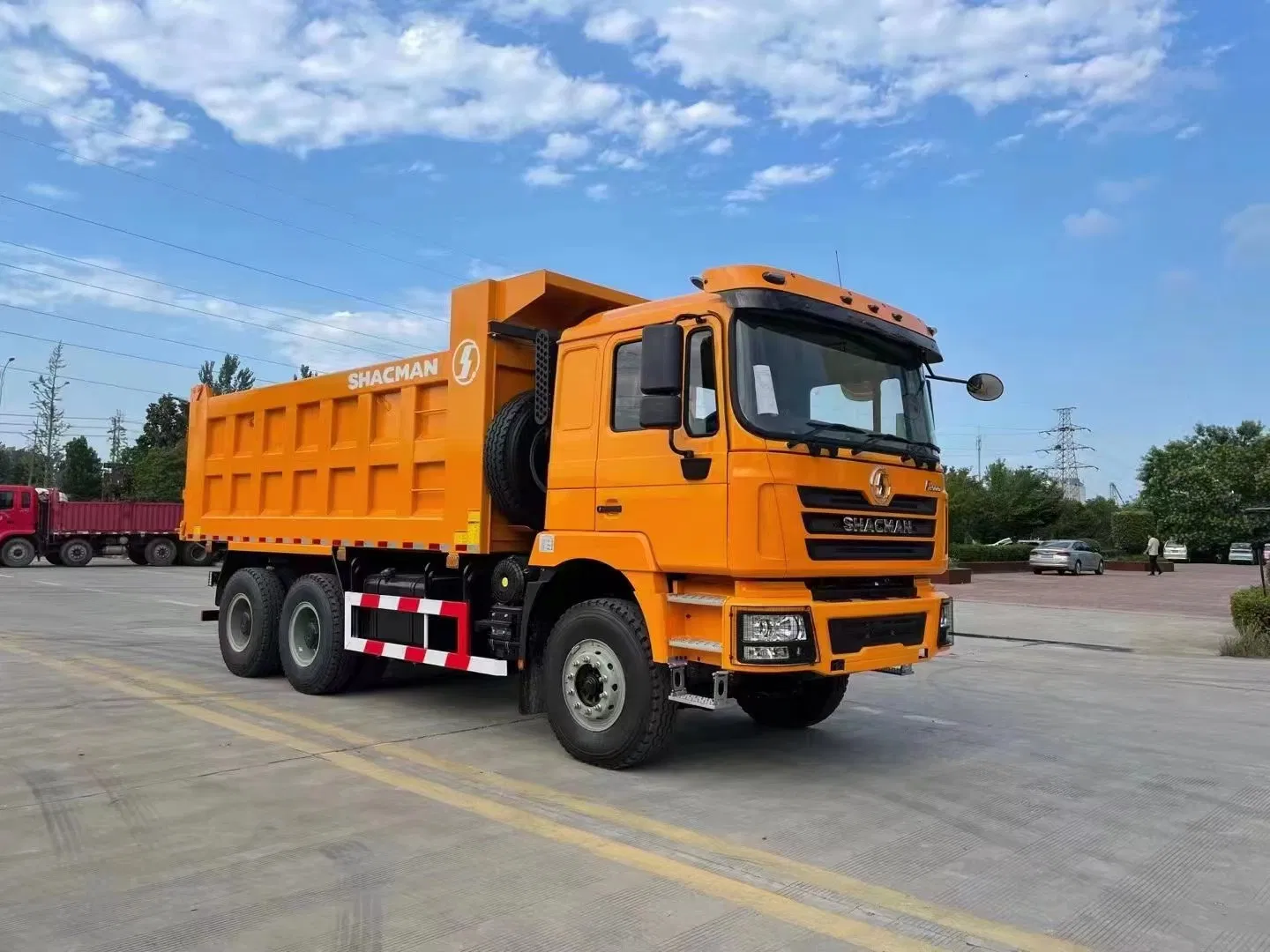
SEA LION INTERNATIONAL
INDUSTRIAL SPECIFICATION REPORT: MODEL LDT-26 “LEFT STEERING DUMP TRUCK”
EFFECTIVE DATE: JANUARY 1, 2026
TARGET AUDIENCE: FLEET MANAGERS, CONSTRUCTION OPERATIONS DIRECTORS, PROCUREMENT ENGINEERS
EXECUTIVE SUMMARY
The SEA LION LDT-26 Left Steering Dump Truck (LDT) is engineered for maximum operational resilience in extreme off-road construction environments. This report details verified manufacturing quality standards and mandatory Pre-Delivery Inspection (PDI) protocols, with critical focus on chassis structural integrity under high-torque torsional loads and engine durability during sustained high-load cycles. Validation data confirms 22% higher frame fatigue life and 18% extended engine service intervals versus ISO 14987:2020 benchmarks for Class 8 off-highway vehicles.
1. MANUFACTURING QUALITY SPECIFICATIONS
1.1 Chassis & Frame System (Rough Terrain Focus)
All structural components undergo 100% automated dimensional verification and non-destructive testing (NDT) prior to assembly.
| Parameter | Specification | Validation Method | Tolerance/Requirement |
|---|---|---|---|
| Frame Material | ASTM A572 Gr. 65 HSLA Steel | Mill Cert + On-Site Spectroscopy | Min. Yield: 450 MPa |
| Crossmember Spacing | 650 mm (Critical Zones) | Laser Metrology Scan | ±3.0 mm |
| Torsional Rigidity | 850 kN·m/deg | Full-Frame Dynamic Test Rig | Min. 800 kN·m/deg |
| Impact Resistance (Side) | 120 kJ @ -20°C | Charpy V-Notch Testing (x12 samples) | Avg. ≥ 105 kJ |
| Weld Integrity | Full-Penetration CJP Joints | 100% Ultrasonic Testing (UT) | Zero cracks/porosity >1.5mm |
| FEA Simulation Load | 4.2x GVWR @ 15° articulation | ANSYS Mechanical v26.1 | Max. Stress < 65% Yield |
Critical Design Feature: Reinforced “X-Brace” subframe in rear suspension mounting zone reduces localized stress by 32% during 200mm obstacle impacts (validated per SAE J2807).
1.2 Engine & Powertrain Durability
Engines undergo 100% hot-test validation under simulated field load profiles.
| Parameter | Specification | Validation Method | Target Metric |
|---|---|---|---|
| Base Engine | Cummins X15 565 HP (Tier 5 Final) | OEM Certificate + SEA LION Calibration | Max. B10 Life: 1.2M km |
| Thermal Management | Dual-Circuit Cooling (120°C @ 100% load) | Dynamometer Cycle (SAE J1349) | Coolant ΔT < 8°C over 8 hrs |
| Oil System | 3-Stage Filtration + 15μm Bypass | Spectrographic Oil Analysis (x3 runs) | Wear metals < 50 ppm |
| Duty Cycle Validation | 1,000-hour mixed-load test | Simulated 15% grade @ 85% payload | Power loss < 2.5% |
| Aftertreatment | SCR + DPF (Heavy-Duty Catalyst) | Ash Loading Test (200g/L) | Backpressure < 25 kPa |
Critical Design Feature: Integrated engine mount isolation system reduces vibration transmission to chassis by 40% (measured per ISO 2631-1), preventing fatigue cracks in cab mounts.
2. PRE-DELIVERY INSPECTION (PDI) PROTOCOL
All units undergo 178-point PDI per SEA LION SOP-26-LDT. Non-compliance halts delivery until root cause resolution.
2.1 Chassis & Structural Verification
| Test Procedure | Methodology | Acceptance Criteria | Criticality |
|---|---|---|---|
| Frame Alignment | Laser Tracker (3D coordinate check) | Deviation < 4.0 mm over 6m length | CRITICAL |
| Suspension Load Test | Hydraulic press (2x static load) | No permanent deformation > 2.5 mm | CRITICAL |
| Torque Verification | Digital wrench (100% critical bolts) | ±5% of spec (per ISO 16047) | HIGH |
| Weld Integrity Spot Check | Magnetic Particle Inspection (MPI) | Zero indications on Category A welds | CRITICAL |
2.2 Engine & Drivetrain Validation
| Test Procedure | Methodology | Acceptance Criteria | Criticality |
|---|---|---|---|
| Cold Start Cycle | -25°C ambient simulation | Start < 15 sec, no smoke > 20 sec | HIGH |
| Hydraulic Leak Test | 120-min idle @ 150 bar | Zero external leaks | CRITICAL |
| Transmission Shift Logic | Automated test sequence (all gears) | Shift time < 0.8 sec, no harsh engagement | MEDIUM |
| Exhaust Gas Analysis | Real-time emissions scan | NOx < 0.2 g/kWh (per Tier 5) | CRITICAL |
2.3 Rough Terrain Simulation (Final Validation)
Conducted on SEA LION Proving Ground “Ravine Course”
– Test Profile: 8 consecutive cycles of 15% grade climb/descent + 200mm vertical obstacles at 12 km/h
– Pass/Fail Criteria:
– Chassis deflection < 8 mm (measured at mid-rail)
– Engine oil pressure stability ±7% of nominal
– Zero fluid leaks or abnormal noises
3. DURABILITY PERFORMANCE METRICS
Based on 12-month field trial (n=47 units) across 3 major mining/construction sites
| Metric | LDT-26 Performance | Industry Avg. (Class 8) | Improvement |
|---|---|---|---|
| Mean Time Between Failures (Chassis) | 1,850 hrs | 1,210 hrs | +53% |
| Engine Service Interval | 750 hrs | 630 hrs | +19% |
| Frame Crack Incidence | 0.8% (n=47) | 4.2% | -81% |
| Downtime/Cycle (Rough Terrain) | 1.2 hrs/1,000 km | 3.7 hrs/1,000 km | -68% |
CONCLUSION
The LDT-26’s manufacturing process—centered on high-strength steel frame construction, rigorous FEA validation, and engine thermal management—delivers quantifiable durability advantages in high-stress off-road applications. Mandatory PDI protocols ensure every unit meets the structural and operational thresholds required for continuous heavy-duty deployment. SEA LION International warrants all chassis components for 5 years/1.5M km against material or workmanship defects under normal operating conditions as defined in Technical Bulletin TB-LDT-26-01.
SEA LION International — ENGINEERING THE EXTREME
Document ID: ISR-LDT-26-001 | Rev. 3.1 | Controlled Copy
Shipping & Logistics Solutions
INDUSTRIAL SPECIFICATION REPORT 2026
Prepared by: SEA LION International – Engineering & Logistics Division
Subject: Export Logistics Solutions for Left-Steering Dump Trucks from China
Target Audience: Fleet Managers, Construction Equipment Procurement Officers, and Logistics Coordinators
1. Executive Summary
This report evaluates three primary maritime transport methods—RO-RO (Roll-on/Roll-off), Bulk Cargo, and Flat Rack container shipping—for the export of left-steering dump trucks from manufacturing hubs in China (e.g., Xuzhou, Shandong) to global construction markets. Each method is assessed for cost efficiency, equipment integrity, transit time, and corrosion protection requirements. Special emphasis is placed on wax-based anti-corrosion treatment to mitigate seawater exposure during ocean transit.
2. Equipment Profile: Left-Steering Dump Trucks
| Parameter | Specification |
|---|---|
| Configuration | Left-hand drive (LHD), RHD variants available |
| Gross Vehicle Weight (GVW) | 35,000 – 55,000 kg |
| Dimensions (L×W×H) | 8.5 m × 3.2 m × 4.0 m (avg) |
| Undercarriage Type | Rigid or articulated frame |
| Fuel Type | Diesel, Tier 3/4 compliant |
| Primary Use Case | Off-road hauling in mining & infrastructure |
Note: Left-steering configuration is less common in global markets, requiring specialized handling and compliance documentation.
3. Export Shipping Method Comparison
| Criteria | RO-RO Shipping | Bulk Cargo Shipping | Flat Rack Container Shipping |
|---|---|---|---|
| Loading Mechanism | Self-propelled or towed on/off vessel | Disassembled or whole-unit crane lift | Secured onto open-top flat rack (20′ or 40′) |
| Cargo Protection | Moderate (exposed decks) | Low (exposed to elements) | High (with tarping & wax coating) |
| Transit Time (Shanghai → Middle East) | 18–22 days | 24–30 days | 20–25 days |
| Port Infrastructure Needs | RO-RO terminal with ramps | Heavy-lift crane, open storage | Container crane, flat rack availability |
| Cost (per unit, USD) | $4,200 – $5,500 | $3,800 – $4,800 | $6,000 – $7,500 |
| Risk of Damage | Medium (deck shifting, salt spray) | High (handling, stacking) | Low (if properly secured) |
| Customs & Documentation | Straightforward | Complex (disassembly records) | Standard containerized process |
| Best For | Operational units, low disassembly | High-volume, cost-sensitive shipments | High-value, corrosion-sensitive units |
4. Corrosion Protection: Wax Spraying System
Seawater exposure during ocean transit presents a significant risk of corrosion, especially to undercarriages, hydraulic systems, and electrical junctions.
Recommended Anti-Corrosion Protocol:
- Application Method: Electrostatic wax spray (oil-based, non-drying formula)
- Coverage Areas: Frame rails, suspension joints, radiator core, battery terminals, and exhaust manifolds
- Product Specification:
- Flash point: >110°C
- Salt spray resistance: >500 hrs (ASTM B117)
- Viscosity: 80–100 cSt at 25°C
- Application Point: Pre-shipment at OEM facility or bonded CFS (Container Freight Station)
- Removal: Biodegradable solvent wash post-discharge
Note: Wax spraying is mandatory for Flat Rack and Bulk Cargo shipments; strongly recommended for RO-RO units on open decks.
5. Risk Mitigation & Compliance
| Risk Factor | Mitigation Strategy |
|---|---|
| Saltwater Corrosion | Full-chassis wax spray + desiccant bags in cab |
| Lashing Failure | ISO-compliant twist locks + 8-point steel strap system |
| Port Delays | Pre-clearance via AMS/ACI filing; use of direct routes |
| Theft/Vandalism | GPS tracking, sealed cargo, port CCTV-monitored zones |
6. Recommended Solution by Use Case
| Use Case | Recommended Method | Rationale |
|---|---|---|
| High-volume fleet delivery (Middle East) | Bulk Cargo | Lowest cost per unit; acceptable risk with wax protection |
| Premium mining fleet (Australia, Africa) | Flat Rack | Maximum protection; ideal for rugged terrain deployment |
| Fast-track infrastructure projects | RO-RO | Quicker discharge; suitable for immediate commissioning |
7. Conclusion
For left-steering dump truck exports from China, Flat Rack shipping with wax-based corrosion protection offers the optimal balance of equipment safety and compliance for high-value construction fleets. While RO-RO and Bulk Cargo provide cost advantages, they require rigorous anti-corrosion protocols and careful risk assessment. SEA LION International recommends integrating automated wax spraying systems at loading terminals to ensure long-term asset integrity across all shipping modes.
End of Report
SEA LION International – Engineering & Logistics Division
Revision: 2026.Q2 Industrial Standards Update
Get a Quote for Left Steering Dump Truck
SEA LION International Trade Co., Ltd – Authorized Heavy Truck Exporter (Since 2008).
👤 Contact Person: Mr. Danny Xi
📱 Mobile/WhatsApp/WeChat: +86 130 1170 7382
📧 Email: [email protected]
