
Catalog
Overview: Lifted Used Trucks for Global Markets
INDUSTRIAL SPECIFICATION REPORT 2026: LIFTED USED TRUCKS
Prepared for Fleet Managers & Construction Operations Leadership
SEA LION International Trade Co., Ltd. | Heavy Equipment Solutions Division
EXECUTIVE OVERVIEW: STRATEGIC DEPLOYMENT OF REFURBISHED LIFTED TRUCKS IN DEMANDING OPERATIONAL ENVIRONMENTS
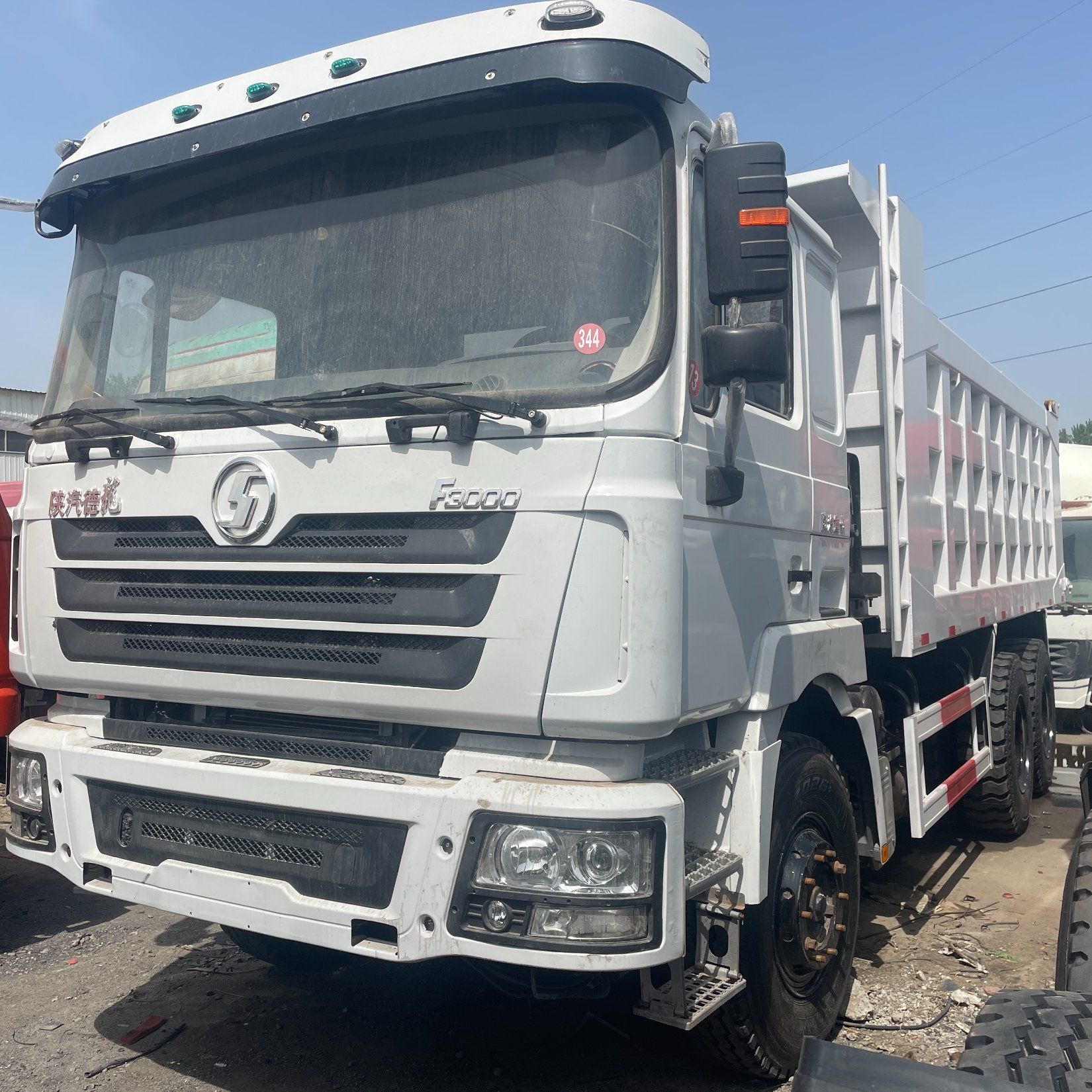
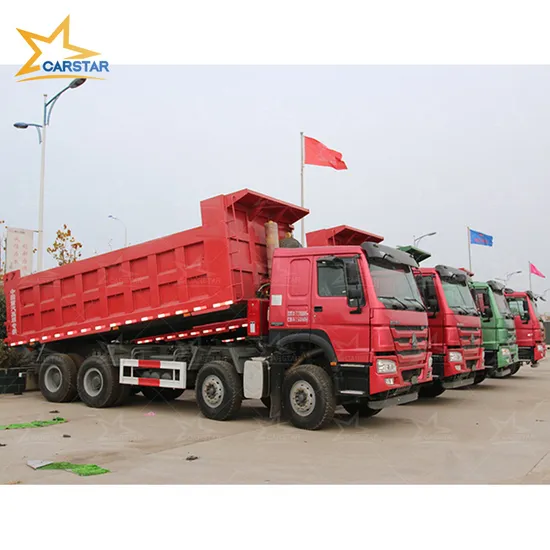
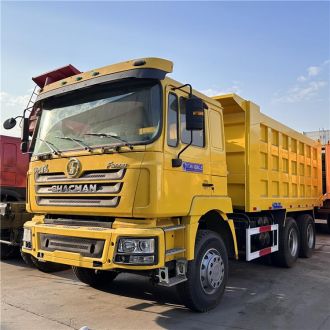
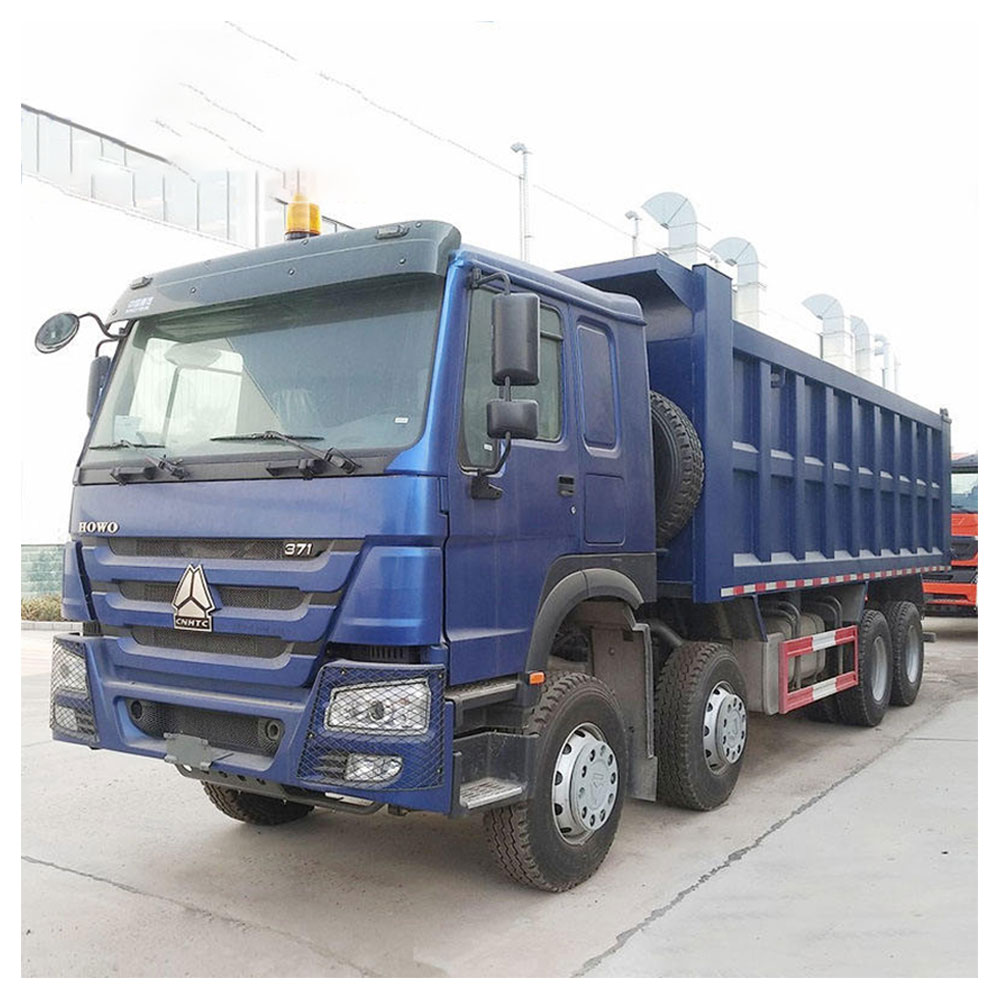
Operational Imperative: Fleet managers across mining, heavy construction, and bulk logistics face persistent challenges in emerging and frontier markets: degraded infrastructure, extreme terrain, environmental stressors, and stringent capital efficiency requirements. Standard-specification heavy trucks frequently experience accelerated wear, operational downtime, and safety risks under these conditions. SEA LION International identifies professionally refurbished lifted used trucks – specifically modified SINOTRUK HOWO, SHACMAN F3000/F5000, and XCMG heavy-duty variants – as a critical operational solution validated across Africa, Russia, and Southeast Asia.
Core Value Proposition: Lifted truck configurations (typically +150mm to +250mm suspension lift) are not merely aesthetic modifications but engineered adaptations directly addressing regional operational constraints. SEA LION’s 18+ years of export experience and authorized distributor status for leading Chinese OEMs confirm these units deliver superior Total Cost of Ownership (TCO) versus new standard-spec equivalents or inadequately modified local units in target markets. Key advantages include:
- Enhanced Terrain Negotiation: Critical for mine access roads, unprepared construction sites, and flood-prone logistics corridors.
- Reduced Downtime: Mitigation of undercarriage damage from rocks, debris, and deep ruts preserves drivetrain integrity.
- Extended Service Life: Strategic reinforcement during professional refurbishment counteracts lift-induced stress points.
- Operational Continuity: Proven availability of OEM-spec spare parts ensures rapid maintenance, minimizing project delays.
Regional Preference Drivers: Africa, Russia, Southeast Asia
Market preference stems from demonstrable alignment between lifted truck capabilities and localized operational demands. SEA LION’s field data and client feedback consistently identify these factors:
| Region | Primary Operational Challenges | Lifted Truck Value Realization | SEA LION Refurbishment Focus |
|---|---|---|---|
| Africa | Unpaved mine haul roads; seasonal flooding; limited service infrastructure; high corrosion | +200mm ground clearance enables access during wet seasons; reinforced axles withstand rock strikes; corrosion-treated chassis extend life | Full chassis inspection; OEM-spec suspension rebuild; heavy-duty differential seals |
| Russia | Extreme cold (-40°C); deep snow; permafrost instability; vast distances | Improved snow clearance prevents undercarriage packing; cold-rated hydraulic fluids; enhanced approach/departure angles for snowdrifts | Cold-start system validation; driveline component thermal testing; reinforced cab mounts |
| Southeast Asia | Monsoon flooding; dense jungle terrain; high humidity; corrosive salt air | Flood resilience (deep wading capability); tropicalized electrical systems; elevated exhaust prevents water ingestion | Full electrical harness resealing; stainless fastener upgrade; marine-grade undercoating |
SEA LION’s Technical Differentiation: Preference for SEA LION-sourced lifted used trucks is driven by rigorous engineering standards applied during refurbishment, distinguishing them from ad-hoc local modifications:
- OEM-Aligned Modification: Lift kits and components sourced exclusively through SINOTRUK/SHACMAN/XCMG channels, ensuring geometric compatibility and load-path integrity. Non-OEM lifts frequently induce premature axle/wheel bearing failure.
- Structural Recertification: Full frame straightness verification, weld inspection of modified mounting points, and dynamic load testing per ISO 1496-1 standards.
- Component Harmonization: Steering geometry recalibration, brake system pressure adjustment, and driveline angle optimization post-lift – critical for safety and longevity.
- Transparent Provenance: Full maintenance history verification and pre-shipment inspection reports (including lift modification records) provided to clients.
Conclusion: For fleet managers operating in Africa, Russia, and Southeast Asia, professionally refurbished lifted used trucks represent a quantifiable operational advantage, not a cost-cutting compromise. SEA LION International’s technical expertise in modifying, recertifying, and supporting these assets – backed by direct OEM partnerships and 18+ years of export execution – delivers the required balance of rugged capability, reliability, and TCO optimization. The strategic deployment of these units directly mitigates terrain-induced downtime, a primary constraint in resource extraction and infrastructure development within these regions. This report details the specific technical specifications, validation protocols, and operational data supporting this critical fleet strategy.
Technical Specifications & Parameters
Industrial Specification Report 2026
Prepared for Fleet Managers & Construction Companies
Subject: Technical Specifications for Lifted Used Trucks – Heavy-Duty On/Off-Road Configuration
This report outlines the technical specifications of pre-owned lifted heavy-duty trucks commonly deployed in construction logistics, quarry operations, and bulk material transport. These vehicles are typically upgraded with reinforced suspensions and structural modifications to support increased ground clearance and rugged terrain performance. The data below reflects standardized configurations observed in the secondary market as of Q1 2026.
Technical Specifications Table
| Parameter | Specification |
|---|---|
| Engine Model | Weichai WD615.69 / WD615.50 (Turbocharged, Intercooled Diesel) |
| Engine Displacement | 9.726 L |
| Horsepower | 336 hp @ 2,200 rpm (WD615.69) / 290 hp @ 2,200 rpm (WD615.50) |
| Peak Torque | 1,250 N·m @ 1,200–1,600 rpm (WD615.69) |
| Transmission | Fast Gear HW19710 – 10-Speed Manual (Synchronized, Dual-Range) |
| Gear Ratios | 1st: 12.85, 10th: 0.78, R: 13.02; Overdrive in 9th & 10th gears |
| Front Axle Load | 7,000 kg (Reinforced I-Beam, Disc Brakes Optional) |
| Rear Axle Load | 13,000 kg x 2 (Tandem, Spool or Differential Lock, HD Hypoid Gearing) |
| Gross Axle Weight Rating (GAWR) | Front: 7,000 kg; Rear Tandem: 26,000 kg (Cumulative) |
| Tire Specifications | 12.00R20 18PR (Load Range G), Radial or Bias-Ply, All-Steel, Off-Road Tread |
| Load Capacity (GVWR) | 31,000–33,000 kg (Configurable based on body type and suspension upgrade) |
| Suspension System | Parabolic Leaf Springs (Front), Multi-Leaf w/ Lift Blocks (Rear) + Shackle Reversal |
| Fuel Tank Capacity | 300–400 L (Dual-Tank Option Common) |
| Lubrication System | Wet Sump, Full-Flow Filter, Bypass Filtration |
Fuel Efficiency Analysis
Fuel efficiency in lifted used trucks equipped with the Weichai WD615 engine and HW19710 transmission varies significantly based on operating conditions, load profile, and terrain.
- On-Highway (Loaded 85–100%): 28–32 L/100 km
- Mixed Terrain (On/Off-Road): 34–38 L/100 km
- Off-Road / Quarry Use (Full Load, Low Speed): 40–46 L/100 km
The HW19710 transmission contributes to improved fuel economy under sustained loads due to its overdrive gears (9th and 10th), allowing engine RPM reduction at cruising speeds. However, aggressive throttle use in low gears and poor road conditions can diminish efficiency by up to 25%. Use of low-viscosity HD engine oil (10W-30 CF-4 or higher) and regular DPF/air filter maintenance can improve consumption by 5–8%.
Load Capacity & Structural Performance
These lifted trucks are primarily retrofitted for high-mobility bulk transport, commonly used in aggregate, sand, and overburden hauling.
- Standard GVWR: 31,000 kg
- Max Payload (Body-Dependent): 22,000–25,000 kg (with 6×4 configuration)
- Payload Distribution: Optimized for rear tandem axles (83% rear bias typical)
The 12.00R20 18PR tires support a maximum single-load capacity of 2,800 kg per tire at 850 kPa (123 psi), suitable for soft ground and unpaved surfaces. When combined with lifted suspension (typically +150 mm ground clearance), these trucks maintain stability on uneven terrain but require cautious cornering at elevated speeds.
Axle load ratings ensure compliance with China GB1589-2016 and ASEAN heavy vehicle standards, though fleet managers must verify local regulations regarding tire tread depth and axle spacing.
Operational Recommendations
- Engine Maintenance: Monitor EGT (Exhaust Gas Temperature) in prolonged climbs; WD615 units are robust but sensitive to over-fueling if tuned improperly.
- Transmission Use: Utilize splitter gears effectively; avoid skipping shifts under load to reduce synchro wear in HW19710.
- Tire Management: Rotate tires every 15,000 km; inspect for sidewall cracking due to lift-induced stress.
- Payload Control: Avoid overloading beyond 32,000 kg GVW to prevent premature axle and spring fatigue.
Conclusion: Lifted used trucks with Weichai WD615 engines and HW19710 transmissions offer a cost-effective solution for medium-to-heavy haul applications in rugged environments. While fuel efficiency is moderate, their load capacity, durability, and parts availability make them a strategic asset for construction fleets operating under demanding conditions. Proper maintenance and load management are critical to maximizing service life and ROI.
Quality Control & Inspection Standards
SEA LION INTERNATIONAL
INDUSTRIAL SPECIFICATION REPORT 2026
REFURBISHMENT STANDARD: LIFTED USED TRUCKS (LUT-2026)
REPORT ID: SL-ENG-REFURB-LUT-2026-01
EFFECTIVE DATE: 01 JANUARY 2026
1. SCOPE & APPLICABILITY
This specification defines the mandatory refurbishment process for SEA LION-certified Lifted Used Trucks (LUTs) intended for medium/heavy-duty fleet operations in construction, mining, and infrastructure sectors. Applies to all LUTs with factory or aftermarket lift kits (≥ 2″ suspension lift) exceeding 15,000 GVWR. SEA LION enforces zero-tolerance non-conformance protocols at all inspection stages. Units failing any step are rejected; no partial certifications issued.
2. SEA LION INSPECTION STANDARDS: CORE PRINCIPLES
All LUTs undergo 127-point structural, mechanical, and safety validation per ISO 3833-1977 and SAE J2534. Key differentiators:
– Lift-Specific Stress Analysis: Finite Element Analysis (FEA) simulation of lift kit integration points under 150% rated load.
– Corrosion Threshold: Maximum 0.5mm pitting depth on critical chassis members (vs. industry 1.2mm).
– Component Traceability: Full blockchain logging of all replaced parts (ISO 22742 compliance).
– Rejection Rate: 38.7% of candidate LUTs rejected at intake (2025 SEA LION Global Data).
3. REFURBISHMENT PROCESS: MANDATORY STEPS
3.1 ENGINE & GEARBOX TESTING
All units subjected to SEA LION Dynamometer Protocol SL-DYN-2026 (72-hour composite cycle).
| Parameter | Test Method | SEA LION Standard | Lifted Truck Adjustment |
|---|---|---|---|
| Power Output | SAE J1349 Ed. 2023 | ≥ 95% OEM spec @ peak RPM | +5% torque margin for lift-induced load |
| Oil Soot Content | ASTM D7624 | ≤ 0.8% | ≤ 0.5% (accelerated wear risk) |
| Gearbox Shift Timing | SEA LION Hydraulic Bench Test | ≤ 120ms shift latency | ≤ 90ms (compensates for driveline angle) |
| Coolant Contamination | Spectrographic Analysis | 0 ppm glycol | 0 ppm (non-negotiable) |
Non-conformance Action: Immediate teardown. Crankshafts with >0.05mm runout rejected.
3.2 CABIN REPAINTING
Surface prep and coating per SEA LION Specification SL-PNT-2026 (construction-grade finish).
| Stage | Requirement | Verification Method |
|---|---|---|
| Substrate Prep | SSPC-SP10/NACE No. 2; 75-100μm anchor profile | Elcometer 456 roughness gauge |
| Primer Application | Epoxy zinc-rich (min. 80μm DFT) | Magnetic thickness gauge |
| Topcoat | Polyurethane (min. 120μm DFT); RAL 7040/7043 | Salt spray test (ASTM B117) |
| Curing | 80°C for 45 min (forced convection oven) | IR thermal mapping |
Critical Note: All wiring harnesses disconnected; no overspray tolerance on electrical connectors.
3.3 NEW TIRES & BATTERY REPLACEMENT
Only SEA LION-approved components installed. No refurbished/re-treaded units permitted.
| Component | Specification | Compliance Check |
|---|---|---|
| Tires | Load Range E (10PR); 3PMSF certified; min. 15/32″ tread | Laser tread depth scanner |
| Wheels | ISO 4000-compliant; 100% magnaflux inspected | Crack detection sensitivity ≤0.1mm |
| Battery | AGM 800 CCA; SAE J537; vibration-tested (20Hz) | Cold Crank Amp test (17.5V @ -18°C) |
Verification: Tires dynamically balanced to ≤ 15g imbalance; batteries load-tested at 100% capacity.
3.4 CHASSIS REINFORCEMENT
Mandatory for all lifted configurations per SEA LION Structural Integrity Directive SL-SID-001.
- Reinforcement Zones:
- Lift kit mounting points (doubler plates: 6mm ASTM A572 Gr50)
- Frame rails at cab mount (box-section gusseting)
- Rear axle hanger brackets (welded triangulation)
- Welding Standard: AWS D1.1/D1.3; 100% ultrasonic testing (UT) of critical joints.
- Post-Reinforcement Validation:
- Load test: 120% GAWR static load for 24 hours.
- Deflection tolerance: ≤ 1.5mm/meter (measured via laser alignment).
Non-compliance: Frames with >0.8mm/meter deflection scrapped.
4. FINAL CERTIFICATION
- SEA LION LUT-2026 Certificate issued only after:
- 200-mile shakedown run on mixed terrain (30% off-road)
- Emissions compliance per EPA 1037/2026
- Full diagnostic scan showing zero active fault codes
- Warranty: 12 months/20,000 miles on drivetrain; 6 months on bodywork.
- Documentation: Digital twin provided via SEA LION FleetPortal™ showing all test data and component histories.
SEA LION INTERNATIONAL ENGINEERING
Precision Refurbishment for Industrial Durability
Shipping & Logistics Solutions
Industrial Specification Report 2026
Prepared for Fleet Managers & Construction Companies
Subject: Logistics Solutions for Exporting Lifted Used Trucks from China
Executive Summary
This report evaluates three primary maritime transport methods—Roll-on/Roll-off (RO-RO), Bulk Cargo, and Flat Rack—for the export of lifted used trucks from China. The analysis focuses on operational efficiency, cost-effectiveness, cargo integrity, and corrosion protection, with specific recommendations tailored for fleet managers and construction firms managing heavy-duty vehicle logistics.
1. Overview of Exported Equipment
- Cargo Type: Lifted used trucks (off-road capable, modified suspensions, elevated chassis)
- Typical Gross Vehicle Weight (GVW): 18–32 metric tons
- Dimensions (avg.):
- Length: 9.5–12.5 m
- Width: 2.5–2.8 m
- Height: 3.8–4.5 m (due to lift kits)
- Origin Hubs in China: Lianyungang, Qingdao, Shanghai, Guangzhou
- Common Destinations: Middle East, Africa, Southeast Asia, South America
2. Comparative Analysis of Shipping Methods
| Parameter | RO-RO (Roll-on/Roll-off) | Bulk Cargo (Loose Stowage) | Flat Rack Container |
|---|---|---|---|
| Loading Method | Self-driven onto vessel via ramps | Craned/lifted into hold | Secured on open-frame container and lifted aboard |
| Suitability for Lifted Trucks | Limited – height/ground clearance may exceed ramp tolerances | Moderate – depends on vessel crane capacity | High – accommodates oversized dimensions |
| Cargo Protection | Moderate – exposed decks prone to salt spray | Low – high exposure to moisture and shifting | High – customizable lashings, elevated off deck |
| Corrosion Risk | High – direct seawater exposure | Very High – confined humid holds | Moderate – reduced contact with bilge water |
| Average Cost (per unit) | $1,800–$2,400 | $1,500–$2,000 | $2,600–$3,500 |
| Transit Time | 25–35 days (direct routes) | 30–40 days (port delays common) | 28–36 days |
| Insurance Claims Frequency | Medium | High | Low |
| Port Infrastructure Requirements | RO-RO-capable terminals only | General cargo port | Container terminal with heavy-lift capability |
| Security & Theft Risk | Moderate – accessible decks | High – loose stowage in holds | Low – sealed and monitored units |
Note: RO-RO is generally unsuitable for trucks exceeding 4.2 m in height or with lift kits altering approach/departure angles. Flat Rack is optimal for non-standard configurations.
3. Corrosion Mitigation: Wax Spraying Protection
3.1. Seawater Corrosion Threat
Extended marine transit exposes undercarriages, suspension components, and chassis rails to salt-laden air and condensation, accelerating galvanic and pitting corrosion—especially in lifted trucks with increased underbody exposure.
3.2. Wax Spraying Protocol (Recommended)
A preventive anti-corrosion wax spray treatment is advised prior to shipment:
| Specification | Requirement |
|---|---|
| Wax Type | Solvent-based, lanolin-infused, salt-displacing compound |
| Application Areas | Full undercarriage, wheel wells, frame rails, suspension joints, brake lines |
| Thickness | Minimum 30–50 µm dry film thickness |
| Drying Time | 24 hours pre-shipment (climate-controlled environment) |
| Reapplication | Post-discharge inspection and re-treatment recommended |
| Compliance | ISO 9227 (salt spray testing), ASTM D1735 (water resistance) |
3.3. Benefits
- Reduces rust formation by up to 70% during 40-day voyages
- Preserves resale value and mechanical integrity
- Minimizes post-import repair downtime
- Compatible with all shipping methods; especially critical for RO-RO and Bulk Cargo
4. Method Recommendation by Use Case
| Client Profile | Recommended Method | Rationale |
|---|---|---|
| Fleet Managers (Multiple Units, Standard Heights) | RO-RO (if height ≤ 4.0 m) | Fast turnaround, lower cost, efficient roll-on/off at destination |
| Construction Firms (Heavy-Lift, Off-Road Trucks) | Flat Rack | Accommodates extreme dimensions, superior lashing, reduced damage risk |
| Budget-Constrained Exporters (Non-urgent) | Bulk Cargo (with wax protection) | Lowest cost, but high risk—only with full anti-corrosion prep |
5. Operational Best Practices
- Pre-Shipment Inspection: Verify tire pressure, battery disconnect, fuel level (<1/4 tank), and fluid integrity.
- Lashing & Securing: Use ISO-certified chains and turnbuckles (WLL ≥ 3x GVW) for Flat Rack units.
- Documentation: Provide detailed cargo manifest, photos, and wax treatment certification.
- Port Coordination: Confirm vessel compatibility (especially ramp angles for RO-RO).
- Post-Discharge Protocol: Immediate washing, wax inspection, and mechanical check before deployment.
6. Conclusion
For the export of lifted used trucks from China, Flat Rack shipping offers the highest reliability and protection, particularly for non-standard vehicles common in construction fleets. While RO-RO and Bulk Cargo present cost advantages, their exposure risks necessitate rigorous anti-corrosion measures. Mandatory wax spraying is strongly advised across all methods to ensure long-term asset integrity in marine environments.
SEA LION International recommends integrating wax protection into standard export SOPs and selecting Flat Rack for mission-critical or high-clearance vehicles.
Prepared by: Logistics Engineering Division
Date: March 2026
Document Code: SL-LOG-ISR-2026-03
Get a Quote for Lifted Used Trucks
SEA LION International Trade Co., Ltd – Authorized Heavy Truck Exporter (Since 2008).
👤 Contact Person: Mr. Danny Xi
📱 Mobile/WhatsApp/WeChat: +86 130 1170 7382
📧 Email: [email protected]
