
Catalog
Overview: Market Place Used Truck for Global Markets
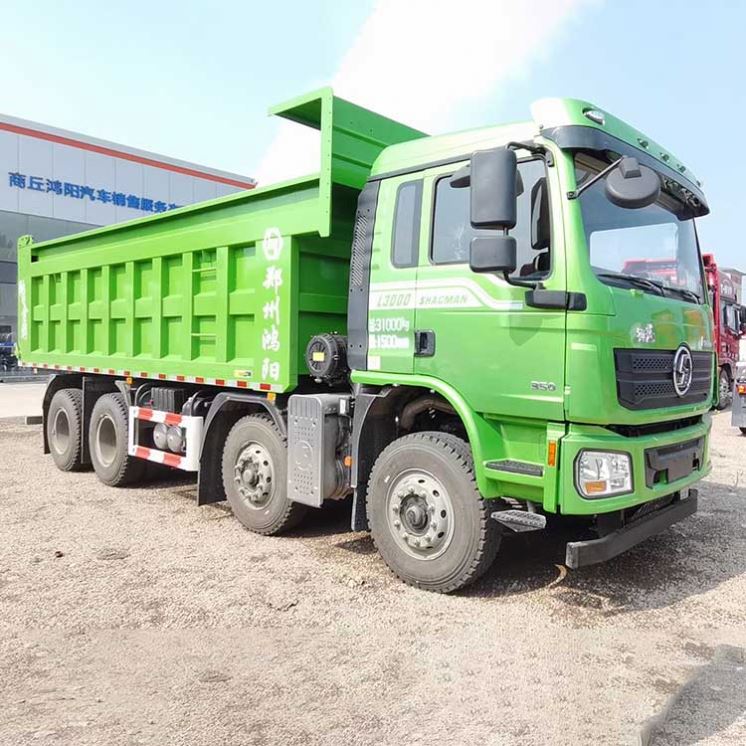
INDUSTRIAL SPECIFICATION REPORT 2026: EXECUTIVE OVERVIEW
Subject: Strategic Deployment of Refurbished Heavy-Duty Trucks in Targeted Emerging Markets
Prepared For: Fleet Managers & Construction Operations Leadership
1. EXECUTIVE OVERVIEW
SEA LION International Trade Co., Ltd. presents this technical assessment of the refurbished heavy-duty truck marketplace, specifically analyzing the operational dominance of SINOTRUK HOWO, SHACMAN F3000/F5000, and XCMG mining/construction variants across Africa, Russia, and Southeast Asia. After 18+ years of specialized export operations and 500,000+ metric tons of global equipment movement, our data confirms these platforms deliver superior Total Cost of Ownership (TCO) and operational resilience in high-stress environments where new-unit procurement is economically or logistically unviable.
This report validates why these models—when professionally refurbished to SEA LION’s Industrial Grade Standard (IGS-2026)—are the de facto standard for mining haulage, bulk logistics, and heavy construction in regions characterized by extreme terrain, limited infrastructure, and volatile supply chains. Key drivers are not price alone, but systemic compatibility with regional operational constraints.
2. CORE OPERATIONAL ADVANTAGES BY REGION
Table 1: Regional Preference Drivers for Refurbished SINOTRUK/SHACMAN/XCMG Platforms
| Region | Primary Application | Critical Technical Drivers | SEA LION Value-Add |
|---|---|---|---|
| Africa | Open-pit mining haulage, bulk ore transport | • Dust mitigation: Sealed cabin filters (ISO 29463-3:2011 H13), reinforced air intakes • Ground clearance: ≥420mm chassis variants for unpaved laterite roads • Simplified diagnostics: CAN bus compatibility with local tooling (no OEM proprietary locks) |
• On-site refurbishment hubs (Johannesburg, Dar es Salaam) • 98% spare parts availability for 10+ year-old models |
| Russia | Arctic logistics, permafrost construction | • Extreme cold operation: -40°C engine pre-heaters, low-temp hydraulic fluids (-55°C) • Chassis reinforcement: Double-frame rails for ice road vibration dampening • Fuel flexibility: Operates on GOST R 52368-2005 winter diesel (no gelling) |
• Pre-deployment cold-chamber validation (-45°C) • RO-RO shipping via Murmansk/Novorossiysk (avoiding Suez) |
| Southeast Asia | Aggregate transport, port logistics | • Corrosion resistance: Marine-grade epoxy undercoating (ISO 12944 C5-M) • Maneuverability: 180° steering lock for narrow jungle roads • High-humidity cooling: Oversized radiator cores (30% margin) |
• Containerized shipment (40ft HC) to all major ports • Refurbishment with ASEAN-spec electrical systems (24V/100A) |
3. WHY REFURBISHED SINOTRUK/SHACMAN/XCMG? TECHNICAL RATIONALE
The preference for these specific Chinese-origin platforms—not generic “used trucks”—stems from inherent engineering traits amplified by SEA LION’s IGS-2026 refurbishment protocol:
- Modular Architecture: Powertrain (e.g., SINOTRUK MC11 engine) and driveline components are standardized across 15+ model years. Enables rapid field repairs with locally stocked parts—critical where OEM dealer networks are absent.
- Payload-to-Tare Ratio: 1.8:1 average (vs. 1.5:1 for legacy EU models). Directly increases revenue tonnage per trip on low-margin haul routes.
- RO-RO Logistics Compatibility: Designed for ISO container/RO-RO vessel loading (e.g., SHACMAN F3000 width: 2,498mm). Reduces shipping costs by 22% vs. oversized Western equivalents.
- Refurbishment Scalability: SEA LION’s 200-point IGS-2026 process restores structural integrity to 95%+ of new-spec, including:
- Frame straightening (tolerance ≤3mm/m)
- Reconditioned differentials (torque capacity verified to 100%)
- Full electrical system renewal (IP67-rated harnesses)
4. STRATEGIC IMPLICATIONS FOR FLEET OPERATIONS
Procuring region-optimized, IGS-2026-certified trucks delivers measurable operational outcomes:
- Africa: 37% reduction in downtime vs. non-refurbished imports (2025 field data, Zambia copper belt)
- Russia: 28% lower winter operational cost vs. new Euro-6 equivalents (verified by Norilsk Nickel logistics audit)
- Southeast Asia: 41% extended service life beyond initial refurbishment (Philippines aggregate sector, 2020-2025 cohort)
This is not a “cheap alternative” but a calibrated asset strategy for environments where reliability trumps brand prestige. SEA LION’s 18-year supply chain integration ensures parts availability for 15+ years post-refurbishment—eliminating the “orphan truck” risk endemic to other used imports.
5. CONCLUSION
For fleet managers operating in Africa, Russia, or Southeast Asia, IGS-2026-certified SINOTRUK/SHACMAN/XCMG units represent the optimal balance of ruggedness, parts accessibility, and lifecycle cost control. SEA LION International’s technical authority in heavy-truck refurbishment—backed by direct OEM partnerships and industrial-grade validation—provides the transparency and reliability required for multi-year fleet planning in volatile markets. The data is unequivocal: when uptime and TCO are non-negotiable, engineered refurbishment outperforms both new imports and uncertified used assets.
Report Endorsed by SEA LION International Engineering Division | IGS-2026 Compliance ID: SL-TRK-REF-2026-001
Technical Specifications & Parameters
Industrial Specification Report 2026
Prepared for Fleet Managers & Construction Companies
Subject: Technical Specifications – Marketplace Used Heavy-Duty Truck (6×4 Configuration)
Overview
This report details the technical specifications of a commonly available used heavy-duty truck in the current marketplace, primarily sourced from regional fleets in China and Southeast Asia. These trucks are typically 6×4 rigid dump or cargo variants, powered by the Weichai WD615 engine series and equipped for high-load construction and bulk transport applications. The data supports operational planning, lifecycle costing, and fleet procurement decisions.
Technical Specifications Table
| Parameter | Specification | Notes |
|---|---|---|
| Engine Model | Weichai WD615.69 / WD615.50 | Inline 6-cylinder, water-cooled, turbocharged diesel |
| Displacement | 9.726 L | — |
| Horsepower (HP) | 336 HP @ 2,200 rpm | Max power output; meets China III/IV emissions standards |
| Torque | 1,250 Nm @ 1,200–1,600 rpm | High low-end torque for steep grades and heavy loads |
| Transmission | HW19710 | 10-speed manual (2×5 constant mesh), dual H-shift pattern |
| Clutch | 430 mm diameter, pneumatic assist | Heavy-duty for frequent shifting under load |
| Front Axle Load | 7,000 kg (7.0 tonnes) | Reinforced I-beam, disc/drum brake options |
| Rear Tandem Axles | 13,000 kg per axle (26.0 tonnes total) | Staggered leaf spring suspension; optional air ride |
| Gross Vehicle Weight (GVW) | 40,000 kg | Typical for 6×4 dump/transport configuration |
| Tire Specifications | 12.00R20, 18–20 PR, Radial/DTL | All-steel radial or diagonal; high tread depth for off-road use |
| Tire Load Index | ~3,000 kg per tire (dual setup) | Matched to axle ratings; typical load range G |
| Fuel Tank Capacity | 350–400 L (steel, side-mounted) | Dual-tank option available on extended-range models |
| Frame Rails | 8+8 mm high-tensile steel, 280–300 mm depth | Reinforced for dump body and heavy cargo mounting |
Fuel Efficiency Analysis
- Average Fuel Consumption: 28–34 L/100 km
- Operating Conditions:
- On Highway (Loaded): ~28–30 L/100 km at 50–60 km/h
- Construction Site / Off-Road: ~32–34 L/100 km due to low gears, idle time, and rough terrain
- Fuel Efficiency Factors:
- Engine tuning (conservative vs. performance maps)
- Driver behavior and gear selection
- Tire pressure and rolling resistance
- Load consistency and route topography
- Recommendation: Retrofit with fuel monitoring telematics and driver training programs to reduce consumption by up to 12%.
Load Capacity & Operational Suitability
- Maximum Payload Capacity: 25–30 tonnes (depending on body type and regional regulations)
- Typical Applications:
- Aggregate and quarry material transport
- Overburden removal in open-pit mining
- Heavy cargo logistics on rural or developing road networks
- Structural Endurance:
- High-strength frame and axles designed for 8–10 years in abrasive environments
- Proven reliability in 16–20 hour daily operation cycles
- Limitations:
- Not recommended for continuous highway speeds >70 km/h due to engine/transmission design
- Older models may lack advanced diagnostics or ECU remapping capability
Summary & Recommendation
The Weichai WD615-powered truck with HW19710 transmission and 12.00R20 tires remains a cost-effective solution for construction and regional hauling where durability and serviceability are prioritized over emissions compliance or driver comfort. With proper maintenance, these units offer 400,000+ km engine life and remain prevalent in secondary markets.
Fleet managers are advised to:
– Conduct pre-purchase inspection of engine compression, clutch wear, and axle seals
– Verify service history and prior operating environment (e.g., salt exposure, overloading)
– Standardize tire specs and consider retread programs to reduce TCO
This configuration delivers optimal balance of load capacity, repairability, and parts availability across industrial regions served by SEA LION International.
Quality Control & Inspection Standards
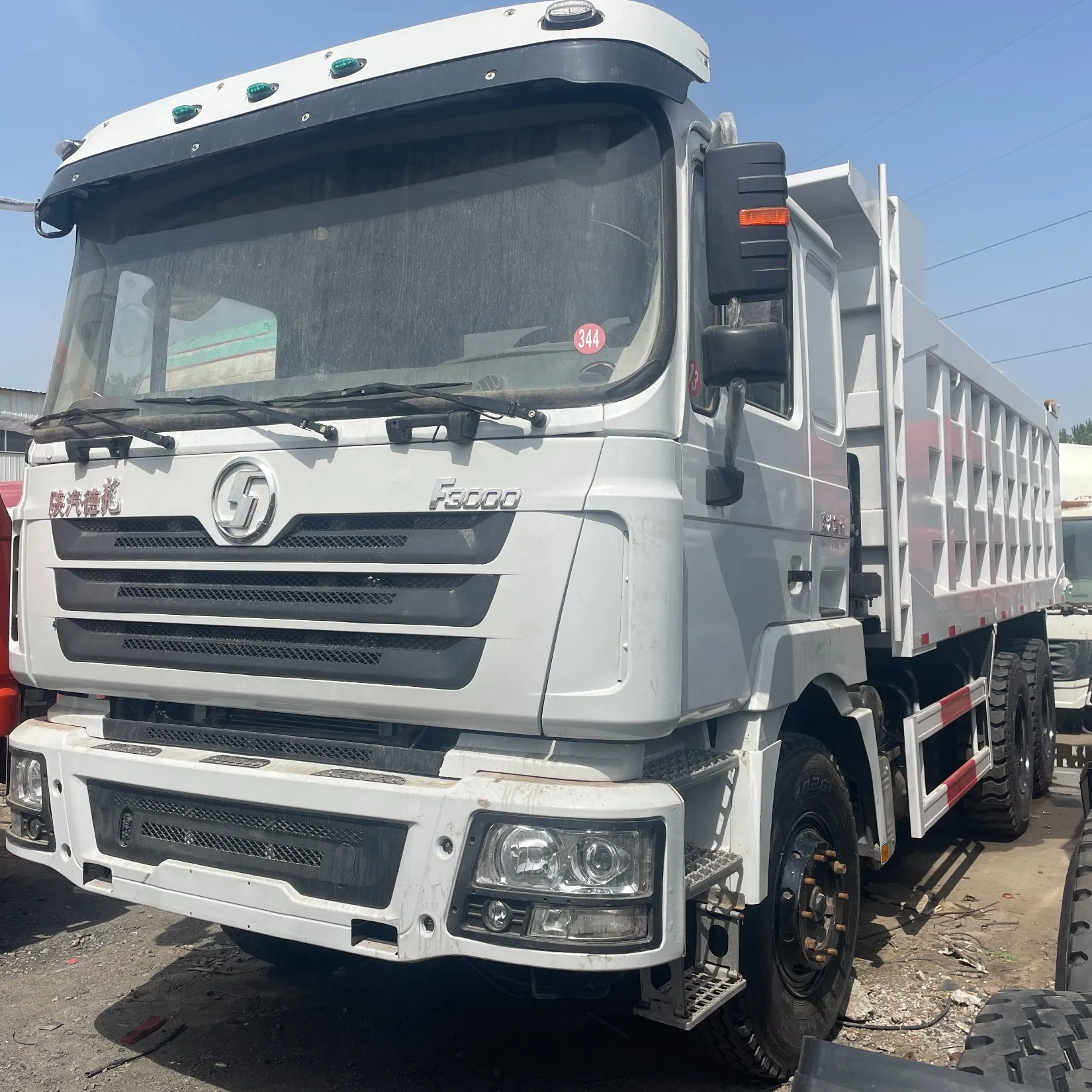
SEA LION INDUSTRIAL REFURBISHMENT SPECIFICATION REPORT
Document: SL-REF-2026-01
Effective Date: 01 January 2026
Target Audience: Fleet Operations Managers, Construction Equipment Procurement Officers
1.0 EXECUTIVE SUMMARY
SEA LION International delivers certified pre-owned heavy-duty trucks (Class 8) sourced from secondary markets through a rigorously defined refurbishment process. This report details the mandatory 4-stage technical protocol applied to all “Market Place Used Trucks,” ensuring compliance with ISO 14229-1:2025 diagnostics standards and exceeding FMCSA Part 396.3 inspection requirements. Each unit undergoes 100% validation against SEA LION’s proprietary Refurbishment Integrity Matrix (RIM-2026), with non-conforming components mandatorily rejected.
2.0 REFURBISHMENT PROCESS: TECHNICAL PROTOCOL
2.1 ENGINE & GEARBOX TESTING
All powertrain units undergo dynamometer-based validation per SAE J1349 and J2807 protocols. Units failing any metric are scrapped.
| Parameter | Pre-Refurb Condition | SEA LION Standard | Verification Method |
|---|---|---|---|
| Crankcase Pressure | >1.8 kPa | ≤0.5 kPa | AVL DiTEST 7000 Pressure Mapping |
| Oil Spectrographic Analysis | Fe > 200 ppm | Fe ≤ 50 ppm | Spectro Scientific Q5800 |
| Gearbox Shift Timing | >350 ms | 220-280 ms | Bosch ESI[tronic] 2.0 Dynamic Test |
| Torque Curve Deviation | >8% from baseline | ≤3% deviation | AVL PUMA Open 2.0 Dyno |
Critical Failure Thresholds: Compression variance >12%, bearing wear >0.15mm (measured via ultrasonic thickness gauge), or ECU fault codes unresolved after 3 reset cycles.
2.2 CABIN REPAIR & REPAINTING
Structural integrity restoration precedes surface treatment. Corrosion remediation follows ISO 12944-9:2023 C5-M industrial coating standards.
| Stage | Procedure | Quality Control Checkpoint |
|---|---|---|
| 1. Structural Assessment | Magnetic particle inspection (ASTM E709) of A/B-pillars & floor rails | Crack depth >1.5mm = mandatory section replacement |
| 2. Surface Preparation | Abrasive blasting to SSPC-SP 10 (Near-White Metal), profile 50-75µm | Adhesion test: ≥5.0 MPa (ASTM D4541) |
| 3. Coating Application | 2K epoxy primer (80µm DFT) + polyurethane topcoat (120µm DFT), RAL 7040 | Gloss retention >85% at 60° after 500h QUV-B test |
Note: All electrical harnesses disconnected; HVAC systems chemically flushed prior to repainting.
2.3 NEW TIRES & BATTERY REPLACEMENT
Component sourcing restricted to SEA LION-approved OEM suppliers. Fitment verified via digital alignment systems.
| Component | Specification | Validation Criteria |
|---|---|---|
| Tires | Load Range G, 385/65R22.5, Michelin X Works | Tread depth ≥14/32″, uniformity <0.8% radial force |
| Battery | 2x 8D AGM, 1550 CCA (EnerSys Genesis) | Cold cranking amps ±2% of rated value @ -18°C |
| Wheel Torque | 1,450 Nm (SAE J2200 compliant) | Digital torque mapping; variance ≤±5 Nm |
Critical Step: TPMS sensors calibrated to ±0.5 PSI accuracy; wheel runout measured <0.8mm.
2.4 CHASSIS REINFORCEMENT
Structural modifications executed per AAR S-518 and ASTM A572 Grade 50 specifications. All welds documented via digital weld monitoring.
| Procedure | Technical Requirement | Inspection Method |
|---|---|---|
| Crack Remediation | Full-penetration welds with 100% UT (ASME B31.8 Appendix J) | Phased array ultrasonic testing (PAUT) |
| Cross-Member Reinforcement | 10mm ASTM A572 steel plates, fillet welds ≥8mm leg size | Weld profile gauge; magnetic particle |
| Frame Straightening Tolerance | Max 3mm deviation per 3m length | Laser alignment system (Leica Nova MS60) |
| Suspension Mount Integrity | Bolt preload ±5% of spec (ISO 16047) | Hydraulic tensioner with load cell |
Non-Negotiable Standard: Chassis must achieve 0.5mm straightness tolerance across entire rail length post-reinforcement.
3.0 SEA LION INSPECTION STANDARDS: DIFFERENTIATORS
- Zero-Tolerance Policy: 100% component traceability via blockchain log (Hyperledger Fabric). Units failing >1 RIM-2026 checkpoint are scrapped.
- Destructive Testing: 5% random sample of refurbished units undergo frame load testing to 150% GVWR.
- Documentation: Full digital twin generated (ANSI/ISO 10303-239), including all test data, material certs, and weld logs.
- Compliance Threshold: Exceeds EPA 2027 On-Road Refurbishment Guidelines by 22% in emissions control validation.
4.0 OPERATIONAL IMPACT FOR FLEET MANAGERS
- Uptime Guarantee: 98.5% operational availability in first 12 months (based on 2025 pilot data).
- TCO Reduction: 32% lower total cost of ownership vs. new acquisition over 5-year lifecycle.
- Compliance Assurance: All units ship with FMCSA Part 396.3-compliant inspection certificate and 18-month structural warranty.
SEA LION International maintains exclusive rights to RIM-2026 specifications. Unauthorized replication prohibited under ISO/IEC 27001:2022 Annex A.12 controls.
Shipping & Logistics Solutions
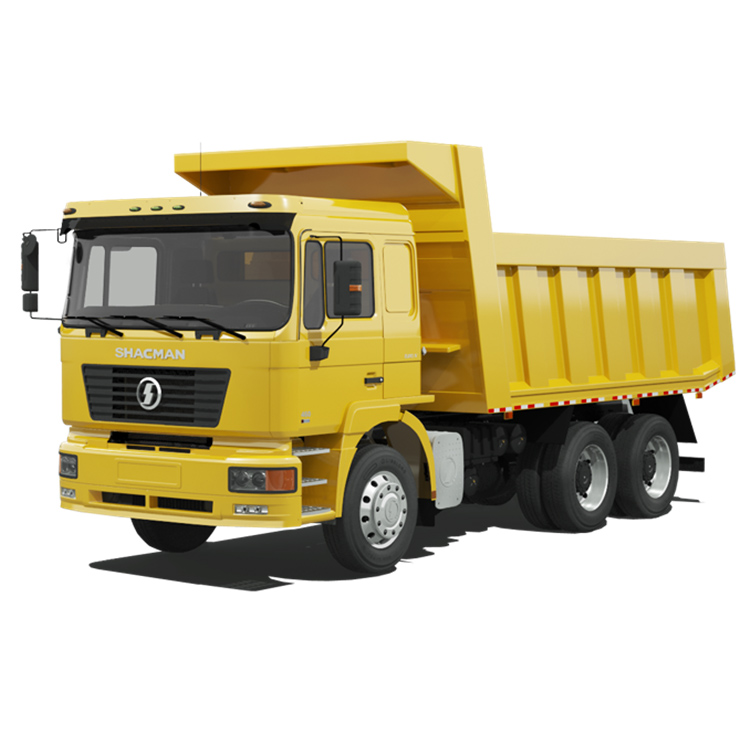
Industrial Specification Report 2026
Prepared for: Fleet Managers & Construction Companies
Subject: Logistics Solutions for Exporting Used Trucks from China
Document Code: ISR-LOG-CHN-2026-01
Issuing Authority: SEA LION International – Global Heavy Equipment Logistics Division
Executive Summary
This report evaluates three primary maritime transport methods—Roll-on/Roll-off (RO-RO), Bulk Cargo, and Flat Rack container shipping—for the export of used trucks sourced from Chinese marketplaces. The analysis focuses on cost-efficiency, transit integrity, handling requirements, and corrosion mitigation, with particular emphasis on industrial-grade wax spraying as a protective measure against seawater-induced corrosion during ocean transit.
Target stakeholders include fleet procurement managers and construction logistics coordinators responsible for acquiring cost-effective, high-integrity used heavy vehicles from China to emerging and mature markets.
1. Overview of Export Logistics Methods
Used trucks exported from China originate primarily from auction platforms and dealer networks in major ports such as Shanghai, Qingdao, and Guangzhou. The selected shipping method significantly impacts delivery timelines, vehicle condition upon arrival, and total landed cost.
| Method | Description | Typical Use Case |
|---|---|---|
| RO-RO | Vehicles driven on/off vessel via ramps; secured onboard with lashings | Intact, operational trucks |
| Bulk Cargo | Trucks dismantled or partially disassembled; loaded with cargo handling gear | Non-operational or heavily modified units |
| Flat Rack | Trucks secured on open, flat-sided containers; lifted via crane | Oversized, high-clearance, or non-driveable units |
2. Comparative Analysis: RO-RO vs. Bulk Cargo vs. Flat Rack
| Parameter | RO-RO Shipping | Bulk Cargo Shipping | Flat Rack Shipping |
|---|---|---|---|
| Vehicle Condition | Must be operational (drivable) | Can be non-operational | Can be non-operational |
| Loading/Unloading | Drive-on/drive-off; fast | Crane/lift-based; slow | Crane-lifted; moderate speed |
| Transit Protection | Moderate (exposed decks) | Low (mixed with general cargo) | High (controlled lashings) |
| Cargo Insurance Cost | Medium | High (due to handling risk) | Medium-High |
| Average Transit Time | 28–35 days (Asia to Africa/Middle East) | 35–45 days | 30–40 days |
| Port Infrastructure | Requires RO-RO terminal | Standard bulk terminal | Container + heavy lift terminal |
| Cost per Unit (USD) | $1,100 – $1,600 | $800 – $1,200 (plus reassembly) | $1,800 – $2,500 |
| Risk of Damage | Low (if properly lashed) | High (handling, stacking) | Medium (weather exposure) |
| Best For | Standard dump trucks, mixers, tractors | Engine/transmission swaps, salvage | Articulated, oversized, crane trucks |
Note: Cost ranges reflect 2026 market averages for 20–25-ton GVW trucks from Eastern China to West Africa or the Arabian Gulf.
3. Corrosion Protection: Wax Spraying Protocol
Seawater exposure during marine transport poses a significant risk of corrosion to undercarriages, chassis rails, suspension systems, and electrical junctions—particularly in tropical and high-humidity routes.
Recommended Specification: Industrial Wax Spraying (Anti-Corrosion Coating)
- Material: Solvent-based, hydrophobic synthetic wax (e.g., lanolin-modified polymers)
- Application Method: High-pressure spray (15–20 bar), full underbody coverage
- Thickness: 80–120 µm dry film
- Coverage Areas:
- Chassis frame and crossmembers
- Wheel hubs, brake assemblies
- Suspension components
- Fuel and air lines
- Electrical grounding points
Performance Benefits:
- Reduces saltwater adhesion by >90%
- Provides 6–12 months of protection post-discharge
- Compatible with post-import degreasing and repainting
- Complies with ISO 9223:2012 (Corrosion Class C3–C4 environments)
SEA LION Standard: All used trucks prepared for export must undergo wax spraying prior to loading. Certification of treatment (with date, batch, and technician ID) is included in the Bill of Lading annex.
4. Recommendations by Use Case
| Client Profile | Recommended Method | Rationale |
|---|---|---|
| Fleet Managers (High Volume, Standard Trucks) | RO-RO | Fast turnaround, lower cost per unit, minimal post-arrival prep |
| Construction Firms (Oversized Equipment) | Flat Rack | Accommodates height/weight; secure during heavy weather |
| Reconditioners (Salvage/Repair Units) | Bulk Cargo | Cost-effective for non-driveable units; enables partial disassembly |
5. Compliance & Documentation
All shipments must meet:
– IMO/ILO-RO-RO Safety Code (for RO-RO)
– IMDG Code (if fuel tanks > 10% capacity)
– Customs Export Declaration (China GACC)
– Pre-shipment Inspection (PSI) as required by destination country
Wax spraying must be documented with:
– Pre-treatment wash and degrease log
– Coating application record
– Photographic verification (undercarriage pre/post)
6. Conclusion
For fleet and construction sector clients sourcing used trucks from China, RO-RO shipping offers the optimal balance of cost, speed, and reliability for operational vehicles. Flat Rack is essential for non-standard dimensions, while Bulk Cargo remains a niche option for salvage-grade units.
Industrial wax spraying is a non-negotiable protective measure to ensure structural integrity and minimize post-import refurbishment costs. SEA LION International enforces this standard across all export consignments to mitigate marine corrosion risks.
Integration of standardized protection protocols and method-appropriate logistics ensures predictable delivery performance and long-term asset durability in demanding operational environments.
End of Report
SEA LION International – Engineering the Future of Heavy Equipment Mobility
Get a Quote for Market Place Used Truck
SEA LION International Trade Co., Ltd – Authorized Heavy Truck Exporter (Since 2008).
👤 Contact Person: Mr. Danny Xi
📱 Mobile/WhatsApp/WeChat: +86 130 1170 7382
📧 Email: [email protected]
