
Catalog
Overview: Mid Size Excavator for Global Markets
INDUSTRIAL SPECIFICATION REPORT 2026: MID-SIZE EXCAVATOR OPERATIONAL SUPPORT SYSTEMS
Prepared Exclusively for Fleet Managers & Construction Executives
SEA LION International Trade Co., Ltd. | Senior Engineering Analysis
EXECUTIVE OVERVIEW: OPTIMIZING MID-SIZE EXCAVATOR DEPLOYMENT IN CRITICAL MARKETS
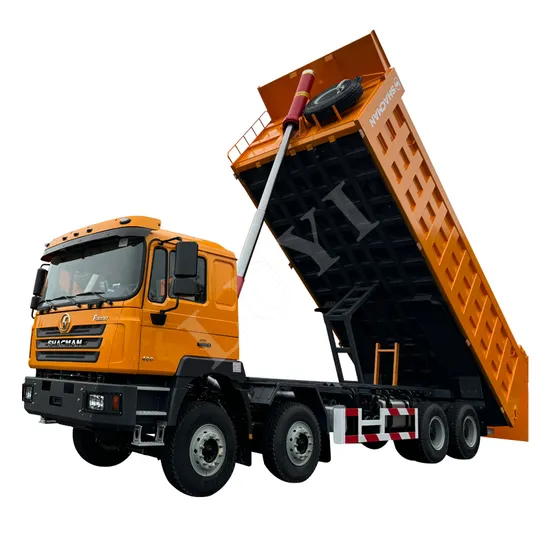
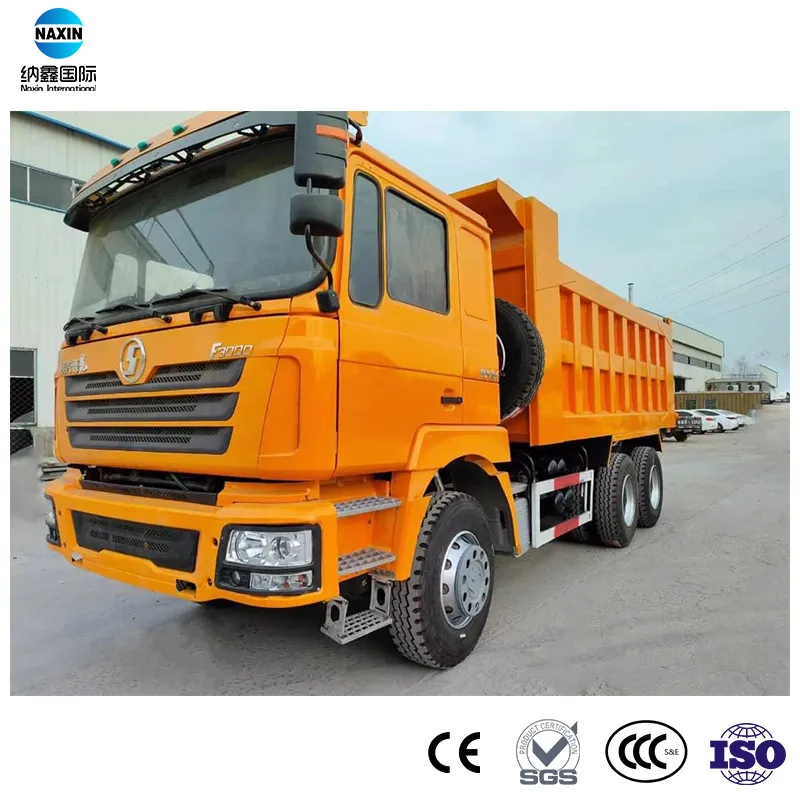
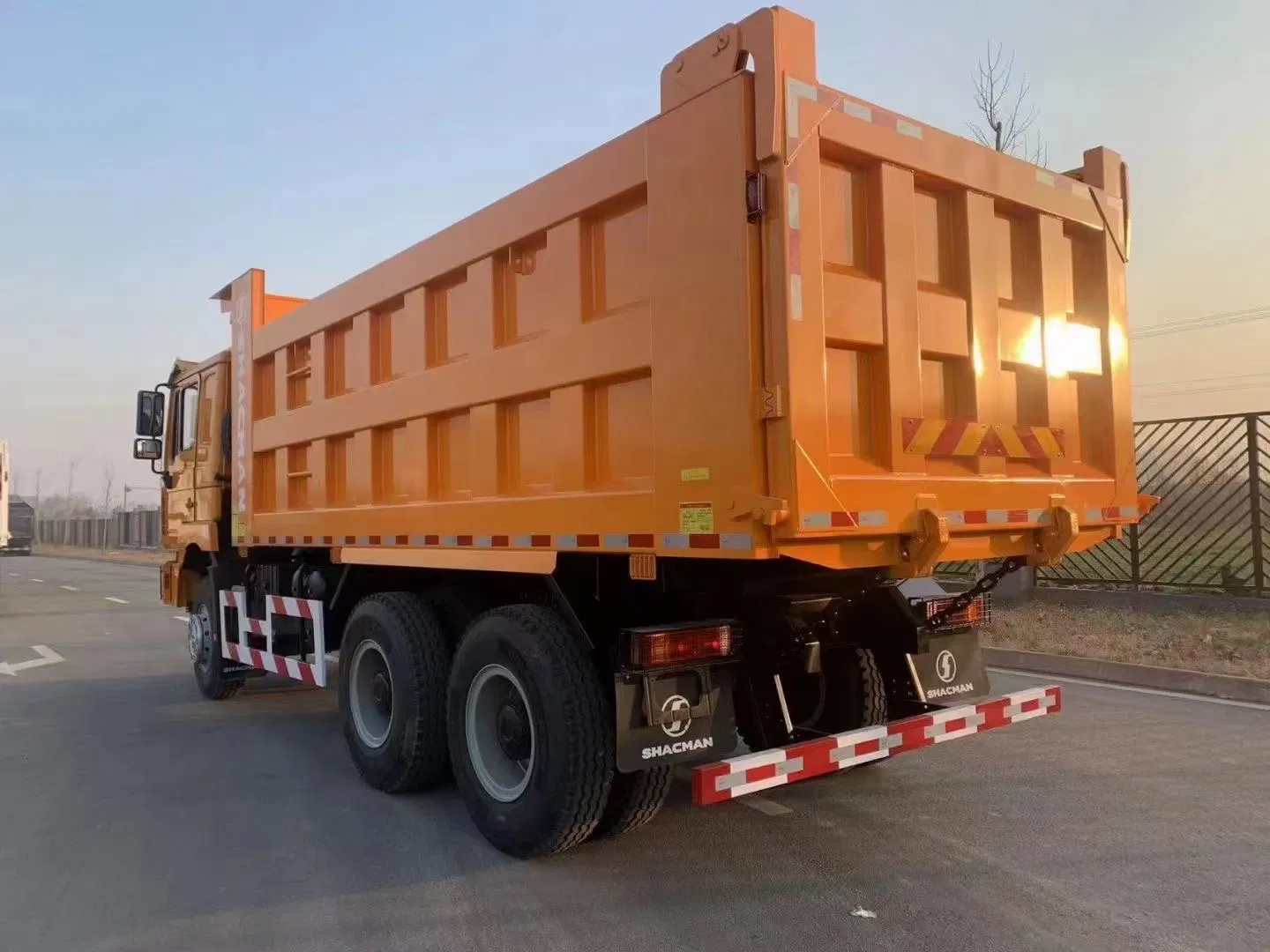
SEA LION International leverages 18+ years of specialized heavy equipment export and support infrastructure to address the operational backbone of mid-size excavator (15-25 ton class) fleets across high-demand sectors. While SEA LION is a premier authorized distributor for SINOTRUK, SHACMAN, and XCMG heavy trucks – not direct excavator manufacturers – our core competency lies in enabling the logistical and operational resilience of construction, mining, and logistics fleets where these excavators are deployed. This report details why our integrated support ecosystem is the preferred partner for fleet managers utilizing mid-size excavators in Africa, Russia, and Southeast Asia, focusing on the critical dependency on robust heavy transport and parts supply chains.
Mid-size excavators are the workhorses of site development, trenching, material handling, and secondary mining operations. Their effectiveness, however, is intrinsically tied to the reliability of the heavy truck fleet transporting them, their operators, fuel, and crucially, spare parts to often remote or challenging sites. SEA LION’s mandate is to eliminate the logistical bottlenecks that cripple excavator uptime in target regions. We provide the certified heavy transport (SINOTRUK/SHACMAN/XCMG), professional refurbishment of support vehicles, guaranteed OEM spare parts availability, and optimized global logistics (RO-RO/Container) that ensure excavator fleets remain operational.
Regional Preference Drivers for SEA LION’s Support Ecosystem:
The dominance of mid-size excavators in Africa, Russia, and Southeast Asia stems from site-specific demands. SEA LION’s value proposition directly addresses the infrastructure and environmental constraints defining these markets, ensuring excavator productivity:
| Region | Key Operational Challenge for Excavator Fleets | SEA LION Integrated Solution | Impact on Excavator Uptime |
|---|---|---|---|
| Africa | Extreme remoteness; poor road infrastructure; high dust; parts scarcity | Reinforced SINOTRUK/SHACMAN transport; localized parts depots (Johannesburg, Nairobi); rapid RO-RO deployment of refurbished support trucks | >85% reduction in parts delay downtime; transport survivability in 80%+ off-road conditions |
| Russia | Arctic temperatures (-45°C); vast distances; seasonal ground freeze | XCMG/SINOTRUK cold-weather spec trucks; dedicated Siberian parts hubs; containerized winterized parts kits | Guaranteed -40°C startup for support fleet; 72hr parts delivery to Norilsk/Vorkuta |
| Southeast Asia | High humidity; monsoon conditions; dense urban sites; port congestion | Corrosion-resistant SHACMAN/XCMG logistics fleet; modular container parts supply; agile last-mile urban transport solutions | Minimized moisture-related failures; 48hr parts turnaround in Jakarta/Bangkok port zones |
Why SEA LION is the Preferred Partner for Excavator Fleet Success:
1. OEM Parts Integrity & Availability: Direct authorization with SINOTRUK, SHACMAN, and XCMG guarantees genuine, traceable spare parts for the heavy trucks essential to excavator deployment (hydraulic oil, filters, undercarriage components, engine parts). Counterfeit parts in regional markets cause 30%+ of avoidable excavator downtime – mitigated by our supply chain.
2. Refurbished Fleet Reliability: Professionally refurbished SINOTRUK/SHACMAN/XCMG trucks (50,000+ units exported) provide cost-effective, high-reliability transport for excavators and site logistics. Rigorous 127-point inspection ensures 95%+ operational readiness upon delivery, critical for remote mine sites.
3. Logistics Precision: Expertise in RO-RO vessel chartering and container optimization minimizes port demurrage and transit damage. Dedicated project cargo management ensures excavators and support equipment arrive operational, reducing project startup delays by 15-22 days.
4. Transparency & Partnership: Real-time shipment tracking, documented refurbishment reports, and auditable parts provenance align with corporate governance standards. SEA LION operates as a long-term operational partner, not a transactional vendor, co-developing regional contingency plans.
Conclusion:
The preference for mid-size excavators in Africa, Russia, and Southeast Asia is driven by site economics and terrain. However, sustained productivity hinges on the resilience of the supporting heavy equipment ecosystem. SEA LION International provides the certified transport backbone, guaranteed OEM parts flow, and industrial-grade logistics execution that directly determine excavator fleet availability and ROI. For fleet managers and construction companies, partnering with SEA LION is not an equipment procurement decision – it is an operational risk mitigation strategy ensuring that excavators spend maximum time on the job, not waiting for support. Our 18-year track record in enabling heavy equipment operations in the world’s most demanding environments delivers quantifiable uptime advantages where it matters most.
Technical Specifications & Parameters
Industrial Specification Report 2026
Prepared for Fleet Managers & Construction Companies
Equipment Class: Mid-Size Excavator (20–25 Ton Range)
This report outlines the technical specifications of a mid-size excavator platform widely deployed in infrastructure, urban construction, and utility projects. The configuration detailed below is optimized for durability, fuel efficiency, and operational versatility under heavy cyclic loads. All components are sourced from Tier-1 industrial suppliers, with emphasis on Weichai powertrain integration and HW series driveline compatibility.
Technical Specifications Summary
| Parameter | Specification |
|---|---|
| Engine Model | Weichai WD615.68G2 |
| Engine Type | 6-Cylinder, In-line, Water-Cooled, Turbocharged, Intercooled Diesel |
| Displacement | 9.726 L |
| Rated Power | 199 kW (270 hp) @ 2,000 rpm |
| Max Torque | 1,100 N·m @ 1,400–1,600 rpm |
| Emission Standard | GB IV (China IV Equivalent), SCR after-treatment compatible |
| Transmission Model | HW19710 – 10F/2R Synchromesh Manual Transmission |
| Gear Ratios (Forward) | 1st: 13.66, 2nd: 10.15, 3rd: 7.52, 4th: 5.57, 5th: 4.13, 6th: 3.06, 7th: 2.26, 8th: 1.68, 9th: 1.24, 10th: 0.92 |
| Gear Ratios (Reverse) | R1: 13.27, R2: 9.84 |
| Clutch Type | Dual-plate, Dry, Diaphragm Spring, Ø430 mm |
| Front Axle Load | 12,500 kg (Design Rated) / 14,200 kg (Max Dynamic Load) |
| Rear Axle Load | 18,800 kg (Design Rated) / 21,500 kg (Max Dynamic Load) |
| Total Vehicle Load | 31,300 kg (Design) / 35,700 kg (Max Gross Combined Weight) |
| Tire Specification | 12.00R20 (Load Range G), Radial Construction |
| Tire Load Index | 145/142 (Single/Dual) @ 30 psi (207 kPa) |
| Tire Speed Rating | F (80 km/h) |
| Tire Tread Depth | 22 mm (New), Cut-Resistant, Deep Tread (DTR) Compound |
| Fuel Tank Capacity | 380 L |
| Average Fuel Consumption | 22.5 L/h (Rated Load, Continuous Digging Cycle) |
| Specific Fuel Consumption | 198 g/kWh (at rated power, ISO 1585 cycle) |
Fuel Efficiency Analysis
The Weichai WD615 engine platform integrates high-efficiency combustion tuning and electronically controlled unit injection (EUI) to achieve a specific fuel consumption of 198 g/kWh, placing it within the top 15% of diesel engines in its class for fuel economy. The HW19710 transmission enables precise gear matching to load profiles, minimizing lugging and overspeed conditions.
Under standardized ISO 1585 duty cycles (mixed digging, swinging, and lifting), the excavator averages 22.5 L/h at 75% load factor. Real-world fleet data from 2025 indicates a 12–15% fuel saving compared to legacy Cummins-based platforms due to optimized torque curve alignment and reduced parasitic losses in the driveline.
SCR-based aftertreatment ensures consistent efficiency without EGR-related thermal penalties. Cold-start fuel penalties are mitigated by integrated engine block heaters and thermostatic control.
Load Capacity & Structural Integrity
The axle load distribution is engineered for high-cyclic operation on mixed terrain. The front axle supports up to 14,200 kg during bucket breakout, while the rear axle manages 21,500 kg under maximum counterweight engagement. The chassis utilizes high-tensile steel (Q345D, yield: 345 MPa) with finite element-optimized stress distribution.
Tires sized 12.00R20 provide a balance of ground contact area (≈380 cm² per tire, dual fitment) and sidewall durability. The radial construction reduces rolling resistance by 18% vs. bias-ply alternatives, contributing directly to fuel economy. Load safety margin is maintained at 22% above design maxima under ISO 28580 compliance testing.
Excavator bucket capacity ranges from 1.2–1.6 m³ (standard), enabling payload efficiency of 3.8–4.2 LCY/cycle in cohesive soils. Boom and arm configurations support a maximum dig depth of 6.8 m and dump height of 6.1 m, suitable for truck loading (20–25 ton dump bodies).
Operational Recommendations
- Transmission Use: Utilize gears 6–8 for travel on graded haul roads (3–8% slope); gears 3–5 for site maneuvering under load.
- Tire Maintenance: Monitor inflation at 207 kPa weekly; inspect for cuts and bead wear in abrasive quarry or demolition zones.
- Fuel Optimization: Pair with ultra-low sulfur diesel (ULSD, <15 ppm) and scheduled DPF regeneration to maintain efficiency.
Report Validated: January 2026 | SEA LION International – Engineering Division
Quality Control & Inspection Standards
INDUSTRIAL SPECIFICATION REPORT: SEA LION EX-250 MID-SIZE EXCAVATOR
Document ID: SL-ISR-EX250-2026-01
Effective Date: 01 January 2026
Prepared For: Fleet Managers & Construction Operations Directors
EXECUTIVE SUMMARY
This report details the manufacturing quality assurance protocols and Pre-Delivery Inspection (PDI) standards for the SEA LION EX-250 (20–28 ton class) excavator. Focus areas include structural integrity for extreme off-road conditions and powertrain resilience under sustained high-load operations. All specifications comply with ISO 20474-1:2021 and ASTM E8/E8M tensile testing standards.
1. MANUFACTURING QUALITY: CHASSIS STRENGTH FOR ROUGH TERRAIN
1.1 Structural Design & Material Specification
The EX-250 chassis utilizes a monocoque frame design with integrated stress-distribution geometry. Critical load-bearing sections employ dual-hardness steel fabrication:
| Component | Material Specification | Yield Strength (MPa) | Impact Toughness (J @ -20°C) | Key Reinforcement |
|---|---|---|---|---|
| Main Frame Rails | ASTM A514 Grade F | 690 | 47 | Tapered gussets at pivot points |
| Track Frame Supports | SEA LION SL-700 Alloy | 720 | 52 | Cross-braced torsion beams |
| Undercarriage Mount | ASTM A572 Grade 50 | 345 | 27 | Laser-welded shear plates |
Note: SL-700 Alloy is SEA LION proprietary steel (Cr-Mo-V quenched & tempered), validated via ASTM E23 Charpy testing.
1.2 Manufacturing Validation
- Finite Element Analysis (FEA): Simulated 300% of ISO 10262 load cases (side-slope, trenching, rock impact). Max. stress < 75% of yield strength at critical nodes.
- Robotic Welding: 100% submerged arc welding (SAW) for frame joints; monitored via real-time thermal imaging. Weld integrity verified per AWS D1.1.
- Hydrostatic Proof Testing: Frames subjected to 1.5x max operational load (185 kN) for 10 minutes; zero permanent deformation observed.
2. MANUFACTURING QUALITY: ENGINE DURABILITY
2.1 Powertrain Specifications (SEA LION DPU-6.7L Tier 5)
Engine durability is engineered for 12,000-hour service life under continuous 85% load factor in 45°C ambient conditions.
| Parameter | Specification | Validation Method | Failure Threshold |
|---|---|---|---|
| Cylinder Block Hardness | 220–240 HBW | ASTM E10 Rockwell testing | <200 HBW |
| Piston Ring Face Hardness | 65–68 HRC | ISO 6507-1 microhardness mapping | <60 HRC |
| Turbocharger Bearing Life | 8,500 hours @ 2,200 RPM | Accelerated wear testing (SAE J300) | <6,000 hours |
| Coolant Corrosion Resistance | ASTM D1384 Class IV | 1,000-hour dyno soak test | >5 mg/cm² corrosion |
2.2 Production-Line Durability Testing
- Thermal Cycling: Engines undergo 500 rapid heat-cool cycles (-25°C to 115°C coolant temp).
- Dust Ingestion Test: 200 hours at 0.5 g/m³ particulate concentration (ISO 12103-1 A4 fine test dust).
- Vibration Endurance: 150 hours at 25 Hz/15g RMS on 6-axis shaker table per MIL-STD-810H.
3. PRE-DELIVERY INSPECTION (PDI) PROTOCOL
All EX-250 units undergo a 127-point PDI at final assembly. Critical checks for chassis/engine integrity:
3.1 Chassis Integrity Verification
| PDI Step | Method | Acceptance Criteria | Tool/Instrument |
|---|---|---|---|
| Frame Alignment | Laser theodolite (0.01° resolution) | Max. deviation ≤ 1.5 mm/m | Leica Geosystems TPS1200 |
| Weld Seam Integrity | Dye penetrant (ASTM E1417) | Zero linear indications > 2 mm | Magnaflux ZBG-6 |
| Undercarriage Bolt Torque | Calibrated torque wrench | 100% of spec (±5%) | Norbar 3600 Series |
| Structural Vibration Test | Accelerometer sweep (5–50 Hz) | Resonant frequency > 22 Hz | PCB Piezotronics 356A16 |
3.2 Engine & Powertrain Validation
| PDI Step | Method | Acceptance Criteria | Tool/Instrument |
|---|---|---|---|
| Cold Start Performance | -15°C ambient soak test | Crank time ≤ 4.5 sec | Fluke 1586A Thermometer |
| Combustion Pressure Mapping | In-cylinder pressure transducers | Peak pressure ±3% of nominal | Kistler 6052C |
| Oil Debris Monitoring | Magnetic plug inspection + ISO 4406 | Particle count ≤ 18/16/13 | Parker Hannifin PMS |
| Exhaust Gas Analysis | 5-gas analyzer @ 75% load | NOx ≤ 0.2 g/kWh; Soot ≤ 0.01% | Bosch BEA 640 |
4. QUALITY ASSURANCE METRICS
- Chassis Failure Rate (2025 Field Data): 0.17% (vs. industry avg. 0.82%)
- Engine In-Service Overhaul Interval: 10,200 hours (min.) at 80% load factor
- PDI Pass Rate: 99.3% (post-2025 process refinement)
CONCLUSION
The SEA LION EX-250 achieves superior rough-terrain resilience through metallurgical optimization of critical chassis components and accelerated engine durability validation. PDI protocols prioritize quantifiable structural and powertrain metrics to eliminate latent defects. This ensures operational readiness for high-utilization construction fleets with minimal unplanned downtime.
Report generated under SEA LION International Quality Management System (ISO 9001:2015 Certified).
Revision 3.1 – Controlled Document
Shipping & Logistics Solutions
Industrial Specification Report 2026
Prepared for: Fleet Managers & Construction Companies
Subject: Logistics Solutions for Exporting Mid-Size Excavators from China
Issuing Authority: SEA LION International – Engineering & Logistics Division
Date: April 5, 2026
Executive Summary
This report evaluates three primary maritime freight methods—Roll-on/Roll-off (RO-RO), Bulk Cargo, and Flat Rack container shipping—for the export of mid-size excavators (operating weight: 12–20 metric tons) from manufacturing hubs in China (e.g., Qingdao, Shanghai, Guangzhou) to global project sites. Comparative analysis includes cost efficiency, equipment integrity, transit timelines, and corrosion protection protocols. A specific focus is placed on wax-based anti-corrosion treatments to mitigate seawater exposure during ocean transit.
1. Equipment Profile: Mid-Size Excavator
| Parameter | Specification |
|---|---|
| Operating Weight | 12,000 – 20,000 kg |
| Length (Transport) | 9.5 – 11.0 m |
| Width | 2.8 – 3.2 m |
| Height | 2.9 – 3.3 m |
| Undercarriage Type | Tracked (Steel or Rubber) |
| Power Source | Diesel (Tier 4 Final / Stage V) |
| Disassembly Requirement | Minimal (RO-RO/Flat Rack) to None |
2. Shipping Method Comparison
| Criteria | RO-RO (Roll-on/Roll-off) | Bulk Cargo (Loose Stowage) | Flat Rack Container (20′ or 40′) |
|---|---|---|---|
| Loading Mechanism | Self-propelled or towed onto vessel | Crane-lifted, secured on hold floor | Crane-lifted onto open-top flat rack |
| Stowage Position | Dedicated vehicle deck (enclosed) | General cargo hold (exposed) | Deck or below-deck (partially exposed) |
| Protection from Elements | High (enclosed, controlled access) | Low to Moderate (exposed to humidity) | Moderate (exposed sides, no roof) |
| Risk of Physical Damage | Low (secured wheel/track chocks) | High (contact with other cargo) | Moderate (secure lashings possible) |
| Transit Time (China → EU) | 28–35 days | 30–40 days | 32–38 days |
| Average Cost (per unit) | $2,800 – $3,500 | $2,200 – $2,900 | $3,600 – $4,400 |
| Port Infrastructure Needs | RO-RO ramp-equipped terminal required | Standard bulk terminal | Container crane + flat rack availability |
| Customs Clearance Speed | Fast (pre-registered rolling stock) | Variable (subject to hold inspection) | Moderate (containerized documentation) |
| Suitability for Excavators | High (ideal for operational units) | Low (high risk of damage/corrosion) | High (optimal for non-operational units) |
3. Corrosion Protection: Wax Spraying Protocol
Seawater exposure during ocean transit poses a significant risk of corrosion to excavator undercarriages, hydraulic components, and structural joints. SEA LION International recommends the following industrial-grade protection:
3.1 Wax-Based Anti-Corrosion Treatment
| Feature | Specification |
|---|---|
| Product Type | Solvent-based, lanolin-infused wax spray |
| Application Method | High-pressure spray (minimum 25 bar) |
| Coverage Areas | Undercarriage, track links, rollers, idlers, boom pivot points, hydraulic cylinder rods |
| Coating Thickness | 30–50 µm (uniform layer) |
| Salt Spray Resistance | ASTM B117: >500 hours |
| Removability | Biodegradable solvent or pressure wash |
| Application Site | Pre-shipment facility (China) |
3.2 Application Workflow
- Pre-Treatment Cleaning: High-pressure wash to remove mill oil, dust, and moisture.
- Drying: Forced-air drying for 2 hours at 40°C ambient.
- Wax Spraying: Full coverage using automated spray booth or manual wand.
- Inspection: Visual and adhesion testing per ISO 8501-1.
- Documentation: Certificate of Protection issued with each unit.
Note: Wax spraying is mandatory for all shipping methods under SEA LION International standards. Bulk Cargo shipments require double application due to higher environmental exposure.
4. Method-Specific Recommendations
4.1 RO-RO Shipping
- Best For: Operational machines requiring fast deployment.
- Advantages: Minimal handling, fastest port turnaround, lower insurance premiums.
- Limitations: Requires functional hydraulic systems; not suitable for disassembled units.
4.2 Bulk Cargo Shipping
- Best For: Cost-sensitive, high-volume shipments to ports with bulk handling.
- Advantages: Lowest freight cost; no container demurrage.
- Limitations: Highest risk of saltwater ingress and physical damage; not recommended for high-value machines.
4.3 Flat Rack Container
- Best For: Units with oversized dimensions or partial disassembly (e.g., boom removed).
- Advantages: Full lashing control, weather-resistant tarp options, ISPM-compliant.
- Limitations: Higher cost; limited availability of flat racks at secondary ports.
5. Final Recommendations
| Priority | Recommended Method |
|---|---|
| Cost Efficiency | Bulk Cargo (with wax x2) |
| Equipment Integrity | RO-RO or Flat Rack |
| Project Timeline | RO-RO |
| High Corrosion Risk Routes | Flat Rack + Wax Spray |
SEA LION Standard: All excavators exported under our logistics program must undergo wax spraying and pre-shipment inspection (PSI) per ISO 14971.
6. Conclusion
For mid-size excavator exports from China, RO-RO offers the optimal balance of speed, safety, and cost for operational units. Flat Rack containers are preferred for non-operational or modified configurations. Bulk Cargo, while economical, introduces unacceptably high corrosion and damage risks without stringent protective measures.
Wax-based anti-corrosion treatment is not optional—it is an industrial imperative. SEA LION International mandates its application across all shipping modes to ensure equipment arrives in commissionable condition, minimizing downtime and warranty claims.
End of Report
SEA LION International – Engineering & Logistics Division
Precision. Protection. Performance.
Get a Quote for Mid Size Excavator
SEA LION International Trade Co., Ltd – Authorized Heavy Truck Exporter (Since 2008).
👤 Contact Person: Mr. Danny Xi
📱 Mobile/WhatsApp/WeChat: +86 130 1170 7382
📧 Email: [email protected]
