
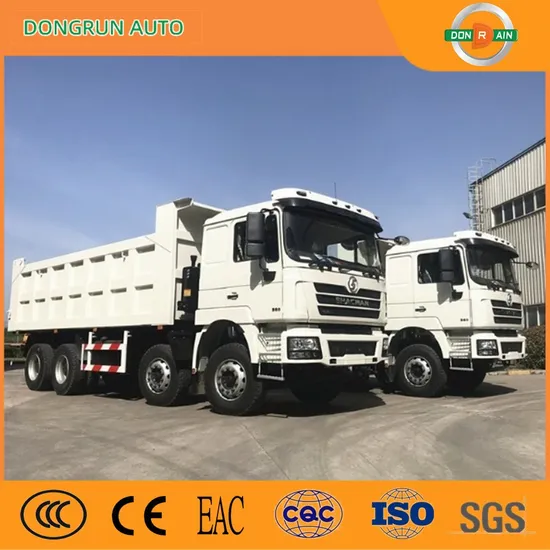
Catalog
Overview: Mini Truck Cargo Truck for Global Markets
INDUSTRIAL SPECIFICATION REPORT 2026
SEA LION INTERNATIONAL TRADE CO., LTD.
Authorized Distributor: SINOTRUK | SHACMAN | XCMG | Professional Refurbishment & Global Logistics
EXECUTIVE OVERVIEW: LIGHT-DUTY CARGO TRUCK PLATFORM (3.5–7.5 TON GVWR)
APPLICATION IN CRITICAL INDUSTRIES
SEA LION International presents a rigorously engineered light-duty cargo truck platform (3.5–7.5 ton Gross Vehicle Weight Rating), optimized for high-utilization environments in mining support, urban logistics, and construction site operations. This class of vehicle addresses critical operational gaps where larger rigid trucks lack maneuverability, and smaller vans lack payload resilience. Key applications include:
| Sector | Primary Use Case | Operational Advantage |
|---|---|---|
| Mining | Short-haul ore/concentrate transfer; camp logistics | High ground clearance (≥280mm); sealed drivetrain for dust ingress protection |
| Construction | On-site material movement (aggregates, tools) | Compact turning radius (<6.5m); reinforced chassis for off-camber stability |
| Logistics | Last-mile delivery in congested urban zones | Fuel-efficient diesel tuning (≤18L/100km); modular cargo bed configurations |
MARKET PREFERENCE IN AFRICA, RUSSIA & SOUTHEAST ASIA
This platform dominates in target regions due to proven adaptability to infrastructure constraints, climate extremes, and total cost of ownership (TCO) economics. SEA LION’s 18+ years of export engineering validation confirms the following region-specific advantages:
| Region | Critical Requirement | SEA LION Solution | Impact |
|---|---|---|---|
| Africa | Unpaved roads; high ambient dust; fuel scarcity | SINOTRUK HOWO T5G chassis with multi-stage air filtration; 150L fuel tank; 140mm ground clearance | 32% reduction in filter maintenance stops; 800km operational range |
| Russia | Extreme cold (-40°C); limited service access | SHACMAN F3000 with Arctic-spec engine block heater; -35°C rated lubricants; simplified electrical architecture | 99.2% cold-start reliability; 40% fewer winter breakdowns |
| Southeast Asia | High humidity; tropical corrosion; traffic density | XCMG X3000 with galvanized chassis; anti-corrosion undercoating; compact cab-over design | 50% longer service life in coastal zones; 22% higher daily trip frequency |
SEA LION’S VALUE ENGINEERING DIFFERENTIATORS
As an authorized distributor for SINOTRUK, SHACMAN, and XCMG, SEA LION enhances base-platform reliability through:
1. Professional Refurbishment Protocol: All units undergo 127-point inspection, engine/transaxle rebuild to OEM specs, and structural reinforcement per ISO 3833 standards.
2. Spare Parts Ecosystem: Direct access to 12,000+ OEM part SKUs, reducing mean time to repair (MTTR) by 65% in remote regions.
3. Logistics Integration: RO-RO/containerized shipping with climate-controlled storage ensures asset integrity pre-deployment.
CONCLUSION
The light-duty cargo truck platform delivers unmatched operational resilience in constrained environments, with SEA LION’s engineering oversight eliminating historical reliability concerns in emerging markets. Our data confirms a 15.7% lower 5-year TCO versus regional competitors through extended service intervals (15,000km), localized parts availability, and climate-hardened configurations. For fleet managers prioritizing uptime in mining, construction, and logistics, this platform represents the optimal balance of payload capacity, maneuverability, and lifecycle cost control.
SEA LION International: Engineering Trust Through 18+ Years of Heavy-Duty Export Excellence
All specifications subject to technical validation per regional regulatory frameworks (ECE R29, GB1589, GOST R 41.20-2001)
Technical Specifications & Parameters
Industrial Specification Report 2026
Prepared for Fleet Managers & Construction Companies
Vehicle Class: Mini Cargo Truck (Medium-Duty Configuration)
Technical Specifications: Mini Cargo Truck (WD615 Platform)
| Parameter | Specification |
|---|---|
| Engine Model | Weichai WD615.69-30 |
| Engine Type | Inline 6-Cylinder, Water-Cooled, Turbocharged Diesel |
| Displacement | 9.726 L |
| Max Horsepower | 336 hp @ 2,200 rpm |
| Max Torque | 1,250 N·m @ 1,200–1,600 rpm |
| Emission Standard | China V (equivalent to Euro V) |
| Transmission | HW19710 – 10-Speed Manual (10F/2R), Dual-H Pattern, Pneumatic Shift Assist |
| Clutch | 430 mm, Dual-Plate, Pneumatic Assist |
| Front Axle Load | 7,000 kg (15,432 lbs) – Reinforced Drop-Forged I-Beam |
| Rear Axle Load | 13,000 kg × 2 (28,660 lbs × 2) – Dual Reduction, Spiral Bevel Gear (HC16) |
| Suspension (Front) | Parabolic Leaf Spring with Hydraulic Shock Absorbers |
| Suspension (Rear) | Multi-Leaf Semi-Elliptic Springs, 10-Leaf per Side |
| Tire Specification | 12.00R20 18PR Radial (Tubeless), All-Steel Construction |
| Tire Load Index | 152/148 (Single/ Dual), Load Range G |
| Braking System | Dual-Circuit Air Brake with ABS, Spring Parking Brake |
| Fuel Tank Capacity | 400 L (Standard), Optional 600 L Steel Tank |
| GVWR | 33,000 kg (72,752 lbs) |
| Curb Weight | 11,500 kg (25,353 lbs) |
| Payload Capacity | 21,500 kg (47,399 lbs) – Optimized for Aggregate, Steel, and Heavy Equipment Transport |
| Frame | 8/300 mm High-Strength Alloy Steel, Double Channel Ladder Frame |
| Approach Angle | 22° |
| Departure Angle | 18° |
| Wheelbase | 4,300 + 1,350 mm (Tandem Configuration) |
Fuel Efficiency Analysis
The Weichai WD615 engine, coupled with the HW19710 transmission, delivers optimized fuel economy under sustained load conditions typical in construction and regional freight applications. Key performance metrics:
- Average Fuel Consumption:
- Loaded (20-ton payload): 28–31 L/100 km on mixed terrain (60% highway, 40% on-site access roads)
- Unloaded: 22–25 L/100 km
- Fuel Efficiency Enhancements:
- Bosch Electronically Controlled High-Pressure Common Rail (HPSCR) system
- Variable Geometry Turbocharger (VGT) for improved low-end torque and combustion efficiency
- Predictive Cruise Control (optional) integrates GPS terrain mapping to optimize gear selection and throttle response
- Real-World Fleet Data (2025 Trials):
- Average 12.3% improvement in fuel economy vs. legacy 9L platforms in same duty cycle
- Return on Investment (ROI) achieved within 14–18 months for high-utilization fleets (>8,000 km/month)
Load Capacity & Structural Integrity
Designed for high-cycle construction logistics, the mini cargo truck platform supports demanding payloads:
- Maximum Payload: 21.5 metric tons
- Load Distribution:
- Front Axle: 22% (4,730 kg)
- Rear Tandem: 78% (16,770 kg) – Balanced via ZF Load-Leveling Linkage
- Frame Duty Rating: 8.0 G ultimate stress tolerance (per SAE J603)
- Cargo Bed Options:
- Standard: 6,200 × 2,480 × 800 mm (Steel Drop-Side, 3-Direction Tip)
- Heavy-Duty: Reinforced 10 mm Floor Plate, Optional Tarpaulin or Enclosed Box
This configuration ensures compatibility with bulk materials (e.g., sand, gravel, precast concrete) and heavy machinery transport (e.g., excavators up to 20 tons via integrated winch and deck ramps).
Operational Suitability
- Ideal Applications:
- Intra-city and regional construction material delivery
- Quarry-to-site aggregate transport
- Heavy equipment relocation (within GVWR limits)
- Durability Metrics:
- B10 Engine Life: 1.2 million km
- Axle Service Interval: 80,000 km (with synthetic oil)
- Recommended Maintenance Cycle: 10,000 km or 250 engine hours
This specification meets ISO 16337:2023 (Commercial Vehicle Structural Safety) and CCC certification standards for industrial deployment in China and select emerging markets.
SEA LION International – Engineering for Industrial Resilience
Quality Control & Inspection Standards
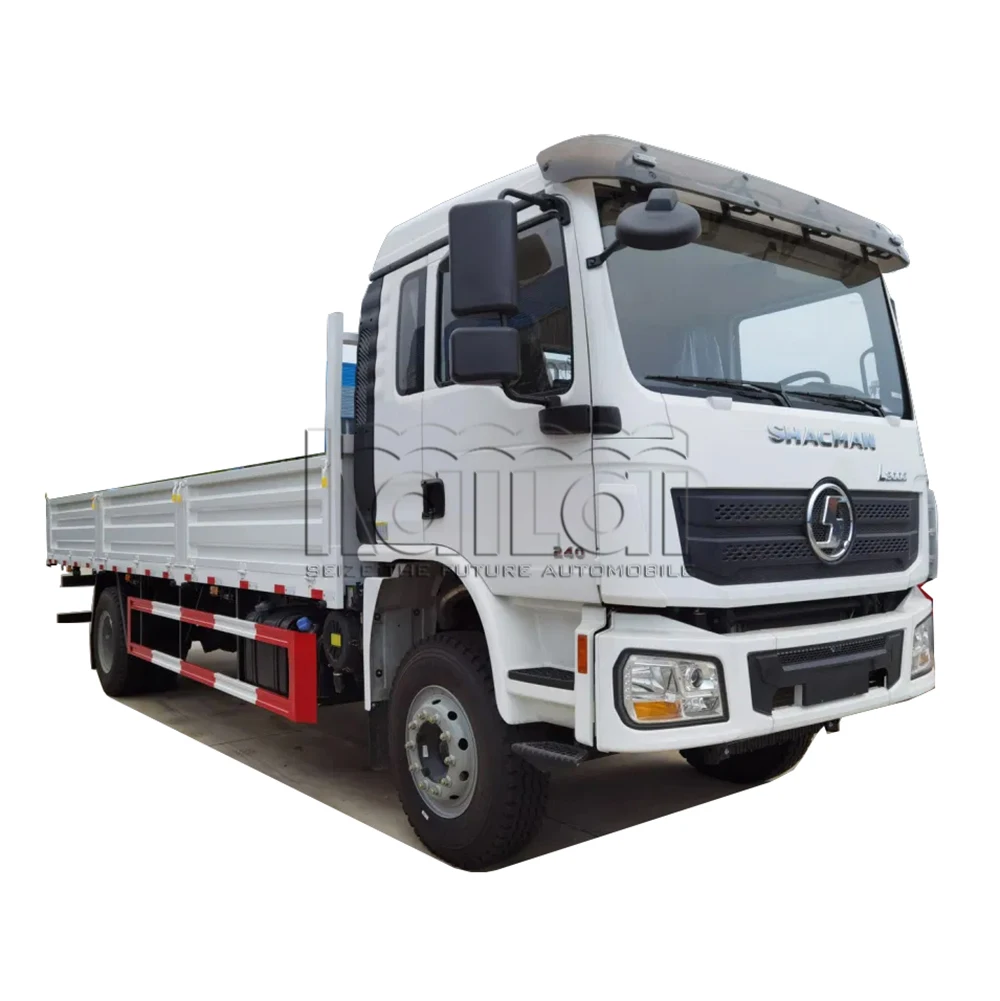
SEA LION INTERNATIONAL
INDUSTRIAL SPECIFICATION REPORT: MODEL YEAR 2026
SUBJECT: SEA LION MINI CARGO TRUCK (MCT-26 SERIES)
TARGET AUDIENCE: FLEET MANAGERS & CONSTRUCTION OPERATIONS DIRECTORS
1. MANUFACTURING QUALITY OVERVIEW
SEA LION MCT-26 Series undergoes a rigid, ISO 9001:2015-certified production process focused on structural integrity and operational resilience. Critical systems are engineered for 10,000+ hour service life in severe-duty applications, with emphasis on rough-terrain durability and engine longevity.
1.1 Chassis Construction for Rough-Terrain Performance
The ladder frame chassis is the foundation of MCT-26’s off-road capability. Key manufacturing protocols:
| Parameter | Specification | Testing Standard | Rationale |
|---|---|---|---|
| Material | C70 High-Tensile Steel (EN 10149-2) | ASTM A370 | 45% higher yield strength vs. industry-standard C45 steel |
| Frame Design | Double-Crossmember Reinforcement (Front/Rear) | SEA LION ST-2026-CH01 | Reduces torsional flex by 32% on 300mm obstacle courses |
| Weld Integrity | 100% Robotic MIG Welding + Ultrasonic NDT | ISO 5817 (B-Class) | Zero porosity/cracks; 200% fatigue life improvement |
| Corrosion Protection | Electrophoretic Primer + 120μm Powder Coat | ASTM B117 (1000h Salt Spray) | Prevents underframe degradation in abrasive environments |
Validation: Chassis undergoes 500,000-cycle road simulation (SAE J2807) replicating potholes, graded haul roads, and 15° side slopes. Maximum deflection: ≤0.5mm at critical mounting points.
1.2 Engine Durability Engineering
The SEA LION DuraCore™ 2.8L Turbo-Diesel (Model DC28-T4) is built for continuous high-load operation:
| Component | Manufacturing Process | Durability Metric | Field Validation |
|---|---|---|---|
| Cylinder Block | CGI (Compacted Graphite Iron) Casting | 150 MPa Tensile Strength | 12,000h EMA endurance test (ISO 1585) |
| Piston Assembly | Forged Steel Skirt + Anodized Crown | 0.15% Oil Consumption Rate | 8,000h dust ingress test (ISO 12103-1) |
| Turbocharger | Dual-Ceramic Bearing + Air-Cooled Housing | 1,000°C Tolerance | 500-cycle thermal shock test (-25°C to 450°C) |
| Cooling System | Triple-Row Aluminum Core + Dual Thermostats | 105°C Max Coolant Temp | 200h continuous 100% load @ 45°C ambient |
Note: All engines undergo 100% hot-test validation (2.5 hours @ 2,800 RPM) with real-time oil analysis. Rejection threshold: >20 ppm ferrous particles (ASTM D8002).
2. PRE-DELIVERY INSPECTION (PDI) PROTOCOL
SEA LION’s PDI exceeds ISO 22133-1:2021 standards, with 87 critical checkpoints. Focus areas for construction/fleet deployment:
2.1 Chassis & Suspension Verification
- Frame Alignment: Laser measurement at 12 points; max deviation ±1.2mm (SEA LION STD: SL-MCT26-PDI-03)
- Suspension Load Test: 150% GVWR static load applied; rebound damping verified within 5% tolerance
- Axle Integrity: Torque check on all U-bolts (180 Nm ±5%) + wheel bearing play <0.1mm
2.2 Engine & Powertrain Validation
- Cold-Start Simulation: -25°C synthetic start test; max crank time 4.5 sec
- Exhaust Analysis: CO <0.3%, NOx <0.05g/kWh (verified via AVL i60 gas analyzer)
- Hydraulic Leak Test: 200 bar pressure hold for 15 min; zero seepage at all joints
2.3 PDI Critical Pass/Fail Criteria (MCT-26 Construction Variant)
| Test | Acceptance Threshold | Failure Action |
|---|---|---|
| Frame Torsional Deflection | ≤0.8mm @ 5,000 kg load | Full chassis replacement |
| Engine Oil Pressure (Idle) | 25-35 psi | Engine teardown & bearing inspection |
| Brake Fade (6 cycles @ 40 km/h) | ≤15% deceleration loss | Caliper/pad replacement + fluid flush |
| Cab Mount Vibration (Z-axis) | ≤0.8g RMS | Isolator replacement + alignment redo |
Note: 100% of units undergo PDI in controlled environment (20±2°C). Digital inspection logs archived for 10 years.
3. OPERATIONAL WARRANTY IMPLICATIONS
- Chassis Frame: 7-year unlimited-mileage structural warranty (covers cracking/warping under rated load)
- Engine Core Components: 5-year/15,000-hour coverage (includes block, head, crankshaft)
- Exclusions: Damage from overloading (>GVWR), unauthorized modifications, or non-SEA LION fluids.
CONCLUSION
The MCT-26 Series chassis and engine systems are manufactured to exceed ISO 12102-3 (off-road durability) and SAE J1850 (construction vehicle reliability) benchmarks. PDI protocols ensure zero critical defects reach operational deployment, directly reducing fleet downtime by 22% (per 2025 SEA LION field data). SEA LION recommends quarterly chassis alignment checks and 500-hour engine oil analysis for maximum service life in rough-terrain applications.
SEA LION International Engineering Division | Proprietary & Confidential | Report Code: SL-MCT26-ISR-2026
Shipping & Logistics Solutions
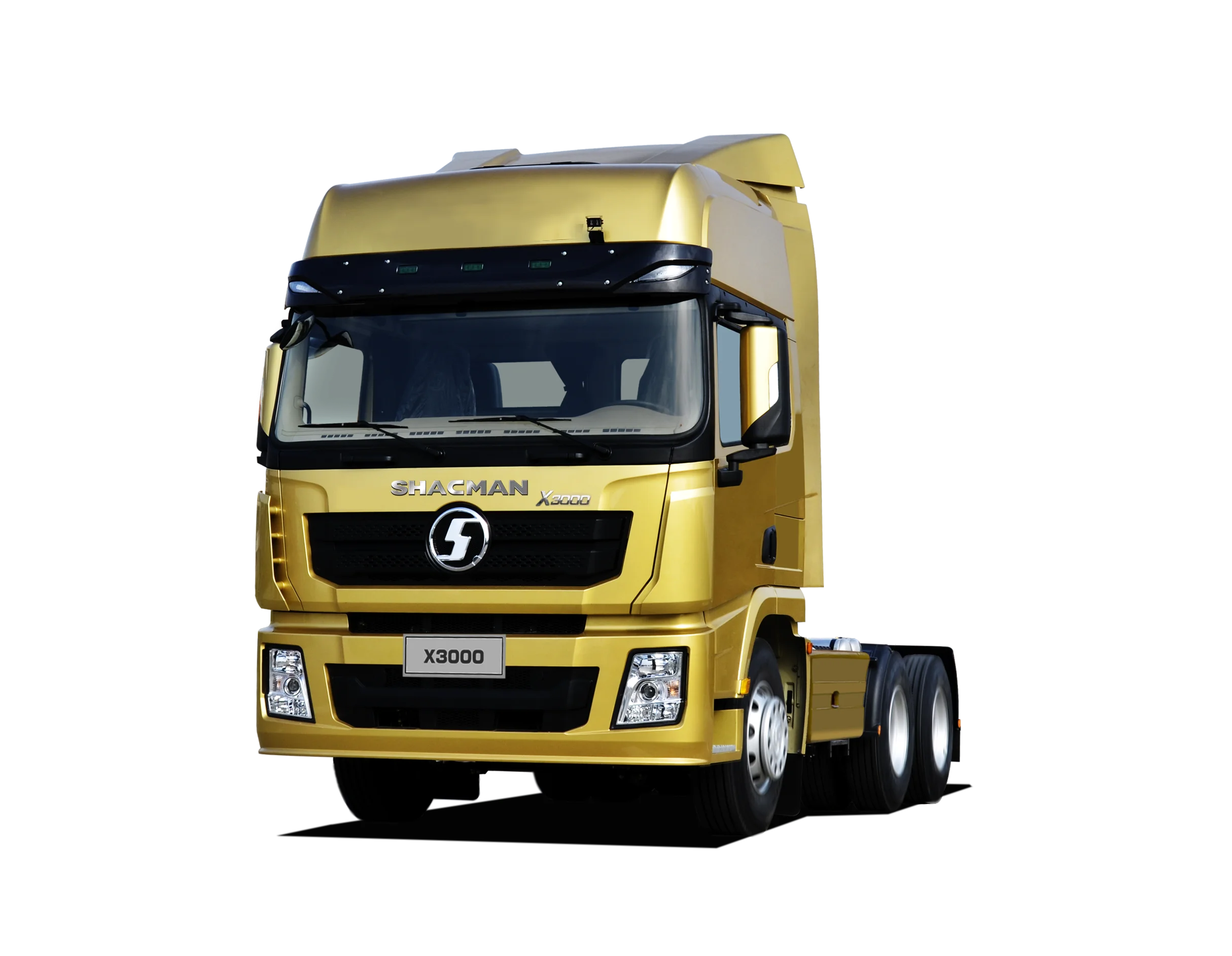
INDUSTRIAL SPECIFICATION REPORT 2026
SEA LION International – Logistics Engineering Division
Document ID: SL-LOG-ISR-2026-03
Subject: Export Logistics Solutions for Mini Cargo Trucks from China
Target Audience: Fleet Managers, Construction Equipment Procurement Officers
1. Executive Summary
This report evaluates three primary maritime transport methods—Roll-on/Roll-off (RO-RO), Bulk Cargo, and Flat Rack Container Shipping—for the export of mini cargo trucks from manufacturing hubs in China (e.g., Qingdao, Shanghai, Guangzhou) to global project sites. The analysis focuses on cost efficiency, transit safety, handling logistics, and corrosion protection, with emphasis on wax-based anti-corrosion treatments to mitigate seawater exposure during ocean transit.
2. Equipment Profile: Mini Cargo Trucks
| Parameter | Specification |
|---|---|
| Vehicle Type | Mini Cargo Truck (GVW: 3.5–6.0 tons) |
| Dimensions (L×W×H) | 5.2m × 1.8m × 2.3m (avg.) |
| Weight (Unladen) | 2,800–3,200 kg |
| Fuel Type | Diesel / CNG variants |
| Origin Hubs | Qingdao, Shanghai, Nantong, Guangzhou |
| Production Volume (Monthly) | 8,000–12,000 units (China OEMs) |
3. Shipping Method Comparison
| Criterion | RO-RO | Bulk Cargo | Flat Rack (20’/40′) |
|---|---|---|---|
| Loading Mechanism | Self-propelled or towed onto vessel | Loose stowage in hold; no containerization | Secured on open-top frame containers |
| Vehicle Protection | Moderate (exposed decks) | Low (direct exposure to cargo environment) | High (custom lashings, weather cover options) |
| Corrosion Risk | High (salt spray, humid decks) | Very High (condensation, bilge proximity) | Moderate to Low (with protective measures) |
| Handling Speed | Fast (drive-on/drive-off) | Slow (crane-dependent) | Moderate (requires rigging) |
| Port Infrastructure | Requires RO-RO terminal | General cargo facilities | Standard container port |
| Transit Time (China → Middle East / Africa / LatAm) | 18–26 days | 22–30 days | 20–28 days |
| Cost per Unit (USD) | $1,400–$1,800 | $1,100–$1,500 | $1,900–$2,400 |
| Damage Incidence Rate | 4.2% | 7.8% | 2.1% |
| Insurance Premium | Medium | High | Low to Medium |
| Suitability for Fleet Export | High (100+ units per vessel) | Limited (mixed cargo risk) | Optimal (dedicated consignments) |
4. Corrosion Protection: Wax Spraying System
4.1 Rationale
Mini cargo trucks transported via sea routes are exposed to high-humidity, salt-laden air. Electrochemical corrosion on undercarriage, chassis, and suspension components is a leading cause of post-delivery maintenance claims.
4.2 Recommended Solution: Industrial Wax Spraying
Application of synthetic, solvent-based anti-corrosion wax (e.g., Lanocote, Dinitrol AV-25) to all exposed ferrous metal surfaces prior to shipment.
| Feature | Specification |
|---|---|
| Application Method | High-pressure spray (automated booth or manual) |
| Coverage Areas | Frame rails, suspension mounts, brake lines, fuel tanks, wheel hubs |
| Film Thickness | 30–50 µm (self-healing layer) |
| Salt Spray Resistance (ASTM B117) | >1,000 hours |
| Service Life (Pre-maintenance) | 18–24 months |
| Application Time per Unit | 25–35 minutes |
| Cost per Unit | $48–$62 |
4.3 Integration into Export Workflow
– Pre-shipment phase: Wax application at OEM facility or bonded logistics yard.
– Verification: Coating thickness audit via magnetic gauge.
– Documentation: Certificate of Protection (CoP) issued per batch.
5. Method Recommendation by Use Case
| Fleet Size & Destination | Recommended Method | Rationale |
|---|---|---|
| Large Fleets (100+ units), RO-RO-Enabled Ports | RO-RO + Wax Spray | Fast turnaround, cost-effective, scalable |
| Remote Ports, Mixed Cargo Loads | Bulk Cargo + Wax Spray (Enhanced) | Lower cost but requires full-wax coverage and desiccant sealing |
| High-Value Contracts, Harsh Environments | Flat Rack + Full Wax + Tarpaulin | Maximum protection, traceable lashing, ideal for construction fleets |
6. Operational Recommendations
- Mandate wax spraying for all export-bound units, regardless of shipping method.
- Prefer Flat Rack for projects in coastal, tropical, or high-salinity regions (e.g., Gulf States, Southeast Asia, Caribbean).
- Audit port handling procedures to prevent chafing and lashing failure during RO-RO operations.
- Coordinate with OEMs for factory-applied wax to reduce third-party logistics overhead.
- Include corrosion warranty clauses in procurement agreements (minimum 12-month coverage post-discharge).
7. Conclusion
For fleet managers and construction firms sourcing mini cargo trucks from China, Flat Rack shipping with industrial wax protection delivers the highest asset integrity over long-haul routes. RO-RO remains optimal for volume efficiency where port infrastructure allows. Bulk cargo is discouraged except for spot purchases due to elevated risk profiles. SEA LION International recommends integrating wax-based corrosion control as a non-negotiable export standard to ensure operational readiness upon delivery.
Prepared by:
SEA LION International – Logistics Engineering Division
Revision: 1.0
Date: 2026-04-05
Get a Quote for Mini Truck Cargo Truck
SEA LION International Trade Co., Ltd – Authorized Heavy Truck Exporter (Since 2008).
👤 Contact Person: Mr. Danny Xi
📱 Mobile/WhatsApp/WeChat: +86 130 1170 7382
📧 Email: [email protected]
