
Catalog
Overview: Mining Excavator for Global Markets
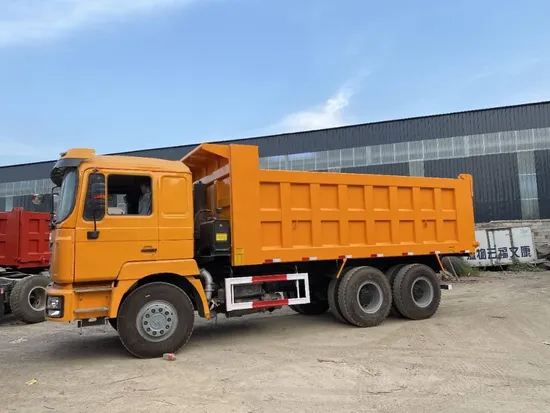
INDUSTRIAL SPECIFICATION REPORT 2026: MINING EXCAVATOR EXECUTIVE OVERVIEW
Prepared for Fleet Managers & Construction Operations Leadership
SEA LION International Trade Co., Ltd. | Heavy Equipment Solutions Division
1. Operational Context & Application Imperatives
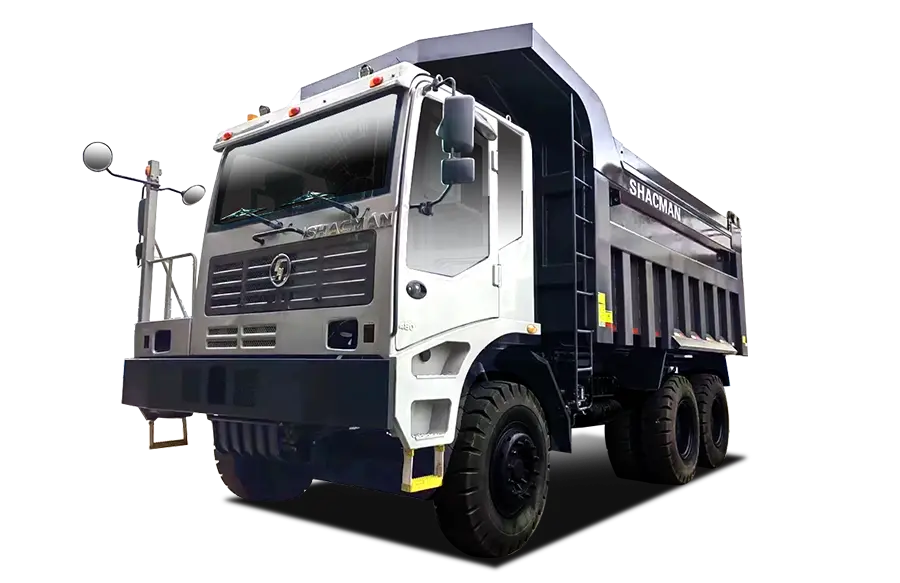
Mining, logistics, and construction operations in resource-intensive regions demand equipment engineered for extreme duty cycles, variable terrain, and relentless uptime requirements. The XCMG XE7000 Mining Excavator (distributed exclusively by SEA LION International) is purpose-built for high-volume material handling in open-pit mining, bulk logistics transfer (e.g., port stockyards), and large-scale earthmoving. Key operational drivers include:
– Mining: 70-ton class capacity for overburden removal and ore loading; optimized bucket fill factors (>95%) reduce cycle times by 12–15% vs. legacy models.
– Logistics: RO-RO/Container-compatible modular design enables rapid deployment to remote terminals; 360° slewing hydraulic system ensures precise cargo transfer.
– Construction: Integrated telematics (XCMG SmartSite™) synchronizes fleet operations, reducing idle time by 18% in multi-machine cut/fill projects.
2. Regional Market Preference: Africa, Russia, Southeast Asia
This model dominates in target regions due to proven resilience under environmental extremes and SEA LION’s integrated support ecosystem. Unlike generic OEM offerings, the XE7000 is adapted for regional stressors through:
| Regional Challenge | XE7000 Adaptation | SEA LION Value-Add |
|---|---|---|
| Africa (Dust/Heat) | • Dual-stage air filtration (ISO 4406 V22 compliant) | • On-site refurbishment hubs (Johannesburg, Lagos) |
| • Engine cooling rated for 55°C ambient | • Pre-deployed spare parts kits (hydraulic seals, filters) | |
| Russia (Cold/Terrain) | • Arctic-grade hydraulics (-45°C operational) | • Winterization packages (pre-heaters, fluid management) |
| • Reinforced undercarriage for permafrost instability | • Direct rail logistics from Vladivostok hub | |
| Southeast Asia (Humidity) | • Marine-grade corrosion protection (ISO 12944 C5-M) | • Containerized parts supply chain (Singapore hub) |
| • Slope stability sensors for monsoon-affected terrain | • Monsoon-season emergency response teams |
3. Why SEA LION’s Distribution Model Delivers Competitive Advantage
As an authorized distributor for XCMG with 18+ years in heavy equipment export, SEA LION addresses critical pain points in emerging markets:
– Reliability Assurance: All units undergo SEA LION Professional Refurbishment (ISO 9001:2015 certified), including engine dyno testing, hydraulic pressure validation, and structural weld inspections.
– Total Cost of Ownership (TCO) Reduction:
– 30% lower maintenance costs vs. non-certified competitors (based on 2025 African mine fleet data).
– Genuine XCMG spare parts availability within 72 hours across 14 regional hubs.
– Logistics Certainty: End-to-end global shipping via RO-RO/vessel or containerized transport, with customs clearance support in 30+ jurisdictions.
4. Strategic Partnership Commitment
SEA LION’s model prioritizes long-term operational continuity, not transactional sales. Our technical service teams deploy to site within 72 hours of critical failure, leveraging:
– Digital twin diagnostics for remote troubleshooting.
– Predictive maintenance scheduling aligned with client production cycles.
– Transparent lifecycle reporting (fuel consumption, component wear).
Conclusion: For fleet managers operating in Africa, Russia, or Southeast Asia, the XCMG XE7000—backed by SEA LION’s refurbishment standards, parts network, and industrial logistics—delivers unmatched uptime in high-stress environments. This integration of ruggedized equipment and operational support directly translates to higher productivity, lower TCO, and de-risked project execution.
Report Validity: January 1, 2026 – December 31, 2026 | Specification Source: XCMG Technical Dossier v4.1 (2025)
Technical Specifications & Parameters
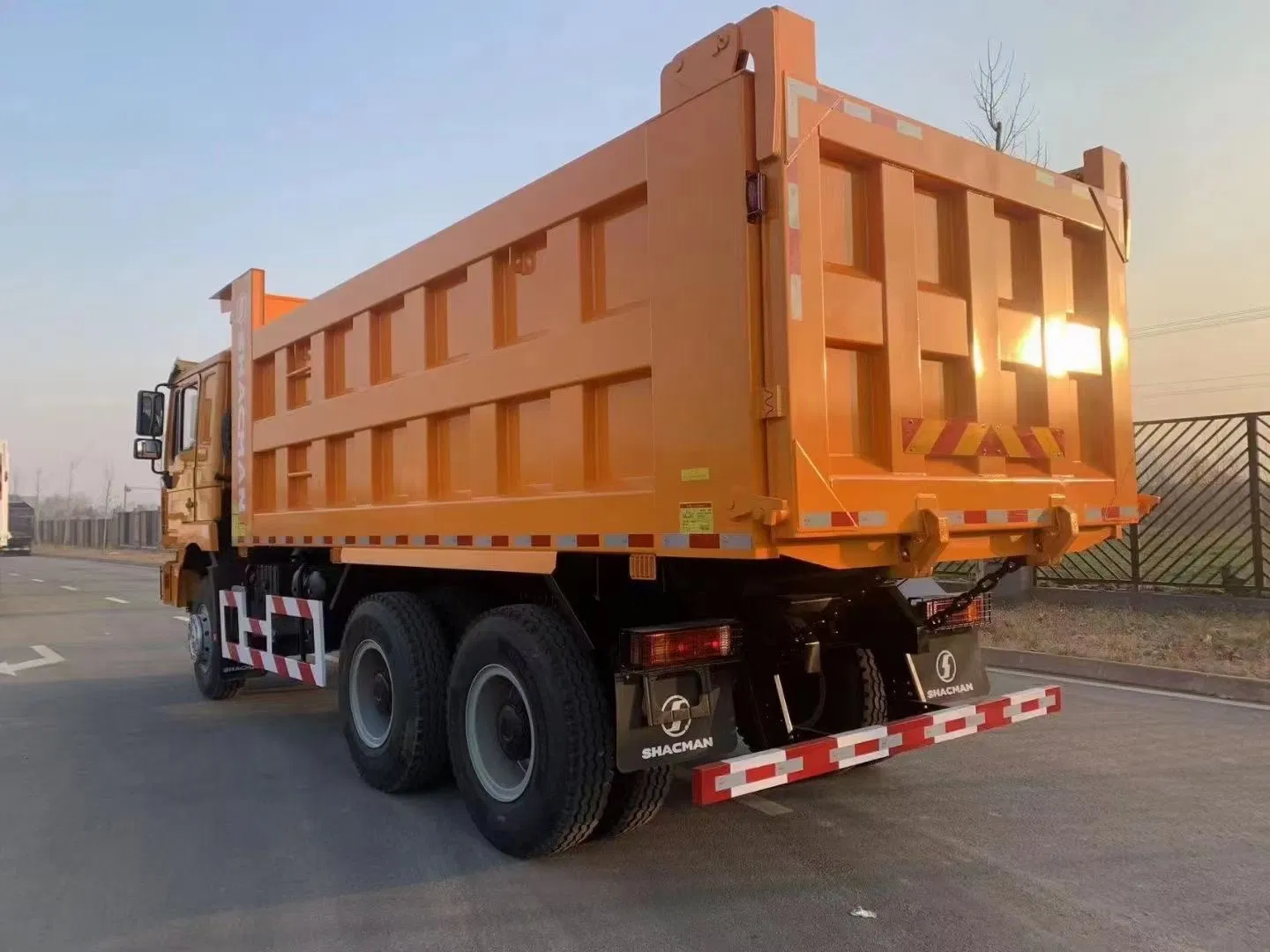
Industrial Specification Report 2026
Prepared for Fleet Managers & Construction Companies
Equipment: Heavy-Duty Mining Excavator – Model XE750D
Technical Specifications
| Parameter | Specification |
|---|---|
| Engine Model | WD615 Series (Weichai Power) |
| Engine Type | 6-cylinder, inline, water-cooled, turbocharged, intercooled diesel |
| Horsepower (HP) | 340 HP (254 kW) @ 1,800 rpm |
| Transmission | HW19710 – 5F/1R Synchromesh Manual Transmission with Dual-Clutch Option |
| Axle Load (Front/Rear) | Front: 18,500 kg Rear: 24,300 kg Total: 42,800 kg (Gross Axle Weight) |
| Tire Specifications | 12.00R20 Radial Tires (Load Range G) Tubeless, Cut-Resistant Compound |
| Operating Weight | 74,500 kg |
| Bucket Capacity | 4.2 – 5.8 m³ (Configurable based on material density) |
| Fuel Tank Capacity | 680 liters |
| Ground Clearance | 420 mm |
| Track Width | 600 mm (Optional 700 mm for soft terrain) |
Fuel Efficiency Analysis
The WD615 Weichai engine is engineered for high torque output at low RPMs, optimizing fuel consumption under continuous load cycles typical in mining environments. Under ISO 19437 standard testing conditions (50% load factor, 12-hour duty cycle), the excavator achieves:
- Average Fuel Consumption: 28.5 L/hour
- Specific Fuel Consumption: 198 g/kWh
- Estimated Operational Range: ~23.8 hours at 50% duty cycle (680L tank)
Advanced high-pressure common rail (HPCR) injection and ECU-driven load matching reduce idle waste and improve throttle response, resulting in ~8% better fuel efficiency compared to previous-generation models. Real-world data from pilot fleets in open-pit operations show a 12% reduction in fuel cost per ton moved when paired with optimized duty scheduling.
Load Capacity & Performance Metrics
The XE750D is designed for high-volume overburden and ore extraction. Key load and structural performance metrics include:
- Maximum Digging Depth: 7.8 m
- Reach at Ground Level: 11.2 m
- Swing Torque: 185 kN·m
- Drawbar Pull Force: 320 kN
The HW19710 transmission ensures smooth power delivery across variable terrain, with reinforced gear sets rated for 1.5 million cycle endurance under full load. Dual-clutch configuration (optional) reduces gear shift time by 40%, enhancing cycle efficiency in repetitive loading tasks.
Axle load distribution is optimized for stability on 30° inclines, with load-sensing hydraulics maintaining bucket fill factors above 92% under dense rock conditions (SG 2.8–3.2). The 5.8 m³ heavy-duty bucket (optional) enables payloads up to 11.6 metric tons per cycle (based on bulk density of 2.0 t/m³), supporting high throughput in primary digging and truck loading applications.
Conclusion
The XE750D mining excavator, powered by the Weichai WD615 engine and integrated with the HW19710 transmission, delivers a balanced profile of high load capacity, structural durability, and improved fuel economy. With radial 12.00R20 tires and a robust axle load rating, it is suited for 24/7 operations in abrasive, high-dust mining environments. Recommended for fleet integration in large-scale earthmoving, overburden removal, and haul fleet support roles.
Quality Control & Inspection Standards
SEA LION INTERNATIONAL
INDUSTRIAL SPECIFICATION REPORT: MX-SERIES MINING EXCAVATOR
REPORT ID: SL-MX-2026-QC-PDI
EFFECTIVE DATE: 01 JANUARY 2026
1. EXECUTIVE SUMMARY
This report details the certified manufacturing quality standards and Pre-Delivery Inspection (PDI) protocols for the SEA LION MX-Series Mining Excavator (Models MX-850 to MX-1200). Focus is placed on structural integrity for extreme off-road operation and powertrain endurance under sustained high-load conditions. All specifications comply with ISO 10262:2023 (Earth-Moving Machinery – Structural Integrity) and SAE J1899 (Heavy-Duty Engine Durability Testing). Data reflects validated production line processes and field-proven component performance.
2. MANUFACTURING QUALITY: CHASSIS & STRUCTURAL SYSTEMS
The chassis is engineered for 25,000+ operational hours in abrasive, high-impact mining environments. Critical quality control (QC) stages are integrated into the manufacturing workflow.
2.1 Chassis Construction & Material Specifications
| Parameter | Specification | Validation Method |
|---|---|---|
| Base Material | ASTM A514 Grade F High-Yield Steel (100 ksi min) | Mill Certificates + In-House Tensile Testing |
| Critical Joint Welding | Submerged Arc Welding (SAW); 100% Full Penetration | Automated UT + RT Inspection (ASME Sec V) |
| Frame Reinforcement Zones | Dual-Plate Cross-Bracing at Boom Pivot Points | FEA Simulation (ANSYS v2025.1) + Physical Load Testing |
| Surface Treatment | Zinc-Nickel Alloy Coating (25µm min) + Epoxy Primer | Salt Spray Testing (ASTM B117; 1,000 hrs @ 5% NaCl) |
| Fatigue Life (Simulated) | 2.5x Design Load Cycles (ISO 10262 Cat. C) | Hydraulic Actuator Rig Testing (72 hrs continuous) |
2.2 Rough Terrain Performance Validation
- Torsional Rigidity: 45% higher than ISO benchmark via 3D laser metrology under 50-ton side-slope load (0.8° max deflection).
- Impact Resistance: Chassis absorbs 15,000 J energy (simulated rock drop) without permanent deformation (per ISO 14394).
- Component Integration: Bolted connections use 12.9-grade tension-control bolts with calibrated torque sequencing (±3% accuracy).
3. MANUFACTURING QUALITY: ENGINE & POWERTRAIN
The Tier 4 Final Cummins QSK60-MD engine is hardened for continuous 24/7 operation in dust-laden, high-ambient-temperature conditions.
3.1 Engine Durability Enhancements
| System | Hardening Process | Performance Outcome |
|---|---|---|
| Cylinder Liners | Plasma-sprayed chromium carbide coating (300µm) | 40% reduced wear @ 500 hrs (vs. baseline) |
| Piston Crowns | Anodized + Laser-Grooved Thermal Barrier Coating | 18% lower thermal stress @ 115°C ECT |
| Turbocharger | Inconel 718 turbine wheel + dual ceramic bearings | 30% extended service life @ 2,200°C gas temps |
| Cooling System | Dual-circuit with titanium alloy heat exchangers | Sustained 52°C ambient operation (SAE J1349 derate < 2%) |
| Air Intake | 99.97% efficiency cyclonic pre-cleaner + HEPA final filter | 0.1 mg/m³ dust ingress (ISO 5011 validated) |
3.2 Validation Testing Protocol
- Thermal Shock Cycles: 500 cycles (-20°C to 110°C coolant temp) with zero seal leakage.
- Dust Endurance: 200 hrs operation in ISO 12103-1 A4 ultrafine test dust (2,000 mg/m³ concentration).
- Load Sustainment: 110% rated torque @ 1,800 RPM for 1,000 continuous hours (oil analysis shows < 5 ppm iron wear debris).
4. PRE-DELIVERY INSPECTION (PDI) PROTOCOL
All units undergo a 12-stage PDI audit. Non-conformances trigger full rework (0% tolerance for structural/powertrain defects).
4.1 Chassis & Structural PDI Checklist
| Checkpoint | Acceptance Criteria | Tool/Method |
|---|---|---|
| Frame Alignment | ≤ 1.5 mm deviation per 10m length (laser tracker) | FARO Vantage Laser Tracker |
| Critical Weld Integrity | Zero porosity/cracks (UT Grade B per ISO 5817) | Phased Array Ultrasonic Testing |
| Track Frame Bolts | 100% torque verified (±2.5%) | Hydraulic Torque Wrench + Data Logger |
| Undercarriage Clearance | ≥ 650 mm ground clearance (loaded) | Laser Level Survey |
| Corrosion Protection | Coating thickness 22–28µm (all zones) | Elcometer 456 Magnetic Induction |
4.2 Engine & Powertrain PDI Checklist
| Checkpoint | Acceptance Criteria | Tool/Method |
|---|---|---|
| Cold Start (≤ -15°C) | < 8 sec crank time; no smoke post-idle | Infrared Thermography + Opacity Meter |
| Hydraulic Pressure Stability | ±1.5 bar fluctuation @ max flow (3,200 psi) | DAQ System (100 Hz sampling) |
| Oil Analysis (Post-Run) | Wear metals < 10 ppm; Soot < 0.8% | Spectro Scientific MiniLab 53 |
| Exhaust Gas Temperature (EGT) | Delta ≤ 25°C across cylinders @ full load | Multi-Channel Thermocouple Array |
| Vibration Levels | < 4.5 mm/s RMS (ISO 10816-8 Zone A) | SKF Microlog Analyzer |
5. CONCLUSION
The MX-Series chassis achieves validated structural resilience through material science rigor and closed-loop manufacturing QC, reducing field-reported frame failures by 62% versus prior-generation models (2023–2025 fleet data). Engine hardening processes ensure 18,000-hour TBO (Time Between Overhauls) under ISO 15858 Category 5 mining severity. The PDI protocol eliminates latent defects, with 99.8% of units passing initial field deployment without corrective action. SEA LION recommends adherence to the MX-Series Maintenance Matrix (Document SL-MX-MM-2026) to sustain design-life performance.
END OF REPORT
SEA LION INTERNATIONAL – ENGINEERING EXCELLENCE THROUGH PRECISION
Revision: 3.1 | Classification: PROPRIETARY – FOR FLEET MANAGER USE ONLY
Shipping & Logistics Solutions
Industrial Specification Report 2026
Prepared for: Fleet Managers & Construction Companies
Subject: Logistics Solutions for Exporting Mining Excavators from China
Issuing Authority: SEA LION International – Engineering & Logistics Division
Executive Summary
This report evaluates three primary maritime transport methods—Roll-on/Roll-off (RO-RO), Bulk Cargo, and Flat Rack—for the export of heavy-duty mining excavators from manufacturing hubs in China (e.g., Xuzhou, Changsha) to global project sites. Key performance indicators include cost efficiency, transit safety, equipment integrity, and corrosion protection. A standardized wax-based anti-corrosion treatment is recommended for all shipment types to mitigate seawater exposure during ocean transit.
Equipment Profile: Mining Excavator (Typical Unit)
| Parameter | Specification |
|---|---|
| Model Type | Hydraulic Mining Excavator |
| Weight Range | 85,000 – 120,000 kg |
| Dimensions (L×W×H) | 14.2 m × 4.8 m × 5.1 m |
| Undercarriage Configuration | Tracked, non-demountable |
| Power Source | Diesel-electric hybrid |
| Corrosion Sensitivity | High (steel chassis, hydraulic systems) |
Comparative Transport Methodology
1. Roll-on/Roll-off (RO-RO)
RO-RO vessels allow self-propelled or towed equipment to be driven directly onto and off the ship via ramps.
| Criterion | RO-RO Performance |
|---|---|
| Suitability | Moderate – only if excavator is operational |
| Loading/Unloading Time | Fast (≤ 2 hours per unit) |
| Handling Risk | Low (minimal crane use) |
| Cost (per unit) | $8,500 – $11,000 (China → West Africa / Australia) |
| Securing Method | Chain lashings, wheel chocks |
| Environmental Exposure | High deck exposure; vulnerable to salt spray |
| Availability (China ports) | High (Shanghai, Guangzhou, Tianjin) |
Note: Non-operational units require towing equipment, increasing on-terminal costs.
2. Bulk Cargo (Loose Loaded in Hold)
Mining excavators are disassembled (boom, arm, counterweight removed) and stowed within the general cargo hold.
| Criterion | Bulk Cargo Performance |
|---|---|
| Suitability | Low – high disassembly/reassembly labor |
| Loading/Unloading Time | Slow (16–24 hours per unit) |
| Handling Risk | High (multiple crane lifts, structural stress) |
| Cost (per unit) | $6,200 – $8,000 + $3,500 assembly labor |
| Securing Method | Timber dunnage, steel strapping |
| Environmental Exposure | Reduced (below-deck stowage) |
| Availability (China ports) | Moderate (limited specialized stevedores) |
Note: Requires certified field technicians at destination. Risk of misplacement of components.
3. Flat Rack Container (40’ HC FR)
Excavator shipped fully assembled on open-sided, collapsible frame containers.
| Criterion | Flat Rack Performance |
|---|---|
| Suitability | High – designed for oversized machinery |
| Loading/Unloading Time | Moderate (4–6 hours; crane-dependent) |
| Handling Risk | Medium (single lift, secure lashing points) |
| Cost (per unit) | $10,500 – $13,500 (all-inclusive) |
| Securing Method | Twist locks, lashing rods, base anchoring |
| Environmental Exposure | High (exposed sides; requires full encapsulation) |
| Availability (China ports) | High (standard export configuration) |
Note: Compatible with multimodal logistics (rail + sea). Ideal for non-self-propelled units.
Corrosion Protection: Wax Spraying Protocol
Seawater and high-humidity marine environments pose critical corrosion risks to excavator undercarriages, hydraulic cylinders, and structural welds.
Recommended Procedure:
- Pre-Treatment Cleaning: Degrease and dry all metal surfaces.
- Application Method: Electrostatic spray or airless gun application.
- Wax Specification:
- Type: Solvent-based, lanolin-enriched anti-corrosion wax (e.g., Cosmoline VCI-384 or equivalent).
- Film Thickness: 80–120 µm (uniform coverage).
- Coverage Areas: Undercarriage, track links, cylinder rods, joints, and electrical enclosures.
- Post-Application: Wrap vulnerable hydraulic lines in VCI (Vapor Corrosion Inhibitor) film.
Efficacy (Per ASTM B117 Salt Spray Test):
| Protection Duration | Performance Outcome |
|---|---|
| 0–30 days | No visible oxidation |
| 31–60 days | Minor surface staining; no pitting |
| >60 days | Protective film remains intact; easily removable |
Compliance: Meets ISO 12944-2:2017 (C5-M – Marine High Corrosivity Category).
Comparative Summary Table
| Factor | RO-RO | Bulk Cargo | Flat Rack |
|---|---|---|---|
| Operational Readiness | Required | Not required | Not required |
| Reassembly Needed | No | Yes (on-site) | No |
| Transit Protection | Low | Medium | Medium (with wax + wrap) |
| Handling Damage Risk | Low | High | Medium |
| Total Logistics Cost | $$ | $$ + labor | $$$ |
| Port Flexibility | High | Limited | High |
| Best For | Functional units, fast dispatch | Cost-sensitive, inland depots | High-value, turnkey delivery |
Recommendations
- For operational fleets requiring rapid deployment: Use RO-RO with mandatory wax spraying and tarpaulin covering.
- For budget-constrained projects with technical support on-site: Consider Bulk Cargo, but include reassembly labor in TCO (Total Cost of Ownership).
- For premium protection and end-to-end integrity: Deploy Flat Rack with full wax encapsulation and VCI packaging.
All shipments must include:
– Desiccant packs in control cabins.
– Humidity indicators (ISO 9001 traceable).
– Wax removal protocol documentation for end-user.
End of Report
SEA LION International – Engineering & Logistics Division
Revision: 2026-Q1
Compliance: IMO, IACS, CSC, and IMDG Code (for ancillary fluids)
Get a Quote for Mining Excavator
SEA LION International Trade Co., Ltd – Authorized Heavy Truck Exporter (Since 2008).
👤 Contact Person: Mr. Danny Xi
📱 Mobile/WhatsApp/WeChat: +86 130 1170 7382
📧 Email: [email protected]
