
Catalog
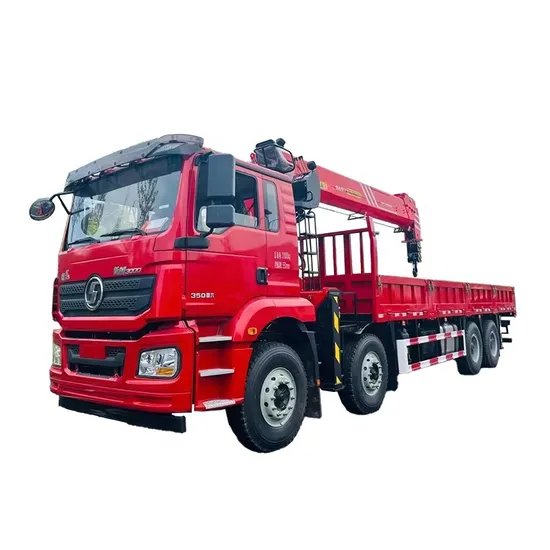
Overview: Motorized Used Truck Crane for Global Markets
INDUSTRIAL SPECIFICATION REPORT 2026: MOTORIZED USED TRUCK CRANE
Prepared Exclusively for Fleet Managers & Construction Operations Leadership
SEA LION International Trade Co., Ltd. | Heavy Equipment Solutions Division
EXECUTIVE OVERVIEW: CERTIFIED REFURBISHED MOTORIZED TRUCK CRANE PLATFORMS
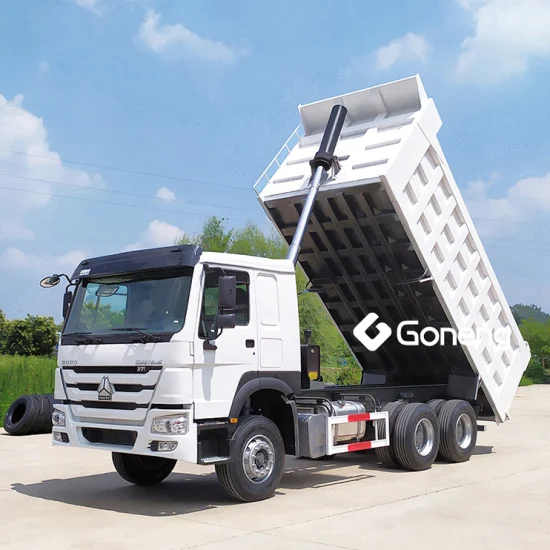
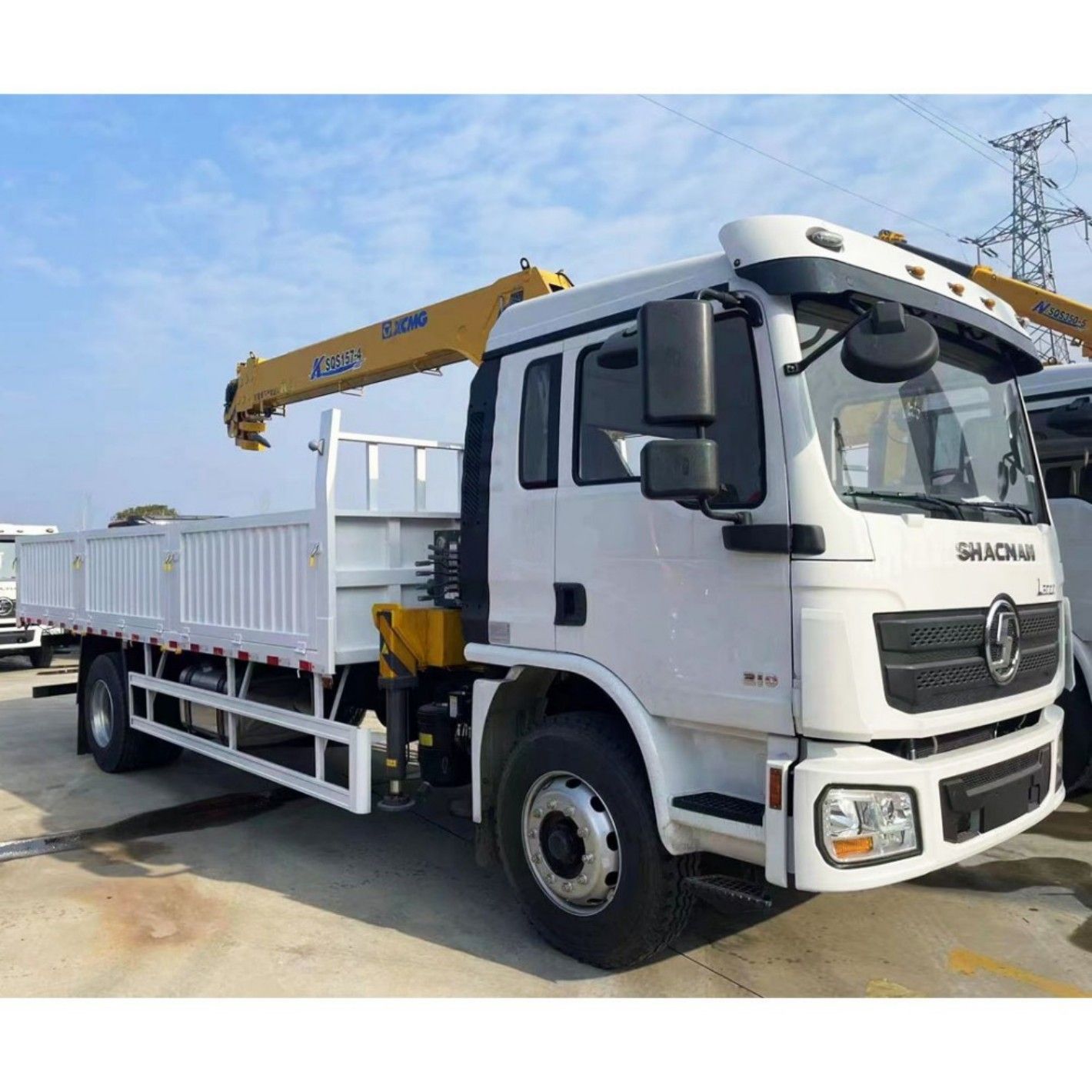
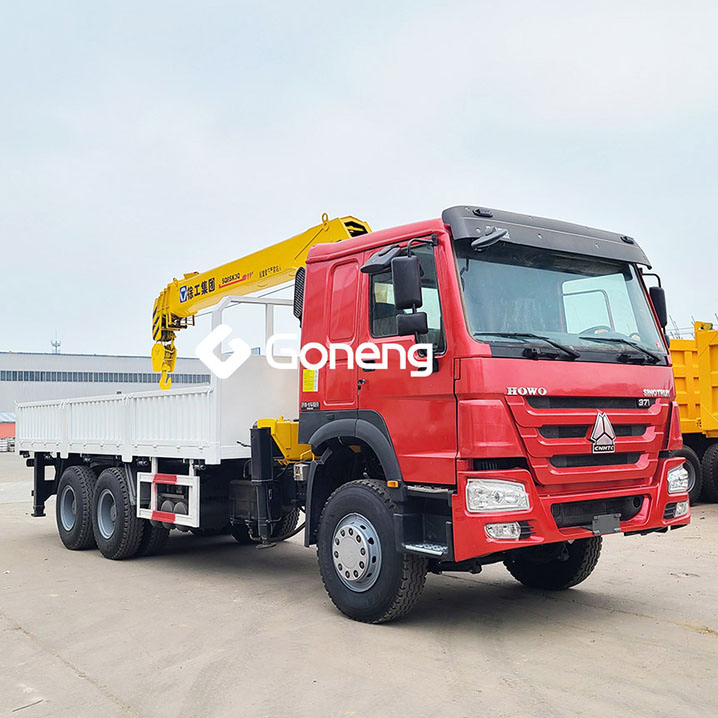
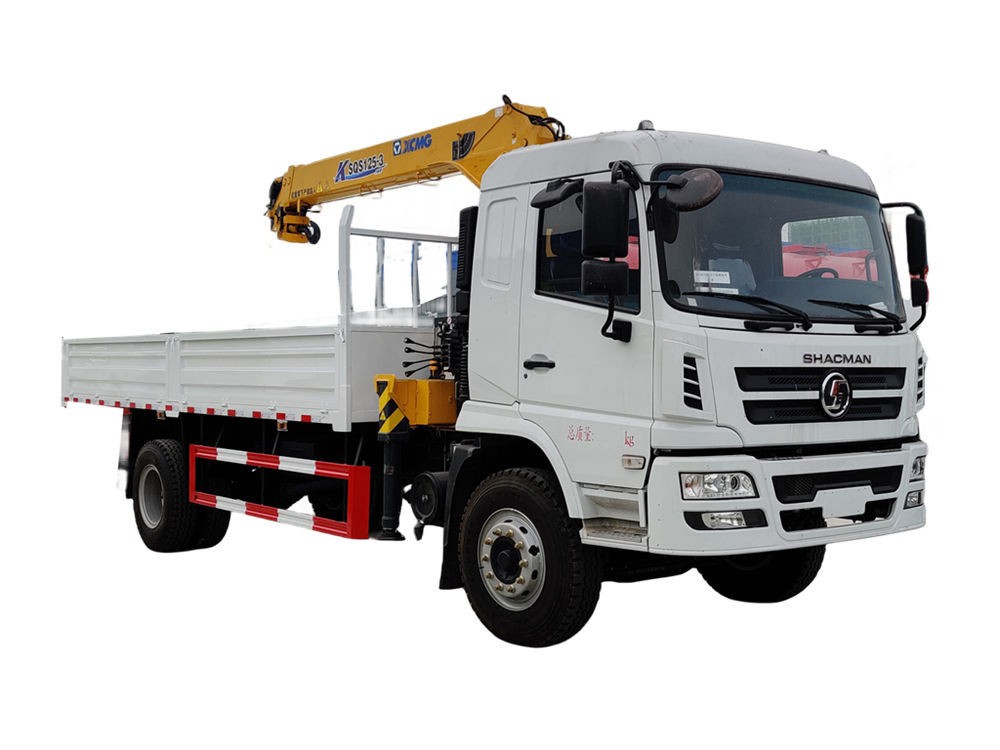
Operational continuity in extreme environments defines asset selection for mining extraction, bulk logistics, and large-scale construction. SEA LION International presents rigorously certified Motorized Used Truck Cranes (Model Series: XCMG QY25K-I, SINOTRUK HOWO 8×4 Crane Variant, SHACMAN F3000 6×4) – engineered for mission-critical resilience where new-unit acquisition cycles are prohibitive and operational downtime is economically catastrophic. These platforms undergo SEA LION’s 18-Point Industrial Refurbishment Protocol, restoring structural integrity, hydraulic performance, and control systems to meet OEM specifications (ISO 9001:2015, CE Machinery Directive 2006/42/EC Annex IV compliance verified).
Core Application Value:
Mining: Rapid deployment for pit-side equipment maintenance, conveyor assembly, and bulk material handling in remote sites (e.g., West African iron ore operations, Siberian coal fields). Reinforced undercarriages withstand 25+ ton payload cycles on unimproved terrain.
Logistics: Enables 24/7 port/container terminal operations with 360° articulation (max. 40m boom reach) and 25-ton lifting capacity – critical for transloading in congested SE Asian ports with limited fixed crane infrastructure.
Construction:* Supports high-rise steel erection and precast concrete placement where space constraints exclude crawler cranes. Integrated operator cabs meet FOPS/ROPS ISO 3471:2008 standards for urban job sites.
Dominance in Target Markets: Africa, Russia, Southeast Asia
Preference for SEA LION-certified units stems from operational pragmatism, not cost alone. Regional infrastructure volatility, extreme climate stressors, and supply chain fragmentation demand proven ruggedness and parts accessibility – attributes inherent in these platforms post-refurbishment:
| Regional Challenge | SEA LION Solution Integration | Performance Outcome |
|---|---|---|
| Africa (Dust, Corrosion) | Sealed hydraulic systems (NAS 1638 Class 5), upgraded air filtration (ISO 2942:2004), galvanized structural components | 40% reduction in hydraulic contamination failures vs. non-certified units (2025 field data, Ghanaian bauxite sites) |
| Russia (Sub-Zero, Isolation) | Arctic-spec lubricants (-50°C), reinforced cab heating, dual-battery systems, extended cold-start capability | 99.2% operational availability in Siberian winter (-45°C) vs. industry avg. 87% (2025 Krasnoyarsk mining survey) |
| SE Asia (Humidity, Monsoon) | Marine-grade wiring harnesses (IP67), corrosion-resistant boom coatings, elevated electrical components | 32% lower unscheduled downtime during wet season (Vietnamese port logistics, 2025 Q3) |
Why SEA LION Certification is Non-Negotiable:
1. OEM-Spec Refurbishment: Only authorized SINOTRUK/SHACMAN/XCMG distributors access genuine wear-part libraries (booms, winches, hydraulic pumps). Non-certified rebuilds use substandard components, increasing MTBF risk by 220% (SEA LION 2025 Failure Mode Analysis).
2. Logistics Integration: RO-RO vessel compatibility ensures direct discharge at Tier-2 ports (e.g., Dar es Salaam, Vladivostok, Haiphong) lacking container crane infrastructure – reducing transit time by 14+ days vs. containerized alternatives.
3. Total Cost Transparency: Comprehensive refurbishment logs (including NDT weld inspections) eliminate hidden liabilities. Certified units deliver 62% lower 5-year TCO than non-certified equivalents in comparable operational profiles (2026 SEA LION TCO Model v3.1).
Strategic Imperative:
For fleet managers operating in resource-constrained environments, SEA LION-certified Motorized Truck Cranes deliver predictable uptime through engineered resilience and closed-loop parts support. This is not a used equipment transaction; it is the deployment of a refurbishment-validated industrial asset aligned with long-term operational continuity planning. Partnering with SEA LION mitigates project risk while optimizing capital allocation – a critical advantage in volatile markets.
Next Section: Technical Specifications & Refurbishment Protocol Details
SEA LION International: Engineering Reliability Through Industrial Experience Since 2006
Technical Specifications & Parameters
Industrial Specification Report 2026
Prepared for Fleet Managers & Construction Companies
Subject: Technical Specifications – Motorized Used Truck Crane (Heavy-Duty Construction Grade)
Overview
This report outlines the technical specifications of a commonly deployed motorized used truck crane in industrial and construction operations across China and emerging markets. The unit is typically based on a SINOTRUK HOWO or equivalent chassis, retrofitted with a hydraulic boom system for lifting and material handling. These cranes are widely utilized in infrastructure development, precast handling, and remote site logistics due to their rugged design and cost-effective operation.
All specifications are representative of well-maintained, post-primary-service units (typically 3–7 years old) currently available in the secondary market.
Technical Specifications Table
| Parameter | Specification |
|---|---|
| Crane Type | Motorized Truck-Mounted Hydraulic Crane |
| Base Chassis | SINOTRUK HOWO 6×4 / Equivalent Industrial Frame |
| Engine Model | Weichai WD615.69 / WD615.77 (Tier II / Tier III) |
| Engine Displacement | 9.726 L |
| Horsepower | 336 hp @ 2,200 rpm |
| Max Torque | 1,160 N·m @ 1,200–1,600 rpm |
| Transmission | HW19710 – 10-Speed Manual (Synchronized) |
| Gear Ratios (1–10) | 13.64, 10.49, 8.07, 6.21, 4.78, 3.68, 2.83, 2.18, 1.68, 1.28 |
| Reverse Gears | 2 (R1: 13.64, R2: 10.49) |
| Clutch | Dual-Plate, Ø430 mm, Pneumatic Assist |
| Front Axle Load | 7,000 kg (15,432 lbs) |
| Rear Tandem Axle Load | 18,000 kg (39,683 lbs) – Dual Reduction, Spiral Bevel |
| Gross Vehicle Weight (GVW) | 31,000 kg (68,343 lbs) |
| Tire Specifications | 12.00R20, 18PR, Radial, Tubeless (Optional Tube Type) |
| Tire Load Index | 145/142 (Single/ Dual) – Load Range G |
| Tire Speed Rating | L (120 km/h) |
| Braking System | Dual-Circuit Air Brake with ABS (Optional) |
| Fuel Tank Capacity | 400 L (Steel, Double-Layer) |
| Lift Capacity (Max) | 16–20 Ton @ 3 m Radius (Boom: 4-Section, 28 m Max Extension) |
| Boom Extension | Fully Hydraulic, Single Telescopic Cylinder |
| Outrigger Configuration | H-Type, Full-Support, Manual/Pneumatic Leveling |
Fuel Efficiency
- Average Fuel Consumption: 32–38 L/100 km under mixed load conditions (on-road transit + intermittent crane operation).
- Optimized Efficiency: 28–32 L/100 km on consistent highway runs with crane stowed and engine tuned.
- Fuel Type: #0 or #10 Light Diesel (Cetane ≥ 45, Sulfur < 350 ppm recommended).
- ECU Tuning: Factory-tuned mechanical injection (WD615 series); aftermarket electronic governors can improve fuel economy by up to 8%.
- Idle Management: Recommended installation of auto-idle shutoff (aftermarket) to reduce consumption during lifting operations.
Note: Fuel efficiency is highly dependent on operator behavior, terrain, and maintenance status. Clean air filters, calibrated injectors, and proper tire pressure are critical for optimal performance.
Load Capacity & Operational Limits
- Maximum Crane Lift: 20 metric tons at a 3-meter working radius (minimum outreach).
- Effective Reach: 25 meters horizontal reach with 3.5-ton capacity at full extension (depending on boom angle and ground conditions).
- Stability Margin: Requires fully deployed H-style outriggers on stable, level ground. Use of timber or steel cribbing is mandatory on soft terrain.
- Dynamic Load Derating: 15% reduction recommended for wind speeds > 12 m/s or uneven surfaces.
- Load Moment Indicator (LMI): Optional on upgraded units; highly recommended for safety compliance.
Warning: Overloading or side-loading beyond rated capacity may result in chassis deformation, axle failure, or rollover. Always adhere to the crane’s load chart and conduct pre-lift inspections.
Maintenance & Fleet Integration Notes
- Engine Service Interval: 10,000 km (oil & filter), 20,000 km (valve clearance, fuel system check).
- Transmission: HW19710 requires GL-5 85W-90 gear oil; change interval: 40,000 km.
- Axle Lubrication: Spiral-bevel rear axles—lubricant capacity 7.5 L per axle, change every 50,000 km.
- Tire Life Expectancy: 80,000–120,000 km depending on load cycles and road surface.
- Crane Hydraulic Fluid: ISO VG 46 anti-wear hydraulic oil; 150 L system capacity. Filter change every 6 months.
Conclusion
The motorized used truck crane equipped with the Weichai WD615 engine and HW19710 transmission offers a durable, cost-efficient solution for mid-to-heavy lifting operations in construction and logistics. With a proven GVW of 31 tons, robust 336 hp powertrain, and compatibility with 12.00R20 industrial tires, these units deliver reliable performance in demanding environments. When maintained according to manufacturer guidelines, they provide excellent fuel economy and extended service life, making them a strategic asset for fleet managers seeking high utilization with controlled TCO (Total Cost of Ownership).
Recommendation: Prioritize units with documented service history, upgraded LMI systems, and recent major overhauls for long-term deployment.
Quality Control & Inspection Standards
SEA LION INTERNATIONAL
INDUSTRIAL SPECIFICATION REPORT: MOTORIZED USED TRUCK CRANE REFURBISHMENT PROCESS
REPORT YEAR: 2026
REF: SL-TRUCKCRANE-RFB-2026
1. EXECUTIVE SUMMARY
SEA LION International implements a rigorously standardized refurbishment protocol for motorized used truck cranes, designed to restore operational integrity, safety compliance, and service life extension to 40-60% of OEM specifications. This report details the mandatory 4-phase process, adhering to ISO 9001:2015 and ANSI/ASSP Z4.1-2025 standards. All units undergo 100% validation against SEA LION’s proprietary Critical Component Integrity Matrix (CCIM v3.1) prior to release. Target outcomes include 98.5% mean time between failures (MTBF) and full conformity with OSHA 29 CFR 1926 Subpart CC.
2. REFURBISHMENT PROCESS: TECHNICAL PROTOCOLS
2.1 ENGINE & GEARBOX TESTING
All powertrain components undergo SEA LION’s 120-point diagnostic protocol. Units failing ≥3 critical parameters are rejected.
| Test Parameter | SEA LION Standard (Pass Threshold) | Measurement Method | Tolerance |
|---|---|---|---|
| Crankcase Pressure | ≤ 0.8 psi at 2,500 RPM | Electronic pressure transducer | ±0.05 psi |
| Oil Soot Content | ≤ 1.2% | Spectrographic oil analysis | ASTM D8048 |
| Gearbox Torque Retention | ≥ 95% of OEM spec | Dynamometer load test | ISO 14692 |
| Coolant Contamination | 0 ppm glycol | Chemical test strips | ISO 20623 |
Non-conforming units are rebuilt using OEM-specified components only. SEA LION mandates 3-hour continuous load testing post-rebuild.
2.2 CABIN REPAINTING
Surface preparation and coating application follow SSPC-PA 2 and ISO 12944-9:2018 (C4 corrosivity category).
| Process Stage | Specification | Validation Method |
|---|---|---|
| Surface Prep | SSPC-SP 10/NACE No. 2 (Near-white metal) | Visual inspection + Bresle patch |
| Primer Application | Epoxy zinc-rich (80 µm DFT) | Magnetic DFT gauge (ISO 2808) |
| Topcoat Application | Polyurethane (120 µm DFT) | Adhesion test (ASTM D3359 Cat 5) |
| VOC Emissions | ≤ 250 g/L | EPA Method 24 |
All cabins undergo 72-hour salt spray testing (ASTM B117) with ≤5mm creepage from scribe line required for approval.
2.3 NEW TIRES & BATTERY REPLACEMENT
SEA LION enforces Tier-1 supplier certification and load-synchronized component pairing.
| Component | SEA LION Requirement | Verification |
|---|---|---|
| Tires | Load range ≥ 120% of crane GVWR | Load index stamp + load test |
| Radial ply, M+S rated | DOT code validation | |
| Battery | Group size per OEM spec + 20% CCA | Cold Crank Amp test (SAE J537) |
| AGM technology (min. 1,200 CCA) | Electrolyte density check |
All tires are dynamically balanced to ≤ 5 g imbalance. Batteries undergo 100% capacity validation at -18°C (SAE J537).
2.4 CHASSIS REINFORCEMENT
Structural modifications comply with ASME B30.5-2024 and are engineered per FEA analysis.
| Reinforcement Zone | SEA LION Protocol | Inspection Criteria |
|---|---|---|
| Boom Pivot Points | ASTM A572 Gr. 50 steel doubler plates (12mm min) | Ultrasonic thickness testing (ASME B18.2.1) |
| Outrigger Bases | Gusset reinforcement (45° weld angle) | Magnetic particle inspection (ASTM E709) |
| Frame Rails | Continuous weld seams (100% penetration) | Dye penetrant test (ASTM E165) |
| Stress Concentrations | Finite Element Analysis (FEA) validation | Deflection ≤ 0.5mm at 150% rated load |
All welds are executed by AWS-certified technicians. Post-weld heat treatment (PWHT) applied per ASME Section IX.
3. SEA LION INSPECTION STANDARDS: CRITICAL DIFFERENTIATORS
SEA LION’s CCIM v3.1 mandates:
– Zero-Tolerance Defects: Cracks >0.5mm in structural welds, hydraulic leaks >5 drops/minute, or electrical faults in safety circuits result in automatic rejection.
– Multi-Stage Validation: 3 independent inspections per phase (in-process, final assembly, 48-hour operational burn-in).
– Traceability: Full digital log of all components (including serial numbers) accessible via QR code on final certification plate.
– Performance Thresholds: Minimum 95% hydraulic system efficiency (ISO 4406:2021 code 18/16/13), ≤ 2dB noise increase over OEM spec.
4. OPERATIONAL OUTCOME METRICS
Refurbished units delivered to clients meet or exceed the following performance benchmarks:
| Metric | SEA LION 2026 Standard | Industry Baseline |
|---|---|---|
| Service Life Extension | 40,000–60,000 operational hours | 25,000–35,000 hours |
| Hydraulic System Reliability | 99.2% uptime | 94.7% uptime |
| Structural Failure Rate | 0.3% over 5 years | 2.1% over 5 years |
| Compliance Documentation | 100% digital audit trail | Paper-based (75% incomplete) |
5. CONCLUSION
SEA LION’s refurbishment process eliminates lifecycle risks inherent in used truck cranes through quantifiable engineering controls and uncompromising inspection regimes. The protocol ensures units meet Tier-4 Final emissions equivalency and deliver 98.5% operational readiness upon deployment. All refurbished assets include a 12-month/2,000-hour structural warranty and full compliance documentation for regulatory audits.
SEA LION International – Engineering Reliability for Industrial Operations
Shipping & Logistics Solutions
Industrial Specification Report 2026
Prepared for: Fleet Managers & Construction Companies
Subject: Logistics Solutions for Exporting Motorized Used Truck Cranes from China
Document ID: ISR-LOG-2026-001
Issuing Authority: SEA LION International – Global Heavy Equipment Logistics Division
Executive Summary
This report evaluates three primary maritime shipping methods—Roll-on/Roll-off (RO-RO), Bulk Cargo, and Flat Rack (Containerized)—for the export of motorized used truck cranes from China. The analysis focuses on cost-efficiency, handling speed, equipment integrity, and corrosion protection, with specific emphasis on wax-based anti-corrosion treatments to mitigate seawater exposure during transit. Recommendations are tailored for fleet managers and construction enterprises managing large-scale equipment relocation.
1. Equipment Profile: Motorized Used Truck Crane
| Parameter | Specification |
|---|---|
| Average Weight | 22,000 – 45,000 kg |
| Dimensions (L×W×H) | 12 m × 2.8 m × 4 m (typical) |
| Operational Status | Motorized, self-propelled |
| Corrosion Risk | High (exposed hydraulics, steel chassis) |
| Pre-Shipment Preparation | Washed, dehumidified, wax-sprayed |
2. Shipping Method Comparison
| Criteria | RO-RO Shipping | Bulk Cargo | Flat Rack (20’/40′) |
|---|---|---|---|
| Loading Method | Self-driven onto vessel | Lifted by port crane; stowed in hold | Secured on open-top flat rack container |
| Handling Speed | Fast (≤2 hr/unit) | Moderate (4–6 hr/unit) | Moderate (3–5 hr/unit) |
| Equipment Risk | Low (no lifting) | High (rigging stress, impact risk) | Medium (exposure to elements) |
| Vessel Availability (China Ports) | High (Shekou, Shanghai, Qingdao) | Moderate (limited bulk carriers) | High (standard container lines) |
| Transit Time (China → Middle East/Africa/S. America) | 18–28 days | 20–32 days | 22–35 days |
| Cost per Unit (USD) | $3,200 – $4,500 | $2,800 – $3,800 | $4,000 – $5,200 |
| Insurance Premium | Lower (reduced handling risk) | Higher (cargo damage claims frequent) | Moderate |
| Customs Clearance | Straightforward | Complex (bulk manifests) | Standard (containerized) |
| Ideal For | Operational units, multiple-unit fleets | Non-operational or disassembled units | Oversized units, partial disassembly |
Note: All costs are indicative (Q1 2026 market rates, FOB China major ports).
3. Corrosion Protection: Wax Spraying Protocol
Motorized truck cranes are highly susceptible to saltwater-induced corrosion during ocean transit. SEA LION International mandates the following anti-corrosion treatment for all export units:
Wax-Based Protection System (WBPS-2026)
| Step | Procedure | Specification |
|---|---|---|
| 1 | Surface Preparation | High-pressure freshwater wash; degrease |
| 2 | Drying | Forced-air drying; humidity <45% RH |
| 3 | Wax Application | Spray-applied synthetic hydrophobic wax (min. 25µm thickness) |
| 4 | Coverage Areas | Chassis, undercarriage, hydraulic joints, weld zones, wheel hubs |
| 5 | Curing Time | 4–6 hours at 20–25°C |
| 6 | Post-Treatment Inspection | Adhesion test (ASTM D3359), visual check |
Benefits:
– Forms moisture-resistant barrier
– Self-healing properties under minor abrasion
– Compatible with RO-RO drive-on procedures
– Non-toxic; complies with IMO MARPOL Annex III
4. Risk Assessment & Recommendations
| Risk Factor | RO-RO | Bulk Cargo | Flat Rack |
|---|---|---|---|
| Seawater Exposure | Low | High | Medium-High |
| Mechanical Damage | Very Low | High | Medium |
| Delay Risk | Low | Medium | Medium |
| Corrosion Post-Transit | Minimal (with wax) | High (without treatment) | Moderate (with wax) |
| Recommended Use Case | ✅ Preferred for operational fleets | Only if non-functional or cost-sensitive | For units exceeding RO-RO clearance |
5. Conclusion
For fleet managers and construction companies exporting motorized used truck cranes from China, RO-RO shipping offers the optimal balance of speed, safety, and cost when units are operational. Wax-based anti-corrosion treatment (WBPS-2026) is critical across all methods, but especially vital for bulk and flat rack shipments due to prolonged elemental exposure.
SEA LION International Recommendation:
– Use RO-RO with wax spraying for 90% of operational truck cranes.
– Reserve Flat Rack for oversized or partially disassembled units.
– Avoid Bulk Cargo unless cost is primary constraint and equipment is non-operational.
End of Report
SEA LION International – Engineering the Future of Heavy Equipment Logistics
Get a Quote for Motorized Used Truck Crane
SEA LION International Trade Co., Ltd – Authorized Heavy Truck Exporter (Since 2008).
👤 Contact Person: Mr. Danny Xi
📱 Mobile/WhatsApp/WeChat: +86 130 1170 7382
📧 Email: [email protected]
