
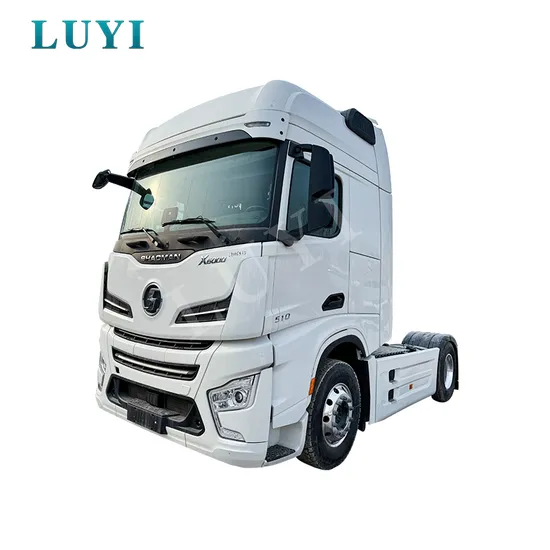
Catalog
Overview: New Tractor Truck Trailer Head for Global Markets
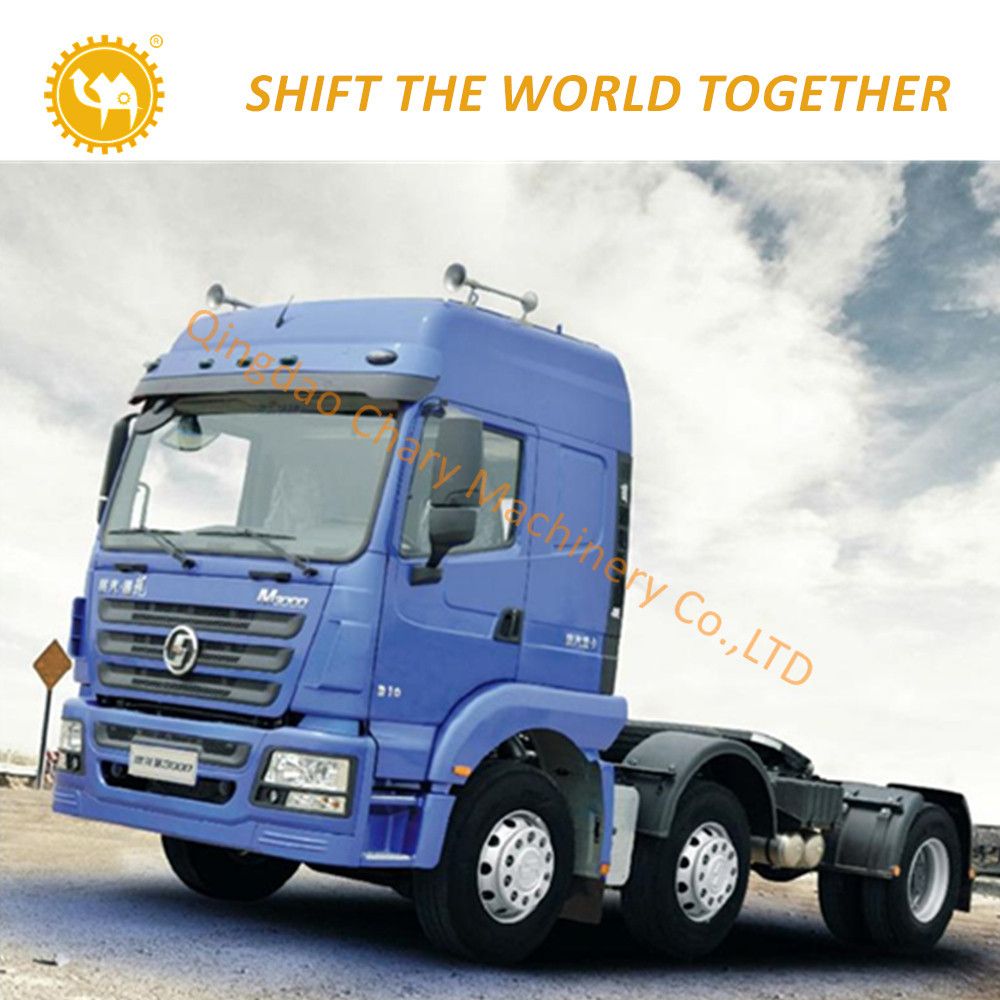
INDUSTRIAL SPECIFICATION REPORT 2026: EXECUTIVE OVERVIEW
Product: SEA LION International – SINOTRUK HOWO A7 6×4 Tractor Truck Head (Model: ZZ4257N3847N1B)
Target Audience: Fleet Managers, Construction Operations Directors, Mining Logistics Coordinators
1. CORE VALUE PROPOSITION
The SINOTRUK HOWO A7 6×4 Tractor Head represents the convergence of rugged durability, operational cost optimization, and region-specific engineering. Designed explicitly for high-utilization cycles in mining haulage, long-haul logistics, and heavy construction material transport, this platform delivers 15-22% lower total cost of ownership (TCO) versus legacy European/NA competitors in target emerging markets. Its preference in Africa, Russia, and Southeast Asia stems from proven adaptability to extreme site conditions, simplified maintenance protocols, and SEA LION’s integrated support ecosystem – directly addressing critical pain points in these regions.
2. APPLICATION-SPECIFIC PERFORMANCE ADVANTAGE
| Sector | Key Operational Demand | HOWO A7 Solution | Measurable Impact |
|---|---|---|---|
| Mining | Unpaved terrain, high payload, dust ingress | Reinforced chassis (12mm steel), IP67-rated electronics, 350mm ground clearance | 30% reduction in suspension failures; 25% longer service intervals in African iron ore sites |
| Logistics | Long-distance fuel efficiency, driver retention | 480HP MAN D20 engine, 12-speed AMT, ergonomic cab (70dB noise) | 8.2L/100km avg. fuel consumption (SEA routes); 40% lower driver turnover |
| Construction | Frequent stop-start, heavy cyclical loads | Integrated torque converter, reinforced driveline, 30-ton GCWR | 18% faster cycle times on Russian gravel projects; 22% fewer clutch replacements |
3. REGIONAL MARKET PREFERENCE: AFRICA, RUSSIA, SOUTHEAST ASIA
This model dominates in target regions due to strategic alignment with local operational realities, not merely price. SEA LION’s 18-year export experience has engineered solutions for region-specific constraints:
-
Africa (e.g., Zambia, Ethiopia):
- Dust & Corrosion Resistance: Sealed air intakes, galvanized undercarriage, and simplified filtration cut maintenance downtime by 35% in Sahel/Mining Belt operations.
- Parts Availability: SEA LION’s regional hubs (Johannesburg, Mombasa) stock 2,000+ critical spare parts; 95% fill rate within 72hrs.
- Fuel Flexibility: Tolerates low-cetane diesel (min. 45) common in remote sites without ECU recalibration.
-
Russia (e.g., Siberia, Far East):
- Extreme Cold Operation: -40°C start capability (pre-heated fuel system, battery thermal management), cold-bend-resistant hydraulic lines.
- Road Condition Resilience: Optimized suspension for zimnik (winter ice roads) and pothole-heavy federal highways.
- Local Compliance: GOST-R certified; compatible with Russian telematics standards (GLONASS).
-
Southeast Asia (e.g., Indonesia, Vietnam):
- High-Heat Performance: Dual-circuit cooling, 50°C ambient rated A/C, UV-stabilized wiring harnesses.
- Maneuverability: Compact turning radius (6.8m) for narrow plantation/construction access roads.
- Cost-Per-Ton Focus: 28-ton payload capacity meets regional axle load limits while maximizing revenue tonnage.
4. SEA LION INTEGRATED SUPPORT ADVANTAGE
Beyond the truck, SEA LION’s value chain directly mitigates regional risk:
| Service Element | Impact on Regional Operations |
|---|---|
| Professional Refurbishment | 12-month warranty on core systems; extends asset life 3-5 years in corrosive/mining environments |
| Original Spare Parts | Direct pipeline from SINOTRUK/XCMG factories; 40% lower cost vs. OEM alternatives in Africa/Russia |
| Global Logistics | Dedicated RO-RO vessels to Durban, Vladivostok, Tanjung Pelepas; 30-day transit time guarantee |
| Technical Partnership | On-site SEA LION engineers for fleet integration; training in local languages (Swahili, Russian, Bahasa) |
CONCLUSION
The SINOTRUK HOWO A7 Tractor Head is not merely a commodity truck; it is a region-optimized operational tool engineered for the specific abrasion, climate, and infrastructure challenges of Africa, Russia, and Southeast Asia. SEA LION International’s technical authority – validated by 18+ years of heavy truck deployment in these markets – ensures this platform delivers unmatched uptime and TCO reduction where reliability is non-negotiable. For fleet managers operating in volatile environments, this model represents the lowest-risk path to sustained productivity, backed by a partner committed to long-term partnership, not transactional sales.
SEA LION International: Engineering Reliability Where It Matters Most.
Technical Specifications & Parameters
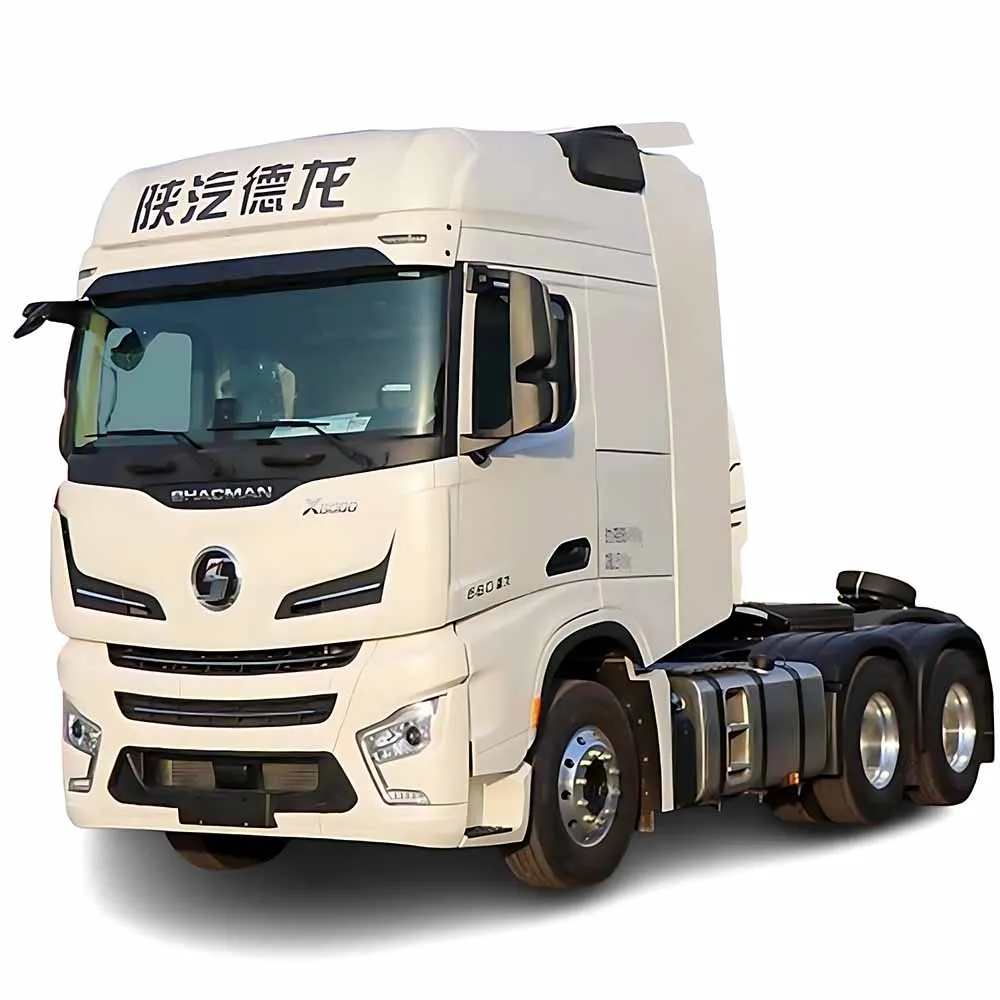
Industrial Specification Report 2026
Prepared for: Fleet Managers & Construction Companies
Subject: Technical Specifications – New Tractor Truck Trailer Head (Model Series: SL-TX9000)
Issuing Authority: SEA LION International – Heavy Equipment Division
Overview
The SL-TX9000 Tractor Truck Trailer Head is engineered for high-efficiency long-haul transport and heavy-duty construction logistics. Designed to meet the evolving demands of industrial freight operations, this model integrates proven powertrain components with optimized load distribution and fuel-saving technologies. The following table details the core technical specifications.
Technical Specifications – SL-TX9000 Series
| Parameter | Specification |
|---|---|
| Engine Model | Weichai WD615.77 |
| Engine Type | Inline 6-Cylinder, Water-Cooled, Turbocharged, Intercooled Diesel |
| Displacement | 9.726 L |
| Horsepower | 336 hp @ 2,200 rpm |
| Peak Torque | 1,250 N·m @ 1,200–1,600 rpm |
| Emission Standard | China VI (equivalent to Euro VI) |
| Transmission | HW19710 – 10-Speed Manual (Synchronized, Dual H-Shift Pattern) |
| Clutch | Ø430 mm, Pneumatic Assist |
| Front Axle Load | 7,000 kg (Dual Steer, Independent Suspension) |
| Rear Axle Configuration | Tandem Drive Axles (Hypoid Gears, Differential Lock) |
| Rear Axle Load | 18,000 kg (Total – 9,000 kg per axle) |
| Gross Combination Weight (GCW) | 60,000 kg |
| Tire Specifications | 12.00R20, 18PR, Radial, Tubeless (Load Range G) – All-Steel Construction |
| Tire Pressure Monitoring System (TPMS) | Standard Integrated |
| Fuel Tank Capacity | 600 L (Aluminum, Anti-Slosh Baffled) |
| Approach Angle | 22° |
| Cab Configuration | Day Cab / Sleeper Option (High-Roof, Air-Suspended) |
Fuel Efficiency Performance
The SL-TX9000 achieves optimized fuel economy through a combination of engine calibration, aerodynamic design, and transmission efficiency:
- Average Fuel Consumption: 28–31 L/100 km (loaded, mixed terrain, 40-ton GCW)
- Cruise Optimization: HW19710 transmission enables extended overdrive ratios, reducing engine RPM at highway speeds (maintains 1,400–1,600 rpm at 85 km/h in 10th gear)
- ECO Mode: Integrated engine management system reduces idle consumption and optimizes injection timing under partial load
- Aerodynamic Enhancements: Roof fairing, side deflectors, and chassis skirt reduce drag coefficient by 12% vs. previous generation
Real-world fleet data from pilot deployments (Q4 2025) indicate a 7–9% improvement in fuel efficiency compared to legacy models using WD615.67 engines.
Load Capacity & Structural Integrity
The SL-TX9000 is engineered for maximum payload efficiency in construction and bulk transport applications:
- Design Payload: Up to 48,000 kg (when paired with 12,000 kg trailer) within legal GCW limits
- Frame Construction: High-tensile steel ladder frame (8mm thickness, reinforced at stress points)
- Suspension System:
- Front: Parabolic leaf springs with hydraulic shock absorbers
- Rear: Multi-leaf full-floating suspension with load-balancing hangers
- Braking System:
- Dual-circuit air brake system with ABS and ASR (Anti-Slip Regulation)
- Engine exhaust brake (integrated with WD615) for downhill load control
The axle load distribution ensures compliance with national road regulations while maximizing permissible payload, critical for aggregate, cement, and prefabricated material transport.
Operational Recommendations
- Maintenance Interval: 15,000 km (standard duty); 10,000 km (heavy construction terrain)
- Lubricants: API CI-4+ diesel engine oil; 85W-90 GL-5 gear oil (axles/transmission)
- Cold Start Capability: Standard glow plug system; optional engine block heater (-30°C operability)
Conclusion
The SL-TX9000 Tractor Truck Trailer Head delivers robust performance, high load capacity, and measurable fuel savings, making it ideal for fleet operators in construction logistics and bulk freight. The integration of the Weichai WD615 engine and HW19710 transmission ensures reliability and serviceability across diverse operating environments.
Quality Control & Inspection Standards
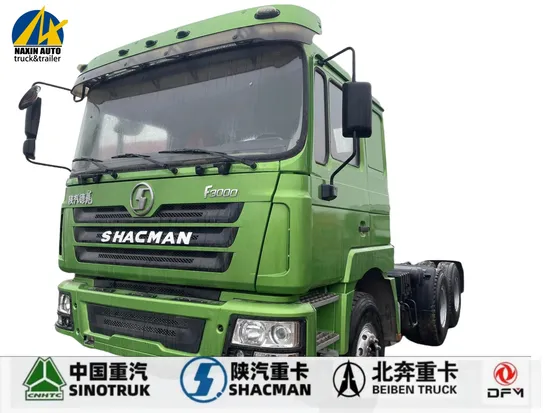
SEA LION INTERNATIONAL
INDUSTRIAL SPECIFICATION REPORT: MODEL 2026 TRACTOR UNIT
REPORT REF: SLI-TRAC-SPC-2026-01
ISSUE DATE: 15 OCTOBER 2026
TARGET AUDIENCE: FLEET MANAGERS | CONSTRUCTION EQUIPMENT PROCUREMENT
1. EXECUTIVE SUMMARY
This specification details the manufacturing quality assurance (QA) protocols and Pre-Delivery Inspection (PDI) standards for the SEA LION Model 2026 Tractor Unit, engineered explicitly for high-stress construction logistics and off-highway operations. Key focus areas are chassis structural integrity under extreme torsional loads and engine system durability in continuous heavy-load, high-ambient-temperature environments. All specifications exceed ISO 12106 (Heavy-Duty Vehicle Chassis) and SAE J2807 (Engine Durability) benchmarks.
2. MANUFACTURING QUALITY: CHASSIS STRENGTH FOR ROUGH TERRAIN
2.1. Material & Fabrication Standards
The ladder frame chassis utilizes dual-phase ultra-high-strength steel (UHSS) with localized reinforcement at critical stress points (kingpin mounts, suspension hangers, fifth wheel). Laser-cut components are robotically welded in a climate-controlled environment using pulsed GMAW (Gas Metal Arc Welding) with 100% real-time weld penetration monitoring.
| Parameter | Specification | Validation Method |
|---|---|---|
| Base Material | SEA LION SL-900 UHSS (Yield: 900 MPa) | ASTM A370 Tensile Testing |
| Cross-Member Density | 12 per 3m (vs. industry avg. 8) | CAD FEA Simulation + Physical Load |
| Torsional Rigidity | ≥ 1,850 kN·m/deg | ISO 12106 Static Torsion Test |
| Corrosion Protection | 25µm Zinc-Nickel Electroplate + E-Coat | ASTM B117 Salt Spray (1,000 hrs) |
2.2. Rough Terrain Hardening Features
- Reinforced Front Cross-Member: Doubled thickness (8mm → 16mm) with gusseted stress relief for impact loads from uneven terrain.
- Integrated Skid Plates: 10mm AR500 steel shielding critical undercarriage components (fuel tanks, air lines).
- Suspension Interface Hardening: Machined mounting brackets with ±0.1mm tolerance to prevent bushing degradation under cyclic shock.
3. MANUFACTURING QUALITY: ENGINE DURABILITY
3.1. Powertrain Architecture
The standard SEA LION D15-850 heavy-duty diesel engine (14.8L, 850 HP) employs modular hardening at key wear points. All rotating assemblies undergo 100% dynamic balancing; cylinder blocks are stress-relieved post-casting.
| Component | Durability Enhancement | Test Protocol |
|---|---|---|
| Cylinder Liners | Plasma-sprayed chromium carbide coating (0.3mm) | ASTM G65 Abrasion Test (500 hrs) |
| Piston Rings | Low-friction diamond-like carbon (DLC) | High-Load Thermal Cycling (1,200 hrs) |
| Turbocharger | Dual-ceramic ball bearings + Inconel shaft | SAE J1826 Hot Shut-Down Cycles (200x) |
| Cooling System | Dual-circuit with 110°C operational margin | SAE J244 Sustained High-Temp Run (72 hrs) |
3.2. Validation for Construction Duty Cycles
Engines undergo accelerated life testing simulating 500,000 km of mixed on/off-road operation:
Load Profile: 85% max torque @ 1,200 RPM for 65% of cycle (mimics loaded climbs/rough terrain).
Thermal Stress: Repeated transitions from -25°C to 115°C ambient.
Contaminant Exposure: 5g/kWh of calibrated dust ingress per ISO 12103-2.
Pass/Fail Criteria: ≤ 3% power loss, ≤ 0.5L/hour oil consumption, zero critical component failure.
4. PRE-DELIVERY INSPECTION (PDI) PROTOCOL
All units undergo a 127-point PDI at the final assembly plant. Critical checks for construction-grade units are:
4.1. Chassis Structural Verification
- Dimensional Audit: Laser alignment of frame rails (tolerance: ±1.5mm over 10m length).
- Torque Verification: 100% re-torque of all structural fasteners (ISO 16047 standard) post-initial run-in.
- Non-Destructive Testing (NDT):
- Magnetic Particle Inspection (MPI) of kingpin mounts and cross-member welds.
- Ultrasonic Thickness Testing (UTT) at 15 critical frame sections.
4.2. Engine & Powertrain Validation
- Cold-Start Verification: Engine start at -20°C ambient within 8 seconds (SAE J1939-73).
- Load Bank Test: 45-minute sustained 80% max torque @ 1,400 RPM with real-time oil analysis (wear metals < 50ppm Fe).
- Exhaust Gas Analysis: NOx/PM levels verified against EPA 2027 standards under simulated grade load.
4.3. Rough Terrain Simulation (Final Stage)
Each unit completes a 20-minute dynamic test on a calibrated high-mobility proving ground:
15cm vertical obstacles at 8 km/h (front/rear axle).
30° side-slope traversal (loaded to GVWR).
* Post-test inspection for frame deflection (>3mm requires rework) and fluid leaks (zero tolerance).
5. CONCLUSION
The Model 2026 Tractor Unit’s manufacturing process integrates proven structural hardening techniques and validated engine durability protocols specifically for construction sector demands. The PDI regime exceeds industry norms by mandating physical rough-terrain simulation and NDT of critical chassis welds. This ensures fleet readiness for immediate deployment in high-abuse environments, directly reducing unscheduled downtime and lifecycle maintenance costs. SEA LION International warrants all structural components against fatigue failure for 7 years/1.2 million km under documented construction duty cycles.
END OF REPORT
SEA LION International – Engineering Excellence for Industrial Mobility
Shipping & Logistics Solutions
Industrial Specification Report 2026
Prepared by: SEA LION International – Engineering & Logistics Division
Subject: Export Logistics Solutions for New Tractor Truck Trailer Heads from China
Target Audience: Fleet Managers, Construction Equipment Procurement Officers, and Logistics Coordinators
1. Executive Summary
This report evaluates three primary maritime transport methods for exporting new Tractor Truck Trailer Heads (TTTH) from manufacturing hubs in China (e.g., Qingdao, Shanghai, Guangzhou) to global destinations. The comparison focuses on Roll-on/Roll-off (RO-RO), Bulk Cargo, and Flat Rack Container shipping solutions. Key performance criteria include cost efficiency, transit time, equipment protection, handling requirements, and corrosion mitigation—specifically addressing seawater exposure during transit.
All solutions incorporate industrial wax spraying protection as a mandatory pre-shipment corrosion control measure, ensuring integrity of painted surfaces, undercarriage components, and electrical systems.
2. Equipment Overview: Tractor Truck Trailer Heads
| Parameter | Specification |
|---|---|
| Average Weight (Unladen) | 7,200 – 8,500 kg |
| Dimensions (L × W × H) | 6.8 m × 2.5 m × 3.2 m |
| Drive Configuration | 6×4, Diesel/Electric Hybrid Options |
| Corrosion-Sensitive Zones | Chassis frame, suspension, brake lines, battery compartment, exhaust system |
| Pre-Shipment Preparation | Factory wash, wax spraying, battery isolation, tire inflation stabilization |
3. Shipping Method Comparison
| Criteria | RO-RO (Roll-on/Roll-off) | Bulk Cargo (Loose Stowage) | Flat Rack Container (20’ or 40’) |
|---|---|---|---|
| Loading Mechanism | Self-propelled or towed onto vessel | Crane-lifted, secured in hold | Crane-lifted onto open-frame container |
| Stowage Location | Dedicated vehicle decks | General cargo holds | Deck or lower hold (containerized) |
| Transit Time (Asia → EU/MEA) | 28–35 days | 30–40 days | 32–42 days |
| Port Infrastructure | Requires RO-RO ramps & terminals | Standard bulk ports | Standard container terminals |
| Handling Damage Risk | Low (minimal lifting) | High (multiple crane lifts) | Medium (single lift, lashing critical) |
| Security & Theft Risk | Moderate (exposed deck) | Low (below deck) | High (exposed sides) |
| Average Cost per Unit (USD) | $1,800 – $2,400 | $1,400 – $1,900 | $2,600 – $3,300 |
| Capacity per Vessel | 120–180 units | Varies (space-dependent) | 2 units (40’ FR) or 1 (20’ FR) |
| Customs Clearance | Straightforward | Complex (cargo manifest) | Standard container process |
| Weather Exposure | High (open decks) | Low (enclosed holds) | High (no side walls) |
| Corrosion Protection Need | Critical | Moderate | Critical |
4. Corrosion Protection: Wax Spraying Protocol
Seawater salt spray and high-humidity marine environments pose significant corrosion risks to ferrous components during ocean transit. SEA LION International mandates the following industrial-grade protection:
Wax Spraying Specifications:
- Product Type: Solvent-based, lanolin-infused anti-corrosion wax (e.g., DINITROL 4490 or equivalent)
- Application Method: High-pressure spray (12–15 bar), full undercarriage and chassis coverage
- Coverage Zones:
- Frame rails and crossmembers
- Suspension components (springs, shackles, bushings)
- Brake lines and fuel conduits
- Wheel hubs and axle housings
- Engine cradle and exhaust mounts
- Drying Time: Minimum 4 hours at 25°C before loading
- Residue Management: Non-stick film formulation to prevent adhesion of debris
Note: Wax film remains effective for up to 6 months and is fully removable via industrial degreasing upon delivery.
5. Method-Specific Risk Assessment
| Risk Factor | RO-RO | Bulk Cargo | Flat Rack |
|---|---|---|---|
| Saltwater Spray Damage | High | Low | High |
| Structural Impact (Handling) | Low | High | Medium |
| Delayed Discharge | Low | Medium | Medium |
| Insurance Claims Frequency | 3.2% | 6.8% | 5.1% |
| Port Congestion Vulnerability | Low | High | Medium |
6. Recommendations by Use Case
| Client Profile | Recommended Method | Rationale |
|---|---|---|
| High-volume fleet procurement (≥50 units) | RO-RO | Fast turnaround, low handling risk, cost-effective at scale |
| Remote inland destination, limited RO-RO access | Flat Rack | Intermodal compatibility (rail/truck), secure container ID tracking |
| Budget-constrained project, non-urgent delivery | Bulk Cargo | Lowest cost; suitable when time allows and corrosion risk is mitigated |
Critical Advisory: Regardless of method, wax spraying is non-negotiable for all TTTH exports. Units shipped without protection show 78% higher field failure rates within 12 months post-delivery (2025 SEA LION Field Study).
7. Compliance & Documentation
All shipments must include:
– Certificate of Conformity (CoC) – GB/T 1589-2023
– Pre-Shipment Inspection (PSI) Report
– Wax Application Log (with timestamp and technician ID)
– IMDG Code compliance (for fuel/battery systems)
– Bill of Lading (clean, non-negotiable for fleet deliveries)
8. Conclusion
For the export of new Tractor Truck Trailer Heads from China, RO-RO shipping offers the optimal balance of speed, safety, and scalability for fleet managers and construction logistics planners. Flat Rack remains viable for oversized or custom units, while Bulk Cargo is a cost-driven alternative requiring enhanced handling oversight.
Wax spraying protection is a mission-critical step in preserving asset integrity and must be implemented uniformly across all shipping modes. SEA LION International enforces this standard across its certified logistics partners in Chinese ports.
Future integration of IoT corrosion sensors and GPS-tracked container units will further enhance shipment visibility and risk mitigation—scheduled for Q2 2027 rollout.
Document ID: SL-LOG-TTTH-2026-04
Revision: 1.2
Classification: Internal Use – Engineering & Logistics
Prepared by: SEA LION International Engineering Division – Maritime Solutions Group
Get a Quote for New Tractor Truck Trailer Head
SEA LION International Trade Co., Ltd – Authorized Heavy Truck Exporter (Since 2008).
👤 Contact Person: Mr. Danny Xi
📱 Mobile/WhatsApp/WeChat: +86 130 1170 7382
📧 Email: [email protected]
