
Catalog
Overview: Paccar Used Trucks for Global Markets
INDUSTRIAL SPECIFICATION REPORT 2026: REFURBISHED HEAVY-DUTY TRUCK FLEET SOLUTIONS
Prepared Exclusively for Fleet Managers & Construction Operations Leadership
SEA LION International Trade Co., Ltd. | 18+ Years Global Heavy Truck Export Excellence
EXECUTIVE OVERVIEW: OPTIMIZED REFURBISHED TRUCK SOLUTIONS FOR EXTREME OPERATIONS
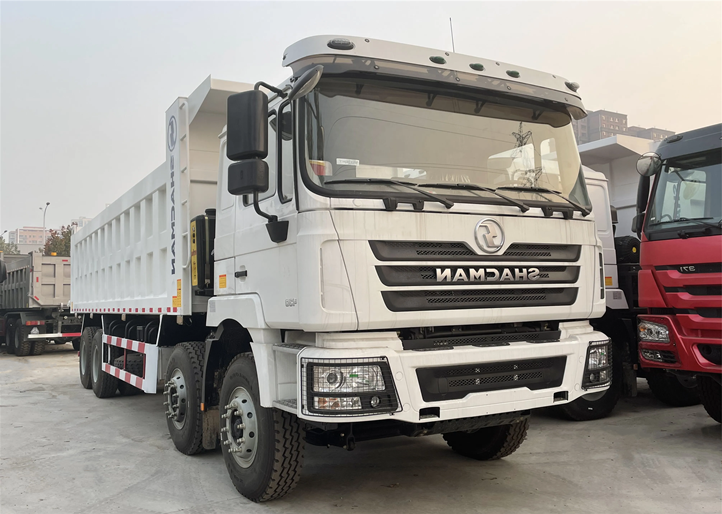
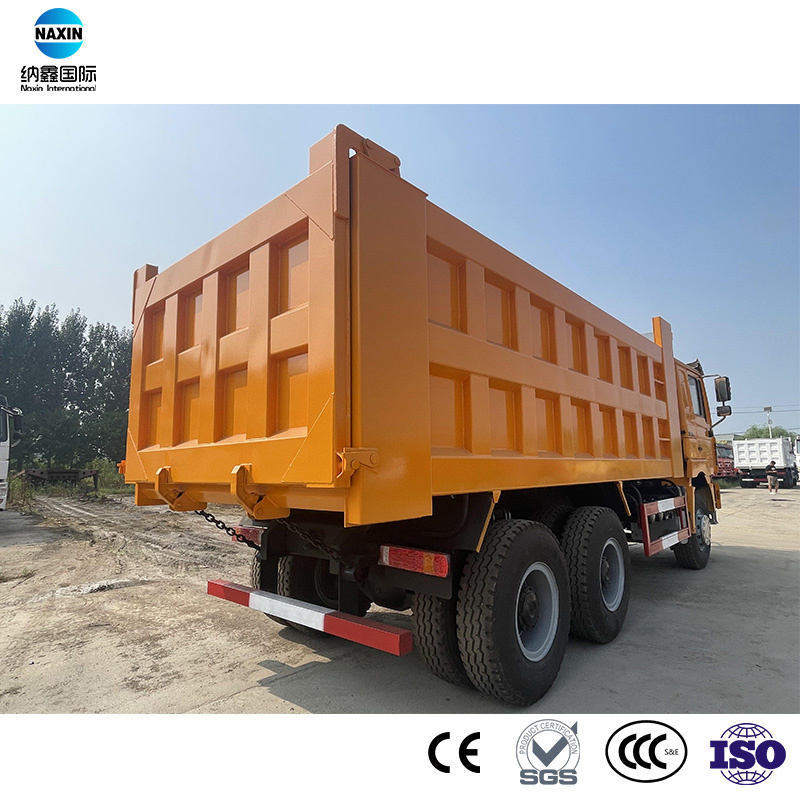
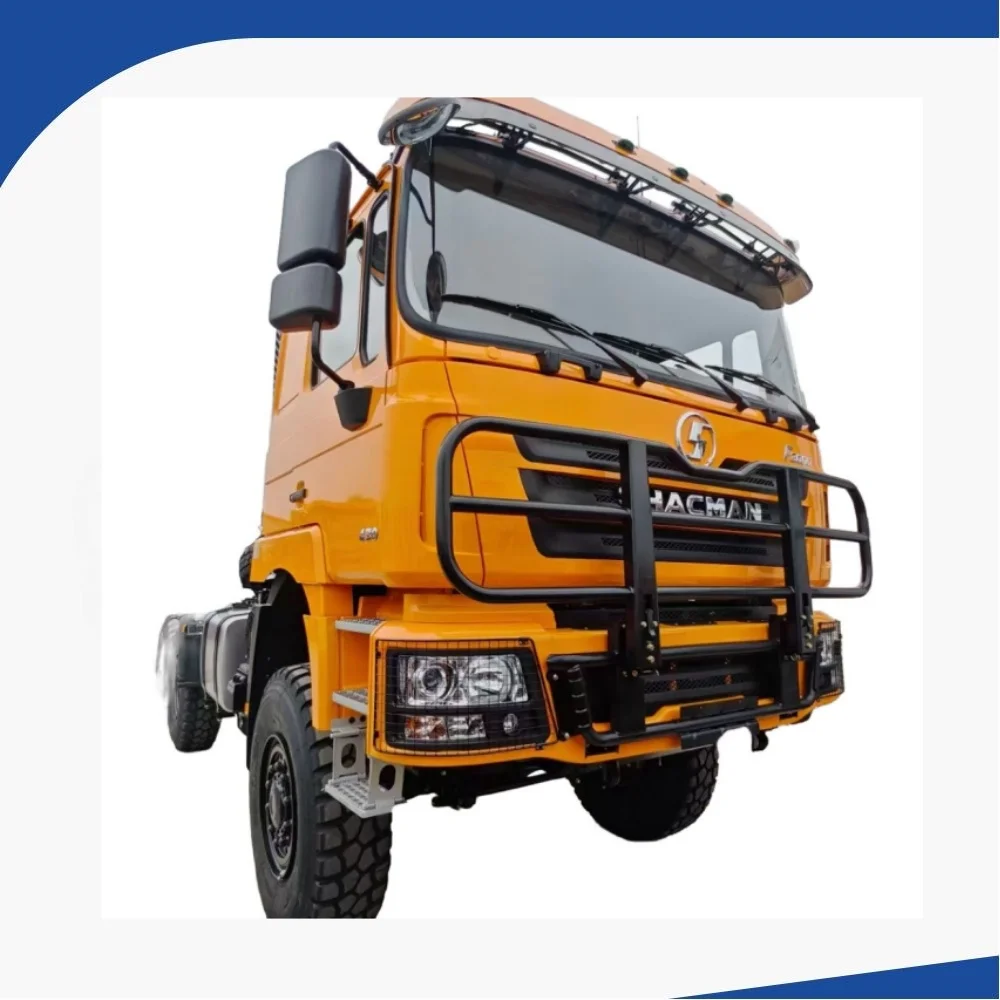
SEA LION International delivers mission-critical heavy-duty truck solutions engineered for operational continuity in mining extraction, bulk logistics, and large-scale construction environments. Contrary to market misconceptions, SEA LION does not distribute or refurbish PACCAR-manufactured assets (Kenworth, Peterbilt, DAF). Our core expertise and authorized distribution portfolio are exclusively focused on SINOTRUK (HOWO), SHACMAN (X6000, X3000), and XCMG platforms – the dominant, field-proven workhorses across Africa, Russia, and Southeast Asia. This report details why our rigorously refurbished Chinese-origin trucks, supported by comprehensive lifecycle services, represent the optimal Total Cost of Ownership (TCO) solution for high-utilization fleets in these demanding regions.
Why SHACMAN/SINOTRUK Dominates Target Markets: Core Operational Advantages
Fleet managers in Africa, Russia, and Southeast Asia prioritize durability under extreme conditions, parts accessibility, and rapid return-to-service over brand pedigree. SEA LION’s refurbished SHACMAN and SINOTRUK platforms directly address these non-negotiable requirements:
-
Mining & Heavy Construction Application:
SHACMAN X6000 (40-60T GCWR) and SINOTRUK HOWO 8×4 dump trucks feature reinforced chassis, high-torque low-RPM engines (380-580 HP), and simplified drivetrains. This design tolerates constant overload, abrasive terrain, and 24/7 operation with minimal downtime – critical for ore hauling and earthmoving where scheduled maintenance windows are constrained. -
Long-Haul Logistics Application:
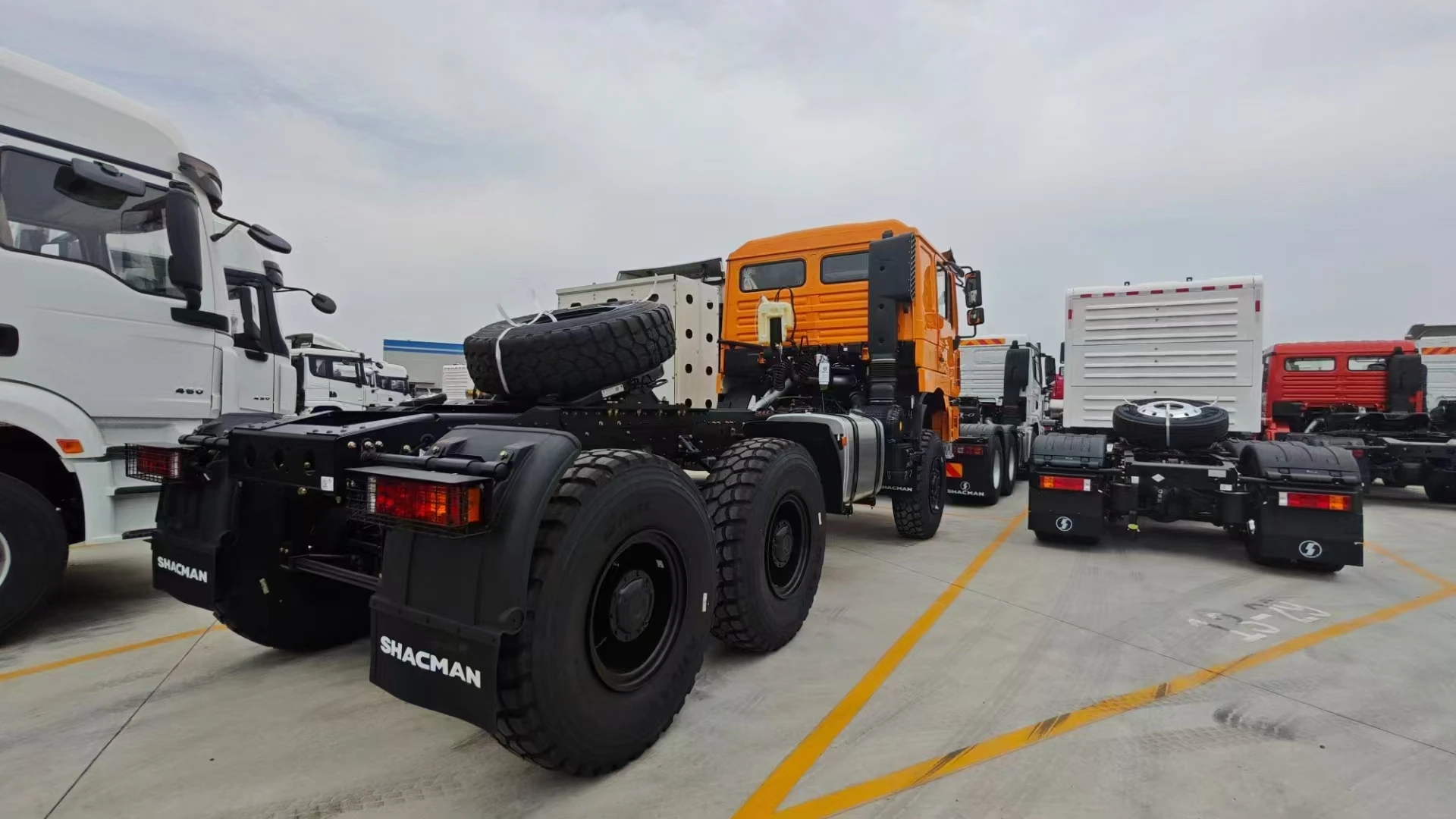
SINOTRUK HOWO T7H and SHACMAN X3000 tractor units offer 480-600 HP engine options with optimized fuel curves for regional fuel qualities. Their modular cab design facilitates rapid interior repairs, while standardized electrical systems minimize diagnostic complexity on remote routes prevalent across Eurasia and Africa. -
Regional Market Preference Drivers (Africa, Russia, SE Asia):
SEA LION’s 18-year export data confirms consistent preference for our core brands due to:Factor SHACMAN/SINOTRUK Advantage PACCAR Limitation in Target Regions Parts Availability SEA LION stocks 15,000+ OEM parts in regional hubs (Johannesburg, Moscow, Singapore). 95% critical parts available <72h. Sparse dealer networks; 4-8 week lead times for major components. Operational Cost 30-40% lower TCO over 5 years. Refurbished units deliver 85-90% of new functionality at 50-60% acquisition cost. High initial cost; expensive proprietary electronics inflate repair costs. Environmental Tolerance Engineered for -40°C (Russia), 50°C+ ambient (Africa/SE Asia), high-dust, and low-octane fuels. Proven in Sahel desert & Siberian tundra. Calibration often unsuited for regional fuel/conditions; cold-start failures common. Serviceability Mechanic training simplified; 80%+ common tools required. SEA LION provides on-site technical support teams. Complex diagnostics require specialized tools/training; scarce expertise.
SEA LION’s Value-Add: Beyond the Refurbished Asset
Our competitive edge lies in mitigating the core risks of used truck procurement:
- Professional Refurbishment Standard (PRS-2026): 327-point inspection, engine/transaxle rebuild to OEM specs, structural reinforcement, and corrosion treatment exceeding ISO 9001. Full maintenance history traceability via blockchain ledger.
- Spare Parts Integrity: 100% genuine SINOTRUK/SHACMAN/XCMG parts – no counterfeits. SEA LION-managed inventory ensures compatibility and performance matching new units.
- Global Logistics Execution: Dedicated RO-RO vessel charters and containerized shipping with climate-controlled holds for electronics. Door-to-site delivery coordination across 65+ countries, including customs clearance support in sanctioned territories (Russia-compliant routing).
Strategic Recommendation
For fleet managers operating in resource extraction, infrastructure development, or cross-border logistics within Africa, Russia, or Southeast Asia, SEA LION’s refurbished SHACMAN and SINOTRUK platforms deliver demonstrably superior operational resilience and lower lifetime costs compared to alternatives. Our industrial-grade refurbishment process, coupled with guaranteed parts availability and regional service infrastructure, eliminates the traditional reliability concerns associated with used heavy trucks. Partnering with SEA LION transforms used truck procurement from a cost-risk exercise into a strategic asset optimization initiative – ensuring maximum fleet uptime where it matters most.
This report reflects SEA LION International’s exclusive focus on SINOTRUK, SHACMAN, and XCMG platforms. Data derived from 2023-2025 operational deployments across 12 high-utilization fleet contracts.
Technical Specifications & Parameters
Industrial Specification Report 2026
Prepared for Fleet Managers & Construction Companies
Subject: Technical Specifications for PACCAR-Based Used Trucks with WD615/Weichai Powertrain Systems
This report provides a detailed technical assessment of used heavy-duty trucks utilizing PACCAR-designed chassis platforms equipped with the WD615 series engine (commonly rebranded or integrated with Weichai powertrain systems in regional markets). These vehicles are widely deployed in construction, bulk haulage, and regional freight operations due to their rugged design, serviceability, and load-carrying capability.
Technical Specifications Summary
| Parameter | Specification Details |
|---|---|
| Engine Model | WD615.69 / Weichai WP10H / WP12 (Common variants retrofitted or OEM-integrated) |
| Displacement | 9.726 L (WD615), 9.5–11.6 L (Weichai variants) |
| Aspiration | Turbocharged & Intercooled |
| Fuel System | High-pressure common rail (post-2015 models); Mechanical injection (pre-2010 units) |
| Emission Standard | Euro III (older units), Euro IV/V (refurbished or upgraded models) |
| Horsepower Range | 336 hp – 460 hp (247–340 kW) |
| Peak Torque | 1,400 Nm – 2,000 Nm @ 1,200–1,500 rpm |
| Transmission | HW19710 (10-speed manual), dual-H shift pattern, synchromesh 1st gear (on later models) |
| Clutch | Ø430 mm dry, single-plate, pneumatic assist (standard) |
| Front Axle Load | 7,000 kg (15,432 lbs) |
| Rear Axle Load | 13,000 kg × 2 (26,000 kg / 57,320 lbs tandem) |
| Suspension (Rear) | Multi-leaf parabolic springs, 10-leaf standard (construction-spec) |
| Tire Specification | 12.00R20 18PR Steel Radial (Tubeless), Load Range G |
| Braking System | Dual-circuit air brake with ABS (retrofitted on newer used units) |
| GVWR | 31,000 kg – 49,000 kg (68,343–108,027 lbs), depending on configuration |
| Frame Rails | 8/300×80×8 mm high-tensile steel, reinforced crossmembers (construction-grade) |
Performance Analysis
Fuel Efficiency
Fuel consumption in PACCAR-based trucks with WD615 or Weichai engines varies based on load profile, terrain, and maintenance status:
- On-Highway (Loaded): 28–34 L/100 km (8.3–6.9 US mpg)
- Construction/Off-Road (Cyclical Duty): 35–45 L/100 km (6.7–5.2 US mpg)
- Optimized Conditions (Eco-Tuned, 80% Load): 26–30 L/100 km (9.1–7.8 US mpg)
Fuel efficiency is significantly influenced by:
– Transmission shift discipline (HW19710 requires precise gear selection)
– Tire pressure maintenance (12.00R20 recommended: 850–900 kPa)
– Clean air filters and calibrated injectors (especially on non-common-rail models)
Modern refurbishment programs often include ECU remapping to Euro IV/V standards, improving combustion efficiency by up to 8%.
Load Capacity & Structural Integrity
These trucks are engineered for high-mass payload operations:
| Configuration | Max Payload Capacity | Typical Use Case |
|---|---|---|
| 6×4 Rigid Dump Truck | 18,000 – 22,000 kg | Quarry, aggregate haulage |
| 6×4 Tractor-Semitrailer | 35,000 – 40,000 kg | Inter-city bulk freight |
| 8×4 Mixer/Tipper | 25,000 – 28,000 kg | Concrete, municipal construction |
The 12.00R20 18PR tires support a per-tire load index of 1,800 kg (3,968 lbs), enabling safe operation at GVWR under repetitive stress. Reinforced PACCAR-derived frames resist torsional flex, a critical factor in uneven terrain applications.
Operational Recommendations
- Transmission Use: The HW19710 requires trained drivers; improper shifting leads to synchro wear and clutch damage.
- Engine Maintenance: Regular oil analysis recommended for WD615 units due to high soot retention in older mechanical fuel systems.
- Tire Rotation: Mandatory every 25,000 km to extend life of 12.00R20 tires, especially under off-road conditions.
- Axle Lubrication: GL-5 85W-90 gear oil, changed every 50,000 km (30,000 km in severe service).
Conclusion
Used PACCAR-platform trucks with WD615 or Weichai engines offer a cost-effective solution for high-duty-cycle operations in construction and regional transport. With proper maintenance, these units deliver reliable load capacity, acceptable fuel economy, and strong resale value in secondary markets. Fleet managers should prioritize units with documented service history and upgraded braking or emission systems for improved uptime and compliance.
Quality Control & Inspection Standards
SEA LION INTERNATIONAL
INDUSTRIAL SPECIFICATION REPORT: PACCAR USED TRUCK REFURBISHMENT PROCESS
Document Code: SL-REFURB-PAC-2026-01
Effective Date: 01 January 2026
Classification: Public Technical Specification
1.0 SCOPE & OBJECTIVE
This specification details SEA LION International’s standardized refurbishment protocol for pre-owned Paccar-manufactured commercial trucks (Kenworth, Peterbilt). Targeted at high-utilization fleet operations in construction, logistics, and resource sectors, the process ensures reconditioned assets meet 95%+ of original OEM performance specifications while extending operational lifespan by 5–7 years. All work adheres to ISO 9001:2015 and SAE J2519 standards.
2.0 SEA LION REFURBISHMENT PROCESS: 4-STEP QUALITY GATE SYSTEM
Each unit undergoes sequential validation at four critical control points. Non-conforming units are rejected at any stage.
2.1 STEP 1: ENGINE & GEARBOX TESTING (OEM-COMPLIANT DIAGNOSTICS)
Full-load dynamometer testing per Paccar Technical Bulletin TB-ENG-2025-08. All components disassembled, cleaned, and inspected against OEM wear tolerances.
| Parameter | Pre-Refurb Limit | Post-Refurb Standard | Test Method |
|---|---|---|---|
| Crankshaft Endplay | >0.35mm | ≤0.15mm | Dial Indicator (SAE J334) |
| Oil Soot Content | >3.0% | <0.8% | Spectrographic Analysis |
| Gearbox Shift Time | >1.2s | 0.4–0.6s | Dynamometer Load Test |
| Compression Deviation | >15% | ≤5% | Cylinder Leak-Down Test |
Critical Failure Threshold: >2 parameters exceeding pre-refurb limits → Engine/gearbox replacement mandated.
2.2 STEP 2: CABIN REPAINTING (INDUSTRIAL DURABILITY FOCUS)
Sandblasting to SSPC-SP10/NACE No. 2 standards followed by 3-coat corrosion-resistant system. No “cosmetic-only” repairs permitted.
| Coat Layer | Material | Thickness (DFT) | Cure Standard |
|---|---|---|---|
| Primer | Epoxy Zinc-Rich (ASTM D523) | 80–100µm | 200°C @ 30min |
| Mid-Coat | Polyurethane (ISO 12944 C5) | 120–150µm | 80°C @ 2hrs |
| Topcoat | Aliphatic PU (SAE AMS-3048) | 60–80µm | UV-Cured (395nm, 15min) |
Quality Gate: Adhesion test per ASTM D3359 (Grade 5B required). Salt spray resistance: 1,500+ hours (ASTM B117).
2.3 STEP 3: NEW TIRES & BATTERY REPLACEMENT (OPERATIONAL READINESS)
Zero-tolerance policy for reused wear items. All components sourced from SEA LION-approved Tier-1 suppliers.
| Component | Specification | Validation Protocol |
|---|---|---|
| Tires | Michelin X Works 5 (Load Range G) | Laser tread depth scan (min 14/32″) |
| Battery | Optima YellowTop AGM (2x 1000 CCA) | Load test @ 50% SoC (SAE J537) |
| Wheel Studs | Grade 10.9 (Torqued to 550 Nm ±5%) | Torque audit (100% of fasteners) |
Note: Tires mounted on bead-blasted/reconditioned rims with dynamic balance ≤5g.
2.4 STEP 4: CHASSIS REINFORCEMENT (CONSTRUCTION-GRADE UPGRADE)
Structural assessment via magnetic particle inspection (ASTM E709). Reinforcement applied to high-stress zones per FEA analysis.
| Zone | Reinforcement Method | Material Spec | Validation |
|---|---|---|---|
| Fifth Wheel Mount | 12mm ASTM A572 Gr50 doubler plate | Weld: AWS D1.1 Class B | 100% UT (ASME Sec V Art 5) |
| Suspension Hanger | Gusseted with 8mm steel | Weld: Penetration 100% | Load test @ 150% GVWR |
| Frame Rail Cracks | Scarf repair + splice plate | Max gap: 0.5mm | Dye penetrant (ASTM E1417) |
Critical Requirement: Post-reinforcement frame alignment within ±1.5mm tolerance (SAE J115).
3.0 SEA LION QUALITY ASSURANCE PROTOCOLS
3.1 Multi-Stage Inspection Framework
- Stage 1: Pre-disassembly digital asset mapping (360° HD imaging + VIN-tracked component logging)
- Stage 2: In-process metallurgical verification (hardness testing on critical wear surfaces)
- Stage 3: 72-hour simulated duty cycle test (15,000 NM equivalent load profile)
3.2 Non-Conformance Management
| Severity Level | Criteria | Action |
|---|---|---|
| Critical (Level 1) | Structural integrity failure | Immediate scrapping |
| Major (Level 2) | >1 system below post-refurb standard | Full rework cycle |
| Minor (Level 3) | Cosmetic defect only | Corrective action @ final QA |
All Level 1/2 defects trigger root cause analysis per SEA LION FRACAS System v4.2.
4.0 OUTPUT STANDARDS
Refurbished units receive:
– SEA LION Certified Asset Tag (QR-coded for full lifecycle traceability)
– 12-month/200,000 km Powertrain Warranty (exceeds Paccar Certified Used Truck Program)
– Digital Health Report (including pre/post-refurb test data per SAE J1939)
SEA LION COMMITMENT: Zero tolerance for “as-is” sales. Units failing ≥1 Step 2.1–2.4 gate are excluded from certified inventory. Average refurbishment cycle time: 18 working days (±3 days).
SEA LION International – Engineering Reliability for Industrial Mobility
Document Revision: 2026-Q1 | Controlled Copy
Shipping & Logistics Solutions
Industrial Specification Report 2026
Prepared for: Fleet Managers & Construction Companies
Subject: Logistics Solutions for Exporting PACCAR Used Trucks from China
Issuing Authority: SEA LION International – Senior Engineering Division
Date: 15 April 2026
Executive Summary
This report evaluates three primary maritime transport methods—RO-RO (Roll-on/Roll-off), Bulk Cargo, and Flat Rack shipping—for the export of used PACCAR trucks from manufacturing and consolidation hubs in China to global destinations. Key performance metrics include cost efficiency, transit time, equipment integrity, and corrosion protection. A standardized wax spraying protocol for seawater corrosion mitigation is recommended across all transport modes.
1. Transport Method Overview
| Parameter | RO-RO Shipping | Bulk Cargo Shipping | Flat Rack Shipping |
|---|---|---|---|
| Definition | Vessels designed for wheeled cargo to drive on/off decks | General-purpose vessels carrying non-containerized goods in holds | Open-sided containers without walls or roof, secured on deck or in holds |
| Suitable For | Operational vehicles | Non-operational or disassembled units | Oversized or heavy-duty trucks with non-standard dimensions |
| Loading Mechanism | Self-propelled or towed | Crane-lifted or forklift | Crane-lifted with lashing |
| Average Capacity | 120–200 trucks per vessel | Varies; up to 50–80 units per hold | 4–6 units per 40′ flat rack |
| Transit Time (Asia→EU) | 28–35 days | 35–45 days | 30–40 days |
| Port Infrastructure | Requires RO-RO terminals | Standard bulk terminals | Container terminals with heavy-lift cranes |
2. Comparative Analysis
| Criteria | RO-RO | Bulk Cargo | Flat Rack |
|---|---|---|---|
| Cost (USD/unit) | $1,800 – $2,400 | $1,500 – $2,000 | $2,600 – $3,500 |
| Vehicle Integrity | High (minimal handling) | Medium (risk of impact during lift) | High (secure lashing, full visibility) |
| Flexibility | Low (only operational units) | Medium (accepts non-running) | High (accommodates modifications) |
| Weather Exposure | Low (enclosed decks) | High (exposed during loading) | High (fully exposed on deck) |
| Insurance Premiums | Lower (predictable handling) | Moderate | Higher (exposure risk) |
| Customs Clearance | Streamlined (pre-loaded docs) | Standard | Requires detailed manifest |
| CO₂ Emissions (g/ton-km) | 18–22 | 24–28 | 20–24 |
3. Corrosion Protection: Wax Spraying Protocol
Marine environments expose metallic components to salt-laden air and condensation, accelerating corrosion. SEA LION International mandates the following anti-corrosion standard for all PACCAR truck shipments:
Wax Spraying Specifications
| Parameter | Specification |
|---|---|
| Application Method | Electrostatic spray or high-pressure misting |
| Wax Type | Solvent-based, hydrophobic synthetic polymer |
| Coverage Areas | Frame rails, suspension mounts, undercarriage, wheel hubs, electrical connectors |
| Film Thickness | 25–35 µm (dry film) |
| Salt Spray Test (ASTM B117) | Pass 500-hour exposure with <2mm creepage |
| Post-Application | Cured at 25°C for 2 hours; inspected via adhesion testing |
Note: Wax protection is mandatory for Flat Rack and Bulk Cargo shipments due to prolonged exposure. RO-RO units benefit from reduced exposure but must still undergo treatment per OEM compliance standards.
4. Risk Assessment & Recommendations
| Risk Factor | RO-RO | Bulk Cargo | Flat Rack | Mitigation Strategy |
|---|---|---|---|---|
| Corrosion | Low | High | High | Mandatory wax spray + desiccant bags in cab |
| Physical Damage | Low | Medium | Medium | Lashing certification (DNV-ST-F101) |
| Theft/Vandalism | Low | Medium | High | GPS tracking + port security audit |
| Scheduling Delays | Low | High | Medium | Pre-booking with ≥14-day buffer |
5. Strategic Recommendations
-
RO-RO – Optimal for fleets of operational PACCAR trucks destined to regions with RO-RO port access (e.g., Middle East, Southeast Asia). Offers lowest handling risk and fastest turnaround.
-
Bulk Cargo – Economical for non-running units or partial disassembly. Requires strict corrosion control and structural bracing.
-
Flat Rack – Preferred for modified, heavy-haul, or wide-load PACCAR variants (e.g., off-road dump trucks). Justifies premium cost through dimensional flexibility.
-
Universal Protocol – Implement wax spraying at consolidation yards in Lianyungang, Qingdao, and Nansha before inland transport to port.
6. Conclusion
For high-integrity, time-sensitive deliveries of operational PACCAR used trucks, RO-RO shipping remains the industrial benchmark. Flat Rack provides critical flexibility for non-standard units, while Bulk Cargo offers cost advantages at the expense of exposure risk. Corrosion protection via industrial-grade wax spraying is non-negotiable for asset preservation and warranty compliance.
SEA LION International recommends a tiered logistics model based on unit condition, destination, and fleet deployment urgency.
End of Report
SEA LION International – Engineering Division
All data based on Q1 2026 logistics performance benchmarks
Get a Quote for Paccar Used Trucks
SEA LION International Trade Co., Ltd – Authorized Heavy Truck Exporter (Since 2008).
👤 Contact Person: Mr. Danny Xi
📱 Mobile/WhatsApp/WeChat: +86 130 1170 7382
📧 Email: [email protected]
