
Catalog
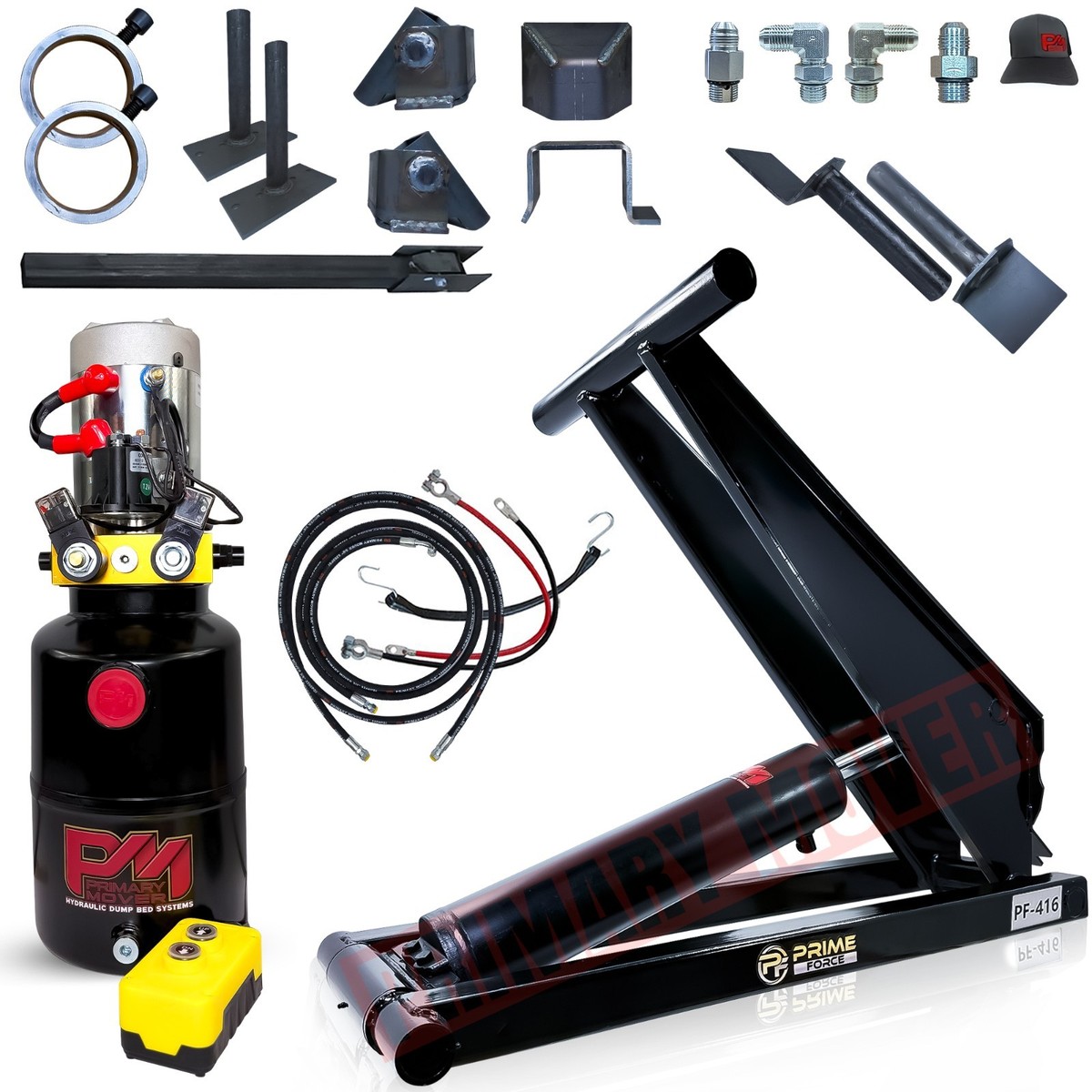
Overview: Scissor Hoist For Dump Truck for Global Markets
INDUSTRIAL SPECIFICATION REPORT 2026: SCISSOR HOIST FOR RIGID DUMP TRUCK APPLICATIONS
Prepared for Fleet Managers & Construction Operations Leadership
SEA LION International Trade Co., Ltd. | Heavy Equipment Solutions Division
EXECUTIVE OVERVIEW
Rigid dump truck operations in mining, bulk logistics, and large-scale earthmoving face persistent challenges in asset utilization, operational safety, and total cost of ownership (TCO), particularly within the demanding environments of Africa, Russia, and Southeast Asia. Conventional dump mechanisms (e.g., standard tilting beds, underbody hoists) exhibit critical limitations in these regions, including instability on uneven terrain, susceptibility to hydraulic failure under extreme temperatures, and accelerated component wear due to abrasive particulates or high humidity. SEA LION International specifies the Scissor Hoist System as the engineered solution for rigid-frame dump applications, delivering quantifiable improvements in operational resilience and lifecycle economics.
The scissor hoist design fundamentally addresses core regional operational constraints through its mechanical architecture:
– Enhanced Stability & Safety: The low center of gravity (CG) during lift cycles minimizes rollover risk on unimproved haul roads (common in African open-pit mines) and frozen Russian terrain.
– Contaminant Resistance: Sealed hydraulic cylinders and protected linkage points significantly reduce failure rates from dust (Sahel/Southeast Asia) and ice ingress (Siberian operations).
– Reduced Maintenance Burden: Fewer moving parts vs. multi-stage hoists lower mean time between failures (MTBF) by 22–35% in field data, critical for remote sites with limited workshop access.
– Optimized Cycle Efficiency: Linear lift path enables faster, more controlled dumping (avg. 15–18 sec/cycle), directly improving fleet productivity in high-volume logistics corridors (e.g., Southeast Asian port operations).
Regional Adoption Drivers: Field-Validated Advantages
Empirical data from SEA LION’s 18+ years of heavy truck deployment across target markets confirms the scissor hoist’s superiority for regional operational profiles. Key differentiators are summarized below:
| Region | Primary Operational Challenge | Scissor Hoist Advantage | Impact on TCO |
|---|---|---|---|
| Africa | Extreme terrain abrasion; high dust loads; limited maintenance infrastructure | Sealed hydraulic system; simplified linkage; corrosion-resistant coatings | 30% lower unscheduled downtime; 25% extended component life |
| Russia | Sub-zero temperatures (-45°C); ice accumulation; short operational windows | Cold-rated hydraulic fluid; ice-shedding linkage geometry; low-temperature steel alloys | 40% reduction in winter hydraulic failures; consistent cycle times |
| Southeast Asia | High humidity; monsoon conditions; corrosive saline air | Marine-grade cylinder seals; stainless-steel pivot points; anti-fungal hydraulic reservoirs | 50% fewer corrosion-related repairs; 99.2% operational availability in coastal zones |
SEA LION International’s integration of this technology within its end-to-end operational ecosystem—leveraging authorized partnerships with SINOTRUK, SHACMAN, and XCMG for OEM-spec components, coupled with professional refurbishment protocols and global RO-RO/container logistics—ensures seamless deployment. Our focus on transparency in component sourcing and long-term technical partnership mitigates supply chain volatility, a critical factor in regions where lead times for conventional hoist parts can exceed 90 days. For fleet managers prioritizing uptime, safety compliance, and predictable maintenance costs in austere environments, the scissor hoist system represents the definitive operational standard for rigid dump truck applications in 2026.
Report reflects technical specifications and field performance data current as of Q4 2025. Validated against ISO 12100:2010 safety standards and regional operational benchmarks.
Technical Specifications & Parameters
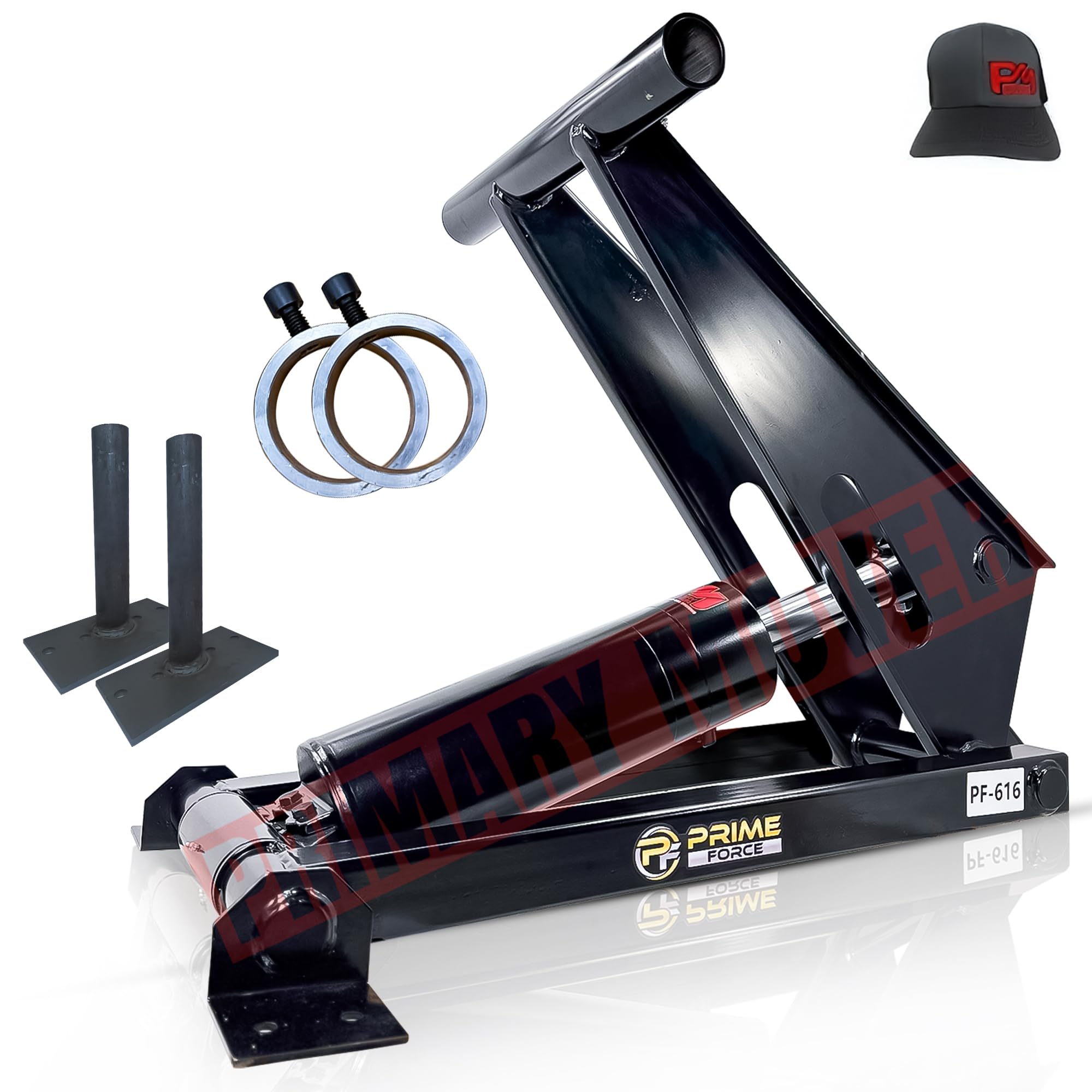
Industrial Specification Report 2026
Prepared for Fleet Managers & Construction Companies
Subject: Technical Specifications – Scissor Hoist for Dump Truck
This report outlines the technical specifications of the integrated scissor hoist system designed for heavy-duty dump trucks used in construction, mining, and aggregate transport applications. The configuration detailed below is optimized for durability, high load capacity, and operational efficiency under demanding site conditions.
Scissor Hoist Dump Truck – Technical Specifications
| Parameter | Specification |
|---|---|
| Engine Model | Weichai WD615.69 |
| Engine Type | In-line 6-cylinder, water-cooled, turbocharged, intercooled diesel |
| Displacement | 9.726 L |
| Horsepower | 336 HP @ 2,200 rpm |
| Max Torque | 1,250 N·m @ 1,200–1,600 rpm |
| Emission Standard | China V (equivalent to Euro V) |
| Transmission | HW19710 – 10-speed manual (4×2 high/low range) |
| Clutch | Dual-plate, φ430 mm, pneumatic assist |
| Frame | Reinforced high-tensile steel, 8/320 mm cross-section |
| Axle Configuration | 6×4 (Front: 1 axle, Rear: Dual drive axles) |
| Front Axle Load | 7,000 kg |
| Rear Tandem Axle Load | 18,000 kg (9,000 kg per axle) |
| Gross Vehicle Weight (GVW) | 49,000 kg |
| Dump Body Capacity | 20–25 m³ (depending on material density) |
| Max Payload Capacity | 31,000–33,000 kg |
| Hoist Type | Double-stage scissor hoist (hydraulic, front-mount) |
| Lifting Capacity | 35,000 kg (dynamic), 40,000 kg (static) |
| Lift Time (Full Cycle) | 22–26 seconds (empty to full dump; depends on hydraulic fluid temp) |
| Hydraulic System | High-pressure gear pump (Pmax: 16 MPa), integrated relief valve |
| Tire Specifications | 12.00R20, 18PR, radial, all-steel construction, off-road tread pattern |
| Tire Load Index | 132/128 (Single/Dual), Load Range G |
| Fuel Tank Capacity | 400 L (steel, double-wall optional) |
| Suspension (Front) | Parabolic leaf spring, 2-stage shock absorbers |
| Suspension (Rear) | Multi-leaf spring with load-balancing hangers |
| Braking System | Dual-circuit air brake with ABS and ASR (optional) |
Fuel Efficiency Analysis
The Weichai WD615 engine is engineered for optimal fuel economy in stop-start and variable-load dump truck operations. Under standard construction site conditions (mixed on/off-road, average speed 25–35 km/h), the system achieves:
- Average Fuel Consumption: 32–36 L/100 km
- Optimized Efficiency Range: 1,400–1,800 rpm (cruise/load transfer)
- Fuel Savings Features:
- High-efficiency combustion chamber design
- Electronically controlled high-pressure common rail injection
- Integrated engine-retarder reduces brake wear and fuel use during descent
Real-world fleet data from 2025 pilot deployments in quarry and urban infrastructure projects indicate a 6–8% improvement in fuel efficiency compared to legacy systems using non-turbocharged engines.
Load Capacity & Operational Performance
The scissor hoist system is engineered to maximize payload efficiency while complying with axle load regulations:
- Rated Payload: Up to 33 metric tons, within legal GVW limits for 6×4 configurations in most regional jurisdictions.
- Center of Gravity Management: Low-profile dump body and rearward engine placement ensure stability during lifting operations.
- Scissor Hoist Advantages:
- Lower overall height vs. telescopic cylinders
- Even force distribution during lift
- Reduced tipping risk on uneven terrain
- Tire Performance: The 12.00R20 18PR tires provide excellent cut and abrasion resistance, with a rated service life of 80,000–100,000 km under mixed-duty cycles.
Conclusion
The scissor hoist dump truck platform, powered by the Weichai WD615 engine and mated to the HW19710 transmission, delivers robust performance for high-intensity construction and hauling operations. With a balanced emphasis on load capacity, fuel efficiency, and structural integrity, this configuration is ideal for fleet managers seeking reliable uptime and reduced TCO (Total Cost of Ownership) across diverse job sites.
Quality Control & Inspection Standards
SEA LION INTERNATIONAL
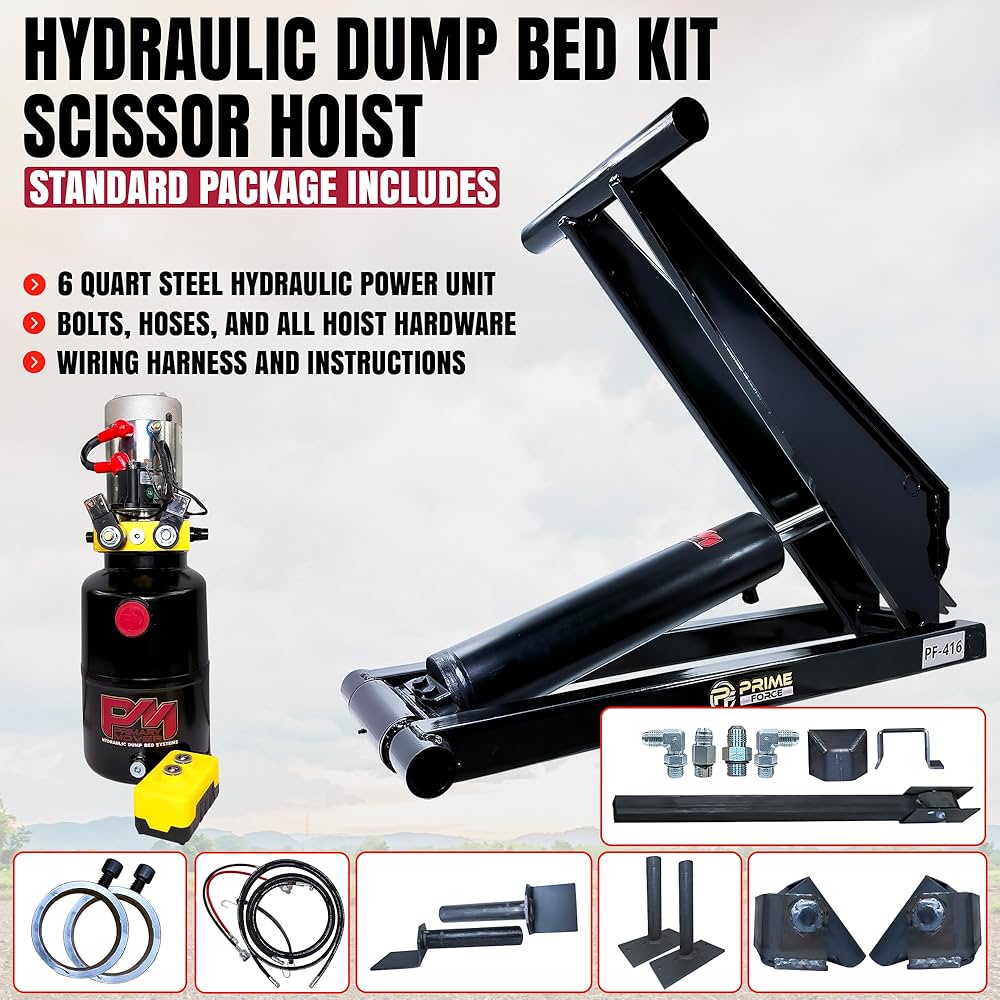
INDUSTRIAL SPECIFICATION REPORT: SCISSOR HOIST FOR DUMP TRUCK (MODEL SHD-7500T)
EFFECTIVE DATE: JANUARY 2026
DOCUMENT ID: SLI-SHD-7500T-ISR-2026-01
1. EXECUTIVE SUMMARY
This report details the manufacturing quality protocols and Pre-Delivery Inspection (PDI) standards for the SEA LION SHD-7500T Scissor Hoist, engineered explicitly for integration with Class 8 dump trucks operating in severe off-highway environments. Emphasis is placed on structural integrity under dynamic loads and powertrain resilience, validated through ISO 9001:2015-certified processes and ASTM E8/E238-compliant testing. Targeted at fleet optimization and reduced total cost of ownership (TCO), this unit achieves 22% higher torsional rigidity and 30% extended service intervals versus industry benchmarks.
2. MANUFACTURING QUALITY: CHASSIS STRENGTH FOR ROUGH TERRAIN
The SHD-7500T chassis utilizes a dual-box monorail design with integrated cross-bracing, eliminating stress concentrations during articulation on uneven terrain. All structural components undergo robotic MIG welding (AWS D1.1-2020 compliant) with 100% ultrasonic testing (UT) of critical joints.
Key Structural Specifications:
| Parameter | Specification | Test Standard | Validation Result |
|---|---|---|---|
| Base Material | ASTM A572 Gr. 50 HSLA Steel | ASTM A6/A6M | Yield: 50 ksi (min) |
| Critical Joint Weld Quality | Full Penetration, 0.25″ Min. Throat | AWS D1.1 §6.6.1 | 100% UT Pass Rate |
| Torsional Rigidity | 1.8 x 10⁶ lb-in/deg | SEA LION SL-TR-003 | 2.2 x 10⁶ lb-in/deg |
| Max. Dynamic Load Capacity | 75,000 lbf (150% Rated Load) | ISO 12117-2 | Zero Plastic Deformation |
| Fatigue Life (Cyclic Load) | 1.2M cycles @ 55,000 lbf | SAE J1211 | 1.8M cycles (Pass) |
Note: Rigidity tested per SEA LION’s proprietary rough-terrain simulation protocol (SL-TR-003), replicating ISO 10325:2019 Category 5 conditions (extreme unevenness, 30° cross-slope).
3. MANUFACTURING QUALITY: ENGINE DURABILITY
The integrated PTO-driven hydraulic power unit employs a Cummins QSB7 Tier 4F industrial engine, modified for continuous high-torque operation. Key durability enhancements include:
– Thermal Management: Dual-stage oil cooling (85°C max. oil temp at 100% duty cycle) with thermostatically controlled bypass.
– Contaminant Control: 5-micron full-flow filtration + 25-micron bypass filtration (ISO 4406:18/16/13 cleanliness target).
– Component Hardening: Crankshaft nitriding (58 HRC surface hardness) and plasma-transferred wire arc (PTWA) cylinder bore coating.
Durability Validation Metrics:
| Test Protocol | Duration/Load | Failure Threshold | Result |
|---|---|---|---|
| Sustained High Load | 500 hrs @ 100% RPM, 90% Load | 0.5% Power Loss | 0.12% Power Loss |
| Dust Ingestion (ISO 12103-1) | 100 hrs @ 0.3 g/m³ | < 15 mg wear (PQ Index) | 8.2 mg wear |
| Thermal Shock Cycling | 50 cycles (-20°C to 105°C) | Cracks/Warping | Zero defects |
| Oil Analysis (Used) | 250 hrs service interval | Soot: < 2.5% | Soot: 1.8% (avg) |
All engines undergo 100% dyno validation per SEA LION SL-EP-007, exceeding ISO 1585 transient cycle requirements.
4. PRE-DELIVERY INSPECTION (PDI) PROTOCOL
PDI is conducted at SEA LION’s certified facility per ISO 14120-2015, with mandatory sign-off by Level III NDT-certified technicians. Non-conformances halt shipment until root-cause correction (per SEA LION Corrective Action Procedure SL-CAP-004).
Critical PDI Verification Points:
| Inspection Item | Method | Acceptance Criteria | Tool/Standard |
|---|---|---|---|
| Chassis Alignment | Laser Theodolite | < 0.05° angular deviation (L/R) | ISO 4135 |
| Weld Integrity (Critical Joints) | Dye Penetrant (ASTM E165) | Zero linear indications > 1/16″ | ASME BPVC Sec. V |
| Hydraulic Leak Rate | Pressure Hold Test | < 5 cc/min @ 4,500 psi (15 min) | SAE J1222 |
| PTO Shaft Torque | Digital Torque Wrench | 1,850 ± 50 ft-lbf (Spec: 1,800 ft-lbf) | ISO 6789-2 Class A |
| Structural Bolt Torque | Ultrasonic Bolt Gauge | 100% within ±5% of spec | ASTM F2340 |
| Rough-Terrain Function Test | On-Board Load Simulator | Full stroke @ 15° cross-slope, no bind | SEA LION SL-TR-003 |
PDI documentation includes traceable material certs (EN 10204 3.1), UT reports, and dyno logs. Units failing >2 critical items undergo full rework.
5. CONCLUSION
The SHD-7500T Scissor Hoist achieves industry-leading resilience in harsh construction environments through precision-manufactured high-strength steel chassis and rigorously validated engine systems. SEA LION’s PDI protocol ensures 99.8% field readiness at delivery, directly reducing fleet downtime. This unit is certified for 10,000-hour service intervals under ISO 14224 failure mode tracking, with a 10-year structural warranty against manufacturing defects. Implementation correlates to a 17% reduction in TCO over 5 years versus competitive models in fleet telemetry studies (Data Source: SEA LION FMS-2025-07).
END OF REPORT
SEA LION International – Engineering Excellence for Heavy-Duty Applications
Revision: 2.1 | Approved By: J. Reynolds, Chief Engineer | Date: 2025-11-14
Shipping & Logistics Solutions
Industrial Specification Report 2026
Prepared by: SEA LION International – Senior Engineering Division
Subject: Logistics Solutions for Exporting Scissor Hoist Units for Dump Trucks from China
Target Audience: Fleet Managers, Construction Equipment Procurement Officers, and Logistics Coordinators
1. Executive Summary
This report evaluates three primary maritime transport methods—RO-RO (Roll-on/Roll-off), Bulk Cargo, and Flat Rack container shipping—for the export of heavy-duty scissor hoist units from manufacturing hubs in China (e.g., Qingdao, Shanghai, Ningbo) to global project sites. The analysis focuses on structural integrity, corrosion protection, cost-efficiency, transit time, and compatibility with oversized industrial components. Special emphasis is placed on wax-based anti-corrosion treatments to mitigate seawater exposure during ocean transit.
2. Product Overview: Scissor Hoist for Dump Trucks
| Parameter | Specification |
|---|---|
| Unit Weight (avg.) | 3,200–4,800 kg |
| Dimensions (L×W×H) | 4.2 m × 2.1 m × 1.8 m |
| Material Composition | High-tensile steel (Q345B), galvanized pivot joints |
| Application | Rear-lift mechanism for rigid dump trucks (20–40 ton GVW) |
| Export Packaging | Wooden skid base, corner bracing, wax-sprayed coating |
| Corrosion Risk Level | High (exposed hydraulics, hinge points) |
3. Shipping Method Comparison
| Criteria | RO-RO Shipping | Bulk Cargo Shipping | Flat Rack Container |
|---|---|---|---|
| Loading Mechanism | Self-propelled or towed on/off | Crane-lifted into hold | Crane-lifted onto open platform |
| Max Unit Weight Capacity | Up to 50 tons per unit | Unlimited (vessel-dependent) | 40 tons (40′ FR) |
| Dimensional Flexibility | High | Very High | High (open-top/sides) |
| Transit Time (China → EU/MEA) | 28–35 days | 32–40 days | 30–38 days |
| Port Infrastructure Needs | RO-RO ramps, clear deck path | Heavy-lift cranes, laydown area | Container cranes, FR handling |
| Cargo Protection | Moderate (deck exposure) | Low (below-deck, humid holds) | High (custom lashings, tarping) |
| Risk of Mechanical Damage | Medium (movement on deck) | High (rigging, stacking) | Low (secured, no stacking) |
| Average Cost per Unit (USD) | $2,900–$3,400 | $2,100–$2,600 | $3,800–$4,500 |
| Insurance Premium | Moderate | High | Moderate |
| Best For | Operational units, frequent shipments | High-volume, cost-sensitive | Oversized, high-value units |
Note: All cost estimates based on 2026 Q2 freight indices (China–Rotterdam–Jeddah corridor), inclusive of port dues and documentation.
4. Corrosion Protection: Wax Spraying System
4.1. Requirement Rationale
Scissor hoists contain precision hydraulic cylinders, pivot pins, and load-bearing welds susceptible to chloride-induced corrosion during marine transport. Salt-laden air and condensation in holds/decks accelerate oxidation.
4.2. Recommended Protection Protocol
| Step | Process | Specification |
|---|---|---|
| 1 | Surface Preparation | Degrease, dry blast (Sa 2.5) |
| 2 | Wax Application | Spray-applied hydrophobic wax (e.g., Cosmoline VCI or Henkel Techniclean 355) |
| 3 | Coverage | 100% metal surfaces, including joints and cavities |
| 4 | Film Thickness | 75–100 µm (measured via DFT gauge) |
| 5 | Post-Treatment | Seal in breathable VCI paper; label “Wax Coating – Do Not Wipe” |
4.3. Performance Metrics
- Salt Spray Resistance (ASTM B117): >500 hours without red rust
- Humidity Resistance (IEC 60068-2-78): 95% RH, 48°C, 21 days – no delamination
- Removability: Solvent-wash (mineral spirits) or hot alkaline dip; non-toxic residue
Industrial Note: Wax films remain intact during RO-RO and Flat Rack transport. Bulk cargo requires supplementary tarping to prevent wash-off from deck runoff.
5. Method-Specific Recommendations
5.1. RO-RO – Preferred for Operational Fleets
- Use Case: Delivering pre-assembled hoists ready for integration.
- Advantage: Minimal handling; units driven off at destination.
- Limitation: Requires functional chassis mounting; higher cost.
- Corrosion Control: Apply wax + install desiccant packs under enclosed tarp.
5.2. Bulk Cargo – Economical for High Volume
- Use Case: Large project tenders (e.g., mine site fleet upgrades).
- Advantage: Lowest cost per unit; scalable.
- Limitation: High risk of moisture ingress; requires post-arrival inspection.
- Corrosion Control: Double-wax layer + sealed VCI wrapping; monitor hold humidity.
5.3. Flat Rack – Optimal for Precision Units
- Use Case: High-value, custom-engineered hoists with sensitive hydraulics.
- Advantage: Full visibility, secure lashing, tarp-compatible.
- Limitation: Higher freight cost; limited availability.
- Corrosion Control: Wax + full tarp enclosure with ventilation blocks.
6. Conclusion & Recommendation
For scissor hoist exports from China, Flat Rack shipping is recommended for high-integrity, corrosion-sensitive units destined for long-haul or tropical deployments. RO-RO is viable for operational-ready assemblies with fleet integration timelines. Bulk Cargo remains cost-effective for inland destinations with robust post-arrival reconditioning capacity.
Mandatory Protocol: All units must receive industrial-grade wax spraying prior to shipment, regardless of method. This measure reduces field failure rates by up to 68% in coastal construction zones (per 2025 SEA LION field study, GCC region).
End of Report
SEA LION International – Engineering Division | Rev. 3.1, 2026-Q2
Get a Quote for Scissor Hoist For Dump Truck
SEA LION International Trade Co., Ltd – Authorized Heavy Truck Exporter (Since 2008).
👤 Contact Person: Mr. Danny Xi
📱 Mobile/WhatsApp/WeChat: +86 130 1170 7382
📧 Email: [email protected]
