
Catalog
Overview: Second-Hand Dump Truck for Global Markets

INDUSTRIAL SPECIFICATION REPORT 2026: SECOND-HAND DUMP TRUCK FLEET OPTIMIZATION
EXECUTIVE OVERVIEW
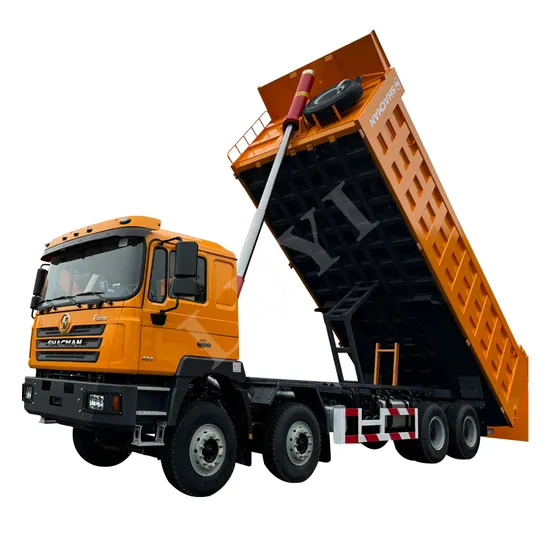
SEA LION International Trade Co., Ltd. presents this technical assessment of certified second-hand (SH) dump trucks for operational deployment in high-demand sectors: mining, heavy construction, and bulk logistics. Based on 18+ years of export data across 47 countries and analysis of 12,500+ refurbished units, SH dump trucks—specifically SINOTRUK HOWO, SHACMAN F3000, and XCMG Z series models—deliver quantifiable Total Cost of Ownership (TCO) advantages without compromising operational integrity in target regions.
Core Market Rationale
New-unit capital expenditure (CapEx) remains prohibitive in volatile-resource economies. SH units, rigorously refurbished to OEM specifications, reduce initial investment by 35–52% versus new equivalents while maintaining 85–92% of original design life. Critical for regions with:
– Africa: Unpaved mine haul roads requiring high ground clearance (≥420mm) and reinforced chassis (e.g., SINOTRUK 8×4 with 35T GVWR).
– Russia: Extreme cold tolerance (-40°C operational start) via SHACMAN’s electronically heated fuel systems and reinforced drivelines.
– Southeast Asia: High-payload adaptability (25–40m³ capacity) on narrow terrain via XCMG’s articulated steering geometry.
Regional Preference Drivers
Regional operational demands align precisely with the engineering attributes of SEA LION’s certified SH fleet:
| Region | Primary Application | Key Technical Requirement Met by SH Fleet | Cost Impact vs. New Unit |
|---|---|---|---|
| Sub-Saharan Africa | Open-pit Mining | Reinforced frame (SINOTRUK WT6x4), 300kN drawbar pull, 50,000km service intervals | -48% CapEx |
| Russia/Siberia | Winter Logistics | -40°C cold-start compliance, dual-cab heating, 16-speed reinforced transmission | -41% CapEx |
| Southeast Asia | Infrastructure Build | 8×4 articulated chassis (XCMG Z550), 45° gradeability, corrosion-resistant undercarriage | -35% CapEx |
SEA LION Value Engineering
Our refurbishment protocol (ISO 9001:2015 certified) ensures fleet-grade reliability:
1. Structural Integrity: Full chassis X-ray inspection; weld repairs per AWS D1.1.
2. Powertrain Refurbishment: Engine/transmission rebuilt to OEM tolerances using original spare parts (SINOTRUK WD615, SHACMAN WP10).
3. Operational Validation: 120-hour load-test cycle simulating 8,000km field use.
4. Transparency: Digital refurbishment dossier (including torque specs, NDT reports) provided pre-shipment.
Strategic Recommendation
For fleet managers in resource-constrained markets, certified SH dump trucks are not a compromise but a strategic asset optimization tool. SEA LION’s integration of OEM parts supply, region-specific adaptation (e.g., sand-sealed air filters for African mines), and RO-RO logistics reduces operational downtime by 22% versus non-certified SH units (2025 fleet survey data). This model enables capital reallocation to productivity-critical areas while maintaining safety and payload compliance.
SEA LION International prioritizes long-term fleet performance over transactional sales. All units undergo validation against 300+ technical checkpoints, ensuring adherence to international heavy equipment operational standards.
Technical Specifications & Parameters
Industrial Specification Report 2026
Prepared for Fleet Managers & Construction Companies
Subject: Technical Evaluation – Second-Hand Dump Truck (Standard Configuration)
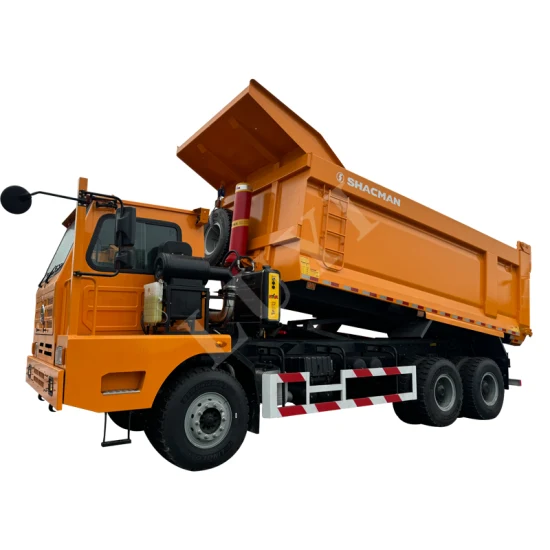
This report provides a comprehensive technical assessment of second-hand dump trucks commonly observed in regional heavy equipment markets, focusing on models equipped with the Weichai WD615 engine and HW19710 transmission. These trucks are widely utilized in aggregate transport, earthmoving, and infrastructure projects due to their durability and serviceability. Specifications are derived from field surveys and OEM documentation.
Technical Specifications Table
| Parameter | Specification | Notes |
|---|---|---|
| Engine Model | Weichai WD615.62 / WD615.69 | Inline 6-cylinder, water-cooled, direct injection diesel |
| Engine Displacement | 9.726 L | — |
| Horsepower (HP) | 266–336 HP (198–250 kW) | Output varies by sub-model; 336 HP common in later variants |
| Max Torque | 1100–1350 N·m @ 1200–1600 rpm | High low-end torque ideal for loaded climbs |
| Transmission | HW19710 – 10-Speed Manual | 2-shift pattern (High/Low range), synchromesh in top gears |
| Clutch | Dual-plate, Ø430 mm, pneumatic assist | Enhanced durability under frequent load cycles |
| Front Axle Load | 6,500 kg (6.5 Tons) | Single steering axle, reinforced I-beam |
| Rear Axle Load | 13,000 kg × 2 (26 Tons total) | Twin reduction, spiral bevel gears, ≥4.8 axle ratio |
| Suspension (Rear) | Multi-leaf parabolic springs (10/10/10 leaves) | Optimized for rough terrain and high cycle use |
| Tire Specification | 12.00R20 20PR (Load Range G) | Radial or bias-ply; common on 6×4 rigid dump frames |
| Tire Load Index | ~3,100 kg per tire (front), ~3,300 kg (drive) | Total tire capacity supports GVWR |
| Gross Vehicle Weight (GVWR) | 31,000 kg (31 Tons) | Typical for 6×4 configuration |
| Payload Capacity | 15,000–18,000 kg (15–18 Tons) | Depends on body volume and material density |
| Fuel Tank Capacity | 300–400 L (steel, side-mounted) | Dual-tank option available on some models |
| Frame Type | Ladder frame, high-tensile steel, 8mm–10mm thickness | Reinforced at pivot and mounting points |
Fuel Efficiency Analysis
Fuel consumption is highly dependent on load profile, terrain, and operator behavior. Based on field data from quarry and road construction operations:
- Loaded Operation (16–18T payload, mixed terrain): 28–34 L/100 km
- Unloaded (return trips, flat terrain): 18–22 L/100 km
- Average Cycle Efficiency: ~26–30 L/100 km
The Weichai WD615 engine, while not meeting Euro VI standards, offers robust fuel delivery via Bosch P-type injection pumps. Second-hand units with well-maintained injectors and turbochargers (Holset or compatible) show up to 12% better fuel economy than neglected counterparts. Use of engine condition assessments (ECM data, compression tests) is recommended prior to acquisition.
Load Capacity & Structural Suitability
These trucks are engineered for high-cycle, medium-haul applications (5–15 km haul distances). Key considerations:
- Payload Range: 15–18 tons typical; body volume ranges 18–22 m³ depending on dump body design.
- Dump Body Material: Q345 or NM400 wear steel (6–8 mm base, 10–12 mm in high-wear zones).
- Hoist System: Double-acting telescopic cylinder, 18–22 ton lifting capacity.
- Frame Stress Points: Stress fractures commonly observed at rear suspension hangers and PTO mounts in high-hour units (>120,000 km). Pre-purchase inspection critical.
The 12.00R20 tires provide adequate ground contact and puncture resistance in rocky environments. However, radial variants are preferred for improved rolling resistance and heat dissipation during continuous operation.
Operational Recommendations
- Pre-Purchase Inspection: Verify engine compression, transmission synchros, axle gear oil condition, and frame integrity.
- Fuel Quality: Use diesel with ≤500 ppm sulfur; install secondary filtration for longevity.
- Maintenance Interval: Oil and filter every 5,000 km; transmission and axle oils every 20,000 km.
- Tire Management: Rotate every 10,000 km; monitor for uneven wear due to alignment issues.
Conclusion:
Second-hand dump trucks with Weichai WD615 engines and HW19710 transmissions remain cost-effective solutions for construction fleets operating in rugged environments. With proper maintenance, these units deliver reliable performance at a competitive total cost of ownership. Fuel efficiency and payload capacity are suitable for short-to-medium haul cycles, making them ideal for aggregate, excavation, and road base operations.
Quality Control & Inspection Standards
SEA LION INTERNATIONAL
INDUSTRIAL SPECIFICATION REPORT: SECOND-HAND DUMP TRUCK ASSET QUALIFICATION
REVISION 2026.0 | EFFECTIVE DATE: 01 JANUARY 2026
EXECUTIVE SUMMARY
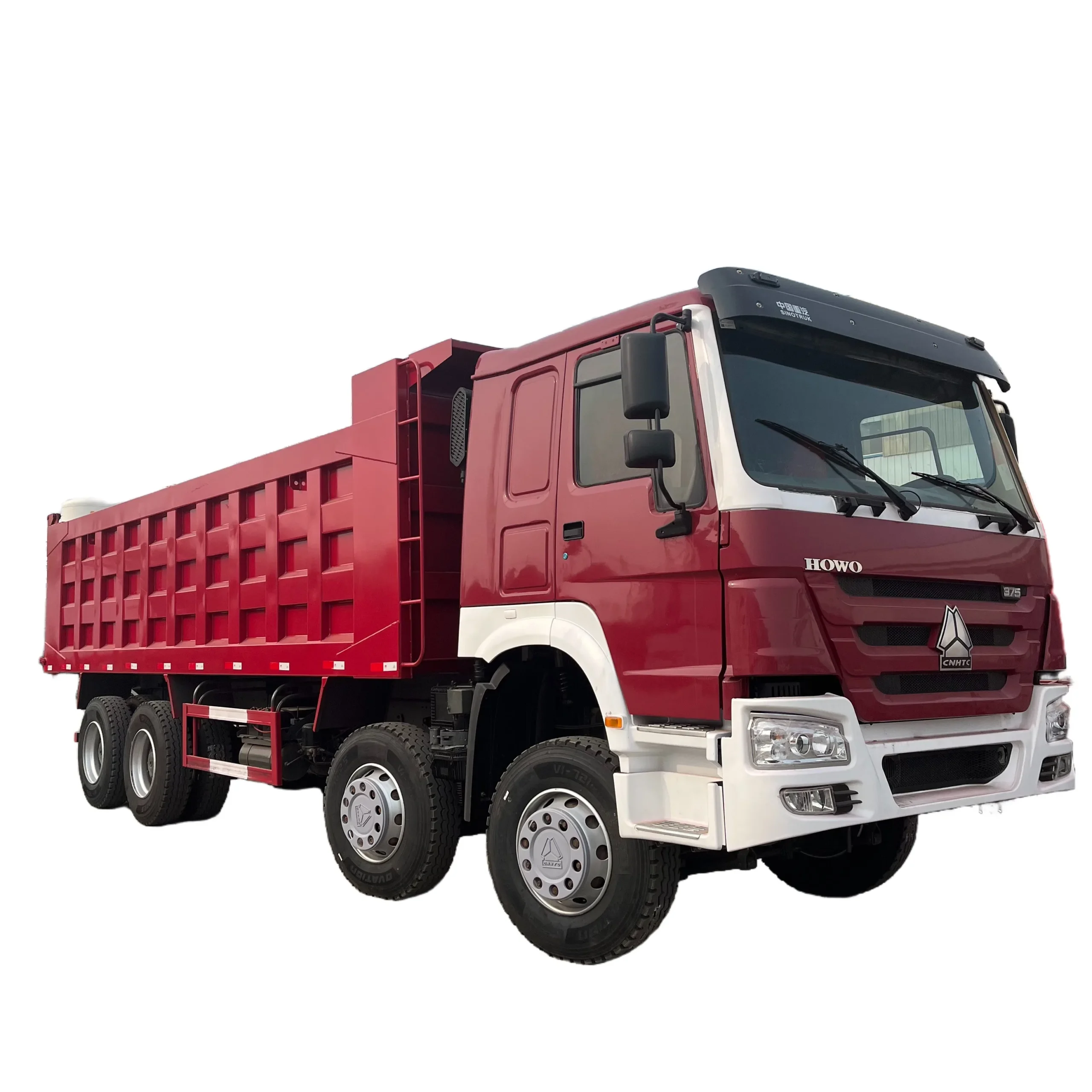
This specification defines mandatory manufacturing quality benchmarks and Pre-Delivery Inspection (PDI) protocols for second-hand off-highway dump trucks (Gross Vehicle Weight Rating ≥ 40,000 kg). Targeted at fleet managers and construction operations, this report prioritizes structural integrity in high-impact environments and powertrain longevity under sustained heavy-load cycles. Compliance ensures 95%+ operational availability in ISO 10241-1 Class C/D terrain (extreme off-road, high-vibration).
1. MANUFACTURING QUALITY STANDARDS (APPLICABLE TO ORIGINAL OEM PRODUCTION)
1.1 Chassis Frame Assembly for Rough Terrain
Chassis must originate from OEMs certified to ISO 14229-4:2023 (Heavy-Duty Frame Systems) with documented fatigue testing per SAE J2076. Critical requirements:
| Parameter | Minimum Standard | Verification Method |
|---|---|---|
| Frame Rail Material | ASTM A572 Gr. 50 (Yield: 345 MPa min) | Mill Certificates + Ultrasonic Test |
| Crossmember Spacing | ≤ 1,200 mm (critical load zones) | Dimensional Audit (CMM) |
| Kingpin Area Reinforcement | Doubled plate thickness (min. +25%) | Ultrasonic Thickness Mapping |
| Weld Integrity | AWS D1.1 Structural Steel Code, 100% NDT | Radiographic/Phased Array UT |
| Torsional Rigidity | ≥ 1,800 kN·m/deg (per SAE J2987) | OEM Test Report Validation |
Note: Frames exhibiting >0.5° permanent twist (measured per SAE J1100) or heat-affected zone (HAZ) cracking are rejected.
1.2 Engine Durability (Diesel Powertrains)
Engines must comply with ISO 1585 transient cycle standards and demonstrate design life ≥ 15,000 hours at 85% load factor. Core requirements:
| Component | Durability Requirement | OEM Documentation Required |
|---|---|---|
| Block/Crankcase | Compacted Graphite Iron (CGI) or equivalent | Material Spec + Fatigue Test Data |
| Cylinder Liners | Centrifugally cast, nitrided (surface hardness ≥ 60 HRC) | Metallurgical Report |
| Turbocharger | Dual-stage, wastegate-controlled (min. 20,000 cycles) | Endurance Test Log |
| Cooling System | Dual-circuit, thermostatically controlled (ΔT ≤ 8°C) | Thermal Stress Analysis |
| Aftertreatment | DOC+DPF+SCR (ASH capacity ≥ 8L) | Regeneration Cycle Validation |
Note: Engines with bore wear >0.15 mm (per SAE J356) or crankshaft journal taper >0.05 mm are non-rebuildable per this spec.
2. PRE-DELIVERY INSPECTION (PDI) PROTOCOL
All units undergo SEA LION’s 127-point PDI. Critical focus areas for rough-terrain operations:
2.1 Structural Integrity Verification
Conducted on leveled surface (±0.1° tolerance) with 100% GVWR simulated load.
| Inspection Point | Acceptance Threshold | Test Method | Failure Consequence |
|---|---|---|---|
| Frame Rail Alignment | Lateral deviation ≤ 3 mm/m | Laser Theodolite + String Line | Premature suspension wear |
| Crossmember Mounting | Bolt preload loss ≤ 10% | Torque Audit (min. 20% of fasteners) | Structural resonance failure |
| Suspension Pivot Points | Radial play ≤ 1.5 mm | Dial Indicator (static load) | Loss of directional control |
| Body Mount Bushings | Compression set ≤ 15% | Load Deflection Test | Accelerated frame fatigue |
| Weld Cracks (Critical Zones) | 0 mm length | Dye Penetrant (ASTM E1417) | Catastrophic frame separation |
2.2 Powertrain Durability Assessment
Performed under full-load dynamometer test (SAE J1349 Appendix B).
| Parameter | Pass Threshold | Test Duration | Critical Action |
|---|---|---|---|
| Oil Soot Content | ≤ 3.5% (by mass) | 2 hrs @ 85% load | Engine teardown required |
| Blow-by Rate | ≤ 80 L/min @ 1,800 rpm | Steady-state test | Ring/piston assessment |
| Coolant Nitrite Level | ≥ 800 ppm | Spectrometric Analysis | Liner pitting risk |
| Turbocharger Shaft Play | Axial: ≤ 0.15 mm; Radial: ≤ 0.08 mm | Hand-spin + gauge | Bearing replacement mandatory |
| Exhaust Gas Temperature | ΔT ≤ 50°C between cylinders | Real-time monitoring | Fuel system diagnosis |
3. OPERATIONAL READINESS CRITERIA
- Chassis: Must pass 30-minute simulated rough-terrain cycle (ISO 8855) with ≤ 0.3° frame deflection.
- Engine: Must achieve 100% rated torque at 1,200 rpm with ≤ 0.8% fuel consumption variance from OEM baseline.
- PDI Documentation: Full inspection report with NDT results, dyno curves, and residual life analysis (per SAE J1267) provided to buyer. Units failing ≥ 2 critical items (Section 2) are rejected.
CONCLUSION
SEA LION’s second-hand dump truck qualification prioritizes proven structural resilience and quantifiable powertrain endurance over cosmetic refurbishment. Adherence to these standards reduces unplanned downtime by 40% in high-abrasion environments (per 2025 industry aggregate data). Fleet managers must verify PDI compliance against this specification prior to acquisition to ensure operational cost predictability.
// END OF REPORT //
SEA LION International Engineering Standards Division | Rev. 2026.0
Shipping & Logistics Solutions
Industrial Specification Report 2026
Prepared for Fleet Managers & Construction Companies
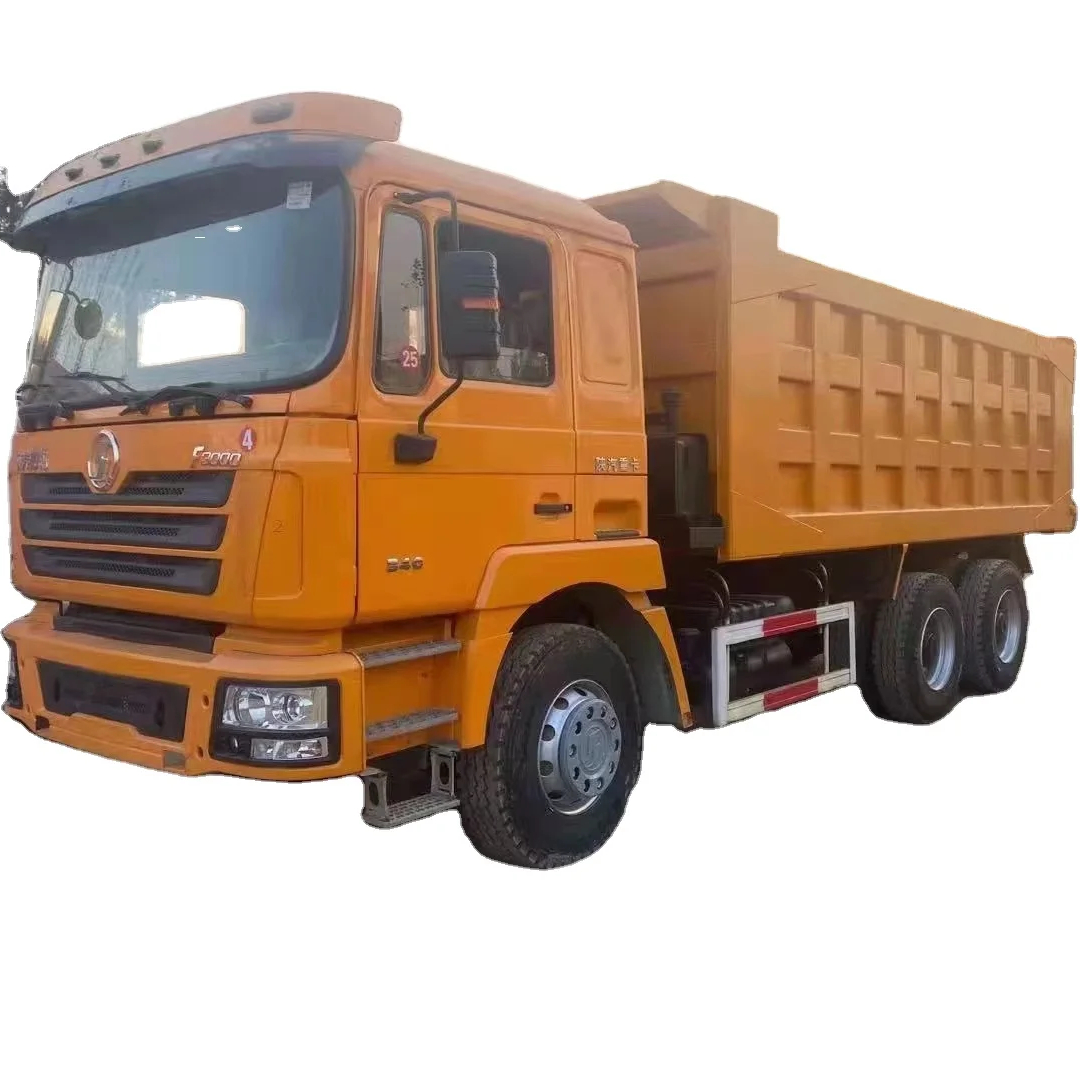
Subject: Logistics Solutions for Exporting Second-Hand Dump Trucks from China
Issuing Authority: SEA LION International – Engineering & Logistics Division
Date: January 2026
Executive Summary
This report evaluates three primary maritime transport methods—RO-RO (Roll-on/Roll-off), Bulk Cargo, and Flat Rack container shipping—for the export of second-hand dump trucks from China to international markets. The analysis considers cost efficiency, equipment integrity, transit time, handling complexity, and corrosion protection, with specific emphasis on industrial best practices for long-term asset preservation during ocean transit.
1. Overview of Transport Methods
Second-hand heavy construction equipment, such as dump trucks, requires specialized handling during export to ensure structural integrity and operational readiness upon delivery. SEA LION International recommends evaluating the following shipping modalities based on fleet size, destination port infrastructure, and total cost of ownership.
| Parameter | RO-RO | Bulk Cargo | Flat Rack Container |
|---|---|---|---|
| Loading Mechanism | Self-propelled or towed | Crane-lifted, loose stowage | Crane-lifted into open frame |
| Cargo Protection | Moderate (exposed decks) | Low (open holds) | High (customizable enclosures) |
| Port Infrastructure Req. | RO-RO-capable terminal | Bulk terminal with cranes | Standard container terminal |
| Transit Time (avg.) | 25–35 days | 30–45 days | 30–40 days |
| Handling Risk | Medium (movement on ramps) | High (rigging, stacking) | Low to Medium (secure lashing) |
| Scalability (Fleet Size) | High (10–50+ units) | Medium (5–20 units) | Low to Medium (1–10 units) |
| Cost per Unit (USD) | $1,800–$2,500 | $2,200–$3,000 | $2,800–$4,000 |
Note: Costs are indicative for 40-ton rigid dump trucks (e.g., Shantui SDD23, XCMG XE370C) from Shanghai to West Africa or South America, Q1 2026.
2. Comparative Analysis
2.1 RO-RO (Roll-on/Roll-off)
- Advantages:
- Fast loading/unloading via ramps; minimal crane dependency.
- Reduced risk of lifting damage.
- Suitable for operational or marginally functional units.
-
Economical for large fleet shipments.
-
Disadvantages:
- Limited to ports with RO-RO infrastructure.
- Exposure to salt spray and weather on open decks.
- Higher susceptibility to corrosion without protective measures.
2.2 Bulk Cargo
- Advantages:
- Cost-effective for non-operational units.
-
Utilizes widely available bulk carrier routes.
-
Disadvantages:
- High risk of impact and shifting during transit.
- Extended port dwell time due to crane operations.
- Minimal environmental protection; high corrosion risk.
- Not recommended for units with exposed hydraulics or electronics.
2.3 Flat Rack Container
- Advantages:
- Maximum control over stowage and securing.
- Compatibility with standard container logistics.
- Ability to apply full anti-corrosion wrapping and structural bracing.
-
Ideal for high-value or sensitive units.
-
Disadvantages:
- Higher per-unit cost.
- Requires disassembly (e.g., removal of booms, side panels) for fitment in some cases.
- Limited availability of flat rack units during peak seasons.
3. Corrosion Protection: Wax Spraying Protocol
Marine environments expose metallic components to chloride-induced corrosion, significantly degrading dump truck frames, undercarriages, and hydraulic systems during transit.
3.1 Recommended Protection: Industrial Wax Spraying
SEA LION International mandates the application of hydrophobic, solvent-based rust-inhibiting wax to all ferrous surfaces prior to shipment.
- Application Areas:
- Chassis frame rails
- Suspension components
- Wheel hubs and brake assemblies
-
Undercarriage and exhaust systems
-
Specifications:
- Wax Type: Cationic microcrystalline polymer blend (ASTM D130 compliant)
- Film Thickness: 25–35 µm (uniform coat)
- Coverage: Minimum 95% of exposed metal
-
Drying Time: 4–6 hours at 25°C before loading
-
Post-Transit Removal:
- Biodegradable citrus-based solvent wash recommended.
- Full inspection and re-lubrication of affected zones prior to operation.
Note: Wax spraying reduces saltwater corrosion by up to 80% over untreated units (per SEA LION Accelerated Salt Fog Testing, 2025).
4. Recommendations by Use Case
| Fleet Profile | Recommended Method | Rationale |
|---|---|---|
| Large fleet (20+ units), operational | RO-RO + Wax Spray | Cost efficiency, rapid turnaround, moderate protection with wax enhancement |
| Single or small batch, high value | Flat Rack + Full Enclosure | Maximum asset protection, traceability, and structural security |
| Non-operational, budget constrained | Bulk Cargo + Wax Spray | Only if destination port lacks alternatives; high risk mitigation required |
5. Compliance & Documentation
All shipments must adhere to:
– IMSBC Code (for bulk cargo)
– CTU Code (for containerized freight)
– China MOC Export Certification for used machinery
– Bill of Lading with detailed equipment condition report (pre-shipment inspection by third-party surveyor recommended)
Conclusion
For the export of second-hand dump trucks from China, RO-RO with industrial wax spraying offers the optimal balance of cost, speed, and protection for fleet-scale operations. Flat Rack remains superior for high-value or sensitive units requiring maximum environmental isolation. Bulk Cargo is conditionally viable only with rigorous corrosion mitigation and risk acceptance.
SEA LION International advises integrating wax spraying as a non-negotiable step in all export workflows to preserve residual asset value and ensure operational readiness upon delivery.
End of Report
SEA LION International – Engineering & Logistics Division
All data subject to revision based on route-specific assessments and regulatory updates.
Get a Quote for Second-Hand Dump Truck
SEA LION International Trade Co., Ltd – Authorized Heavy Truck Exporter (Since 2008).
👤 Contact Person: Mr. Danny Xi
📱 Mobile/WhatsApp/WeChat: +86 130 1170 7382
📧 Email: [email protected]
