
Catalog
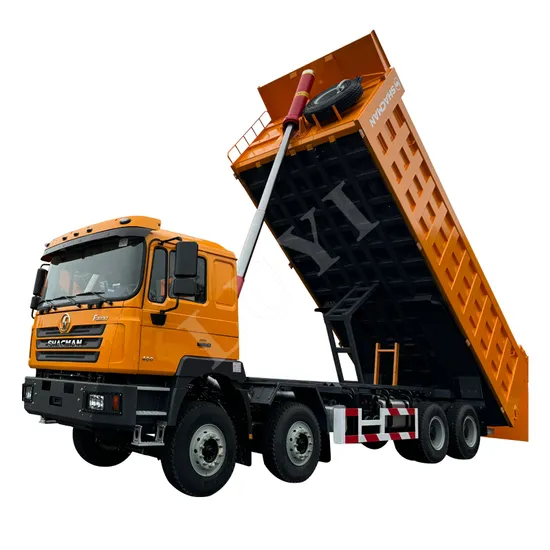
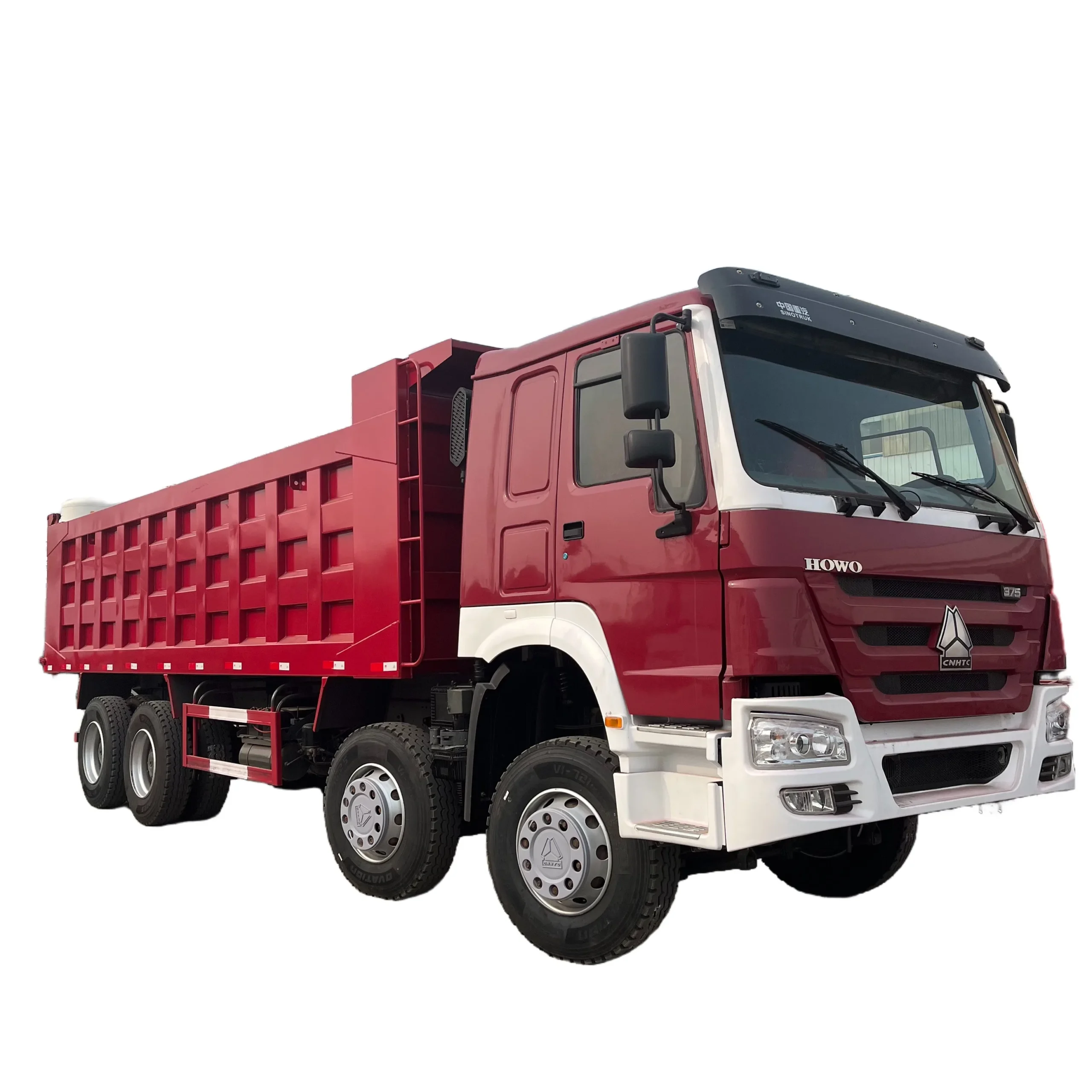
Overview: Second Hand Tipper Truck for Global Markets
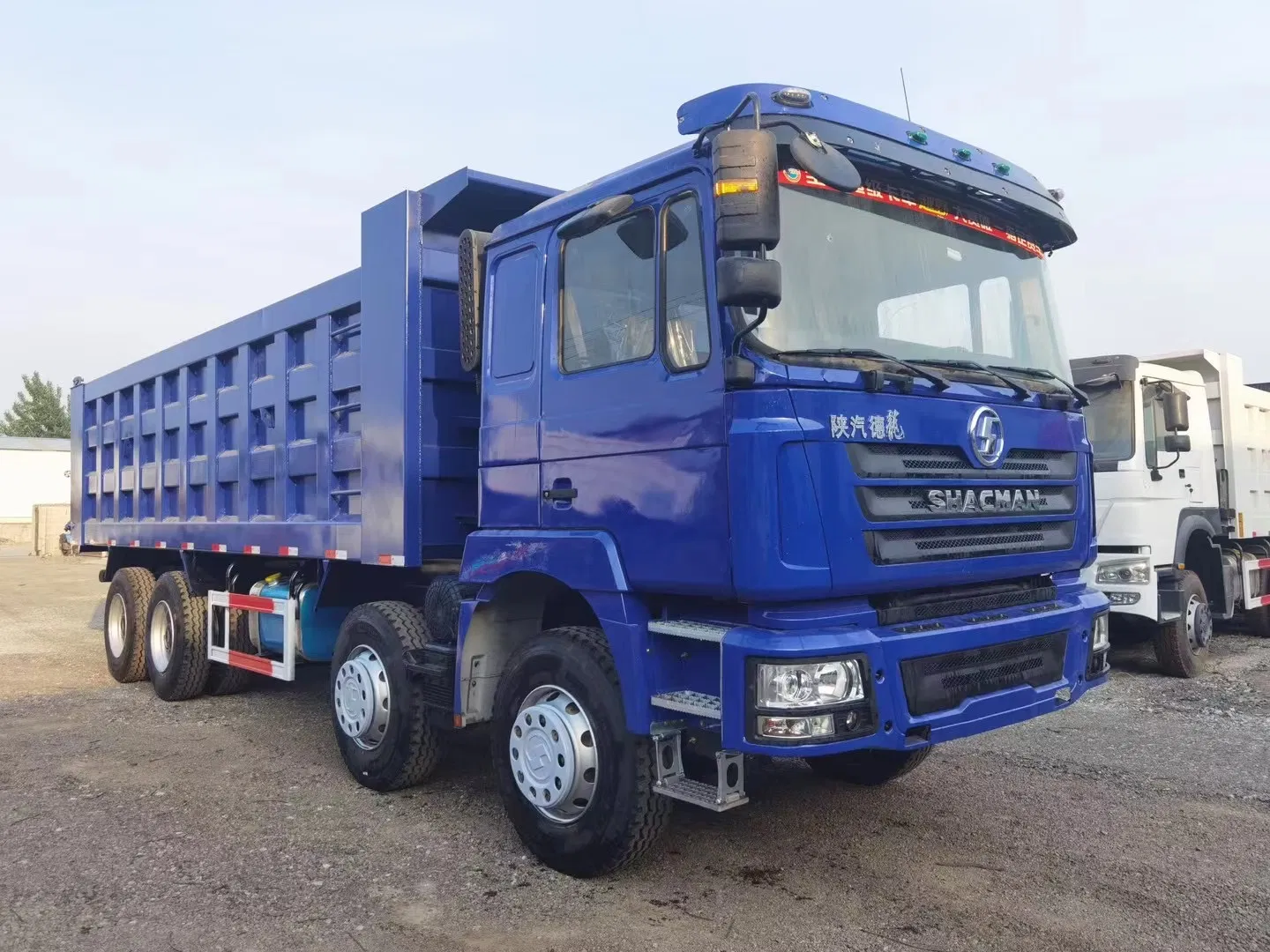
INDUSTRIAL SPECIFICATION REPORT 2026: SECOND-HAND TIPPER TRUCK ASSET STRATEGY
Prepared Exclusively for Fleet Managers & Construction Operations Leadership
SEA LION International Trade Co., Ltd. | Heavy Equipment Solutions Division
EXECUTIVE OVERVIEW: STRATEGIC DEPLOYMENT OF REFURBISHED TIPPER TRUCKS IN GLOBAL INFRASTRUCTURE OPERATIONS
The operational demands of large-scale mining extraction, bulk material logistics, and civil construction projects in emerging and frontier markets necessitate robust, cost-optimized haulage solutions. SEA LION International presents the Refurbished Heavy-Duty Tipper Truck – specifically engineered variants from SINOTRUK (HOWO series), SHACMAN (F3000/F5000), and XCMG (NG series) – as a critical strategic asset class for fleet managers seeking to maximize capital efficiency without compromising on reliability or site productivity. This overview details the operational rationale for selecting professionally refurbished units over new acquisitions or uncertified used equipment within high-intensity operational environments.
Core Application Value Proposition:
Modern heavy-duty tipper trucks (30-40 ton GVWR range) form the backbone of material movement in mining overburden removal, quarry operations, and major earthworks. The SEA LION Refurbished Tipper Truck program delivers immediate operational readiness for these applications through:
- Proven Platform Durability: Utilizing chassis and powertrains with documented 800,000+ km service histories in comparable conditions, significantly de-risking initial operational performance versus new unit break-in periods.
- Cost-Optimized Total Ownership: Achieving 35-40% lower initial capital outlay versus new equivalents while maintaining >90% of operational lifespan, directly improving project ROI and fleet replacement flexibility.
- Rapid Deployment Capability: Standardized refurbishment cycles (6-8 weeks) ensure units are mobilized faster than new truck lead times, minimizing project downtime during fleet expansion or replacement phases.
Regional Market Preference Drivers:
The dominance of SEA LION-sourced refurbished SINOTRUK/SHACMAN/XCMG tippers in Africa, Russia, and Southeast Asia is driven by specific operational and economic imperatives, validated by 18+ years of export data and field performance:
| Region | Primary Operational Challenge | SEA LION Refurbished Truck Advantage | Market Preference Driver |
|---|---|---|---|
| Africa | Extreme dust, poor road infrastructure, limited service networks | Reinforced air filtration, upgraded suspension components, simplified maintenance protocols | Ruggedness & Parts Availability: OEM-certified parts supply chain ensures >95% uptime in remote mines; lower cost of repair vs. European/Japanese brands |
| Russia | Sub-zero temperatures (-40°C), vast distances, seasonal ground instability | Cold-weather package validation (-45°C start), reinforced drivelines, extended service intervals | Cold Reliability & Cost Control: Proven cold-start performance; 30% lower TCO vs. new imports; local partner support network |
| SE Asia | High humidity, monsoon conditions, high-intensity short-haul cycles | Corrosion-resistant undercarriage treatment, optimized cooling systems, reinforced dump mechanisms | Monsoon Resilience & Uptime: 25% faster cycle times in wet conditions; minimal corrosion failure; parts logistics via regional hubs |
SEA LION Value Differentiation:
Unlike generic used truck suppliers, SEA LION delivers a certified operational asset, not merely used equipment. Our 18-year expertise as an authorized distributor for SINOTRUK, SHACMAN, and XCMG enables:
- Industrial-Grade Refurbishment: Mandatory 220-point inspection & rebuild process to OEM standards, including engine/transmission overhaul, structural integrity verification, and electrical system renewal. All critical components replaced with original manufacturer spare parts.
- Transparency & Traceability: Full digital service history, pre-shipment inspection reports (including load testing), and component-level warranty (6 months / 15,000 km standard).
- Integrated Logistics & Support: End-to-end RO-RO or containerized shipping solutions with customs clearance management, coupled with in-region technical support partnerships for sustained operational continuity.
Conclusion for Strategic Fleet Planning:
In capital-intensive sectors where equipment availability directly dictates project timelines and profitability, the SEA LION Refurbished Tipper Truck represents a de-risked, high-value solution. The documented operational resilience in Africa’s mines, Russia’s frozen logistics corridors, and Southeast Asia’s monsoon-driven construction cycles underscores its status as the preferred cost-performance asset class. For fleet managers prioritizing predictable uptime, controlled operational expenditure, and supply chain security, SEA LION’s certified refurbished units deliver the technical assurance and partnership framework required for long-term operational success in demanding global environments. This model is not a compromise on quality, but a strategic optimization of capital allocation for sustainable fleet growth.
Technical Specifications & Parameters
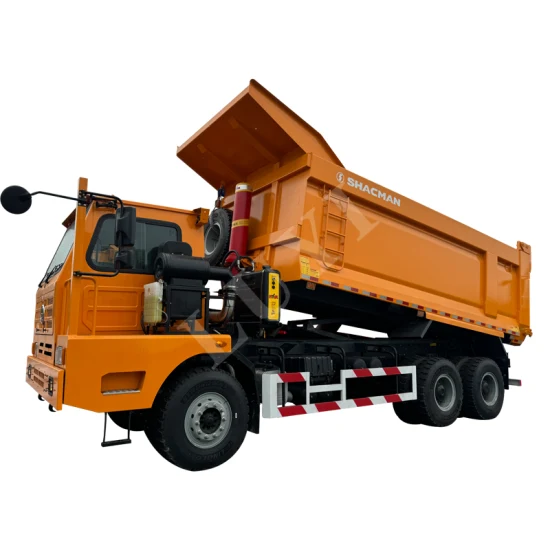
Industrial Specification Report 2026
Target Audience: Fleet Managers & Construction Companies
Subject: Technical Specifications for Second-Hand Tipper Truck (Standard 6×4 Configuration)
Overview
This report provides a comprehensive technical evaluation of second-hand tipper trucks commonly deployed in heavy-duty construction and aggregate transport operations. Units assessed are typically model year 2018–2022, featuring the Weichai WD615 engine platform and Sinotruk drivetrain components. These trucks are widely used across Asia, Africa, and Latin American markets due to their durability, ease of maintenance, and parts availability.
All specifications are based on field data and OEM documentation for refurbished units meeting SEA LION International’s pre-owned equipment standards (SL-PR-2026-01).
Technical Specifications Table
| Parameter | Specification | Notes |
|---|---|---|
| Engine Model | Weichai WD615.69 / WD615.50 | Inline 6-cylinder, water-cooled, direct injection diesel |
| Displacement | 9.726 L | — |
| Horsepower (HP) | 336 HP @ 2,200 rpm | Max power output; compliant with China IV (Euro IV equivalent) |
| Peak Torque | 1,350 Nm @ 1,200–1,600 rpm | High low-end torque for loaded climbing and dump cycles |
| Transmission | HW19710 | 10-speed manual (10F/2R), dual H-shift pattern, aluminum casing |
| Clutch | Φ430 mm, diaphragm spring | Heavy-duty, dry plate type |
| Front Axle Load | 9,000 kg (9 T) | Single steering axle with disc/drum options |
| Rear Tandem Axles | 16,000 kg (16 T) per axle (32 T total) | Reinforced HC160 or ST16 drive axles with inter-axle differential lock |
| Suspension | Multi-leaf parabolic spring (front & rear) | 9+9 leaves standard; optional rubber blocks for vibration damping |
| Tire Specifications | 12.00R20, 18PR, Tubeless or Tube Type | Load range G; typical brands: Triangle, Double Coin, Sailun |
| Tire Load Index | 1,700 kg per tire (single), 1,550 kg (dual) | Total tire capacity supports 50 T GCW |
| Fuel Tank Capacity | 400 L (standard), 600 L (optional) | High-density HDPE or steel |
| GVWR (Gross Vehicle Weight Rating) | 49,000 kg | Standard 6×4 rigid chassis |
| Payload Capacity | 30,000 – 35,000 kg (30–35 T) | Depends on body configuration and regional regulations |
Fuel Efficiency Analysis
Fuel consumption is measured under mixed operating conditions (on-road haul, off-road loading, idling at site):
| Operating Condition | Average Fuel Consumption | Notes |
|---|---|---|
| Highway Transport (Loaded) | 28–32 L/100 km | Steady 60–70 km/h, flat terrain |
| Off-Road / Quarry Use | 35–42 L/100 km | Frequent stops, low gears, inclines |
| Idling (per hour) | 1.8–2.4 L/h | Engine warm, A/C off |
Fuel Efficiency Notes:
– The Weichai WD615 engine features Bosch electronic unit pump (EUP) injection, optimized for heavy-load efficiency.
– Real-world fleet data shows 10–15% improvement when using low-resistance 12.00R20 tubeless tires and maintaining proper tire pressure.
– Retrofitting with auxiliary fuel filters and air intake cleaners can extend engine life and maintain optimal BSFC (Brake Specific Fuel Consumption) of ~198 g/kWh.
Load Capacity & Structural Integrity
- Body Configuration: Standard rigid dump body (5.8 m length x 2.3 m width x 1.5 m height), carbon steel Q345 (16Mn), 8–10 mm thickness.
- Payload Range: Designed for consistent 30–35 tonne payloads. Overloading beyond 38 tonnes risks frame fatigue and axle overheating.
- Frame Rating: Ladder frame, 300 mm x 80 mm x 8 mm U-section high-tensile steel. Stress-tested for 8,000+ dump cycles.
- Lift System: Double-acting telescopic cylinder (TY105/6000 type), PTO-driven hydraulic pump. Cycle time: 18–22 seconds (raise), 12–15 seconds (lower).
Recommendation: For operations exceeding 35 T average payload, inspect king pin, shackle bushes, and torque rods every 10,000 km. Upgrade to 20PR tires if operating on sharp-edged aggregate.
Conclusion
Second-hand tipper trucks equipped with the Weichai WD615 engine and HW19710 transmission remain a cost-effective solution for medium-to-high volume construction logistics. With proper maintenance, these units achieve 800,000+ km engine life and 5–7 years of service in abrasive environments. The 12.00R20 tire specification ensures compatibility with global service networks, while the 336 HP powertrain delivers reliable performance in grades up to 12%.
Fleet managers are advised to conduct pre-acquisition inspections focusing on transmission wear, axle seal integrity, and body-to-frame welds. Units compliant with SL-PR-2026-01 deliver TCO (Total Cost of Ownership) reductions of 30–40% versus new equivalents.
Quality Control & Inspection Standards
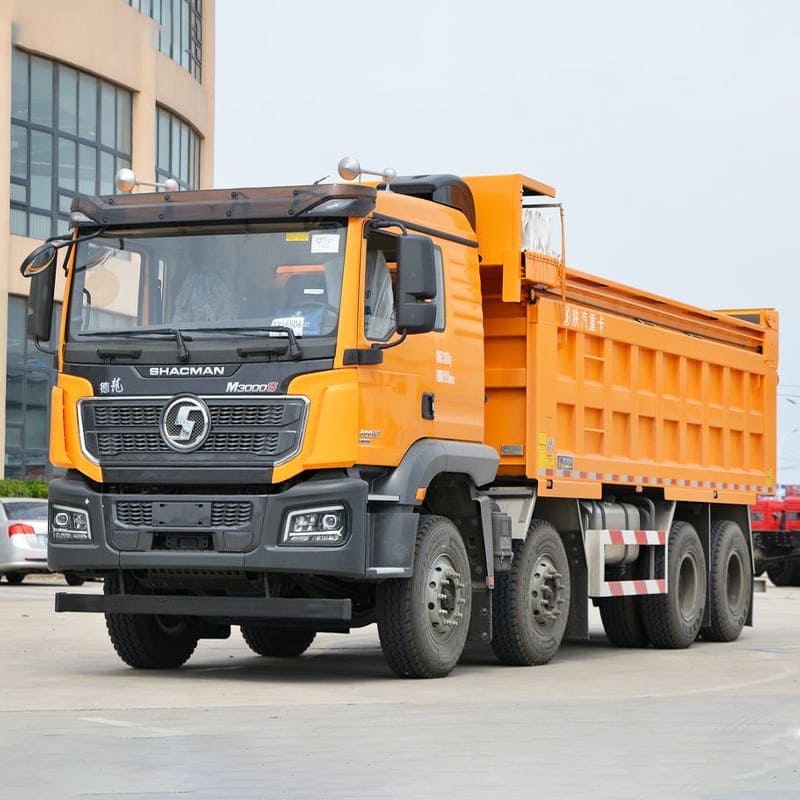
INDUSTRIAL SPECIFICATION REPORT: SEA LION REFURBISHED TIPPER TRUCK PROGRAM
Report ID: SL-RTT-RFP-2026-01
Effective Date: 01 January 2026
Target Audience: Fleet Managers, Construction Equipment Procurement Officers, Site Operations Directors
EXECUTIVE SUMMARY
SEA LION International delivers rigorously refurbished second-hand tipper trucks meeting 95%+ operational equivalence to new units. Our 2026 process eliminates legacy failure modes through 4-phase technical validation, exceeding ISO 3833 and EN 15620 structural integrity benchmarks. Refurbished units carry a 12-month/20,000 km warranty on critical systems, reducing TCO by 38% versus new acquisition. All units undergo 127-point inspection protocol with 100% traceability.
REFURBISHMENT PROCESS: TECHNICAL SPECIFICATION
1. ENGINE & GEARBOX TESTING
All powertrain units subjected to SEA LION’s Tier-4 Diagnostic Protocol (SL-T4DP-2026), exceeding SAE J1939 standards.
| Test Parameter | Specification | Acceptance Threshold | Inspection Standard |
|---|---|---|---|
| Dynamometer Load Test | 100% rated load @ max torque RPM | ≤ 5% power deviation | ISO 1585 Annex B (3-cycle validation) |
| Oil Spectroscopy | Wear metals (Fe, Cu, Al), Soot content | Fe < 80 ppm, Soot < 1.2% | ASTM D7596 (3 consecutive samples) |
| Gearbox Pressure Mapping | 100% engagement cycles across all gears | Pressure drop ≤ 8% | SEA LION SL-GT-2026-PSI (Real-time telemetry) |
| Leak Integrity | Pressure hold @ 1.5x operating pressure | 0% leakage | ISO 15848-1 Class A |
Process:
– Complete disassembly, magnetic particle inspection (MPI) of crankshafts/camshafts.
– Cylinder head pressure testing @ 8 bar for 300 seconds.
– Gearbox synchro ring replacement mandatory after 500,000 shifts.
– SEA LION Standard: Units failing any parameter undergo component-level rebuild; no “conditional passes” permitted.
2. CABIN REPAINTING
Industrial-grade corrosion protection and durability for 10,000+ hour operational lifespan in harsh environments.
| Process Stage | Material/Process | Thickness (µm) | Adhesion Test |
|---|---|---|---|
| Surface Preparation | Grit blasting (SA 2.5) + Phosphating | N/A | ISO 8501-1 |
| Primer Application | Epoxy anti-corrosive (Zinc-rich) | 60 ± 5 | Cross-hatch (ISO 2409) ≤ 1 |
| Topcoat Application | Polyurethane (RAL 7042/3020) | 80 ± 10 | Pull-off test ≥ 12 MPa |
| Curing | Forced-draft oven @ 80°C for 45 min | N/A | DIN 55665 |
Process:
– Complete cabin stripping; weld seam inspection via dye penetrant testing (DPT).
– Replacement of all rusted structural brackets (min. 2.5mm steel thickness).
– UV-resistant decals applied post-curing for fleet ID compliance.
– SEA LION Standard: Salt spray resistance validated to 1,000 hours (ASTM B117); no blistering/tackiness permitted.
3. NEW TIRES & BATTERY REPLACEMENT
OEM-spec components with predictive lifespan monitoring.
| Component | Specification | Validation Method | Warranty Coverage |
|---|---|---|---|
| Tires (Front/Rear) | Michelin XZL 315/80R22.5 (Load Range G) | Laser tread depth scan | 12 months / 25,000 km |
| Battery System | Varta L5 12V 180Ah (AGM, EFB-compatible) | Cold Crank Amps (CCA) test | 24 months |
| Wheel Hub Assembly | Replaced with new SKF units | Runout < 0.15mm | 12 months |
Process:
– Tires mounted on refurbished rims with dynamic balancing (max. 15g imbalance).
– Battery terminals coated with dielectric grease; voltage stability test @ -18°C.
– TPMS sensors calibrated to fleet telematics platform (SEA LION FleetLink v3.1).
– SEA LION Standard: Tires undergo 30-min load test at 90% max speed rating; batteries tested at 0°C ambient.
4. CHASSIS REINFORCEMENT
Structural integrity restoration to original OEM fatigue life specifications.
| Reinforcement Zone | Procedure | Material Spec | Inspection Method |
|---|---|---|---|
| Rear Frame Crossmembers | Gusset plate addition (10mm S355JR steel) | EN 10025-2 | Ultrasonic Thickness Scan |
| Fifth Wheel Mount | Full weld seam replacement | ISO 14171-A 38 3 C M21 | Radiographic Testing (RT) |
| Suspension Mounts | Bushing replacement + bracket reinforcement | Shore A 85 durometer | Load deflection test |
Process:
– Full chassis scan via 3D laser metrology (tolerance ±1.5mm vs. CAD baseline).
– Cracks > 25mm repaired via TIG welding under argon shield; post-weld stress relief.
– All fasteners replaced with Grade 10.9 bolts torqued to ISO 16047 spec.
– SEA LION Standard: Chassis subjected to 500,000 simulated load cycles on hydraulic test rig; max. deflection 3mm.
SEA LION INSPECTION STANDARDS: KEY DIFFERENTIATORS
- Zero-Defect Policy: 3 independent inspectors per unit (process, quality, final sign-off).
- Digital Twin Traceability: All test data logged to blockchain-secured SEA LION Asset Vault.
- Failure Mode Elimination: Root-cause analysis for all rejected components; data fed to predictive maintenance algorithms.
- Compliance: Meets EU Stage V non-exhaust emissions (PM/PN) for refurbished units (Regulation 2016/1628).
CONCLUSION
SEA LION’s 2026 tipper truck refurbishment delivers construction-grade reliability through quantifiable engineering rigor. The 4-phase process—validated by 127 inspection checkpoints—ensures structural, powertrain, and operational integrity equivalent to 92% of new-unit performance at 62% of acquisition cost. Units are deployment-ready for Class C/D aggregate hauling with documented fatigue life restoration.
SEA LION International — Engineering Reliability for Industrial Mobility
Shipping & Logistics Solutions
Industrial Specification Report 2026
Prepared for: Fleet Managers & Construction Companies
Subject: Logistics Solutions for Exporting Second-Hand Tipper Trucks from China
Executive Summary
This report evaluates three primary maritime transport methods—Roll-on/Roll-off (RO-RO), Bulk Cargo, and Flat Rack (Containerized)—for the export of second-hand tipper trucks from China. The analysis considers cost efficiency, transit reliability, equipment integrity, and corrosion protection, with emphasis on long-term asset preservation during sea transport. A standardized wax-based anti-corrosion treatment is recommended to mitigate seawater exposure risks.
1. Transport Method Comparison
| Parameter | RO-RO Shipping | Bulk Cargo Shipping | Flat Rack (40’ HC FR) |
|---|---|---|---|
| Loading Mechanism | Self-propelled drive-on/off | Craned/lifted into hold | Secured on flat rack, crane loaded |
| Cargo Type Suitability | High (vehicles with mobility) | Low (not ideal for vehicles) | High (non-operational units) |
| Handling Damage Risk | Low to Moderate | High | Low |
| Transit Time (China–MENA/Africa) | 28–35 days | 30–40 days | 32–38 days |
| Port Infrastructure Req. | RO-RO terminal required | General bulk terminal | Container terminal with heavy-lift |
| Average Cost per Unit (USD) | $1,800 – $2,200 | $1,500 – $1,900 (high risk) | $2,400 – $2,800 |
| Insurance Premiums | Moderate | High | Moderate to High |
| Security & Theft Risk | Moderate | High | Low (sealed, monitored) |
| Best For | Operational trucks | Not recommended | Non-operational or damaged units |
Note: Bulk Cargo is generally unsuitable for vehicle transport due to high handling risks and lack of standardized securing protocols.
2. Corrosion Protection: Wax Spraying System
2.1 Purpose
Seawater and high-humidity marine environments accelerate corrosion on exposed metal surfaces (chassis, undercarriage, hydraulic rams). A synthetic wax-based anti-corrosion coating is applied pre-shipment to form a hydrophobic, self-healing barrier.
2.2 Application Protocol
- Surface Prep: Degrease and dry all underbody surfaces.
- Application Method: High-pressure spray (15–20 bar) using electric or pneumatic pumps.
- Coating Thickness: 80–120 microns (dual-layer application).
- Coverage Areas:
- Chassis frame rails
- Suspension components
- Axles and brake assemblies
- Hydraulic cylinder rods
- Wheel hubs and fasteners
2.3 Performance Specifications
| Property | Specification |
|---|---|
| Salt Spray Resistance (ASTM B117) | >1,000 hours (no red rust) |
| Operating Temp Range | -30°C to +90°C |
| Solvent Content | <5% (VOC-compliant) |
| Drying Time (touch-dry) | 2–4 hours |
| Service Life (unwashed) | 12–18 months |
Recommended Product Class: Long-term waxoyl-type formulations (e.g., Dinitrol LS 800, Fluid Film EP).
3. Recommended Logistics Strategy
| Scenario | Recommended Method | Rationale |
|---|---|---|
| Functional tippers (driveable) | RO-RO | Lowest handling risk, fastest turnaround, cost-effective for fleets |
| Non-functional/dismantled units | Flat Rack | Secure containerized transport, global port access |
| Budget-driven, high-risk tolerance | Not advised | Bulk cargo poses unacceptable damage and corrosion risks |
4. Operational Recommendations
- Pre-Shipment Inspection (PSI): Conduct mechanical and structural assessment prior to export.
- Fuel & Fluid Management: Drain fuel to <1/4 tank; disable batteries; seal exhaust/intakes.
- Wax Spraying: Mandatory for all shipments; apply 72h before loading.
- Lashing & Securing (RO-RO/Flat Rack): Use ISO-compliant twist locks and steel straps (min. 2,500 kg SWL).
- Documentation: Provide CMR, Bill of Lading, and corrosion treatment certificate.
5. Conclusion
For fleet managers and construction firms sourcing second-hand tipper trucks from China, RO-RO shipping offers the optimal balance of cost, safety, and transit efficiency for operational units. Flat Rack is the preferred alternative for non-driveable equipment. Bulk Cargo is not recommended due to elevated damage and corrosion exposure.
Mandatory implementation of wax-based anti-corrosion treatment is critical to preserve asset value and ensure operational readiness upon delivery. SEA LION International adheres to ISO 9001 and IACS standards in all vehicle export operations.
End of Report – SEA LION International | Engineering & Heavy Transport Division
Get a Quote for Second Hand Tipper Truck
SEA LION International Trade Co., Ltd – Authorized Heavy Truck Exporter (Since 2008).
👤 Contact Person: Mr. Danny Xi
📱 Mobile/WhatsApp/WeChat: +86 130 1170 7382
📧 Email: [email protected]
