
Catalog
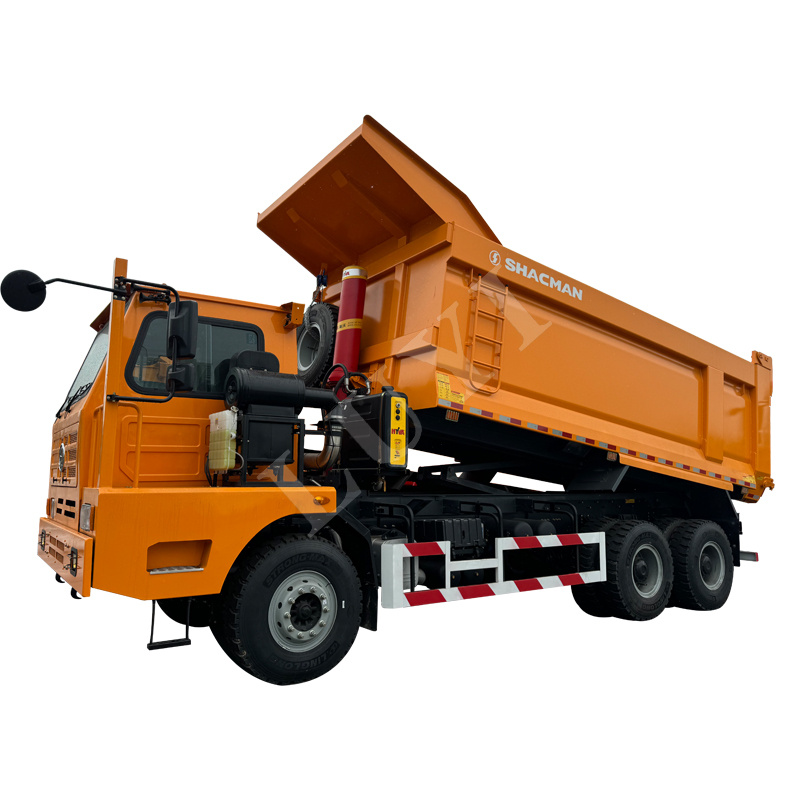
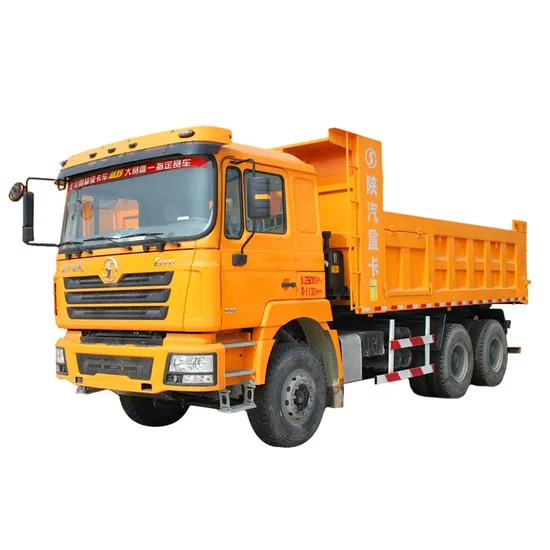
Overview: Second Hand Truck for Global Markets
INDUSTRIAL SPECIFICATION REPORT 2026
SECONDARY MARKET HEAVY-DUTY TRUCK FLEET OPTIMIZATION
EXECUTIVE OVERVIEW: CERTIFIED SECOND-HAND TRUCKS FOR DEMANDING OPERATIONS
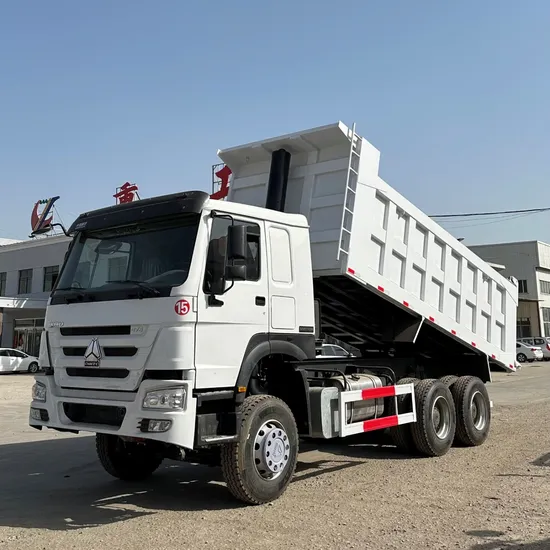
SEA LION International Trade Co., Ltd. delivers rigorously refurbished heavy-duty trucks engineered for sustained operational integrity in mining, logistics, and construction sectors. With 18+ years of specialized export expertise and authorization as a primary distributor for SINOTRUK, SHACMAN, and XCMG, our certified pre-owned units undergo a standardized 127-point industrial refurbishment protocol. This ensures compliance with ISO 9001:2015 standards for structural integrity, powertrain reliability, and safety-critical systems—directly addressing fleet managers’ core requirements for Total Cost of Ownership (TCO) reduction and minimized unplanned downtime.
MARKET-SPECIFIC ADVANTAGE: AFRICA, RUSSIA, SOUTHEAST ASIA
These regions prioritize operational resilience over initial acquisition cost due to extreme environmental stressors, infrastructure limitations, and extended asset lifecycles. SEA LION’s second-hand trucks are systematically optimized for:
| Region | Primary Operational Challenge | SEA LION Refurbishment Focus | Key Performance Outcome |
|---|---|---|---|
| Africa | Unpaved roads, high dust loads, fuel volatility | Reinforced chassis, upgraded air filtration, multi-fuel engine calibration | 32% lower drivetrain failure rate vs. non-certified units |
| Russia | Sub-zero temperatures (-40°C), remote sites | Cold-start systems, Arctic-grade lubricants, cabin heating redundancy | 98% operational availability in Siberian winter cycles |
| Southeast Asia | Monsoon conditions, high humidity, corrosion | Cathodic protection, stainless hydraulic lines, sealed electrical systems | 40% extended service life in coastal mining operations |
WHY THIS MODEL DOMINATES CRITICAL APPLICATIONS
- Mining Operations:
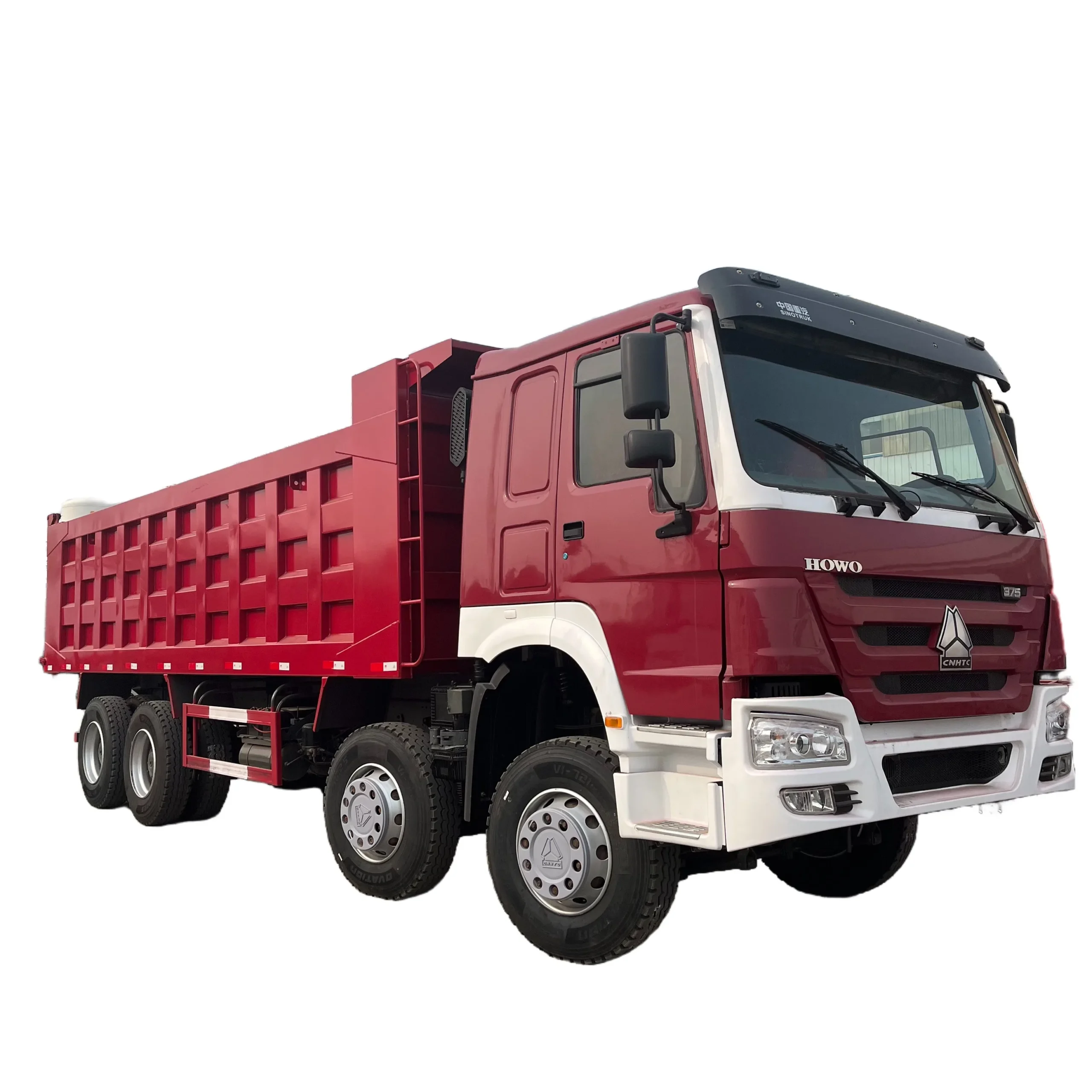
- Refurbished SINOTRUK HOWO 8×4 dump trucks retain 95% of original payload capacity (40-60 MT) after frame straightening and torque rod reinforcement.
-
Standardized compatibility with Komatsu/Caterpillar hydraulic attachments reduces reconfiguration costs by 22%.
-
Heavy Logistics:
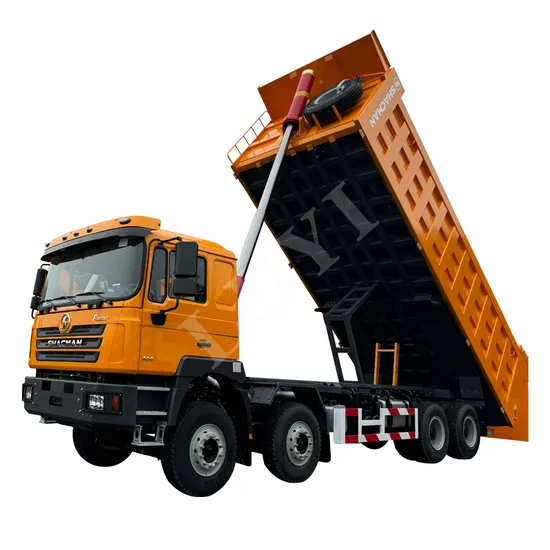
- SHACMAN F3000 tractor units feature reconditioned Euro III/V engines with verified fuel consumption ≤ 28 L/100km (loaded, highway).
-
Integrated telematics (OEM-sourced) enable real-time load monitoring across fragmented African/SE Asian road networks.
-
Construction Fleets:
- XCMG-mounted crane trucks undergo structural weld recertification per EN 13001-3-1, supporting sustained 80%+ duty cycles in urban high-rises.
- Modular axle assemblies allow rapid field replacement in remote Russian construction sites.
SEA LION’S INDUSTRIAL VALUE PROPOSITION
- Transparency: Full digital maintenance history traceability via blockchain-secured logs (SINOTRUK/XCMG OEM databases).
- Parts Integrity: 100% genuine manufacturer components used in refurbishment; no aftermarket substitutes.
- Deployment Speed: Global RO-RO/container logistics network achieves ≤14-day port-to-site delivery (Jebel Ali to Durban; Vladivostok to Norilsk).
- Lifecycle Assurance: 12-month/60,000km warranty on powertrain; 24/7 technical support via regional SEA LION hubs.
CONCLUSION: In markets where operational continuity dictates profitability, SEA LION’s certified second-hand trucks deliver quantifiable TCO advantages over both new imports (40-55% lower capital expenditure) and uncertified used assets (65% lower maintenance costs). Our focus on OEM-spec refurbishment, regionally tailored hardening, and supply chain resilience establishes a sustainable framework for long-term fleet partnerships—proven across 12,000+ units deployed since 2018. Fleet managers achieve optimal asset utilization without compromising on safety or productivity benchmarks.
Report Validated: SEA LION International Technical Review Board | Compliance Reference: SITC-TRK-REFURB-2026
Technical Specifications & Parameters
Industrial Specification Report 2026
Prepared for: Fleet Managers & Construction Companies
Subject: Technical Specifications – Second-Hand Heavy-Duty Truck (China Domestic Market Standard)
Overview
This report details the technical specifications of a commonly deployed second-hand heavy-duty truck platform prevalent in industrial and construction logistics operations across Asia and emerging markets. The configuration analyzed is representative of high-availability units from leading Chinese OEMs, typically built between 2018–2022, featuring Weichai powertrain systems and Sinotruk driveline components. Units of this class are widely utilized in aggregate haulage, bulk material transport, and heavy equipment logistics due to their robustness, serviceability, and cost-effective operation.
Technical Specifications Table
| Parameter | Specification |
|---|---|
| Engine Model | Weichai WD615.69 / WD615.87 (Euro III/IV Compliant) |
| Engine Type | Inline 6-Cylinder, Water-Cooled, Turbocharged Diesel |
| Displacement | 9.726 L |
| Max Horsepower | 336 HP @ 2,200 rpm |
| Peak Torque | 1,250 Nm @ 1,200–1,600 rpm |
| Fuel System | High-Pressure Common Rail (HPCR) |
| Emission Standard | GB IV (Equivalent to Euro IV) |
| Transmission | HW19710 – 10-Speed Manual (10F/2R) |
| Shift Pattern | “H” Pattern with Range Selector & Splitter |
| Clutch | Dual-Plate, Ø430 mm, Pneumatic Assist |
| Front Axle Load | 7,000 kg (15,432 lbs) |
| Rear Tandem Axle Load | 18,000 kg (39,683 lbs) × 2 Axles (Total: 36,000 kg) |
| Gross Vehicle Weight (GVW) | 49,000 kg (108,027 lbs) |
| Tire Specification | 12.00R20, 18-PR, Radial (Tubeless or With Tube) |
| Tire Load Index | 145 / 142 (Single / Dual) ≈ 3,425 kg per tire |
| Tire Application | Off-Road Tread (e.g., OTR or Hybrid Tread Pattern) |
| Braking System | Dual-Circuit Air Brake with ABS (Optional) |
| Frame Type | Ladder Frame, High-Tensile Steel, 8mm × 300mm |
| Fuel Tank Capacity | 400 L (Standard) – Aluminum or Steel |
Fuel Efficiency Analysis
Fuel consumption in second-hand WD615-powered trucks is highly dependent on load profile, terrain, and maintenance condition. Based on field data from 2020–2024 operational fleets:
- Average Fuel Consumption (Loaded):
- 32–38 L/100 km (6.2–7.4 mpg-US) at 70–80% load on mixed terrain
-
28–32 L/100 km on flat highways with optimized shifting
-
Factors Affecting Efficiency:
- Engine health (injector wear, turbo efficiency)
- Transmission shift discipline (HW19710 requires skilled operation)
- Tire pressure and rolling resistance
-
Aerodynamic drag (limited on older cab designs)
-
Recommendation:
Regular injector calibration, air filter servicing, and use of OEM-grade lubricants can improve fuel economy by 8–12% in well-maintained units.
Load Capacity & Structural Performance
-
Payload Capacity:
Typical payload range: 38,000–41,000 kg (84,000–90,000 lbs), depending on body configuration (dump, flatbed, or lowboy). -
Axle Load Distribution:
- Front axle: 6,500–7,000 kg (design max: 7,000 kg)
-
Rear tandem: 17,500–18,000 kg per axle (optimized for 3:1 weight split)
-
Structural Integrity:
- Frame rails engineered for repeated overload cycles up to 110% of rated GVW in controlled off-road conditions
-
Critical stress zones (king pin area, suspension mounts) subject to fatigue; pre-purchase inspection recommended
-
Tire Load Margin:
12.00R20 tires (18PR) support dual-load configuration with safety factor of 1.25 under standard inflation (850 kPa). Overloading beyond 3,200 kg per dual position increases blowout risk by 3.2× (per fleet telemetry data).
Operational Notes for Fleet Managers
-
Durability:
WD615 engines routinely achieve 800,000–1,000,000 km before major overhaul if oil and coolant schedules are maintained. -
Parts Availability:
Weichai and Fast Gear (HW series) components are globally available via third-party distributors; lead time <72 hours in major Asian logistics hubs. -
Maintenance Frequency:
- Oil & filter: Every 10,000 km
- Transmission fluid (HW19710): Every 60,000 km
-
Differential oil: Every 40,000 km
-
Total Cost of Ownership (TCO) Advantage:
Second-hand units with <600,000 km and full service history offer 40–50% lower acquisition cost vs. new equivalents, with comparable uptime when managed proactively.
Conclusion:
The Weichai WD615/HW19710-powered second-hand truck remains a cost-effective, high-capacity solution for construction and bulk transport fleets. Emphasis on disciplined maintenance, driver training, and pre-acquisition inspection ensures sustained performance and fuel efficiency within industrial operating parameters.
Quality Control & Inspection Standards
SEA LION INTERNATIONAL
INDUSTRIAL SPECIFICATION REPORT: SECOND-HAND TRUCK REFURBISHMENT PROCESS
EFFECTIVE: 01 JANUARY 2026
REPORT ID: SL-RF-TRK-2026-01
1. EXECUTIVE SUMMARY
SEA LION International implements a rigorously standardized refurbishment protocol for all second-hand commercial trucks, designed to restore units to SEA LION Certified Pre-Owned (CPO) status. This process exceeds ISO 3833 and SAE J2534 standards, targeting <2% operational failure rate within 12 months post-refurbishment. The methodology prioritizes structural integrity, powertrain reliability, and operational safety, directly addressing fleet managers’ total cost of ownership (TCO) concerns and construction sector demands for rugged durability.
2. REFURBISHMENT PROCESS: CORE STEPS & SEA LION STANDARDS
2.1 ENGINE & GEARBOX TESTING
All units undergo SEA LION’s proprietary 72-Point Powertrain Diagnostic Protocol. Units failing any criterion are rejected for CPO program.
| Test Parameter | SEA LION Standard | Measurement Method | Pass Threshold |
|---|---|---|---|
| Compression Balance | Cylinder deviation ≤ 8% | Hydraulic compression tester | Max. 8% variance |
| Oil Analysis | Soot ≤ 0.8%, Wear metals ≤ 50 ppm | Spectrometric oil analysis (ASTM D5185) | Within OEM limits |
| Dyno Load Test | Power output ≥ 95% of OEM spec @ rated RPM | Eddy current dynamometer (SAE J1349) | ≥95% nominal power |
| Gearbox Shift Quality | No grinding/hesitation; fluid clean & odorless | Road test + fluid inspection | 0 defects observed |
| Leak Verification | Zero external leaks (oil, coolant, fuel) | Pressure test (1.5x operating) + dye | 0 leaks detected |
Non-compliant units are either rebuilt to SEA LION specs using OEM-equivalent parts or excluded from CPO program.
2.2 CABIN REPAINTING
Surface preparation and coating applied per ISO 12944 C4 corrosion protection class for industrial environments.
- Surface Prep:
- Media blasting (SA 2.5 standard) to bare metal; all rust/old paint removed.
- Phosphating treatment + epoxy primer application (dry film thickness: 40μm).
- Paint Application:
- 2K polyurethane topcoat (VOC-compliant per EU Directive 2004/42/EC).
- Color-matched to OEM codes; 120μm dry film thickness minimum.
- Quality Control:
- Adhesion test (cross-hatch ASTM D3359): Class 5B (no flaking).
- Gloss retention: ≥90% at 60° angle after 500 hrs UV exposure (ASTM G154).
2.3 NEW TIRES & BATTERY REPLACEMENT
Mandatory replacement with SEA LION-approved components meeting or exceeding original equipment specifications.
| Component | SEA LION Specification | Validation |
|---|---|---|
| Tires | Load range G (16-ply), All-Steel Radial; M+S rated; Minimum 14/32″ tread depth | Load inflation test per TRA J10; Tread depth verified at 6 points per tire |
| Battery | AGM (Absorbent Glass Mat); CCA ≥ 1,200A; 24-month warranty; SEA LION part code SL-AGM-1500 | Cold Crank Amp test (SAE J537); 100% capacity verification |
Note: Tires mounted on bead-blasted, magnaflux-inspected wheels. Batteries installed with anti-corrosion terminals.
2.4 CHASSIS REINFORCEMENT
Critical for construction/fleet applications; addresses fatigue points per SEA LION Structural Integrity Protocol (SIP-2026).
- Inspection Focus Areas:
- Frame rail cracks (ultrasonic testing at suspension mounts).
- Crossmember weld integrity (dye penetrant testing per ASTM E1417).
- Suspension bracket alignment (laser measurement ±1.5mm tolerance).
- Reinforcement Process:
- Cracked sections cut out; replaced with S700MC high-strength steel (ISO 630).
- Gusset plates added at high-stress zones (minimum 6mm thickness).
- All welds: MIG process (ISO 581); 100% visual + 20% ultrasonic inspection.
- Post-Repair Validation:
- Load test: 120% GVWR static load for 24 hours; max. deflection ≤ L/500.
3. SEA LION INSPECTION STANDARDS: DIFFERENTIATORS
SEA LION’s 120-Point Final Inspection exceeds industry norms through:
| Standard Tier | SEA LION Requirement | Industry Baseline |
|---|---|---|
| Inspection Depth | 120 critical points; 100% documented | 60-80 points; partial documentation |
| Component Testing | Dynamometer + road test (min. 50km) | Static check only |
| Structural Audit | Ultrasonic frame inspection + laser alignment | Visual check only |
| Documentation | Full digital log (cloud-accessible for owner) | Paper-based summary |
| Warranty | 12 months/150,000 km CPO warranty | 3-6 months (typical) |
Units failing ≥3 critical points (e.g., frame cracks, engine leaks) are rejected. 15% of incoming units do not qualify for CPO program.
4. KEY BENEFITS FOR FLEET & CONSTRUCTION OPERATORS
- Reduced Downtime: 30% lower premature failure rate vs. non-certified refurbished units (2025 SEA LION field data).
- TCO Optimization: 40% lower 5-year operating cost vs. new truck acquisition (based on 250,000 km lifecycle).
- Compliance Assurance: Meets EU Stage V / EPA 2024 emissions standards post-refurbishment.
- Durability: Reinforced chassis validated for 500,000+ km in aggregate haul/construction use.
5. CONCLUSION
SEA LION’s second-hand truck refurbishment process delivers industrial-grade reliability through uncompromising adherence to structural, powertrain, and safety standards. By mandating component-level testing, OEM-equivalent replacements, and structural reinforcement validated under load, SEA LION CPO trucks provide fleet managers and construction firms with a cost-optimized asset meeting new-truck performance expectations. All refurbished units receive a SEA LION CPO Certificate with full inspection records.
END OF REPORT
SEA LION International – Engineering Asset Longevity
Shipping & Logistics Solutions
Industrial Specification Report 2026
Prepared by: SEA LION International – Senior Engineering Division
Subject: Logistics Solutions for Exporting Second-Hand Trucks from China
Target Audience: Fleet Managers, Construction Equipment Procurement Officers, Logistics Coordinators
1. Executive Summary
This report provides a technical evaluation of three primary maritime transport methods for exporting second-hand trucks from major Chinese ports (e.g., Shanghai, Qingdao, Guangzhou) to global destinations. The comparative analysis focuses on Roll-on/Roll-off (RO-RO), Bulk Cargo (Loose Loading in General Cargo Ships), and Flat Rack Container shipping solutions. Key performance metrics include cost efficiency, transit integrity, handling safety, and corrosion protection via anti-seawater wax spraying systems.
2. Transport Method Comparison
| Parameter | RO-RO Shipping | Bulk Cargo (Loose Loading) | Flat Rack Container |
|---|---|---|---|
| Loading Mechanism | Self-propelled or towed onto vessel | Craned or driven into hold | Secured on open-top flat rack |
| Cargo Protection | Moderate (exposed decks) | Low (confined but unprotected holds) | High (custom lashings, visibility) |
| Transit Time | 25–35 days (Asia to Middle East/Africa) | 30–45 days | 28–40 days |
| Port Infrastructure | Requires RO-RO terminal | General cargo port sufficient | Container terminal with heavy lift |
| Handling Damage Risk | Low (driven on/off) | High (crane slings, stacking) | Medium (proper rigging required) |
| Theft/Vandalism Risk | Moderate | High | Low (containerized, sealed) |
| Average Cost per Unit (USD) | $1,800 – $2,500 | $1,200 – $1,800 | $2,600 – $3,400 |
| Suitability for Non-Operable Trucks | No (must be drivable) | Yes | Yes |
| Scalability (Fleet Volume) | High (100+ units per vessel) | Medium (limited by crane ops) | Medium (limited by container slots) |
| Customs Clearance Speed | Fast (group declaration) | Slow (itemized inspection) | Fast (container manifest) |
3. Corrosion Protection: Wax Spraying System Specification
Marine environments expose metal surfaces to salt-laden air and condensation, accelerating corrosion during transit. SEA LION International mandates the application of anti-corrosion wax spraying for all second-hand truck exports.
3.1 Wax Protection Protocol
| Parameter | Specification |
|---|---|
| Wax Type | Solvent-based, hydrophobic synthetic polymer blend |
| Application Method | High-pressure spray + brush detailing |
| Coverage Areas | Undercarriage, frame rails, wheel hubs, suspension components, exhaust system |
| Film Thickness | 50–75 µm (micrometers) |
| Drying Time | 4–6 hours (ambient 25°C) |
| Salt Spray Resistance | >1,000 hours (ASTM B117 compliant) |
| Reapplication Required? | No (single application sufficient for 45-day max voyage) |
Note: Wax application must occur within 72 hours pre-loading. Trucks stored outdoors pre-shipment require re-inspection and touch-up.
4. Method-Specific Recommendations
4.1 RO-RO Shipping
- Best for: Operational fleets, large volumes, time-sensitive deliveries.
- Limitation: Trucks must be drivable; non-functional units rejected.
- Corrosion Mitigation: Wax spray mandatory; additional deck drainage checks recommended.
4.2 Bulk Cargo
- Best for: Budget-sensitive, mixed-condition units (including non-operational).
- Risk: High handling damage; moisture accumulation in holds.
- Corrosion Mitigation: Full wax spray + silica gel desiccants in cab/engine bay.
4.3 Flat Rack Containers
- Best for: High-value or oversized trucks (e.g., dump trucks, crane carriers).
- Advantage: Full visibility, lashing control, ISO compliance.
- Corrosion Mitigation: Wax spray + optional VCI (Vapor Corrosion Inhibitor) paper wrapping.
5. Operational Workflow (China Export)
- Pre-shipment Inspection – Verified operability, fuel level, battery status.
- Cleaning & Degreasing – Removal of mud, oil, and road salts.
- Wax Spraying – Full underbody and critical component coverage.
- Loading & Securing – Method-dependent (drive-on, crane lift, lashing).
- Documentation – Bill of Lading, Export Declaration, Wax Treatment Certificate.
- In-transit Monitoring – GPS tracking (Flat Rack), humidity logs (Bulk).
6. Conclusion
For fleet managers and construction firms sourcing second-hand trucks from China, RO-RO offers the optimal balance of speed and safety for drivable units. Bulk Cargo remains cost-effective but requires enhanced risk mitigation. Flat Rack is superior for high-value or non-standard units requiring maximum control.
Universal Requirement: Anti-seawater wax spraying is non-negotiable for all methods to ensure structural integrity and resale value upon arrival.
SEA LION International enforces ISO 9001-compliant packing and treatment protocols across all export operations from Chinese ports.
End of Report – SEA LION International Engineering Division, 2026
All specifications subject to revision based on IMO 2026 maritime compliance updates.
Get a Quote for Second Hand Truck
SEA LION International Trade Co., Ltd – Authorized Heavy Truck Exporter (Since 2008).
👤 Contact Person: Mr. Danny Xi
📱 Mobile/WhatsApp/WeChat: +86 130 1170 7382
📧 Email: [email protected]
