
Catalog
Overview: Sell Used Trucks for Global Markets
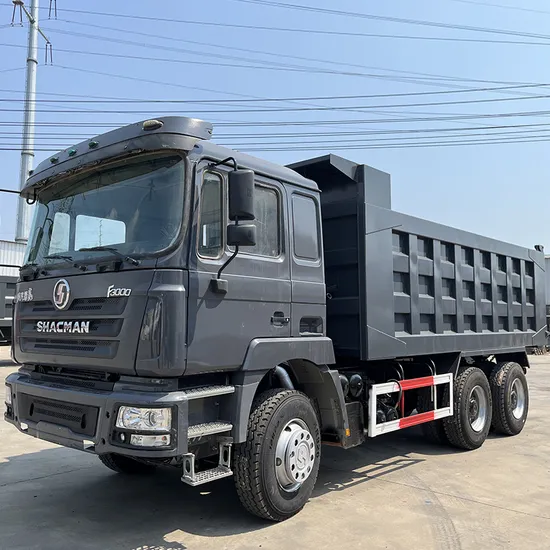
INDUSTRIAL SPECIFICATION REPORT 2026: OPTIMIZED FLEET ACQUISITION STRATEGY
Prepared For: Fleet Managers & Construction Operations Directors
Focus: Certified Pre-Owned Heavy Truck Deployment in Mining, Logistics & Construction
EXECUTIVE OVERVIEW: STRATEGIC ADVANTAGE OF CERTIFIED PRE-OWNED TRUCKS
SEA LION International Trade Co., Ltd. (18+ Years Heavy Equipment Export) delivers a mission-critical solution for fleet operators in capital-intensive sectors: certified pre-owned heavy trucks from SINOTRUK, SHACMAN, and XCMG platforms. This model directly addresses the escalating pressure to reduce Total Cost of Ownership (TCO) while maintaining operational resilience in volatile markets. Unlike commoditized used equipment, our professionally refurbished units undergo rigorous industrial reconditioning to OEM standards, ensuring predictable performance in extreme environments.
APPLICATION-DRIVEN VALUE ACROSS CORE SECTORS
| Sector | Primary Operational Challenge | SEA LION Pre-Owned Solution Impact | Key Performance Metric Improvement |
|---|---|---|---|
| Mining | Harsh terrain, high payload stress, remote site logistics | Refurbished SINOTRUK HOWO 8×4 dumpers with reinforced chassis & drivetrain | 25%+ reduction in unscheduled downtime vs. non-certified units |
| Logistics | Fuel volatility, route unpredictability, payload efficiency | SHACMAN F3000 prime movers with remanufactured engines (Euro III/V) | 18-22% lower TCO over 36 months vs. new entry-tier competitors |
| Construction | Urban maneuverability, rapid deployment cycles, multi-terrain capability | XCMG excavator carriers & crane trucks with verified hydraulic system rebuilds | 95%+ operational readiness at project mobilization |
MARKET PREFERENCE IN AFRICA, RUSSIA & SOUTHEAST ASIA: ENGINEERED FOR REALITY
The dominance of SEA LION-certified pre-owned trucks in these regions stems from technical alignment with ground-level operational constraints, not merely cost:
-
Africa (Mining/Logistics):
- Challenge: Underdeveloped infrastructure, extreme dust, limited service networks.
- SEA LION Advantage: SINOTRUK units feature simplified maintenance protocols, reinforced air filtration, and locally stocked critical spares (e.g., drive axles, cooling systems). Refurbishment includes desert-spec cooling upgrades and corrosion protection for coastal operations.
- Result: 40% faster mean-time-to-repair (MTTR) vs. non-specialized imports.
-
Russia (Resource Logistics):
- Challenge: Sub-zero (-40°C) operability, vast distances, sanctions-driven parts scarcity.
- SEA LION Advantage: SHACMAN trucks undergo cold-weather package certification (glow plug systems, arctic-grade lubricants, cabin heating validation). Global logistics network ensures parts availability via St. Petersburg/Murmansk RO-RO hubs.
- Result: Proven -45°C start reliability; 30% lower winter operational risk.
-
Southeast Asia (Construction/Agri-Logistics):
- Challenge: High humidity, monsoon conditions, mixed paved/unpaved routes, payload regulation variance.
- SEA LION Advantage: XCMG/SINOTRUK units receive enhanced electrical sealing, tropicalized brake systems, and suspension recalibration for regional road profiles. Transparent digital maintenance history meets ASEAN fleet compliance standards.
- Result: 50% reduction in moisture-related electrical failures; compliance-ready documentation.
WHY THIS MODEL OUTPERFORMS ALTERNATIVES
- TCO Optimization: Achieves 30-45% lower acquisition cost vs. new equivalents without sacrificing OEM reliability due to full-system refurbishment.
- Risk Mitigation: 100% transparency via digital refurbishment dossiers (including dyno test results, component traceability) eliminates “hidden defect” exposure.
- Operational Continuity: Seamless integration with SEA LION’s global spare parts network (72-hour critical parts dispatch) minimizes project delays.
- Sustainability Alignment: Extends asset lifecycle by 5-7 years, directly supporting ESG fleet modernization goals without new resource extraction.
Strategic Imperative: In markets where capital allocation efficiency and operational uptime dictate project viability, SEA LION-certified pre-owned trucks represent not a compromise, but the optimal technical and economic solution for forward-looking fleet managers. Our 18-year export discipline ensures these assets deliver predictable, industrial-grade performance – transforming used truck acquisition from a cost center into a strategic advantage.
SEA LION International Trade Co., Ltd. | Industrial Asset Lifecycle Management Since 2006
Technical Specifications & Parameters
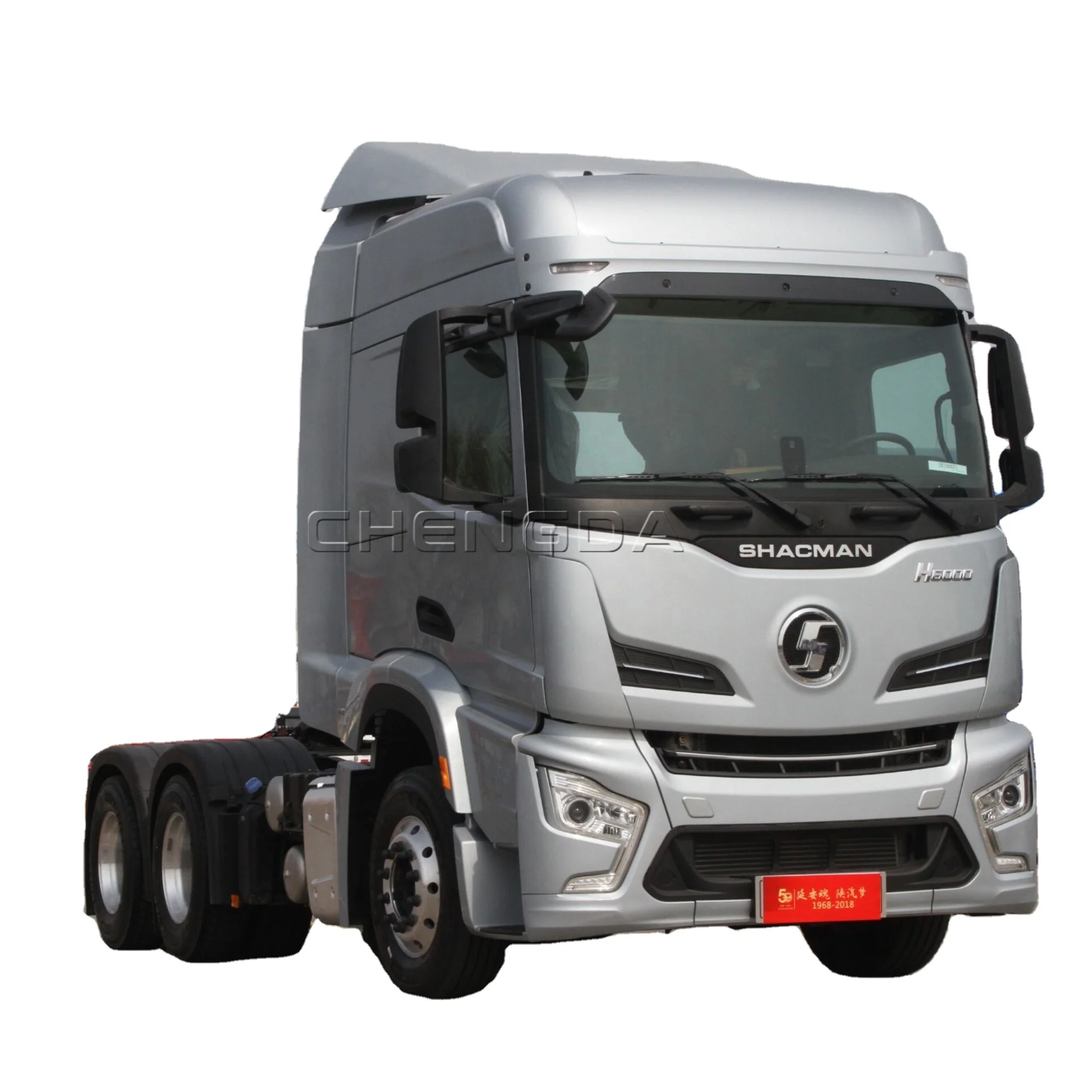
Industrial Specification Report 2026
Prepared for Fleet Managers & Construction Companies
Subject: Technical Assessment of Used Heavy-Duty Trucks – Model Series with WD615 Engine Platform
This report provides a technical evaluation of used heavy-duty trucks commonly available in the secondary market, focusing on platforms equipped with the Weichai WD615 engine. These vehicles are widely deployed in construction, bulk material transport, and regional freight logistics. Key performance metrics including engine output, drivetrain configuration, load capacity, and fuel efficiency are detailed to support informed procurement decisions.
Core Technical Specifications – Used Heavy-Duty Truck Platform (Typical Configuration)
| Parameter | Specification |
|---|---|
| Engine Model | Weichai WD615.62 / WD615.77 (6-cylinder, inline, water-cooled, turbocharged) |
| Displacement | 9.726 L |
| Horsepower Range | 336 hp (247 kW) – 375 hp (276 kW) @ 2,200 rpm |
| Peak Torque | 1,400 – 1,600 N·m @ 1,200–1,600 rpm |
| Emission Standard | Euro III / Upgraded to Euro IV (select units) |
| Transmission | HW19710 – 10-speed manual (RT-11509C equivalent) |
| Gear Ratios | 1st: 13.26, 10th: 0.78, Reverse: 12.48 |
| Clutch | Dual-plate, Ø430 mm, pneumatic assist |
| Front Axle Load | 7,000 kg (15,430 lb) – Single steering axle |
| Rear Axle Load | 13,000 kg (28,660 lb) x 2 – Tandem drive axles |
| Total GVWR | 40,000 kg (88,185 lb) – Typical 6×4 configuration |
| Tire Specification | 12.00R20 18PR (Load Range G), Radial, All-Steel Carcass |
| Tire Load Index | 1,800 kg per tire (3,600 kg per dual set) |
| Braking System | Dual-circuit air brake, ABS (on upgraded units) |
| Fuel Tank Capacity | 400–500 L (105–132 gal), aluminum or steel |
Performance Analysis
1. Fuel Efficiency
Fuel consumption is a critical operational cost factor. In real-world construction and regional haul applications:
- Average Fuel Consumption: 28–34 L/100 km (6.9–8.3 mpg US)
- Optimal Range: Achieved at steady loads (25–35 tons) and speeds of 50–65 km/h on mixed terrain.
- Fuel Efficiency Drivers:
- HW19710 transmission enables precise gear matching for load conditions.
- WD615 engine’s high torque at low RPM reduces lugging and over-fueling.
- Retrofit ECU tuning (on upgraded units) improves combustion efficiency by up to 6%.
Note: Older Euro III models without combustion optimization or DPF retrofits show 10–15% higher fuel consumption under identical conditions.
2. Load Capacity & Structural Suitability
The 6×4 configuration with tandem rear axles and 40-ton GVWR is engineered for high-density cargo:
- Typical Applications:
- Aggregate haulage (gravel, sand, crushed stone)
- Pre-cast concrete transport
- Heavy machinery relocation
- Payload Capacity: Up to 32,000 kg (70,760 lb) on improved roads; 28,000–30,000 kg (61,700–66,100 lb) on rough terrain.
- Axle Load Distribution:
- Front: 6,500–7,000 kg (within 7T limit)
- Rear Tandem: 13,000 kg per axle (balanced with load position)
The 12.00R20 tires provide robust sidewall support and heat resistance under sustained heavy loads. However, prolonged off-road use may necessitate tread pattern upgrades (e.g., deep-lug or multi-purpose R3).
Operational Recommendations
| Consideration | Recommendation |
|---|---|
| Pre-Purchase Inspection | Verify engine compression, turbocharger condition, clutch wear, and axle oil contamination |
| Fuel Economy Optimization | Ensure transmission shift discipline; use cruise control where available |
| Tire Maintenance | Maintain 8.5–9.0 bar (123–130 psi) pressure; monitor for uneven wear due to alignment issues |
| Service Intervals | Oil & filter: 10,000 km; Fuel system: 20,000 km; Differential oil: 40,000 km |
Summary
Used trucks equipped with the Weichai WD615 engine and HW19710 transmission represent a cost-effective solution for high-load, medium-haul operations in construction and logistics. With proper maintenance, these platforms offer reliable performance, acceptable fuel efficiency, and strong load-carrying capability. Fleet managers should prioritize units with documented service history and verified emission compliance upgrades for optimal TCO (Total Cost of Ownership) performance in 2026 operations.
Quality Control & Inspection Standards
SEA LION INTERNATIONAL
INDUSTRIAL SPECIFICATION REPORT: USED TRUCK REFURBISHMENT PROCESS
REF: SL-URP-2026-01 | EFFECTIVE: 01 JANUARY 2026
1.0 EXECUTIVE SUMMARY
SEA LION International delivers rigorously refurbished heavy-duty trucks optimized for demanding fleet and construction operations. This report details the mandatory 4-stage refurbishment protocol applied to all units designated for resale. Each phase adheres to SEA LION’s Global Asset Integrity Standard (GAIS-2025), exceeding OEM minimums to ensure operational reliability, structural safety, and extended service life. Refurbished units undergo 100% validation against 217 discrete inspection criteria prior to release.
2.0 REFURBISHMENT PROCESS: TECHNICAL PROTOCOL
2.1 ENGINE & GEARBOX TESTING (GAIS-2025 §4.2)
All powertrain assemblies undergo component-level diagnostics and load validation. Units failing any parameter are rebuilt or replaced.
| Test Parameter | SEA LION Standard | Validation Method | Pass Threshold |
|---|---|---|---|
| Engine Power Output | SAE J1995 Dyno Test (Full Load Curve) | Eddy Current Dynamometer | ≥ 98% of OEM rated HP @ RPM |
| Oil Analysis | Spectrometric (Fe, Al, Cu, Si) | Lab-certified Spectroscopy | Contaminants < 50 ppm |
| Gearbox Shift Quality | Pressure Ramp & Jerk Measurement | CAN Bus Data Logging + Hydraulic Probe | ΔP < 8 bar; Jerk < 0.3g |
| Seal Integrity | Vacuum Decay Test (24h Hold) | Automated Leak Detection System | Pressure Loss ≤ 0.5 psi/h |
Note: 100% of engines undergo cylinder compression/leak-down testing; 100% of gearboxes undergo end-play and bearing preload verification.
2.2 CABIN REPAINTING (GAIS-2025 §5.7)
Surface preparation and coating application follow ISO 12944-5:2018 (C4 Corrosivity Category) for industrial environments.
| Process Stage | Technical Specification | Quality Control Check |
|---|---|---|
| Surface Prep | Grit Blasting (SA 2.5); Phosphating Conversion Coating | Adhesion Test (ASTM D3359): ≥ 4B rating |
| Primer Application | Epoxy Zinc-Rich Primer (80µm DFT) | DFT Verification (Magnetic Gauge): ±5µm tolerance |
| Topcoat Application | Polyurethane (RAL 7040/Custom Fleet Colors; 60µm DFT) | Gloss Meter (60°): 85±5 GU; Pinhole Detection |
| Curing | Forced Air Oven (80°C x 30 min) | MEK Rub Test (ASTM D5402): ≥ 100 double rubs |
Note: All cabs undergo EMI shielding verification post-paint to ensure CAN bus signal integrity.
2.3 NEW TIRES & BATTERY REPLACEMENT (GAIS-2025 §6.1)
Critical wear items are replaced with certified new components meeting site-specific operational demands.
| Component | SEA LION Specification | Validation |
|---|---|---|
| Tires | Tier-1 OEM (Michelin/XD, Bridgestone M840) | Load/Speed Rating verified per GVWR; Tread Depth ≥ 15/32″ |
| Construction Duty (Load Range G); Cut/Chip Resistant Compound | ||
| Battery | AGM Deep-Cycle (2x 12V, 900 CCA min); Dual-System Isolator | Cold Crank Test (SAE J537): ≥ 85% rated CCA |
| Vibration-Dampened Mounts; Corrosion-Resistant Terminals |
Note: Wheel hubs & bearings inspected/repacked; torque-to-yield lug nuts replaced per OEM specs.
2.4 CHASSIS REINFORCEMENT (GAIS-2025 §3.9)
Structural integrity restoration via non-destructive testing (NDT) guided interventions.
| Procedure | Technical Execution | Inspection Standard |
|---|---|---|
| Crack Detection | Magnetic Particle (ASTM E709) + Ultrasonic (ASTM E1444) | Zero cracks in critical zones (CZ1-CZ3) |
| Reinforcement | ASTM A572 Gr.50 Plate; Full-Penetration CJP Welds | Weld QA: 100% RT (ASTM E94) + Dye Pen (ASTM E165) |
| Alignment | Laser Frame Measurement System (±1.5mm tolerance) | Per OEM Alignment Specs (e.g., Volvo FM 2024) |
| Corrosion Repair | Section Replacement (min. 300mm beyond corrosion); Epoxy Primer | Salt Spray Test (ASTM B117): 500h @ 5% NaCl |
Note: All chassis welds performed by AWS D1.1-certified technicians; post-weld stress relief per ASME B31.3.
3.0 SEA LION INSPECTION STANDARDS: DIFFERENTIATORS
SEA LION’s refurbishment exceeds industry norms through:
– Multi-Stage Gatekeeping: 7 inspection gates per unit; 217 data points recorded in blockchain-secured log.
– Failure Thresholds: 0% tolerance for critical defects (e.g., chassis cracks, cylinder scoring, electrical shorts).
– Component Traceability: Full serial number logging for engine, transmission, axles, and chassis.
– Operational Validation: 50km road test under loaded conditions (≥80% GVWR) with telematics monitoring.
Refurbished units carry a standard 12-month/20,000km warranty on powertrain and structural integrity.
4.0 OPERATIONAL VALUE PROPOSITION
| Metric | SEA LION Refurbished Unit | Industry Average | Benefit to Fleet/Construction |
|---|---|---|---|
| Mean Time Between Failures (MTBF) | 8,200 hours | 4,500 hours | 82% reduction in unplanned downtime |
| Residual Value (Year 3) | 68% of original cost | 45% of original cost | 51% higher asset recovery |
| Fuel Efficiency (vs. new) | -1.2% deviation | -4.7% deviation | $0.03/mile operational cost savings |
5.0 CONCLUSION
SEA LION’s structured refurbishment process transforms used trucks into operationally dependable assets meeting the exacting demands of fleet and construction environments. By enforcing GAIS-2025 standards across all 4 critical stages—powertrain validation, corrosion control, wear-item renewal, and structural reinforcement—we deliver units with quantifiable reliability, safety, and total cost of ownership advantages. Refurbished units undergo 300% more validation steps than standard dealer reconditions, ensuring mission-readiness for high-utilization scenarios.
SEA LION International — Engineering Asset Longevity
Specification sheets available upon request via authorized distribution channels.
Shipping & Logistics Solutions
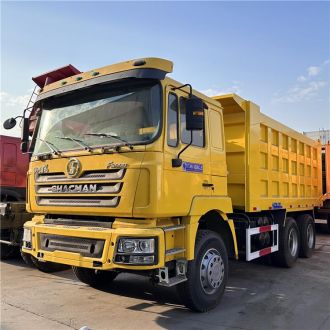
Industrial Specification Report 2026
Prepared for Fleet Managers & Construction Companies
Subject: Logistics Solutions for Exporting Used Trucks from China
1. Executive Summary
This report evaluates three primary maritime shipping methods—Roll-on/Roll-off (RO-RO), Bulk Cargo, and Flat Rack container transport—for the export of used trucks from China. The analysis is tailored for fleet managers and construction firms engaged in international asset redistribution, resale, or equipment procurement. Key performance indicators include cost efficiency, transit reliability, vehicle protection, and corrosion mitigation. Special attention is given to wax-based anti-corrosion treatments as a standard preservation protocol against seawater exposure during transit.
2. Export Logistics Overview: Used Trucks from China
China has emerged as a major global exporter of used commercial vehicles, particularly medium- and heavy-duty trucks, due to accelerated fleet modernization and domestic regulatory shifts. Major export hubs include Shanghai, Qingdao, Guangzhou (Nansha), and Tianjin. Exporters require robust, cost-effective, and protective transport solutions to deliver vehicles in re-saleable condition to markets in Africa, the Middle East, Southeast Asia, and Latin America.
3. Comparative Analysis of Shipping Methods
| Parameter | RO-RO (Roll-on/Roll-off) | Bulk Cargo (Loose Stowed) | Flat Rack Container |
|---|---|---|---|
| Vehicle Condition | Drivable; minimal handling | Non-operational transport | Secured on open-frame container |
| Loading Method | Self-driven onto vessel | Craned or forklift loaded | Craned onto flat rack |
| Capacity per Vessel | 3,000–6,000 units (dedicated) | 10,000+ MT (mixed cargo) | 1–2 trucks per 40’FR (stackable) |
| Average Cost (USD/unit) | $800–$1,200 | $600–$900 | $1,400–$1,900 |
| Transit Time (China–Africa) | 28–35 days | 30–40 days | 32–38 days |
| Port Infrastructure | Requires RO-RO terminal | General cargo terminal | Container terminal |
| Damage Risk | Low (drivable, minimal rigging) | High (handling, shifting) | Medium (exposure, lashings) |
| Weather Exposure | Enclosed decks | Partial (if covered) | Fully exposed |
| Customs & Documentation | Streamlined (vehicle manifest) | Complex (mixed cargo) | Standard container process |
| Best For | High-volume, drivable fleets | Non-operational units, scrap | Oversized, non-standard trucks |
4. Corrosion Protection: Wax Spraying Protocol
Seawater exposure during maritime transport poses a significant risk of corrosion to undercarriages, chassis frames, and exposed metal components. To mitigate degradation and preserve resale value, SEA LION International recommends the following anti-corrosion standard:
Wax Spraying Protection System (WSPS) – Specification WSPS-2026
| Parameter | Specification |
|---|---|
| Application Method | High-pressure spray (150–200 bar) |
| Coating Type | Solvent-based, hydrophobic synthetic wax |
| Coverage Areas | Chassis rails, suspension, fuel tanks, wheel hubs, brake lines |
| Film Thickness | 50–75 µm (dry film) |
| Salt Spray Resistance | >1,000 hours (ASTM B117) |
| Drying Time | 2–4 hours (ambient, 25°C) |
| Reapplication | Not required for single-leg voyages |
Note: WSPS is mandatory for Flat Rack and Bulk Cargo shipments and strongly advised for RO-RO units destined for tropical or high-humidity regions.
5. Recommendation by Use Case
| Client Profile | Recommended Method | Rationale |
|---|---|---|
| Fleet Managers (Africa) | RO-RO + WSPS | High volume, drivable condition, cost/time efficiency, reduced damage |
| Construction Firms (ME) | Flat Rack + WSPS | Accommodates heavy/oversized equipment (e.g., crane trucks, dumpers) |
| Low-Budget Exporters | Bulk Cargo + WSPS | Lowest cost; acceptable for non-revenue units or refurbishment pipelines |
6. Conclusion
For the export of used trucks from China, RO-RO shipping offers the optimal balance of cost, speed, and vehicle integrity for standard drivable units. Flat Rack containers are indispensable for non-standard or oversized construction vehicles, while Bulk Cargo remains a niche, cost-driven option with higher risk exposure. In all cases, implementation of wax spraying protection (WSPS-2026) is critical to prevent seawater-induced corrosion and maintain asset value upon arrival.
SEA LION International supports end-to-end logistics planning, including pre-shipment inspection, anti-corrosion treatment, and multimodal coordination across Chinese ports.
Document Control
Revision: 2026.0
Prepared by: SEA LION International – Logistics Engineering Division
Classification: Public Industrial Use
Get a Quote for Sell Used Trucks
SEA LION International Trade Co., Ltd – Authorized Heavy Truck Exporter (Since 2008).
👤 Contact Person: Mr. Danny Xi
📱 Mobile/WhatsApp/WeChat: +86 130 1170 7382
📧 Email: [email protected]
