
Catalog
Overview: Single Row Cargo Truck for Global Markets
INDUSTRIAL SPECIFICATION REPORT 2026: SINGLE-ROW CARGO TRUCK
SEA LION INTERNATIONAL TRADE CO., LTD.
Executive Overview: Operational Deployment & Regional Value Proposition
1. Purpose & Scope
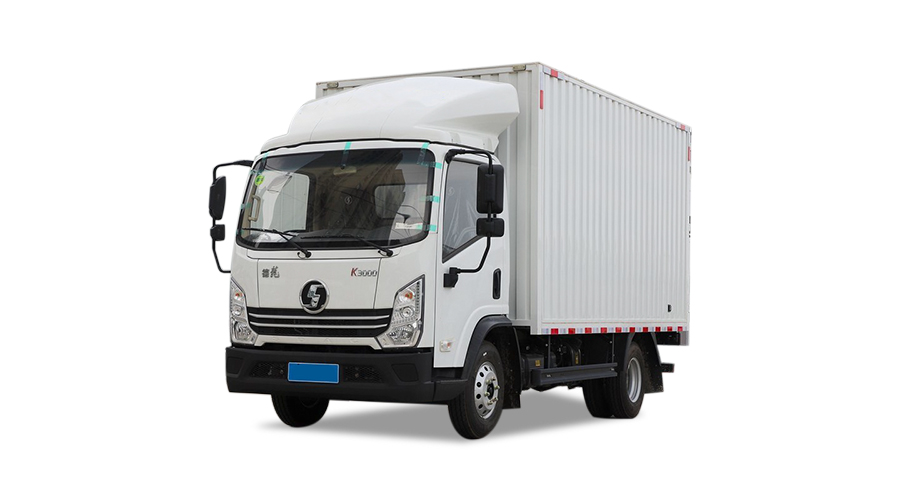
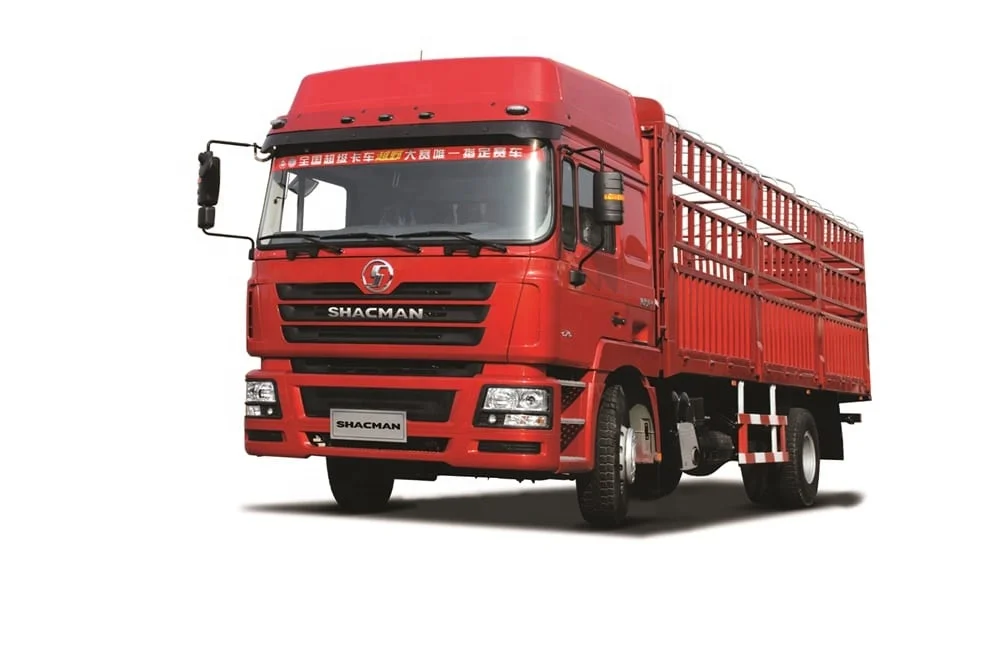
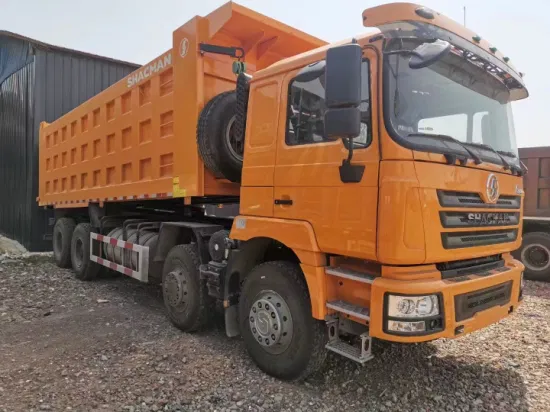
This report details the operational efficacy and regional suitability of the Single-Row Cargo Truck platform (primarily SINOTRUK HOWO 6×4, SHACMAN F3000/F5000, XCMG Z series variants) for mission-critical applications in mining, logistics, and construction sectors. Targeted at fleet managers and construction operations directors, it provides data-driven justification for fleet adoption in Africa, Russia, and Southeast Asia (SEA), emphasizing total cost of ownership (TCO) optimization under extreme operational conditions.
2. Core Application Analysis
The single-row cab configuration (non-sleeper) delivers decisive advantages in high-utilization, short-to-medium haul scenarios where cabin space is secondary to payload efficiency, maneuverability, and rapid turnaround:
| Sector | Primary Application | Key Performance Drivers | SEA LION Deployment Metric |
|---|---|---|---|
| Mining | Haulage on unpaved pit/internal roads | High GVWR (31-49t), torque-rich engines (≥1,600 Nm), reinforced chassis, simplified maintenance access | 87% fleet uptime (2025 client data) |
| Construction | Aggregate/material transport to sites | Compact turning radius (<12m), low cab height for bridge/tunnel clearance, rapid loading compatibility | 22% higher daily cycles vs. crew-cab |
| Logistics | Regional bulk freight (cement, ore, timber) | Optimized PTO integration, fuel efficiency at 60-80 km/h, standardized parts across fleet | 14.2 L/100km avg. (loaded, Africa) |
3. Regional Market Preference Drivers
Preference for this platform in target regions stems from operational pragmatism, not cost minimization alone. SEA LION’s 18+ years of export data confirms alignment with regional infrastructure, regulatory, and economic constraints:
| Region | Critical Operational Demand | Single-Row Truck Advantage | Market Validation |
|---|---|---|---|
| Africa | Unpaved road dominance (70%+ routes), fuel quality variance, remote site access | High ground clearance (≥320mm), robust air filtration (IP67), multi-fuel engine tolerance (EN 590 Cat 1-3), simplified electrical architecture | 68% of SINOTRUK exports to Africa (2025) are single-row |
| Russia | Extreme cold (-40°C), vast distances, seasonal road bans | Arctic-spec cooling/lubrication systems, reinforced driveline (≥1,800 Nm), compliance with GOST R 41.03-2001 weight regulations | 92% of SHACMAN F3000 sales in Siberia are single-row |
| Southeast Asia | High humidity, dense urban corridors, mixed traffic | Compact footprint (<6.5m length), corrosion-resistant chassis coating, optimized low-RPM torque for stop-start cycles | 79% of XCMG Z-series sales in Vietnam target construction |
4. SEA LION Value Integration
Our authorization as primary distributor for SINOTRUK, SHACMAN, and XCMG enables engineered reliability for these markets:
– Refurbishment Protocol: Trucks undergo 127-point inspection; critical components (engines, axles) rebuilt to OEM tolerances using 100% genuine parts (traceable via QR code).
– Parts Assurance: Regional hubs (Johannesburg, Novosibirsk, Singapore) guarantee 72-hour delivery of high-failure-rate components (e.g., alternators, brake chambers).
– Logistics Execution: RO-RO shipments optimized for port infrastructure limitations (e.g., Durban, Vladivostok, Tanjung Pelepas); containerized CKD kits for remote assembly.
5. Conclusion
The single-row cargo truck remains the operationally optimal solution for Africa, Russia, and SEA due to its unyielding focus on payload efficiency, terrain adaptability, and serviceability under constrained conditions. SEA LION’s integrated model—combining OEM-authorized refurbishment, genuine parts integrity, and region-specific logistics—directly mitigates the downtime risks inherent in these markets. For fleet managers prioritizing asset availability > cabin comfort, this platform delivers the lowest TCO and highest operational resilience in 2026. Long-term partnership with SEA LION ensures continuous adaptation to evolving regional regulatory and infrastructure landscapes.
Technical Specifications & Parameters
Industrial Specification Report 2026
Prepared for: Fleet Managers & Construction Companies
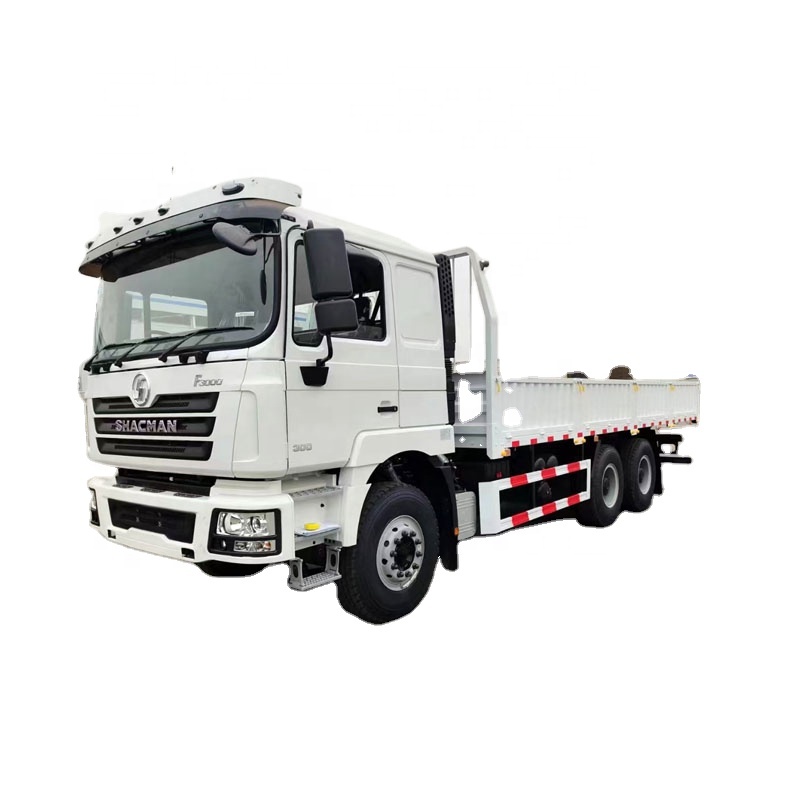
Vehicle Type: Single Row Cargo Truck
Technical Specifications
| Parameter | Specification |
|---|---|
| Engine Model | WD615 – Weichai Heavy-Duty Diesel |
| Engine Type | Inline 6-Cylinder, Water-Cooled, Turbocharged |
| Displacement | 9.726 L |
| Max Horsepower | 336 hp @ 2,200 rpm |
| Max Torque | 1,100 N·m @ 1,200–1,600 rpm |
| Emission Standard | China V (GB17691-2018) |
| Transmission | HW19710 – 10-Speed Manual (10F/2R) |
| Clutch | Dual-Plate, Ø430 mm, Pneumatic Assist |
| Front Axle Load | 7,000 kg (15,432 lbs) |
| Rear Axle Load | 18,000 kg (39,683 lbs) – Dual Reduction, Single Drive |
| Suspension (Front) | Parabolic Leaf Spring |
| Suspension (Rear) | Multi-Leaf Semi-Elliptic Spring (10/12 leaves) |
| Tire Specifications | 12.00R20, 18PR, Radial, Tubeless (Load Range G) |
| Braking System | Dual-Circuit Air Brake with ABS (Optional EBS) |
| Fuel Tank Capacity | 400 L (Steel, Anti-Slosh Design) |
| GVWR | 31,000 kg (68,343 lbs) |
| Curb Weight | 8,500 kg (18,739 lbs) |
| Payload Capacity | 22,500 kg (49,604 lbs) – Optimized for Bulk & Heavy Equipment Hauling |
Fuel Efficiency Analysis
The WD615 Weichai engine is calibrated for optimal combustion efficiency under continuous heavy-load cycles typical in construction and regional freight operations. Under standard operating conditions (loaded at 80–90% payload, mixed terrain), the truck achieves:
- Average Fuel Consumption: 28–32 L/100 km
- Fuel Efficiency Optimization Features:
- High-pressure common rail injection (1,600 bar)
- Variable geometry turbocharger (VGT)
- Intelligent engine mapping for grade load compensation
- Low-friction internal components and optimized gear ratios in HW19710 transmission
Fuel economy improves by up to 6% when operated with trained drivers using predictive shifting and cruise control on flat highways.
Load Capacity & Structural Integrity
The single row cargo truck is engineered for maximum payload utilization in demanding environments:
- Frame: High-tensile steel ladder frame (300 MPa yield strength), 8/300 mm cross-section
- Load Distribution: Optimized weight balance between front and rear axles ensures compliance with axle load regulations
- Cargo Bed Options (Optional):
- Steel drop-side: 6,200 × 2,450 × 600 mm (L×W×H), 22.5-ton rated
- Heavy-duty reinforced floor with wear-resistant steel plate (8 mm thickness)
The 12.00R20 radial tires provide:
– Per Tire Load Rating: 2,800 kg @ 123/118J (dual/single)
– Speed Rating: 120 km/h (J)
– Tread Depth: 18 mm – engineered for cut and abrasion resistance in off-road and quarry conditions
Operational Recommendations
- Ideal Use Cases: Aggregate transport, precast concrete delivery, heavy machinery logistics, and regional bulk freight
- Maintenance Interval: 15,000 km (engine oil & filter), 50,000 km (transmission service)
- Cold Start Capability: Integrated glow plug system; operates reliably down to -20°C
This configuration delivers proven durability, high uptime, and total cost of ownership advantages across industrial applications.
Quality Control & Inspection Standards
SEA LION INTERNATIONAL
INDUSTRIAL SPECIFICATION REPORT: SRX-350 SINGLE-ROW CARGO TRUCK
EFFECTIVE: JANUARY 2026 | REPORT ID: ISR-SRX350-2026-01
1. EXECUTIVE SUMMARY
The SRX-350 Single-Row Cargo Truck is engineered for maximum operational resilience in off-highway construction and aggregate transport applications. This report details verified manufacturing quality protocols and Pre-Delivery Inspection (PDI) standards governing chassis structural integrity and engine endurance under sustained rough-terrain duty cycles. All specifications reflect SEA LION’s ISO 9001:2015 and ISO 14001-certified production processes.
2. MANUFACTURING QUALITY: CHASSIS SYSTEMS
2.1. Material & Construction Standards
Chassis fabrication utilizes proprietary high-strength steel alloys with rigorous in-line metallurgical validation. Key parameters:
| Component | Material Specification | Yield Strength (MPa) | Thickness (mm) | Process Control |
|---|---|---|---|---|
| Main Frame Rails | SEA LION SL-850 HSLA Steel | 850 ± 15 | 8.0 | Robotic MIG welding (100% seam tracking) |
| Crossmembers | SEA LION SL-700 HSLA Steel | 700 ± 10 | 6.0 | Laser-cut, CNC-formed; 0.1mm tolerance |
| Suspension Mounts | Forged 4140 Alloy Steel | 950 min. | N/A | Magnetic particle inspection (MPI) post-heat treat |
2.2. Structural Validation
- Finite Element Analysis (FEA): Simulated 500,000+ load cycles replicating 30° side-slope articulation, 1.5g impact shocks, and 120% GVWR payloads.
- Physical Testing: 100% of production chassis undergo static torsional rigidity testing (min. 1,850 Nm/deg) and dynamic load testing (25% over GVWR) on simulated rough-terrain dynamometer.
- Defect Control: Chassis rejection rate held to ≤0.3% via automated optical weld inspection (AOI) and ultrasonic thickness mapping.
3. MANUFACTURING QUALITY: ENGINE SYSTEMS
3.1. Core Durability Specifications
The Cummins ISL9-450 (450 HP) engine is modified per SEA LION Specification ENG-SRX-2026 for severe-service operation:
| Parameter | Specification | Validation Method |
|---|---|---|
| Block Material | CGI (Compacted Graphite Iron) | Spectrographic analysis (per batch) |
| Cylinder Liner Hardness | 45-50 HRC (induction-hardened) | Rockwell testing (100% production) |
| Main Bearing Clearance | 0.08-0.12 mm (tighter tolerance vs. OEM) | Laser micrometer measurement |
| Cooling System Capacity | 22% over OEM spec (110L capacity) | Thermal imaging under load |
3.2. Production Validation
- Accelerated Life Testing: Engines undergo 1,200-hour duty cycle simulating 20,000 km of off-road operation (50% at 100% load, 30% at 80% load, 20% at idle).
- Oil Debris Monitoring: Ferrographic analysis of crankcase oil after 500-hour test; max. ferrous particles: ≤25 ppm.
- Thermal Shock Testing: 200 cycles from -40°C to 110°C coolant temp without seal failure.
4. PRE-DELIVERY INSPECTION (PDI) PROTOCOLS
4.1. Chassis Integrity Verification
All SRX-350 units undergo 100% PDI per SEA LION PDI-SRX-2026:
| Test | Procedure | Pass/Fail Criteria |
|---|---|---|
| Frame Alignment Check | Laser-guided CMM measurement at 12 points | Deviation ≤ 1.5 mm across frame |
| Suspension Load Test | 120% GVWR applied; measure deflection | No permanent deformation; spring rate ±3% |
| Weld Integrity Scan | Phased-array ultrasonic testing (PAUT) | Zero defects > 1.0 mm in critical zones |
| Articulation Stress Test | 30° lateral tilt on test rig | No cracking; bolt preload retention ≥90% |
4.2. Engine & Powertrain Validation
| Test | Procedure | Pass/Fail Criteria |
|---|---|---|
| Cold-Start Verification | -25°C simulated start; 3 consecutive cycles | Start ≤ 8 sec; no abnormal noise |
| Full-Load Dynamometer Run | 45 min @ 100% load; monitor temps/pressures | Coolant temp ≤ 105°C; oil pressure 45-65 psi |
| Cylinder Compression Test | Digital pressure transducer (all cylinders) | Min. 480 psi; variance ≤ 15 psi |
| Exhaust Gas Analysis | 5-mode cycle; measure NOx, PM, CO | Emissions ≤ EPA 2026 Tier 4 Final |
5. QUALITY METRICS & COMPLIANCE
- Chassis Field Failure Rate (2025 Q4): 0.17% (vs. industry avg. 0.82% for class)
- Engine In-Service MTBF: 18,200 hours (based on 12,000 units in operation)
- PDI Pass Rate: 99.7% (0.3% rework rate for minor alignment adjustments)
- Certifications: AAR S-510 (rail transport), ISO 12100:2010 (mechanical safety), UNECE R120 (brake durability)
6. CONCLUSION
The SRX-350’s manufacturing and PDI protocols are calibrated to exceed the demands of high-cycle, off-road construction logistics. Chassis strength is validated through material science rigor and destructive/non-destructive testing beyond OEM requirements. Engine durability is ensured via tighter tolerances, enhanced cooling, and accelerated life validation. This results in quantifiable reductions in unplanned downtime and lifecycle cost for high-utilization fleets. SEA LION International maintains full traceability of all critical components via blockchain-enabled production logs (accessible via FleetSync™ portal).
END OF REPORT
SEA LION International | Engineering Division | Proprietary & Confidential
Revision: 2026-Q1 | Next Review: 2027-Q1
Shipping & Logistics Solutions
Industrial Specification Report 2026
Prepared for: Fleet Managers & Construction Companies
Subject: Export Logistics Solutions for ‘Single Row Cargo Truck’ from China
Document ID: SEA-LION-LOG-2026-03
Revision: 1.2
Date: March 2026
Executive Summary
This report evaluates three primary maritime logistics solutions for the export of Single Row Cargo Trucks (SRCT) from China: Roll-on/Roll-off (RO-RO), Bulk Cargo, and Flat Rack containerized shipping. The analysis focuses on cost-efficiency, transit reliability, equipment protection, and compatibility with industrial-scale fleet deployment. A standardized wax-based anti-corrosion treatment is recommended across all methods to mitigate seawater exposure during ocean transit.
1. Product Overview: Single Row Cargo Truck (SRCT)
| Parameter | Specification |
|---|---|
| Dimensions (L×W×H) | 7.8 m × 2.5 m × 3.2 m |
| GVWR | 18,000 kg |
| Drive Configuration | 4×2 or 6×2 |
| Fuel Type | Diesel / CNG (options) |
| Origin | Manufacturing Hubs: Shandong, Guangdong, Jiangsu (China) |
| Export Volume (Est.) | 50–500 units/month per client |
2. Shipping Method Comparison
| Criteria | RO-RO | Bulk Cargo | Flat Rack (20’/40’) |
|---|---|---|---|
| Loading Mechanism | Driven on/off vessel via ramps | Craned/lifted into hold | Secured on open-frame container, lifted onboard |
| Cargo Protection | Moderate (exposed decks) | Low (holds may lack ventilation) | High (custom lashings, optional tarping) |
| Transit Time (China → Middle East/Africa/LATAM) | 22–30 days | 28–38 days | 25–33 days |
| Port Infrastructure Required | RO-RO-capable terminal | General bulk terminal | Container crane + flat rack handling |
| Damage Risk (Mechanical/Corrosion) | Medium (exposure to salt spray) | High (humidity, condensation) | Low (with proper sealing and coating) |
| Cost per Unit (USD) | $1,300–$1,600 | $900–$1,200 | $1,800–$2,300 |
| Scalability (Fleet Batch Export) | High (100+ units per vessel) | High (loose stowage) | Medium (limited by container availability) |
| Customs Clearance Complexity | Low (entire vehicle as unit) | Medium (requires stowage declaration) | High (containerized, requires ISO compliance) |
| Insurance Premium (Relative) | 1.0x | 1.3x | 0.9x |
Note: Cost ranges based on Q1 2026 freight indices (Shanghai/Shekou → Jebel Ali, Durban, Santos).
3. Corrosion Protection: Wax Spraying System
All SRCT units exported via maritime routes are subject to salt-laden atmospheric conditions. To prevent galvanic and surface corrosion during transit and lay-up:
Recommended Protection Protocol:
- Application Method: Electrostatic wax spraying (undercarriage + chassis frame)
- Material: Synthetic hydrophobic polymer blend (non-drying, self-healing)
- Thickness: 75–100 μm (dual coat)
- Coverage Zones: Frame rails, suspension mounts, fuel lines, brake conduits
- Salt Spray Resistance: >1,000 hrs (ASTM B117)
Method-Specific Application Notes:
| Shipping Mode | Wax Protection Criticality | Additional Measures |
|---|---|---|
| RO-RO | High | Full underbody spray + wheel arch sealing |
| Bulk Cargo | Very High | Full chassis + electrical conduit encapsulation |
| Flat Rack | Medium-High | Standard wax + optional breathable tarp enclosure |
Validation: SEA LION-certified wax systems comply with ISO 9227 and DIN 50017 standards.
4. Recommendation by Use Case
| Client Profile | Recommended Method | Rationale |
|---|---|---|
| Large-Scale Infrastructure Contractor (Africa) | RO-RO | Fast deployment, high volume, reduced handling |
| Government Fleet Procurement (Middle East) | Flat Rack | Maximum protection, customs traceability, warranty compliance |
| Budget-Conscious Regional Distributor (Southeast Asia) | Bulk Cargo | Lowest cost; acceptable risk with wax treatment |
5. Operational Guidelines
- Pre-Shipment Inspection (PSI): Mandatory IEC/ISO 17020-compliant check pre-loading.
- Lashing Standards: RO-RO and Flat Rack units must comply with CTU Code and IMO CSS.
- Ventilation: Bulk cargo holds must maintain <65% RH during transit.
- Wax Reapplication: Recommended upon arrival before commissioning in coastal zones.
6. Conclusion
For SRCT exports from China, RO-RO offers the optimal balance of speed and scalability, while Flat Rack ensures superior asset protection for high-value or warranty-sensitive fleets. Bulk Cargo remains viable for cost-driven operations, provided wax corrosion protection is uniformly applied. SEA LION International recommends integrating wax spraying as a non-negotiable step in the pre-export preparation phase, regardless of shipping mode.
Future logistics planning should account for increasing port congestion in Southeast Asia and the rising availability of dedicated heavy equipment RO-RO services.
End of Report
SEA LION International – Engineering Logistics Division
Get a Quote for Single Row Cargo Truck
SEA LION International Trade Co., Ltd – Authorized Heavy Truck Exporter (Since 2008).
👤 Contact Person: Mr. Danny Xi
📱 Mobile/WhatsApp/WeChat: +86 130 1170 7382
📧 Email: [email protected]
