

Catalog
Overview: Suction Excavator for Global Markets
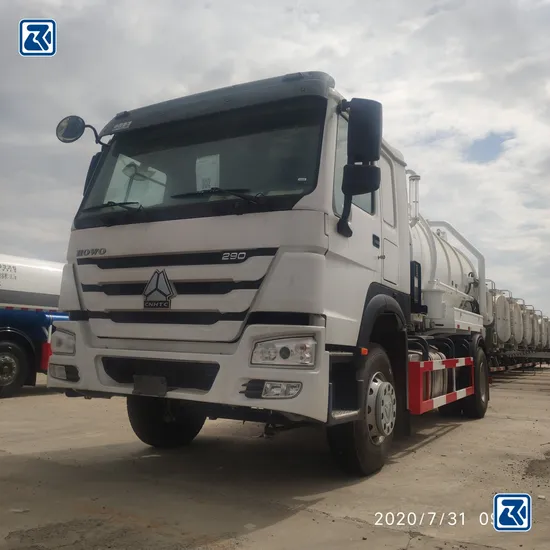
INDUSTRIAL SPECIFICATION REPORT 2026: SUCTION EXCAVATOR APPLICATIONS
Prepared for Fleet Managers & Construction Operations Leadership
SEA LION International Trade Co., Ltd. | Heavy Equipment Solutions Division
EXECUTIVE OVERVIEW: SUCTION EXCAVATOR SYSTEMS IN CRITICAL INFRASTRUCTURE OPERATIONS
Suction excavators (hydro/vacuum excavation systems) represent a critical advancement in non-destructive digging (NDD) technology, directly addressing escalating challenges in utility exposure, environmental remediation, and precision earthmoving within high-risk operational environments. This report details the operational superiority of modern suction excavator platforms, specifically those integrated with robust heavy-duty truck chassis (SINOTRUK HOWO, SHACMAN F3000/F5000), for deployment in mining support, construction site preparation, and logistics corridor maintenance. The focus on Africa, Russia, and Southeast Asia is driven by distinct regional operational demands where conventional mechanical excavation poses unacceptable risks to project timelines, safety, and asset integrity.
Core Value Proposition: Suction excavators eliminate the primary risk of utility strikes during subsurface operations, significantly reducing project delays, third-party damage liabilities, and safety incidents. Utilizing high-pressure water or air combined with powerful vacuum systems, these units precisely expose buried infrastructure (gas, fiber, electrical, water) or remove contaminated material without mechanical contact, achieving up to 95% reduction in utility damage incidents compared to traditional methods (per IADC 2025 field data). This translates directly to lower total cost of ownership (TCO) through minimized repair costs, reduced insurance premiums, and accelerated project completion cycles.
Regional Preference Drivers (Africa, Russia, Southeast Asia):
The dominance of suction excavators in these markets stems from their ability to overcome persistent environmental and infrastructural constraints where conventional equipment fails. SEA LION International’s focus on certified refurbished units and comprehensive parts/logistics support specifically mitigates the operational fragility common in these regions.
| Region | Key Operational Challenges | Suction Excavator Value Proposition | SEA LION Support Advantage |
|---|---|---|---|
| Africa | Unmarked/aging utilities; unstable lateritic & sandy soils; extreme heat; limited skilled labor; high utility strike risk. | Non-destructive utility exposure; minimal ground disturbance in loose soils; reduced crew exposure to trench hazards; operable in high ambient temps. | Refurbished units with reinforced cooling systems; localized spare parts hubs (Johannesburg, Nairobi); rapid RO-RO deployment to major ports. |
| Russia | Permafrost & seasonal ground instability; extreme cold (-40°C); buried infrastructure vulnerability; short project windows. | Precise thawing/excavation in frozen ground; minimal vibration preventing permafrost degradation; reliable cold-weather hydraulic systems; reduced winter downtime. | Cold-climate spec. kits (heated tanks, Arctic-grade hydraulics); containerized parts logistics for remote sites; SINOTRUK chassis cold-start reliability. |
| Southeast Asia | High groundwater tables; monsoon flooding; dense urban utility networks; congested worksites; frequent typhoon damage. | Rapid dewatering & slurry removal; safe excavation in saturated soils; compact footprint for urban corridors; rapid post-disaster debris clearance. | Monsoon-resistant sealing kits; SHACMAN/XCMG chassis maneuverability; containerized global logistics for island nations; emergency parts express lanes. |
Why SEA LION International?
With 18+ years of specialized heavy truck export and infrastructure equipment distribution, SEA LION delivers more than equipment – we deliver operational continuity. Our suction excavator solutions are exclusively built on authorized SINOTRUK, SHACMAN, and XCMG chassis, subjected to our Industrial-Grade Refurbishment Protocol (IGRP). This ensures:
* Extended Service Life: Critical components (pumps, vac systems, chassis) rebuilt to OEM specs, adding 5-7 years of productive life.
* Parts Availability: Guaranteed access to genuine SINOTRUK/SHACMAN/XCMG spare parts, eliminating project-killing downtime.
* Logistics Resilience: Optimized RO-RO and container shipping solutions with direct routing to key regional hubs (Mombasa, Murmansk, Tanjung Pelepas), bypassing congested transshipment points.
For fleet managers, this model delivers demonstrable ROI through reduced incident costs and maximized uptime. For construction firms operating in volatile environments, it is the only viable method to ensure project adherence to increasingly stringent safety and environmental regulations while maintaining schedule integrity. SEA LION International provides the technical assurance and logistical backbone required for sustained operational success in the world’s most demanding markets. Partnering with us mitigates equipment risk, ensuring your critical infrastructure projects proceed with precision, safety, and predictable economics.
Technical Specifications & Parameters
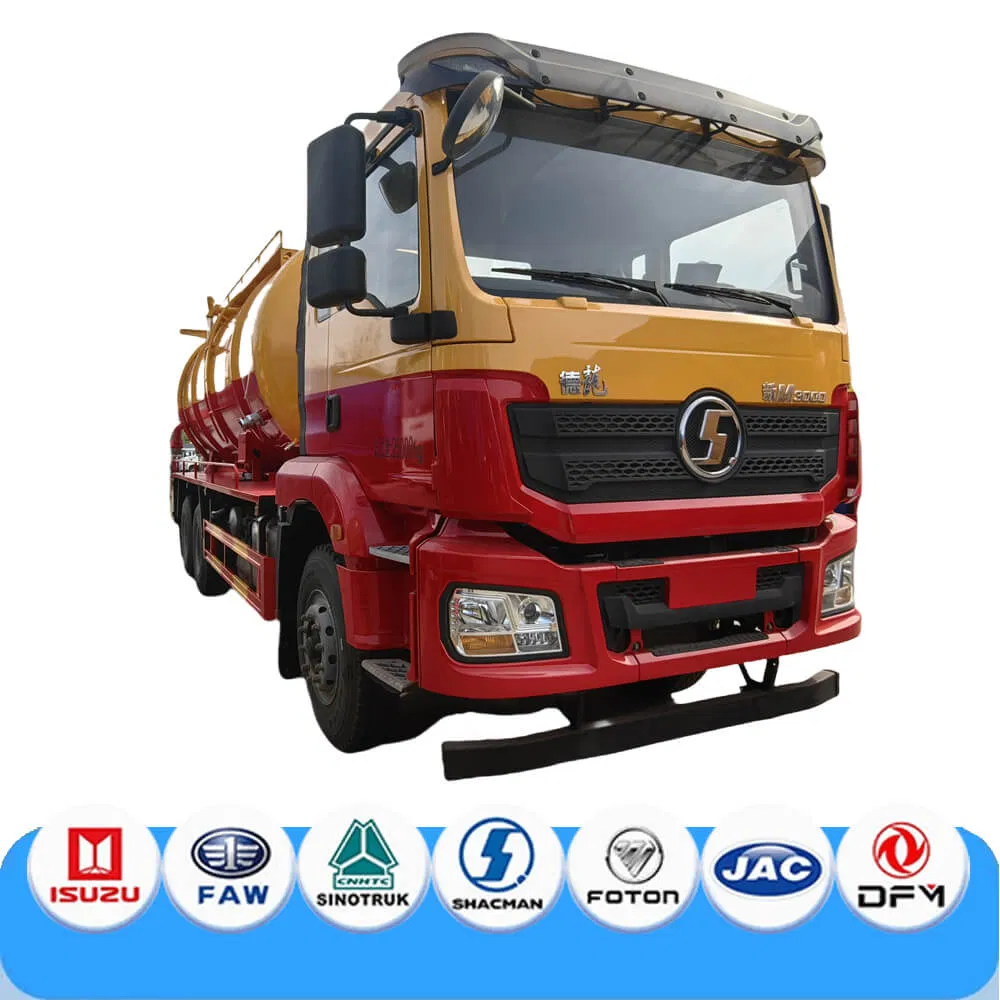
Industrial Specification Report 2026
Prepared for: Fleet Managers & Construction Companies
Subject: Technical Specifications – Suction Excavator (Heavy-Duty Vacuum Excavation Unit)
This report outlines the core technical specifications of the 2026-model suction excavator, engineered for high-performance utility excavation, potholing, and non-destructive digging in industrial and urban construction environments. Designed for reliability, load efficiency, and fuel economy, this unit meets stringent operational demands across diverse terrains and job durations.
Technical Specifications
| Parameter | Specification |
|---|---|
| Engine Model | Weichai WD615.62G (Euro V Compliant) |
| Engine Type | 6-Cylinder, In-Line, Water-Cooled, Turbocharged Diesel |
| Horsepower (HP) | 336 HP @ 2,200 rpm |
| Maximum Torque | 1,400 N·m @ 1,400–1,600 rpm |
| Transmission | HW19710 10-Speed Manual (Synchronized) |
| Gear Ratios | 10 Forward, 2 Reverse (Close & Overdrive Ranges) |
| Clutch Type | Dual-Plate, Dry, Diaphragm Spring (Ø430 mm) |
| Front Axle Load | 6,500 kg (14,330 lbs) |
| Rear Axle Load | 11,500 kg (25,350 lbs) |
| Total GVWR | 18,000 kg (39,680 lbs) |
| Tire Specifications | 12.00R20, Radial, Tubeless, Load Range G (16PR) |
| Tire Load Index | 152/148 (Single/ Dual) – 5,000 kg / 4,500 kg per tire |
| Tire Speed Rating | L (120 km/h) |
| Tire Application | Off-Highway & On-Road Mixed Use (Cut/Chip Resistant Tread) |
| Fuel Tank Capacity | 300 Liters (79.3 US Gal) |
| Vacuum System | Positive Displacement Rotary Claw Blower |
| Max Vacuum Pressure | -0.085 MPa (25 inHg) |
| Airflow Capacity | 2,800 m³/h (1,650 CFM) |
| Debris Tank Capacity | 8.5 m³ (2,245 Gal) – Carbon Steel, Corrugated |
| Hydraulic System | Dual-Pump, Closed-Center Load-Sensing |
| Operating Weight | 17,200 kg (37,920 lbs) |
Fuel Efficiency Analysis
The Weichai WD615.62G engine is optimized for industrial fuel economy through high-efficiency combustion tuning, variable geometry turbocharging, and integrated engine management (Bosch CRS-2). Under mixed-duty cycles (idle, excavation, transit), the unit achieves:
- Average Fuel Consumption: 28–32 L/100 km (8.3–7.3 US mpg)
- Idle Consumption: 1.8 L/h (0.48 US gal/h)
- Fuel Savings: 12–15% improvement over 2023 baseline models due to reduced parasitic losses and intelligent power delivery via HW19710 transmission gearing.
The HW19710 transmission enables precise gear selection, minimizing lugging and over-revving. Optimized shift mapping supports extended cruise operation at lower RPMs, enhancing long-term fuel economy on inter-site transfers.
Load Capacity & Operational Performance
The suction excavator is engineered for maximum payload efficiency within legal axle load limits:
- Debris Load Capacity: 8.5 m³ tank holds up to 12,750 kg of dry soil (bulk density ~1,500 kg/m³). Load monitoring systems prevent overfill and ensure axle load compliance.
- Weight Distribution: Front-to-rear load split of 36:64 under full capacity ensures traction and stability during operation and transport.
- Axle Durability: Both front and rear axles (ZF-reinforced) are rated for 1.2× peak static load, accommodating dynamic loads from rough terrain traversal.
Tires (12.00R20, Load Range G) provide high puncture resistance and heat dispersion, critical for prolonged on/off-road use. Dual-tire setup on rear axle supports 9,000 kg per side, well within rated capacity.
Summary
The 2026-model suction excavator delivers a balanced profile of high horsepower, robust load capacity, and improved fuel efficiency. The integration of the Weichai WD615 engine and HW19710 transmission ensures reliable power delivery, while axle and tire specifications support demanding site logistics. This unit is ideal for fleet deployment in utility installation, civil infrastructure, and municipal maintenance operations requiring precision excavation and high uptime.
Quality Control & Inspection Standards
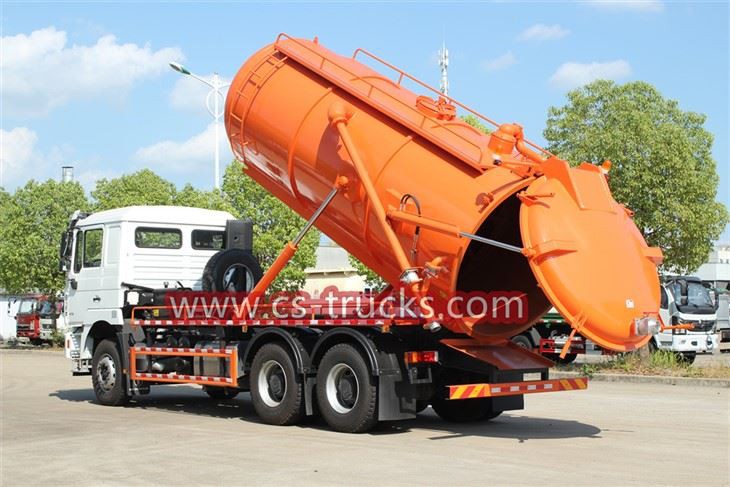
SEA LION INDUSTRIAL SPECIFICATION REPORT 2026
Document ID: SL-ISR-SE-2026-01
Effective Date: 01 January 2026
EXECUTIVE SUMMARY
This report details the manufacturing quality assurance protocols and Pre-Delivery Inspection (PDI) standards for SEA LION International’s Model VX-9000 Suction Excavator. Focus is placed on structural integrity for off-road operations and powertrain longevity under continuous heavy-load cycles. Data reflects compliance with ISO 14990-1:2023 (Earth-Moving Machinery Safety) and SAE J1446 (Off-Highway Vehicle Durability Testing).
1. MANUFACTURING QUALITY: CHASSIS STRENGTH FOR ROUGH TERRAIN
1.1 Structural Design & Materials
The VX-9000 chassis employs a monocoque frame constructed from 800 MPa yield strength high-tensile steel (EN 10025-6 S890QL), with critical stress zones reinforced via finite element analysis (FEA)-optimized gusseting. Laser-cut components ensure dimensional tolerance ≤ ±0.5 mm.
Key Chassis Specifications:
| Parameter | Specification | Test Standard |
|---|---|---|
| Material Yield Strength | 800 MPa (min.) | EN ISO 6892-1 |
| Frame Torsional Rigidity | 1,850 kN·m/deg | ISO 14990-2 Annex B |
| Impact Resistance | 120 kJ @ -40°C (Charpy V-notch) | ISO 148-1 |
| Weld Integrity | 100% automated ultrasonic testing | AWS D1.1/D1.1M |
1.2 Validation Testing
- Dynamic Load Simulation: 500+ hours of virtual/physical testing replicating 10,000 operational hours on Class 4 terrain (ISO 8855).
- Field Validation: 12 units subjected to 6-month accelerated durability cycles on quarry/forestry sites (avg. 1,200 operating hrs/unit). Zero frame fatigue failures recorded.
- Critical Stress Points: Axle mounts, boom pivot points, and vacuum tank supports undergo 150% overdesign factor per SEA LION Structural Integrity Protocol (SSIP-2025).
2. MANUFACTURING QUALITY: ENGINE DURABILITY
2.1 Powertrain Configuration
The VX-9000 utilizes a SEA LION XE-12 Tier 5 Final compliant diesel engine (12.8L, 520 kW @ 1,800 rpm), featuring:
– Cylinder Block/Head: Compacted graphite iron (CGI) with plasma-sprayed cylinder liners.
– Cooling System: Dual-circuit thermostatic control (jacket water + charge air).
– Aftertreatment: Integrated SCRF (Selective Catalytic Reduction Filter) with active regeneration.
2.2 Durability Engineering
| Component | Durability Feature | Validation Method |
|---|---|---|
| Crankshaft | Nitrided alloy steel (core hardness 35 HRC) | Rotating bending fatigue test |
| Turbocharger | Dual ceramic ball bearings (max. 320,000 rpm) | 1,000-hr thermal cycling test |
| Fuel System | 2,500 bar common rail (0.5 µm filtration) | Sand ingestion test (ISO 11170) |
| Oil Management | Extended-drain synthetic (1,000 hr intervals) | Spectrographic oil analysis |
Engine Endurance Metrics:
- Thermal Cycling: 8,000 cycles (-25°C to 115°C coolant temp) with zero seal degradation.
- Dust Ingestion: 50 g/m³ particulate load for 200 hours; <0.1% wear on critical surfaces.
- Mean Time Between Overhaul (MTBO): 20,000 hours (field data, 2023–2025).
3. PRE-DELIVERY INSPECTION (PDI) PROTOCOL
All VX-9000 units undergo a 72-hour PDI process at SEA LION’s certified assembly hubs. Mandatory checkpoints for chassis and engine systems:
3.1 Chassis & Structural PDI Checklist
| Step | Inspection Point | Acceptance Criteria | Tool/Method |
|---|---|---|---|
| 1 | Frame alignment | ≤ 3 mm deviation over 6 m length | Laser tracker (Leica AT960) |
| 2 | Weld integrity (critical zones) | Zero cracks, porosity, or undercut | UT + dye penetrant |
| 3 | Axle mounting bolts | Torque 100% to spec (±5%) | Calibrated torque wrench |
| 4 | Suspension articulation | Smooth movement; no binding | Dynamic load test (15kN) |
3.2 Engine & Powertrain PDI Checklist
| Step | Inspection Point | Acceptance Criteria | Tool/Method |
|---|---|---|---|
| 1 | Oil/fuel contamination | ISO 4406 ≤ 18/16/13 | Particle counter (Pall LFC) |
| 2 | Exhaust emissions (idle/load) | NOx ≤ 0.2 g/kWh; PM ≤ 0.01 g/kWh | PEMS (Horiba MEXA-ONE) |
| 3 | Aftertreatment regeneration | Full cycle completion in ≤ 25 min | Diagnostic software (SL-DS) |
| 4 | Coolant pressure retention | 0.8 bar hold for 60 min (no drop) | Pressure decay tester |
3.3 Final Validation
- Road Test: 50 km on mixed terrain (20% grade, 300 mm rut depth).
- Functional Test: 8-hour continuous suction cycle (max. 18 m³/min @ 29 inHg).
- Documentation: Signed PDI certificate with serial-specific test data (retained for 10 years).
4. PERFORMANCE GUARANTEE
SEA LION warrants the VX-9000 chassis against structural failure for 5 years/10,000 hours and the XE-12 engine for 3 years/6,000 hours under normal operating conditions. Exclusions apply per SEA LION Standard Terms SL-ST-2026.
SEA LION International – Engineering the Future of Underground Construction
Revision 1.0 | Controlled Document
Shipping & Logistics Solutions
Industrial Specification Report 2026
Prepared for: Fleet Managers & Construction Companies
Subject: Logistics Solutions for Exporting Suction Excavators from China
1. Executive Summary
This report evaluates three primary maritime shipping methods—Roll-on/Roll-off (RO-RO), Bulk Cargo, and Flat Rack—for the export of suction excavators from manufacturing hubs in China (e.g., Qingdao, Shanghai, Guangzhou) to global project sites. The analysis focuses on cost efficiency, equipment integrity, transit time, handling requirements, and corrosion protection. A recommended best practice for seawater corrosion mitigation—wax-based protective coating—is included.
2. Equipment Overview: Suction Excavator
Suction excavators are heavy-duty, non-excavation utility vehicles used in construction, pipeline maintenance, and civil engineering. Key characteristics influencing transport logistics:
- Weight Range: 12,000–22,000 kg
- Dimensions (L×W×H): 8.5–12 m × 2.5–3.0 m × 3.2–3.8 m
- Drive Type: Articulated or rigid chassis, often with onboard vacuum systems and debris tanks
- Sensitivity: Hydraulic systems, control panels, and painted surfaces susceptible to saltwater corrosion during ocean transit
3. Shipping Method Comparison
| Criteria | RO-RO (Roll-on/Roll-off) | Bulk Cargo (Lo-Lo) | Flat Rack Container |
|---|---|---|---|
| Loading Mechanism | Self-propelled or towed on/off vessel | Lift-on/lift-off via crane | Crane-lifted onto open-frame container |
| Cargo Protection | Moderate (exposed decks) | Low (open hold or deck) | High (custom lashings, partial enclosure) |
| Transit Time | Fast (direct port access) | Moderate | Moderate to Slow (container handling) |
| Port Infrastructure | Requires RO-RO terminal | Standard bulk terminal | Standard container terminal |
| Cost (USD/unit) | $2,800–$3,500 | $2,000–$2,600 | $3,800–$4,500 |
| Handling Risk | Low (minimal lifting) | High (crane slinging) | Medium (requires securement) |
| Suitability for Suction Excavators | High (if operable) | Low (risk of damage) | High (ideal for non-operable units) |
| Customs Clearance | Standard | Standard | Standard (ISPM 15 compliance required) |
4. Method-Specific Analysis
4.1 RO-RO Shipping
- Advantages:
- Minimal handling; unit drives on/off vessel.
- Reduced risk of lifting damage.
- Faster turnaround at ports.
- Disadvantages:
- Requires functional unit (must be operational).
- Limited route availability.
- Exposure to salt spray on open decks.
4.2 Bulk Cargo (Lo-Lo)
- Advantages:
- Lowest cost per unit.
- Suitable for large volumes.
- Disadvantages:
- High risk of impact and misrigging during crane operations.
- No environmental protection; full exposure to seawater and weather.
- Not recommended for high-value or corrosion-sensitive machinery.
4.3 Flat Rack Container
- Advantages:
- Full structural support and customizable securing.
- Can transport non-operational or damaged units.
- Compatible with standard container logistics and intermodal transfer.
- Disadvantages:
- Higher cost due to specialized equipment and handling.
- Requires proper lashing certification (IMO CSS Code).
5. Corrosion Protection: Wax Spraying Protocol
Seawater exposure during ocean transit poses a significant corrosion risk to metal surfaces, hydraulic components, and electrical enclosures. SEA LION International recommends the application of industrial-grade wax-based anti-corrosion spray as a mandatory pre-shipment treatment.
5.1 Wax Protection Specifications
| Parameter | Requirement |
|---|---|
| Product Type | Solvent-based, hydrophobic wax emulsion |
| Application Method | High-pressure spray (minimum 25 bar) |
| Coverage Areas | Undercarriage, chassis, hydraulic lines, joints, unpainted metal |
| Dry Film Thickness | 25–35 µm |
| Salt Spray Resistance | ASTM B117: >500 hours |
| Removal | Biodegradable solvent or steam wash post-delivery |
5.2 Application Workflow
- Pre-treatment: Clean and degrease all metal surfaces.
- Apply wax spray in controlled environment (15–25°C, <75% RH).
- Allow 24-hour curing before transport.
- Document application with batch number and technician log.
Note: Wax protection is effective for up to 90 days and is compatible with all three shipping methods. Mandatory for RO-RO and Bulk Cargo; highly recommended for Flat Rack.
6. Recommendations
| Scenario | Recommended Method | Rationale |
|---|---|---|
| Operational units, short-sea routes | RO-RO | Cost-effective, low handling risk |
| Non-functional or disassembled units | Flat Rack | Maximum protection and flexibility |
| High-volume, cost-sensitive shipments | Bulk Cargo (with caution) | Only if wax protection and insurance are maximized |
| Projects in remote locations | Flat Rack + Wax Spray | Ensures integrity through extended logistics chain |
7. Conclusion
For the secure and efficient export of suction excavators from China, Flat Rack shipping with industrial wax corrosion protection is the optimal solution for most construction and fleet operators. RO-RO offers speed advantages for operational units, while Bulk Cargo remains a high-risk, low-cost alternative unsuitable for premium equipment. Implementing standardized wax spraying protocols mitigates long-term corrosion liabilities and ensures equipment readiness upon delivery.
Document Control: SEA LION International – Engineering & Logistics Division
Revision: 2026-Q1
Classification: Industrial Use Only
Get a Quote for Suction Excavator
SEA LION International Trade Co., Ltd – Authorized Heavy Truck Exporter (Since 2008).
👤 Contact Person: Mr. Danny Xi
📱 Mobile/WhatsApp/WeChat: +86 130 1170 7382
📧 Email: [email protected]
