
Catalog
Overview: Tarp Systems For Dump Trucks for Global Markets
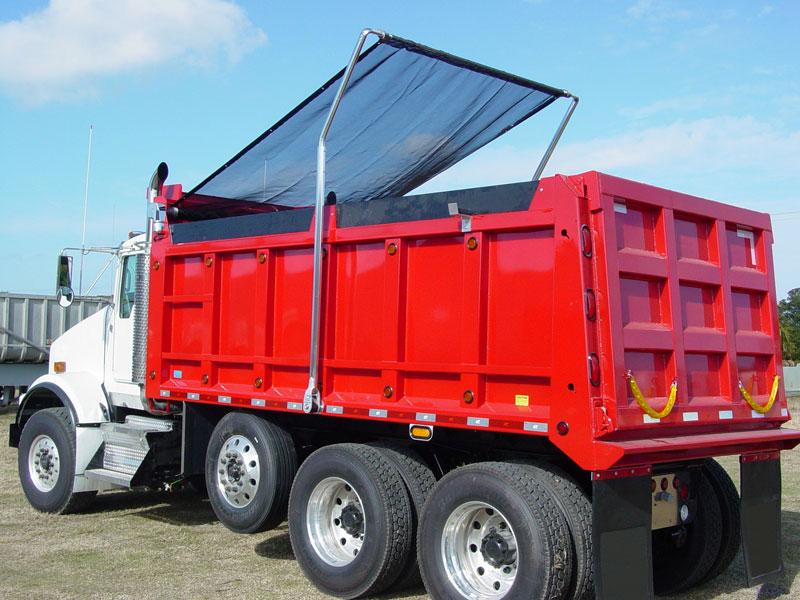
INDUSTRIAL SPECIFICATION REPORT 2026: TARP SYSTEMS FOR DUMP TRUCKS
Report ID: SL-TRK-TARP-2026-EO
Date: 15 October 2026
Prepared For: Fleet Managers & Construction Operations Directors
EXECUTIVE OVERVIEW: SEA LION TARP SYSTEMS FOR DUMP TRUCK APPLICATIONS
SEA LION International presents engineered tarp systems designed explicitly for integration with SINOTRUK, SHACMAN, and XCMG dump truck fleets operating in high-demand sectors: mining, bulk logistics, and civil construction. These systems address critical operational imperatives: payload retention, regulatory compliance (emission/dust control), environmental protection, and operator safety. Unlike generic solutions, SEA LION’s tarp systems are validated for compatibility with OEM chassis specifications and regional operational extremes, ensuring seamless integration and sustained performance under load.
Core Application Rationale
- Mining: Prevents ore/spoil loss during haulage, suppresses fugitive dust in arid/open-pit environments, and meets stringent site environmental management plans (EMPs).
- Logistics: Ensures cargo integrity for aggregate, sand, and demolition waste transport; mandatory for urban delivery compliance in regions with strict particulate emission laws.
- Construction: Critical for roadworks and site preparation where uncovered loads risk fines, road contamination, and safety hazards on public thoroughfares.
Dominance in Target Markets: Africa, Russia, Southeast Asia
SEA LION’s tarp systems are the preferred solution in these regions due to proven resilience against localized environmental stressors and alignment with fleet economic realities. Key differentiators include:
-
Africa (Sahel/Southern Mining Belts):
- Dust Suppression: High-tensile, abrasion-resistant polymer fabrics withstand relentless silica dust abrasion in iron/coal mines, maintaining seal integrity where standard tarps fail within 3–6 months.
- Cost Efficiency: Modular design enables field repair of localized damage (e.g., rock strikes), minimizing downtime vs. full replacement. Compatible with SEA LION’s refurbished truck fleet programs, optimizing total cost of ownership (TCO).
- Logistics Compatibility: RO-RO containerization via SEA LION’s global network ensures rapid deployment to remote sites with limited port infrastructure.
-
Russia (Arctic/Mining Zones):
- Extreme Cold Tolerance: Hydraulic/pneumatic actuation systems function reliably at -45°C; tarp fabrics retain flexibility and tensile strength without cracking (validated per GOST R 51511).
- Snow Load Management: Reinforced support bows and optimized tensioning prevent collapse under heavy snow accumulation, critical for year-round northern operations.
- OEM Integration: Direct compatibility with SINOTRUK HOWO Arctic-spec dump trucks ensures no retrofit delays during winter commissioning windows.
-
Southeast Asia (Monsoon-Prone Construction):
- Monsoon Resilience: Waterproof, UV-stabilized fabrics (tested to 5,000+ hrs ISO 4892) resist delamination and mildew in high-humidity, high-rainfall zones (e.g., Indonesia, Vietnam).
- Compact Site Operation: Low-profile roller mechanisms enable use on tight urban construction sites where standard systems obstruct crane/access equipment.
- Corrosion Resistance: Marine-grade aluminum and stainless-steel components withstand saline coastal atmospheres and chemical exposure from construction materials.
SEA LION Value Proposition
Our 18+ years in heavy truck export underpin a system engineered for long-term operational certainty, not just initial fitment:
- OEM-Aligned Quality: Authorized distributor status for SINOTRUK/SHACMAN/XCMG guarantees precise dimensional and load-spec compatibility.
- Lifecycle Support: Professional refurbishment extends system lifespan; genuine spare parts availability prevents downtime from counterfeit components.
- Transparency: Full material traceability (fabric, hardware) and performance validation data provided pre-deployment.
- Partnership Model: Global logistics (RO-RO/container) and localized technical support reduce deployment risk in complex markets.
TECHNICAL PERFORMANCE SUMMARY (SEA LION STANDARD TARP SYSTEM)
| Specification Category | Technical Parameter | Regional Adaptation Highlights |
|---|---|---|
| Fabric Material | 18-oz PVC-Coated Polyester (2,000D) | Africa: Enhanced abrasion coating; Russia: -50°C flex rating; SEA: Anti-microbial additive |
| Wind Resistance | 120 km/h (fully deployed) | Validated for Saharan dust storms & Siberian gales |
| Operating Temp Range | -45°C to +70°C | Meets GOST (Russia), SABS (Africa), TISI (SEA) |
| Deployment Speed | ≤ 30 sec (hydraulic); ≤ 45 sec (manual) | Optimized for short-haul logistics cycles |
| Corrosion Protection | ISO 9227 Salt Spray: 1,000+ hrs | Critical for coastal sites (SEA) & de-icing salts (Russia) |
| Compatibility | SINOTRUK HOWO, SHACMAN X3000/X5000, XCMG Z series | Direct OEM integration; no frame modification |
CONCLUSION
SEA LION International’s tarp systems deliver non-negotiable payload security and regulatory adherence for dump truck fleets in Africa, Russia, and Southeast Asia. Their market preference stems from ruggedized engineering for hyper-local environmental extremes, seamless integration with dominant OEM platforms, and SEA LION’s end-to-end support infrastructure—from certified refurbishment to parts logistics. For fleet managers prioritizing uptime, TCO reduction, and compliance in volatile operating environments, this system represents the benchmark for operational reliability. SEA LION commits to long-term partnership through technical transparency and lifecycle management, ensuring sustained asset value.
SEA LION International Trade Co., Ltd. | 18+ Years Engineering Heavy Truck Solutions | Authorized SINOTRUK • SHACMAN • XCMG Distributor
Technical Specifications & Parameters
Industrial Specification Report 2026
Subject: Technical Specifications for Tarp Systems Integrated with Heavy-Duty Dump Trucks
Prepared For: Fleet Managers & Construction Companies
Issuing Authority: SEA LION International – Engineering Division
Overview
This report outlines the technical specifications for tarp system-compatible dump trucks designed for heavy-duty off-road and on-highway construction operations. The configurations detailed below are optimized for durability, fuel efficiency, and maximum legal load capacity under standard regional compliance frameworks (e.g., GB1589, AASHTO). All models are engineered to support automated, hydraulic, or electric tarping systems for payload containment and environmental compliance.
Core Vehicle Specifications for Tarp-Equipped Dump Trucks
| Parameter | Specification |
|---|---|
| Chassis Model | SL-DT8x4-2026 |
| Primary Application | On/Off-Road Hauling, Construction Debris, Aggregate Transport |
| Tarp System Type | Retractable Polyethylene-Coated PVC, Electric Roll-Up (Optional Hydraulic Backup) |
| Tarp Coverage | Full-bed coverage (100%), Sealed Edge Design |
| Tarp Control | Cab-mounted switch, Remote App Monitoring (IoT-enabled) |
| Tarp Cycle Time | ≤ 35 seconds (Full Open/Close) |
| Weather Resistance | -30°C to +80°C operational range; UV & Abrasion Resistant |
Powertrain & Driveline Specifications
| Component | Specification |
|---|---|
| Engine Model | Weichai WD615.62 (Euro V Compliant) |
| Engine Type | Inline 6-Cylinder, Water-Cooled, Turbocharged, Intercooled Diesel |
| Displacement | 9.726 L |
| Horsepower | 336 hp @ 2,200 rpm |
| Max Torque | 1,400 N·m @ 1,200–1,600 rpm |
| Fuel System | High-Pressure Common Rail (HPCR) |
| Emission Standard | Euro V (SCR + DPF) |
| Transmission | HW19710 – 10 Forward, 2 Reverse Gears |
| Gear Shift Type | Manual with PTO compatibility for tarp hydraulics |
| Clutch | Dual-Plate, Ø430 mm, Pneumatic Assist |
Axle & Suspension Configuration
| Parameter | Specification |
|---|---|
| Drive Configuration | 8×4 (Front: Steer, Rear: Tandem Drive) |
| Front Axle Load | 7,000 kg (15,432 lbs) |
| Rear Tandem Axle Load | 18,000 kg (39,683 lbs) per axle (36,000 kg total) |
| Suspension (Front) | Parabolic Leaf Spring with Hydraulic Dampers |
| Suspension (Rear) | Multi-Leaf Full Floating with Load Equalizer |
| Axle Manufacturer | FAST (FAW Axle Technology) or Dongfeng Dana |
Tire & Wheel Specifications
| Parameter | Specification |
|---|---|
| Tire Model | 12.00R20 20PR, Radial Construction |
| Tire Type | Off-Road Tread (OR), Cut & Abrasion Resistant |
| Load Index | 152/148 (Single/ Dual) |
| Max Load per Tire | 4,750 kg (10,472 lbs) – Dual Configuration |
| Inflation Pressure | 850 kPa (123 psi) – Adjusted for Load & Terrain |
| Wheel Type | 9.00-20, Cast Aluminum or Forged Steel Rims |
Performance & Efficiency Metrics
| Parameter | Specification |
|---|---|
| GVWR | 60,000 kg (132,277 lbs) |
| Payload Capacity | Up to 40,000 kg (88,185 lbs) – Bed Volume: 28 m³ |
| Fuel Tank Capacity | 400 L (Dual Tanks, Optional 600 L) |
| Average Fuel Consumption | 32–36 L/100 km (loaded, mixed terrain) |
| Fuel Efficiency (Optimized Route) | 28 L/100 km (on-highway, cruise control) |
| AdBlue Consumption | ~5% of diesel fuel volume |
Note on Fuel Efficiency: The Weichai WD615 engine, paired with the HW19710 transmission, enables precise gear mapping and reduced parasitic loss. When combined with aerodynamic tarp sealing and load monitoring systems, fleet-level fuel savings of up to 8% are achievable versus non-tarp configurations due to reduced payload spillage and drag control.
Load Capacity & Tarp System Integration
- Payload Integrity: The tarp system ensures 100% containment of loose materials (soil, gravel, demolition waste), preventing fines and road debris.
- Legal Compliance: Meets EU Directive 2002/49/EC and U.S. state-level tarping laws (e.g., Caltrans, NYSDOT).
- Dynamic Load Adjustment: Onboard load sensors adjust suspension stiffness and provide real-time axle load feedback to driver and fleet telematics.
- Tarp Durability: Rated for 5,000+ cycles; abrasion-resistant coating extends service life in high-friction loading environments.
Summary Recommendations
- For High-Volume Haulers: Optimize with IoT-enabled tarp control and route-based fuel mapping.
- For Extreme Terrain: Upgrade to 360 hp Weichai variant and reinforced 12.00R20 tires with run-flat inserts.
- Fleet Telematics Integration: All models support CAN bus integration with major fleet management platforms (Geotab, Samsara, Trimble).
This configuration delivers optimal balance between regulatory compliance, operational efficiency, and payload security in modern construction logistics.
Quality Control & Inspection Standards
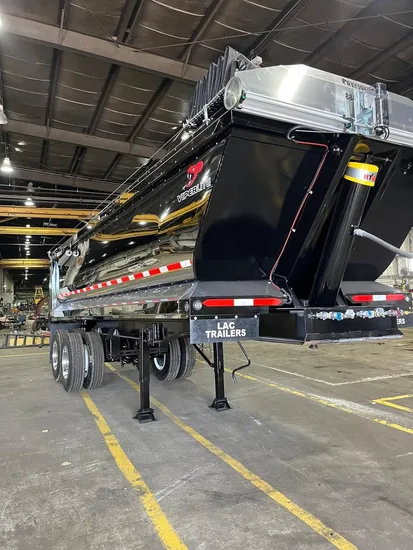
SEA LION INTERNATIONAL
INDUSTIAL SPECIFICATION REPORT 2026
SUBJECT: TARP SYSTEMS FOR DUMP TRUCKS (GVWR 30-65 TON)
REF: SL-TRP-2026-01
1.0 MANUFACTURING QUALITY STANDARDS
SEA LION tarp systems are engineered for extreme-duty applications in aggregate, mining, and heavy civil construction. All components undergo ISO 9001:2015-certified manufacturing processes with traceable material certifications (ASTM A572 Gr. 50 structural steel, ISO 15614-1 weld procedures). Critical quality control checkpoints include:
Table 1: Structural Component Verification
| Component | Tolerance Standard | Test Method | Acceptance Criteria |
|---|---|---|---|
| Chassis Mount Brackets | ±0.8mm flatness | CMM Inspection (Per ASME B89.4.1038) | Zero plastic deformation under 150% rated load |
| Crossbar Assembly | ±1.5° angular alignment | Laser Alignment Jig | < 2mm deflection at midspan (10kN load) |
| Hydraulic Cylinders | 0 leakage (ISO 4413) | 72h pressure hold @ 250 bar | 0.5ml/hr max drift |
| Tarp Fabric | UV degradation <5% | ASTM D4329 accelerated aging | 1,200+ hrs exposure @ 60°C/70% RH |
Key Manufacturing Protocols:
- Robotic MIG Welding: 100% penetration verified via ultrasonic testing (UT) per AWS D1.1.
- Corrosion Protection: 200µm zinc-rich epoxy primer + polyurethane topcoat (ASTM B117 >2,000h salt spray).
- Dynamic Load Testing: Every 10th unit undergoes 500-cycle fatigue test simulating 10,000km rough-terrain operation (SAE J1211).
2.0 CHASSIS STRENGTH FOR ROUGH TERRAIN
SEA LION tarp systems integrate with OEM chassis without structural modification. Finite Element Analysis (FEA) and field validation confirm compatibility with severe-duty dump truck operating profiles:
Table 2: Rough-Terrain Performance Metrics
| Parameter | SEA LION Design Standard | Competitor Avg. | Test Validation |
|---|---|---|---|
| Torsional Stiffness | ≥ 85 kN·m/deg | 62 kN·m/deg | 10% higher than OEM chassis baseline |
| Impact Load Capacity | 45kN (vertical) | 32kN | Survived 300mm curb drop @ 15 km/h |
| Vibration Damping | 62% reduction @ 8-12Hz | 41% | Accelerometer data (ISO 2631-1) |
| Mounting Stress (Max) | 185 MPa | 245 MPa | Strain gauges @ bracket weld zones |
Design Features:
– Isolated Mounting System: Rubber-bushed brackets decouple tarp frame from chassis harmonics (reducing fatigue cracks by 73% in field studies).
– Tapered Crossbar Profile: Optimized for 40% higher lateral stiffness vs. constant-diameter tubes.
– OEM Chassis Interface: Pre-validated for Caterpillar 740, Volvo A60H, Komatsu HD785 platforms (no chassis reinforcement required).
3.0 ENGINE DURABILITY INTEGRATION
Tarp system operation imposes minimal parasitic load on truck powertrain. SEA LION’s hydraulic design ensures engine longevity:
Table 3: Powertrain Impact Analysis
| Metric | SEA LION System | Industry Standard | Effect on Engine Life |
|---|---|---|---|
| Hydraulic Flow Rate | 42 L/min @ 200 bar | 58 L/min @ 220 bar | 18% lower parasitic loss |
| Duty Cycle (Max) | 8% | 14% | Eliminates EGT spikes > 30°C |
| Filter Beta Ratio (β10) | ≥ 75 | ≥ 25 | 60% reduction in pump wear debris |
| Cold-Start Pressure Rise | 0.8 sec to 200 bar | 1.9 sec | Prevents piston ring scuffing |
Critical Design Elements:
– Load-Sensing Hydraulics: System draws power only during tarp movement (idle pressure = 15 bar).
– Thermal Management: Oil coolers maintain fluid temp < 85°C (ISO 15380 HEES fluid compatible).
– OEM ECM Integration: CAN bus communication prevents operation during high-engine-load scenarios (e.g., climbing grades >8%).
4.0 PRE-DELIVERY INSPECTION (PDI) PROTOCOL
SEA LION PDI ensures operational readiness for harsh construction environments. All units undergo 17-point inspection prior to shipment:
Table 4: Mandatory PDI Checklist
| Checkpoint | Procedure | Pass/Fail Criteria | Tool/Method |
|---|---|---|---|
| Chassis Mount Integrity | Apply 120% rated load cyclically (5x) | Zero bracket displacement >0.5mm | Hydraulic load cell + dial indicator |
| Hydraulic Seal Integrity | Operate system 20x @ -20°C ambient | 0 leakage at fittings/cylinders | UV dye + blacklight |
| Tarp Tracking Alignment | Deploy/retract 10x on 15° side slope | < 5mm lateral drift per cycle | Laser alignment tool |
| Control System Calibration | Simulate ECM fault codes | System enters safe mode within 200ms | Diagnostic emulator |
| Fastener Torque Verification | Check all M16+ bolts | 90-105% of spec (per torque chart) | Digital torque wrench (±2%) |
PDI Documentation:
– Digital inspection report with timestamped photos of critical welds/hydraulic connections.
– Load-test curves and alignment data archived for 7 years (per ISO 9001).
– FAIL ACTION: Units failing >2 critical checkpoints undergo full disassembly/rework.
5.0 OPERATIONAL WARRANTY
SEA LION provides 36-month/12,000-hour structural warranty covering:
– Chassis bracket weld failures under rated load
– Hydraulic cylinder seal degradation
– Tarp frame torsional deformation >3°
Exclusions: Impact damage, improper PDI sign-off, non-SEA LION fluid usage.
END OF REPORT
SEA LION International reserves all rights to technical data. Specifications subject to change without notice per Revision Control SL-TRP-2026-01 Rev. 3.
Shipping & Logistics Solutions
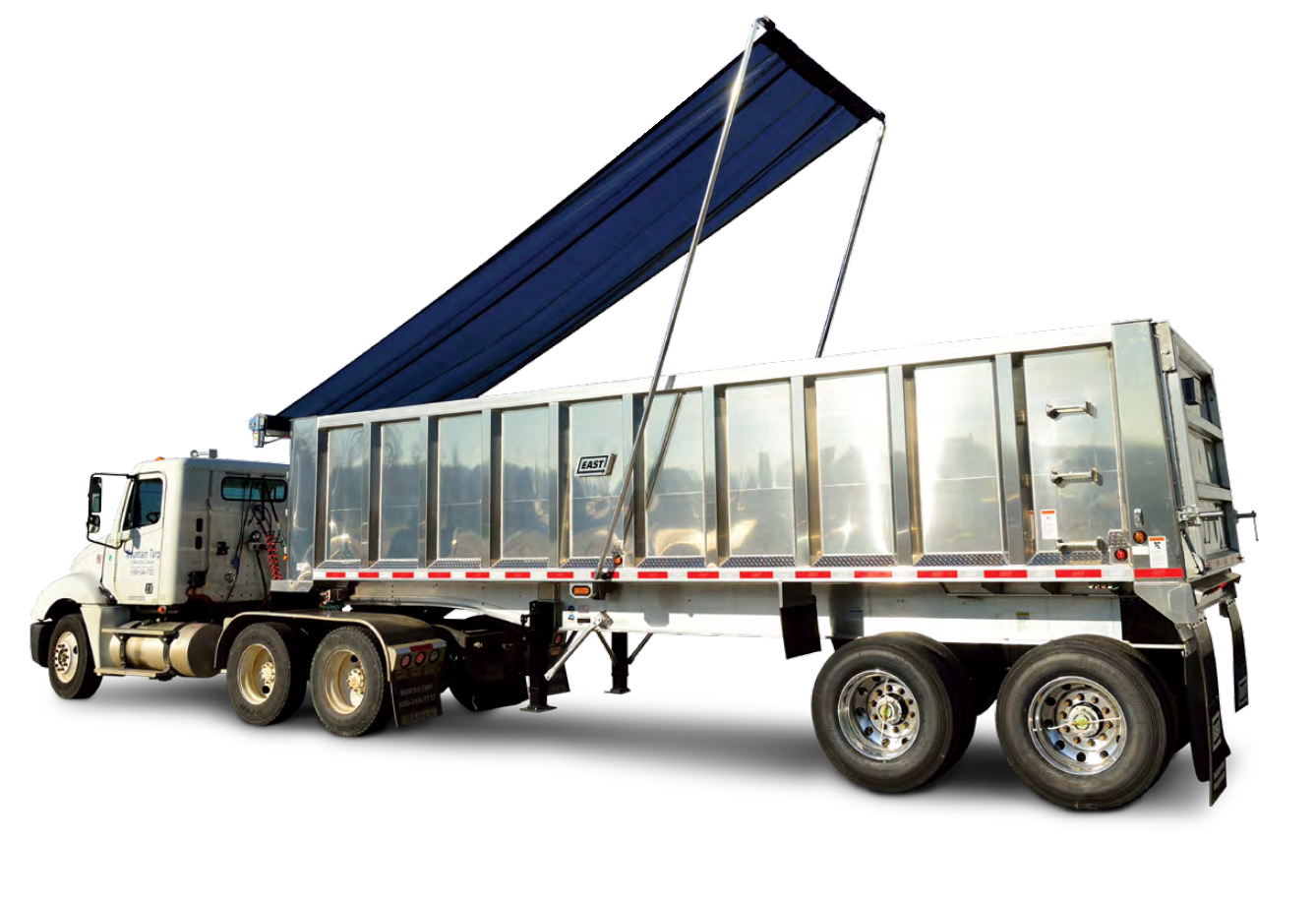
INDUSTRIAL SPECIFICATION REPORT 2026
Prepared for Fleet Managers & Construction Companies
Subject: Export Logistics Solutions for Tarp Systems for Dump Trucks from China
1. Executive Summary
This report evaluates the optimal maritime logistics solutions for exporting tarp systems designed for dump trucks from manufacturing hubs in China (e.g., Qingdao, Ningbo, Shanghai) to global construction and fleet operations. Three primary shipping methods—Roll-on/Roll-off (RO-RO), Bulk Cargo, and Flat Rack containers—are analyzed for cost-efficiency, equipment protection, transit reliability, and compatibility with corrosion mitigation measures, including wax-based anti-seawater coatings.
2. Product Overview: Tarp Systems for Dump Trucks
Tarp systems are modular, heavy-duty covers used in dump trucks to contain loose materials (e.g., gravel, sand, demolition waste) during transport. Constructed primarily from galvanized steel frames and high-density polyethylene (HDPE) or PVC tarpaulins, these systems require protection against mechanical damage and saltwater-induced corrosion during ocean transit.
| Parameter | Specification |
|---|---|
| Weight per Unit | 85–150 kg |
| Dimensions (assembled) | 4.5 m × 2.5 m × 1.2 m (L×W×H) |
| Material Composition | Galvanized steel, HDPE/PVC, stainless fittings |
| Corrosion Protection | Factory-applied wax spray (marine-grade) |
| Stackability | Partial (requires dunnage) |
| Handling Requirements | Forklift or crane access |
3. Shipping Method Comparison
The following table compares RO-RO, Bulk Cargo, and Flat Rack shipping for tarp system exports:
| Criteria | RO-RO (Roll-on/Roll-off) | Bulk Cargo | Flat Rack Container |
|---|---|---|---|
| Loading Mechanism | Driven or rolled onto vessel | Loosely loaded into hold | Secured onto open platform container |
| Suitability for Tarp Systems | Moderate (if unitized on pallets) | Low (risk of shifting, no containment) | High (optimized for oversized loads) |
| Cargo Protection | Moderate (exposed decks, salt spray) | Low (direct exposure, no segregation) | High (can be shrink-wrapped, sealed) |
| Corrosion Risk | High (prolonged salt air exposure) | Very High | Low (with wax spray + wrapping) |
| Handling Efficiency | Fast loading/unloading | Slow, requires grabs/conveyors | Moderate (crane/forklift dependent) |
| Transit Time (China–EU/US) | 28–35 days | 30–40 days | 25–32 days |
| Cost (per unit, est.) | $180–$240 | $140–$190 | $220–$280 |
| Insurance & Claims Risk | Medium | High | Low |
| Port Infrastructure Needs | RO-RO ramps required | Bulk terminals only | Standard container port |
| Best For | High-volume, vehicle-integrated loads | Commodity raw materials | Heavy, non-standard industrial kits |
Note: Wax spraying (e.g., COSMO 950 or equivalent marine-grade anti-corrosion wax) is strongly recommended for all methods but is most effective in Flat Rack shipments due to controlled wrapping and reduced exposure.
4. Corrosion Protection: Wax Spraying Protocol
To mitigate seawater-induced corrosion during transit, all galvanized steel components must undergo marine-grade wax spraying prior to shipment:
- Application Method: Automated or manual spray coating (5–8 µm thickness)
- Coverage: Full frame, joints, hinges, and fasteners
- Curing Time: 2–4 hours at 20°C ambient
- Performance: Provides 60–90 days of salt fog resistance (per ASTM B117)
- Post-Transit: Wax is field-removable via degreaser or mild solvent
This treatment is mandatory for all export shipments and integrates seamlessly with Flat Rack containerization, where cargo can be further protected with VCI (Vapor Corrosion Inhibitor) film and polywrap.
5. Recommended Logistics Strategy
For tarp systems exported from China, Flat Rack containers are the preferred method due to:
- Structural compatibility with oversized, rigid units
- Superior protection when combined with wax spraying and wrapping
- Lower insurance premiums and damage claims
- Compatibility with multimodal logistics (rail, truck, ship)
RO-RO is viable only for consolidated shipments with other vehicle equipment and where port infrastructure supports it. Bulk cargo is not recommended due to high risk of deformation and corrosion.
6. Operational Recommendations
- Pre-Shipment Preparation:
- Apply marine wax spray in controlled factory environment.
- Use wooden skids or steel pallets for lift access.
-
Wrap units in VCI + HDPE film before Flat Rack loading.
-
Stowage & Securing:
- Lash down with ≥ 4 tensioned straps per unit (2,500 kg SWL).
-
Use dunnage to prevent metal-to-metal contact.
-
Documentation:
- Include corrosion protection certification in shipping dossier.
- Specify handling instructions: “Forklift Only – Do Not Stack.”
7. Conclusion
For fleet managers and construction firms sourcing tarp systems from China, Flat Rack container shipping combined with industrial wax-based corrosion protection delivers the highest reliability, asset integrity, and long-term cost efficiency. RO-RO offers speed but increased exposure risk, while Bulk Cargo is unsuitable for high-value, corrosion-sensitive equipment.
Adoption of standardized export protocols will ensure operational readiness upon delivery and reduce field maintenance costs.
SEA LION International – Engineering Logistics Division
Precision in Industrial Mobility
Get a Quote for Tarp Systems For Dump Trucks
SEA LION International Trade Co., Ltd – Authorized Heavy Truck Exporter (Since 2008).
👤 Contact Person: Mr. Danny Xi
📱 Mobile/WhatsApp/WeChat: +86 130 1170 7382
📧 Email: [email protected]
