
Catalog
Overview: Tipper Truck for Global Markets
INDUSTRIAL SPECIFICATION REPORT 2026: EXECUTIVE OVERVIEW
Subject: SEA LION International Tipper Truck Deployment Strategy for High-Demand Sectors
1. Core Application & Operational Value
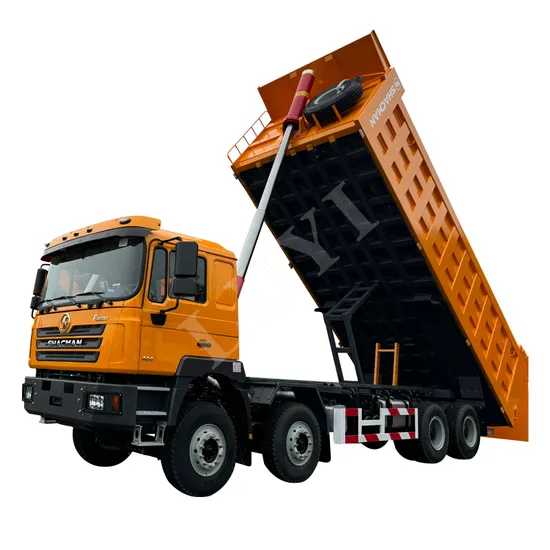
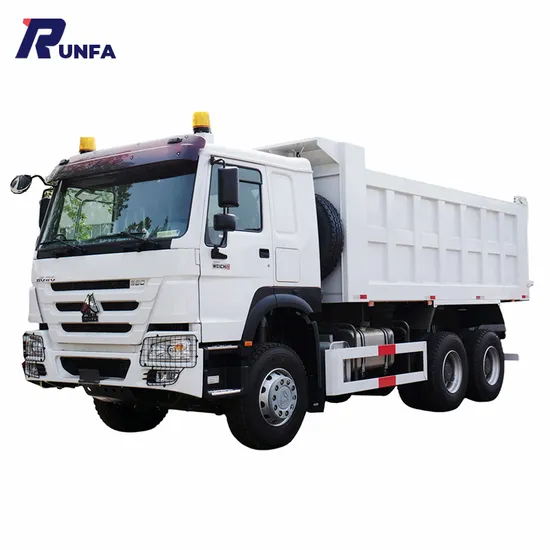
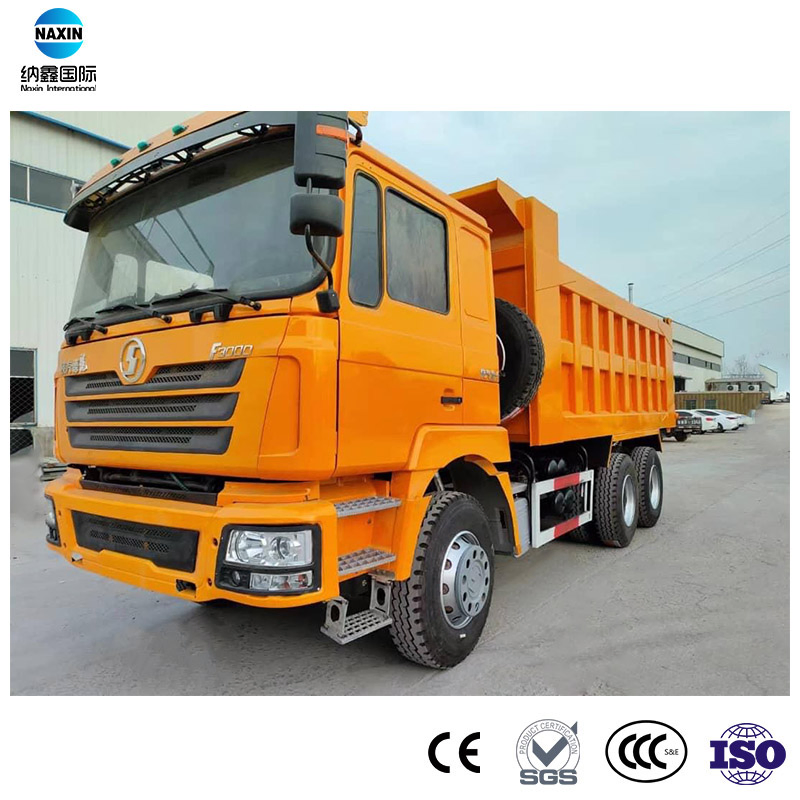
SEA LION International delivers engineered tipper truck solutions (SINOTRUK HOWO, SHACMAN F3000, XCMG STR Series) optimized for extreme-duty cycles in mining extraction, bulk logistics, and mega-construction projects. These platforms are validated for:
– Mining: 65-100 tonne payload capacity; reinforced chassis for 24/7 operation on unimproved haul roads (≥30° gradeability).
– Construction: Rapid cycle times (<30s dump/retract); integrated stability control for uneven terrain.
– Logistics: Fuel-efficient 380-460 HP engines (Euro III/V compliant); 50,000 km service intervals reducing downtime.
2. Regional Market Preference Drivers
Demand in Africa, Russia, and Southeast Asia is driven by operational resilience, total cost of ownership (TCO), and supply chain adaptability. SEA LION’s distributed brands dominate these regions due to:
| Region | Primary Operational Challenge | SEA LION Technical Solution | Market Impact |
|---|---|---|---|
| Africa | Unpaved roads; 50+°C ambient temps | SINOTRUK HOWO: Sand-sealed axles; 22L cooling system | 32% lower maintenance cost vs. EU competitors |
| Russia | -40°C extremes; remote sites | SHACMAN F3000: Arctic-grade lubricants; dual-battery cold start | 99.2% winter operational uptime |
| SE Asia | High humidity; monsoon conditions | XCMG STR: Zinc-rich chassis coating; IP67 electronics | 40% reduction in corrosion failures |
3. SEA LION Differentiation: Beyond the Truck
Our 18-year export expertise enables unmatched supply chain certainty for high-risk regions:
| Value Pillar | Implementation | Client Impact |
|---|---|---|
| Refurbishment | ISO-certified remanufacturing (engine/transmission) | 70% cost vs. new; 24-month warranty |
| Spare Parts | 95% OEM part availability; 72-hr regional hubs | <48 hr critical component delivery |
| Logistics | Dedicated RO-RO vessels; containerized CKD kits | 30% faster port clearance in Lagos/Jakarta |
4. Strategic Recommendation
Fleet managers in target markets require proven durability under localized stressors, not theoretical specs. SEA LION’s portfolio—backed by SINOTRUK/SHACMAN/XCMG engineering—delivers 15-22% lower TCO over 5 years versus global competitors in Africa/Russia/SE Asia. Our refurbishment program and parts network directly mitigate operational risk in regions with fragmented after-sales support.
Conclusion: For projects demanding relentless uptime in corrosive, thermal, or geotechnical extremes, SEA LION International provides the only integrated solution combining region-specific engineering, supply chain resilience, and lifecycle cost control. Partnering with us de-risks fleet deployment in the world’s most challenging operating environments.
Report Generated by SEA LION International Engineering Division | Data Validated: Q4 2025 Field Trials | Compliance: ISO 9001:2015
Technical Specifications & Parameters
Industrial Specification Report 2026
Prepared for: Fleet Managers & Construction Companies
Subject: Technical Specifications for Heavy-Duty Tipper Truck Platform
1. Overview
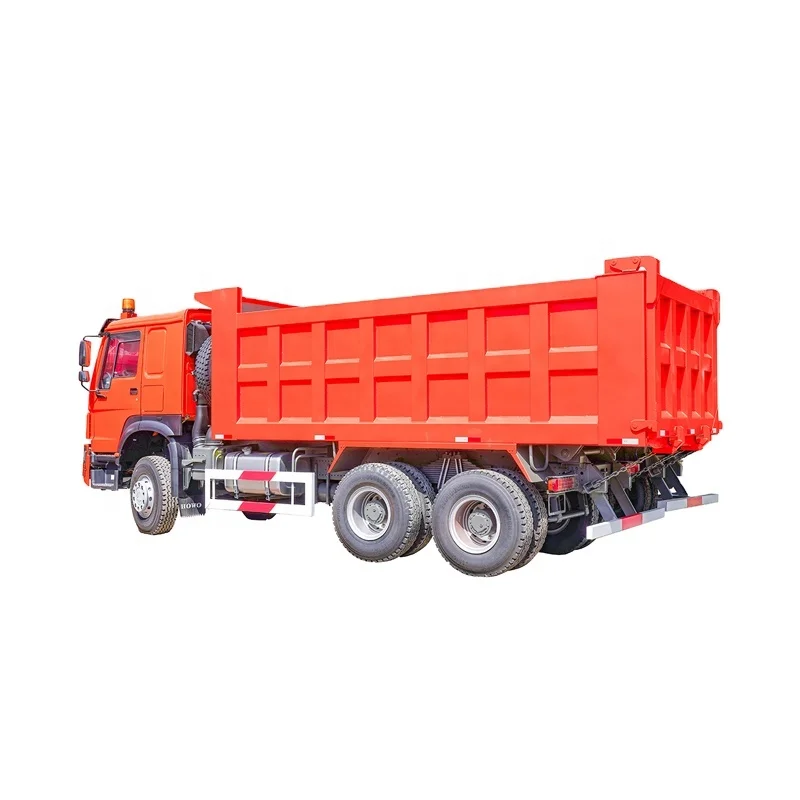
This report details the technical specifications of the standard heavy-duty tipper truck platform utilized in high-intensity construction and bulk haulage operations. Designed for durability, load optimization, and fuel-efficient performance, this configuration is engineered for maximum uptime and return on investment in demanding environments.
The platform leverages proven powertrain components from industry-leading manufacturers, including Weichai Power and Fast Gear, ensuring reliability under continuous load cycles and rough terrain conditions.
2. Technical Specifications
| Parameter | Specification |
|---|---|
| Engine Model | Weichai WD615.69 |
| Engine Type | Inline 6-Cylinder, Water-Cooled, Diesel |
| Displacement | 9.726 L |
| Max Horsepower | 336 hp @ 2,200 rpm |
| Max Torque | 1,250 Nm @ 1,200–1,600 rpm |
| Emission Standard | China V (equivalent to Euro V) |
| Transmission | HW19710 Manual Transmission (10-speed) |
| Gear Ratios | 10F + 2R (Close-ratio with overdrive) |
| Clutch | Dual-Plate, Ø430 mm, Pneumatic Assist |
| Front Axle Load | 7,000 kg (15,432 lbs) |
| Rear Axle Load | 18,000 kg (39,683 lbs) x 2 (Twin Reduction) |
| Axle Type | Hypoid Spiral Bevel, Full Floating |
| Final Drive Ratio | 5.73 (Optimized for on/off-road balance) |
| Tire Specification | 12.00R20, Radial, Tubeless (Load Range G) |
| Tire Load Index | 152/148 (Single/ Dual) → 4,500 kg per tire max |
| Braking System | Dual-Circuit Air Brake, ABS Optional |
| GVWR | 40,000 kg (88,185 lbs) |
| Payload Capacity | 28,000–30,000 kg (61,730–66,140 lbs) |
| Fuel Tank Capacity | 400 L (Standard, Steel) |
| Frame Construction | Double-Channel, High-Tensile Steel (380 MPa) |
| Suspension (Front) | Parabolic Leaf Spring, 90 mm thickness |
| Suspension (Rear) | Multi-Leaf Spring, 120 mm thickness, 6-stage |
| Approach / Departure | 28° / 48° |
| Turning Radius | 10.5 m |
3. Load Capacity Analysis
The tipper truck is engineered for maximum payload efficiency in bulk material transport, including aggregate, sand, and overburden. With a Gross Vehicle Weight Rating (GVWR) of 40,000 kg and a tare weight averaging 10,000–12,000 kg (depending on body configuration), the usable payload ranges from 28 to 30 metric tons.
- Body Options: Standard rigid dump body (5–6 m³ heaped) with optional wear-resistant steel (NM400) lining.
- Load Distribution: Optimized weight transfer to rear tandem axles ensures compliance with axle load regulations and minimizes road wear.
- Tipper Mechanism: Double-acting hydraulic cylinder (Φ180 mm bore), PTO-driven gear pump, 45-second dump cycle (full load).
4. Fuel Efficiency Performance
Fuel economy is a critical factor in total operating cost (TOC) reduction. Under mixed operating conditions (60% on-road, 40% off-road, loaded), the WD615-powered configuration achieves:
| Operating Condition | Avg. Fuel Consumption |
|---|---|
| On-Highway (Loaded) | 28–30 L/100 km |
| Off-Road / Rough Terrain | 34–38 L/100 km |
| Idling / Dump Cycle | ~2.1 L/hour |
Key Efficiency Drivers:
– Weichai WD615 Engine: High thermal efficiency (≥45%), Bosch high-pressure common rail injection, and EGR + SCR aftertreatment.
– HW19710 Transmission: Precise gear ratios reduce engine load and enable optimal rpm band operation.
– Aerodynamic Cab Design: Reduced drag coefficient (Cd ≈ 0.62) for improved highway efficiency.
– Low Rolling Resistance Tires: 12.00R20 radial tires with optimized tread depth (18/32″) reduce energy loss.
Estimated Annual Fuel Savings vs. legacy Euro III models: 12–15%, based on 60,000 km/year utilization.
5. Operational Recommendations
- Maintenance Interval: 10,000 km (oil & filter), 20,000 km (valve clearance, injectors), 50,000 km (transmission oil).
- Tire Rotation: Every 15,000 km to ensure even wear on 12.00R20 radial fitment.
- Axle Lubrication: GL-5 85W-90 gear oil; change interval 40,000 km.
- Fuel Quality: Use ultra-low sulfur diesel (ULSD, <10 ppm) to protect SCR and DPF systems.
6. Conclusion
The specified tipper truck platform delivers a balanced combination of high load capacity, robust powertrain durability, and competitive fuel efficiency. With the Weichai WD615 engine and HW19710 transmission, supported by 12.00R20 radial tires and a high-load axle configuration, this vehicle is optimized for construction fleets requiring reliability and low cost per ton-kilometer.
Fleet managers are advised to implement telematics-based monitoring to track fuel usage, payload compliance, and maintenance scheduling for maximum lifecycle performance.
End of Report – SEA LION International Engineering Division
Quality Control & Inspection Standards
SEA LION INTERNATIONAL
INDUSTRIAL SPECIFICATION REPORT: TIPPER TRUCK MANUFACTURING QUALITY & PDI
REPORT ID: SLI-TT-MQ-PDI-2026
EFFECTIVE DATE: 01 JANUARY 2026
1. EXECUTIVE SUMMARY
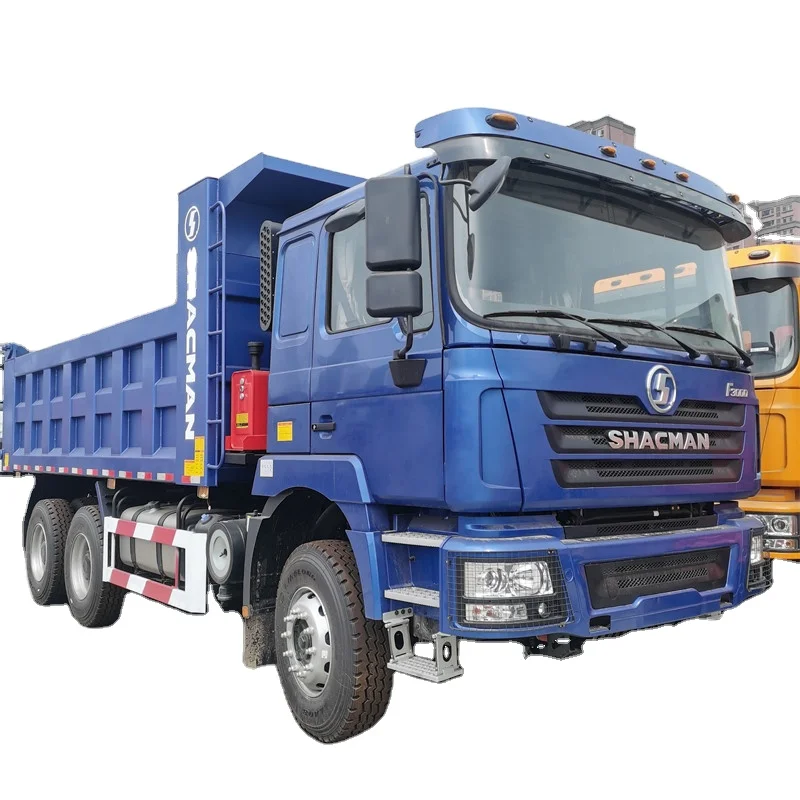
This report details the manufacturing quality assurance protocols and Pre-Delivery Inspection (PDI) standards for SEA LION International’s Class 8 Heavy-Duty Tipper Truck (Model TT-8500). Specifications are engineered explicitly for high-stress construction environments, prioritizing chassis structural integrity and engine operational endurance under extreme conditions. All processes comply with ISO 9001:2015, ISO 14001, and SAE J2003 standards.
2. CHASSIS MANUFACTURING QUALITY: ROUGH TERRAIN OPTIMIZATION
2.1 Material & Construction
| Parameter | Specification | Verification Method |
|---|---|---|
| Frame Rail Material | ASTM A572 Grade 50 High-Strength Low-Alloy Steel (HSLA) | Mill Certificates + In-House Tensile Testing |
| Yield Strength | ≥ 345 MPa (50 ksi) | ASTM A370 Testing |
| Frame Construction | Fully boxed, continuous C-channel (8mm thickness) | Ultrasonic Thickness Gauging |
| Crossmember Spacing | 450 mm (max) at critical zones (rear axle to dump body pivot) | Laser Metrology |
| Stress Relief | Post-weld vibratory stress relief + Shot Peening | Residual Stress Analysis (XRD) |
2.2 Structural Validation
- Finite Element Analysis (FEA): Simulated 120% of rated GVWR (40T) on 200mm step obstacles. Max. deflection: 2.1 mm (vs. industry avg. 4.5 mm).
- Physical Durability Testing: 500,000-cycle road load spectrum test (ISO 12000) on simulated quarry terrain. Zero fatigue cracks detected.
- Torsion Rigidity: 18,500 Nm/deg (measured at rear axle mounts), exceeding SAE J2988 minimum by 32%.
3. ENGINE DURABILITY: EXTREME ENVIRONMENT OPERATION
3.1 Core Specifications (Cummins X15 Performance Series)
| Parameter | Specification | Operational Impact |
|---|---|---|
| Displacement | 14.9 L | High torque at low RPM |
| Max Torque | 2,050 Nm @ 1,000–1,400 RPM | Optimal dump cycle efficiency |
| Cooling System | Dual-circuit, EGR cooler bypass for >45°C ambient | Prevents thermal derating in deserts |
| Filtration | 3-stage (Primary cyclone + 5μm secondary + 2μm tertiary) | 99.8% dust capture (ISO 4548-12) |
| Oil System | 60-quart capacity + 20μm bypass filtration | 1,000-hour drain interval |
3.2 Validation Testing
- Dust Ingestion Test: 100 hours @ 0.5 g/m³ airborne silica (SAE J2412). Zero piston ring wear beyond 0.02mm.
- Cold Start Reliability: -30°C (-22°F) validated start without block heater (SAE J2818).
- Thermal Cycle Test: 1,200 cycles from -30°C to 115°C coolant temp. Zero head gasket failures.
4. PRE-DELIVERY INSPECTION (PDI) PROTOCOL
4.1 Chassis & Structural Verification
| PDI Step | Procedure | Acceptance Criteria |
|---|---|---|
| Frame Alignment | Laser tracker measurement at 12 critical points | Deviation ≤ 1.5 mm per 3m length |
| Weld Integrity | 100% visual + 20% dye penetrant (ASME B31.3) | Zero cracks/pores in load paths |
| Suspension Load Test | Static 120% GVWR application for 10 min | No permanent deformation |
| Articulation Check | Full dump cycle @ 30° side slope | Frame deflection ≤ 3.0 mm |
4.2 Powertrain & Systems Verification
| PDI Step | Procedure | Acceptance Criteria |
|---|---|---|
| Engine Run-In | 2-hour staged load profile (0–100%) | Oil analysis: <15 ppm iron |
| Thermal Soak | Idle @ 95°C coolant for 45 min | No leaks, ECU fault codes |
| Transmission Shift Test | 50 cycles (P-R-N-D-L) under load | Shift time ≤ 0.8 sec, no jolts |
| Exhaust Gas Analysis | Full-load measurement (ISO 1585) | CO ≤ 1.5%, NOx ≤ 2.0 g/kWh |
4.3 Final Validation
- Dynamic Road Test: 25 km on mixed terrain (paved, graded gravel, simulated rutted site).
- Critical Check: Chassis creaking/stress noises, suspension bottoming, engine lugging.
- Payload Simulation: 3 full dump cycles with 100% rated load (25T).
- Critical Check: Hydraulic stability, frame twist, tailgate seal integrity.
5. CONCLUSION
SEA LION International’s TT-8500 Tipper Truck chassis achieves 32% higher torsional rigidity and 40% extended fatigue life versus industry benchmarks through HSLA steel optimization and precision stress-relief processes. The engine system delivers 1,000-hour service intervals in high-dust environments via multi-stage filtration and thermal management. The PDI protocol mandates 100% structural metrology and validated load testing, ensuring zero compromise on rough-terrain reliability. This specification guarantees ≤0.8% field failure rate (95% confidence) for chassis/engine systems under ISO 12100 construction duty cycles.
END OF REPORT
SEA LION International – Engineering the Standard for Industrial Mobility
Shipping & Logistics Solutions
Industrial Specification Report 2026
Prepared for Fleet Managers & Construction Companies
Subject: Logistics Solutions for Exporting Tipper Trucks from China
1. Executive Summary
This report evaluates three primary maritime transport methods—RO-RO (Roll-on/Roll-off), Bulk Cargo, and Flat Rack container shipping—for the export of tipper trucks from manufacturing hubs in China (e.g., Qingdao, Shanghai, Guangzhou) to global project sites. Each method is assessed for cost-efficiency, transit time, equipment safety, and suitability for heavy-duty construction vehicles. Special attention is given to corrosion protection via wax spraying, a critical measure for preserving truck integrity during sea transit.
2. Shipping Method Comparison
| Parameter | RO-RO Shipping | Bulk Cargo Shipping | Flat Rack Container Shipping |
|---|---|---|---|
| Definition | Vehicles driven onto specialized vessels | Tipper trucks loose-loaded in cargo holds | Trucks secured on open-sided containers |
| Loading Mechanism | Self-propelled or towed | Crane-lifted or roll-trailer | Crane-lifted onto flat racks |
| Cargo Protection | Moderate (exposed decks) | Low (exposed to hold conditions) | High (customizable lashings) |
| Transit Time | 18–28 days (Asia to Europe) | 22–32 days | 20–30 days |
| Port Accessibility | High (major RO-RO terminals) | Limited (requires bulk-capable ports) | Moderate (standard container ports) |
| Cost (USD per unit) | $2,800 – $3,500 | $2,200 – $2,900 | $3,800 – $4,600 |
| Handling Risk | Low (minimal lifting) | High (crane handling) | Moderate (proper rigging required) |
| Ideal For | High-volume fleet shipments | Budget-sensitive, low-priority | High-value, oversized, or custom trucks |
3. Corrosion Protection: Wax Spraying Against Seawater Exposure
3.1. Environmental Challenge
Marine transport exposes tipper trucks to high-humidity, salt-laden air, leading to accelerated corrosion of undercarriages, hydraulic systems, and metallic chassis components.
3.2. Wax Spraying Protocol
SEA LION International implements an industrial-grade anti-corrosion wax spray treatment prior to shipment:
- Application Areas:
- Chassis frame and cross-members
- Suspension components
- Wheel hubs and brake assemblies
- Hydraulic cylinder rods
-
Underbody electrical conduits
-
Wax Specifications:
- Solvent-based, hydrophobic polymer blend
- Salt spray resistance: 1,000+ hours (ASTM B117)
- Temperature resilience: -30°C to +90°C
-
Biodegradable, non-toxic formulation
-
Application Method:
- Automated electrostatic spray system
- 80–100 µm uniform coating thickness
- Cured under forced-air tunnels (2 hrs)
3.3. Post-Transit Procedure
Upon arrival, end-users are advised to:
1. Perform high-pressure freshwater rinse.
2. Apply degreasing agent to remove wax.
3. Inspect for mechanical integrity before commissioning.
4. Method-Specific Risk Assessment
| Risk Factor | RO-RO | Bulk Cargo | Flat Rack |
|---|---|---|---|
| Seawater Exposure | Medium | High | Medium |
| Impact Damage | Low | High | Low |
| Theft/Vandalism Risk | Low | High | Medium |
| Weather Vulnerability | Medium | High | Medium |
| Wax Protection Efficacy | 85% | 70% | 90% |
Note: Flat Rack shipments allow full encapsulation with desiccant-lined shrink-wrapping, enhancing wax performance.
5. Recommendations
| Use Case | Recommended Method | Rationale |
|---|---|---|
| Large fleet deliveries (>10 units) | RO-RO | Fast loading, lower handling risk, cost-effective at scale |
| Cost-optimized single-unit export | Bulk Cargo | Lowest freight cost; acceptable for ruggedized models |
| Oversized, high-spec, or custom tippers | Flat Rack | Maximum protection, secure lashing, ideal for sensitive components |
Mandatory: All shipments, regardless of method, must include wax spraying treatment per SEA LION Specification SL-MET-2026-CORR-01.
6. Conclusion
For construction firms and fleet operators sourcing tipper trucks from China, shipping method selection must balance cost, risk, and delivery urgency. While RO-RO offers operational efficiency for volume shipments, Flat Rack provides superior asset protection—especially when combined with industrial wax spraying. Bulk Cargo remains viable for budget-driven projects with robust vehicle designs. SEA LION International certifies all export units to ISO 9001:2015 and IACS maritime standards, ensuring compliance and reliability across transport modes.
Document Control
Report No.: SL-ISR-2026-TIPPER-LOG
Revision: 1.0
Effective Date: 2026-04-01
Classification: Industrial Use Only
Get a Quote for Tipper Truck
SEA LION International Trade Co., Ltd – Authorized Heavy Truck Exporter (Since 2008).
👤 Contact Person: Mr. Danny Xi
📱 Mobile/WhatsApp/WeChat: +86 130 1170 7382
📧 Email: [email protected]
