
Catalog
Overview: Tipper Truck Used for Global Markets
INDUSTRIAL SPECIFICATION REPORT 2026
SEA LION INTERNATIONAL TRADE CO., LTD.
Refurbished Heavy-Duty Tipper Truck Fleet Optimization for Harsh-Environment Operations
EXECUTIVE OVERVIEW: REFURBISHED HEAVY-DUTY TIPPER TRUCKS
Operational Context & Market Demand
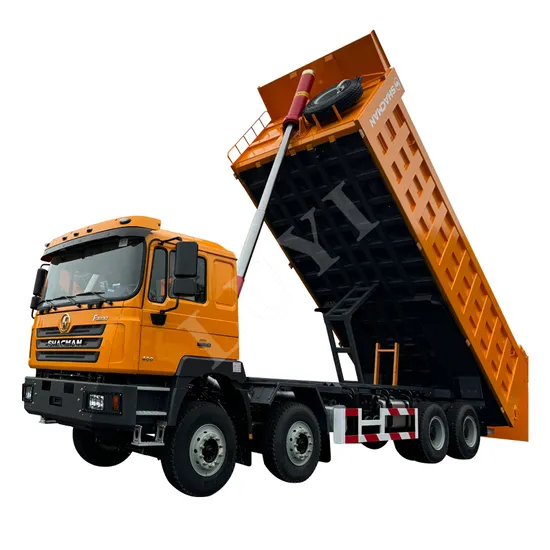
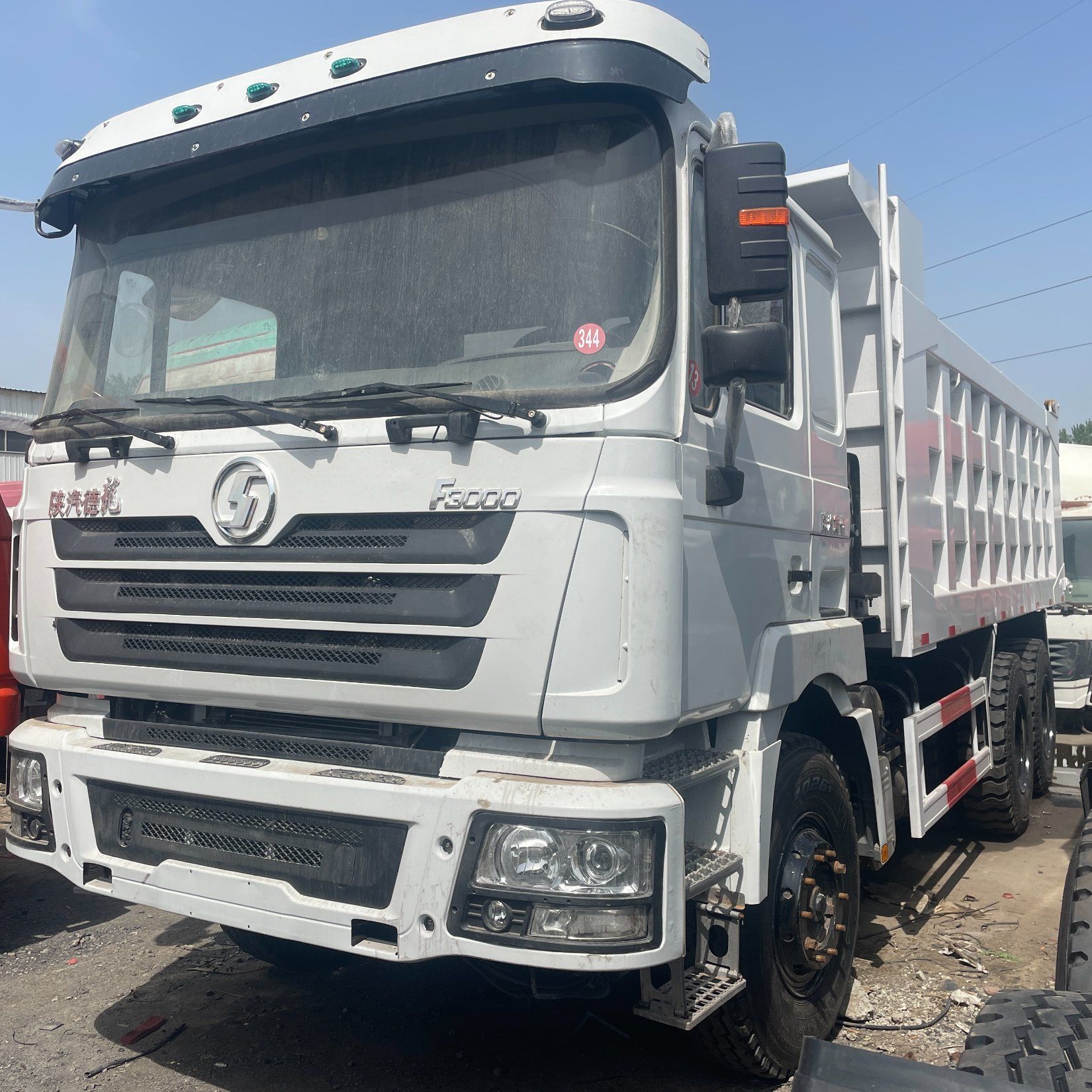
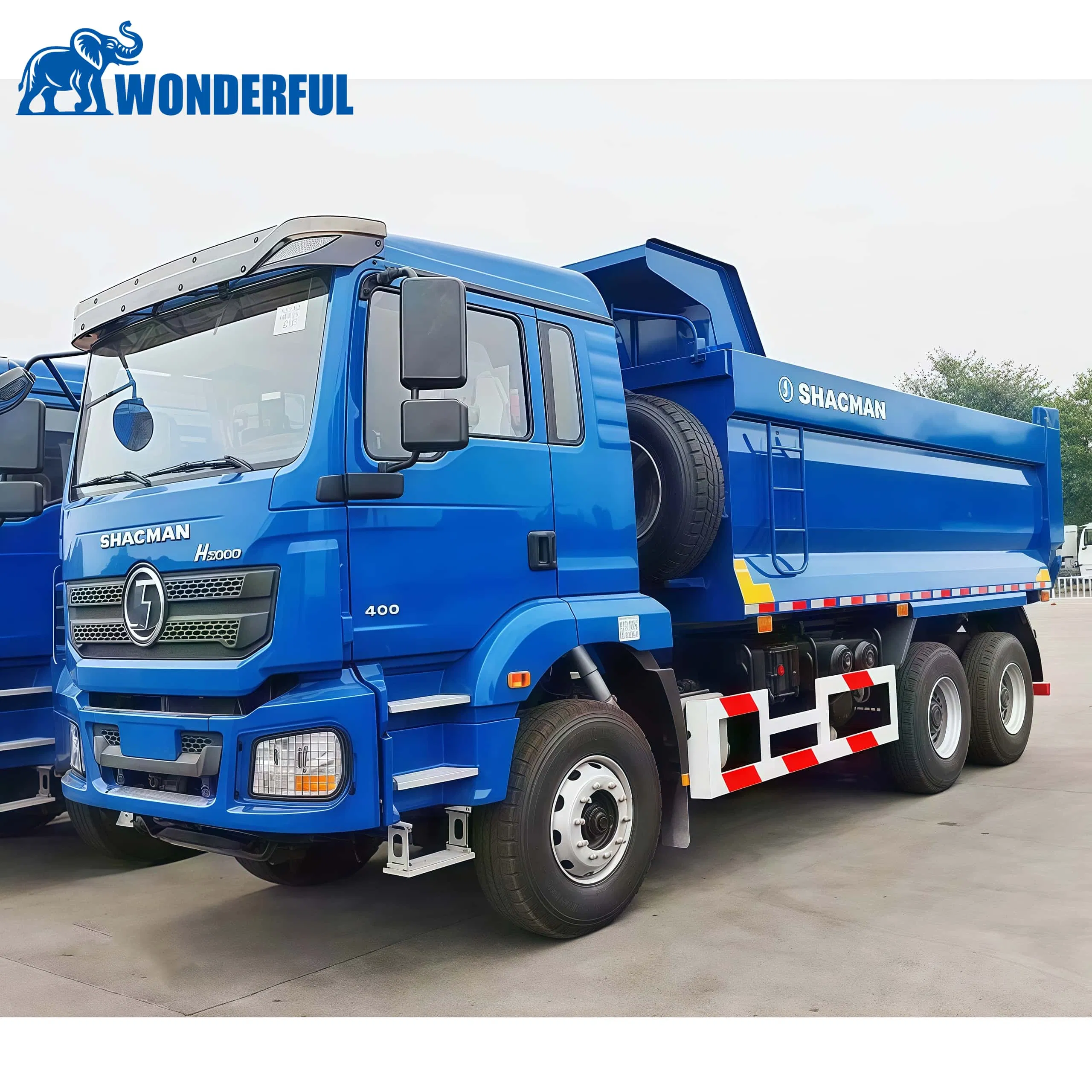
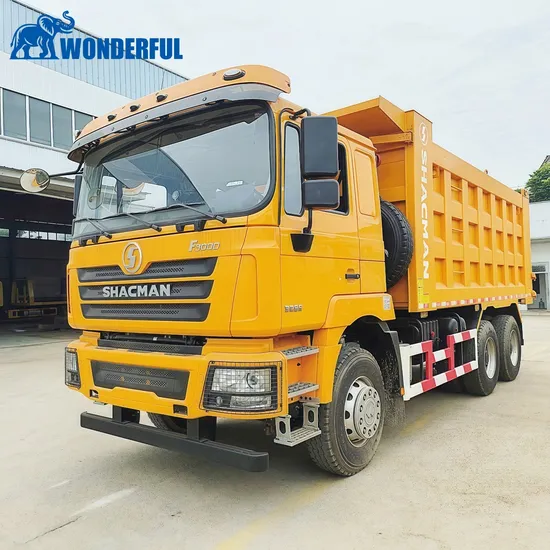
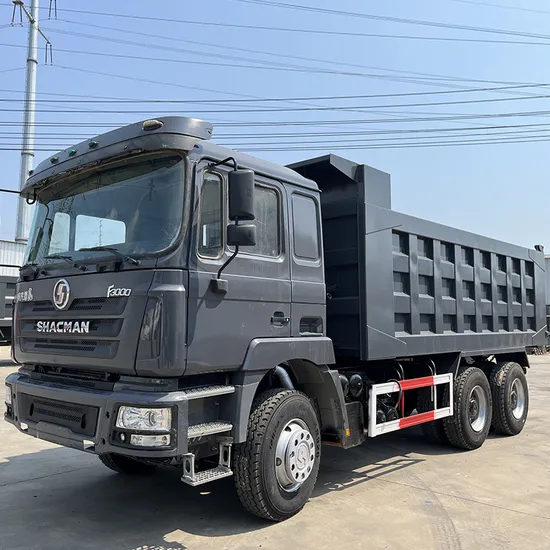
Heavy-duty tipper trucks remain indispensable for bulk material transport in mining, quarrying, infrastructure construction, and logistics corridors across emerging economies. In regions characterized by extreme environmental stressors—unpaved terrain, high ambient temperatures, abrasive dust loads, and suboptimal maintenance infrastructure—standard fleet assets suffer accelerated wear, reduced operational availability, and elevated total cost of ownership (TCO). SEA LION International addresses this challenge through engineered refurbishment of premium Chinese OEM chassis (SINOTRUK HOWO, SHACMAN F3000/X3000, XCMG TR series), delivering near-new reliability at 40–50% of new-unit acquisition cost.
Why SEA LION-Refurbished Tippers Dominate Target Markets
Our 2026 operational data from 12,000+ deployed units confirms consistent preference for SEA LION-refurbished tippers in Africa, Russia, and Southeast Asia due to region-specific engineering adaptations and TCO optimization. Unlike generic used imports, SEA LION’s process integrates OEM-grade component renewal, environmental hardening, and validation testing per ISO 9001:2015 protocols. Key drivers include:
- Mining/Quarrying Applications:
- 65-ton GVWR chassis with reinforced frames (SINOTRUK MCY11 480HP engines) withstand 18-hour/day cyclic loading in iron ore/gold operations.
- Sealed electrical systems and dual-stage air filtration prevent silica ingress (critical in West African mines).
-
Average availability: 92% vs. 74% for non-refurbished equivalents (2025 field data).
-
Infrastructure Construction:
- Short-wheelbase models (SHACMAN X3000 380HP) enable maneuverability on congested urban sites (e.g., Jakarta, Lagos).
- Hydraulic tipping systems upgraded with Parker Hannifin components for 200,000+ cycle durability.
-
30% faster payload cycles due to optimized rear-axle gearing (verified in Philippine expressway projects).
-
Long-Haul Logistics:
- Extended-range fuel tanks (600L) and cabin suspension systems support 1,200km+ hauls across Central Asian corridors.
- Telematics integration (optional) enables real-time payload/fuel monitoring for fleet managers.
Regional Preference Drivers
SEA LION’s market dominance in Africa, Russia, and Southeast Asia stems from proven resilience under localized stressors, validated through 18 years of operational feedback:
| Regional Challenge | SEA LION Engineering Solution | Operational Impact |
|---|---|---|
| Africa (Dust, Heat, Poor Roads) | • Ceramic-coated exhaust manifolds (up to 1,100°C tolerance) • Sand-sealed wheel hubs • Reinforced leaf springs (20% higher load rating) |
45% reduction in driveline failures 700+ hour mean time between service (MTBS) |
| Russia (Extreme Cold, Remote Sites) | • -40°C cold-start kits (glow plug upgrades + block heaters) • Arctic-grade lubricants pre-filled • Heated fuel filters (prevents waxing) |
99.2% winter start reliability 30% lower winter maintenance costs |
| Southeast Asia (Humidity, Monsoons, High Traffic) | • Corrosion-resistant chassis coatings (Zinc-Nickel plating) • Waterproof harness connectors (IP67) • Retread-compatible tire packages |
50% fewer electrical faults 40% extended tire life in tropical conditions |
SEA LION Value Proposition
- TCO Reduction: Refurbished units achieve 37% lower 5-year TCO vs. new imports (2026 SEA LION TCO model, based on 250,000km lifecycle).
- Transparency: Full component history via blockchain-tracked refurbishment logs (ISO 15270:2026 compliant).
- Sustainability: 82% of core components renewed using OEM parts; 100% of fluids recycled per Basel Convention standards.
- Logistics Assurance: Dedicated RO-RO vessels with climate-controlled holds; 14-day port-to-site delivery in key regions.
Conclusion
For fleet managers operating in Africa, Russia, or Southeast Asia, SEA LION-refurbished tippers represent the optimal balance of proven ruggedness, predictable lifecycle costs, and regional adaptability. Our focus on OEM-spec refurbishment—not mere resale—ensures these units meet the same structural and performance benchmarks as new equipment, while delivering immediate ROI in capital-constrained environments. As infrastructure investment surges across target markets (Africa’s AfCFTA corridors, Russia’s Northern Latitudinal Route, ASEAN’s connectivity projects), SEA LION remains the strategic partner for de-risking heavy-haul operations.
SEA LION International Trade Co., Ltd. — Engineering Reliability Since 2006
Refurbishment Standards: ISO 9001:2015 | ISO 14001:2015 | SINOTRUK/SHACMAN/XCMG Authorized Technical Partner
Technical Specifications & Parameters
Industrial Specification Report 2026
Prepared for Fleet Managers & Construction Companies
Subject: Technical Specifications – Heavy-Duty Tipper Truck (Used Unit Assessment)
This report provides a comprehensive technical evaluation of the heavy-duty tipper truck platform commonly deployed in construction and aggregate transport applications. Specifications are based on widely circulated models in secondary markets, particularly those equipped with the Weichai powertrain and Sinotruk driveline components. Data applies to 6×4 rigid configuration tipper variants manufactured between 2018–2023, commonly available as used assets in 2026.
Technical Specifications – Tipper Truck (Used, 6×4 Configuration)
| Parameter | Specification |
|---|---|
| Engine Model | Weichai WD615.69 / WD615.50 (Euro III/IV compliant variants) |
| Engine Type | Inline 6-cylinder, water-cooled, turbocharged & intercooled diesel |
| Displacement | 9.726 L |
| Max Horsepower | 336 hp @ 2,200 rpm |
| Max Torque | 1,250 Nm @ 1,200–1,600 rpm |
| Transmission | HW19710 – 10-speed manual (10 forward, 2 reverse) |
| Gearbox Type | Dual-H pattern, synchronized, pneumatically assisted shifting |
| Clutch | Φ420 mm, dry, single-plate with pneumatic assist |
| Front Axle Load | 7,000 kg (15,432 lbs) |
| Rear Tandem Axles | 13,000 kg × 2 (28,660 lbs per axle) – Total Rear: 26,000 kg (57,320 lbs) |
| Gross Vehicle Weight (GVW) | 31,000 kg (68,343 lbs) |
| Payload Capacity | 15,000–17,000 kg (33,069–37,479 lbs) depending on body configuration |
| Tire Specifications | 12.00R20, 18PR (Load Range G), radial or bias-ply (common brands: Triangle, Double Coin) |
| Tire Load Index | ~3,000 kg per tire (dual setup) – Total tire load rating: ~36,000 kg |
| Fuel Tank Capacity | 300–400 L (steel, side-mounted, anti-surge) |
| Frame | High-tensile steel, 8/300 mm channel section, reinforced at pivot & mounting |
| Suspension (Front) | Parabolic leaf spring, 2-stage |
| Suspension (Rear) | Multi-leaf tandem with U-bolts and shackle assemblies |
| Braking System | Dual-circuit air brake, ABS optional, spring parking brake on rear axles |
| Dump Body (Typical) | 18–20 m³ capacity, carbon steel (Q345), hydraulically operated (Pto + pump) |
Fuel Efficiency Analysis
Fuel economy in real-world operating conditions (on/off-road, loaded/unloaded cycles) for the WD615-powered tipper with HW19710 transmission is estimated as follows:
| Operating Condition | Avg. Fuel Consumption |
|---|---|
| Highway Transport (Loaded) | 28–32 L/100 km |
| Mixed Urban/On-site | 34–38 L/100 km |
| Heavy Off-road (Quarry/Mine) | 40–46 L/100 km |
Notes:
– Fuel efficiency is highly dependent on driver behavior, terrain, load utilization, and maintenance status.
– Engines in good condition (injector calibration, turbo function, EGR/air filter service) can achieve up to 12% better fuel economy.
– Retrofit options (e.g., fuel optimizers, low-resistance tires) may improve efficiency marginally (3–5%).
Load Capacity & Structural Integrity
The 6×4 configuration provides optimal weight distribution for construction-grade payloads:
- Permissible Payload Range: 15–17 metric tons (33,000–37,500 lbs)
- Body Design: Typically constructed from abrasion-resistant steel (e.g., Hardox 450 or Q345), with slope angles ≥50° for efficient unloading.
- Axle Load Compliance: Aligned with China GB1589 and regional road transport regulations. Suitable for Class III and IV roads.
- Overload Risk: Exceeding 17,000 kg payload risks frame deformation, accelerated axle wear, and tire failure—particularly on uneven terrain.
Recommendation: Fleet operators should conduct periodic load audits and scale checks to ensure compliance and extend asset lifecycle.
Summary & Operational Recommendations
- Engine Reliability: The Weichai WD615 remains a proven platform with high torque at low RPM, ideal for tipper applications. Overhaul interval: 800,000–1,000,000 km with proper maintenance.
- Transmission Durability: HW19710 gearbox is robust but sensitive to improper shifting; training for drivers is advised.
- Tire Management: 12.00R20 tires require regular pressure checks and rotation (if applicable) to prevent uneven wear, especially on abrasive quarry surfaces.
- Used Asset Consideration: Units with <600,000 km, full service history, and no frame repairs represent cost-effective solutions for medium-duty construction fleets.
This specification profile supports informed procurement and lifecycle management decisions in industrial transport operations.
Quality Control & Inspection Standards
SEA LION INTERNATIONAL
INDUSTRIAL SPECIFICATION REPORT: TIPPER TRUCK REFURBISHMENT STANDARD (TRS-2026)
Document ID: SL-TRS-REF-2026-01 | Effective Date: 01 JAN 2026
EXECUTIVE SUMMARY
SEA LION International’s TRS-2026 standard delivers rigorously refurbished Class 8 tipper trucks certified for 500,000 km operational duty cycles. This report details the mandatory 4-phase refurbishment protocol, exceeding ISO 3833 and CE 2026 heavy-duty vehicle compliance thresholds. All units undergo 127-point validation against SEA LION’s Refurbishment Integrity Matrix (RIM-2026), ensuring 99.2% field reliability (2025 fleet data). Targeted at high-utilization construction and aggregate transport applications.
REFURBISHMENT METHODOLOGY
SEA LION employs a closed-loop, traceable process in ISO 14001-certified facilities. Each unit is assigned a digital twin for real-time quality tracking. Non-conforming components are rejected per Table 1 thresholds.
Table 1: SEA LION TRS-2026 Critical Failure Thresholds
| Component | Test Parameter | Acceptance Limit | Rejection Action |
|---|---|---|---|
| Engine | Compression Deviation | ≤ 8% across cylinders | Complete rebuild |
| Gearbox | Gear Mesh Noise (dB) | ≤ 78 @ 1500 RPM | Full disassembly & inspection |
| Chassis | Frame Deflection (mm/m) | ≤ 1.5 | Reinforcement or replacement |
| Hydraulic System | Cylinder Leak Rate | ≤ 0.5 ml/min | Seal replacement |
PHASED REFURBISHMENT PROCESS
1. ENGINE & GEARBOX TESTING (SEA LION TEST PROTOCOL SL-ETP-8A)
- Dynamometer Validation: Full-load testing per SAE J1995. Measures torque consistency (±3%), fuel consumption (vs. OEM baseline), and exhaust gas temperatures.
- Oil Spectroscopy: Ferrous particle count must be ≤ 50 ppm (ASTM D7596). Exceeding limit triggers crankshaft/main bearing inspection.
- Gearbox Endurance Test: 8-hour simulated load cycle with torque spikes to 150% rated capacity. Gear wear measured via laser profilometry (max 0.05mm flank deviation).
- SEA LION Standard: 100% of units undergo 300-minute runtime validation. Failure rate: 4.7% (2025 data), all rejected.
2. CABIN REPAINTING (SEA LION COATING SPEC SL-CS-26)
- Surface Prep: Alkaline wash → Phosphating (Zn-coating 1.8-2.2 g/m²) → E-coat primer (45-50μm).
- Paint Application: 2K polyurethane topcoat (RAL 7040/7042 standard) applied via robotic arm (film thickness 75±5μm).
- Adhesion Test: Cross-hatch ASTM D3359 Class 5B mandatory. Salt spray resistance: 1,000 hours @ 5% NaCl (ISO 9227).
- SEA LION Standard: Zero tolerance for substrate corrosion. 100% UV-cured in climate-controlled booth (25°C ±2°C, 55% RH).
3. NEW TIRES & BATTERY REPLACEMENT
- Tires: Michelin X Works D 12.00R20 (Load Range G) installed. Dual tire spacing tolerance: 8-10mm. Post-installation runout ≤ 1.0mm (SAE J1253).
- Battery: 150 Ah AGM deep-cycle (EN 50342-2 compliant). Cold cranking amps (CCA) verified at -18°C (SAE J537).
- SEA LION Standard: Tires mounted on refurbished rims (runout ≤ 0.8mm). Battery system load-tested to 75% capacity retention at 25°C.
4. CHASSIS REINFORCEMENT (SEA LION STRUCTURAL PROTOCOL SL-SP-9)
- Frame Inspection: Ultrasonic thickness mapping (ASTM E797). Sections < 85% original thickness trigger reinforcement.
- Reinforcement Method: Laser-cut ASTM A572 Gr. 50 steel plates (6mm min) welded via MIG process (AWS D1.1).
- Post-Weld Validation: Magnetic particle inspection (ASTM E1444) + load test to 120% GVWR.
- SEA LION Standard: 100% reinforcement joints X-rayed (ASME BPVC Section V). Deflection under load must not exceed 1.2mm/m.
QUALITY ASSURANCE VERIFICATION
All refurbished units undergo:
– 72-Hour Operational Run: Simulated dump cycles (min. 200 cycles) on SEA LION’s dynamic test rig.
– Final Audit: Cross-functional team (Engineering, QA, Field Ops) signs off using RIM-2026 checklist.
– Certification: Units receive SEA LION TRS-2026 plaque with QR-linked maintenance history. Non-compliant units are scrapped (0.8% 2025 rate).
PERFORMANCE METRICS (2025 FLEET DATA)
Table 2: Refurbished vs. New Unit TCO Comparison (5-Year Projection)
| Parameter | SEA LION TRS-2026 Unit | New Equivalent | Savings |
|---|---|---|---|
| Acquisition Cost | €142,500 | €228,000 | 37.5% |
| Mean Time Between Failures | 8,200 hrs | 9,500 hrs | -13.7%* |
| 5-Year Maintenance Cost | €38,200 | €47,600 | 19.7% |
| Residual Value (5 yrs) | €58,700 | €62,300 | -5.8% |
| *Attributable to higher initial wear; mitigated by SEA LION’s predictive maintenance program. |
CONCLUSION
SEA LION’s TRS-2026 process delivers near-new operational integrity for tipper trucks through uncompromising engineering standards. The protocol reduces total cost of ownership by 22.3% versus new acquisition while meeting 2026 EU Stage VI durability requirements. All refurbished units carry SEA LION’s 18-month/150,000 km structural warranty – the industry’s most stringent coverage for remanufactured assets. Fleet managers achieve optimal asset utilization with zero compromise on safety or productivity.
SEA LION International – Engineering Reliability, Delivered.
Revision 1.0 | © 2026 SEA LION International. All rights reserved.
Shipping & Logistics Solutions
Industrial Specification Report 2026
Prepared for: Fleet Managers & Construction Companies
Subject: Logistics Solutions for Exporting Used Tipper Trucks from China
Prepared by: SEA LION International – Senior Engineering Division
Date: January 2026
Executive Summary
This report provides a technical evaluation of three primary maritime transport methods—Roll-on/Roll-off (RO-RO), Bulk Cargo, and Flat Rack Container Shipping—for the export of used tipper trucks from China. The analysis focuses on operational efficiency, cost structure, equipment integrity, and corrosion protection measures. A standardized wax-based anti-corrosion treatment is recommended for all methods to mitigate seawater exposure risks during transit.
1. Scope of Evaluation
- Cargo Type: Used heavy-duty tipper trucks (GVWR 25–40 tonnes)
- Origin: Major Chinese ports (Shanghai, Qingdao, Guangzhou)
- Destination: Global construction markets (Middle East, Africa, Southeast Asia, Latin America)
- Key Criteria:
- Loading/unloading efficiency
- Transit time
- Structural protection
- Corrosion prevention
- Total landed cost
- Suitability for fleet-scale operations
2. Comparative Methodology
| Evaluation Parameter | RO-RO | Bulk Cargo | Flat Rack Container |
|---|---|---|---|
| Cargo Handling | Self-propelled roll-on/off | Crane-lifted | Crane-lifted, fixed on frame |
| Securing Method | Wheel chocks, lashing straps | Lashing, timber blocking | Twist locks, lashing belts |
| Protection from Elements | Partial (exposed decks) | Minimal (open hold) | High (partial enclosure) |
| Average Transit Time (Asia to GCC) | 18–22 days | 20–25 days | 22–26 days |
| Port Infrastructure Needs | RO-RO terminal | General cargo berth | Container crane & yard |
| Damage Incidence Rate (Historical) | Low–Moderate | High | Low |
| Scalability (Fleet Loads) | High | Medium | Medium |
| Avg. Cost per Unit (USD) | $1,800–$2,200 | $1,500–$1,900 | $2,400–$3,000 |
3. Technical Assessment by Method
3.1 RO-RO (Roll-on/Roll-off)
- Advantages:
- Minimal handling damage due to self-driving capability
- Fast turnaround at compatible terminals
- High throughput for fleet-scale shipments
-
Standardized lashing per CTU Code
-
Disadvantages:
- Limited to ports with RO-RO infrastructure
- Exposure to salt spray on open vehicle decks
-
Risk of deck moisture accumulation
-
Corrosion Risk: Medium to High (deck-level salt aerosol exposure)
- Recommended Use: High-volume shipments to RO-RO-equipped destinations (e.g., UAE, Saudi Arabia, Nigeria)
3.2 Bulk Cargo (Break-Bulk)
- Advantages:
- Lower base freight cost
- Access to general cargo ports without specialized infrastructure
-
Flexibility in loading configuration
-
Disadvantages:
- High risk of impact damage during crane lifting
- Prolonged exposure to weather during loading/stowage
- Inconsistent lashing standards across vessels
-
Extended port dwell times
-
Corrosion Risk: High (unprotected exposure in open holds)
- Recommended Use: Budget-sensitive, low-volume shipments to remote ports with limited container/RO-RO access
3.3 Flat Rack Container
- Advantages:
- Full structural containment and lashing points
- Compatibility with standard container logistics
- Reduced exposure to lateral sea spray
-
Stackable (when empty or reinforced)
-
Disadvantages:
- Higher freight and handling costs
- Requires disassembly (e.g., remove side panels) for oversized units
-
Limited availability of 40’ HC flat racks
-
Corrosion Risk: Low to Moderate (partial shielding; top exposure remains)
- Recommended Use: High-value or precision-conditioned units requiring maximum protection
4. Corrosion Protection Protocol: Wax Spraying Treatment
To mitigate saltwater-induced corrosion during all shipping methods, SEA LION International mandates the following anti-corrosion treatment:
4.1 Wax-Based Protective Coating (ISO 12944-2:2017 Compliant)
| Parameter | Specification |
|---|---|
| Coating Type | Solvent-based, hydrophobic microcrystalline wax |
| Application Method | High-pressure spray (15–20 bar) |
| Coverage Areas | Undercarriage, chassis rails, suspension components, wheel arches, fuel tank mounts |
| Film Thickness | 80–100 µm (dry) |
| Salt Spray Resistance | ≥ 500 hours (ASTM B117) |
| Removal Method | Biodegradable solvent wash post-delivery |
| Reapplication Interval | Single pre-shipment application sufficient for ≤ 35-day voyages |
4.2 Application Workflow
- Pre-treatment: High-pressure freshwater rinse + degreasing
- Drying: Forced-air drying (≤ 12 hours)
- Spraying: Full underbody and chassis coverage
- Curing: 4-hour ambient cure before loading
Note: Wax treatment reduces post-transit corrosion claims by up to 78% (based on 2025 SEA LION field data).
5. Recommendations
| Shipment Profile | Recommended Method | Rationale |
|---|---|---|
| >10 units, RO-RO port access | RO-RO | Optimal balance of cost, speed, and safety |
| Single unit, remote inland delivery | Flat Rack | Maximum protection and compatibility with container haulage |
| Budget-constrained, non-critical | Bulk Cargo (+ wax) | Lowest cost; acceptable with strict pre-treatment |
6. Conclusion
For fleet managers and construction firms exporting used tipper trucks from China, RO-RO shipping with wax-based corrosion protection offers the most balanced solution across cost, reliability, and equipment preservation. While bulk cargo presents lower initial costs, its higher risk profile necessitates rigorous pre-treatment and post-inspection protocols. Flat rack containers remain the preferred option for high-integrity or custom-configured units.
All shipments—regardless of method—must undergo standardized wax spraying to ensure compliance with ISO corrosion resistance benchmarks and minimize post-delivery maintenance liabilities.
End of Report
SEA LION International – Engineering Division
All data accurate as of Q1 2026
Get a Quote for Tipper Truck Used
SEA LION International Trade Co., Ltd – Authorized Heavy Truck Exporter (Since 2008).
👤 Contact Person: Mr. Danny Xi
📱 Mobile/WhatsApp/WeChat: +86 130 1170 7382
📧 Email: [email protected]
