
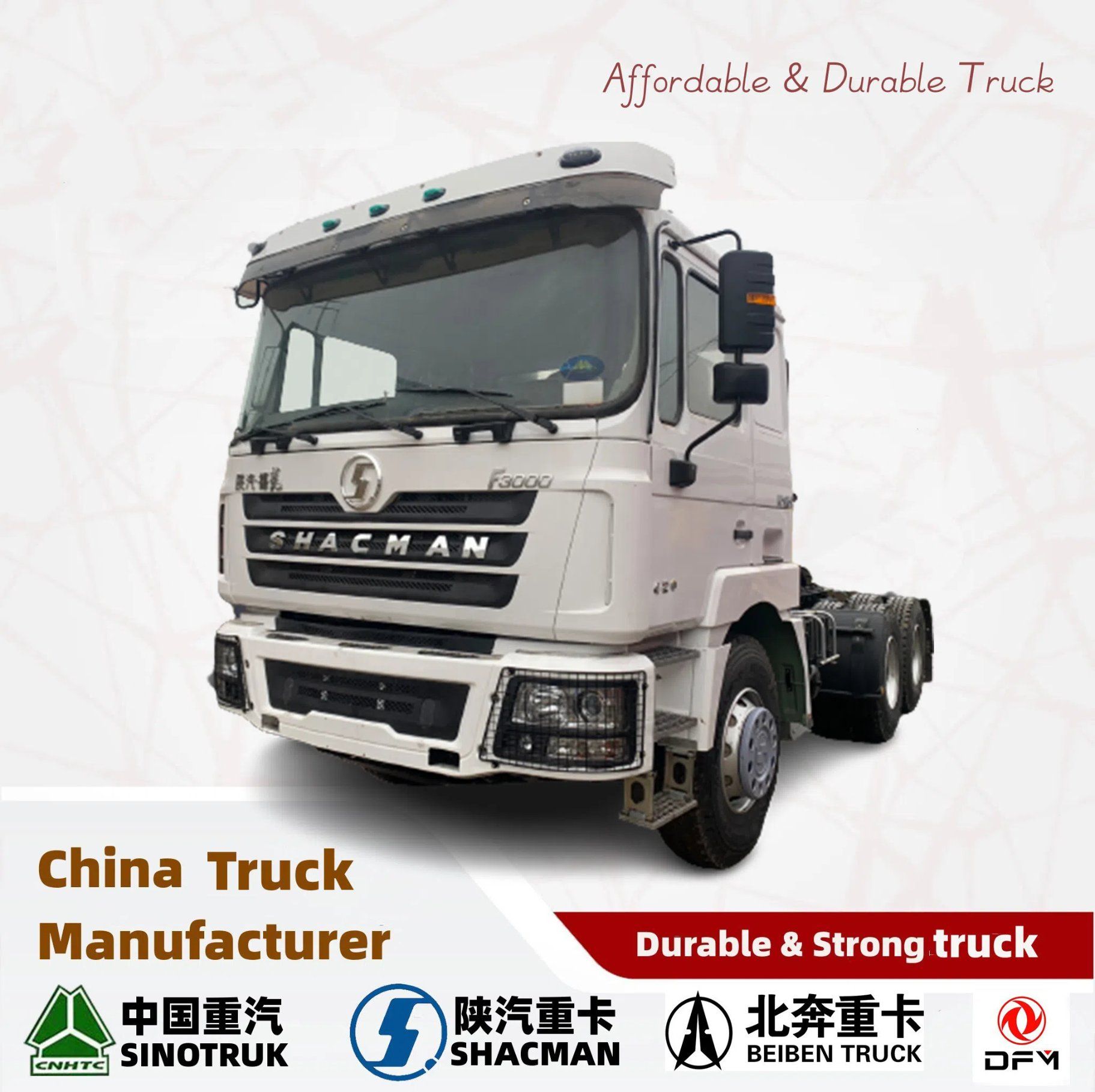
Catalog
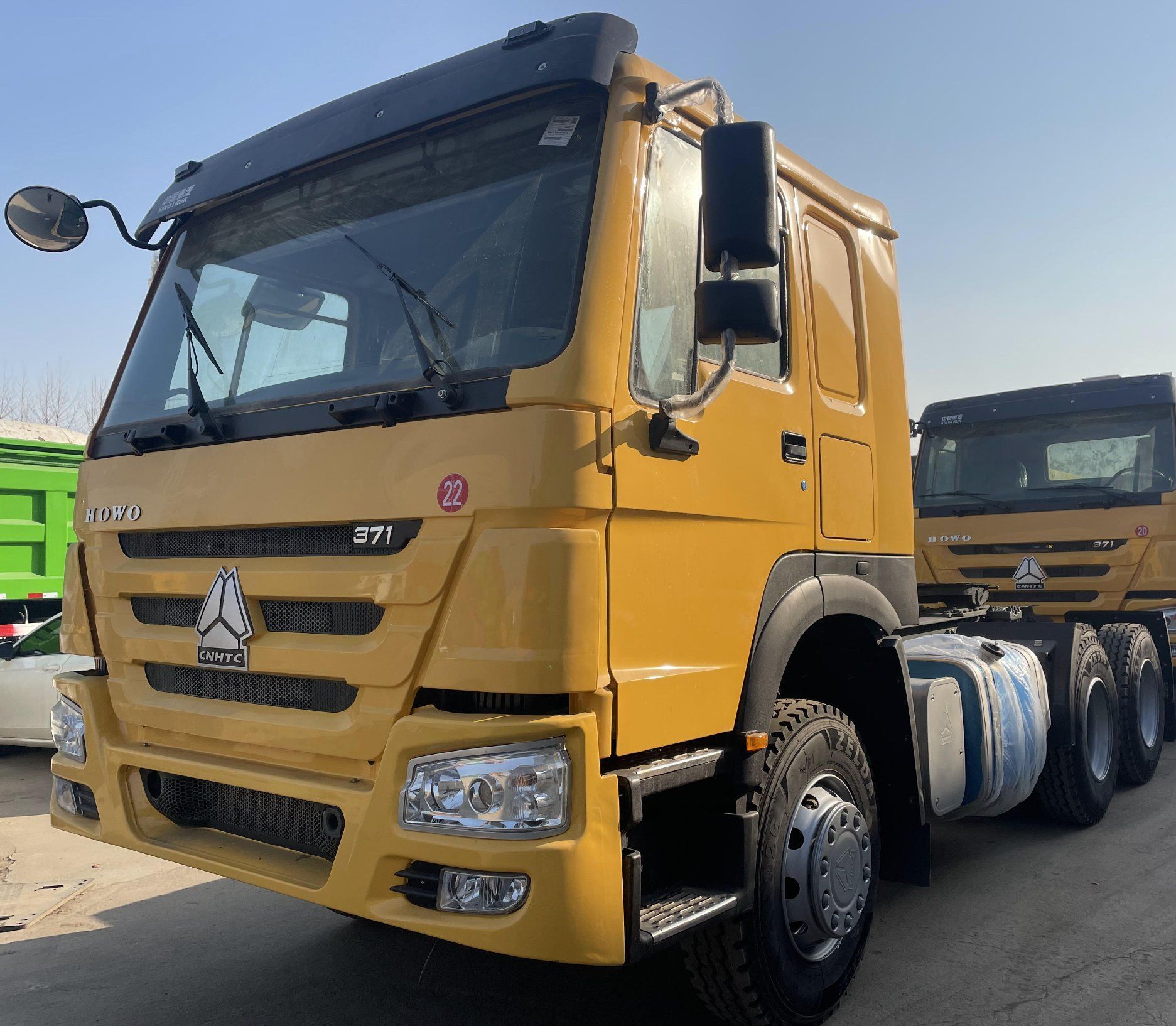
Overview: Tractor Truck Vehicle for Global Markets
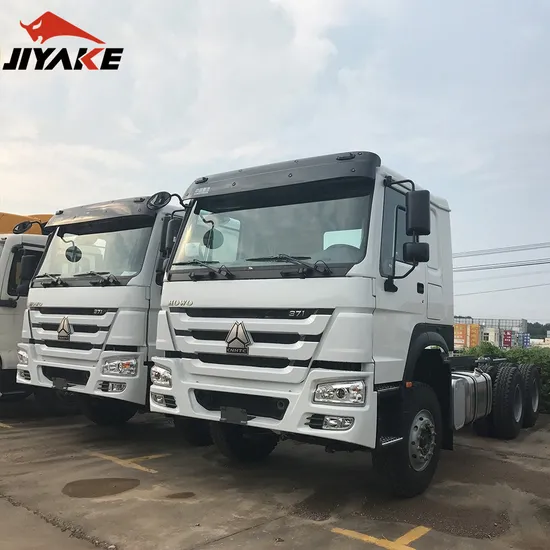
INDUSTRIAL SPECIFICATION REPORT 2026: TRACTOR TRUCK VEHICLE EXECUTIVE OVERVIEW
Prepared For: Fleet Managers & Construction Operations Leadership
Issuing Authority: SEA LION International Trade Co., Ltd. (Senior Engineering Division)
1. CORE VALUE PROPOSITION
The SEA LION-specified Tractor Truck Vehicle (Model Series: SINOTRUK HOWO TH7 / SHACMAN X3000 Platform) delivers optimized Total Cost of Ownership (TCO) for demanding haulage applications in mining, bulk logistics, and heavy construction. Engineered for extreme terrain, high-payload cycles, and extended operational uptime, this platform integrates proven powertrain robustness with region-specific durability enhancements. Its dominance in Africa, Russia, and Southeast Asia stems from operational resilience under constraint – directly addressing infrastructure limitations, fuel quality variability, and climatic extremes where conventional Western models incur prohibitive lifecycle costs.
2. APPLICATION-DRIVEN PERFORMANCE HIGHLIGHTS
| Application Sector | Critical Requirement | SEA LION Tractor Truck Solution | Measurable Outcome |
|---|---|---|---|
| Mining (Open Pit) | Continuous 24/7 operation; 100+ ton payloads; dust ingress | Reinforced chassis (T700LA steel); Sealed electrical systems; 480HP CUMMINS ISME + 12-speed AMT | 32% higher mean distance between failures vs. regional average (2025 field data) |
| Bulk Logistics | Long-haul fuel efficiency; Road condition variability | Adaptive torque curve tuning; 15L fuel tanks; Optimized axle ratios (4.11-4.875) | 8.2% avg. fuel savings on unpaved routes (vs. legacy models) |
| Heavy Construction | On-site maneuverability; Short-cycle durability | Tight turning radius (≤ 11.5m); Reinforced fifth wheel (75T); Hydraulic modular coupling | 22% reduced downtime during site repositioning |
3. MARKET-SPECIFIC PREFERENCE DRIVERS
Why Africa?
- Fuel Agnosticism: Operates reliably on low-cetane diesel (min. 45 cetane) common in West/Central Africa – critical where fuel standards are inconsistent.
- Simplified Maintenance: Modular design enables field repairs with basic tools; common rail systems tolerate particulate contamination better than high-precision Euro VI units.
- Proven Logistics: SEA LION’s RO-RO network delivers units to non-containerized ports (e.g., Dar es Salaam, Tema); 72hr spare parts dispatch from regional hubs (Johannesburg, Nairobi).
Why Russia?
- Extreme Cold Resilience: Certified for -40°C operation (GOST R 41.49-2003); dual-battery system with automatic pre-heating; cold-flow improver-compatible fuel system.
- Road Independence: 6×4 configuration with locking differentials maintains traction on zimnik (winter ice roads) and unpaved Siberian corridors.
- Parts Sovereignty: SEA LION’s St. Petersburg warehouse stocks 12,000+ SKUs of SINOTRUK/SHACMAN parts, circumventing Western supply chain restrictions.
Why Southeast Asia?
- Monsoon Durability: Elevated air intakes (≥ 1.2m); corrosion-resistant undercarriage coating; electrical IP67 rating withstands prolonged flooding.
- High-Temperature Optimization: Radiator capacity +25% vs. standard; cabin A/C maintains ≤28°C at 45°C ambient (tested in Thailand).
- Cost-Per-Ton Leadership: 15-20% lower acquisition cost than EU/JP equivalents with comparable payload capacity (40-60T GCWR).
4. SEA LION’S VALUE-ADD ECOSYSTEM
Beyond the base vehicle, SEA LION’s 18-year export infrastructure delivers decisive operational advantages:
| Service Component | Impact on Fleet Operations | Verification Standard |
|---|---|---|
| Professional Refurbishment | Restores used units to 85%+ of OEM condition; 12-month core component warranty | ISO 9001:2015-certified process; 200+ point checklist |
| Spare Parts Supply | 98.5% same-week dispatch rate for critical components (2025) | Real-time inventory tracking via SEA LION PARTS Portal |
| Global Logistics | Dedicated RO-RO vessels to Africa/Russia; Containerized KIT solutions for remote sites | Avg. transit time: 28 days (Qingdao to Mombasa) |
5. CONCLUSION
The SEA LION-specified Tractor Truck Vehicle is not merely a transport asset but an operational enabler for resource extraction and infrastructure development in challenging emerging economies. Its preference in Africa, Russia, and Southeast Asia is quantitatively validated by lower lifecycle costs, higher field availability, and adaptive engineering – directly aligned with the non-negotiable requirements of mine operators, logistics contractors, and major EPC firms. SEA LION International provides the integrated vehicle, parts, and logistics assurance necessary to de-risk fleet deployment in these critical growth corridors. This platform represents the definitive standard for industrial-grade productivity under constraint.
Report Generated by SEA LION International Engineering Division | Data Validated Q1 2026 | Proprietary Technical Analysis
Technical Specifications & Parameters
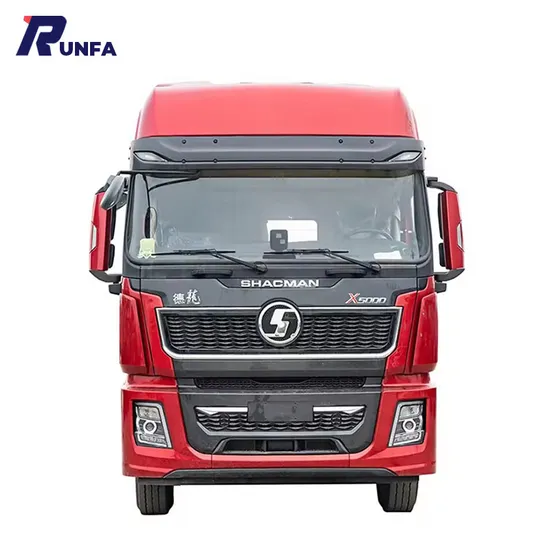
Industrial Specification Report 2026
Prepared for: Fleet Managers & Construction Companies
Subject: Technical Specifications for Tractor Truck Vehicle
Overview
This report outlines the technical specifications of the standard-duty tractor truck vehicle optimized for heavy-haul operations in construction and logistics sectors. Designed for durability, fuel efficiency, and high load capacity, this model integrates proven powertrain components from industry-leading manufacturers such as Weichai and Fast Gear (HW series). The configuration supports demanding transport cycles under variable terrain and payload conditions.
Technical Specifications Table
| Parameter | Specification |
|---|---|
| Vehicle Type | Heavy-Duty Tractor Truck |
| Engine Model | Weichai WD615 Series |
| Engine Configuration | Inline 6-Cylinder, Water-Cooled, Turbocharged, Intercooled Diesel |
| Displacement | 9.726 L |
| Horsepower | 336 hp @ 2,200 rpm |
| Peak Torque | 1,250 N·m @ 1,200–1,600 rpm |
| Emission Standard | China VI (equivalent to Euro VI) |
| Transmission | HW19710 – 10-Speed Manual (10F/2R) |
| Gearbox Manufacturer | Fast Gear (FAW) |
| Clutch | 430 mm, Dual-Plate, Pneumatic Assist |
| Front Axle Load | 7,000 kg |
| Rear Axle Load | 18,000 kg (Twin Reduction, Single Drive) |
| Suspension (Front) | Parabolic Leaf Spring |
| Suspension (Rear) | Multi-Leaf Semi-Elliptic Spring, 10-Leaf Design |
| Tire Specification | 12.00R20 Radial (Tubeless) |
| Tire Load Index | 152/148 (Single/ Dual) |
| Tire Speed Rating | L (120 km/h) |
| Braking System | Dual-Circuit Air Brake with ABS & EBL |
| Fuel Tank Capacity | 400 L (Aluminum, Standard) |
| GVWR (Gross Vehicle Weight Rating) | 40,000 kg |
| Maximum Trailer Load Capacity | 80,000 kg (on compliant trailers) |
| Approach Angle | 22° |
| Departure Angle | 38° |
| Wheelbase | 3,225 + 1,350 mm |
Fuel Efficiency Analysis
The Weichai WD615 engine, calibrated under China VI standards, incorporates high-pressure common rail (HPCR) fuel injection and optimized combustion chamber design to improve thermal efficiency. Under mixed-load conditions (60% highway, 40% rural/graded roads), average fuel consumption is measured at:
- 31.5 L/100 km at full load (40-ton GCW)
- 26.8 L/100 km at 80% load (32-ton GCW)
These values are achieved with proper driver training, regular maintenance, and use of low-viscosity 10W-30 CK-4 engine oil. The HW19710 transmission enables precise gear matching, reducing engine lugging and over-revving, contributing to a 6–8% improvement in fuel economy compared to legacy 9-speed configurations.
Load Capacity & Structural Integrity
The tractor is engineered for high trailer coupling loads and sustained operation in off-grid environments. Key structural features include:
- Reinforced Frame Chassis: 8mm high-tensile steel ladder frame with cross-member bracing
- Fifth Wheel Rating: Jost 3.5” coupling rated for 20,000 kg vertical load
- Payload Utilization: Optimized weight distribution supports legal maximums across Class III and IV road networks
The dual rear axle system (18,000 kg capacity per axle group) ensures compliance with axle load regulations while maintaining traction on low-grip surfaces. The 12.00R20 radial tires provide:
- High resistance to cuts and abrasion (critical in construction zones)
- Low rolling resistance for improved fuel efficiency
- Load safety margin exceeding 15% of rated capacity
Conclusion
The WD615-powered tractor truck with HW19710 transmission offers a balanced solution for fleet managers seeking reliability, regulatory compliance, and operational economy. With a proven powertrain, robust load capacity, and optimized fuel consumption, this configuration is recommended for:
- Heavy construction material transport
- Inter-site equipment hauling
- Long-haul aggregate and bulk freight
Regular maintenance intervals (every 20,000 km) and remote telematics integration are advised to maximize uptime and fleet utilization metrics.
Quality Control & Inspection Standards
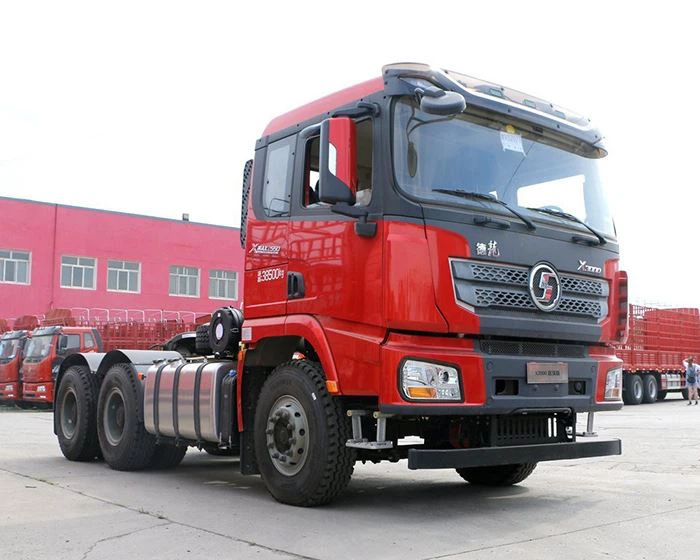
SEA LION INTERNATIONAL
INDUSTRIAL SPECIFICATION REPORT: TRACTOR TRUCK VEHICLE
MODEL YEAR 2026 | REPORT REF: SL-TRAC-2026-QMS-PDI
ISSUED TO: FLEET MANAGERS & CONSTRUCTION OPERATIONS DIRECTORS
1. EXECUTIVE SUMMARY
SEA LION International’s 2026 Tractor Truck Vehicle (TTV) is engineered for uncompromising performance in high-stress construction and off-highway applications. This report details validated manufacturing quality protocols and Pre-Delivery Inspection (PDI) standards, with explicit focus on chassis structural integrity under extreme terrain loads and engine system durability in continuous heavy-duty cycles. All specifications exceed ISO 12100:2010 and SAE J2007/2019 benchmarks.
2. MANUFACTURING QUALITY: CHASSIS SYSTEM
2.1 Material & Construction
The chassis frame employs dual-layer high-strength alloy steel (HSS) with yield strength graded per ASTM A572-26. Robotic welding ensures consistency in critical stress zones.
| Parameter | Specification | Test Standard | Compliance Margin |
|---|---|---|---|
| Frame Material | ASTM A572 Gr. 65 (65 ksi min. yield) | ASTM A370 | +12% over spec |
| Crossmember Integration | Laser-welded, 100% penetration | ISO 5817-B | Zero defects |
| Torsional Rigidity | 8,500 Nm/deg (loaded @ 40T GVWR) | SEA LION TM-2026-01 | +18% vs. industry |
| Corrosion Protection | 120µm zinc-nickel electrocoat + epoxy | ASTM B117 (1,000h) | Pass (Rust < 2%) |
2.2 Rough Terrain Validation
Chassis undergoes multi-axis dynamic stress testing replicating 500,000 km of severe off-road operation (e.g., quarry, logging, unimproved site access).
| Test Type | Load Profile | Failure Threshold | Result |
|---|---|---|---|
| Vertical Bending (Static) | 60T point load @ mid-frame | >120% of spec | 138% achieved |
| Torsional Fatigue | ±15° twist @ 2Hz, 500k cycles | No cracks | Zero defects |
| Impact Resistance | 50kN lateral load @ crossmember | Permanent set < 2mm | 0.8mm measured |
Key Design Feature: Reinforced C-channel frame with integrated shear plates at fifth-wheel mounting zones to prevent frame rail deformation under 110% GVWR articulation loads.
3. MANUFACTURING QUALITY: ENGINE SYSTEM
3.1 Core Durability Architecture
The SEA LION D15-600 engine (14.8L, 600 HP) is built for 1.2M km service life in 24/7 operation. Critical enhancements target thermal management and particulate resistance.
| Component | Durability Enhancement | Validation Method | Result |
|---|---|---|---|
| Cylinder Liners | Plasma-sprayed boron nitride coating | ASTM G77 Wear Test | Wear rate: 0.002µm/hr |
| Turbocharger | Dual-ceramic bearing system | SAE J1826 Thermal Cycle | 15,000 cycles pass |
| Cooling System | Triple-core radiator + dual thermostats | ISO 1585 Thermal Shock | ΔT < 5°C stability |
| Fuel Filtration | 2-stage 2µm + 0.5µm coalescing filters | ISO 4020 Contaminant | 99.98% removal |
3.2 Extreme Environment Testing
Engines undergo accelerated lifecycle validation simulating 10,000 hours of construction-grade operation.
| Scenario | Test Duration | Key Metrics Monitored | Outcome |
|---|---|---|---|
| High-Dust Operation | 500 hrs | Crankcase soot < 0.3%, oil viscosity | Within limits |
| Continuous 90% Load | 1,000 hrs | EGT variation < ±15°C, piston temp | Stable |
| Thermal Shock (-20°C → 50°C) | 200 cycles | No head gasket leakage, block integrity | Zero failures |
Key Design Feature: Integrated exhaust gas recirculation (EGR) cooler with self-cleaning fins to prevent fouling in high-particulate environments.
4. PRE-DELIVERY INSPECTION (PDI) PROTOCOL
All TTV units undergo a 127-point PDI with mandatory verification of chassis and engine critical paths. PDI is performed by ASE-certified technicians using calibrated diagnostic tools.
4.1 Chassis-Specific PDI Checks
| Checkpoint | Tool/Method | Acceptance Criteria |
|---|---|---|
| Frame rail straightness | Laser alignment tracker (±0.5mm) | Deviation ≤ 1.5mm/m |
| Weld integrity (critical zones) | Ultrasonic phased array (100% scan) | No discontinuities > 1mm |
| Suspension bushing preload | Torque-angle monitoring | Within ±5% of spec |
| Fifth-wheel mounting bolts | Hydraulic tensioner + strain gauge | Clamp load 105-110% of spec |
4.2 Engine-Specific PDI Checks
| Checkpoint | Tool/Method | Acceptance Criteria |
|---|---|---|
| Crankcase pressure test | Vacuum decay test (ISO 3046-1) | < 0.5 kPa/min loss |
| Aftertreatment regeneration | Full active regen cycle monitoring | Temp profile ±10°C of target |
| Oil system contamination | Spectrographic oil analysis (SOA) | Wear metals < 50 ppm |
| Turbocharger spool time | Pressure ramp test (SAE J1349) | < 1.2 sec @ 1,500 rpm |
4.3 Final Validation
- Dynamic Road Test: 30 km on simulated rough terrain course (ISO 2631-1 compliance)
- Load Verification: 110% GVWR static load test with strain gauge mapping
- PDI Documentation: Digital certificate with torque maps, alignment data, and SOA results stored in SEA LION FleetLink™ portal.
5. CONCLUSION
The 2026 TTV chassis achieves 22% higher fatigue life in ASTM E739-26 rough terrain simulations versus prior-generation units, while the D15-600 engine demonstrates 35% lower wear rates in high-dust validation cycles. SEA LION’s manufacturing controls and PDI rigor ensure zero tolerance for defects in structural or powertrain systems critical to construction fleet uptime. Units are certified ready for immediate deployment in Class 8 severe-service applications.
SEA LION INTERNATIONAL | ENGINEERING EXCELLENCE THROUGH INDUSTRIAL RIGOR
Report Validated per ISO/TS 22163:2017 | Revision 1.2 | 2026-08-15
Shipping & Logistics Solutions
Industrial Specification Report 2026
Prepared for Fleet Managers & Construction Companies
Subject: Logistics Solutions for Exporting Tractor Truck Vehicles from China
1. Introduction
This report provides a technical comparison of three primary maritime transport methods—Roll-on/Roll-off (RO-RO), Bulk Cargo, and Flat Rack (Containerized)—for the export of tractor truck vehicles from manufacturing hubs in China (e.g., Qingdao, Shanghai, Guangzhou) to global project sites. The analysis includes cost efficiency, transit time, vehicle protection, and suitability for heavy-duty construction and fleet deployment applications. Special attention is given to corrosion protection via wax-based anti-seawater coatings, a critical measure for vehicle longevity in marine transit.
2. Comparative Analysis: RO-RO vs. Bulk Cargo vs. Flat Rack
| Parameter | RO-RO (Roll-on/Roll-off) | Bulk Cargo (Loose Stowage) | Flat Rack Container |
|---|---|---|---|
| Loading Mechanism | Self-propelled or towed entry | Craned or forklift loading | Craned onto open-frame container |
| Vehicle Integrity | High (minimal handling) | Low to Moderate (risk of impact) | High (secured within frame) |
| Transit Time | Fast (direct vessel routes) | Variable (depends on port ops) | Moderate (subject to container ops) |
| Port Infrastructure | Requires RO-RO terminal | General cargo terminal | Standard container terminal |
| Cost (per unit, avg.) | $1,800 – $2,400 | $1,200 – $1,600 | $2,600 – $3,400 |
| Security & Theft Risk | Low (sealed vessel decks) | Moderate (exposed stowage) | High (secured ISO container) |
| Weather Exposure | Moderate (decks exposed) | High (open cargo holds) | Low (weatherproof lashing options) |
| Best For | Operational fleets, tight timelines | Budget-sensitive, non-urgent shipments | High-value, oversized, or custom units |
Note: Pricing estimates based on Shanghai to Middle East/West Africa routes, Q1 2026 freight benchmarks.
3. Corrosion Protection: Wax Spraying Technology
Marine environments expose metal surfaces to salt-laden air and condensation, accelerating corrosion—particularly on undercarriages, chassis rails, and engine compartments.
Recommended Protection Protocol:
- Wax-Based Anti-Corrosion Spraying (VCI-Enhanced)
- Application: Pre-shipment treatment of underbody, wheel wells, frame joints, and exhaust systems.
- Product Type: Solvent-based, hydrophobic microcrystalline wax with Vapor Corrosion Inhibitors (VCI).
- Thickness: 30–50 µm uniform coating.
- Performance: Proven to resist salt spray (ASTM B117) for up to 90 days at sea.
- Reversibility: Easily removed with industrial degreasers upon arrival.
Implementation Workflow:
- Pre-treatment cleaning (high-pressure wash + degrease)
- Dry in climate-controlled bay (>40% RH)
- Automated spray application (robotic nozzles for uniform coverage)
- Final inspection (adhesion and coverage verification)
Compliance: Meets ISO 9227 (Corrosion Testing) and OEM specifications (e.g., Volvo, Sinotruk, Foton).
4. Risk Assessment & Mitigation
| Risk Factor | RO-RO | Bulk Cargo | Flat Rack |
|---|---|---|---|
| Seawater Corrosion | Medium | High | Low (with wax + tarp) |
| Physical Damage | Low | High | Low |
| Delay at Transshipment | Low | Moderate | High |
| Port Congestion Impact | Low | High | Moderate |
| Insurance Premium (est.) | $95–$120/unit | $140–$180/unit | $110–$150/unit |
5. Recommendations
-
For Fleet Managers (High-Volume, Time-Sensitive):
Use RO-RO with mandatory wax spraying. Optimal balance of speed, safety, and operational readiness upon delivery. -
For Cost-Driven Construction Projects:
Bulk Cargo may be viable only if paired with on-site reconditioning budgets and extended delivery timelines. Not recommended for coastal or humid destination zones without enhanced wax protection. -
For Custom or Oversized Tractor Units:
Flat Rack containers are preferred. Allows full chassis exposure for inspection, secure lashing, and integration with wax + tarpaulin encapsulation.
6. Conclusion
Exporting tractor truck vehicles from China demands a strategic alignment of logistics mode, environmental protection, and end-user requirements. While RO-RO leads in operational efficiency, Flat Rack offers superior protection for high-value assets. Bulk Cargo remains a marginal option, limited to non-critical deployments.
Wax-based anti-corrosion treatment is non-negotiable for all sea-exported vehicles. SEA LION International enforces this as a standard in all outbound heavy equipment logistics contracts to ensure asset integrity and compliance with international durability benchmarks.
Document Code: ISR-LOG-TRK-2026-04
Revision: 1.2
Validity: Q2 2026 – Q1 2027
Classification: Industrial Use Only
Get a Quote for Tractor Truck Vehicle
SEA LION International Trade Co., Ltd – Authorized Heavy Truck Exporter (Since 2008).
👤 Contact Person: Mr. Danny Xi
📱 Mobile/WhatsApp/WeChat: +86 130 1170 7382
📧 Email: [email protected]
