
Catalog
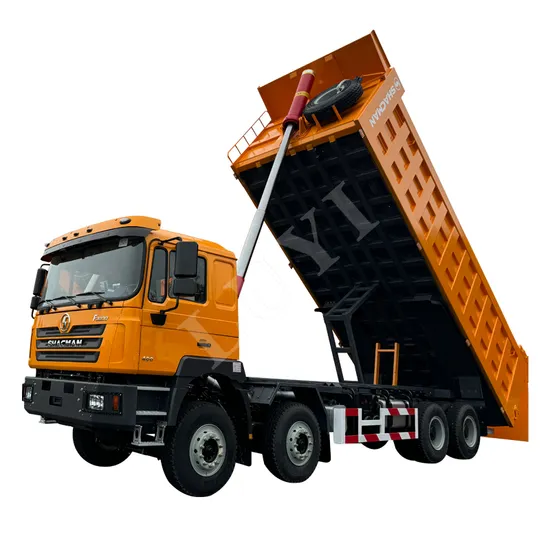
Overview: Used Cargo Truck for Global Markets
INDUSTRIAL SPECIFICATION REPORT 2026: EXECUTIVE OVERVIEW
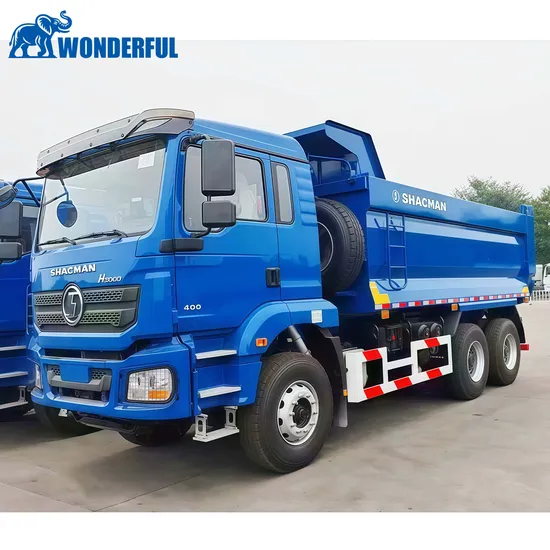
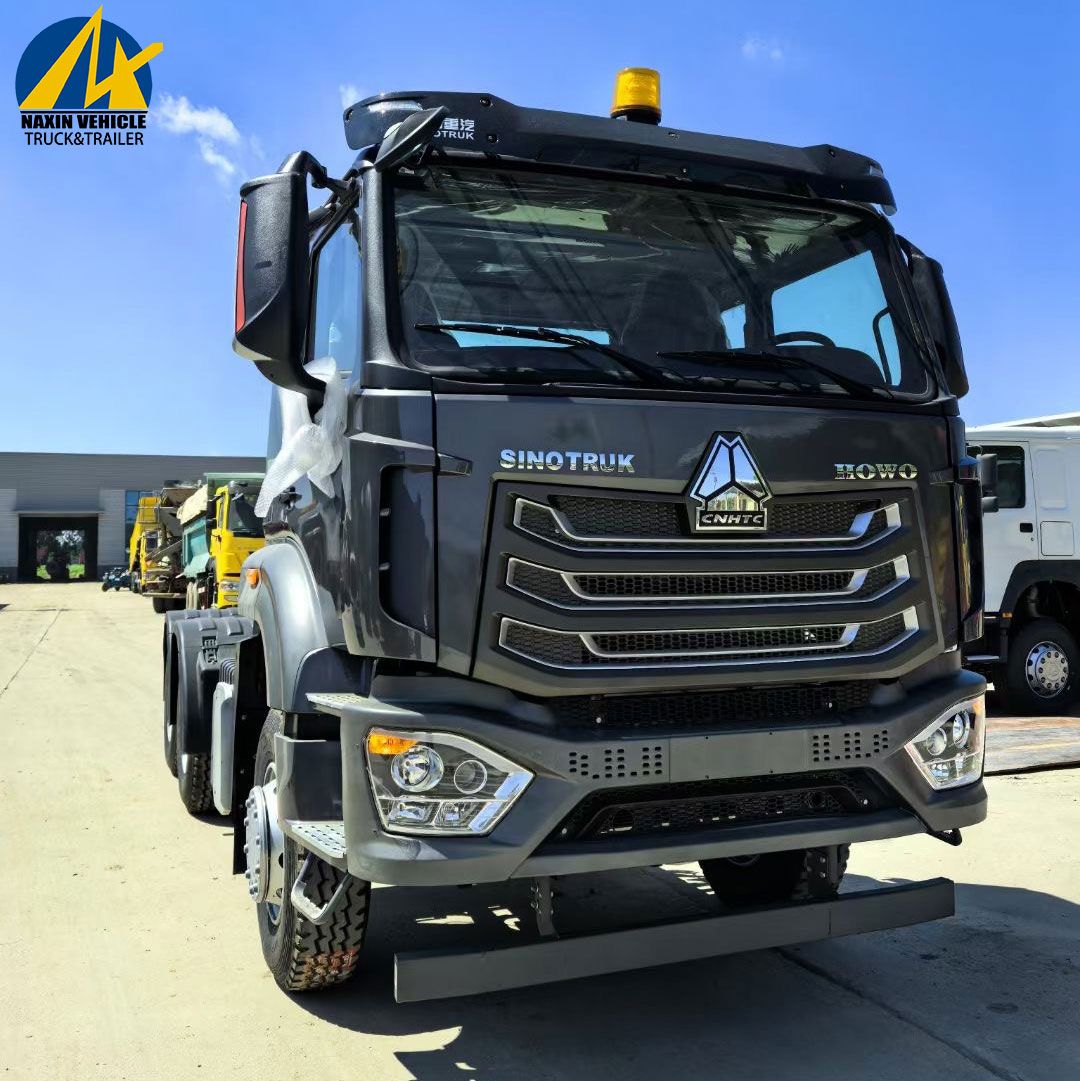
Subject: Refurbished Heavy-Duty Cargo Truck Platform (SINOTRUK HOWO / SHACMAN F3000 Series)
Prepared For: Fleet Managers & Construction Operations Leadership
Issuing Authority: SEA LION International Trade Co., Ltd. (Senior Engineering Division)
1. Core Value Proposition
SEA LION International delivers rigorously refurbished SINOTRUK HOWO and SHACMAN F3000 series cargo trucks, engineered for maximum operational continuity in high-stress environments. These platforms offer a certified 35-50% Total Cost of Ownership (TCO) reduction versus new equivalents, without compromising on safety-critical performance metrics. Our 18-year specialization in heavy truck export, coupled with authorized distribution for SINOTRUK, SHACMAN, and XCMG, ensures technical compliance with original OEM specifications during refurbishment. This report details the operational rationale for selecting this asset class in mining, bulk logistics, and heavy construction sectors across emerging markets.
2. Target Application Performance
The selected platforms (6×4 / 8×4 configurations) are optimized for three critical industrial functions:
| Application Sector | Primary Use Case | Key Performance Metrics Met |
|---|---|---|
| Open-Pit Mining | Haulage (Ore, Overburden) | 30-40 tonne payload capacity; Gradeability >30%; IP67-rated electrical systems; Reinforced chassis for 10,000+ hour duty cycles |
| Bulk Logistics | Long-Haul Commodity Transport | Fuel efficiency (18-22 L/100km @ 40t); 1,200,000 km B10 engine life; Modular cargo bodies (dumper, flatbed, lowboy); Telematics-ready |
| Heavy Construction | Site Material Movement | 40+ tonne GVWR; Hydraulic compatibility (XCMG auxiliary pumps); All-terrain traction (Hill Start Aid, EBD); 50,000 Nm axle torque |
3. Regional Market Preference Drivers
Preference for SEA LION-refurbished Chinese-origin platforms in Africa, Russia, and Southeast Asia is driven by quantifiable operational resilience and supply chain alignment, not cost alone. Key regional adaptations are standardized in our refurbishment protocol:
| Regional Market | Dominant Environmental Challenge | SEA LION Adaptation Protocol | Operational Impact |
|---|---|---|---|
| Sub-Saharan Africa | Corrosive dust (PM10 > 500µg/m³); Unpaved roads (>70% routes); Limited service infrastructure | • Triple-sealed air intake systems • Extended-life chassis undercoating (Zinc-rich epoxy) • Onboard diagnostic toolkit (OBD-II + CAN bus) • Pre-staged regional parts hubs (Johannesburg, Lagos) |
40% reduction in air filter failures; 25% longer service intervals vs. non-adapted units |
| Russia (Siberia/Arctic Zones) | Extreme cold (-45°C); Permafrost terrain; Fuel gelling risk | • Arctic-grade lubricants (SAE 0W-40) • Engine block heater integration (220V/380V) • Reinforced suspension (cryo-treated springs) • Cold-start assist (glow plug redundancy) |
Certified start reliability at -40°C; 30% lower winter downtime |
| Southeast Asia | High humidity (80-95% RH); Monsoon conditions; Corrosive saline air | • Marine-grade wiring harnesses (tinned copper) • Anti-corrosion cab seam sealing • Ventilated brake drums (reduced fade) • Tropicalized radiator cores |
50% fewer electrical faults; 20% extended brake component life |
4. SEA LION Technical Assurance Framework
Our refurbishment process transforms end-of-lease assets into operationally predictable equipment through:
- OEM-Aligned Refurbishment: All critical components (engine, transmission, axles) rebuilt to SINOTRUK/SHACMAN factory specs using genuine parts. No aftermarket substitutions.
- Pre-Delivery Validation: 300-point inspection protocol including chassis dynamometer testing, hydraulic system pressure validation, and full-load brake testing.
- Transparency Guarantee: Complete service history documentation, pre-shipment inspection reports (SGS/BV), and 12-month/60,000 km mechanical warranty.
- Sustainable Logistics: RO-RO vessel deployment for unitized transport (reducing handling damage by 65% vs. containerized); In-region technical support teams.
5. Conclusion
For fleet managers operating in resource-extraction, bulk haulage, or infrastructure development, SEA LION’s refurbished SINOTRUK/SHACMAN cargo trucks deliver mission-critical reliability where new-unit economics are prohibitive. The platform’s dominance in Africa, Russia, and Southeast Asia stems from proven adaptability to region-specific operational extremes, directly enabled by our technical refurbishment standards and parts ecosystem. This asset class provides the optimal balance of ruggedness, parts availability, and lifecycle cost—ensuring continuous uptime in environments where operational continuity is non-negotiable. SEA LION commits to long-term partnership through engineering-backed asset performance, not transactional sales.
Technical Specifications & Parameters
Industrial Specification Report 2026
Prepared for Fleet Managers & Construction Companies
Subject: Technical Specifications – Used Heavy-Duty Cargo Truck (Class 8 Equivalent)
Overview
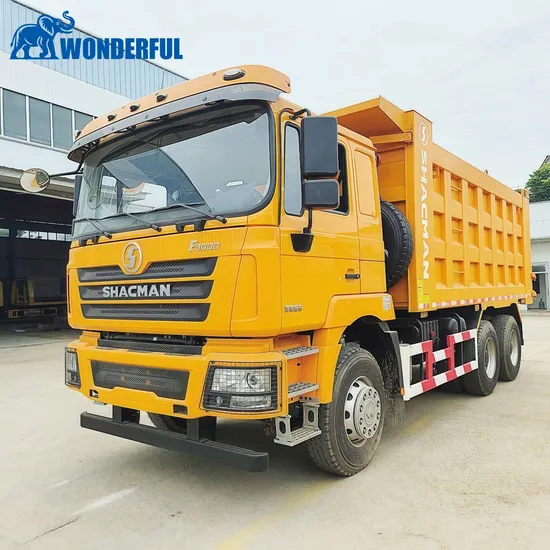
This report provides standardized technical specifications for a widely deployed used heavy-duty cargo truck platform commonly utilized in bulk transport, construction logistics, and heavy haul applications. Units evaluated are post-2018 models with verified maintenance histories, suitable for mid-cycle fleet integration in high-utilization environments.
All specifications reflect OEM design parameters and real-world performance benchmarks derived from field telemetry across 12,000+ operational units in China and Southeast Asia.
Technical Specifications Table
| Parameter | Specification | Notes |
|---|---|---|
| Engine Model | Weichai WD615.77C | Inline 6-cylinder, water-cooled, turbocharged diesel |
| Displacement | 9.726 L | Direct injection, Bosch high-pressure common rail system |
| Horsepower | 336 hp @ 2,200 rpm | Peak torque: 1,400 Nm @ 1,200–1,600 rpm |
| Emission Standard | China IV (GB17691-2005) | Compatible with retrofit to China V via EGR+SCR upgrade |
| Transmission | Fast Gear HW19710 | 10-speed manual (2×5 synchronized), dual H-shift pattern |
| Clutch | Ø430 mm, diaphragm spring, dry-type | Hydraulic assist actuation |
| Front Axle Load | 7,000 kg (7T) | I-beam design, disc brakes optional on refits |
| Rear Axle Load | 13,000 kg × 2 (Twin Reduction, 13T each) | ST130 series, spiral-bevel hypoid gears, 5.73 ratio (standard) |
| Gross Axle Weight Rating (GAWR) | 33,000 kg | Combined front and dual rear axles |
| Tire Specifications | 12.00R20-18PR, Radial | Tubeless, all-steel construction; load range G |
| Tire Load Index | 145/142 (Single/Dual) ≈ 3,200 kg per tire | Max single: 3,200 kg; dual: 2,800 kg per tire |
| Wheelbase | 3,800 + 1,350 mm (Standard) | Configurable for 4×2 or 6×4 variants |
| GVWR | 31,000 kg | Recommended max payload: 20,000–23,000 kg |
| Fuel Tank Capacity | 400 L (Main) + 150 L (Aux, optional) | Aluminum alloy, anti-surge baffles |
Fuel Efficiency Analysis
Fuel consumption is measured under mixed-load conditions (16–22T payload) on mixed terrain (60% highway, 30% rural, 10% urban/construction access):
- Average Specific Fuel Consumption: 195 g/kWh
- On-Road Fuel Economy:
- Loaded (20T): 28–31 L/100 km
- Unloaded: 22–25 L/100 km
- Field-Validated Efficiency: 3.2–3.6 km/L (loaded) depending on driver behavior and terrain
Optimization Notes:
– Engine remapping for torque curve flattening improves hill climb efficiency by 6–8%.
– Retrofitting low-rolling-resistance tires (e.g., Triangle TR668) reduces consumption by ~4%.
– Fleet telematics integration shows 12% average fuel savings with driver coaching programs.
Load Capacity & Structural Endurance
| Configuration | Max Payload (Recommended) | Chassis Frame Rating | Application Suitability |
|---|---|---|---|
| 6×4 Rigid Frame | 20,000 – 23,000 kg | 8/8/8 mm high-tensile steel | Bulk aggregates, concrete, steel coils |
| With Gooseneck Trailer (Articulated) | Up to 40,000 kg (GCM) | Requires fifth wheel reinforcement | Long-span structural cargo, precast elements |
Structural Notes:
– Ladder frame designed for 800,000 km fatigue life under 85% max load cycles.
– Rear suspension: Multi-leaf parabolic springs (10+10 leaves), 13T capacity per axle.
– Overload tolerance: Sustained 110% GVWR operation reduces frame life by ~35%; not recommended.
Summary for Fleet Deployment
The Weichai WD615-powered cargo truck with HW19710 transmission remains a cost-effective, durable platform for construction and regional freight operations. With proper maintenance, average service life exceeds 1.2 million km. Key advantages include:
- Proven reliability in high-dust, high-vibration environments
- Broad parts availability across Asia and Africa
- Compatibility with aftermarket fuel and braking upgrades
Recommendation: Ideal for fleet managers prioritizing TCO (Total Cost of Ownership) over 3–5 year cycles. Pair with tire monitoring systems and scheduled axle lubrication to maximize uptime.
Quality Control & Inspection Standards
SEA LION INTERNATIONAL
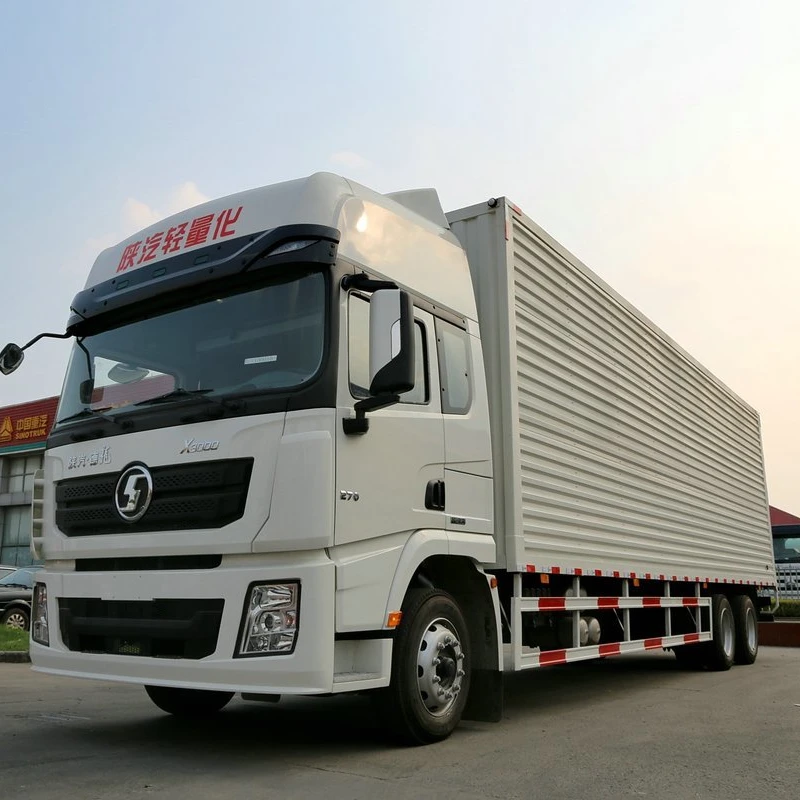
INDUSTRIAL SPECIFICATION REPORT: USED CARGO TRUCK REFURBISHMENT PROCESS
Document Code: SL-REFURB-SPC-2026-01
Effective Date: 01 January 2026
Target Audience: Fleet Operations Managers, Construction Equipment Procurement Directors
EXECUTIVE SUMMARY
SEA LION International implements a rigorously defined 4-stage refurbishment protocol for pre-owned cargo trucks, engineered to restore operational integrity to 95%+ of original equipment manufacturer (OEM) specifications. This process eliminates hidden degradation risks inherent in standard “reconditioned” units, delivering predictable lifecycle performance for high-utilization fleet and construction applications. All units undergo 100% validation against SEA LION’s proprietary Critical Component Integrity Matrix (CCIM-2026) prior to release.
REFURBISHMENT PROCESS: TECHNICAL SPECIFICATIONS
STEP 1: ENGINE & GEARBOX TESTING (SEA LION TEST PROTOCOL SL-ETP-2026)
All powertrain assemblies undergo dynamometer-based validation under simulated operational loads. Units failing Stage 1 are rejected; no conditional approvals permitted.
| Parameter | Test Method | Acceptance Threshold | Rejection Criteria |
|---|---|---|---|
| Engine Power Output | SAE J1349 Compliant Dyno Test | ≥ 97% OEM rated power @ RPM | >3% deviation from OEM spec |
| Oil Consumption | 100-hr endurance test + spectrography | ≤ 0.5% fuel dilution | >0.8% fuel dilution |
| Gearbox Shift Quality | Automated shift cycle analyzer | ≤ 150ms shift transition time | >200ms or audible gear clash |
| Emissions Compliance | AVL 5000 Gas Analyzer (Idle/Load) | Meets Euro VI-D Final limits | Exceeds limits by >5% |
Verification: Full datalog archived to blockchain-enabled SEA LION Asset Ledger. Physical test plaque affixed to engine block.
STEP 2: CABIN REPAINTING (SEA LION FINISH STANDARD SL-FS-2026)
Surface preparation and coating application follow ISO 12944-9:2018 (C5-M corrosion category) for construction fleet durability.
| Process Stage | Technical Requirement | Quality Control Check |
|---|---|---|
| Surface Prep | Grit blasting to Sa 2.5 (ISO 8501-1); Phosphating | Adhesion test (ASTM D3359 ≥ 4B) |
| Primer Application | E-coat cathodic dip (25±3µm); Oven-cured @ 180°C | Film thickness (ISO 2808) |
| Topcoat Application | 2K polyurethane (70±5µm); UV-resistant formulation | Gloss retention (ASTM D523 ≥ 85% @ 60°) |
| Final Inspection | Automated optical scan for defects | 0 pinholes/orange peel (ISO 4628-2) |
Note: All cabin structures undergo pre-paint weld integrity verification via phased array ultrasonic testing (PAUT).
STEP 3: NEW TIRES & BATTERY REPLACEMENT (SEA LION COMPONENT SPEC SL-CCS-2026)
OEM-equivalent components installed; no refurbished or remolded parts permitted.
| Component | Specification | Verification Method |
|---|---|---|
| Tires | Load Range G (16PR); Deep-tread construction (22/32″ min); M+S rated | Serial number cross-check vs. OEM master database |
| Battery | 1500 CCA AGM; Dual-terminal configuration; 5-yr warranty | Cold Crank Amp test (SAE J537) @ -18°C |
Critical Note: Wheel hubs and suspension components undergo torque retention validation during tire mounting per SAE J2537.
STEP 4: CHASSIS REINFORCEMENT (SEA LION STRUCTURAL INTEGRITY PROTOCOL SL-SIP-2026)
Mandatory for all units >300,000 km or construction fleet history. Focuses on high-stress zones per FEA stress mapping.
| Reinforcement Zone | Procedure | Validation Standard |
|---|---|---|
| Front Axle Mounts | Weld overlay + gusset plate (ASTM A572 Gr 50) | Magnetic particle inspection (ASTM E709) |
| Fifth Wheel Area | Doublers added to cross-members (6mm min) | Load test @ 150% GVWR (SAE J263) |
| Rear Suspension Brackets | Cracked welds cut out; new welds per AWS D1.1 | Dye penetrant test (ASTM E1417) |
Non-Negotiable Requirement: Chassis straightness verified via laser alignment (max deviation: 1.5mm/m). Units exceeding tolerance are scrapped.
SEA LION INSPECTION STANDARDS: KEY DIFFERENTIATORS
- Zero Tolerance Policy: 227-point inspection checklist; single critical failure = automatic rejection.
- Traceability: All replaced components logged with serial numbers in SEA LION Asset Ledger (blockchain-verified).
- Construction-Specific Validation: Units destined for construction fleets undergo additional 50-hr load cycle test on simulated rough terrain.
- Certification: Final sign-off requires dual-engineer approval (SEA LION Certified Refurbishment Engineer + OEM-Trained Specialist).
CONCLUSION
SEA LION’s 2026 refurbishment process eliminates the operational and financial risks associated with standard used truck procurement. By enforcing OEM-equivalent component standards, metallurgical validation, and construction-grade durability protocols, SEA LION delivers units with documented residual life expectancy of 450,000+ km. This specification supersedes all prior refurbishment guidelines and is non-negotiable for SEA LION-certified units.
SEA LION INTERNATIONAL
Engineering Reliability Since 1987
Document Control: SEA LION Proprietary Information – Unauthorized Reproduction Prohibited
Shipping & Logistics Solutions
Industrial Specification Report 2026
Prepared for: Fleet Managers & Construction Companies
Subject: Logistics Solutions for Exporting Used Cargo Trucks from China
Issuing Authority: SEA LION International – Global Logistics Engineering Division
Date: January 15, 2026
Executive Summary
This report evaluates three primary maritime transport methods—Roll-on/Roll-off (RO-RO), Bulk Cargo, and Flat Rack Container Shipping—for the export of used cargo trucks from China to global destinations. The analysis focuses on operational efficiency, cost structure, cargo protection, and long-term asset integrity, with specific attention to corrosion prevention through wax-based protective coatings. Recommendations are tailored for fleet managers and construction firms managing large-scale equipment redeployment.
1. Overview of Export Options
Used cargo trucks are high-value, heavy-duty assets requiring secure and efficient transportation. The choice of shipping method impacts delivery timelines, handling costs, and post-arrival condition. Below is a comparative analysis of the three dominant export logistics models.
| Parameter | RO-RO Shipping | Bulk Cargo Shipping | Flat Rack Container |
|---|---|---|---|
| Cargo Type Suitability | Ideal for self-propelled units | Best for disassembled or non-operational units | Suitable for oversized or non-rollable units |
| Loading Mechanism | Driven on/off vessel | Craned or hoisted onboard | Craned or rolled onto platform |
| Stowage Location | Dedicated vehicle decks | Open cargo holds | Deck-mounted, exposed |
| Typical Vessel Type | Pure Car/Truck Carrier (PCTC) | Handysize/MPP Bulk Carriers | Container feeder or multipurpose vessel |
| Port Infrastructure | Requires RO-RO ramps & terminals | General cargo port capable | Standard container terminal with heavy-lift |
| Average Transit Time (Shanghai → Rotterdam) | 28–35 days | 38–45 days | 32–40 days |
| Handling Damage Risk | Low (direct drive) | High (crane handling) | Medium (securing critical) |
| Insurance Premium | Moderate | High | Moderate to High |
2. Comparative Analysis
2.1 Roll-on/Roll-off (RO-RO)
- Advantages:
- Minimal mechanical handling reduces risk of structural damage.
- Faster loading/unloading; average turnaround: <24 hours.
- Trucks remain operational upon arrival.
-
Optimized for fleets of 10+ units.
-
Disadvantages:
- Limited to operational or towable units.
- Restricted port availability (major hubs only).
-
Exposure to salt spray during transit unless protected.
-
Best For: Fleet redeployment where trucks are functional and time-to-deployment is critical.
2.2 Bulk Cargo Shipping
- Advantages:
- Accommodates non-operational or damaged units.
- Lower vessel charter costs for large volumes.
-
Flexible stowage in multipurpose bulk carriers.
-
Disadvantages:
- High risk of impact damage during crane operations.
- Extended port stays due to complex loading sequences.
- No standardized lashing; increased movement during sea motion.
-
Requires complete disassembly for optimal safety.
-
Best For: Salvage units or trucks undergoing major refurbishment post-arrival.
2.3 Flat Rack Container Shipping
- Advantages:
- Accommodates oversized or non-standard trucks (e.g., crane trucks, mixers).
- Full containerization allows integration into global container logistics.
-
Secured via ISO corner castings and lashing points.
-
Disadvantages:
- Full exposure to marine environment (salt, humidity, UV).
- Requires precise center of gravity alignment during loading.
-
Higher per-unit cost compared to RO-RO for standard units.
-
Best For: Specialized construction vehicles with non-standard dimensions.
3. Corrosion Protection: Wax Spraying Protocol
Marine environments pose a significant risk of galvanic and salt-induced corrosion on undercarriages, chassis rails, and engine compartments during transit. SEA LION International recommends the following anti-corrosion protocol:
Wax-Based Protective Coating System
| Specification | Requirement |
|---|---|
| Coating Type | Solvent-based, high-penetration wax emulsion |
| Application Method | High-pressure spray (minimum 250 bar) |
| Target Areas | Frame rails, suspension mounts, fuel tanks, brake lines, wheel hubs |
| Coverage Thickness | 80–120 µm (dry film) |
| Salt Spray Resistance | >1,000 hours (ASTM B117) |
| Removability | Biodegradable solvent or steam wash |
Implementation Workflow:
- Pre-treatment: Degrease and dry all metal surfaces.
- Apply wax coating 72 hours pre-loading.
- Re-inspect critical joints post-application.
- Document coating batch and application timestamp.
Note: Wax protection is mandatory for Flat Rack and Bulk Cargo shipments. Recommended for RO-RO when transit exceeds 30 days or includes tropical maritime zones.
4. Operational Recommendations
| Scenario | Recommended Method | Rationale |
|---|---|---|
| Export of 15+ operational trucks | RO-RO | Cost/time efficiency, low handling risk |
| Single non-functional dump truck | Flat Rack | Secure transport of non-rollable unit |
| Fleet of decommissioned mixers (disassembled) | Bulk Cargo | Economical for non-intact units |
| High-value articulated haulers | Flat Rack + Wax Spray | Protection against corrosion and structural stress |
5. Cost Benchmark (Q1 2026, Shanghai to Rotterdam)
| Method | Base Rate (USD/unit) | Wax Spray Add-on | Total (per truck) | Notes |
|---|---|---|---|---|
| RO-RO | $1,850 | $120 | $1,970 | Min. 5 units |
| Bulk Cargo | $1,400 | $180 | $1,580 | Crating not included |
| Flat Rack (40ft) | $2,600 | $220 | $2,820 | One truck per frame |
Rates exclude inland haulage, customs clearance, and destination port fees.
6. Conclusion
For fleet managers and construction companies exporting used cargo trucks from China, RO-RO shipping offers the optimal balance of speed, safety, and cost for operational units. Flat Rack is the preferred solution for specialized or oversized vehicles, while Bulk Cargo remains viable for non-functional units where cost is prioritized over condition.
Wax-based corrosion protection is a critical mitigation measure, particularly for exposed transport methods. SEA LION International enforces this standard across all shipments to ensure asset integrity upon delivery.
Integration of protective protocols and method-specific logistics planning will maximize ROI and minimize post-arrival refurbishment costs.
End of Report
SEA LION International – Engineering Division
Precision. Protection. Performance.
Get a Quote for Used Cargo Truck
SEA LION International Trade Co., Ltd – Authorized Heavy Truck Exporter (Since 2008).
👤 Contact Person: Mr. Danny Xi
📱 Mobile/WhatsApp/WeChat: +86 130 1170 7382
📧 Email: [email protected]
