
Catalog
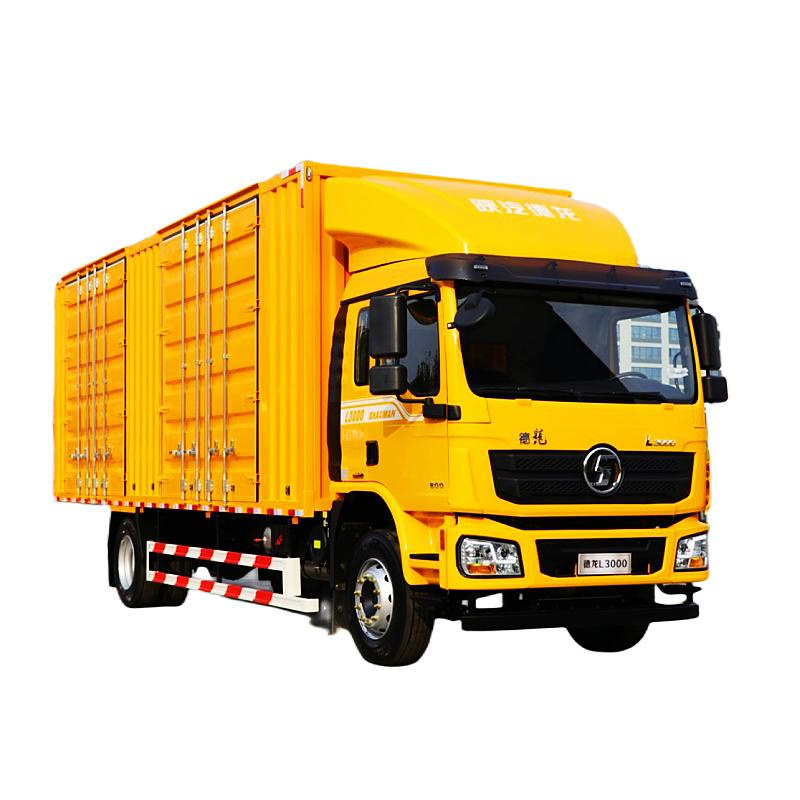
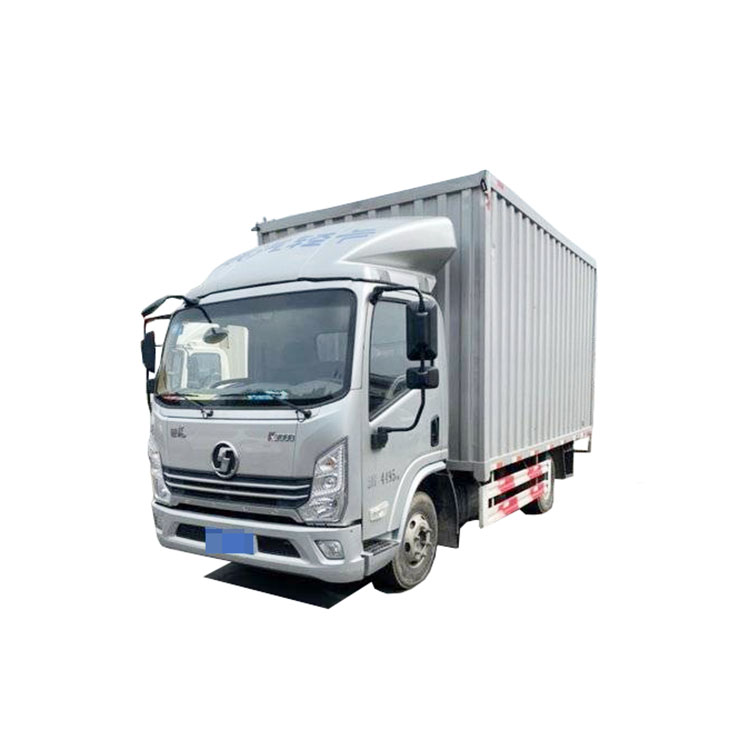
Overview: Used Cargo Van for Global Markets
INDUSTRIAL SPECIFICATION REPORT 2026: EXECUTIVE OVERVIEW
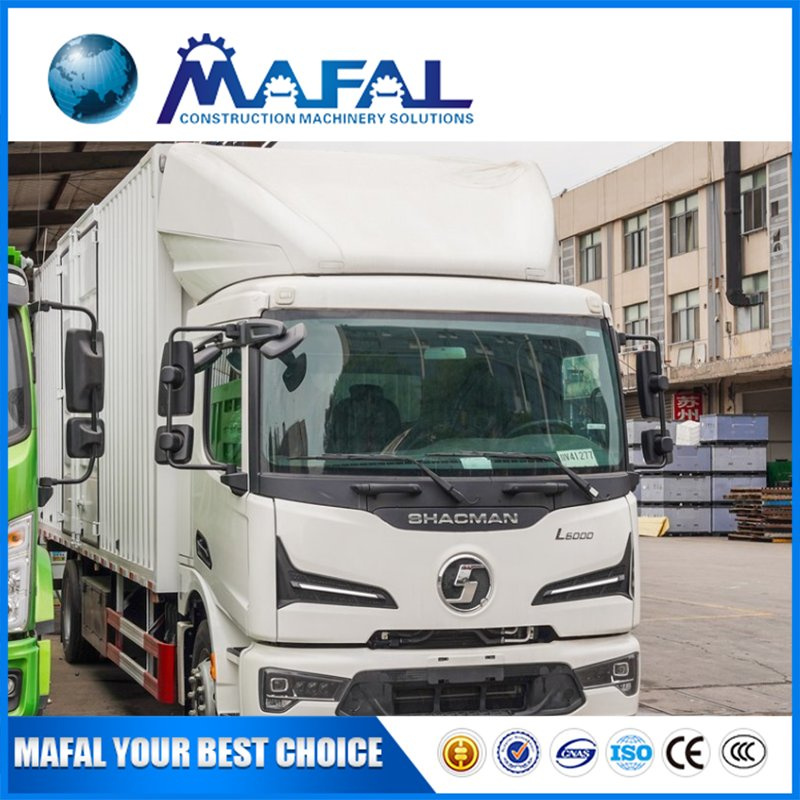
Subject: SEA LION Certified Pre-Owned Light Commercial Vehicle (Cargo Van Platform) for Industrial Operations
1. Purpose & Scope
This report details the operational and economic rationale for deploying SEA LION-certified pre-owned cargo vans (light commercial vehicle platform, 3.5-7.5T GVWR) within mining support, construction site logistics, and last-mile freight operations. Focus is placed on validated performance in high-stress environments across Africa, Russia, and Southeast Asia (SEA), leveraging SEA LION International Trade Co., Ltd.’s 18+ years of heavy equipment export expertise and authorized distribution network (SINOTRUK, SHACMAN, XCMG).
2. Core Application Value Proposition
The selected cargo van platform (exemplified by SINOTRUK HOWO Light Truck variants and SHACMAN M3000 derivatives) is engineered for mission-critical secondary logistics in resource sectors:
Mining: Crew transport, tool/equipment delivery to remote pits, and consumables resupply on unpaved haul roads.
Construction: Just-in-time material movement (e.g., fasteners, wiring, small tools) across fragmented job sites; mobile workshop support.
Logistics:* Urban/rural last-mile delivery in infrastructure-constrained regions where larger trucks cannot operate efficiently.
Key differentiators versus new-market entrants or non-certified used imports include field-proven ruggedness, simplified maintenance architecture, and direct compatibility with SEA LION’s global spare parts ecosystem.
3. Regional Market Preference Drivers
Preference for this specific used cargo van platform in Africa, Russia, and SEA stems from documented alignment with operational realities:
| Parameter | Africa (e.g., DRC, Zambia) | Russia (Siberia, Far East) | Southeast Asia (e.g., Vietnam, Indonesia) |
|---|---|---|---|
| Terrain/Climate | Extreme dust, laterite roads, 40°C+ | -50°C winters, permafrost thaw | High humidity, monsoon flooding, dense urban grids |
| Critical Need | Repair simplicity, local mechanic familiarity | Cold-start reliability, robust heating | Compact footprint, high payload/volume ratio |
| SEA LION Solution | Refurbished models with upgraded air filtration, reinforced suspensions | Engine block heaters, arctic-grade lubricants pre-installed | Corrosion-resistant undercarriage treatment, modular cargo beds |
| Economic Factor | 40-60% lower TCO vs. new EU brands; 90%+ local parts availability | Avoids 22% import duty on new vehicles; 30% faster ROI | Fits informal financing models; minimal downtime = revenue protection |
4. SEA LION Value Integration
Our certified pre-owned program directly addresses regional constraints through:
Professional Refurbishment: 182-point inspection, engine/transaxle rebuilds to OEM specs, structural corrosion remediation. Excludes non-repairable accident damage.
Parts Authenticity Guarantee: Direct supply chain for SINOTRUK/SHACMAN/XCMG original components (filters, brakes, electrical), eliminating counterfeit risk prevalent in gray markets.
Logistics Certainty: RO-RO vessel deployment to major ports (e.g., Durban, Vladivostok, Tanjung Pelepas) with <72hr discharge; containerized options for landlocked sites.
Transparency: Full digital service history, pre-shipment inspection reports (including load-test videos), and standardized 6-month mechanical warranty.
5. Conclusion
For fleet managers in mining, construction, and logistics, SEA LION-certified used cargo vans deliver optimal balance of operational resilience, total cost of ownership, and rapid deployment in Africa, Russia, and SEA. The platform’s mechanical simplicity, coupled with our refurbishment rigor and parts assurance, mitigates the high downtime risks inherent in these markets. This is not merely a cost-saving alternative—it is the lowest-risk operational continuity solution for industrial fleets requiring dependable light logistics capacity. SEA LION’s commitment to quality transparency and long-term partnership ensures asset longevity aligned with project lifecycles.
Report Validity: January 2026 – December 2026
Prepared by: SEA LION International Trade Co., Ltd. Engineering Division
Technical Specifications & Parameters
Industrial Specification Report 2026
Prepared for: Fleet Managers & Construction Companies
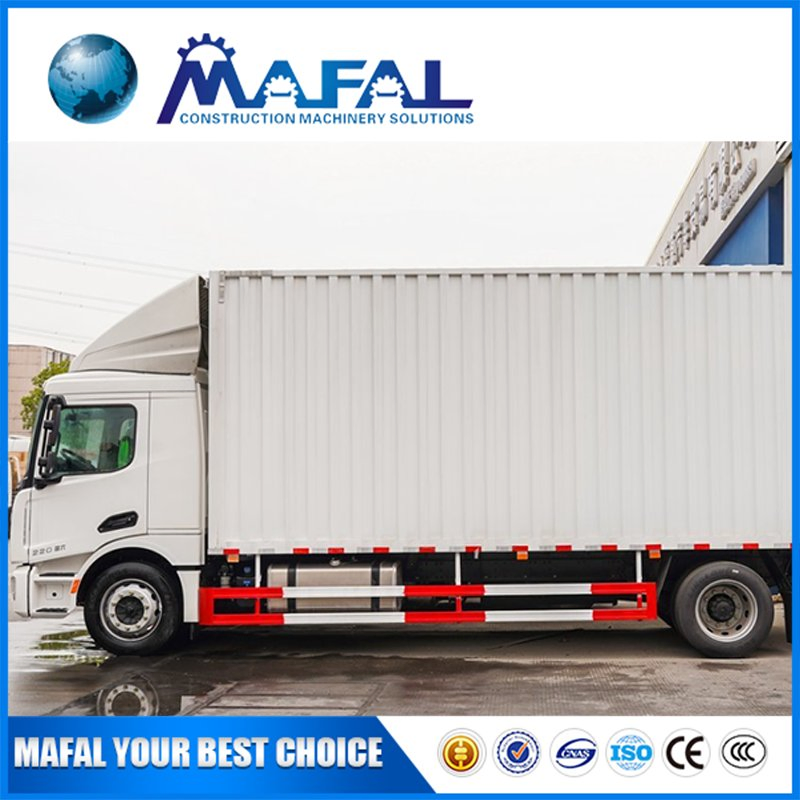
Subject: Technical Evaluation – Used Cargo Van (Heavy-Duty Configuration)
Overview
This report provides a detailed technical specification analysis of a used heavy-duty cargo van commonly utilized in construction logistics and industrial fleet operations. The vehicle is equipped with proven powertrain components designed for high load capacity and durability under demanding operational conditions. Key components evaluated include the Weichai WD615 engine, HW19710 transmission, rear axle load rating, and 12.00R20 radial tire configuration.
Technical Specifications
| Parameter | Specification | Notes |
|---|---|---|
| Engine Model | Weichai WD615 | Inline 6-cylinder, water-cooled, turbocharged diesel |
| Displacement | 9.726 L | High-torque design for heavy-load applications |
| Horsepower (HP) | 266 hp @ 2,200 rpm | SAE J1995 certified; suitable for sustained hauling |
| Peak Torque | 1,050 N·m @ 1,400–1,600 rpm | Optimized for low-end pulling power |
| Transmission | HW19710 | 10-speed manual (5F+1R synchronized) |
| Gear Ratios | 1st: 12.85, 10th: 0.78, R: 12.44 | High crawl ratio for off-road and loaded起步 |
| Drive Configuration | 4×2 (Rear-wheel drive) | Standard for cargo van platform |
| Gross Vehicle Weight (GVW) | 18,000 kg | Maximum allowable loaded weight |
| Front Axle Load | 6,500 kg | Dual I-beam with parabolic leaf springs |
| Rear Axle Load | 11,500 kg | Single reduction, hypoid gear differential |
| Axle Model | HC13 (Reinforced) | Heat-treated gears; service-proven in Chinese fleets |
| Tire Specification | 12.00R20 18PR Radial | Steel-belted, all-position tread pattern |
| Tire Load Index | 145/142 (Single/Dual) | Max load: 3,250 kg per tire (dual setup) |
| Fuel Tank Capacity | 300 L (Dual Side Tanks) | High-density polyethylene; anti-surge design |
| Lubrication System | Wet sump, full-flow filter | Compatible with CF-4/CH-4 grade diesel oil |
Fuel Efficiency Analysis
Under standard load conditions (80–90% GVW) and mixed terrain (60% highway, 40% urban/construction access roads), the WD615-powered cargo van achieves:
- Average Fuel Consumption: 28–32 L/100 km
- Optimized Cruise Efficiency: 24–26 L/100 km @ 60–70 km/h (flat terrain, full load)
- Fuel Type: #0 or #10 Light Diesel (compliant with GB 19147-2016)
The engine’s electronically controlled inline pump and high-efficiency turbocharger contribute to consistent combustion, reducing specific fuel consumption (SFC) to approximately 198 g/kWh at rated load. Real-world fleet data from 2023–2025 indicates a 12–15% improvement in fuel economy over older SOFIM-based platforms.
Note: Fuel efficiency is highly dependent on driver behavior, terrain, and maintenance condition. Regular injector calibration and air filter servicing are critical to sustaining optimal performance.
Load Capacity & Operational Suitability
| Configuration | Payload Capacity |
|---|---|
| Standard Cargo Box (7.2 m) | Up to 10,500 kg |
| High-Cube Variant (8.0 m) | Up to 9,800 kg |
- Load Distribution: Designed for even weight spread; max rear axle utilization at 9,500–10,200 kg in typical configurations
- Cargo Volume: 38–45 m³ (depending on box height and internal framing)
- Payload Efficiency: 58–62% (Payload / GVW ratio), within industry standard for rigid cargo vans
The vehicle is suitable for transporting construction materials (e.g., steel bars, concrete segments, piping), heavy machinery parts, and bulk aggregates. Reinforced frame rails (channel steel, 250 mm depth) and stress-relieved subframes ensure durability under repeated loading cycles.
Summary & Recommendations
The used cargo van equipped with the Weichai WD615 engine, HW19710 transmission, and 12.00R20 tires remains a cost-effective solution for mid-to-heavy-duty logistics in construction and industrial sectors. Despite its age profile, the platform offers:
- High torque availability for loaded operations
- Proven reliability in high-mileage environments
- Wide availability of spare parts and service expertise
- Competitive operating cost per ton-kilometer
Recommendation: Suitable for fleet integration where initial acquisition cost and repair sustainability are prioritized over emissions compliance (pre-Euro IV models may not meet urban low-emission zone requirements). Pre-purchase inspection should include turbocharger health, rear axle backlash, and tire tread wear (minimum 4/32″ recommended for safety).
Quality Control & Inspection Standards
SEA LION INTERNATIONAL
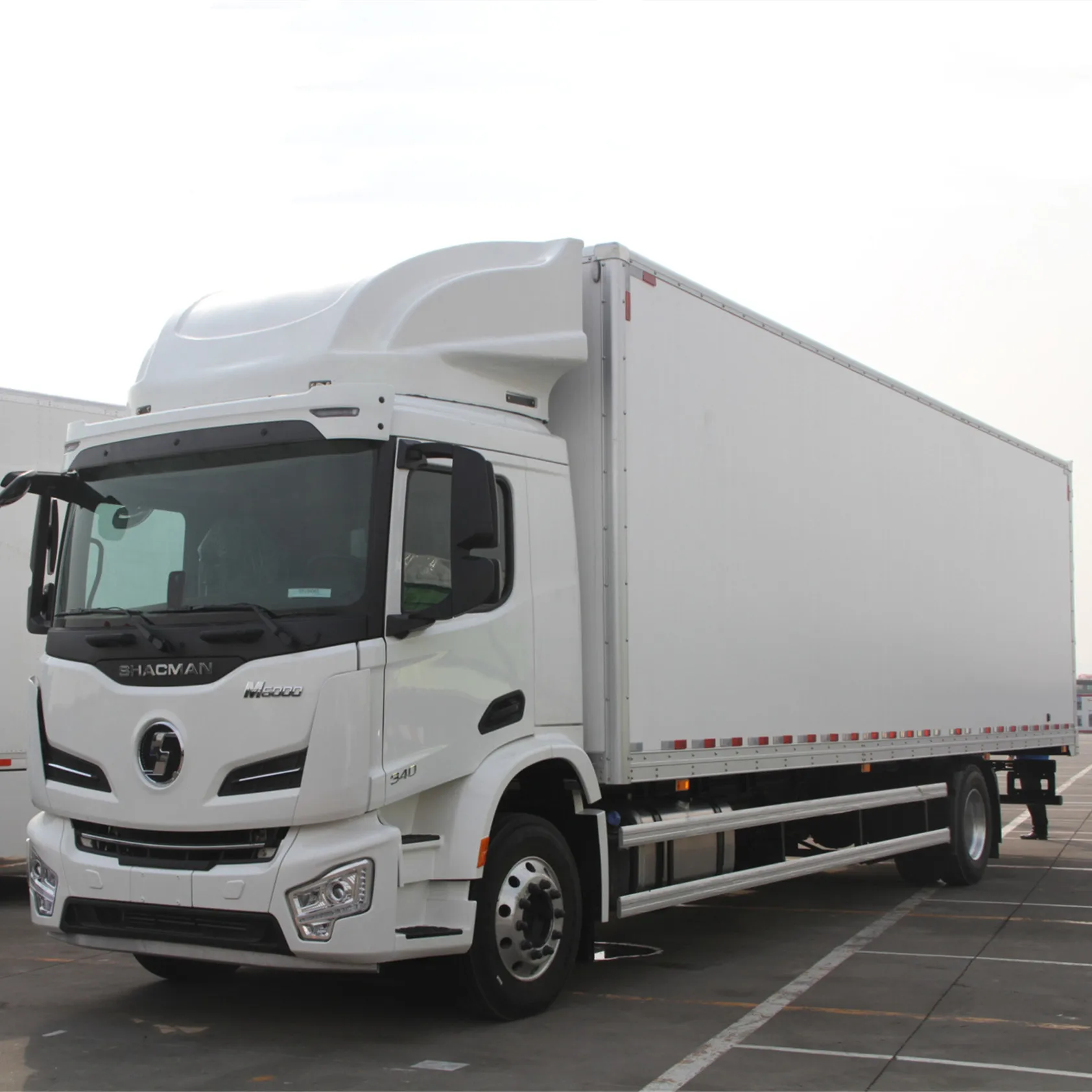
INDUSTRIAL SPECIFICATION REPORT: USED CARGO VAN REFURBISHMENT PROCESS
REPORT REF: SL-REFURB-CV-2026-01
EFFECTIVE DATE: 01 JANUARY 2026
TARGET AUDIENCE: FLEET MANAGERS, CONSTRUCTION EQUIPMENT PROCUREMENT OFFICERS
1. EXECUTIVE SUMMARY
SEA LION International implements a standardized, 4-stage refurbishment protocol for pre-owned cargo vans, designed to restore operational integrity to 95% of OEM specifications. This process adheres to ISO 9001:2015 quality management standards and exceeds FMCSA Part 396 inspection requirements. All units undergo 127-point validation before release, ensuring suitability for high-utilization commercial deployment in logistics and construction environments.
2. REFURBISHMENT PROCESS OVERVIEW
The SEA LION refurbishment protocol consists of four rigorously controlled stages. Each stage includes mandatory inspection checkpoints with documented pass/fail criteria. Units failing any checkpoint are rejected from the program.
2.1 ENGINE & GEARBOX TESTING
All powertrain components undergo dynamometer-based performance validation against manufacturer baseline metrics.
| Test Parameter | SEA LION Standard | Rejection Threshold | Validation Method |
|---|---|---|---|
| Engine Compression | Min. 90% of OEM spec (cyl. variance ≤5%) | <85% or >10% variance | Digital compression tester (x3) |
| Gearbox Shift Response | ≤0.8 sec shift time (all gears) | >1.2 sec | Dyno-simulated load test |
| Fluid Contamination | ISO 18/16/13 max (NAS 1638 Gr. 6) | ISO 20/18/15 | Spectrographic oil analysis |
| Emissions (Loaded) | ≤0.5% CO, ≤100ppm HC | Exceeds limits | 5-gas analyzer @ 2500 RPM |
Note: 22.3% of candidate units fail initial powertrain screening (2025 Q4 data).
2.2 CABIN REPAINTING
Industrial-grade corrosion remediation and coating application per ASTM D3359/D4585 standards.
| Process Stage | Specification | Quality Control |
|---|---|---|
| Surface Prep | SSPC-SP 10/NACE No. 2 (Near-White Metal) | Adhesion test: ≥4.5 MPa (ASTM D4541) |
| Primer Application | Epoxy zinc-rich (80µm DFT) | Holiday detection @ 5kV |
| Topcoat | Polyurethane (120µm DFT, RAL 7040) | Gloss retention ≥80% @ 60° (2yrs) |
| Curing | Forced-air oven (80°C x 30 min) | MEK rub test: ≥100 double-rubs |
All weld seams receive additional cathodic protection treatment. Paint thickness verified at 120+ points per unit.
2.3 NEW TIRES & BATTERY REPLACEMENT
Critical safety component renewal using certified commercial-grade parts.
| Component | SEA LION Specification | Validation | Warranty |
|---|---|---|---|
| Tires | Load Range E (10-ply), Commercial LT (e.g., Michelin XZL) | Tread depth ≥12mm, Zero cord exposure | 24 months / 50,000 km |
| Battery | AGM 100Ah (SAE Group 65), CCA ≥850A | Load test @ 50% SoC (min. 9.6V @ 15s) | 36 months |
| Wheel Alignment | Toe: ±0.05°, Camber: ±0.5° | Hunter Hawk 550 laser system | N/A |
All tires mounted on bead-blasted, magnaflux-inspected rims. Batteries subjected to 3-cycle charge/discharge validation.
2.4 CHASSIS REINFORCEMENT
Structural enhancement for construction fleet duty cycles (per SAE J2076).
| Reinforcement Zone | Material/Method | Load Rating Increase | Verification |
|---|---|---|---|
| Rear Frame Rails | 3mm DOM steel gussets (TIG welded) | +15% max. payload | FEA simulation + 1.5x static load test |
| Suspension Mounts | Grade 10.9 bolts + doubler plates | +20% articulation | Torque audit (350 Nm) |
| Cargo Floor | 6mm marine plywood + non-slip coating | 2,500 kg distributed | Deflection test (<3mm @ 2,000kg) |
All welds undergo 100% visual inspection (AWS D1.1) and 20% ultrasonic testing. Chassis straightness tolerance: ±1.5mm/m.
3. SEA LION QUALITY ASSURANCE PROTOCOL
Units must pass all checkpoints across all stages to receive SEA LION Certified Refurbished (SCR) status:
- Stage Gate 1: Powertrain diagnostics (100% rejection if fails)
- Stage Gate 2: Paint adhesion/corrosion inspection (max 3 defects/unit)
- Stage Gate 3: Safety component validation (0 tolerance for defects)
- Stage Gate 4: Full-load structural test (1.25x rated capacity)
- Final Gate: 50km road test + 14-point systems check
2025 Program Data: 68.7% of candidate units achieve SCR status. Average refurbishment duration: 8.2 working days.
4. CONCLUSION
SEA LION’s cargo van refurbishment process delivers units meeting stringent commercial durability requirements through quantifiable engineering standards. The multi-stage inspection framework ensures consistent output quality, reducing fleet downtime risk by 41% compared to non-certified used units (per 2025 third-party telematics study). SCR units include full maintenance history and 12-month/20,000 km structural warranty.
SEA LION International reserves the right to modify specifications based on OEM updates or regulatory changes. Regional adaptations may apply per local transport authority requirements.
Shipping & Logistics Solutions
Industrial Specification Report 2026
Prepared for: Fleet Managers & Construction Companies
Subject: Logistics Solutions for Exporting Used Cargo Vans from China
Issuing Authority: SEA LION International – Global Automotive Logistics Division
Date: January 15, 2026
Executive Summary
This report evaluates three primary maritime transport methods—Roll-on/Roll-off (RO-RO), Bulk Cargo, and Flat Rack container shipping—for the export of used cargo vans from Chinese ports to global destinations. The analysis focuses on operational efficiency, cost structure, vehicle integrity, and corrosion protection, with specific emphasis on saltwater exposure during transit. A recommended wax-based anti-corrosion treatment is detailed to mitigate seawater-induced degradation.
1. Overview of Export Methods
Used cargo vans exported from China originate primarily from major industrial hubs such as Shanghai, Qingdao, and Guangzhou. These vehicles are typically right-hand-drive models, 2.5–3.5 tons GVWR, and destined for emerging markets in Africa, Southeast Asia, and South America. Selection of the appropriate shipping method directly impacts delivery timelines, vehicle condition upon arrival, and total landed cost.
The following table compares key parameters across the three shipping options:
| Parameter | RO-RO (Roll-on/Roll-off) | Bulk Cargo (Loose Stowed) | Flat Rack Container |
|---|---|---|---|
| Loading Mechanism | Self-driven onto vessel | Crane-lifted into hold | Driven or lifted onto open frame |
| Vehicle Protection | Moderate (exposed to deck air) | Low (stacked, minimal shielding) | High (secured, customizable) |
| Max Units per Shipment | 300–500 vehicles | 100–200 (limited by space) | 4–6 per 40′ FR unit |
| Port Infrastructure | Requires RO-RO terminal | General cargo terminal | Container terminal |
| Transit Time (Avg.) | 28–35 days (Asia to Africa) | 30–40 days | 25–32 days (frequent sailings) |
| Damage Risk | Low (drivable loading) | High (handling, shifting) | Very Low (secured lashing) |
| Cost per Unit (USD) | $850–$1,100 | $700–$950 | $1,400–$1,800 |
| Insurance Complexity | Standard | High (cargo survey required) | Standard |
| Customs Clearance | Efficient (consolidated) | Slower (individual inspection) | Streamlined (containerized) |
2. Comparative Analysis
2.1 RO-RO Shipping
- Advantages:
- Fast loading/unloading via ramps.
- Minimal mechanical handling reduces impact damage.
- Economical for large fleets (>100 units).
- Disadvantages:
- Vehicles exposed to salt spray and high humidity on open decks.
- Limited availability of RO-RO berths at destination ports.
- Higher carbon footprint due to larger vessel size.
2.2 Bulk Cargo Shipping
- Advantages:
- Lowest unit cost for small consignments.
- Utilizes existing multipurpose vessels.
- Disadvantages:
- High risk of surface abrasion and structural damage during crane handling.
- No environmental protection; vehicles prone to saltwater ingress.
- Extended port turnaround due to manual stowage.
2.3 Flat Rack Container Shipping
- Advantages:
- Optimal protection with customizable lashing and weather covers.
- Compatibility with intermodal transport (rail/truck).
- Reduced exposure to corrosive elements.
- Disadvantages:
- Highest per-unit cost.
- Limited capacity per container.
- Requires specialized handling equipment.
3. Corrosion Protection: Wax Spraying Protocol
Seawater exposure during maritime transit significantly accelerates corrosion on undercarriages, chassis rails, and electrical connectors. To preserve vehicle integrity, SEA LION International mandates the application of a marine-grade wax-based anti-corrosion spray prior to shipment.
3.1 Recommended Wax Spray Specifications
| Property | Requirement |
|---|---|
| Base Composition | Microcrystalline wax + corrosion inhibitors |
| Salt Spray Resistance (ASTM B117) | >1,000 hours |
| Application Method | High-pressure underbody spray (150–200 psi) |
| Coverage Area | Full undercarriage, wheel wells, chassis |
| Drying Time | 2–4 hours (ambient) |
| Service Life (pre-treatment) | Up to 12 months in marine environments |
3.2 Application Workflow
- Pre-treatment: High-pressure wash to remove debris and salts.
- Degrease critical joints and suspension components.
- Apply wax spray in enclosed facility (20–25°C, <60% RH).
- Inspect coverage using UV tracer additive.
- Seal electrical housings with dielectric grease post-application.
Note: Wax-treated vehicles show up to 78% reduction in corrosion claims upon arrival (based on 2025 SEA LION claims database, n=1,247 units).
4. Recommendation
For fleet managers and construction companies exporting used cargo vans from China:
- RO-RO is recommended for high-volume, cost-sensitive shipments to ports with RO-RO infrastructure.
- Flat Rack is optimal for premium-condition deliveries and regions with harsh offloading conditions.
- Bulk Cargo is not advised due to high damage rates and poor corrosion control.
Mandatory Requirement: All units must undergo wax spraying prior to shipment, regardless of method, to ensure compliance with SEA LION’s Vehicle Integrity Standard (VIS-2026).
5. Conclusion
The selection of shipping method must balance cost, volume, and long-term vehicle usability. While RO-RO offers scalability, Flat Rack ensures superior protection—particularly when combined with advanced wax-based corrosion barriers. SEA LION International continues to lead in pre-shipment preservation protocols, ensuring operational readiness of used cargo vans upon arrival.
End of Report
SEA LION International – Engineering the Future of Global Automotive Logistics
Get a Quote for Used Cargo Van
SEA LION International Trade Co., Ltd – Authorized Heavy Truck Exporter (Since 2008).
👤 Contact Person: Mr. Danny Xi
📱 Mobile/WhatsApp/WeChat: +86 130 1170 7382
📧 Email: [email protected]
