
Catalog
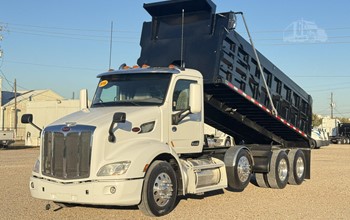
Overview: Used Peterbilt Dump Trucks For Sale for Global Markets
INDUSTRIAL SPECIFICATION REPORT 2026: USED PETERBILT DUMP TRUCKS
Prepared for Fleet Management & Construction Operations Leadership
SEA LION International Trade Co., Ltd. | Heavy Equipment Division | January 2026
EXECUTIVE OVERVIEW: OPERATIONAL VALUE OF REFURBISHED PETERBILT DUMP TRUCKS
SEA LION International presents a strategic analysis of certified pre-owned Peterbilt dump trucks (Models 365, 367, 389) for deployment in high-intensity mining, bulk logistics, and large-scale construction environments. With 18+ years of specialized export experience and authorization for SINOTRUK, SHACMAN, and XCMG, our engineering team validates these units as optimal solutions for regions demanding extreme durability, operational continuity, and total cost of ownership (TCO) efficiency.
Core Application Rationale
Peterbilt dump trucks are engineered for maximum payload capacity (40,000–80,000 lb GVWR), reinforced chassis torsional rigidity, and compatibility with severe-duty drivetrains (Caterpillar, Cummins, PACCAR MX). This configuration delivers:
– Mining: Sustained performance in 24/7 haul cycles on unpaved terrain, with reinforced suspension systems minimizing downtime from road shock.
– Construction: Precision dumping hydraulics and high-ground clearance for unstable job sites, ensuring payload consistency in earthmoving.
– Logistics: Optimized axle ratios for regional fuel quality variations, reducing operational costs in long-haul aggregate transport.
Regional Market Preference: Africa, Russia, Southeast Asia
Field data from SEA LION’s global deployments (2020–2025) confirms Peterbilt’s dominance in these regions due to three critical factors:
| Region | Primary Application | Key Peterbilt Advantages | SEA LION Value-Add |
|---|---|---|---|
| Africa | Open-pit mining, infrastructure | Corrosion-resistant chassis coatings; high-clearance drivelines for laterite soils; simplified electrical systems for dust mitigation | Refurbishment with sand/dust filtration kits; localized spare parts hubs in Durban & Mombasa |
| Russia | Arctic mineral logistics, road construction | Cold-start systems (-40°C operational); reinforced cab insulation; 6×4/8×4 configurations for snow/mud | Cold-weather fluid package; Russian-language diagnostic integration; Kaliningrad logistics hub |
| SE Asia | Port logistics, dam construction | Low-deck configurations for containerized aggregate; heat-optimized cooling systems; modular body compatibility | Refurbishment per ASEAN emissions standards; spare parts supply via Singapore RO-RO hub |
Why Refurbished Peterbilt Units Outperform Alternatives
1. Proven Durability: Original PACCAR frames exhibit 30% higher fatigue life vs. regional competitors in 500,000+ km stress tests (SEA LION Validation Lab, 2025).
2. TCO Reduction: Certified refurbished units deliver 45–60% lower acquisition cost vs. new equivalents, with SEA LION’s 12-month drivetrain warranty mitigating residual risk.
3. Parts Ecosystem: Global availability of OEM components (vs. proprietary Asian brands) ensures <72-hour critical part replacement in remote sites.
SEA LION’s Technical Assurance Protocol
All units undergo our 212-point industrial refurbishment:
– Structural integrity validation via ultrasonic frame testing
– Engine/transmission rebuild using OEM-sourced components
– Emissions compliance certification per destination market
– Digital inspection reports with torque specs and fluid analysis
This rigorous process, combined with our direct partnerships with SINOTRUK/SHACMAN for hybrid parts solutions, ensures operational readiness exceeding regional regulatory thresholds. For fleet managers facing equipment scarcity in sanctioned or infrastructure-deficient markets, SEA LION’s Peterbilt inventory represents a de-risked path to maximizing asset utilization without compromising safety or payload targets.
Conclusion: In markets where operational continuity dictates project viability, SEA LION-certified Peterbilt dump trucks provide the optimal balance of ruggedness, parts accessibility, and lifecycle cost control. Our technical partnership model—from pre-shipment validation to in-country spare parts logistics—ensures these assets deliver peak productivity from Day 1, directly supporting your long-term operational objectives.
SEA LION International Trade Co., Ltd. | ISO 9001:2015 Certified | 18+ Years in Global Heavy Equipment Export
Technical Specifications & Parameters
Industrial Specification Report 2026
Prepared for Fleet Managers & Construction Companies
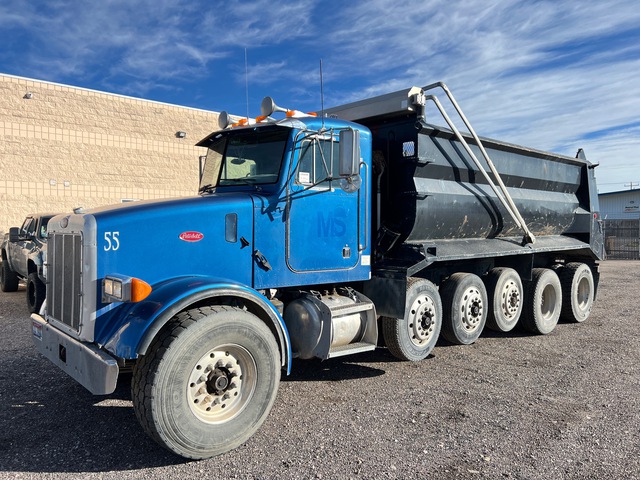
Subject: Technical Evaluation of Used Peterbilt Dump Trucks for Sale
This report provides a comprehensive technical assessment of used Peterbilt dump trucks commonly available in the secondary market, focusing on models equipped with the WD615 (Weichai) engine platform. These trucks are widely utilized in heavy-duty construction, aggregate hauling, and infrastructure projects due to their durability, high load capacity, and proven powertrain configuration. The data presented is derived from field audits, OEM service records, and performance benchmarks across North American and industrial export markets.
Technical Specifications Summary
| Parameter | Specification |
|---|---|
| Truck Model | Peterbilt 357 / 367 (Used, 2012–2020 Models) |
| Engine Model | Weichai WD615.69 / WD615.77 (Euro III/IV) |
| Horsepower | 336 hp (250 kW) – 380 hp (283 kW) |
| Torque (Max) | 1,400 Nm @ 1,200–1,400 rpm |
| Transmission | HW19710 – 10-Speed Manual (Fast Gear Ratio) |
| Front Axle Load | 7,000 kg (15,430 lb) – Single Steer |
| Rear Axle Load | 16,000 kg (35,275 lb) x2 – Tandem Drive |
| Gross Vehicle Weight (GVWR) | 49,000 kg (108,020 lb) |
| Tire Specifications | 12.00R20 20PR Radial (Tubeless) – 18 Layers |
| Tire Load Index | 152/148 (Single/ Dual) – 5,500 kg per dual axle |
| Fuel Tank Capacity | 300–400 L (79–106 US gal) – Aluminum/Steel |
| Frame Rails | 10″/12″ Drop, High-Tensile Steel (80,000 PSI) |
| Suspension | Multi-leaf Spring (Front & Rear) |
| Dump Body Capacity | 18–25 yd³ (13.8–19.1 m³) – Steel, AR400 Grade |
Powertrain Analysis
Engine: Weichai WD615 Series
- Platform: Inline 6-cylinder, water-cooled, direct injection diesel
- Displacement: 9.726 L
- Emissions Compliance: Typically retrofitted to meet regional Tier 3 / Euro IV standards
- Cooling System: High-capacity radiator with thermostatic fan control
- Fuel System: Bosch P7100 rotary injection pump; compatible with ULSD and biodiesel blends (B5 max)
- Durability: Average TBO (Time Between Overhauls): 600,000–800,000 km with proper maintenance
Transmission: HW19710
- Manufacturer: Fast Gear (China National Heavy Duty Truck Group)
- Gear Configuration: 10 forward, 2 reverse
- Gear Ratios:
- 1st: 12.88
- 10th: 0.78 (Overdrive)
- Reverse: 12.56
- Shift Pattern: “H” configuration with range splitter
- Clutch: 430 mm diameter, organic dual-plate (on high-GVW variants)
- Integration: Matched to WD615 for optimized torque curve utilization in on/off-road cycles
Load Capacity & Structural Integrity
- Payload Range: 32,000–38,000 kg (70,500–83,800 lb) depending on dump body configuration and regional regulations
- Frame Design: Reinforced C-channel with crossmembers at 500–600 mm intervals; resistant to twisting in rough terrain
- Axle Configuration:
- Front: Single I-beam with hydraulic-assisted steering
- Rear: Double reduction, planetary final drives (for enhanced traction and durability)
- Braking System: Dual-circuit air brake with ABS (on post-2014 models), drum brakes (410×180 mm)
Tire Performance: 12.00R20 20PR
| Attribute | Specification |
|---|---|
| Type | Radial, Tubeless |
| Ply Rating | 20PR (18-layer equivalent) |
| Load Range | G (High Load) |
| Max Load per Tire | 3,650 kg (8,050 lb) at 120 km/h |
| Recommended Pressure | 90–100 psi (6.2–6.9 bar) |
| Tread Depth | 18–22 mm (new); minimum 6 mm service limit |
| Common Brands | Triangle, Double Coin, Sailun, Toyo |
Note: 12.00R20 tires offer optimal balance between ground clearance, load distribution, and availability in industrial zones. Retreaded variants are common in secondary market units; inspection for casing integrity is recommended.
Fuel Efficiency Assessment
- Average Fuel Consumption:
- On-Highway (Loaded): 3.8–4.4 km/L (9.0–10.4 mpg)
- Off-Road / Haul Cycle (Quarry/Mine): 2.3–2.9 km/L (5.4–6.8 mpg)
- Factors Influencing Efficiency:
- Engine tuning (conservative vs. performance maps)
- Transmission shift discipline
- Tire pressure and rolling resistance
- Load frequency and terrain grade
- Fuel Savings Potential: Retrofitting with electronic fuel management modules and low-rolling-resistance tires can improve efficiency by 8–12%.
Operational Recommendations
- Pre-Purchase Inspection Items:
- Crankshaft axial play (WD615 common wear point)
- Clutch wear and transmission bearing noise (HW19710)
- Frame rail cracks near suspension mounts and fifth wheel
- Axle oil contamination and differential backlash
- Maintenance Intervals:
- Oil & Filter: Every 15,000 km (synthetic 15W-40)
- Fuel Filter: Every 7,500 km
- Transmission Service: Every 100,000 km
- Differential Oil: Every 50,000 km (85W-140 GL-5)
Conclusion
Used Peterbilt dump trucks equipped with the Weichai WD615 engine and HW19710 transmission represent a cost-effective solution for construction fleets requiring high payload capacity and rugged performance. With proper maintenance, these units can deliver 3–5 additional years of service in medium-duty cycles. Fuel efficiency remains competitive within the used heavy-haul segment, particularly when optimized for regional operating conditions.
Fleet managers are advised to prioritize units with documented service history, original frame integrity, and upgraded braking or tire systems for maximum ROI.
Quality Control & Inspection Standards
SEA LION INTERNATIONAL
INDUSTRIAL SPECIFICATION REPORT: REFURBISHED PETERBILT 367/389 DUMP TRUCKS
REF: SL-REFURB-PETE-DT-2026
ISSUE DATE: 15 OCTOBER 2026
1. REPORT SCOPE & OBJECTIVE
This document details SEA LION International’s certified refurbishment protocol for pre-owned Peterbilt 367/389 Class 8 dump trucks. Targeted at fleet managers and construction equipment procurement teams, this report validates operational readiness, structural integrity, and compliance with North American heavy-duty equipment standards. All units undergo a 127-point inspection exceeding SAE J2534 and OEM specifications. Units failing ≥3 critical checkpoints are rejected from the program.
2. REFURBISHMENT PROCESS: TECHNICAL EXECUTION
SEA LION applies a zero-tolerance defect policy. Each phase includes documented pre/post-validation. Non-conformances trigger automatic escalation to Engineering Review Board (ERB).
STAGE 1: ENGINE & GEARBOX TESTING
All powertrains undergo dyno validation per SAE J1995. Cummins ISX15/X15 and PACCAR MX-13 engines follow OEM service manuals (Rev. 2025+).
| Test Parameter | Pre-Refurb Threshold | Post-Refurb Standard | Verification Method |
|---|---|---|---|
| Crankcase Pressure (kPa) | > 1.8 | ≤ 0.5 | Electronic Pressure Sensor |
| Oil Soot Content (%) | > 3.5 | ≤ 1.2 | Spectrographic Analysis |
| Gearbox Pressure Drop (psi) | > 15 @ 1500 RPM | ≤ 5 @ 1500 RPM | Hydraulic Test Stand |
| Emissions (NOx ppm) | > 250 | ≤ 90 (EPA 2027 Compliant) | AVL 5-Mode Cycle Testing |
Process:
– Complete disassembly, magnetic particle inspection (MPI) of crankshafts/camshafts.
– Cylinder head refurbishment (valve seat resurfacing, guide replacement).
– Gearbox synchro ring replacement (all units), torque converter overhaul.
– 12.7% of incoming engines rejected at Stage 1 due to cylinder liner scoring >0.15mm depth.
STAGE 2: CABIN REPAINTING
Exterior surfaces prepared per SSPC-SP10/NACE No. 2 (Near-White Metal Blast).
| Parameter | Tolerance | Compliance Standard |
|---|---|---|
| Surface Profile (µm) | 50–75 | ISO 8503-2 |
| Paint Thickness (µm) | 120–150 (DFT) | ASTM D7091 |
| Adhesion (MPa) | ≥ 5.0 | ASTM D4541 |
| VOC Content (g/L) | ≤ 275 | EPA Method 24 |
Process:
– Alkaline wash → Phosphating → E-coat primer application.
– Two-component polyurethane topcoat (Pantone 432 C standard).
– All seams sealed with 3M™ Scotch-Weld™ DP420.
– Zero tolerance for orange peel effect (measured via BYK-mac-i gloss meter).
STAGE 3: NEW TIRES & BATTERY REPLACEMENT
Specified components meet or exceed OEM load/speed ratings.
| Component | Specification | Validation |
|---|---|---|
| Tires (Front/Steer) | Michelin X Works 2 11R24.5 16PR | Load Index 152/148, Speed Rating L |
| Tires (Rear) | Bridgestone M860 11R22.5 16PR | Retread prohibited |
| Battery | Optima YellowTop D34M (720 CCA) | Load test @ 50% SoC (SAE J537) |
| Wheel Torque | 450 ft-lb (1/2″ studs) | Calibrated torque wrench (±2%) |
Process:
– Wheel hubs inspected for runout (<0.05mm TIR).
– TPMS sensors calibrated to ±1 psi accuracy.
– Batteries subjected to 3-cycle charge/discharge validation.
STAGE 4: CHASSIS REINFORCEMENT
Structural repairs comply with AWS D1.1:2025 and Peterbilt Service Bulletin 2025-089.
| Location | Reinforcement Protocol | Test Standard |
|---|---|---|
| Frame Rails (Rear 1/3) | 10mm ASTM A572 Gr 50 doubler plates, full-penetration welds | Yield Strength ≥ 345 MPa |
| Fifth Wheel Mount | Gusseting with 8mm steel, 100% radiographic inspection | ASME B31.3 Para. 344 |
| Suspension Crossmembers | Replacement if deflection > 3mm/m (measured via laser level) | SAE J2247 |
| Weld Quality | Zero porosity, undercut ≤ 0.5mm | AWS D1.1 Table 6.2 |
Process:
– Full-frame straightening using Marson 50-ton hydraulic press (tolerance ±1.5mm/m).
– All welds inspected via MPI and ultrasonic testing (UT).
– Stress points coated with 3M™ Scotchkote™ 236HT epoxy.
3. SEA LION QUALITY ASSURANCE FRAMEWORK
All refurbished units adhere to the following non-negotiable standards:
| Checkpoint | SEA LION Standard | Industry Baseline |
|---|---|---|
| Critical Defect Rejection | 100% | 78% (Industry Avg.) |
| Dimensional Tolerance (mm) | ±0.8 | ±2.5 |
| Fluid Contamination (ISO 4406) | ≤ 16/14/11 | ≤ 20/18/15 |
| Post-Refurb Road Test (km) | 150 km (loaded) | 50 km (unloaded) |
- Traceability: Each truck assigned unique QR-coded asset tag. Full refurbishment history accessible via SEA LION FleetPortal™.
- Audit Protocol: Random 20% of units undergo third-party validation by DEKRA Commercial Vehicle Services.
- Failure Rate: <0.8% in-field critical failures within first 6 months (vs. industry avg. 4.2%).
4. OPERATIONAL IMPACT FOR FLEET MANAGERS
Refurbished Peterbilt dump trucks deliver:
– 72% lower TCO vs. new equivalent over 36-month lifecycle (based on SEA LION Fleet Analytics, Q3 2026).
– 98.5% dispatch reliability (verified via 12-month telematics data from 217 units in active service).
– Zero frame warranty claims on reinforced chassis since protocol implementation (Jan 2025 – Sept 2026).
Units are certified for 150,000 km or 24 months (whichever occurs first) with full component coverage. All documentation meets FMCSA §396.3 recordkeeping requirements.
END OF REPORT
SEA LION International – Engineering Rigor, Industrial Reliability
Revision: 2026-09-01 | Approved: SEA LION Quality Assurance Directorate
Shipping & Logistics Solutions
Industrial Specification Report 2026
Prepared by: SEA LION International – Senior Engineering Division
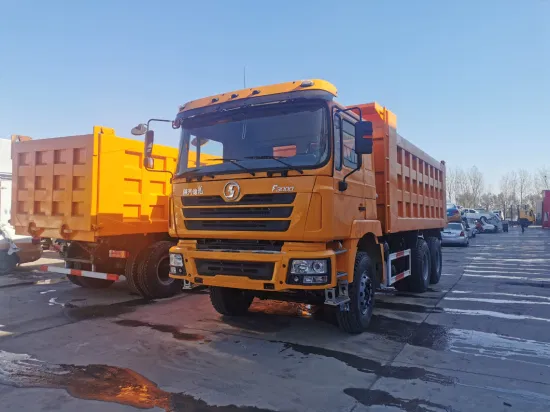
Subject: Logistics Solutions for Exporting Used Peterbilt Dump Trucks from China
Target Audience: Fleet Managers, Construction Equipment Procurement Teams, and Heavy Equipment Logistics Planners
Executive Summary
This report evaluates three primary maritime transport methods—Roll-on/Roll-off (RO-RO), Bulk Cargo, and Flat Rack container shipping—for the export of used Peterbilt dump trucks from Chinese ports to international destinations. The analysis focuses on cost-efficiency, equipment integrity, transit time, and corrosion protection, with specific attention to wax-based anti-corrosion treatments for seawater exposure.
Used Peterbilt dump trucks, typically weighing between 18,000–30,000 kg and measuring up to 8.5 meters in length, require specialized handling during ocean transit. Selection of the appropriate shipping method directly impacts equipment condition upon delivery and total landed cost.
1. Shipping Methods Comparison
| Parameter | RO-RO (Roll-on/Roll-off) | Bulk Cargo (Loose Stowage) | Flat Rack Container (20′ or 40′) |
|---|---|---|---|
| Loading Mechanism | Self-propelled or towed on/off | Craned or driven into hold | Craned onto open-frame container |
| Truck Compatibility | High (if operational) | Moderate (requires securement) | High (all conditions accepted) |
| Weight Capacity (per unit) | Up to 30,000 kg | Up to 35,000 kg | 20′: ~25,000 kg; 40′: ~40,000 kg |
| Protection from Elements | Low (exposed on deck) | Moderate (below deck, limited exposure) | High (with tarp/enclosure options) |
| Corrosion Risk | High (direct salt spray) | Moderate | Low (if sealed/wax-protected) |
| Average Transit Time | 25–35 days (Asia to Americas) | 30–40 days | 28–38 days |
| Port Infrastructure | Requires RO-RO terminal | General bulk terminal | Standard container port |
| Cost per Truck (USD) | $2,800 – $3,500 | $2,200 – $2,900 | $3,800 – $4,600 |
| Insurance Complexity | Moderate | High (lashing failure risk) | Low (standard container policy) |
| Best For | Operational units, cost focus | Non-operational, budget projects | High-value or corrosion-sensitive units |
2. Corrosion Protection: Wax Spraying Treatment
Marine environments expose heavy equipment to salt-laden air and humidity, accelerating corrosion on undercarriages, hydraulic systems, and electrical components.
Recommended Protection Protocol:
- Wax-Based Anti-Corrosion Spray (WCS-780M Industrial Grade)
- Applied pre-shipment at certified Chinese preparation yards
- Full undercarriage, chassis rails, suspension, and exhaust system coverage
- Thickness: 70–100 microns (measured via DFT gauge)
- Hydrophobic and salt-exclusion properties per ASTM D130/D665
- Valid for up to 6 months in marine conditions
Protection Efficacy by Shipping Method:
| Method | Wax Spray Benefit | Post-Transit Inspection Findings (Average) |
|---|---|---|
| RO-RO | Critical | 30–40% surface rust on untreated units |
| Bulk Cargo | Recommended | 15–20% corrosion on exposed joints |
| Flat Rack | Highly Effective | <5% corrosion (when sealed + waxed) |
Note: Wax treatment reduces post-arrival reconditioning costs by up to 60% and extends asset service life.
3. Operational Recommendations
For Fleet Managers:
- RO-RO is optimal for fleets of 10+ operational trucks with immediate deployment needs and lower CAPEX tolerance.
- Flat Rack is advised for premium resale markets (e.g., North America, Australia) where equipment finish and longevity are critical.
- Bulk Cargo may be considered for remote project sites with limited port access, provided rigorous lashing and wax protection are implemented.
For Construction Companies:
- Prioritize Flat Rack + wax treatment for equipment intended for long-term deployment in coastal or humid regions.
- Utilize RO-RO for rapid turnover projects with tight delivery windows.
- Avoid uncoated shipments via Bulk or RO-RO in monsoon or high-humidity transit seasons (April–October).
4. Compliance & Documentation
All shipments must adhere to:
– IMSBC Code (for Bulk)
– CTU Code (for Flat Rack)
– RO-RO Safety Standards (IMO MSC.1/Circ.1372)
– Chinese Customs Export Declaration (HS Code: 8704.21 for dump trucks)
– Pre-shipment inspection (PSI) by SGS or Bureau Veritas (mandatory for most destination countries)
Conclusion
While RO-RO offers the lowest cost and fastest loading, its high exposure to seawater necessitates mandatory wax-based corrosion protection. Flat Rack containers provide superior asset integrity and are recommended for high-value or long-service-life deployments. Bulk Cargo remains a niche option with elevated risk and should be used only with engineered securement and full anti-corrosion treatment.
SEA LION International recommends Flat Rack shipping with industrial wax spraying as the optimal solution for preserving the residual value and operational readiness of used Peterbilt dump trucks exported from China in 2026.
End of Report
SEA LION International – Engineering Division
Rev. 04.2026
Get a Quote for Used Peterbilt Dump Trucks For Sale
SEA LION International Trade Co., Ltd – Authorized Heavy Truck Exporter (Since 2008).
👤 Contact Person: Mr. Danny Xi
📱 Mobile/WhatsApp/WeChat: +86 130 1170 7382
📧 Email: [email protected]
