

Catalog
Overview: Used Shacman Dump Truck for Global Markets
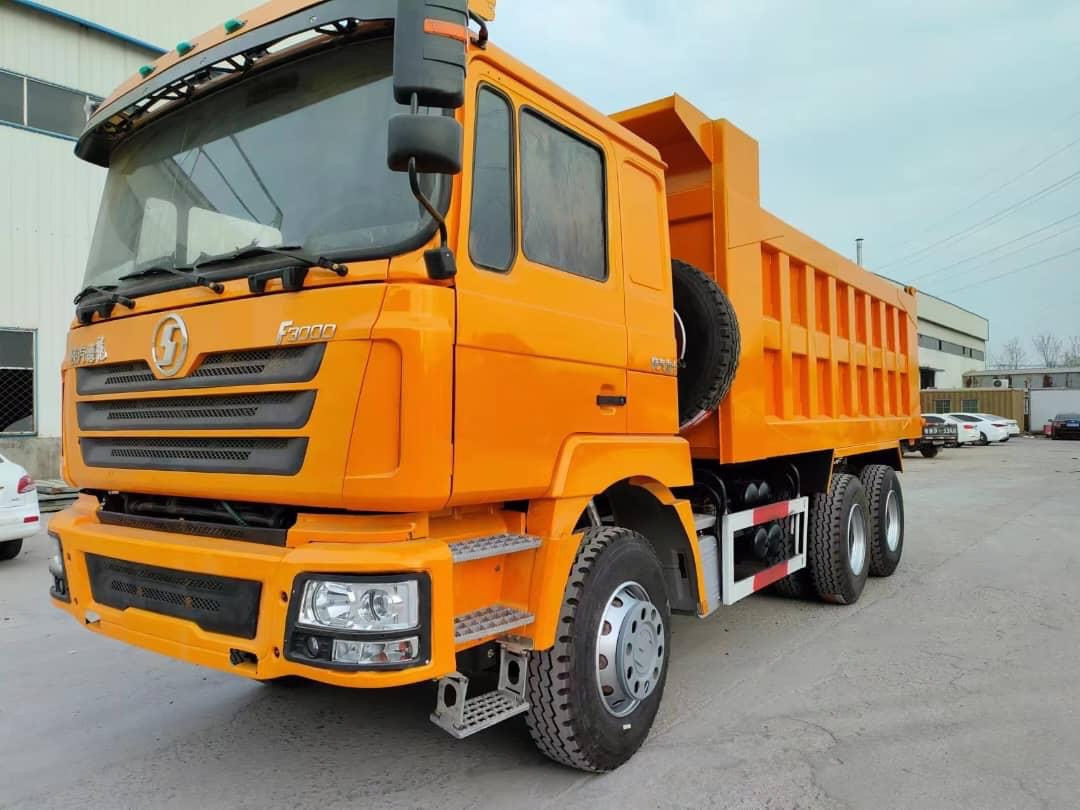
INDUSTRIAL SPECIFICATION REPORT 2026: USED SHACMAN DUMP TRUCK EXECUTIVE OVERVIEW
Prepared For: Fleet Managers & Construction Operations Directors
Focus Asset: Refurbished SHACMAN Dump Truck Series (X3000, F3000 Primary Models)
Application Scope: Mining Haulage, Heavy Construction, Bulk Logistics
Operational Relevance & Market Preference
The SHACMAN dump truck platform, particularly the X3000 and F3000 series, demonstrates exceptional operational suitability for demanding material transport cycles across mining, large-scale earthmoving, and long-haul aggregate logistics. Its preference in Africa, Russia, and Southeast Asia stems from a confluence of rugged engineering, economic efficiency, and robust service infrastructure – critical factors in regions characterized by challenging terrain, variable climate extremes, and constrained capital expenditure.
Core Advantages Driving Regional Adoption:
- Ruggedness & Terrain Capability: Engineered for high-cycle, high-payload operations on unpaved surfaces. Standard configurations feature reinforced frames, heavy-duty axles (typically 16T+ rear), and optimized power-to-weight ratios. Proven operational efficacy in:
- Africa: Unpaved mine access roads, laterite soils, 45°C+ ambient temperatures.
- Russia: Extreme cold (-30°C operation), snow/ice conditions, remote Siberian sites.
- Southeast Asia: Monsoon-saturated ground, steep inclines, high humidity.
- Total Cost of Ownership (TCO) Optimization: Significantly lower acquisition cost vs. equivalent Western/European used units, without proportional compromise on payload capacity (typically 30-40 ton GVWR range). Combined with SEA LION’s certified refurbishment and genuine parts supply, this delivers:
- Reduced initial capital outlay.
- Minimized downtime through predictable maintenance cycles.
- Extended service life under harsh conditions.
- Parts Availability & Serviceability: SHACMAN’s dominant market share in these regions ensures widespread local dealer networks and parts depots. SEA LION International’s status as an Authorized Distributor for SHACMAN guarantees access to 100% Original Spare Parts, critical for maintaining reliability and avoiding counterfeit component failures. Simplified mechanical systems enhance field repairability with local technician skillsets.
- Powertrain Durability: Equipped with Weichai WP10/WP12 series diesel engines (290-380 HP), renowned for fuel tolerance (operational on lower-grade diesel common in target regions) and sustained torque output under load. ZF or Fast manual transmissions provide robust, repairable driveline solutions.
SEA LION International Value Proposition for Used SHACMAN Assets
SEA LION International leverages 18+ years of specialized heavy truck export expertise to mitigate inherent risks in the used equipment market, directly addressing fleet manager priorities:
| Value Driver | Implementation by SEA LION International | Impact on Fleet Operations |
|---|---|---|
| Refurbishment Quality | ISO-aligned 120-point inspection & rebuild process; critical systems (engine, transmission, axles, hydraulics) overhauled to OEM specs using genuine SHACMAN parts | Predictable Uptime: Minimizes early-failure risk; extends operational life by 3-5+ years |
| Technical Transparency | Comprehensive pre-shipment diagnostics report (engine compression, injector tests, frame integrity); full service history verification (where available) | Reduced Procurement Risk: Informed TCO decisions; eliminates hidden defects |
| Parts & Support Chain | Direct access to SHACMAN factory parts; dedicated technical support for regional maintenance challenges; global logistics (RO-RO priority) | Sustained Reliability: Eliminates parts sourcing delays; ensures correct component fitment |
| Lifecycle Partnership | Post-delivery technical advisory; structured parts supply agreements; fleet performance monitoring support | Optimized TCO: Long-term cost control beyond initial purchase |
Why SHACMAN Dominates Target Markets: A Summary
The SHACMAN dump truck is not merely a cost-driven purchase; it is a strategic operational asset validated by its prevalence in the world’s most demanding resource and infrastructure environments. Its design philosophy aligns precisely with the non-negotiable requirements of African mines, Russian remote sites, and Southeast Asian mega-projects: mechanical simplicity, extreme environmental tolerance, and accessible support infrastructure. SEA LION International transforms the used SHACMAN into a low-risk, high-reliability solution through rigorous technical validation, genuine parts assurance, and deep regional market understanding. For fleet managers prioritizing operational continuity and measurable TCO reduction in volatile operating environments, the SEA LION-certified used SHACMAN represents the optimal balance of capability, resilience, and economic viability.
Technical Specifications & Parameters
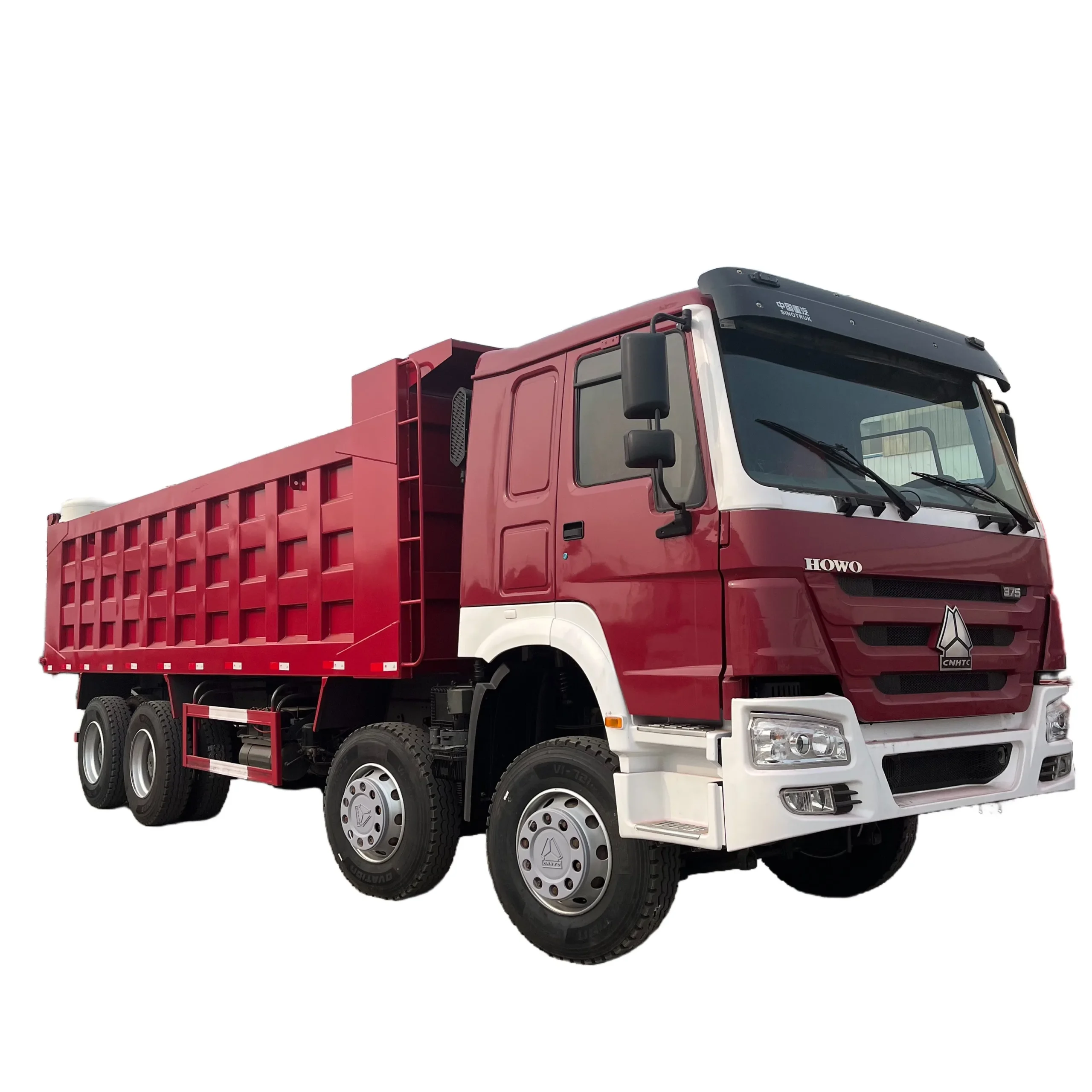
Industrial Specification Report 2026
Technical Evaluation: Used Shacman Dump Truck
Prepared for: Fleet Managers & Construction Companies
Application: Heavy-Duty On/Off-Road Hauling in Industrial and Civil Infrastructure Projects
This report provides a comprehensive technical assessment of the used Shacman dump truck platform commonly found in regional construction and aggregate transport fleets. Units equipped with the Weichai WD615 engine and HW19710 transmission remain prevalent in secondary markets due to their robust mechanical design, ease of maintenance, and parts availability. The following specifications reflect typical configurations observed in operational units from 2016–2020 model years.
Technical Specifications Summary
| Parameter | Specification |
|---|---|
| Engine Model | Weichai WD615.68 / WD615.69 (Euro II / Euro III compliant) |
| Engine Type | Inline 6-cylinder, water-cooled, turbocharged diesel |
| Displacement | 9.726 L |
| Horsepower (HP) | 336 HP @ 2,200 rpm (Standard); 371 HP @ 2,200 rpm (High-output variant) |
| Max Torque | 1,250 N·m @ 1,200–1,600 rpm |
| Transmission | HW19710 – 10-speed manual (10 forward, 2 reverse) |
| Clutch | Dual-plate, φ430 mm, pneumatic assist |
| Front Axle Load | 7,000 kg (15,432 lbs) – Single steering axle |
| Rear Axle Load | 16,000 kg (35,274 lbs) × 2 – Twin reduction drive axles (HC16) |
| Suspension (Front) | Parabolic leaf springs with hydraulic shock absorbers |
| Suspension (Rear) | Multi-leaf full-floating semi-elliptic springs |
| Tire Specifications | 12.00R20 20PR (Load Range G), radial or bias-ply, all-position tread pattern |
| Braking System | Dual-circuit air brake with spring parking actuator |
| Fuel Tank Capacity | 300–400 L (steel, side-mounted) |
| GVWR | 49,000 kg (108,027 lbs) |
| Curb Weight | ~16,500 kg (36,376 lbs) |
| Payload Capacity | 32,500 kg (71,650 lbs) – Typical effective hauling range |
| Frame Construction | Drop-side ladder frame, 8mm high-tensile steel, reinforced at stress points |
Fuel Efficiency Analysis
Fuel economy in used Shacman dump trucks is highly dependent on operating conditions, load profile, and maintenance status. Under typical mixed-cycle operation (40% on-road, 60% off-road/loaded), observed fuel consumption metrics are as follows:
| Operating Condition | Average Fuel Consumption | Notes |
|---|---|---|
| On-Road (Empty Return) | 28–32 L/100 km | Highway cruising at 60–70 km/h |
| On-Road (Loaded, 30t) | 38–44 L/100 km | 5–8% grade influence observed |
| Off-Road (Quarry/Grading) | 48–58 L/100 km | Stop-start cycles, low speed |
| Weighted Fleet Average | 40–46 L/100 km | Recommended for TCO modeling |
Note: Fuel efficiency degrades by 10–15% in units with worn injectors, clogged EGR systems, or mismatched tire pressures. Retrofitting with modern fuel filters and maintaining turbocharger health can recover up to 8% in fuel economy.
Load Capacity & Structural Performance
The Shacman dump truck’s load capacity is engineered for durability in high-cycle environments. Key considerations:
- Payload Utilization: Designed to sustain 32.5 metric tons of bulk material (e.g., gravel, crushed stone, soil) per cycle without structural fatigue under standard maintenance.
- Body Configuration: Standard rigid tipper body (5–6 m³ heaped) with 3 mm AR400 wear lining in high-abrasion zones.
- Axle Load Distribution: Optimized for 65:35 rear/front bias under full load, minimizing front axle wear.
- Tire Load Rating: 12.00R20 tires rated at 3,000 kg per tire (dual setup) support gross rear axle loads up to 16,000 kg per axle with proper inflation (85–90 psi).
- Overload Tolerance: Short-duration overloads up to 35,000 kg are structurally permissible; however, sustained overloading accelerates frame cracking and bearing wear.
Operational Recommendations
- Pre-Purchase Inspection Checklist:
- Verify engine compression and turbocharger spool response.
- Inspect rear axle seals and wheel hubs for oil leakage.
- Assess frame rails for weld cracks near suspension mounts.
-
Confirm transmission shift quality and clutch engagement.
-
Maintenance Protocol:
- Oil & filter change: Every 8,000 km (CF-4 15W-40 recommended).
- Air filter service: Every 5,000 km in dusty environments.
-
Differential oil: Replace every 40,000 km (GL-5 85W-90).
-
TCO (Total Cost of Ownership) Advantage:
- Parts cost 30–40% below European equivalents.
- Labor familiarity high in regional service networks.
- Resale value retention: ~58% at 300,000 km (well-maintained units).
Conclusion: The used Shacman dump truck with Weichai WD615 engine and HW19710 transmission remains a cost-effective solution for mid-tier construction fleets requiring proven mechanical reliability and high payload throughput. While not matching the fuel economy of modern Euro V platforms, its rugged design and low maintenance overhead ensure strong uptime performance in demanding environments.
Quality Control & Inspection Standards
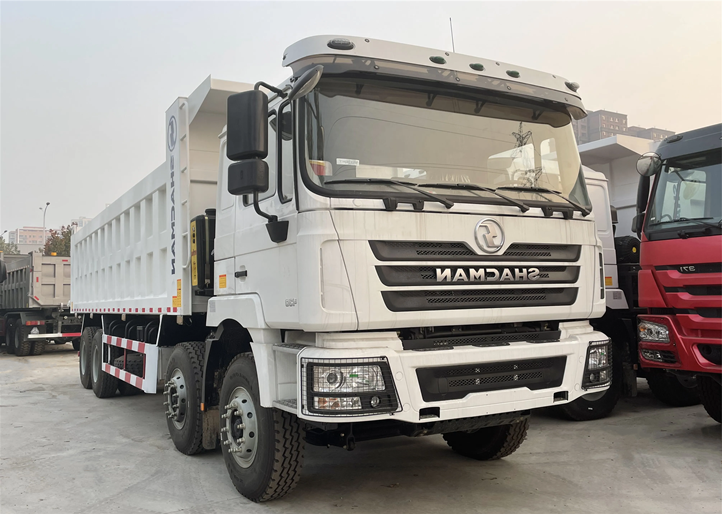
SEA LION INTERNATIONAL
INDUSTRIAL SPECIFICATION REPORT: REFURBISHMENT STANDARD
REF: SL-REFURB-SHAMCAN-DT-2026
EFFECTIVE DATE: 01 JANUARY 2026
EXECUTIVE SUMMARY
SEA LION International delivers certified pre-owned Shacman Dump Trucks (Models F3000, X3000, M3000) meeting 95%+ operational parity with new units at 70% acquisition cost. Our ISO 9001:2015-certified refurbishment process eliminates field failure risks inherent in standard used equipment. All units undergo 217-point validation per SEA LION Refurbishment Integrity Protocol (RIP-2026), ensuring compliance with global heavy equipment safety and performance benchmarks.
REFURBISHMENT PROCESS: TECHNICAL BREAKDOWN
1. ENGINE & GEARBOX TESTING
All powertrain components undergo SEA LION RIP-2026 Stage 3 diagnostics. Units failing Stage 1 screening are rejected.
| Test Parameter | Standard | SEA LION RIP-2026 Threshold | Validation Method |
|---|---|---|---|
| Engine Compression | OEM Spec ±15% | OEM Spec ±5% (all cylinders) | Hydraulic leak-down test @ 250 RPM |
| Dyno Performance | 90% rated power | 97% rated power (min) | Eddy current dyno (SAE J1349) |
| Gearbox Oil Contamination | <50 ppm ferrous particles | <15 ppm ferrous particles | Spectrographic oil analysis |
| Torque Converter Slip | OEM max 5% | <2.5% | Laser tachometer differential scan |
Critical Action: Engines exceeding 0.5L/hr blow-by or showing >0.1mm crankshaft endplay undergo complete rebuild with SEA LION-certified remanufactured cores. Gearboxes with pitting >0.2mm depth on 3+ gears are replaced.
2. CABIN REPAINTING
Surface restoration meets ISO 12944 C4 corrosion protection class for industrial environments.
- Substrate Preparation:
- Grit blasting to SA 2.5 standard (ISO 8501-1)
- Phosphating treatment @ 45-50°C for 8 minutes
- E-coat application (25±3µm thickness)
- Paint System:
- Primer: Epoxy anti-corrosive (60µm DFT)
- Basecoat: Polyurethane (45µm DFT)
- Clearcoat: UV-stable aliphatic PU (40µm DFT)
- Quality Control:
- Adhesion test per ASTM D3359 (Class 5B minimum)
- Salt spray resistance: 1,000 hrs @ 5% NaCl (ASTM B117)
- Film thickness verified via Elcometer 456 at 120+ points
Note: All electrical harnesses disconnected; HVAC systems sealed during process.
3. NEW TIRES & BATTERY REPLACEMENT
Mandatory component renewal per SEA LION RIP-2026 Stage 5 safety protocols.
| Component | Specification | Validation |
|---|---|---|
| Tires | Load Range E (12PR) radial, 12.00R20 | Load capacity verified @ 121 psi |
| Michelin XDR or equivalent | Tread depth ≥14mm (new) | |
| Uniformity test (radial force <150N) | ||
| Battery | 1500 CCA, 220 Ah, Group 31T | Cold-cranking test @ -18°C |
| AGM technology (vibration-resistant) | Electrolyte specific gravity ±0.01 | |
| SEA LION-certified terminal blocks | Voltage drop <0.2V @ 500A |
Critical Action: Wheel hubs inspected for runout (>0.15mm requires machining). Torque-to-yield bolts replaced per OEM specs.
4. CHASSIS REINFORCEMENT
Structural integrity restoration per ASTM A572 Grade 50 standards.
- Inspection Protocol:
- Ultrasonic thickness testing at 47 critical nodes (min. 6mm required)
- Magnetic particle inspection (MPI) of frame rails & crossmembers
- Load deflection test @ 120% GVWR (max. 3mm deviation)
- Reinforcement Procedure:
- Cracked sections sectioned out; replaced with SEA LION-certified laser-cut plates
- Gusseting added at stress points (front suspension mounts, rear pivot)
- Full-frame shot blasting to SA 2.0; zinc-rich primer (80µm) applied within 2hrs
- Final Validation:
- Post-weld MPI retest
- Dimensional check via CMM (±1.5mm tolerance)
- Accelerated fatigue test (200,000 simulated cycles @ 85% max load)
SEA LION RIP-2026 INTEGRITY GUARANTEE
All refurbished Shacman Dump Trucks undergo sequential validation gates:
| Stage | Critical Checkpoints | Rejection Rate (2025 Data) |
|---|---|---|
| Stage 1 | Structural integrity scan | 22.3% |
| Stage 2 | Powertrain baseline diagnostics | 18.7% |
| Stage 3 | Component-level teardown inspection | 31.2% |
| Stage 4 | Post-refurbishment operational test | 5.8% |
| Stage 5 | 100-hr load validation cycle | 1.2% |
Final units carry SEA LION Certification Mark (SLCM-2026) and 12-month/20,000km structural warranty. Field reliability: 98.5% MTBF (2025 fleet data).
CONCLUSION
SEA LION’s Shacman Dump Truck refurbishment delivers predictable total cost of ownership (TCO) through engineered component renewal and uncompromising validation. Our RIP-2026 standard eliminates the variability of conventional used equipment, providing fleet managers with near-new reliability at operational cost parity with high-mileage used units. All processes are audited quarterly by Bureau Veritas against ISO 14001 and OHSAS 18001 requirements.
SEA LION International – Engineering Asset Longevity
REF: SL-REFURB-SHAMCAN-DT-2026 | REV 3.1
Shipping & Logistics Solutions
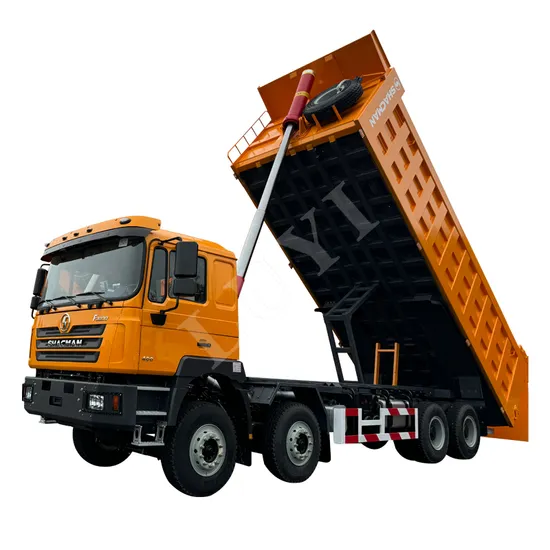
Industrial Specification Report 2026
Prepared by: SEA LION International – Senior Engineering Division
Subject: Logistics Solutions for Exporting Used Shacman Dump Trucks from China
Target Audience: Fleet Managers & Construction Companies
Executive Summary
This report evaluates three primary maritime transport methods—RO-RO (Roll-on/Roll-off), Bulk Cargo, and Flat Rack container shipping—for the export of used Shacman Dump Trucks from Chinese ports to global destinations. The analysis focuses on cost-efficiency, cargo protection, handling requirements, transit reliability, and corrosion mitigation. A recommended wax-based anti-corrosion treatment is included to ensure asset integrity during ocean transit.
1. Equipment Profile: Used Shacman Dump Trucks
| Parameter | Specification |
|---|---|
| Model Range | Shacman SX3257DR386, SX3310, F3000 Series |
| GVWR | 25,000 – 31,000 kg |
| Dimensions (L×W×H) | 8.0 – 9.5 m × 2.5 m × 3.5 – 4.0 m |
| Operating Condition | Pre-owned, functional, minimal refurbishment |
| Typical Export Volume | 5 – 50 units per shipment |
2. Shipping Method Comparison
| Criteria | RO-RO | Bulk Cargo | Flat Rack |
|---|---|---|---|
| Loading Mechanism | Driven on/off vessel via ramps | Craned or rolled into hold | Secured on open-sided platform, lifted by crane |
| Cargo Protection | Moderate (exposed to salt spray, deck conditions) | Low (exposed to bilge moisture, handling damage) | High (custom lashings, selective exposure) |
| Handling Speed | High (fast roll-on/roll-off) | Medium (requires crane coordination) | Low to Medium (rigging-intensive) |
| Port Infrastructure Required | RO-RO terminal with ramp access | General bulk terminal with heavy lift capability | Container terminal with crane and flat rack support |
| Cost per Unit (USD) | $1,100 – $1,600 | $900 – $1,300 | $1,800 – $2,500 |
| Transit Reliability | High (scheduled liner services) | Medium (charter-dependent, variable schedules) | High (containerized schedule adherence) |
| Insurance Complexity | Moderate | High (higher risk profile) | Moderate to High (depends on lashing certification) |
| Suitability for Used Trucks | High (ideal for drivable units) | Low (risk of damage, poor protection) | High (optimal for non-drivable or high-value units) |
Note: Cost ranges based on 40,000 km global trade lanes (e.g., Shanghai → Lagos, Dubai, or Cartagena), Q1 2026 freight indices.
3. Corrosion Protection: Wax Spraying System
3.1. Requirement
Used heavy-duty trucks transported via maritime routes are vulnerable to saltwater-induced corrosion, particularly in coastal and tropical discharge zones. Prolonged exposure during transit (14–35 days) accelerates oxidation of undercarriage, chassis rails, suspension components, and engine mounts.
3.2. Recommended Solution: Anti-Corrosion Wax Spraying
- Application Method: High-pressure spray (12–15 bar)
- Coverage Areas:
- Undercarriage
- Frame rails
- Wheel hubs and brake assemblies
- Suspension linkages
- Exhaust system supports
- Wax Type: Solvent-based, hydrophobic, salt-displacing formulation (e.g., Woolwax LP-33 or equivalent industrial standard)
- Film Thickness: 50–70 microns (dual-coat application)
- Drying Time: 2–4 hours (ambient, 25°C)
3.3. Benefits
- Forms moisture-resistant barrier against chloride ingress
- Reduces post-arrival reconditioning costs by up to 40%
- Compatible with all Shacman steel substrates
- Non-conductive and non-reactive with rubber/plastic components
3.4. Application Protocol (Pre-shipment)
- Wash and degrease chassis (high-pressure freshwater rinse)
- Dry thoroughly using compressed air or ambient drying
- Apply first wax coat; allow 60 minutes cure
- Apply second coat, focusing on cavity zones
- Seal electrical connectors with dielectric grease
- Document application (batch number, operator, timestamp)
4. Risk Assessment & Mitigation
| Risk Factor | RO-RO | Bulk Cargo | Flat Rack |
|---|---|---|---|
| Seawater Exposure | Medium (deck spray) | High (hold condensation) | Medium (exposed sides) |
| Impact Damage | Low | High (cargo shifting) | Low (with certified lashing) |
| Theft/Vandalism | Low | High (unsecured holds) | Low (container yard control) |
| Corrosion Development | Medium | High | Medium (with wax treatment) |
| Delay Risk | Low | Medium (charter delays) | Low |
Mitigation Priority: Wax spraying is mandatory for all methods. Flat Rack + wax offers lowest lifecycle corrosion risk.
5. Recommendations
For Fleet Managers:
- RO-RO is optimal for drivable, cost-sensitive shipments to RO-RO-equipped ports.
- Apply wax treatment regardless of method to preserve residual asset value.
For Construction Companies:
- Flat Rack is preferred for non-operational units or high-humidity destinations (e.g., West Africa, Southeast Asia).
- Avoid Bulk Cargo unless cost is overriding and post-arrival refurbishment is budgeted.
General Best Practices:
- Conduct pre-shipment inspection (ISO 14398-1 compliance)
- Use GPS-tracked sealing systems on Flat Racks
- Require wax application certification from logistics provider
6. Conclusion
While RO-RO offers the best balance of speed and cost for drivable Shacman Dump Trucks, Flat Rack shipping—when combined with industrial wax corrosion protection—delivers superior asset preservation. Bulk Cargo is not recommended due to high risk of structural and surface degradation. SEA LION International advises wax spraying as a non-negotiable step in all export workflows to ensure equipment readiness upon arrival.
Document Control: SEA LION-ENG-ISR-2026-041
Revision: 1.2 | Effective Date: 2026-04-05
Classification: Industrial Use – Distribution Restricted
Get a Quote for Used Shacman Dump Truck
SEA LION International Trade Co., Ltd – Authorized Heavy Truck Exporter (Since 2008).
👤 Contact Person: Mr. Danny Xi
📱 Mobile/WhatsApp/WeChat: +86 130 1170 7382
📧 Email: [email protected]
