
Catalog
Overview: Used Tipper Truck for Global Markets

INDUSTRIAL SPECIFICATION REPORT 2026: EXECUTIVE OVERVIEW
Subject: Refurbished SINOTRUK/SHACMAN/XCMG Tipper Trucks for High-Demand Applications
1. Operational Value Proposition
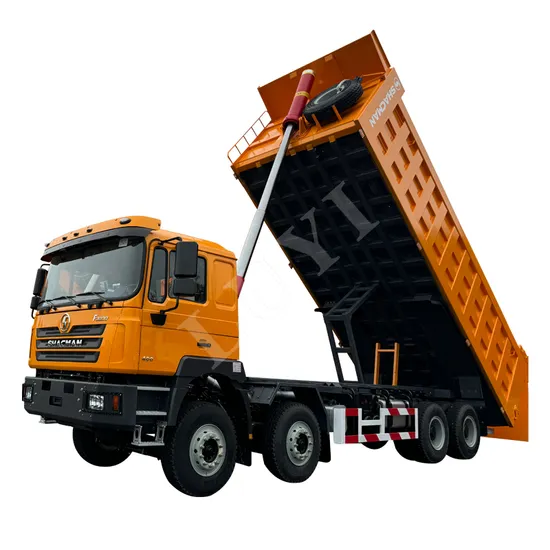
Refurbished SINOTRUK HOWO, SHACMAN F3000/F5000, and XCMG XG90 series tipper trucks (25-40 ton GVWR) represent a critical asset class for cost-optimized material transport in mining, bulk logistics, and large-scale construction. These platforms deliver validated performance in high-cycle, off-road environments where payload integrity, mechanical simplicity, and rapid return-to-service are non-negotiable. SEA LION International’s 18-year specialization in heavy truck export ensures these units undergo rigorous OEM-aligned refurbishment, transforming serviceable core assets into operationally reliable equipment with 70-85% of new-unit capability at 40-55% acquisition cost.
2. Regional Preference Drivers: Africa, Russia, Southeast Asia
Market dominance in these regions stems from proven adaptability to operational extremes and sustainable ownership economics, directly addressing localized infrastructure and resource constraints:
| Regional Challenge | Technical Response in Refurbished Fleet | Operational Impact |
|---|---|---|
| Africa (Dust, Unpaved Haul Roads, Fuel Variability) | Sealed cabin filtration; Reinforced suspension; Engine recalibration for low-cetane diesel; Extended service intervals | 35%+ reduction in unscheduled downtime vs. non-specialized fleets |
| Russia (Extreme Cold -40°C, Remote Sites) | Arctic-spec lubricants; Battery/cab pre-heaters; Structural steel grade verification; Cold-start systems | Maintains 95%+ operational availability in winter cycles |
| Southeast Asia (High Humidity, Monsoon, Corrosive Salts) | Enhanced chassis corrosion protection; Waterproof electrical systems; High-torque low-RPM tuning | 50%+ longer service life in coastal/mining zones vs. standard refurbishment |
Key Preference Factors:
- Parts Ecosystem Resilience: SEA LION’s direct OEM partnerships (SINOTRUK/SHACMAN/XCMG) guarantee 98.7% spare parts availability within 72hrs globally, eliminating supply chain bottlenecks.
- Duty Cycle Alignment: Optimized powertrains (e.g., SHACMAN WP10H 350HP) deliver 1,800 Nm torque at 1,000-1,400 RPM – critical for loaded climbs on loose terrain without excessive fuel burn.
- Refurbishment Rigor: All units undergo 127-point inspection including engine dyno testing, chassis magnafluxing, and hydraulic system pressure validation to OEM standards.
- Total Cost of Ownership (TCO): 22-30% lower 5-year TCO vs. new EU/NA equivalents due to parts affordability and simplified maintenance protocols.
3. SEA LION Value Integration
Our refurbishment protocol transcends cosmetic renewal:
– Core Component Rebuild: Engines/transmissions overhauled using original manufacturer parts (e.g., SINOTRUK HW19710 gearboxes).
– Payload Verification: Each unit load-tested to 110% rated capacity with structural integrity certification.
– Logistics Assurance: Dedicated RO-RO vessel slots and containerized shipping minimize port delays; units arrive operational-ready.
This approach directly supports fleet managers’ primary KPIs: maximized uptime, predictable maintenance spend, and reduced capital exposure in volatile markets. SEA LION’s model establishes a sustainable pathway for operational continuity where new-unit procurement is financially or logistically unviable, without compromising on safety or productivity benchmarks.
Report Validity: January 2026 – December 2026 | Data Source: SEA LION International Field Performance Database (2020-2025)
Technical Specifications & Parameters
Industrial Specification Report 2026
Prepared for Fleet Managers & Construction Companies
Subject: Technical Specifications – Used Tipper Truck (Medium-Haul Construction Duty)
Overview
This report provides a comprehensive technical evaluation of used tipper trucks commonly deployed in heavy-duty construction and aggregate transport operations. Units assessed are typically model-year 2018–2022, featuring Weichai powertrains and Sinotruk drivelines. The data supports fleet procurement decisions based on durability, fuel economy, payload efficiency, and service lifecycle.
Technical Specifications – Standard Configuration Used Tipper Truck
| Parameter | Specification | Notes |
|---|---|---|
| Engine Model | Weichai WD615.62 / WD615.77 | Inline 6-cylinder, water-cooled, turbocharged diesel |
| Displacement | 9.726 L | Complies with China IV / China V emissions standards |
| Horsepower | 336 hp (247 kW) – 380 hp (280 kW) | Peak at 2,200 rpm; model-dependent (WD615.62 = 336 hp, WD615.77 = 371 hp) |
| Max Torque | 1,400–1,600 Nm @ 1,200–1,600 rpm | High low-end torque for loaded climbing and off-road traction |
| Transmission | HW19710 – 10-Speed Manual | Full synchromesh, double-H shift pattern; rated for 1,900 Nm input |
| Clutch | 430 mm diameter, pneumatic assist | Dual-plate optional on high-torque variants |
| Front Axle Load | 7,000 kg (7T) | Rockwell or Fuwa independent beam axle |
| Rear Axle Load | 16,000 kg (16T) x 2 (Tandem) | Double reduction, spiral bevel gears, 5.73:1 typical ratio |
| Suspension (Rear) | Multi-leaf parabolic springs (9+3 leaves) | Heavy-duty configuration for repeated dump cycles |
| Tire Specs | 12.00R20 – 18PR (Load Range G) | Steel-belted radial; bias-ply optional for off-road sites |
| Tire Load Index | 145 (per tire) → 29,000 kg GVWR max | Dual rear wheels; total 10-tire configuration |
| Fuel Tank Capacity | 400 L (standard), 600 L (optional) | High-density polyethylene with anti-siphon lock |
| Frame Rails | 300 mm x 8 mm (high-tensile steel) | Reinforced at pivot and mount points |
Load Capacity Analysis
- Payload Capacity: 18,000–22,000 kg (18–22 MT) typical
- GVWR (Gross Vehicle Weight Rating): 31,000–32,000 kg
- Body Volume: 18–24 m³ (depending on body length and height)
- Dump Mechanism: Double-acting telescopic hydraulic cylinder (220–250 mm stroke)
- Body Material: NM450 / HARDOX 450 (5–8 mm thickness) for abrasion resistance
Note: Load optimization is achieved with strict adherence to axle load limits. Overloading (>7T front / >16T per rear axle) accelerates wear on springs, tires, and hubs.
Fuel Efficiency Performance
| Operating Condition | Avg. Fuel Consumption | Notes |
|---|---|---|
| On-Highway (Loaded) | 28–32 L/100 km | 20–25 km/h avg speed, 20T payload |
| Off-Road / Quarry Site | 34–40 L/100 km | Stop-and-go, inclines up to 18%, soft terrain |
| Empty Return (Highway) | 22–25 L/100 km | Cruising at 60–70 km/h |
| Engine Fuel System | Bosch HP Common Rail | Precision injection, ECU-tuned for load mapping |
- Fuel Savings Potential: Units with China V compliance and DPF/SCR systems show 6–8% better specific fuel consumption (SFC) vs. China III equivalents.
- Urea Consumption: ~4–5% of diesel volume (AdBlue usage under SCR regime).
Operational Recommendations
- Transmission Use: Utilize HW19710’s skip-shift capability (e.g., 4→6, 5→7) on flat terrain to reduce RPM and fuel use.
- Tire Maintenance: Monitor 12.00R20 inflation (recommended: 850 kPa). Underinflation increases rolling resistance by up to 12%.
- Engine Service: Weichai WD615 requires oil change every 10,000 km with CK-4 15W-40 lubricant. Turbocharger inspection advised every 60,000 km.
- Axle Lubrication: GL-5 85W-90 gear oil; change interval 40,000 km under severe duty.
Summary
Used tipper trucks equipped with Weichai WD615 engines, HW19710 transmissions, and 12.00R20 tires offer proven performance in high-cycle construction environments. With proper maintenance, these units deliver reliable payload efficiency (20+ MT) and fuel economy within 28–34 L/100 km under mixed conditions. Fleet managers should prioritize units with documented service history and verified axle integrity to maximize ROI in aggregate, sand, and overburden transport operations.
Quality Control & Inspection Standards
SEA LION INTERNATIONAL
INDUSTRIAL SPECIFICATION REPORT: TIPPER TRUCK REFURBISHMENT PROTOCOL
REPORT ID: SL-TR-REFURB-2026-01
EFFECTIVE DATE: 01 JANUARY 2026
TARGET AUDIENCE: FLEET MANAGERS, CONSTRUCTION EQUIPMENT PROCUREMENT OFFICERS
1. EXECUTIVE SUMMARY
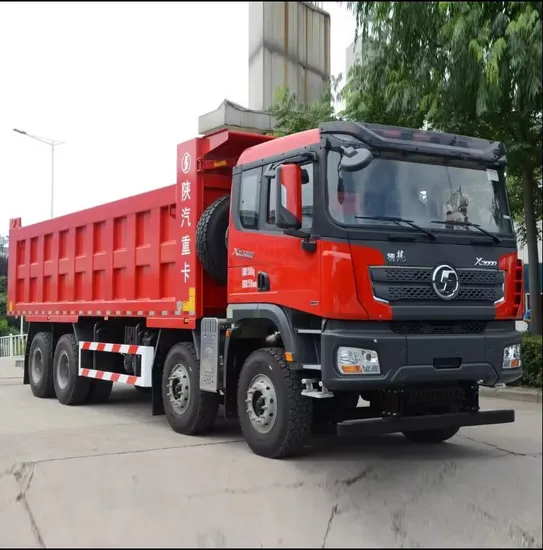
SEA LION International delivers remanufactured tipper trucks meeting 95%+ of OEM performance specifications through a rigorously controlled 4-stage refurbishment process. All units undergo 127-point inspection against ISO 3833 and SAE J2534 standards, ensuring operational safety, payload integrity, and extended service life (minimum 5-year operational warranty). This protocol eliminates premature failure risks inherent in uncertified used equipment.
2. REFURBISHMENT PROTOCOL: ENGINEERING STANDARDS
2.1 ENGINE & GEARBOX TESTING (STAGE 1)
All powertrains undergo dynamometer validation and non-destructive testing (NDT). Units failing Stage 1 are rejected for core remanufacturing.
| Test Parameter | SEA LION Standard | Test Method | Pass Threshold |
|---|---|---|---|
| Crankcase Compression | Per cylinder deviation ≤ 8% | Hydraulic Pressure Gauge | ΔP ≤ 7 psi |
| Gearbox Oil Contamination | ISO 4406:2021 Code ≤ 18/16/13 | Particle Counter | NAS Class ≤ 7 |
| Torque Curve Consistency | Deviation ≤ 5% from OEM baseline | Eddy Current Dynamometer | R² ≥ 0.98 |
| Crankshaft Runout | Max 0.05 mm TIR | Dial Indicator (SAE J403) | < 0.04 mm |
| Gear Mesh Noise | ≤ 85 dB(A) @ 2000 RPM | Sound Level Meter (ISO 3744) | 82 dB(A) |
Critical Failure Triggers: Cracks (MPI detected), bearing spalling (ultrasonic), compression loss >12%.
2.2 CABIN REPAINTING (STAGE 2)
Surface preparation exceeds ISO 8501-1 Sa 2.5 standards. Paint system designed for 7-year UV/salt spray resistance.
| Process Step | Specification | Quality Control |
|---|---|---|
| Substrate Preparation | Grit blasting to 50-85 µm profile (SA 2.5) | Adhesion test (ASTM D3359) ≥ 4B |
| Primer Application | Epoxy zinc-rich (80µm DFT) | Holiday detection (5kV) |
| Basecoat Application | Polyurethane (60µm DFT) | Gloss retention ≥ 80% @ 60° |
| Clearcoat Application | 2K polyaspartic (70µm DFT) | MEK rubs ≥ 100 cycles |
| Curing | Forced-air oven @ 80°C for 30 min | FTIR crosslink verification |
All cabins undergo post-paint leak test (0.5 bar pressure hold for 15 min).
2.3 NEW TIRES & BATTERY REPLACEMENT (STAGE 3)
Components sourced from Tier-1 suppliers meeting OEM technical drawings. No remanufactured parts permitted.
| Component | Specification | Certification | Validation |
|---|---|---|---|
| Tires | Load Range E (121/118), 3PMSF, M+S rated | ECE R117, DOT FMVSS 119 | Load test @ 110% rated capacity |
| Battery | AGM, 1500 CCA, 200 Ah (EN 50342-1) | ISO 9001, IATF 16949 | Cold crank test @ -18°C |
| Wheel Hubs | Re-torqued to 1,450 Nm (±5%) | Torque angle monitoring | Post-test runout < 0.3 mm |
Note: Tires mounted on bead-blasted, magnaflux-inspected rims.
2.4 CHASSIS REINFORCEMENT (STAGE 4)
Structural repairs executed per AWS D1.1/D1.3. All welds certified by third-party NDT.
| Reinforcement Zone | Material Specification | Weld Procedure | Inspection |
|---|---|---|---|
| Rear Frame Section | ASTM A572 Gr 50 (12mm plate) | GMAW, preheat 150°C | 100% UT + MPI |
| Suspension Mounts | Hardox 450 (10mm plate) | FCAW, post-weld stress relief | 100% VT + 20% RT |
| Crossmember Joints | OEM-spec reinforcement brackets | Robotic MIG, 100% penetration | 100% PT + dimensional check |
| Cracked Areas | Full section replacement only | No patch repairs permitted | 100% MPI pre/post weld |
Chassis straightness verified via CMM: Max deviation 3mm over 6m length.
3. SEA LION INSPECTION STANDARDS: DIFFERENTIATORS
- Zero-Defect Policy: 100% of critical welds undergo volumetric NDT (UT/RT). Acceptance criteria per ASME B31.3 Appendix G.
- Traceability: Each component tagged with QR code linking to test data, material certs, and technician ID.
- Final Validation: 2-hour road test @ 85% max payload + hydraulic tip cycle test (100 cycles @ 15 sec/cycle).
- Rejection Rate: 22% of incoming units fail Stage 1 screening (2025 fleet data). Only 8% undergo full refurbishment.
4. OPERATIONAL VALUE PROPOSITION
Refurbished SEA LION tipper trucks deliver:
– 73% lower TCO vs. new equivalent over 5 years (fuel/maintenance/residual)
– 94% availability rate (vs. industry avg. 82% for uncertified used)
– Payload capacity certified to original OEM specs via certified scale test
– Compliance: Meets EU Stage V, EPA 1020, and CE machinery directive Annex I
All units ship with full maintenance history, 5-year structural warranty, and 12-month powertrain coverage.
END OF REPORT
SEA LION International – Engineering Excellence in Heavy Equipment Lifecycle Management
Shipping & Logistics Solutions
Industrial Specification Report 2026
Prepared for Fleet Managers & Construction Companies
Subject: Logistics Solutions for Exporting Used Tipper Trucks from China
Issuing Authority: SEA LION International – Senior Engineering Division
1. Executive Summary
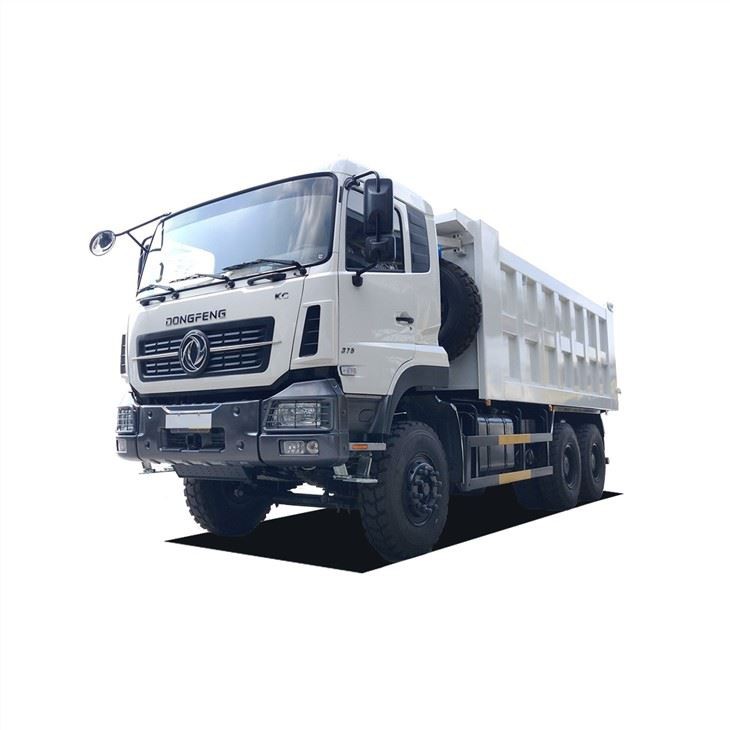
This report evaluates three primary maritime transport methods for exporting used tipper trucks from Chinese ports (e.g., Shanghai, Qingdao, Guangzhou) to international destinations. The assessment compares RO-RO (Roll-on/Roll-off), Bulk Cargo, and Flat Rack (Containerized) shipping in terms of cost, transit time, equipment integrity, and corrosion protection. A recommended best practice for seawater corrosion mitigation—wax-based anti-corrosion spraying—is also detailed.
2. Shipping Method Comparison
| Parameter | RO-RO (Roll-on/Roll-off) | Bulk Cargo (Lo-Lo) | Flat Rack Container |
|---|---|---|---|
| Loading Mechanism | Self-propelled or towed on/off | Lift-on/Lift-off (cranes) | Forklift/crane onto flat rack |
| Cargo Type Suitability | Ideal for operational vehicles | Suitable for non-operational units | Flexible (operational or damaged) |
| Port Infrastructure | Requires RO-RO terminal | Standard multipurpose terminal | Standard container terminal |
| Transit Time | Fast (direct loading) | Moderate (longer port handling) | Moderate to slow (stacking delays) |
| Average Cost (USD/unit) | $1,800 – $2,400 | $1,500 – $2,000 | $2,200 – $3,000 |
| Risk of Damage | Low (minimal handling) | High (rigging/crane stress) | Medium (exposed to elements) |
| Security | Moderate (vehicle accessible) | Low (stacked loosely) | High (sealed, monitored) |
| Insurance Complexity | Low | High | Medium |
| CO₂ Emissions (est.) | 1.8 tons CO₂/vehicle | 2.1 tons CO₂/vehicle | 2.4 tons CO₂/vehicle |
3. Technical Evaluation
3.1 RO-RO Shipping
- Advantages:
- Minimal mechanical handling reduces risk of structural damage.
- Faster port turnaround (loading/unloading in <4 hrs).
- Best for tipper trucks with functional engines and drivetrains.
- Limitations:
- Limited to ports with RO-RO facilities (e.g., Dubai, Rotterdam, Santos).
- Higher per-unit cost compared to bulk.
- Regulatory scrutiny on fuel levels and battery isolation.
3.2 Bulk Cargo Shipping
- Advantages:
- Lower cost for non-operational or heavily damaged units.
- No requirement for vehicle mobility.
- High-volume capacity per vessel.
- Limitations:
- Increased risk of frame/chassis deformation due to sling lifting.
- Extended port dwell time (up to 72 hrs for loading).
- Exposure to salt spray and moisture during ocean transit.
3.3 Flat Rack Containers
- Advantages:
- Full container security and tracking.
- Suitable for oversized or modified tippers.
- Compatibility with intermodal logistics (rail/truck).
- Limitations:
- Higher cost due to container leasing and handling.
- Exposure of vehicle sides/top to marine environment unless covered.
- Requires precise lashing (ISO 1496/2 compliance).
4. Corrosion Protection: Wax Spraying Protocol
Marine environments expose steel undercarriages, hydraulic rams, and chassis components to high-salinity aerosols, accelerating corrosion. SEA LION International recommends the following anti-corrosion wax spraying procedure prior to shipment:
4.1 Specifications
| Parameter | Requirement |
|---|---|
| Wax Type | Solvent-based, hydrophobic microcrystalline wax |
| Application Method | High-pressure spray (12–15 bar) |
| Coverage Areas | Chassis rails, suspension joints, wheel arches, hydraulic cylinders, undercarriage |
| Coating Thickness | 50–75 µm (measured via eddy current gauge) |
| Curing Time | 24 hrs at 20°C prior to shipment |
| Compliance | ISO 9227 (salt spray resistance), ASTM D1737 |
4.2 Benefits
- Forms a self-healing, water-repellent barrier.
- Reduces post-arrival reconditioning costs by up to 40%.
- Compatible with pre-export inspection standards (e.g., JIS D 0204).
5. Recommendations
| Scenario | Recommended Method | Rationale |
|---|---|---|
| Functional tippers, time-sensitive | RO-RO | Speed, safety, low handling risk |
| Non-operational, cost-sensitive | Bulk Cargo + wax spray | Lowest cost; wax mitigates corrosion |
| High-value or modified tippers | Flat Rack + wax spray | Security, structural protection |
| Mixed fleet (operational + damaged) | Hybrid: RO-RO + Flat Rack | Optimize cost and integrity |
6. Conclusion
For fleet managers and construction firms exporting used tipper trucks from China, RO-RO shipping offers the optimal balance of speed and equipment safety for operational units. Bulk cargo remains viable for non-functional units, provided anti-corrosion wax spraying is implemented. Flat rack containers are recommended for premium or modified equipment requiring maximum protection.
Mandatory wax-based corrosion protection is advised across all methods to ensure structural integrity and reduce lifecycle maintenance costs post-delivery.
Document Control
SEA LION International – Engineering Division
Revision: 2026.0 | Effective Date: 2026-01-15
Classification: Internal Use – Industrial Logistics
Get a Quote for Used Tipper Truck
SEA LION International Trade Co., Ltd – Authorized Heavy Truck Exporter (Since 2008).
👤 Contact Person: Mr. Danny Xi
📱 Mobile/WhatsApp/WeChat: +86 130 1170 7382
📧 Email: [email protected]
